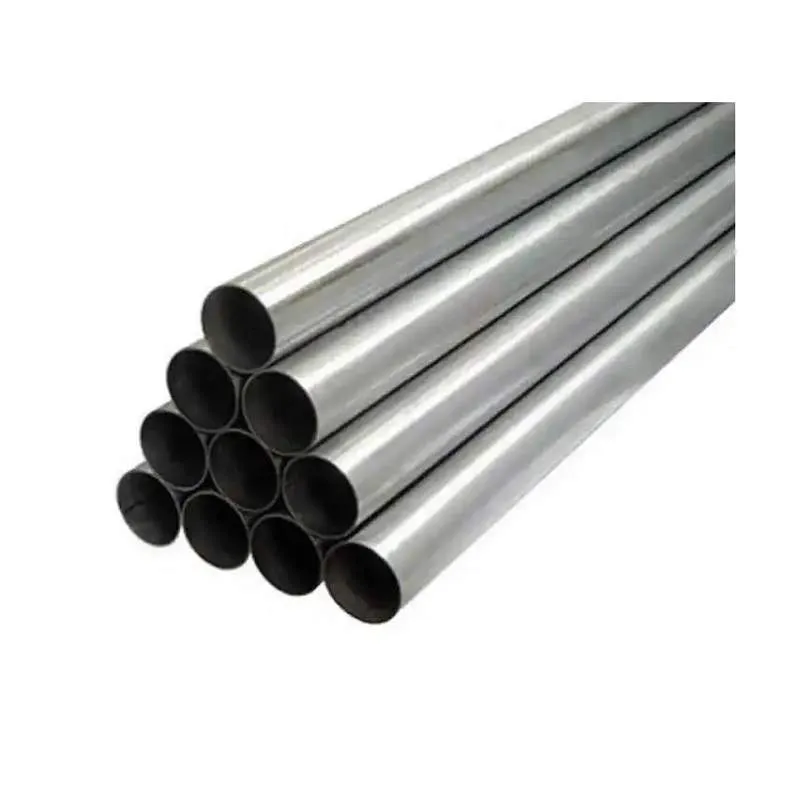
AISI 4118H Steel Capillary,
Product Code : STI-AL-034-CU
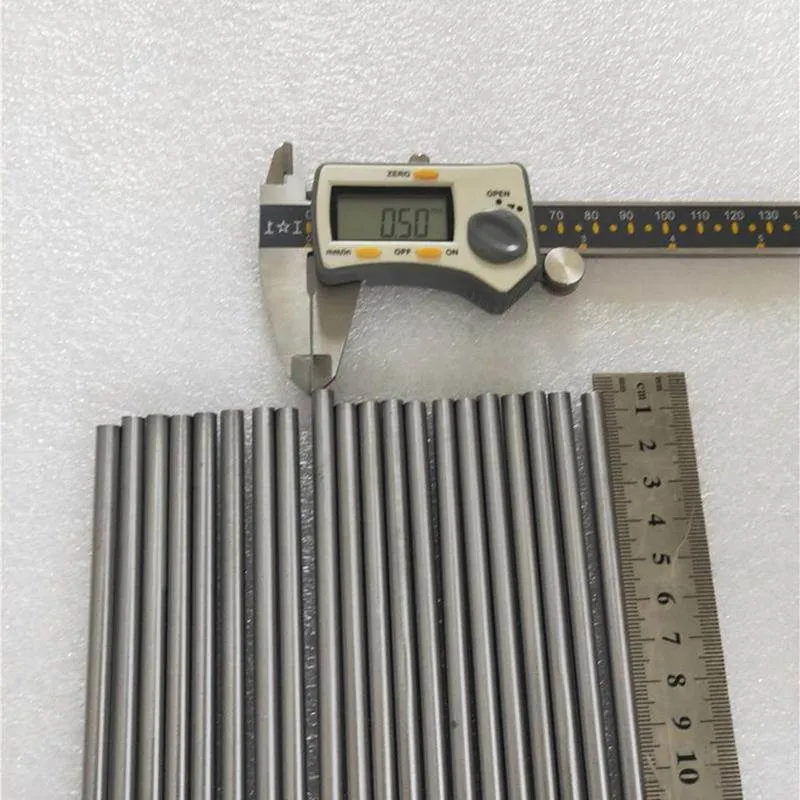
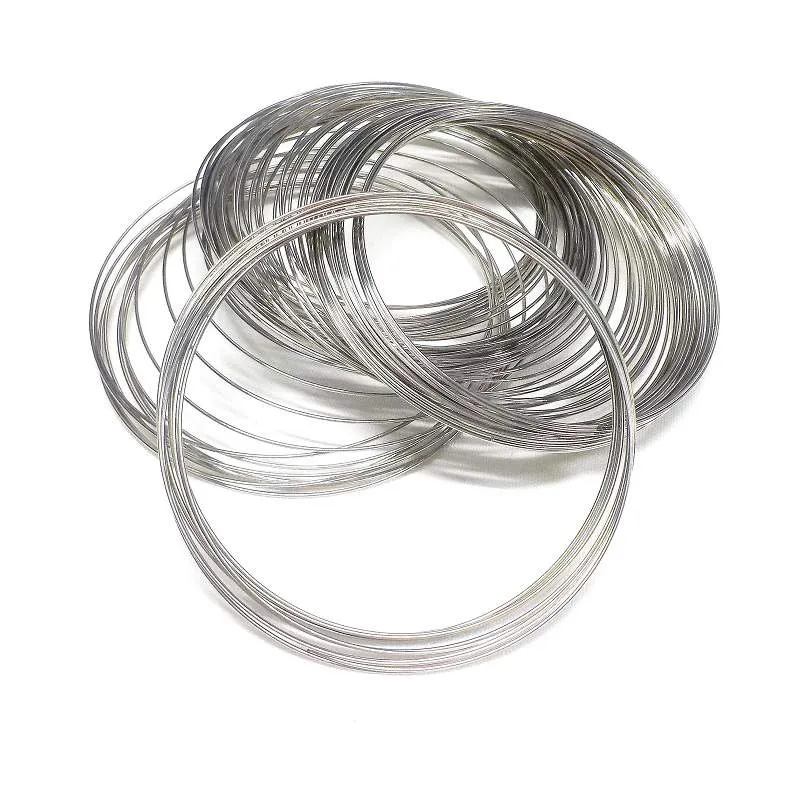
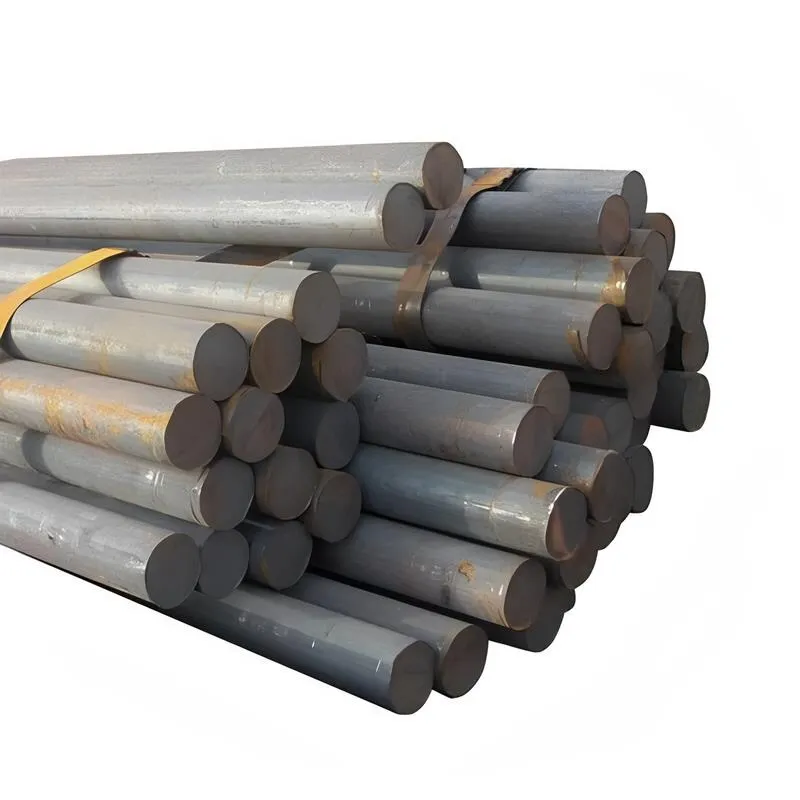
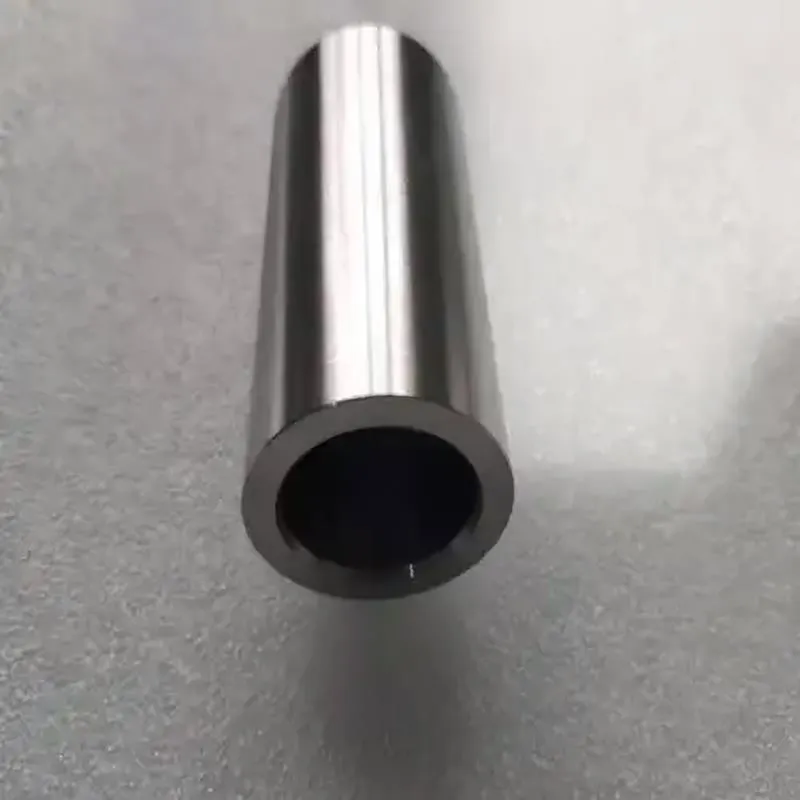
We provide AISI 4118H Steel Capillary, is available in Bar (Round bar, Flat bar), Ribbon, Wire, Rods, Tube,Seamless Tube,Pipe, Ingots, Plate, Sheet, Strip and Forging Stock.,Purity, chemical composition, size, etc. can all be customized to meet specific requirements.
Please contact us if you need customized services. We will contact you with the price and availability in 24 hours.
AISI 4118H Steel Capillary, Product Information
-:-
For detailed product information, please contact sales.
-:
AISI 4118H Steel Capillary, Synonyms
-:-
For detailed product information, please contact sales.
-:
AISI 4118H Steel, Product Information
-:-
For detailed product information, please contact sales.
-:
### **Product Introduction: AISI 4118H Steel**
**Overview**
AISI 4118H is a **hardenability-controlled (H-grade)** version of the standard AISI 4118 case-hardening chromium-molybdenum alloy steel. The “H” designation indicates that its chemical composition is specifically balanced and controlled to guarantee a predictable and consistent range of hardenability, as defined by end-quench (Jominy) test bands. This ensures more uniform core properties and case depth penetration after heat treatment, especially in larger cross-sections or in high-volume production where batch-to-batch consistency is critical. It is the preferred choice for demanding applications requiring reliable performance after carburizing.
**Key International Standards & Designations**
* **AISI / SAE:** 4118H
* **ASTM:** A304 (Standard Specification for Carbon and Alloy Steel Bars Subject to End-Quench Hardenability Requirements)
* **UNS:** H41180
* **Germany (DIN):** 1.7131 / 16MnCr5H (similar hardenability-controlled grade)
* **Europe (EN):** 1.7131 (16MnCr5H)
* **Japan (JIS):** SCr415H / SCr420H
* **Note:** The “H” suffix is crucial. While the base composition is similar to standard 4118, 4118H is purchased and certified against hardenability bands, not just chemical ranges.
**Chemical Composition (Range, Weight %)**
Composition ranges are typically slightly broader than standard grades but are precisely managed to hit the target hardenability.
| Element | Content (%) | Element | Content (%) |
| :--- | :--- | :--- | :--- |
| **Carbon (C)** | 0.17 - 0.23 | **Molybdenum (Mo)** | 0.08 - 0.15 |
| **Manganese (Mn)** | 0.60 - 1.00 | **Phosphorus (P)** | ≤ 0.035 |
| **Silicon (Si)** | 0.15 - 0.35 | **Sulfur (S)** | ≤ 0.040 |
| **Chromium (Cr)** | 0.35 - 0.65 | **Iron (Fe)** | Balance |
*The key difference from standard 4118 is the guaranteed hardenability, not a specific compositional shift.*
**Physical & Mechanical Properties**
*Core properties are highly dependent on section size and quenching conditions due to hardenability.*
* **Density:** 7.85 g/cm³ (0.284 lb/in³)
* **Melting Point:** Approx. 1420 - 1520 °C (2590 - 2770 °F)
* **Modulus of Elasticity:** 205 GPa (29.7 x 10⁶ psi)
* **Thermal Conductivity:** ~42.6 W/m·K (at 100°C)
* **Hardenability (Core):** Defined by **SAE J1268** standards. The hardenability band for 4118H specifies the range of hardness values at specific distances from the quenched end in a Jominy test. This data is used to predict core hardness in actual parts of various diameters and under different quench severities.
* **Typical As-Supplied Condition:** Hot-rolled or cold-drawn, typically annealed or normalized for machinability. Hardness: ~150-200 HB.
**Properties After Case Hardening**
* **Surface Hardness:** 58 - 63 HRC (after carburizing and quenching).
* **Core Properties:** The guaranteed hardenability ensures that, for a specified part diameter and quench, the core will achieve a minimum hardness and strength profile. This leads to:
* **More consistent bending strength** across production batches.
* **Better prediction of fatigue performance.**
* **Reduced risk of soft cores** in thicker sections.
* **Case Depth:** Consistent and predictable, as the transformation behavior during carburizing and quenching is more uniform.
**Product Forms & Applications**
AISI 4118H is specified for applications where repeatable heat treatment response is non-negotiable.
* **Available Forms:**
* Hot-rolled or cold-finished bars (most common)
* Forging billets and blanks
* Wire rods (for fasteners)
* **Primary Applications:** (Same functional uses as 4118, but where quality control is paramount)
* **High-Volume Automotive Components:** Critical **transmission gears**, **differential pinions and side gears**, **synchronizer hubs**, and camshafts where consistency prevents noise, wear, or failure.
* **Power Transmission Gears:** Gears for industrial gearboxes, agricultural machinery, and off-highway equipment requiring reliable load capacity.
* **Shafts and Axles:** Driveshafts, axle shafts, and spindle shafts that undergo carburizing for wear resistance on bearing journals or splines.
* **Precision Fasteners:** High-strength, case-hardened bolts and studs for automotive and aerospace applications (often made from wire rod).
**Heat Treatment**
The standard process is **Carburizing or Carbonitriding** followed by quenching and tempering. The “H-grade” specification provides the following advantages during heat treatment:
* **Process Optimization:** Allows for more precise setting of furnace times/temperatures.
* **Reduced Distortion:** More uniform transformation reduces variability in part movement during quench.
* **Quality Assurance:** Provides a measurable material property (hardenability band) for incoming material inspection.
**Why Choose AISI 4118H Over Standard 4118?**
* **Guaranteed Consistency:** Eliminates performance variability due to normal compositional “within-spec” fluctuations.
* **Predictable Performance:** Engineers can design with greater confidence, knowing the core strength profile.
* **Improved Production Yield:** Reduces scrap and rework caused by inconsistent heat treatment results.
* **Quality System Compliance:** Often required by tier-1 automotive and aerospace suppliers to meet strict material traceability and performance standards (e.g., PPAP - Production Part Approval Process).
* **Optimal for Larger Sections:** Provides assurance that adequate hardenability will be achieved in thicker cross-sections.
**Summary**
AISI 4118H is the **quality-assured, performance-guaranteed variant** of AISI 4118. It is selected not for a different application, but for higher reliability within the same demanding applications—particularly in automotive and industrial gearing—where predictable core strength and consistent case hardening are essential for durability, safety, and manufacturing efficiency.
For specific hardenability band data (Jominy curves), selection guidelines based on part diameter, or detailed processing recommendations, please request our technical data sheet for AISI 4118H.
-:-
For detailed product information, please contact sales.
-:
AISI 4118H Steel, Specification
Dimensions
Size:
Diameter 20-1000 mm Length <4032 mm
Size:We can customized as required
Standard:
Per your request or drawing
We can customized as required
Properties(Theoretical)
Chemical Composition
-:-
For detailed product information, please contact sales.
-:
AISI 4118H Steel, Properties
-:-
For detailed product information, please contact sales.
-:
Applications of AISI 4118H Steel Capillary,
-:-
For detailed product information, please contact sales.
-:
Chemical Identifiers AISI 4118H Steel Capillary,
-:-
For detailed product information, please contact sales.
-:
Packing of AISI 4118H Steel Capillary,
-:-
For detailed product information, please contact sales.
-:
Standard Packing:
-:-
For detailed product information, please contact sales.
-:
Typical bulk packaging includes palletized plastic 5 gallon/25 kg. pails, fiber and Steel Capillary drums to 1 ton super sacks in full container (FCL) or truck load (T/L) quantities. Research and sample quantities and hygroscopic, oxidizing or other air sensitive materials may be packaged under argon or vacuum. Solutions are packaged in polypropylene, plastic or glass jars up to palletized 503 gallon liquid totes Special package is available on request. E FORUs’ is carefully handled to minimize damage during storage and transportation and to preserve the quality of our products in their original condition