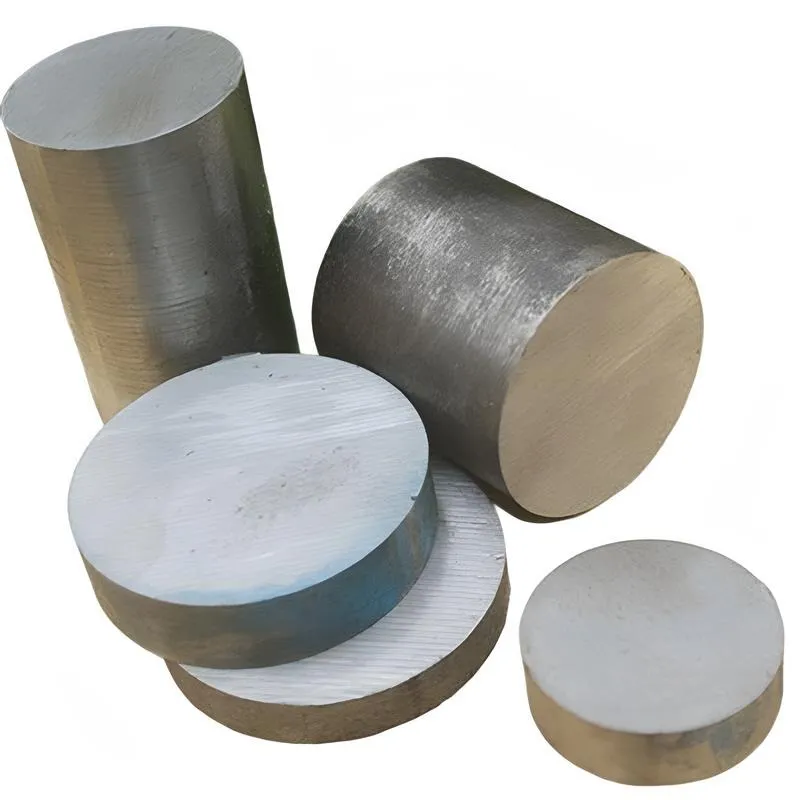
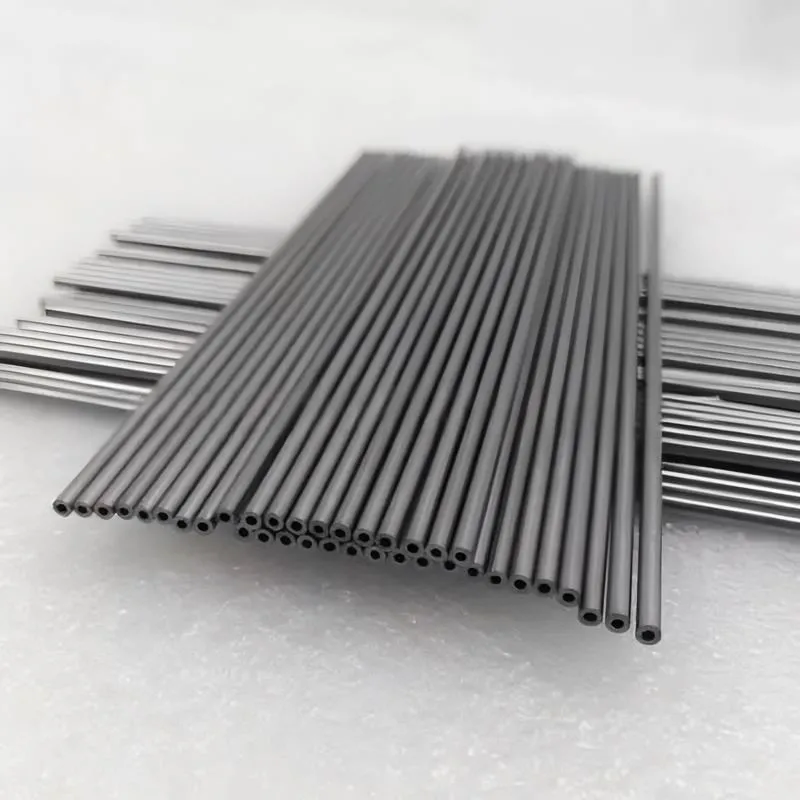
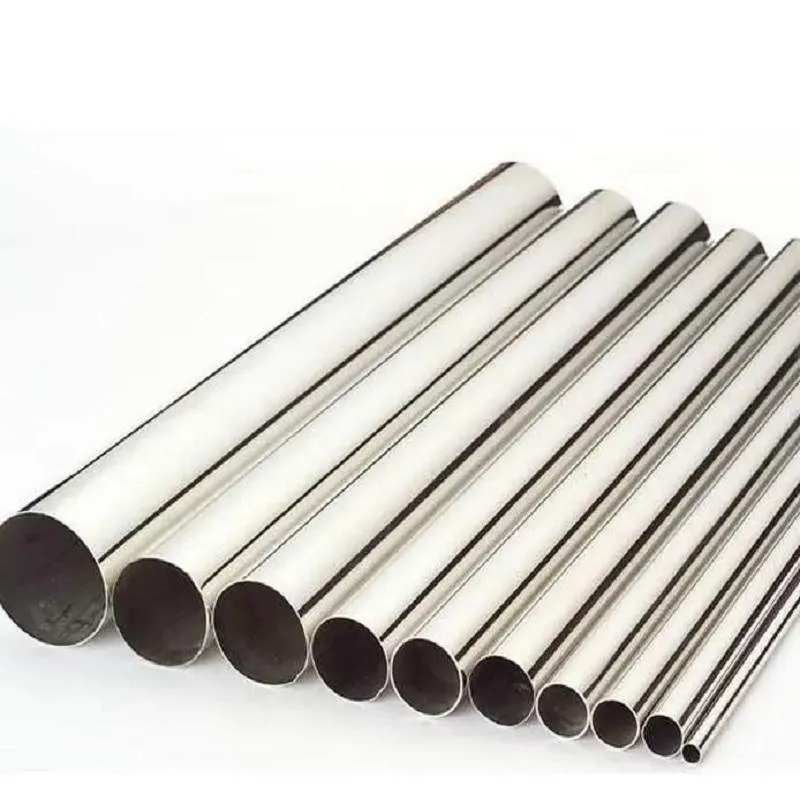
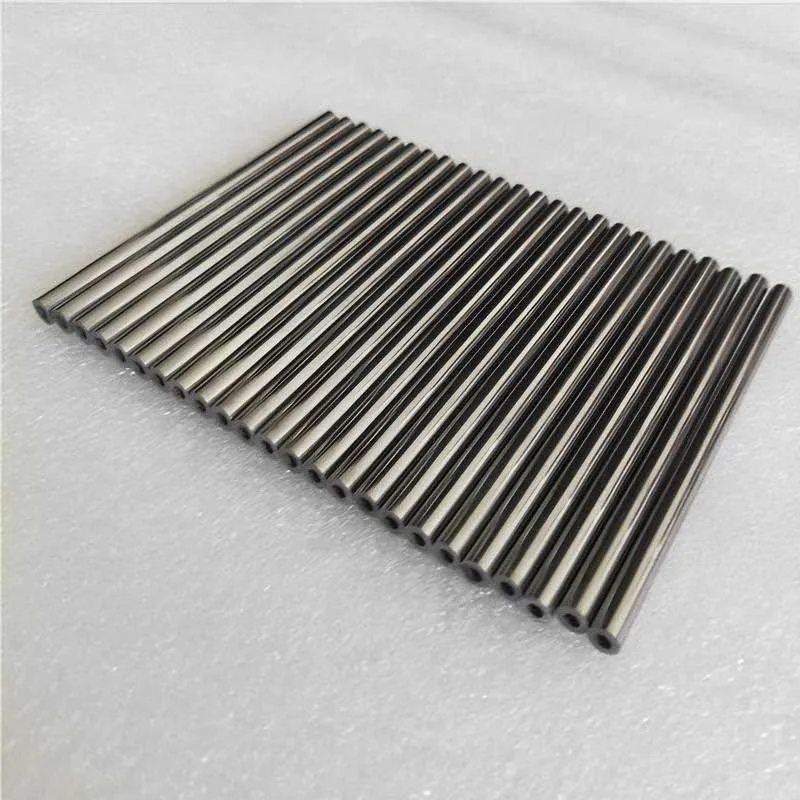
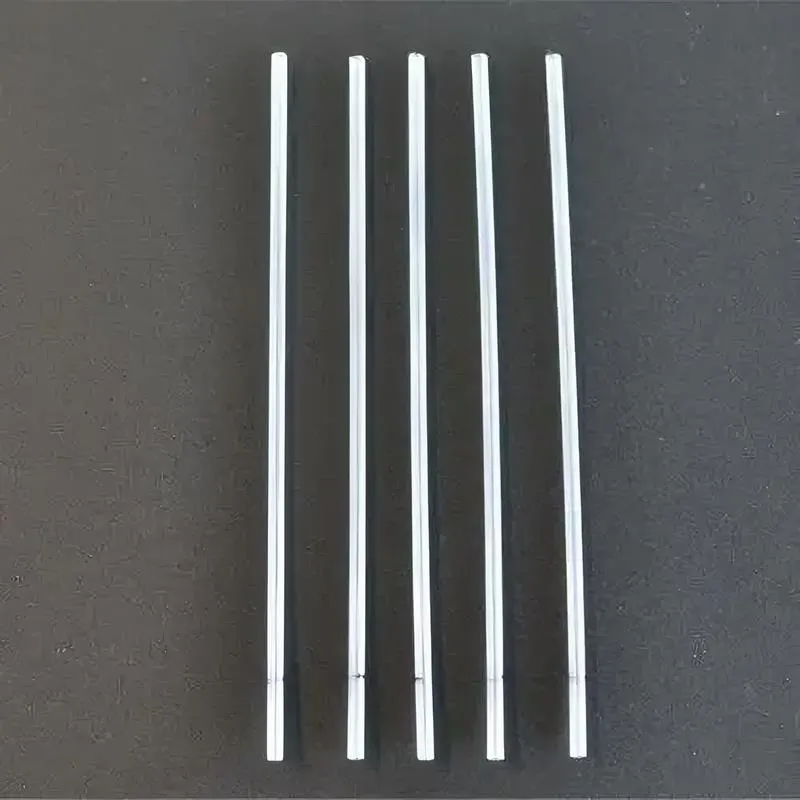
AISI 3140 Steel Rod/Bar
Product Code : STI-AL-014-CU
We provide AISI 3140 is available in Bar (Round bar, Flat bar), Ribbon, Wire, Rod/Bars, Tube,Seamless Tube,Pipe, Ingots, Plate, Sheet, Strip and Forging Stock.,Purity, chemical composition, size, etc. can all be customized to meet specific requirements.
Please contact us if you need customized services. We will contact you with the price and availability in 24 hours.
AISI 3140 Product Information
-:-
For detailed product information, please contact sales.
-:
AISI 3140 Synonyms
-:-
For detailed product information, please contact sales.
-:
AISI 3140 Product Information
-:-
For detailed product information, please contact sales.
-:
# **Product Introduction: AISI 3140 Steel**
## **Executive Summary**
**AISI 3140** is a versatile nickel-chromium alloy steel designed for applications requiring a superior combination of strength, toughness, and fatigue resistance. As a medium-carbon member of the AISI 31xx series, this steel contains approximately **1.25% nickel and 0.55% chromium**, providing enhanced hardenability and mechanical properties compared to plain carbon steels like 1040. AISI 3140 responds well to conventional heat treatment (quenching and tempering) and can achieve a wide range of strength-toughness combinations. It is particularly valued for medium-to-heavy duty components subjected to dynamic loading, impact, and wear in automotive, machinery, and industrial applications where reliability and durability are critical.
---
## **1. Chemical Composition**
### **Standard Composition Ranges**
| Element | Content Range (% by weight) - **AISI 3140** | Primary Function |
| :--- | :--- | :--- |
| **Carbon (C)** | 0.38 - 0.43 | Primary strengthener; provides hardness and strength through martensite formation during quenching |
| **Nickel (Ni)** | 1.10 - 1.40 | Enhances toughness, improves impact resistance (especially at low temperatures), refines grain structure, increases hardenability |
| **Chromium (Cr)** | 0.55 - 0.75 | Increases hardenability, improves wear and corrosion resistance, contributes to secondary hardening during tempering |
| **Manganese (Mn)** | 0.70 - 0.90 | Deoxidizer, improves hardenability, enhances hot workability |
| **Silicon (Si)** | 0.15 - 0.35 | Deoxidizer, solid solution strengthener in ferrite |
| **Phosphorus (P)** | 0.035 max | Impurity (kept low for ductility and toughness) |
| **Sulfur (S)** | 0.040 max | Impurity (affects hot workability and transverse properties) |
| **Molybdenum (Mo)** | - | Typically not specified; may be present in trace amounts (<0.06%) |
| **Iron (Fe)** | Balance | Matrix element |
### **Key Metallurgical Features**
- **Hardenability:** Excellent due to synergistic effects of Ni, Cr, and Mn; suitable for oil quenching of medium-to-large sections
- **Toughness-Strength Balance:** Nickel significantly improves toughness at equivalent strength levels compared to non-nickel steels
- **Microstructure:** Forms predominantly fine-grained martensite upon proper quenching
- **Temper Resistance:** Chromium provides good resistance to softening during tempering
---
## **2. Physical & Mechanical Properties**
### **A. Fundamental Physical Properties**
| Property | Condition | Value/Range | Notes |
| :--- | :--- | :--- | :--- |
| **Density** | All conditions | 7.85 g/cm³ (0.284 lb/in³) | - |
| **Melting Point** | - | ~1480°C (2695°F) | - |
| **Elastic Modulus** | Tempered | 200-205 GPa (29,000-29,700 ksi) | - |
| **Shear Modulus** | Tempered | 80-82 GPa (11,600-11,900 ksi) | - |
| **Poisson's Ratio** | - | 0.29 | - |
| **Thermal Conductivity** | 100°C | 41.5 W/m·K | - |
| **Specific Heat Capacity** | 20°C | 460 J/kg·K | - |
| **Thermal Expansion Coefficient** | 20-100°C | 11.8 × 10⁻⁶/°C | - |
| **Electrical Resistivity** | 20°C | 0.26 μΩ·m | - |
| **Magnetic Properties** | Below Curie temp | Ferromagnetic | - |
### **B. Mechanical Properties by Heat Treatment Condition**
#### **1. Annealed Condition (Machining State)**
- **Hardness:** 187-229 HB (Brinell)
- **Tensile Strength:** 620-750 MPa (90-109 ksi)
- **Yield Strength (0.2% offset):** 415-550 MPa (60-80 ksi)
- **Elongation:** 20-25% in 50mm
- **Reduction of Area:** 50-60%
- **Charpy V-Notch Impact:** 60-90 J (44-66 ft-lb) at room temperature
- **Machinability Rating:** 60-65% of B1112
#### **2. Normalized Condition**
- **Hardness:** 217-255 HB
- **Tensile Strength:** 690-860 MPa (100-125 ksi)
- **Yield Strength:** 485-690 MPa (70-100 ksi)
- **Elongation:** 18-22%
#### **3. Quenched & Tempered Properties**
*Standard heat treatment: Austenitize 830-850°C, oil quench, temper as specified*
| Tempering Temperature | Tensile Strength | Yield Strength | Elongation | Hardness | Impact Energy (Charpy V) |
| :--- | :--- | :--- | :--- | :--- | :--- |
| **200°C (390°F)** | 1,380-1,520 MPa | 1,240-1,380 MPa | 10-12% | 40-44 HRC | 25-35 J |
| **400°C (750°F)** | 1,170-1,310 MPa | 1,070-1,170 MPa | 13-15% | 35-39 HRC | 40-55 J |
| **540°C (1000°F)** | 1,000-1,100 MPa | 900-1,000 MPa | 16-19% | 30-34 HRC | 55-70 J |
| **650°C (1200°F)** | 830-930 MPa | 760-830 MPa | 19-22% | 24-28 HRC | 70-90 J |
#### **4. Special Properties**
- **Hardenability:** Good - through-hardens up to 50-75mm (2-3") diameter in oil quench
- **Fatigue Strength:** ~450-550 MPa at 10⁷ cycles (tempered at 540°C, R=-1)
- **Fracture Toughness:** Good for its strength level (better than equivalent carbon steels)
- **Low-Temperature Toughness:** Maintains reasonable impact strength down to **-30°C (-22°F)**
- **Wear Resistance:** Good in hardened and tempered conditions
---
## **3. International Standards & Specifications**
### **Primary Governing Standards**
| Standard/Organization | Designation | Title/Scope |
| :--- | :--- | :--- |
| **AISI/SAE** | 3140 | Standard grade designation |
| **UNS** | G31400 | Unified Numbering System |
| **ASTM** | A29/A29M | Standard Specification for Steel Bars, Carbon and Alloy, Hot-Wrought |
| **ASTM** | A322 | Standard Specification for Steel Bars, Alloy, Standard Grades |
| **SAE** | J404, J412, J414 | Chemical compositions, hardenability, mechanical properties |
| **AMS** | 6321 | Aircraft quality bars and forgings (when specified) |
### **International Equivalents & Cross-References**
| Country/Region | Equivalent Designation | Standard | Notes |
| :--- | :--- | :--- | :--- |
| **ISO** | **40NiCr6** | ISO 683-11 | Similar nickel-chromium steel |
| **European** | **40NiCr6** | EN 10083-3 | Through-hardening steel, similar properties |
| **Germany** | **40NiCr6** | DIN 17210 | Direct equivalent |
| **United Kingdom** | **En 111** | BS 970 | Similar nickel-chromium steel |
| **Japan** | **SNC 236** | JIS G4102 | Nickel-chromium steel (slightly different composition) |
| **China** | **40CrNi** | GB/T 3077 | Approximate equivalent |
| **Russia** | **40ХН** | GOST 4543 | Nickel-chromium steel |
| **France** | **40 NC 6** | NF A35-552 | Similar composition |
| **Hardenability Variant** | **3140H** | SAE J1268 | Available with guaranteed hardenability bands |
---
## **4. Product Applications & Industries**
### **Available Product Forms**
- **Bar Stock:** Hot-rolled rounds (10-250mm), squares, hexagons, flats
- **Cold-Finished Bars:** Turned, ground, polished for precision applications
- **Forgings:** Open-die and closed-die forgings
- **Wire Rod:** For cold heading of high-strength fasteners
- **Billets:** For further processing
### **Primary Industry Applications**
#### **1. Automotive & Transportation**
- **Drivetrain Components:** Axle shafts, drive shafts, transmission shafts
- **Suspension Parts:** Torsion bars, heavy-duty spring components
- **Engine Components:** Crankshafts, camshafts, connecting rods
- **Steering Components:** Steering arms, pitman arms, linkage parts
- **Heavy Truck:** Transmission and axle components
#### **2. Industrial Machinery & Equipment**
- **Gear Manufacturing:** Medium-duty gears, pinions, splined shafts
- **Shafting:** Main drive shafts, line shafts, countershafts
- **Agricultural Machinery:** Tractor transmission parts, implement shafts
- **Construction Equipment:** Excavator and loader components, track pins
- **Mining Equipment:** Crusher parts, conveyor drive components
#### **3. General Manufacturing**
- **Machine Tool Components:** Spindles, arbors, tool holders, feed screws
- **Hydraulic Components:** Cylinder rods, piston rods (high-pressure applications)
- **Fasteners:** High-strength bolts, studs, special fasteners
- **Tooling:** Jigs, fixtures, dies for moderate service
#### **4. Other Applications**
- **Oil & Gas Industry:** Valve components, pump shafts
- **Railway Components:** Axles, coupling components
- **Marine Applications:** Propeller shafts, steering gear components
---
## **5. Heat Treatment Technology**
### **Standard Thermal Processing**
#### **1. Annealing (Full Annealing)**
- **Temperature:** 830-850°C (1525-1560°F)
- **Time:** 1 hour per inch of thickness
- **Cooling:** Furnace cool to 550°C (1020°F) at ≤25°C/hour, then air cool
- **Purpose:** Softening for machining, grain refinement
#### **2. Normalizing**
- **Temperature:** 870-900°C (1600-1650°F)
- **Time:** 30 minutes per inch
- **Cooling:** Still air
- **Purpose:** Homogenization, grain refinement
#### **3. Hardening (Quenching)**
- **Austenitizing:** 815-830°C (1500-1525°F)
- **Soak Time:** 20-30 minutes per inch (minimum 30 minutes)
- **Quench Medium:** Oil (fast oil preferred)
- **Agitation:** Moderate to ensure uniform cooling
- **Critical Diameter (50% martensite):** ~50-75mm (2-3") in oil
#### **4. Tempering**
- **Temperature Range:** 200-650°C (400-1200°F)
- **Time:** 1-2 hours per inch (minimum 2 hours)
- **Cooling:** Air cool (water quenching after tempering not recommended)
- **Note:** Double tempering may be beneficial for dimensional stability
### **Alternative Heat Treatments**
- **Induction Hardening:** For selective surface hardening of components
- **Flame Hardening:** Suitable for large or irregularly shaped parts
- **Nitriding:** Can be nitrided for enhanced surface hardness and wear resistance
---
## **6. Manufacturing & Fabrication Characteristics**
### **Machinability Assessment**
- **Annealed Condition:** 60-65% of B1112 free-machining steel
- **Hardened Condition:** 25-35% of B1112 (requires carbide tools)
- **Recommended Practices (Annealed Condition):**
- **Turning:** 60-90 m/min (200-300 SFM) with carbide inserts
- **Drilling:** 20-30 m/min (65-100 SFM) with HSS drills
- **Milling:** 70-110 m/min (230-360 SFM) with carbide cutters
- **Threading:** Use sharp tools, moderate speeds, ample coolant
- **Grinding:** Aluminum oxide wheels with adequate cooling
### **Weldability Characteristics**
**Rating: FAIR to POOR (requires precautions)**
#### **Welding Recommendations**
1. **Preheat Temperature:** 200-300°C (390-570°F) depending on thickness
2. **Interpass Temperature:** 150-250°C (300-480°F)
3. **Post-Weld Heat Treatment:** Stress relief at 595-650°C (1100-1200°F) recommended
4. **Filler Metals:** Low-hydrogen electrodes (E10018, E11018) or matching composition wire
5. **Processes:** GTAW (TIG) preferred; SMAW with low-hydrogen electrodes acceptable
6. **Precautions:** Avoid rapid cooling, consider buttering technique for critical joints
### **Formability & Hot Working**
- **Hot Working Temperature:** 1150-900°C (2100-1650°F)
- **Forging:** Good forgeability with proper temperature control
- **Cold Forming:** Limited in annealed condition; not recommended in hardened state
---
## **7. Quality Assurance & Testing**
### **Standard Certification Requirements**
1. **Chemical Analysis:** Heat analysis and product verification
2. **Mechanical Testing:** Tensile, hardness, impact (when specified)
3. **Non-Destructive Testing:** UT, MT, PT as required by specification
4. **Dimensional Inspection:** Per applicable tolerances
### **Specialized Testing (When Required)**
- **Hardenability Testing:** Jominy end-quench for 3140H variant
- **Microstructural Examination:** Grain size, inclusion rating
- **Fatigue Testing:** For critical dynamic applications
---
## **8. Design & Engineering Guidelines**
### **Advantages of AISI 3140**
1. **Good Toughness-Strength Balance:** Nickel provides better toughness than equivalent carbon steels
2. **Improved Hardenability:** Suitable for larger sections than plain carbon steels
3. **Fatigue Resistance:** Good performance under cyclic loading
4. **Versatility:** Wide range of achievable properties through heat treatment
5. **Cost-Effective:** More economical than higher-nickel alloy steels
### **Design Considerations**
- **Section Size:** Consider hardenability limitations for through-hardening
- **Notch Sensitivity:** Design with adequate fillet radii
- **Surface Finishing:** Important for fatigue-critical applications
- **Corrosion Protection:** Requires protection in corrosive environments
### **Economic Considerations**
- **Material Cost:** Moderate premium over carbon steels
- **Processing Cost:** Standard heat treatment requirements
- **Total Cost:** Competitive for performance-driven applications
- **Availability:** Readily available from major steel producers
---
## **9. Comparative Analysis: Similar Alloy Steels**
| Grade | C% | Ni% | Cr% | UTS (MPa) | Toughness | Hardenability | Primary Applications |
| :--- | :--- | :--- | :--- | :--- | :--- | :--- | :--- |
| **3140** | 0.38-0.43 | 1.10-1.40 | 0.55-0.75 | 1000-1500 | Good | Good | General machinery, shafts, gears |
| **4140** | 0.38-0.43 | - | 0.80-1.10 | 1000-1550 | Good | Very Good | Similar applications, better hardenability |
| **4340** | 0.38-0.43 | 1.65-2.00 | 0.70-0.90 | 1000-1600 | Very Good | Excellent | Higher performance applications |
| **1340** | 0.38-0.43 | - | - | 1000-1450 | Fair | Good | Lower cost alternative |
| **8640** | 0.38-0.43 | 0.40-0.70 | 0.40-0.60 | 1000-1500 | Good | Good | Similar to 3140, lower nickel |
---
## **10. Technical Summary & Selection Guidelines**
**Select AISI 3140 when:**
1. Good combination of strength and toughness is required
2. Component size requires better hardenability than plain carbon steels
3. Fatigue resistance is important for dynamic applications
4. Cost considerations limit use of higher-alloy grades like 4340
5. Components will experience impact or shock loading
**Consider Alternatives when:**
1. Maximum hardenability is needed for very large sections (consider 4140 or 4340)
2. Maximum toughness is required (consider higher nickel grades like 4340)
3. Cost is the primary driver (consider 1340 or 1040)
4. Corrosion resistance is needed without coatings (consider stainless steels)
5. Weldability is a critical requirement (consider lower carbon grades)
---
**AISI 3140** represents a well-established, reliable nickel-chromium alloy steel that offers a balanced combination of properties for demanding engineering applications. Its versatility, good hardenability, and improved toughness make it a preferred choice for critical components across automotive, heavy equipment, and general manufacturing industries. While not the most economical option compared to plain carbon steels, its performance characteristics often justify the additional cost in applications where reliability, durability, and safety are important considerations. Proper application requires understanding its heat treatment response, fabrication characteristics, and performance limitations to fully utilize its capabilities.
-:-
For detailed product information, please contact sales.
-:
AISI 3140 Specification
Dimensions
Size:
Diameter 20-1000 mm Length <4012 mm
Size:We can customized as required
Standard:
Per your request or drawing
We can customized as required
Properties(Theoretical)
Chemical Composition
-:-
For detailed product information, please contact sales.
-:
AISI 3140 Properties
-:-
For detailed product information, please contact sales.
-:
Applications of AISI 3140
-:-
For detailed product information, please contact sales.
-:
Chemical Identifiers AISI 3140
-:-
For detailed product information, please contact sales.
-:
Packing of AISI 3140
-:-
For detailed product information, please contact sales.
-:
Standard Packing:
-:-
For detailed product information, please contact sales.
-:
Typical bulk packaging includes palletized plastic 5 gallon/25 kg. pails, fiber and Steel Rod drums to 1 ton super sacks in full container (FCL) or truck load (T/L) quantities. Research and sample quantities and hygroscopic, oxidizing or other air sensitive materials may be packaged under argon or vacuum. Solutions are packaged in polypropylene, plastic or glass jars up to palletized 483 gallon liquid totes Special package is available on request. E FORUs’ is carefully handled to minimize damage during storage and transportation and to preserve the quality of our products in their original condition