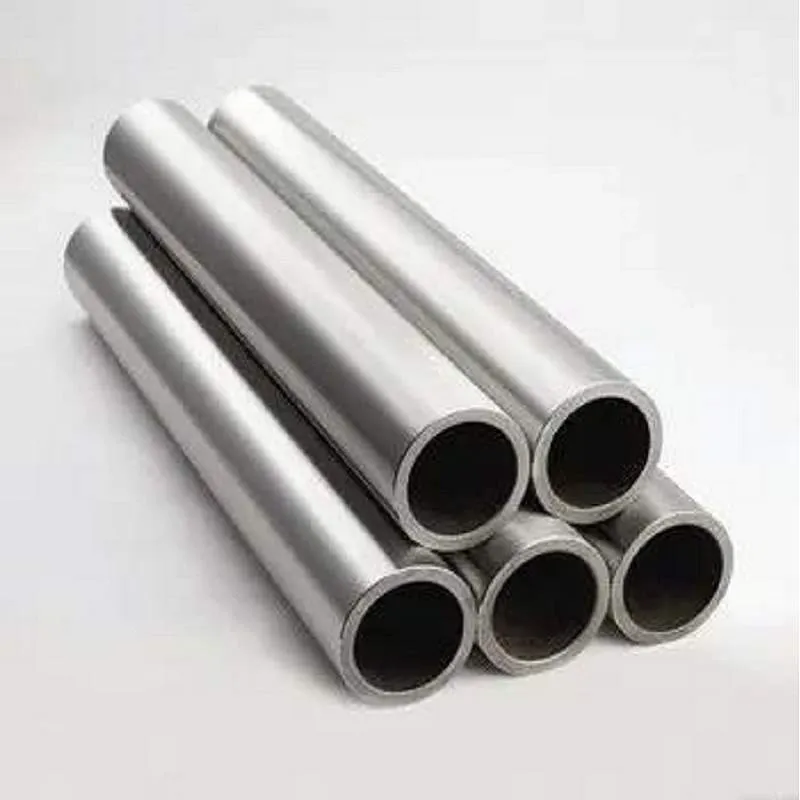
AISI 4063 Steel Seamless tube (UNS G40630)
Product Code : STI-AL-032-CU
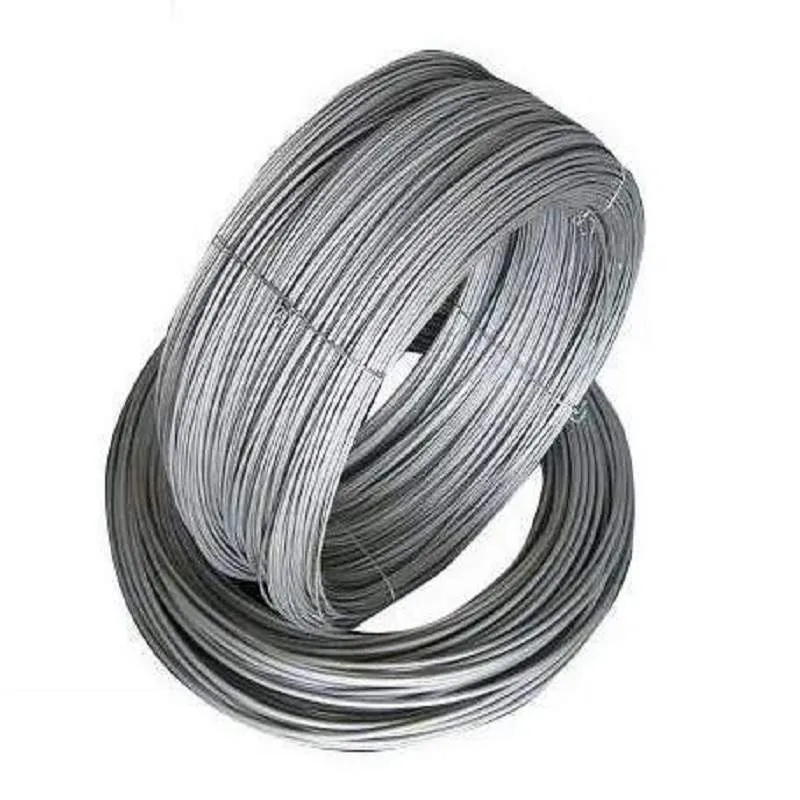
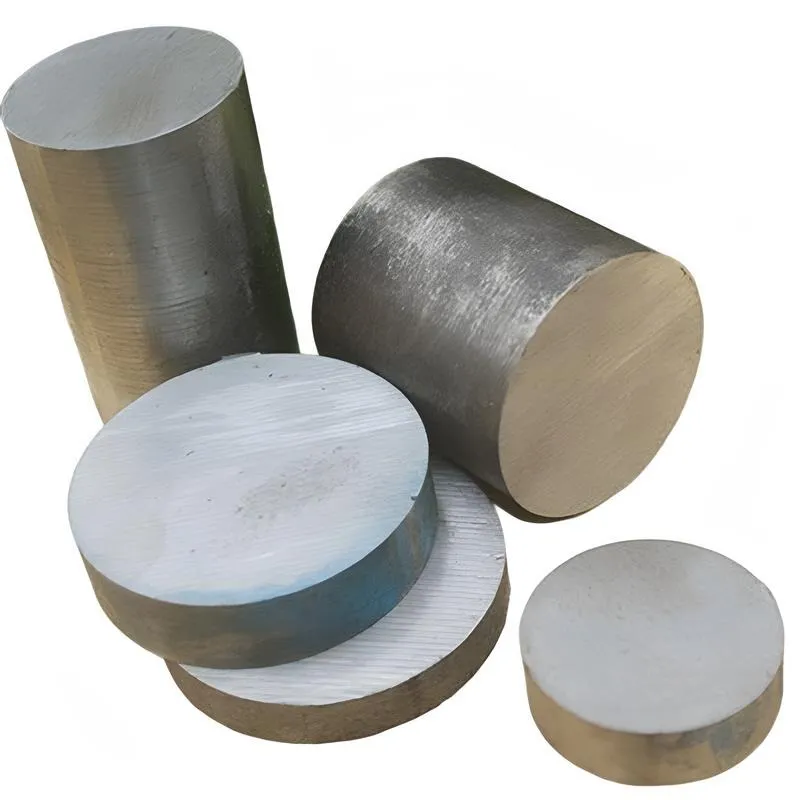
We provide AISI 4063 Steel Seamless tube (UNS G40630) is available in Bar (Round bar, Flat bar), Ribbon, Wire, Rods, Tube,Seamless Tube,Pipe, Ingots, Plate, Sheet, Strip and Forging Stock.,Purity, chemical composition, size, etc. can all be customized to meet specific requirements.
Please contact us if you need customized services. We will contact you with the price and availability in 24 hours.
AISI 4063 Steel Seamless tube (UNS G40630) Product Information
-:-
For detailed product information, please contact sales.
-:
AISI 4063 Steel Seamless tube (UNS G40630) Synonyms
-:-
For detailed product information, please contact sales.
-:
AISI 4063 Steel (UNS G40630) Product Information
-:-
For detailed product information, please contact sales.
-:
### **Product Introduction: AISI 4063 Steel (UNS G40630)**
**Overview**
AISI 4063 is a high-quality, high-carbon chromium-molybdenum (Cr-Mo) alloy steel. Characterized by its significantly higher carbon content compared to other standard Cr-Mo grades like 4140 or 4150, AISI 4063 is engineered to achieve exceptional hardness, wear resistance, and high strength levels after heat treatment. Its primary use is in applications demanding extreme surface durability and load-bearing capacity under abrasive conditions. The chromium and molybdenum additions provide good hardenability and resistance to tempering, allowing it to maintain hardness at elevated temperatures.
**Key International Standards & Designations**
* **UNS:** G40630
* **AISI / SAE:** 4063
* **Germany (DIN):** Approx. 1.7176 / 60CrMo3-4
* **Europe (EN):** No direct equivalent; similar to proprietary grades with adjusted composition.
* **Japan (JIS):** No direct equivalent; SCM440/SCM445 have lower carbon.
* **Note:** AISI 4063 is a less common but specialized grade. Specifications may vary by manufacturer. UNS G40630 and AISI/SAE 4063 are the defining standards for this product.
**Chemical Composition (Typical, Weight %)**
The high carbon content is the defining feature of this grade.
| Element | Content (%) | Element | Content (%) |
| :--- | :--- | :--- | :--- |
| **Carbon (C)** | 0.60 - 0.67 | **Molybdenum (Mo)** | 0.20 - 0.30 |
| **Manganese (Mn)** | 0.75 - 1.00 | **Phosphorus (P)** | ≤ 0.035 |
| **Silicon (Si)** | 0.15 - 0.35 | **Sulfur (S)** | ≤ 0.040 |
| **Chromium (Cr)** | 0.60 - 0.90 | **Iron (Fe)** | Balance |
*Composition ranges are per AISI/SAE specification. Specific heats may have tighter controls.*
**Physical & Mechanical Properties**
Properties are highly dependent on heat treatment (typically oil quenched and tempered). The high carbon content enables very high hardness but can reduce toughness and weldability.
* **Density:** 7.85 g/cm³ (0.284 lb/in³)
* **Melting Point:** Approx. 1415 - 1465 °C (2580 - 2670 °F)
* **Modulus of Elasticity:** 205 GPa (29.7 x 10⁶ psi)
* **Thermal Conductivity:** ~42.0 W/m·K (at 100°C)
* **Typical Mechanical Properties (Quenched & Tempered at Low Temperature):**
* **Tensile Strength:** 1100 - 1400+ MPa (160 - 200+ ksi)
* **Yield Strength (0.2% Offset):** 950 MPa min (138 ksi min)
* **Elongation (in 50mm):** 10% - 15% (lower at higher hardness)
* **Reduction of Area:** 35% - 50%
* **Hardness Range:** 35 - 55+ HRC (Broad range achievable through tempering; commonly used in the 45-52 HRC range for optimal wear/toughness balance).
* **Hardenability:** Very good. The alloying elements allow for deep and uniform hardening in moderate sections.
**Product Forms & Applications**
AISI 4063 is typically supplied in the spheroidize-annealed or softened condition to facilitate machining prior to final heat treatment.
* **Available Forms:**
* Round Bars (Hot-rolled, forged, precision ground)
* Flat Bars
* Forging Blanks
* Tubing (less common)
* **Primary Applications:** (Focused on high-wear, high-strength components)
* **Heavy-Duty Gears & Pinions:** Especially for mining, construction, and heavy machinery where high tooth strength and wear resistance are critical.
* **Shafts & Axles:** For high-torque applications requiring superior resistance to bending and wear (e.g., drive axles, spindle shafts).
* **High-Strength Bolts & Fasteners:** For critical connections in demanding environments (e.g., pressure vessels, high-performance engines). Requires careful heat treatment to manage brittleness.
* **Wear Parts & Tools:** Used for parts like rollers, mandrels, liners, and non-cutting tool applications where abrasion is a primary failure mode.
* **Springs:** For heavy-duty mechanical springs requiring very high elastic limits and fatigue resistance (after appropriate heat treatment).
**Heat Treatment**
* **Annealing:** Full anneal at 815-845°C (1500-1550°F) and slow furnace cool, or spheroidize anneal to produce a soft, machinable structure with carbide spheroids.
* **Normalizing:** 830-860°C (1525-1580°F), air cool.
* **Quenching & Tempering (Typical):**
* **Preheat/Austenitize:** Preheat at 650-700°C (1200-1290°F), then austenitize at 815-845°C (1500-1550°F). **Oil quench is standard.** Water or polymer quenches may be used for maximum hardness in simple shapes but increase risk of distortion/cracking.
* **Tempering:** **Immediately after quenching.** Temper between 205-540°C (400-1000°F) to achieve the desired hardness and toughness balance. Tempering above 400°C (750°F) with rapid cooling is recommended to avoid temper embrittlement.
* **Weldability:** Poor. Preheating (315-425°C / 600-800°F) and post-weld heat treatment are mandatory to prevent cracking in the heat-affected zone (HAZ).
**Why Choose AISI 4063?**
* **Superior Hardness & Wear Resistance:** The high carbon content provides a high volume of hard carbides, making it ideal for abrasive environments.
* **High Strength & Load Capacity:** Capable of achieving very high tensile and yield strengths.
* **Good Hardenability:** Chromium and molybdenum ensure effective through-hardening in reasonable cross-sections.
* **Specialized Performance:** It fills a niche for applications that require more hardness and wear resistance than standard medium-carbon alloy steels (e.g., 4140, 4150) can provide, where tool steels might be over-specified or less machinable.
**Important Considerations:** Due to its high carbon content, AISI 4063 has lower impact toughness and ductility compared to lower-carbon alloy steels. Careful design, heat treatment, and application are crucial to avoid brittle failure. It is not recommended for primary structural components subject to high impact or shock loads without thorough engineering analysis.
For specific technical data, machinability recommendations, or heat treatment protocols, please consult our detailed material data sheets or contact our technical support team.
-:-
For detailed product information, please contact sales.
-:
AISI 4063 Steel (UNS G40630) Specification
Dimensions
Size:
Diameter 20-1000 mm Length <4030 mm
Size:We can customized as required
Standard:
Per your request or drawing
We can customized as required
Properties(Theoretical)
Chemical Composition
-:-
For detailed product information, please contact sales.
-:
AISI 4063 Steel (UNS G40630) Properties
-:-
For detailed product information, please contact sales.
-:
Applications of AISI 4063 Steel Seamless tube (UNS G40630)
-:-
For detailed product information, please contact sales.
-:
Chemical Identifiers AISI 4063 Steel Seamless tube (UNS G40630)
-:-
For detailed product information, please contact sales.
-:
Packing of AISI 4063 Steel Seamless tube (UNS G40630)
-:-
For detailed product information, please contact sales.
-:
Standard Packing:
-:-
For detailed product information, please contact sales.
-:
Typical bulk packaging includes palletized plastic 5 gallon/25 kg. pails, fiber and Steel Seamless tube drums to 1 ton super sacks in full container (FCL) or truck load (T/L) quantities. Research and sample quantities and hygroscopic, oxidizing or other air sensitive materials may be packaged under argon or vacuum. Solutions are packaged in polypropylene, plastic or glass jars up to palletized 501 gallon liquid totes Special package is available on request. E FORUs’ is carefully handled to minimize damage during storage and transportation and to preserve the quality of our products in their original condition