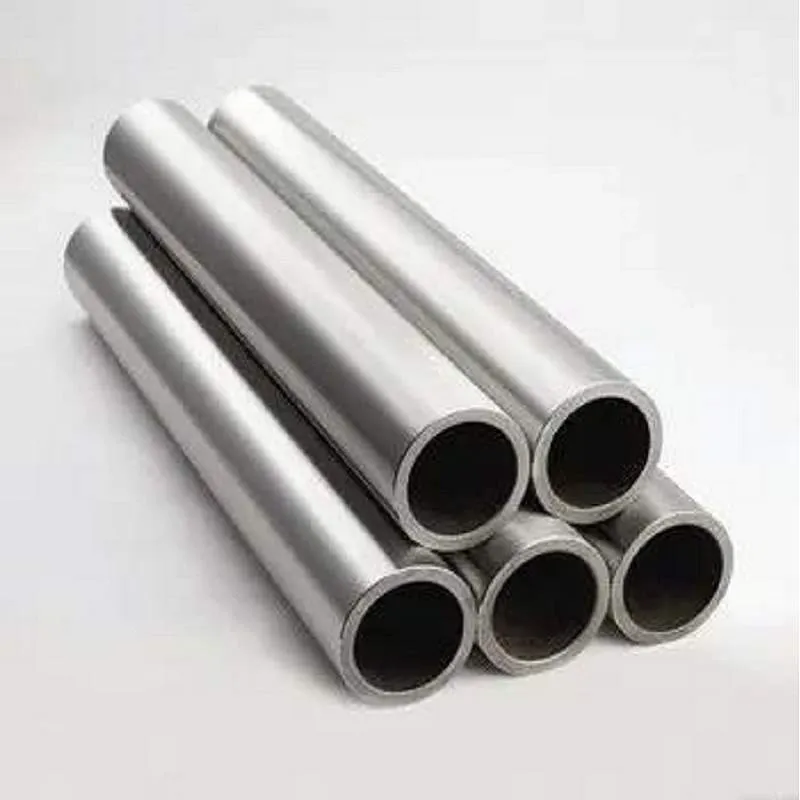
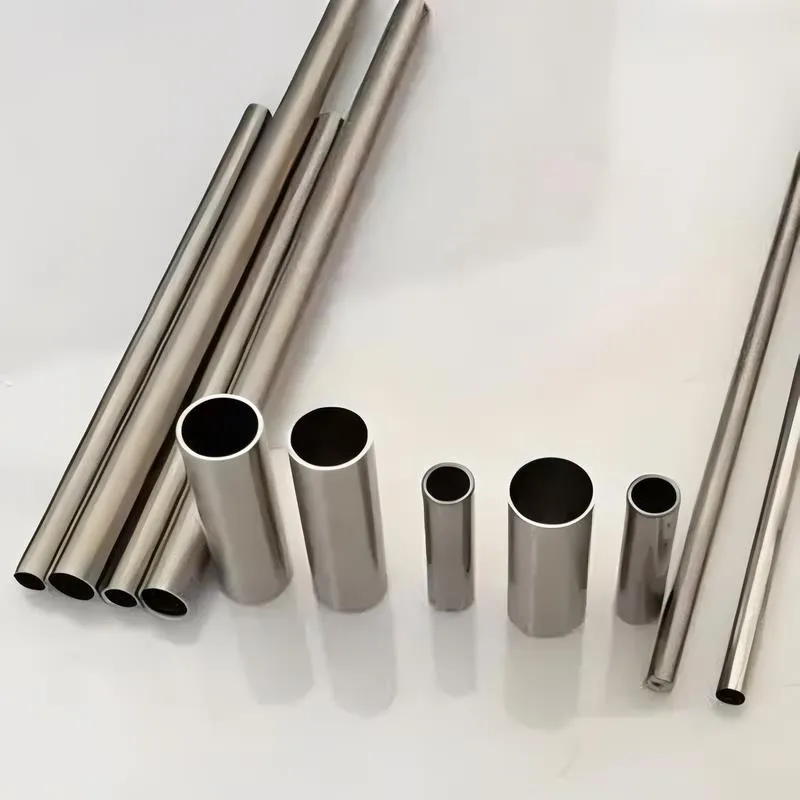
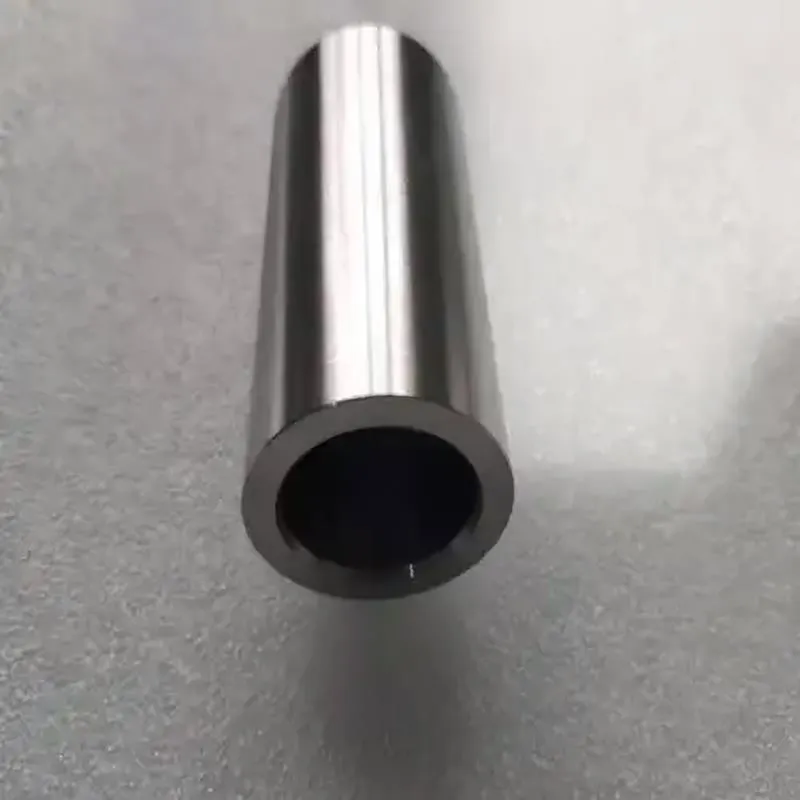
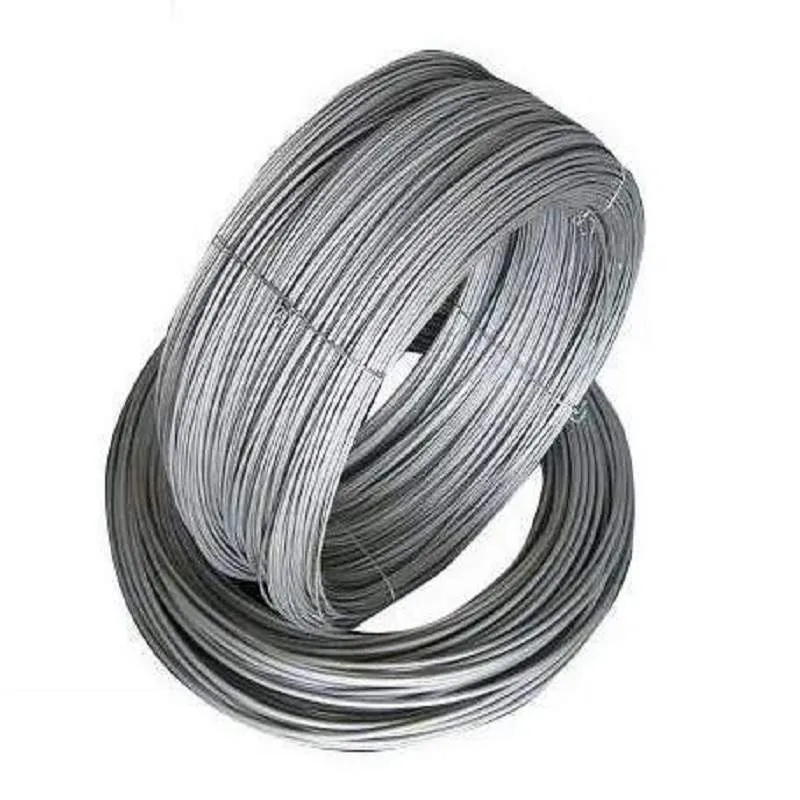
AISI 4135 Steel Tube,Pipe
Product Code : STI-AL-037-CU
We provide AISI 4135 Steel Tube is available in Bar (Round bar, Flat bar), Ribbon, Wire, Rods, Tube,Seamless Tube,Pipe, Ingots, Plate, Sheet, Strip and Forging Stock.,Purity, chemical composition, size, etc. can all be customized to meet specific requirements.AISI 4135 Steel Pipe
Please contact us if you need customized services. We will contact you with the price and availability in 24 hours.
AISI 4135 Steel Tube Product Information
-:-
For detailed product information, please contact sales.
-:
AISI 4135 Steel Tube Synonyms
-:-
For detailed product information, please contact sales.
-:
AISI 4135 Steel Product Information
-:-
For detailed product information, please contact sales.
-:
### **Product Datasheet: AISI 4135 Alloy Steel (UNS G41350)**
---
#### **1. Overview**
AISI 4135 is a medium-carbon chromium-molybdenum (Cr-Mo) alloy steel that offers an excellent balance of strength, toughness, and hardenability. With a carbon content intermediate between the more common 4130 and 4140 grades, it provides higher tensile and yield strength than 4130 while maintaining better ductility and impact resistance than 4140 in many applications. The alloying elements of chromium and molybdenum impart good through-hardening characteristics, fatigue resistance, and the ability to perform at moderately elevated temperatures.
**Key Characteristics:**
* High Strength with Good Toughness
* Excellent Hardenability
* Good Fatigue and Wear Resistance
* Moderate to Good Machinability (in annealed condition)
* Responsive to Heat Treatment (quenching & tempering)
---
#### **2. International Standard Designations**
| Standard System | Designation |
| :--- | :--- |
| **UNS** | G41350 |
| **AISI / SAE** | 4135 |
| **ASTM** | A29, A322, A331, A519 |
| **AMS** | 6359 (Forging Bars) |
| **Europe (EN)** | 1.7222 | 34CrMo4 (Close Equivalent) |
| **Germany (DIN)** | 1.7222 | 34CrMo4 |
| **Japan (JIS)** | SCM435 |
| **ISO** | 34CrMo4 |
| **China (GB)** | 35CrMo |
*Note: While international equivalents are listed, compositional ranges may vary slightly. Always consult the specific standard.*
---
#### **3. Chemical Composition (Weight %, AISI/SAE Specification)**
| Element | Min (%) | Max (%) | Typical (%) |
| :--- | :--- | :--- | :--- |
| **Carbon (C)** | 0.33 | 0.38 | 0.35 |
| **Manganese (Mn)** | 0.70 | 0.90 | 0.80 |
| **Silicon (Si)** | 0.15 | 0.35 | 0.25 |
| **Chromium (Cr)** | 0.80 | 1.10 | 0.95 |
| **Molybdenum (Mo)** | 0.15 | 0.25 | 0.20 |
| **Phosphorus (P)** | - | 0.035 | 0.020 |
| **Sulfur (S)** | - | 0.040 | 0.025 |
| **Iron (Fe)** | Balance | | |
---
#### **4. Physical Properties**
| Property | Metric | Imperial |
| :--- | :--- | :--- |
| **Density** | 7.85 g/cm³ | 0.284 lb/in³ |
| **Melting Point** | ~1415-1465 °C | ~2580-2670 °F |
| **Modulus of Elasticity** | 205 GPa | 29.7 x 10⁶ psi |
| **Poisson's Ratio** | 0.29 | 0.29 |
| **Thermal Conductivity** | ~42.0 W/m·K @ 100°C | ~243 BTU·in/hr·ft²·°F |
| **Coefficient of Thermal Expansion** | 12.0 µm/m·°C (20-100°C) | 6.7 µin/in·°F |
---
#### **5. Mechanical Properties**
*Properties are highly dependent on heat treatment (quench & temper).*
**A. Annealed or Normalized Condition (Typical for machining)**
* **Tensile Strength:** 620 - 750 MPa | 90,000 - 109,000 psi
* **Yield Strength:** 415 MPa min | 60,000 psi min
* **Elongation:** 22% min
* **Hardness:** 197 - 235 HB
**B. Quenched & Tempered Condition (Typical)**
* **Tensile Strength:** 1000 - 1200+ MPa | 145,000 - 174,000+ psi
* **Yield Strength:** 850 MPa min | 123,000 psi min
* **Elongation:** 15% min
* **Reduction of Area:** 50% min
* **Hardness:** 30 - 38 HRC (Wide range achievable via tempering)
* **Impact Toughness (Charpy V-notch):** >40 J @ RT | >30 ft-lb @ RT
**Hardenability:** Excellent due to alloy content. Can be through-hardened in larger sections than lower-carbon grades like 4130. Jominy hardenability data is available per SAE J1268.
---
#### **6. Heat Treatment**
* **Annealing:** Heat to 830-860°C (1525-1580°F), slow furnace cool. Produces a soft, machinable structure.
* **Normalizing:** Heat to 870-900°C (1600-1650°F), air cool. Refines grain structure.
* **Hardening (Quenching):** Austenitize at 830-860°C (1525-1580°F), **oil quench** (preferred for complex shapes to minimize risk of cracking). Water quenching can be used for maximum hardness in simple shapes but increases distortion/cracking risk.
* **Tempering:** **Must be performed immediately after quenching.** Temper between 425-650°C (800-1200°F) to achieve desired strength/toughness balance. For applications requiring resistance to temper embrittlement, rapid cooling from tempering temperatures above 400°C (750°F) is recommended.
---
#### **7. Product Forms & Key Applications**
AISI 4135 is a versatile engineering steel used in heavily loaded components.
| Product Form | Typical Applications |
| :--- | :--- |
| **Round, Hex, & Flat Bars** | **General Engineering:** High-strength **shafts**, **axles**, **gears**, **pinions**, **connecting rods**, **bolts**, and **studs**. **Oil & Gas:** Drill collars, tool joints, valve components. |
| **Forgings** | High-integrity components like **crankshafts**, **yokes**, **spindles**, and heavy-duty **gearbox parts** where grain flow is critical. |
| **Seamless Tubing** | High-pressure **hydraulic cylinders**, **piston rods**, and structural components requiring strength and toughness. |
| **Plates** | Wear plates, heavy machinery components, and base structures. |
**Industry-Specific Uses:**
* **Automotive & Trucking:** Axle shafts, transmission gears, differential components, and high-strength fasteners.
* **Agriculture & Construction:** Gears, shafts, and pins in heavy machinery (tractors, excavators).
* **Industrial Machinery:** Roller shafts, press components, and spindles for machine tools.
* **Power Generation:** Shafts and fasteners for turbines and generators.
---
#### **8. Fabrication & Welding**
* **Machinability:** Fair to Good (~60% of 1212 steel) in the annealed or normalized condition (hardness < 250 HB). Pre-hardened material requires carbide tooling and slower speeds.
* **Weldability:** **Fair.** Requires **preheating** (200-300°C / 400-570°F) and **post-weld heat treatment (PWHT)** to restore ductility and toughness in the heat-affected zone (HAZ). Cracking sensitivity is higher than 4130 due to the increased carbon content.
* **Recommended Methods:** Low-hydrogen processes are essential (e.g., GTAW/TIG, SMAW with low-hydrogen electrodes like E10018).
* **Formability:** Moderate in the annealed condition.
---
#### **9. Why Choose AISI 4135?**
* **Optimum Strength/Toughness Balance:** Fills the performance gap between 4130 and 4140, offering a robust combination of strength and durability.
* **Superior Hardenability:** Excellent through-hardening capability makes it suitable for larger-diameter components than 4130.
* **Proven Performance:** A reliable and well-understood material for demanding mechanical applications.
* **Good Fatigue Resistance:** Suitable for components subjected to cyclic loading.
---
**Disclaimer:** This datasheet provides typical information. For critical applications, always consult the relevant material standard, qualified engineers, and conduct appropriate testing. Mechanical properties are influenced by processing history, section size, and specific heat treatment practices.
-:-
For detailed product information, please contact sales.
-:
AISI 4135 Steel Specification
Dimensions
Size:
Diameter 20-1000 mm Length <4035 mm
Size:We can customized as required
Standard:
Per your request or drawing
We can customized as required
Properties(Theoretical)
Chemical Composition
-:-
For detailed product information, please contact sales.
-:
AISI 4135 Steel Properties
-:-
For detailed product information, please contact sales.
-:
Applications of AISI 4135 Steel Tube
-:-
For detailed product information, please contact sales.
-:
Chemical Identifiers AISI 4135 Steel Tube
-:-
For detailed product information, please contact sales.
-:
Packing of AISI 4135 Steel Tube
-:-
For detailed product information, please contact sales.
-:
Standard Packing:
-:-
For detailed product information, please contact sales.
-:
Typical bulk packaging includes palletized plastic 5 gallon/25 kg. pails, fiber and Steel Tube drums to 1 ton super sacks in full container (FCL) or truck load (T/L) quantities. Research and sample quantities and hygroscopic, oxidizing or other air sensitive materials may be packaged under argon or vacuum. Solutions are packaged in polypropylene, plastic or glass jars up to palletized 506 gallon liquid totes Special package is available on request. E FORUs’ is carefully handled to minimize damage during storage and transportation and to preserve the quality of our products in their original condition