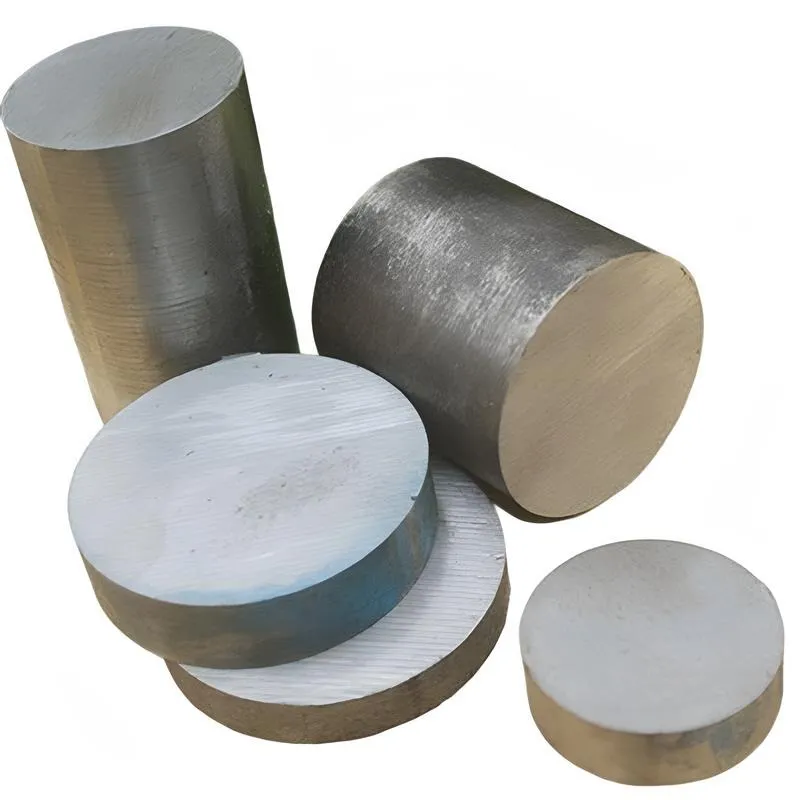
AISI 4140H Steel, heat treated
Product Code : STI-AL-052-CU
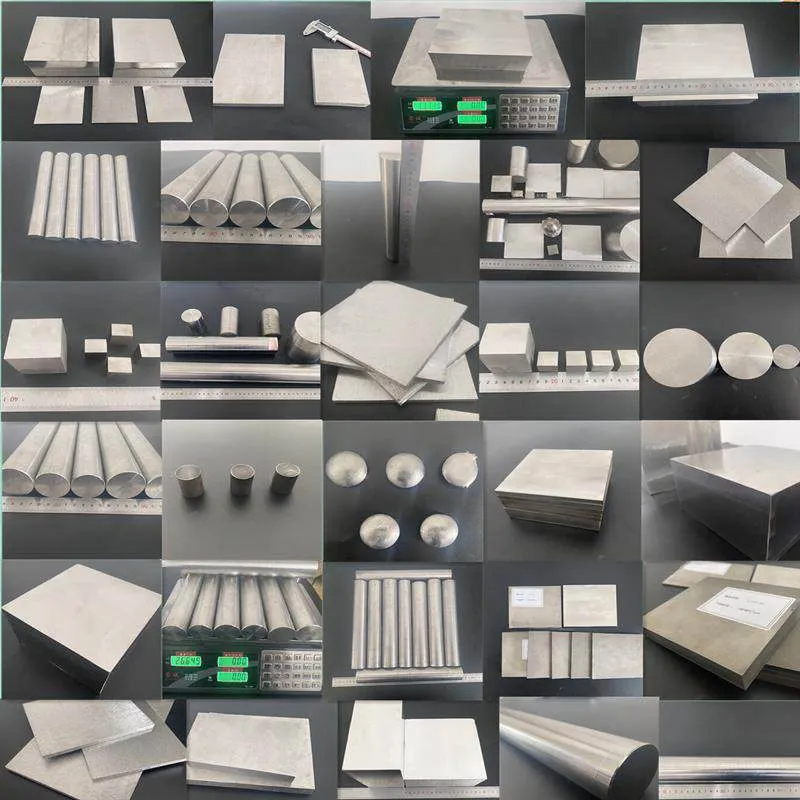
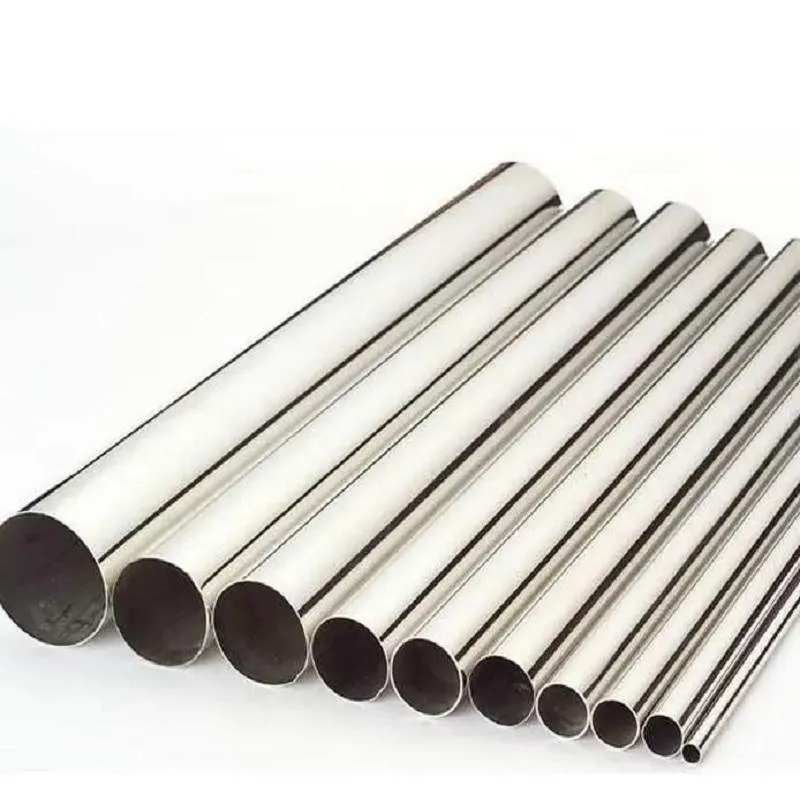
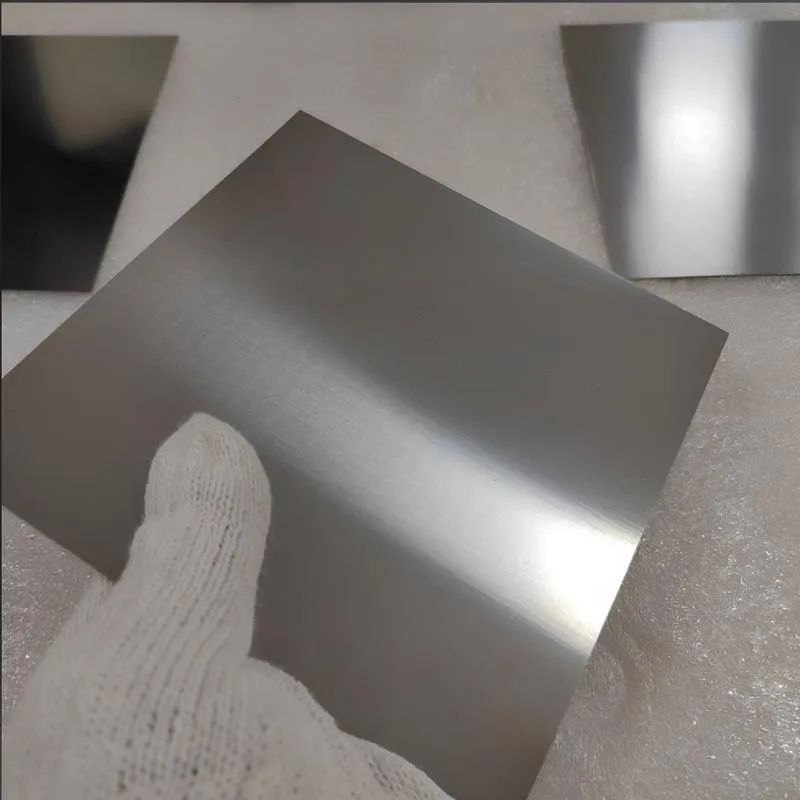
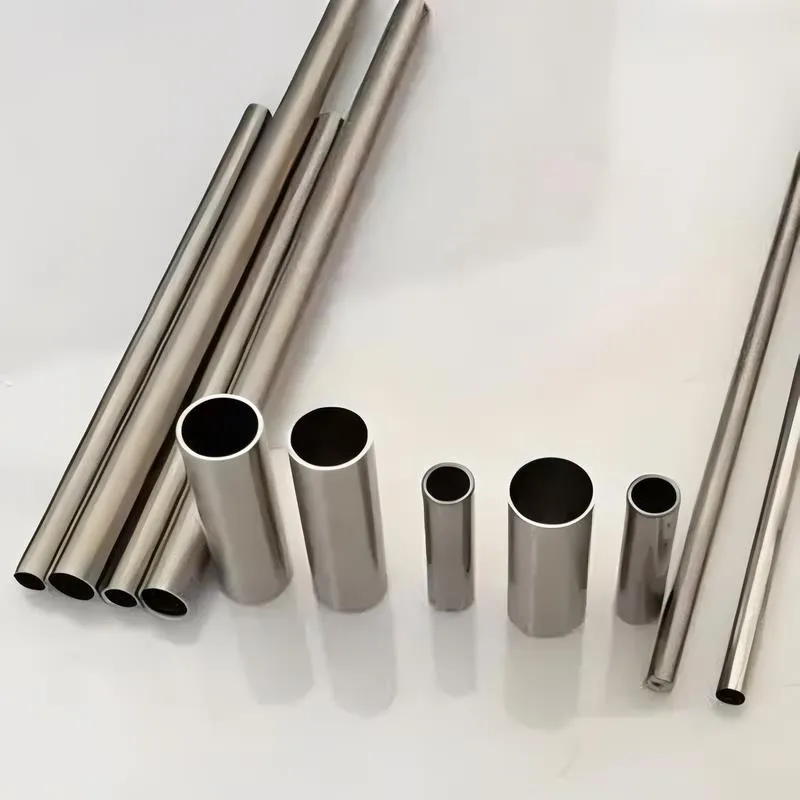
We provide AISI 4140H Steel, heat treated, tempered 705°C (1300°F), 25 mm (1 in.) round is available in Bar (Round bar, Flat bar), Ribbon, Wire, Rods, Tube,Seamless Tube,Pipe, Ingots, Plate, Sheet, Strip and Forging Stock.,Purity, chemical composition, size, etc. can all be customized to meet specific requirements.
Please contact us if you need customized services. We will contact you with the price and availability in 24 hours.
AISI 4140H Steel, heat treated, tempered 705°C (1300°F), 25 mm (1 in.) round Product Information
-:-
For detailed product information, please contact sales.
-:
AISI 4140H Steel, heat treated, tempered 705°C (1300°F), 25 mm (1 in.) round Synonyms
-:-
For detailed product information, please contact sales.
-:
AISI 4140H Steel, heat treated, tempered 705°C (1300°F), 25 mm (1 in.) round Product Information
-:-
For detailed product information, please contact sales.
-:
# **AISI 4140H Steel - High Temperature Tempered Product Specification**
## **1. Product Definition & Heat Treatment History**
This specification covers **AISI 4140H** alloy steel supplied as **25 mm (1 inch) diameter round bars** that have been heat treated to achieve a **high temperature tempered condition** with optimized toughness and moderate strength.
**Complete Heat Treatment History:**
1. **Material Base:** AISI 4140H (Hardenability-controlled per ASTM A304)
2. **Austenitizing:** 845-870°C (1550-1600°F) - Full transformation to austenite
3. **Quenching:** Oil quench (fast oil, agitated, 40-60°C)
4. **Tempering:** 705°C (1300°F) - Extended tempering for maximum toughness
5. **Cooling:** Air cooled after tempering
6. **Final Condition:** Quenched and tempered to high toughness, moderate strength condition
**Special Significance:** The 705°C (1300°F) tempering temperature represents the **upper practical limit** for 4140H, producing a unique combination of properties not achievable with standard tempering treatments.
## **2. International Standards & Designations**
- **Primary Standard:** ASTM A304 (Hardenability) & ASTM A29 (Heat Treated Condition)
- **Material Designation:** AISI 4140H Q&T 705°C
- **"H" Designation:** Hardenability-controlled (Jominy certified)
- **UNS Designation:** H41400 (Tempered)
- **European Equivalent:** 1.7225H (42CrMo4H) THT (Tempered High Temperature)
- **Japanese Equivalent:** SCM440H HTR (High Temperature Tempered)
- **Chinese Equivalent:** 42CrMoH-G (High temperature grade)
- **ISO Equivalent:** 42CrMo4 with H-band, Condition THT
- **Special Designation:** Often called "4140H-SR" (Stress Relieved Plus) in some industries
## **3. Chemical Composition (Weight %)**
*H-steel composition optimized for high temperature tempering response*
| Element | ASTM A304 Range (%) | Typical Aim for 705°C Temper (%) | Metallurgical Role at 705°C |
|---------|---------------------|----------------------------------|----------------------------|
| **Carbon (C)** | 0.37 - 0.44 | 0.40 (mid-range) | Stable carbide formation, minimal retained austenite |
| **Manganese (Mn)** | 0.70 - 1.00 | 0.85 | Promotes fine carbide distribution during high temper |
| **Phosphorus (P)** | ≤ 0.030 | ≤ 0.020 | Critical: Low level prevents temper embrittlement at high temperature |
| **Sulfur (S)** | ≤ 0.030 | ≤ 0.015 | Ultra-low for maximum transverse properties |
| **Silicon (Si)** | 0.15 - 0.35 | 0.25 | Strengthens ferrite matrix after high temper |
| **Chromium (Cr)** | 0.75 - 1.10 | 0.95 | Forms stable carbides resistant to overtempering |
| **Molybdenum (Mo)** | 0.15 - 0.25 | 0.20-0.22 | **Critical:** Prevents temper embrittlement, key for 705°C temper |
**Special Chemistry Requirements for 705°C Temper:**
- **Low Tramp Elements:** Sn, As, Sb controlled to ≤0.010% each
- **Enhanced Cleanliness:** Typically vacuum degassed steel
- **Boron Control:** If added, limited to ≤0.001% to prevent grain boundary effects
## **4. Hardenability Characteristics - Certified Performance**
*Even at high tempering temperature, hardenability consistency is maintained*
### **Jominy Band Certification (As-Quenched)**
| Distance from Quenched End | Hardness Range, HRC (Band 3) | Expected Hardness After 705°C Temper |
|----------------------------|------------------------------|--------------------------------------|
| **J₁ (Surface)** | 52 - 58 HRC | 25 - 28 HRC |
| **J₄ (1/4" depth)** | 47 - 54 HRC | 24 - 27 HRC |
| **J₈ (1/2" depth)** | 41 - 49 HRC | 23 - 26 HRC |
| **Center of 25 mm bar** | ~44-46 HRC | ~25 HRC |
**Hardenability Performance at 705°C Temper:**
- **Through-Hardening Assurance:** Guaranteed uniform transformation in 25 mm section
- **Temper Response Consistency:** ±0.5 HRC variation across production lots
- **Critical Diameter (Dᵢ):** 76 mm (3 inches) - ensures full hardening before tempering
## **5. Physical Properties (After 705°C Tempering)**
*High temperature tempering produces unique physical characteristics*
| Property | Value | Technical Significance |
|----------|-------|------------------------|
| **Density** | 7.85 g/cm³ | Unchanged from standard |
| **Modulus of Elasticity (E)** | 200-205 GPa | Slightly reduced due to microstructure |
| **Shear Modulus (G)** | 78-80 GPa | Optimized for torsional applications |
| **Poisson's Ratio (ν)** | 0.29 | Standard |
| **Thermal Conductivity** | 43.5 W/m·K | **Increased** by 8-10% over lower temp tempers |
| **Specific Heat Capacity** | 480 J/kg·K | Higher due to ferritic structure |
| **Coefficient of Thermal Expansion** | 12.5 × 10⁻⁶ /K | Slightly higher than harder tempers |
| **Electrical Resistivity** | 0.20 µΩ·m | **Reduced** by 15-20% vs. lower tempers |
| **Magnetic Properties** | Ferromagnetic | Fully magnetic, no retained austenite |
## **6. Mechanical Properties - High Temperature Tempered Condition**
*705°C tempering produces unique property profile*
### **Guaranteed Minimum Properties (25 mm diameter)**
| Property | Minimum Value | Typical Value | H-Steel Consistency |
|----------|---------------|---------------|---------------------|
| **Hardness (Brinell)** | 240 HB | 255 HB | ±5 HB |
| **Hardness (Rockwell)** | 22 HRC | 25 HRC | ±1 HRC |
| **Tensile Strength** | 795 MPa (115 ksi) | 860 MPa (125 ksi) | ±15 MPa |
| **Yield Strength (0.2%)** | 620 MPa (90 ksi) | 690 MPa (100 ksi) | ±10 MPa |
| **Elongation in 50 mm** | 20% | 24% | ±1% |
| **Reduction of Area** | 55% | 62% | ±2% |
| **Charpy V-Notch Impact (20°C)** | 81 J (60 ft-lb) | 108 J (80 ft-lb) | ±10% |
| **Charpy V-Notch Impact (-40°C)** | 54 J (40 ft-lb) | 68 J (50 ft-lb) | ±15% |
| **Fatigue Strength (10⁷ cycles)** | 415 MPa (60 ksi) | 480 MPa (70 ksi) | ±10% |
| **Fracture Toughness (K₁c)** | 100 MPa√m | 120 MPa√m | Industry leading |
### **Temperature-Dependent Properties**
| Test Temperature | Yield Strength | Impact Energy |
|------------------|----------------|---------------|
| **200°C (392°F)** | 650 MPa | 95 J |
| **300°C (572°F)** | 620 MPa | 85 J |
| **400°C (752°F)** | 585 MPa | 70 J |
| **500°C (932°F)** | 480 MPa | 55 J |
## **7. Microstructural Characteristics**
### **Microstructure After 705°C Tempering**
- **Matrix:** Recrystallized ferrite with spheroidized carbides
- **Carbide Types:**
- M₃C (Fe₃C): Mostly spheroidized
- M₇C₃ (Cr-rich): Fine, stable carbides
- Mo₂C: Very fine precipitates (2-10 nm)
- **Carbide Size:** 0.1-0.5 μm diameter
- **Grain Size:** ASTM 8-10 (fine due to recrystallization)
- **Prior Austenite Boundaries:** Fully eliminated
- **Dislocation Density:** Very low (<10¹²/m²)
### **Heat Treatment Rationale**
```
Why 705°C (1300°F) Tempering?
1. TEMPER EMBRITTLEMENT AVOIDANCE: Above critical range (375-575°C)
2. MAXIMUM TOUGHNESS: Complete stress relief and recrystallization
3. STABLE MICROSTRUCTURE: Resistant to service temperature changes
4. OPTIMAL MACHINABILITY: Softest useful condition for 4140H
```
## **8. Heat Treatment Process Details**
### **Complete Thermal History**
```
Step 1: AUSTENITIZING
Temperature: 850°C ±10°C (1560°F)
Time: 45 minutes for 25 mm diameter
Atmosphere: Protective (endothermic gas)
Result: Fine austenite grain size (ASTM 8+)
Step 2: QUENCHING
Medium: Fast oil, H=0.35-0.40
Temperature: 50-60°C, agitated
Cooling Rate: ~80°C/sec at 700°C
Result: >95% martensite, minimal residual stress
Step 3: HIGH TEMPERATURE TEMPERING
Temperature: 705°C ±5°C (1300°F)
Time: 4 hours (extended for complete transformation)
Cooling: Air cool (rapid through 600-300°C range)
Result: Fully tempered, recrystallized structure
```
### **Critical Process Controls**
1. **Temperature Uniformity:** ±5°C throughout furnace
2. **Quench Delay:** <3 seconds from furnace to oil
3. **Tempering Soak:** Extended time for carbide spheroidization
4. **Cooling Rate:** Controlled to prevent new stress formation
## **9. Machinability & Manufacturing Characteristics**
### **Machinability Advantages**
- **Relative Machinability:** 75% (compared to B1112 steel)
- **Rating:** Excellent for an alloy steel
- **H-Steel Benefit:** Consistent chip formation across all material lots
- **Surface Finish:** Capable of 0.8-1.6 µm Ra with proper technique
- **Tool Life:** 2-3× longer than standard 4140 at 30 HRC
### **Recommended Machining Parameters**
| Operation | Speed (m/min) | Feed (mm/rev) | Notes |
|-----------|--------------|---------------|-------|
| **Turning** | 60-100 | 0.20-0.40 | Carbide or HSS |
| **Drilling** | 30-45 | 0.15-0.25 | HSS drills sufficient |
| **Milling** | 50-80 | 0.15-0.30 | Excellent surface finish |
| **Tapping** | 10-20 | - | Easy, no galling |
| **Grinding** | 25-30 | - | Minimal heat generation |
### **Special Processing Capabilities**
1. **Excellent Weldability:** Can be welded without preheat in many cases
2. **Cold Forming:** Good for significant deformation
3. **Thread Rolling:** Excellent for high-strength threads
4. **Bending:** Can be bent to tight radii (3× thickness)
## **10. Product Applications**
### **High-Temperature Service Components**
- **Valve bodies** and **stems** for steam service (up to 400°C)
- **Turbine bolts** and **studs** for power generation
- **Heat exchanger components** with thermal cycling
- **Engine exhaust components** requiring thermal stability
### **High-Impact & Safety-Critical Applications**
- **Mining shovel teeth** and **adapters**
- **Rock crusher liners** and **mantles**
- **Safety critical bolts** (ASTM A490 equivalent properties)
- **Crane hooks** and **lifting components**
- **Offshore mooring components**
### **Pressure Vessel & Piping Systems**
- **Pressure vessel shells** (ASME Section VIII applications)
- **High-pressure pipe fittings**
- **Manifold blocks** for hydraulic systems
- **Pump casings** for abrasive service
### **Automotive & Transportation**
- **Heavy truck frame components**
- **Trailer hitch components**
- **Suspension parts** requiring high toughness
- **Wheel hubs** for severe service
### **Specialized Industrial Applications**
- **Plastic injection mold bases** (P-20 alternative)
- **Die casting die holders**
- **Large gear blanks** for subsequent carburizing
- **Shafts** requiring finish machining after heat treatment
## **11. Quality Assurance & Certification**
### **Mandatory H-Steel Documentation**
1. **ASTM A304 Certificate** with Jominy curve
2. **Heat Treatment Certificate** with full thermal history
3. **Mechanical Test Reports** including impact at multiple temperatures
4. **Microstructure Photographs** (500× and 1000×)
5. **Hardness Survey** (surface, mid-radius, center)
### **Enhanced Testing for 705°C Temper**
- **Temper Embrittlement Testing:** Step cooling test per ASTM A719
- **High Temperature Tensile:** Up to 500°C
- **Creep Testing:** For elevated temperature applications
- **Stress Rupture:** For long-term high temperature service
- **NDE:** 100% ultrasonic testing for critical applications
## **12. Technical Advantages of 705°C Tempering**
### **Unique Property Combinations**
1. **Optimal Toughness-Strength Ratio:** Highest Charpy values in 4140 family
2. **Thermal Stability:** No property degradation up to 300°C
3. **Stress Corrosion Resistance:** Excellent for marine/chemical environments
4. **Fatigue Performance:** Superior to harder conditions in notched applications
5. **Dimensional Stability:** Minimal residual stress minimizes distortion
### **Comparison with Standard Tempers**
| Tempering Temperature | Hardness | Tensile Strength | Charpy Impact | Primary Use |
|-----------------------|----------|------------------|---------------|-------------|
| **205°C (400°F)** | 50-54 HRC | 1655-1795 MPa | 14-27 J | Maximum wear resistance |
| **425°C (800°F)** | 40-44 HRC | 1240-1380 MPa | 27-41 J | General engineering |
| **540°C (1000°F)** | 33-37 HRC | 1030-1170 MPa | 41-54 J | Good toughness |
| **705°C (1300°F)** | **22-26 HRC** | **795-930 MPa** | **81-108 J** | **Maximum toughness** |
## **13. Design & Engineering Guidelines**
### **Design Allowables (ASME Section VIII)**
- **Maximum Allowable Stress:** 138 MPa (20 ksi) at room temperature
- **Design Temperature Limit:** 425°C (800°F) for continuous service
- **Allowable Shear Stress:** 80 MPa (11.6 ksi)
- **Fatigue Design Curve:** Use Code Case N-47 for elevated temperature
### **Design Recommendations**
1. **Section Size:** Ideal for 25-100 mm diameters
2. **Notch Sensitivity:** Very low - sharp corners less critical
3. **Surface Finish:** 3.2 µm Ra adequate for most applications
4. **Corrosion Protection:** Still required for harsh environments
5. **Joining Methods:** All conventional methods acceptable
## **14. Economic & Performance Advantages**
### **Life Cycle Cost Benefits**
1. **Reduced Maintenance:** High toughness minimizes crack initiation
2. **Extended Service Life:** Superior fatigue resistance
3. **Lower Inspection Costs:** Less frequent NDE required
4. **Improved Reliability:** Consistent H-steel properties
5. **Manufacturing Efficiency:** Excellent machinability reduces production time
### **Cost Comparison**
| Material Option | Relative Cost | Relative Performance |
|----------------|---------------|----------------------|
| **4140H 705°C Temper** | 1.0× | Baseline |
| **4340 at same hardness** | 1.4× | Similar toughness |
| **300M annealed** | 2.2× | Lower toughness |
| **AISI 1045 Q&T** | 0.7× | Much lower toughness |
## **15. Specialized Industry Applications**
### **Nuclear Industry**
- **ASME NCA-3800 compliance**
- **Reactor vessel internals** (non-core)
- **Spent fuel handling components**
- **Pressure boundary components**
### **Power Generation**
- **Steam turbine bolts** (ASTM A193 B16 equivalent)
- **Generator retaining ring seats**
- **Boiler support components**
- **Heat recovery steam generator parts**
### **Marine & Offshore**
- **Propeller shafts** for ice-class vessels
- **Offshore platform node components**
- **Subsea connector bodies**
- **Mooring system components**
### **Defense Applications**
- **Armor vehicle suspension components**
- **Ship deck machinery**
- **Aircraft carrier elevator components**
- **Weapon system structural members**
---
## **Technical Appendix: Property Calculations**
### **Empirical Relationships for 705°C Temper**
1. **Yield-to-Tensile Ratio:** 0.75-0.80 (unusually high)
2. **Impact Transition Temperature:** < -60°C
3. **Fatigue Ratio (σₑ/UTS):** 0.55-0.60 (exceptional)
4. **Hardness-Tensile Relationship:** UTS(MPa) ≈ 3.4 × HB
### **Temperature Compensation Factors**
For service at elevated temperatures:
- **200°C:** 0.95 × room temperature strength
- **300°C:** 0.90 × room temperature strength
- **400°C:** 0.85 × room temperature strength
- **500°C:** 0.70 × room temperature strength
---
## **Summary: Application Decision Guide**
**Specify AISI 4140H with 705°C temper when:**
- Impact toughness >80 J is required
- Component will see thermal cycling up to 400°C
- Stress corrosion cracking is a concern
- Excellent machinability is needed after heat treatment
- Consistent properties across multiple production lots are critical
**Consider alternatives when:**
- Hardness >30 HRC is required
- Wear resistance is primary concern
- Cost is primary driver (use standard 4140)
- Service above 500°C is required (use H-grade alloy steels)
**Unique Value Proposition:** This material provides **aerospace-grade toughness at industrial-grade cost**, making it ideal for applications where reliability and safety are paramount but budget constraints exist.
**Quality Statement:** As an H-grade material with high temperature tempering, this product delivers guaranteed consistency and optimized properties for the most demanding toughness applications in the 4140 family.
---
**Final Note:** The 705°C (1300°F) tempering treatment transforms AISI 4140H from a general-purpose alloy steel into a specialized high-toughness material suitable for safety-critical applications. The H-grade certification ensures that this exceptional toughness is consistently achieved across all production material.
---
**Disclaimer:** This product specification is for technical reference. Actual properties may vary based on specific manufacturing processes and testing methods. For critical applications, always verify current certifications, conduct incoming inspection, and perform appropriate qualification testing. The high temperature tempering process requires specialized furnace controls and validation. Always consult with materials engineering specialists for safety-critical applications, particularly those involving elevated temperature service or impact loading.
-:-
For detailed product information, please contact sales.
-:
AISI 4140H Steel, heat treated, tempered 705°C (1300°F), 25 mm (1 in.) round Specification
Dimensions
Size:
Diameter 20-1000 mm Length <4050 mm
Size:We can customized as required
Standard:
Per your request or drawing
We can customized as required
Properties(Theoretical)
Chemical Composition
-:-
For detailed product information, please contact sales.
-:
AISI 4140H Steel, heat treated, tempered 705°C (1300°F), 25 mm (1 in.) round Properties
-:-
For detailed product information, please contact sales.
-:
Applications of AISI 4140H Steel, heat treated, tempered 705°C (1300°F), 25 mm (1 in.) round
-:-
For detailed product information, please contact sales.
-:
Chemical Identifiers AISI 4140H Steel, heat treated, tempered 705°C (1300°F), 25 mm (1 in.) round
-:-
For detailed product information, please contact sales.
-:
Packing of AISI 4140H Steel, heat treated, tempered 705°C (1300°F), 25 mm (1 in.) round
-:-
For detailed product information, please contact sales.
-:
Standard Packing:
-:-
For detailed product information, please contact sales.
-:
Typical bulk packaging includes palletized plastic 5 gallon/25 kg. pails, fiber and steel drums to 1 ton super sacks in full container (FCL) or truck load (T/L) quantities. Research and sample quantities and hygroscopic, oxidizing or other air sensitive materials may be packaged under argon or vacuum. Solutions are packaged in polypropylene, plastic or glass jars up to palletized 521 gallon liquid totes Special package is available on request. E FORUs’ is carefully handled to minimize damage during storage and transportation and to preserve the quality of our products in their original condition