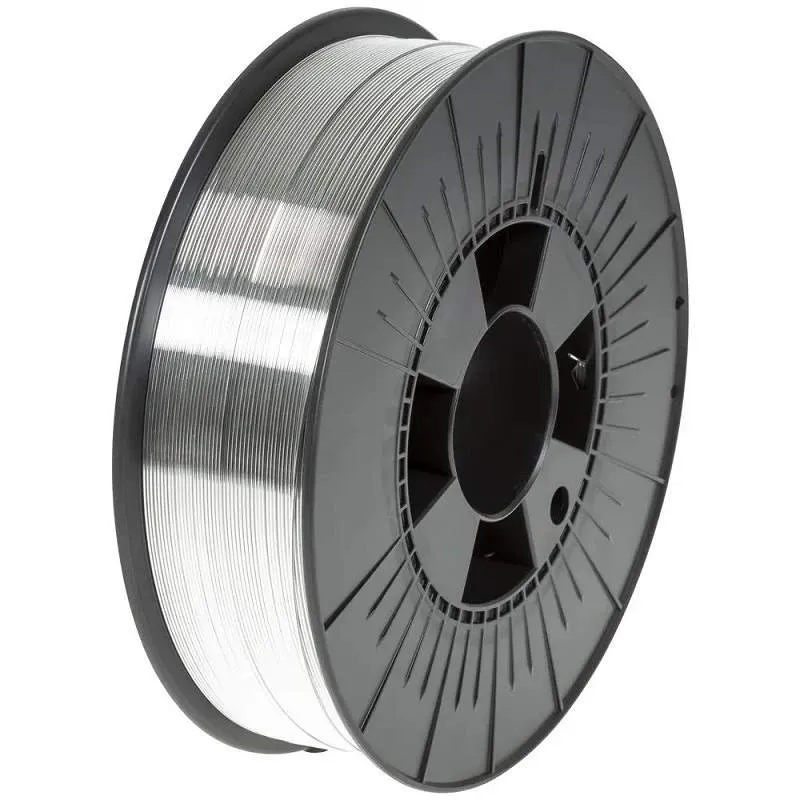
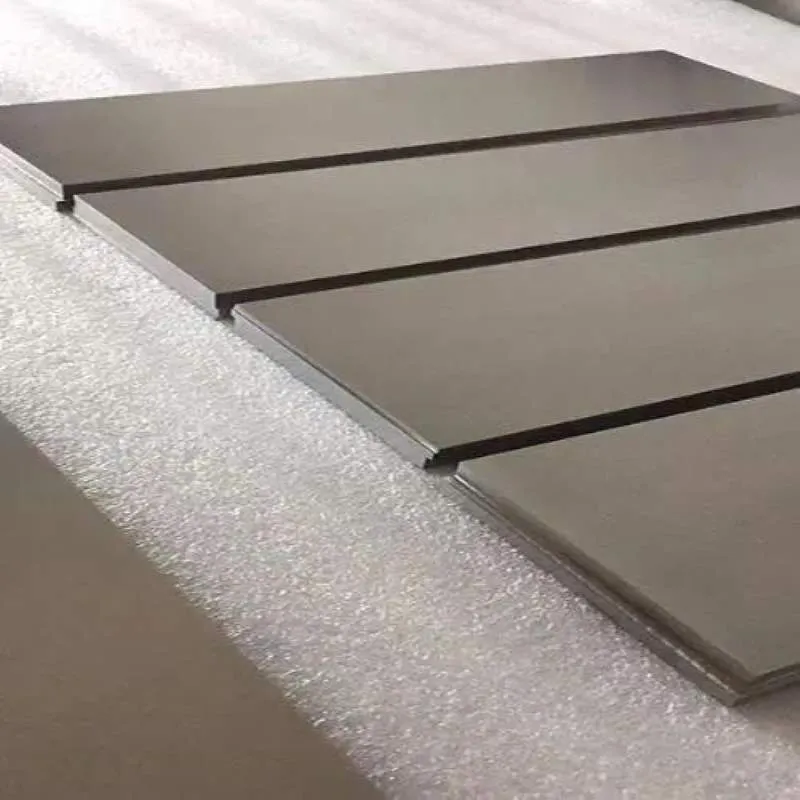
AISI 4147 Steel Wire
Product Code : STI-AL-048-CU
We provide AISI 4147 Steel Wire is available in Bar (Round bar, Flat bar), Ribbon, Wire, Rods, Tube,Seamless Tube,Pipe, Ingots, Plate, Sheet, Strip and Forging Stock.,Purity, chemical composition, size, etc. can all be customized to meet specific requirements.
Please contact us if you need customized services. We will contact you with the price and availability in 24 hours.
AISI 4147 Steel Wire Product Information
-:-
For detailed product information, please contact sales.
-:
AISI 4147 Steel Wire Synonyms
-:-
For detailed product information, please contact sales.
-:
AISI 4147 Steel Product Information
-:-
For detailed product information, please contact sales.
-:
# **AISI 4147 Steel Product Specification**
## **1. Product Overview & Classification**
**AISI 4147** is a high-carbon chromium-molybdenum alloy steel representing the upper carbon range of the 41xx series. With carbon content specified at 0.45-0.50%, it provides exceptional hardenability, high strength capability, and excellent wear resistance. This grade is specifically engineered for applications requiring maximum strength in large cross-sections or components subjected to severe abrasive wear conditions.
**Material Classification:** High-carbon chromium-molybdenum alloy steel
**Series Position:** Top of the 41xx series in carbon content
**Key Attribute:** Maximum achievable strength for chromium-molybdenum steels without entering tool steel territory
## **2. International Standards & Designations**
| Region/Standard | Designation | Equivalent Standard |
|-----------------|-------------|---------------------|
| **United States** | AISI 4147, UNS G41470 | ASTM A29, ASTM A322, SAE J404 |
| **Europe** | 1.7228+ (Modified 42CrMo5+) | EN 10083-3 (similar, but typically 42CrMo4/5) |
| **Japan** | SCM445/440H (modified) | JIS G4105 (closest available) |
| **China** | 42CrMoA (high carbon variant) | GB/T 3077 (modified composition) |
| **International** | - | ISO 683-18 (similar to 42CrMo5) |
| **Aerospace** | - | No direct equivalent in AMS standards |
**Note:** 4147 is less commonly standardized internationally than 4140/4142, often requiring specification by exact composition.
## **3. Chemical Composition (Weight %)**
| Element | Composition Range (%) | Typical Aim (%) | Metallurgical Function |
|---------|----------------------|-----------------|------------------------|
| **Carbon (C)** | 0.45 - 0.50 | 0.47 | Primary hardenability agent; enables highest strength in 41xx series |
| **Manganese (Mn)** | 0.75 - 1.00 | 0.85 | Enhances hardenability, combines with sulfur |
| **Phosphorus (P)** | ≤ 0.035 | 0.020 | Residual (kept minimal for toughness) |
| **Sulfur (S)** | ≤ 0.040 | 0.025 | Controlled for machinability improvement |
| **Silicon (Si)** | 0.15 - 0.35 | 0.25 | Deoxidizer, solid solution strengthening |
| **Chromium (Cr)** | 0.80 - 1.10 | 0.95 | Enhances hardenability, wear/corrosion resistance |
| **Molybdenum (Mo)** | 0.15 - 0.25 | 0.20 | Reduces temper embrittlement, improves high-temperature strength |
| **Nickel (Ni)** *optional* | ≤ 0.25 (residual) | 0.10 | Occasionally added for enhanced toughness |
**Composition Notes:**
- Carbon at the high end of medium-carbon steels, approaching tool steel range
- Often produced with enhanced cleanliness for demanding applications
- May be supplied with boron addition (0.0005-0.003%) for maximum hardenability
## **4. Physical Properties**
*Typical values for normalized/annealed condition*
| Property | Value | Conditions/Notes |
|----------|-------|------------------|
| **Density** | 7.85 g/cm³ (0.284 lb/in³) | At 20°C |
| **Melting Range** | 1400-1495°C (2550-2725°F) | Higher carbon reduces melting point slightly |
| **Modulus of Elasticity (E)** | 205 GPa (29.7 × 10⁶ psi) | At 20°C |
| **Shear Modulus (G)** | 80 GPa (11.6 × 10⁶ psi) | At 20°C |
| **Poisson's Ratio (ν)** | 0.29 | At 20°C |
| **Thermal Conductivity** | 40.0 W/m·K | At 100°C (lower than lower-carbon grades) |
| **Specific Heat Capacity** | 460 J/kg·K | At 20°C |
| **Coefficient of Thermal Expansion** | 12.2 × 10⁻⁶ /K | 20-100°C range |
| **Electrical Resistivity** | 0.25 µΩ·m | At 20°C (higher due to carbon content) |
| **Magnetic Properties** | Ferromagnetic | Strongly magnetic |
## **5. Mechanical Properties by Condition**
### **As-Annealed Condition**
| Property | Value Range | Typical |
|----------|-------------|---------|
| **Tensile Strength** | 690-825 MPa (100-120 ksi) | 760 MPa (110 ksi) |
| **Yield Strength (0.2%)** | 450-585 MPa (65-85 ksi) | 520 MPa (75 ksi) |
| **Elongation in 50 mm** | 20-26% | 23% |
| **Reduction of Area** | 40-50% | 45% |
| **Hardness (Brinell)** | 212-248 HB | 230 HB |
| **Hardness (Rockwell)** | 96-104 HRB | 100 HRB |
| **Machinability Rating** | 55% of B1112 | (Poorer than lower-carbon 41xx) |
### **Normalized Condition**
| Property | Value Range |
|----------|-------------|
| **Tensile Strength** | 760-895 MPa (110-130 ksi) |
| **Yield Strength** | 515-655 MPa (75-95 ksi) |
| **Elongation** | 18-24% |
| **Hardness** | 235-269 HB |
### **Quenched & Tempered Performance**
*Oil quenched from 830-855°C (1525-1575°F)*
| Tempering Temperature | Tensile Strength | Yield Strength | Hardness (HRC) | Charpy Impact (20°C) |
|-----------------------|------------------|----------------|----------------|----------------------|
| **205°C (400°F)** | 1725-1860 MPa (250-270 ksi) | 1590-1725 MPa (230-250 ksi) | 52-56 | 10-20 J (7-15 ft-lb) |
| **315°C (600°F)** | 1590-1725 MPa (230-250 ksi) | 1450-1590 MPa (210-230 ksi) | 48-52 | 14-27 J (10-20 ft-lb) |
| **425°C (800°F)** | 1450-1590 MPa (210-230 ksi) | 1310-1450 MPa (190-210 ksi) | 43-47 | 20-34 J (15-25 ft-lb) |
| **540°C (1000°F)** | 1240-1380 MPa (180-200 ksi) | 1100-1240 MPa (160-180 ksi) | 37-41 | 27-41 J (20-30 ft-lb) |
### **Hardenability Characteristics**
- **Jominy Curve Position:** Very high - J₁ typically 58-62 HRC
- **Ideal Critical Diameter (Dᵢ):** ~4.0-4.5 inches (100-115 mm) in oil
- **95% Martensite Diameter:** ~3.2-3.8 inches (80-95 mm)
- **Maximum Section for Full Hardening:** 125 mm (5 inches) in aggressive oil quench
## **6. Heat Treatment Guidelines**
### **Annealing**
- **Full Anneal:** Heat to 815-845°C (1500-1550°F), slow cool at ≤11°C/hour (20°F/hour) to 595°C (1100°F)
- **Process Anneal:** 650-705°C (1200-1300°F), air cool
- **Spheroidize Anneal:** 740-760°C (1365-1400°F), slow cool or cycle for optimum machinability
### **Normalizing**
- **Temperature:** 870-900°C (1600-1650°F)
- **Soak Time:** 30 min/inch minimum
- **Cooling:** Still air
### **Hardening**
- **Austenitizing:** 830-855°C (1525-1575°F) *Lower than 4140 due to higher carbon*
- **Soak Time:** 20-30 min/inch
- **Quench Medium:** Oil preferred; water or brine for maximum hardness in large sections (risk of cracking)
- **Preheat:** Mandatory for sections >25 mm: 650-700°C (1200-1290°F)
### **Tempering**
- **Minimum Temperature:** 150°C (300°F) for stress relief
- **Typical Range:** 425-650°C (800-1200°F) for most applications
- **Temper Embrittlement Range:** 375-575°C (700-1070°F) - rapid cooling through this range recommended
- **Double Temper:** Often beneficial: first temper at target temperature, second at 10-15°C lower
## **7. Manufacturing & Processing Characteristics**
### **Machinability**
| Condition | Relative Rating | Recommended Parameters |
|-----------|----------------|------------------------|
| **Annealed** | 50-55% | Carbide tools, moderate speeds (25-40 m/min) |
| **Normalized** | 45-50% | Carbide tools, lower speeds (20-35 m/min) |
| **Hardened (>40 HRC)** | 20-25% | CBN or ceramic tools, very low speeds |
| **Turning** | Difficult | Positive rake angles, sharp cutting edges |
| **Drilling** | Very Difficult | Carbide-tipped drills, peck drilling |
| **Tapping** | Extremely Difficult | Premium HSS-E taps, reduced speeds |
### **Weldability**
- **Rating:** Very Poor (generally not recommended)
- **If Required:** Must be in fully annealed condition
- **Preheat:** 315-425°C (600-800°F) minimum
- **Post-Weld Heat Treatment:** Full re-austenitize, quench, and temper cycle required
- **Filler Metals:** AWS E11018-D2 or nickel-based fillers for better crack resistance
### **Forgability**
- **Heating Temperature:** 1150-1200°C (2100-2190°F)
- **Forging Range:** 1200-900°C (2190-1650°F)
- **Finish Forging:** >925°C (1700°F) to avoid cracking
- **Post-Forging:** Must be slowly cooled and annealed
### **Grindability**
- **Rating:** Fair to Good (when properly heat treated)
- **Wheel Selection:** Aluminum oxide A36-46, hardness J-K
- **Coolant:** Essential to prevent burns
- **Risk:** High susceptibility to grinding cracks if overheated
## **8. Product Applications**
### **Oil & Gas - Extreme Service Components**
- **Drill collars** for ultra-deep wells (10,000+ feet)
- **Heavy-weight drill pipe joints**
- **Tool joints** for abrasive formations
- **Mud pump liners** and **pistons**
- **BOP (Blowout Preventer) shear rams** - requiring maximum hardness
- **Casing tools** and **milling tools**
### **Mining & Heavy Equipment**
- **Crusher mantles** and **concaves** (secondary crushing)
- **Hammer mill hammers** for hard rock
- **Shovel dipper teeth** and **adapters**
- **Ball mill liners** (for smaller mills)
- **Dragline chain links** and **pins**
- **Conveyor system drive sprockets**
### **Power Generation**
- **Turbine bolts** and **studs** for high-temperature service
- **Valve stems** for supercritical steam applications
- **Pump shafts** for boiler feed service
- **Coupling bolts** for high-torque applications
- **Generator retaining rings** (non-magnetic applications require different steel)
### **Industrial Manufacturing**
- **Extruder screws** for abrasive materials (filled plastics, wood composites)
- **Pellet mill dies** and **rollers**
- **Press brake dies** for high-production forming
- **Shear blades** for metal cutting
- **Mandrels** for tube drawing of hard materials
### **Agricultural Equipment**
- **Plow shares** for rocky soils
- **Harvester cutting blades**
- **Tillage tool points**
- **Sugar cane crusher rolls**
## **9. Comparison with Similar Grades**
| Grade | Carbon Range | Typical Hardness (Q&T) | Hardenability | Toughness | Primary Distinction |
|-------|--------------|------------------------|---------------|-----------|---------------------|
| **AISI 4140** | 0.38-0.43% | 28-40 HRC | Good | Excellent | General purpose, best toughness |
| **AISI 4142** | 0.40-0.45% | 32-42 HRC | Very Good | Very Good | Balance of strength/toughness |
| **AISI 4145** | 0.43-0.48% | 35-45 HRC | Excellent | Good | High strength, good hardenability |
| **AISI 4147** | 0.45-0.50% | 40-50 HRC | Exceptional | Fair-Good | Maximum strength in 41xx series |
| **AISI 4150** | 0.48-0.53% | 42-52 HRC | Exceptional | Fair | Highest carbon, approaches tool steel |
| **4340** | 0.38-0.43% | 35-48 HRC | Excellent | Exceptional | Nickel addition provides superior toughness |
## **10. Special Considerations for 4147**
### **Advantages**
1. **Maximum Strength:** Highest tensile strength achievable in Cr-Mo series without nickel
2. **Exceptional Hardenability:** Can through-harden sections up to 125 mm
3. **Excellent Wear Resistance:** Superior to lower-carbon grades in abrasive applications
4. **Good Fatigue Strength:** At equivalent hardness levels
5. **Cost-Effective:** More economical than nickel-alloy steels for wear applications
### **Limitations & Challenges**
1. **Poor Toughness:** Lower impact resistance than lower-carbon grades
2. **Weldability Issues:** Generally not weldable in heat-treated condition
3. **Machining Difficulty:** Harder to machine in all conditions
4. **Cracking Risk:** Higher susceptibility to quench cracking
5. **Notch Sensitivity:** High sensitivity to stress concentrators
### **Design Recommendations**
- **Avoid Sharp Corners:** Minimum radius 3 mm (0.125")
- **Gradual Transitions:** Taper changes at 1:3 minimum
- **Surface Finish:** Critical areas should be ground to 1.6 µm Ra or better
- **Stress Relief:** Always stress relieve after rough machining
- **NDT Requirements:** Magnetic particle or dye penetrant inspection recommended
## **11. Available Product Forms**
| Form | Typical Size Range | Common Conditions |
|------|-------------------|-------------------|
| **Round Bars** | 12-300 mm (0.5-12") diameter | Hot-rolled, annealed, rough turned |
| **Forged Bars** | 75-400 mm (3-16") diameter | Annealed, normalized, or Q&T |
| **Billets** | 100²-350² mm | As-forged, surface conditioned |
| **Plate** | Up to 100 mm thick × 2000 mm wide | Normalized and tempered |
| **Seamless Tubing** | 25-200 mm (1-8") OD | Normalized or Q&T |
| **Custom Forgings** | Various | Per customer drawing |
## **12. Quality & Inspection Requirements**
### **Standard Testing**
1. **Chemical Analysis:** Spectrographic (OES) for all elements
2. **Tensile Testing:** Per ASTM A370
3. **Hardness Testing:** Brinell or Rockwell
4. **Macroetch:** For internal soundness
5. **Grain Size:** ASTM 5 or finer required
### **Enhanced Testing (for Critical Applications)**
- **Ultrasonic Testing:** Per ASTM A388 for internal defects
- **Magnetic Particle:** Per ASTM A275/A966 for surface defects
- **Charpy V-Notch:** Multiple temperatures if toughness is critical
- **Fracture Toughness:** K₁c testing for fracture-critical applications
- **Hardenability Testing:** Jominy test if consistent heat treatment is required
### **Special Quality Variants**
- **Vacuum Degassed:** Improved cleanliness, lower gas content
- **Electroslag Remelted (ESR):** Superior homogeneity, reduced segregation
- **Calcium Treated:** Improved machinability through inclusion shape control
- **H-Grade:** 4147H available for hardenability-controlled applications
## **13. Economic & Supply Considerations**
### **Market Position**
- **Niche Product:** Less common than 4140/4145
- **Special Order:** Typically not stock material
- **Lead Time:** 8-12 weeks for standard forms
- **Minimum Order:** 2,000-5,000 lbs for mill production
- **Cost Premium:** 15-25% over 4140, 5-10% over 4145
### **Supply Sources**
- **Primary Producers:** Specialized alloy steel mills
- **Regional Availability:** Good in North America, limited in Europe/Asia
- **Alternative Options:** 4145 or 4150 may be more readily available
## **14. Failure Analysis & Prevention**
### **Common Failure Modes**
1. **Quench Cracking:** Due to high carbon content and rapid cooling
2. **Brittle Fracture:** From inadequate tempering or high hardness
3. **Fatigue Failure:** Initiated at stress concentrators
4. **Stress Corrosion Cracking:** In aggressive environments
### **Prevention Strategies**
1. **Controlled Quenching:** Use hot oils or polymer quenchants
2. **Adequate Tempering:** Minimum tempering temperature of 425°C (800°F)
3. **Surface Compression:** Shot peening for fatigue improvement
4. **Corrosion Protection:** Coatings or plating in corrosive environments
## **15. Technical Specifications Summary**
### **Material Selection Decision Tree for 4147**
```
Is maximum strength required? → Yes → Consider 4147
Is toughness critical? → Yes → Consider 4340 instead
Is component >75 mm diameter? → Yes → 4147 provides good through-hardening
Is wear resistance primary requirement? → Yes → 4147 excellent choice
Is weldability required? → Yes → Do not use 4147
Is machinability critical? → Yes → Consider lower-carbon grade
```
### **Heat Treatment Process Window**
- **Austenitizing:** 830-855°C (narrower than lower-carbon grades)
- **Quench Delay:** <5 seconds from furnace to quench
- **Tempering:** Must begin within 2 hours of quenching
- **Maximum As-Quenched Hardness:** 60-63 HRC
---
## **Conclusion: Application Guidelines**
**Select AISI 4147 when:**
1. Maximum strength is required from a chromium-molybdenum steel
2. Component will be subjected to severe abrasive wear
3. Large cross-sections need through-hardening
4. Cost prohibits nickel-alloy steels but performance exceeds 4145 capability
5. Application does not require welding or extensive machining after heat treatment
**Consider alternatives when:**
1. Impact toughness is a primary requirement (choose 4340)
2. Component will be welded in service
3. Extensive machining is required after heat treatment
4. Corrosion resistance is needed (consider stainless alternatives)
5. Cost is primary driver (4140 or 4145 may suffice)
**Final Note:** AISI 4147 represents the practical upper limit of carbon content for general engineering chromium-molybdenum steels. Its use requires careful heat treatment control and design consideration but provides unmatched strength and wear resistance within its alloy family. Properly applied, it delivers exceptional performance in the most demanding applications.
---
**Disclaimer:** This product specification is for technical reference only. Actual properties may vary based on manufacturing processes, heat treatment parameters, and specific product form. For critical applications, always consult with materials engineers, review manufacturer certifications, and conduct appropriate testing. The information presented represents typical values and ranges but should not be used as the sole basis for material selection or design decisions.
-:-
For detailed product information, please contact sales.
-:
AISI 4147 Steel Specification
Dimensions
Size:
Diameter 20-1000 mm Length <4046 mm
Size:We can customized as required
Standard:
Per your request or drawing
We can customized as required
Properties(Theoretical)
Chemical Composition
-:-
For detailed product information, please contact sales.
-:
AISI 4147 Steel Properties
-:-
For detailed product information, please contact sales.
-:
Applications of AISI 4147 Steel Wire
-:-
For detailed product information, please contact sales.
-:
Chemical Identifiers AISI 4147 Steel Wire
-:-
For detailed product information, please contact sales.
-:
Packing of AISI 4147 Steel Wire
-:-
For detailed product information, please contact sales.
-:
Standard Packing:
-:-
For detailed product information, please contact sales.
-:
Typical bulk packaging includes palletized plastic 5 gallon/25 kg. pails, fiber and Steel Wire drums to 1 ton super sacks in full container (FCL) or truck load (T/L) quantities. Research and sample quantities and hygroscopic, oxidizing or other air sensitive materials may be packaged under argon or vacuum. Solutions are packaged in polypropylene, plastic or glass jars up to palletized 517 gallon liquid totes Special package is available on request. E FORUs’ is carefully handled to minimize damage during storage and transportation and to preserve the quality of our products in their original condition