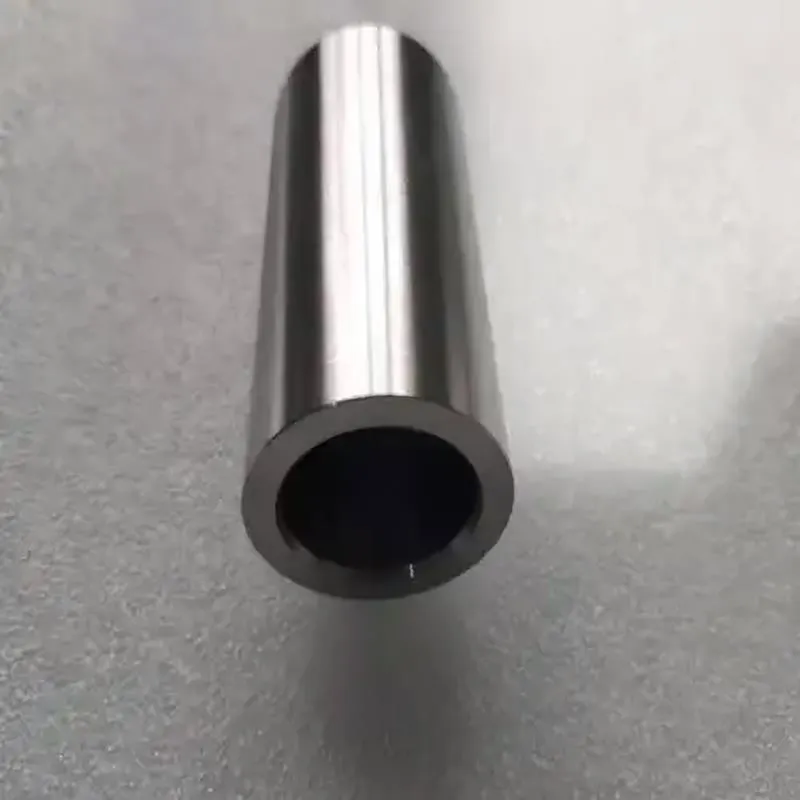
AISI 4150 Steel, heat treated
Product Code : STI-AL-055-CU
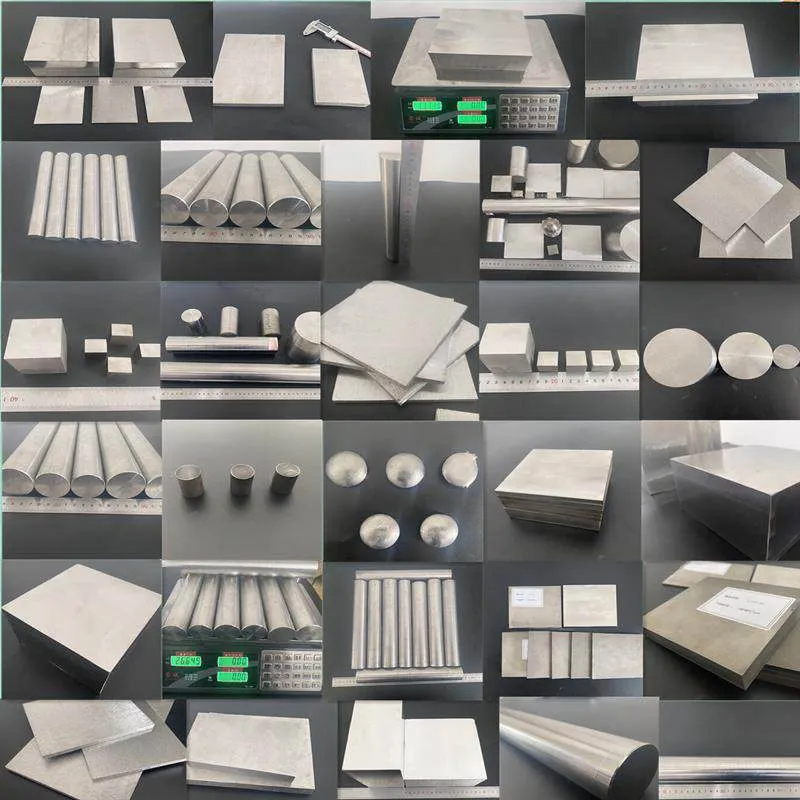
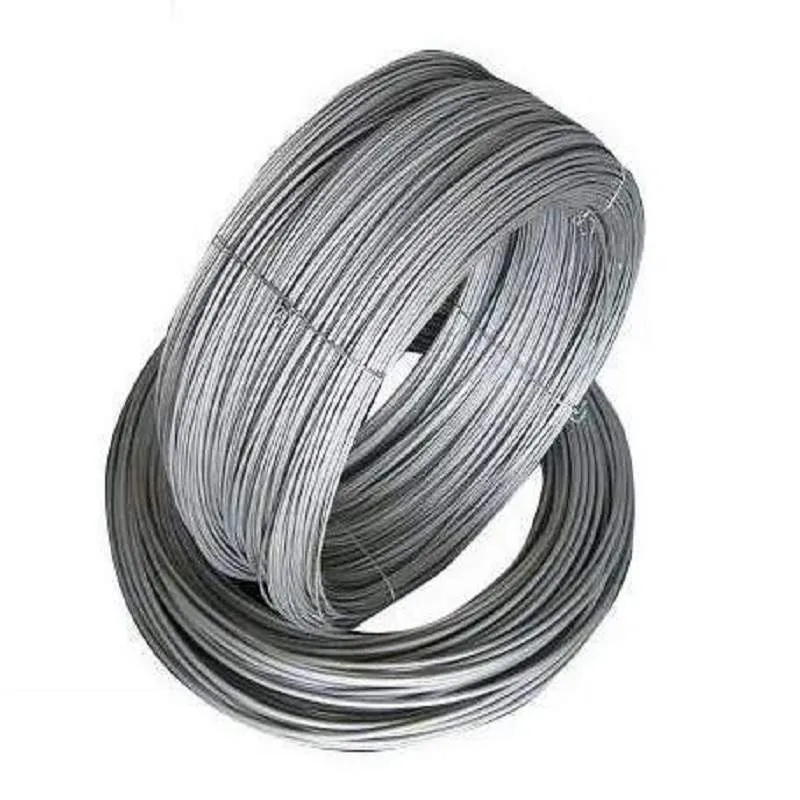
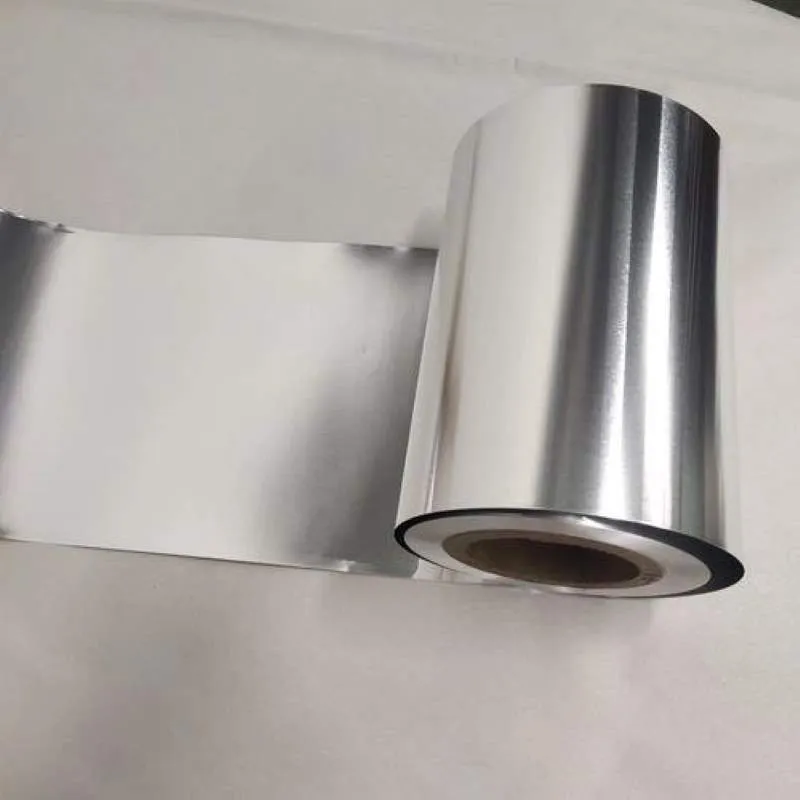
We provide AISI 4150 Steel, heat treated, 25 mm (1 in.) round is available in Bar (Round bar, Flat bar), Ribbon, Wire, Rods, Tube,Seamless Tube,Pipe, Ingots, Plate, Sheet, Strip and Forging Stock.,Purity, chemical composition, size, etc. can all be customized to meet specific requirements.
Please contact us if you need customized services. We will contact you with the price and availability in 24 hours.
AISI 4150 Steel, heat treated, 25 mm (1 in.) round Product Information
-:-
For detailed product information, please contact sales.
-:
AISI 4150 Steel, heat treated, 25 mm (1 in.) round Synonyms
-:-
For detailed product information, please contact sales.
-:
AISI 4150 Steel, heat treated, 25 mm (1 in.) round Product Information
-:-
For detailed product information, please contact sales.
-:
# **AISI 4150 Steel - Heat Treated Product Specification**
## **1. Product Definition & General Description**
This specification covers **AISI 4150** alloy steel supplied as **25 mm (1 inch) diameter round bars** in a **heat treated (quenched and tempered) condition**. AISI 4150 represents the highest carbon variant of the widely used 41xx chromium-molybdenum series, offering exceptional hardenability, high strength potential, and excellent wear resistance. The 25 mm diameter ensures optimal through-hardening characteristics and uniform mechanical properties throughout the cross-section.
**General Characteristics:**
- **Classification:** High-carbon chromium-molybdenum alloy steel
- **Carbon Content:** 0.48-0.53% (highest in 41xx series)
- **Primary Attributes:** Superior hardenability, maximum strength capability, good wear resistance
- **Typical Condition:** Quenched and tempered to various hardness levels (typically 28-52 HRC)
- **Diameter Significance:** 25 mm (1 inch) is ideal for full through-hardening with minimal distortion
## **2. International Standards & Designations**
| Region/Standard | Designation | Equivalent Standard |
|-----------------|-------------|---------------------|
| **United States** | AISI 4150, UNS G41500 | ASTM A29/A29M, SAE J404 |
| **Europe** | 1.7228 (42CrMo5) or 1.7227+ | EN 10083-3 |
| **Japan** | SCM440/445 (modified) | JIS G4105 |
| **China** | 50CrMo | GB/T 3077 |
| **ISO** | 42CrMo5 | ISO 683-18 |
| **Common Industry** | 4150 QT, 4150 HT | Various manufacturer standards |
**Note:** "Heat treated" typically implies quenched and tempered unless otherwise specified. The specific tempering temperature determines the final properties.
## **3. Chemical Composition (Weight %)**
| Element | Composition Range (%) | Typical Aim (%) | Metallurgical Function |
|---------|----------------------|-----------------|------------------------|
| **Carbon (C)** | 0.48 - 0.53 | 0.50 | Primary strengthener; provides maximum hardenability in 41xx series |
| **Manganese (Mn)** | 0.75 - 1.00 | 0.85 | Enhances hardenability, combines with sulfur |
| **Phosphorus (P)** | ≤ 0.035 | 0.020 | Residual element (controlled for toughness) |
| **Sulfur (S)** | ≤ 0.040 | 0.025 | Improves machinability (controlled) |
| **Silicon (Si)** | 0.15 - 0.35 | 0.25 | Deoxidizer, solid solution strengthener |
| **Chromium (Cr)** | 0.80 - 1.10 | 0.95 | Enhances hardenability, wear/corrosion resistance |
| **Molybdenum (Mo)** | 0.15 - 0.25 | 0.20 | Increases hardenability, reduces temper embrittlement |
**Special Quality Variants:**
- **4150H:** Hardenability-controlled version per ASTM A304
- **Vacuum Degassed:** Improved cleanliness for critical applications
- **Calcium Treated:** Enhanced machinability through inclusion shape control
- **Fine Grain Practice:** ASTM 5-8 grain size typically specified
## **4. Hardenability Characteristics**
*25 mm diameter provides optimal conditions for full through-hardening*
### **Jominy End-Quench Data (Typical)**
| Distance from Quenched End | As-Quenched Hardness (HRC) | Remarks for 25 mm Diameter |
|----------------------------|----------------------------|----------------------------|
| **J₁ (1/16")** | 58 - 62 | Surface hardness potential |
| **J₄ (4/16")** | 54 - 58 | Shallow subsurface |
| **J₈ (8/16")** | 48 - 52 | Mid-radius of 25 mm bar |
| **J₁₂ (12/16")** | 42 - 46 | Demonstrates deep hardening |
| **Center of 25 mm bar** | ~50 HRC | Full through-hardening achievable |
**Hardenability Metrics:**
- **Ideal Critical Diameter (Dᵢ):** 100-115 mm (4-4.5 inches) in oil
- **95% Martensite Diameter (D₉₅):** 80-95 mm (3.2-3.8 inches) in oil
- **Maximum Section for Full Hardening:** 125 mm (5 inches) with proper quench
- **For 25 mm diameter:** 100% martensite achievable with proper oil quench
## **5. Physical Properties (Typical Heat Treated Condition)**
*Properties vary with specific tempering temperature; values shown are typical ranges*
| Property | Value Range | Conditions/Notes |
|----------|-------------|------------------|
| **Density** | 7.85 g/cm³ (0.284 lb/in³) | Unchanged by heat treatment |
| **Melting Range** | 1400-1490°C (2550-2715°F) | - |
| **Modulus of Elasticity (E)** | 205-210 GPa (29.7-30.5 × 10⁶ psi) | Slightly affected by tempering |
| **Shear Modulus (G)** | 80-82 GPa (11.6-11.9 × 10⁶ psi) | - |
| **Poisson's Ratio (ν)** | 0.29 | - |
| **Thermal Conductivity** | 39.5-42.5 W/m·K | Varies with tempering temperature |
| **Specific Heat Capacity** | 460-480 J/kg·K | - |
| **Coefficient of Thermal Expansion** | 12.0-12.3 × 10⁻⁶ /K | 20-100°C range |
| **Electrical Resistivity** | 0.23-0.26 µΩ·m | Increases with higher tempering |
## **6. Mechanical Properties by Tempering Condition**
*Properties after oil quenching from 830-855°C (1525-1575°F)*
### **As-Quenched Condition**
- **Hardness:** 58-62 HRC
- **Microstructure:** >95% martensite
- **Condition:** Brittle, not suitable for service without tempering
### **Tempered Conditions for 25 mm Diameter**
| Tempering Temperature | Hardness (HRC) | Tensile Strength | Yield Strength | Charpy Impact (20°C) | Primary Application |
|-----------------------|----------------|------------------|----------------|----------------------|---------------------|
| **205°C (400°F)** | 52-56 | 1655-1860 MPa | 1520-1725 MPa | 14-27 J | Maximum wear resistance |
| **315°C (600°F)** | 48-52 | 1520-1725 MPa | 1380-1590 MPa | 20-34 J | High strength, moderate wear |
| **425°C (800°F)** | 42-46 | 1380-1520 MPa | 1240-1380 MPa | 27-41 J | General high-strength |
| **540°C (1000°F)** | 35-39 | 1170-1310 MPa | 1035-1170 MPa | 41-54 J | Good strength-toughness balance |
| **595°C (1100°F)** | 30-34 | 1035-1170 MPa | 930-1035 MPa | 54-68 J | High toughness, moderate strength |
| **650°C (1200°F)** | 26-30 | 930-1035 MPa | 830-930 MPa | 68-81 J | Maximum toughness |
### **Typical Guaranteed Minimums (General Heat Treated)**
- **Hardness Uniformity:** ±2 HRC through 25 mm cross-section
- **Tensile Strength:** Varies with hardness (see table above)
- **Yield Strength:** Typically 85-90% of tensile strength
- **Elongation:** 8-22% depending on hardness
- **Reduction of Area:** 35-60% depending on hardness
## **7. Heat Treatment Guidelines for 25 mm Diameter**
### **Standard Heat Treatment Parameters**
```
1. PREHEAT: 650-700°C (1200-1290°F) - 20-30 minutes
2. AUSTENITIZE: 830-845°C (1525-1550°F) - 30 minutes minimum
*Note: Lower than 4140 due to higher carbon content*
3. QUENCH: Oil, 40-60°C (100-140°F), agitated
4. TEMPER: According to desired final hardness
5. TEMPERING TIME: 2 hours minimum for 25 mm diameter
6. COOLING: Air cool after tempering
```
### **Critical Considerations for 4150**
1. **Lower Austenitizing Temperature:** 830-845°C vs. 845-870°C for 4140
2. **Quench Cracking Risk:** Higher due to high carbon content
3. **Tempering Requirement:** Mandatory - never use in as-quenched condition
4. **Double Tempering:** Often beneficial for maximum toughness
5. **Stress Relief:** May be required after machining if significant material removed
## **8. Microstructural Characteristics**
### **Typical Microstructure After Heat Treatment**
- **Matrix:** Tempered martensite with fine carbides
- **Carbide Types:** Fe₃C, Cr₇C₃, Mo₂C (depending on tempering temperature)
- **Prior Austenite Grain Size:** ASTM 5-8 with proper heat treatment
- **Decarburization:** ≤0.25 mm (0.010 in) per side typically
- **Surface Condition:** Typically shot blasted or machined after heat treatment
### **Effect of Tempering Temperature on Microstructure**
- **Low Temperature (205-315°C):** Fine ε-carbides in martensite matrix
- **Medium Temperature (425-540°C):** Transition carbides, some spheroidization
- **High Temperature (595-650°C):** Well-spheroidized carbides in ferrite matrix
## **9. Machinability & Manufacturing Characteristics**
### **Machinability by Hardness Level**
| Hardness Range | Relative Machinability | Recommended Tools | Key Considerations |
|----------------|------------------------|-------------------|-------------------|
| **28-32 HRC** | 50-55% | Carbide, HSS-Co | Good chip control needed |
| **33-38 HRC** | 40-45% | Carbide only | Rigid setups required |
| **39-44 HRC** | 30-35% | Premium carbide | High-pressure coolant |
| **45-52 HRC** | 20-25% | CBN, ceramic | Grinding often preferred |
### **Additional Processing Characteristics**
- **Grindability:** Good with proper wheels and coolant
- **Weldability:** Very poor - generally not recommended
- **Plating:** Chrome and other platings possible with proper preparation
- **Nitriding:** Suitable for additional surface hardening
- **Straightening:** Possible with care, but may require stress relief
## **10. Product Applications**
### **High-Wear Components**
- **Gears** and **sprockets** for heavy machinery
- **Bearing races** and **rollers**
- **Crusher liners** and **mantles**
- **Extruder screws** for abrasive materials
- **Die components** for forming and stamping
### **Oil & Gas Industry**
- **Drill collar connections**
- **Tool joints** (API Spec 7-1)
- **Valve stems** for high-pressure service
- **Sucker rods** (high-strength grades)
- **BOP (Blowout Preventer) components**
### **Heavy Equipment & Construction**
- **Track links** and **rollers** for mining equipment
- **Final drive gears** for excavators
- **Pivot pins** and **bushings**
- **Crusher hammers** and **impact bars**
### **Power Transmission**
- **Large gear blanks** (>150 mm diameter)
- **Shafts** for high-torque applications
- **Couplings** and **flanges**
- **Spline shafts** for heavy machinery
### **Automotive & Aerospace (Secondary)**
- **Landing gear components** (non-primary)
- **High-performance crankshafts**
- **Transmission gears** for heavy trucks
- **Suspension components** for racing applications
## **11. Available Heat Treated Conditions**
### **Common Standard Conditions**
| Condition Designation | Typical Hardness | Typical Tempering Temperature | Common Applications |
|----------------------|------------------|-------------------------------|---------------------|
| **4150-QT-400** | 52-56 HRC | 205°C (400°F) | Cutting tools, wear parts |
| **4150-QT-800** | 42-46 HRC | 425°C (800°F) | Gears, shafts |
| **4150-QT-1000** | 35-39 HRC | 540°C (1000°F) | General machinery |
| **4150-QT-1100** | 30-34 HRC | 595°C (1100°F) | High-toughness applications |
| **Customer Specific** | As specified | As specified | Custom requirements |
### **25 mm Diameter Specific Advantages**
- **Uniform Properties:** Full through-hardening assured
- **Minimal Distortion:** Predictable dimensional changes
- **Surface-to-Core Consistency:** Within 2 HRC points
- **Optimal Quenching:** Ideal size for oil quenching effectiveness
## **12. Quality Assurance & Testing**
### **Standard Testing Package**
1. **Hardness Testing:** Surface, mid-radius, and center
2. **Tensile Testing:** Per ASTM A370
3. **Charpy Impact Testing:** At room temperature (optional at other temperatures)
4. **Microstructure Examination:** Verification of tempered martensite
5. **Decarburization Check:** Depth measurement
### **Enhanced Testing Options**
- **Ultrasonic Testing:** For internal defects
- **Magnetic Particle Inspection:** For surface defects
- **Bend Testing:** For ductility verification
- **Fatigue Testing:** For dynamic applications
- **Hardenability Testing:** Jominy test for certification
### **Certification Requirements**
- **Mill Test Certificate:** Chemical and mechanical properties
- **Heat Treatment Certificate:** Process parameters
- **Traceability:** Heat number and heat treat lot
- **Compliance:** To specified standards and customer requirements
## **13. Comparison with Similar Grades**
### **vs. AISI 4140**
| Parameter | AISI 4150 | AISI 4140 | Advantage |
|-----------|-----------|-----------|-----------|
| **Carbon Content** | 0.48-0.53% | 0.38-0.43% | 4150: Higher strength potential |
| **Max Hardness** | 60-64 HRC | 54-58 HRC | 4150: Better wear resistance |
| **Hardenability** | Superior | Very Good | 4150: Larger sections possible |
| **Toughness** | Lower at same hardness | Higher | 4140: Better for impact |
| **Cost** | Higher | Lower | 4140: More economical |
| **Applications** | Maximum wear/strength | General high-strength | Different performance envelopes |
### **vs. AISI 4340**
| Aspect | AISI 4150 | AISI 4340 | Selection Guide |
|--------|-----------|-----------|----------------|
| **Carbon** | 0.48-0.53% | 0.38-0.43% | 4150: Higher carbon |
| **Nickel** | None | 1.65-2.00% | 4340: Superior toughness |
| **Max Strength** | Similar | Similar | Comparable |
| **Toughness** | Lower | Much Higher | 4340 for critical toughness |
| **Cost** | Lower | Higher | 4150: Cost-effective alternative |
| **Best For** | Wear applications | Impact applications | Different priorities |
## **14. Design & Engineering Considerations**
### **Advantages of AISI 4150**
1. **Maximum Strength:** Highest in 41xx series without nickel addition
2. **Excellent Hardenability:** Through-hardens large sections effectively
3. **Good Wear Resistance:** Superior to lower-carbon grades
4. **Cost-Effective:** More economical than nickel-alloy steels
5. **Versatility:** Wide range of hardness levels available
### **Limitations & Considerations**
1. **Lower Toughness:** Compared to lower-carbon grades at same hardness
2. **Weldability:** Very poor - avoid welding if possible
3. **Machinability:** More difficult than lower-carbon steels
4. **Quench Cracking Risk:** Higher due to high carbon content
5. **Notch Sensitivity:** Higher than more ductile grades
### **Design Recommendations**
- **Fillet Radii:** Minimum 3 mm (0.125 in) on internal corners
- **Surface Finish:** Critical areas should be ≤3.2 µm Ra
- **Stress Concentrations:** Avoid sharp transitions
- **Corrosion Protection:** Required for outdoor or corrosive service
- **Heat Treatment:** Specify required hardness range, not just tempering temperature
## **15. Economic & Supply Considerations**
### **Market Availability**
- **Common Sizes:** 25 mm diameter readily available
- **Lead Times:** 4-8 weeks for standard conditions
- **Minimum Orders:** 500-1000 kg typically
- **Cost Factors:** 1.3-1.5× AISI 4140 cost
- **Global Supply:** Widely produced in major steel regions
### **Total Cost Considerations**
1. **Material Cost:** Higher than lower-carbon grades
2. **Machining Cost:** Higher due to increased difficulty
3. **Heat Treatment Cost:** Similar to other alloy steels
4. **Performance Benefits:** Often justify premium through extended service life
5. **Life Cycle Cost:** May be lower despite higher initial cost
---
## **Technical Appendix: Property Calculations**
### **Empirical Relationships**
1. **Tensile Strength (MPa) ≈ 3.45 × HB** (for tempered conditions)
2. **Yield Strength ≈ 0.85-0.90 × Tensile Strength**
3. **Fatigue Endurance Limit ≈ 0.45-0.50 × Tensile Strength** (polished specimens)
4. **Hardness-Tensile Relationship varies with tempering temperature**
### **Size Effect Considerations for 25 mm Diameter**
- **Surface Hardness:** Typically 1-2 HRC higher than center
- **Strength Reduction:** Negligible compared to larger diameters
- **Toughness:** Slightly better at center than surface
- **Uniformity:** Excellent due to optimal section size
---
## **Summary: Application Guidelines**
### **Select AISI 4150 Heat Treated When:**
1. Maximum strength is required from chromium-molybdenum steel
2. Component will be subjected to significant wear
3. Section size is 25-100 mm requiring through-hardening
4. Cost prohibits nickel-alloy steels but performance exceeds 4140 capability
5. Good fatigue resistance is needed at high strength levels
### **Consider Alternatives When:**
1. Impact toughness is primary requirement (choose 4340)
2. Welding is required in service (choose lower-carbon grade)
3. Corrosion resistance is critical (choose stainless alternative)
4. Cost is primary driver (4140 may suffice)
5. Maximum machinability is needed (choose annealed material)
### **25 mm Diameter Specific Advantages:**
- Ideal for full through-hardening with oil quench
- Minimal distortion during heat treatment
- Uniform properties throughout cross-section
- Suitable for precision components
- Wide availability in heat treated condition
### **Value Proposition:**
AISI 4150 in heat treated condition provides:
- **Ready-to-use** material requiring no customer heat treatment
- **Certified properties** with full traceability
- **Optimal performance** for high-strength, high-wear applications
- **Cost-effective** solution between standard alloys and premium grades
- **Proven reliability** in demanding industrial applications
---
**Final Recommendation:** AISI 4150 heat treated rounds in 25 mm diameter represent an excellent choice for components requiring the maximum strength and wear resistance achievable in the chromium-molybdenum steel family. The heat treated condition eliminates the need for customer heat treatment facilities while providing certified, consistent properties ideal for demanding applications.
---
**Disclaimer:** This product specification is for technical reference. Actual properties depend on specific heat treatment parameters and may vary between manufacturers. For critical applications, always verify material certifications, conduct incoming inspection, and perform appropriate qualification testing. The information presented represents typical values but should not be used as the sole basis for design decisions. Always consult with materials engineering specialists for safety-critical applications.
-:-
For detailed product information, please contact sales.
-:
AISI 4150 Steel, heat treated, 25 mm (1 in.) round Specification
Dimensions
Size:
Diameter 20-1000 mm Length <4053 mm
Size:We can customized as required
Standard:
Per your request or drawing
We can customized as required
Properties(Theoretical)
Chemical Composition
-:-
For detailed product information, please contact sales.
-:
AISI 4150 Steel, heat treated, 25 mm (1 in.) round Properties
-:-
For detailed product information, please contact sales.
-:
Applications of AISI 4150 Steel, heat treated, 25 mm (1 in.) round
-:-
For detailed product information, please contact sales.
-:
Chemical Identifiers AISI 4150 Steel, heat treated, 25 mm (1 in.) round
-:-
For detailed product information, please contact sales.
-:
Packing of AISI 4150 Steel, heat treated, 25 mm (1 in.) round
-:-
For detailed product information, please contact sales.
-:
Standard Packing:
-:-
For detailed product information, please contact sales.
-:
Typical bulk packaging includes palletized plastic 5 gallon/25 kg. pails, fiber and steel drums to 1 ton super sacks in full container (FCL) or truck load (T/L) quantities. Research and sample quantities and hygroscopic, oxidizing or other air sensitive materials may be packaged under argon or vacuum. Solutions are packaged in polypropylene, plastic or glass jars up to palletized 524 gallon liquid totes Special package is available on request. E FORUs’ is carefully handled to minimize damage during storage and transportation and to preserve the quality of our products in their original condition