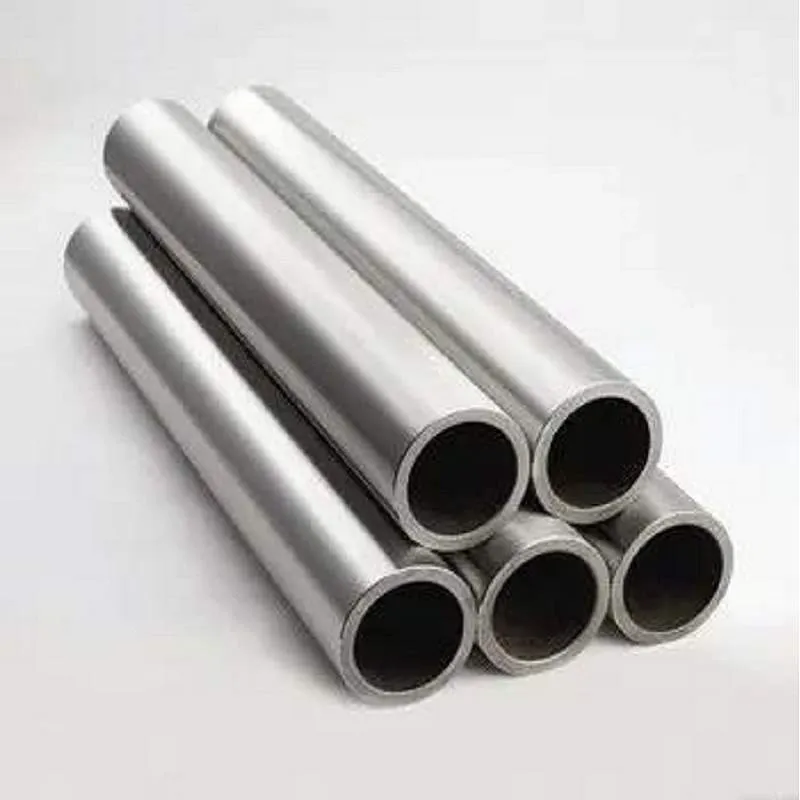
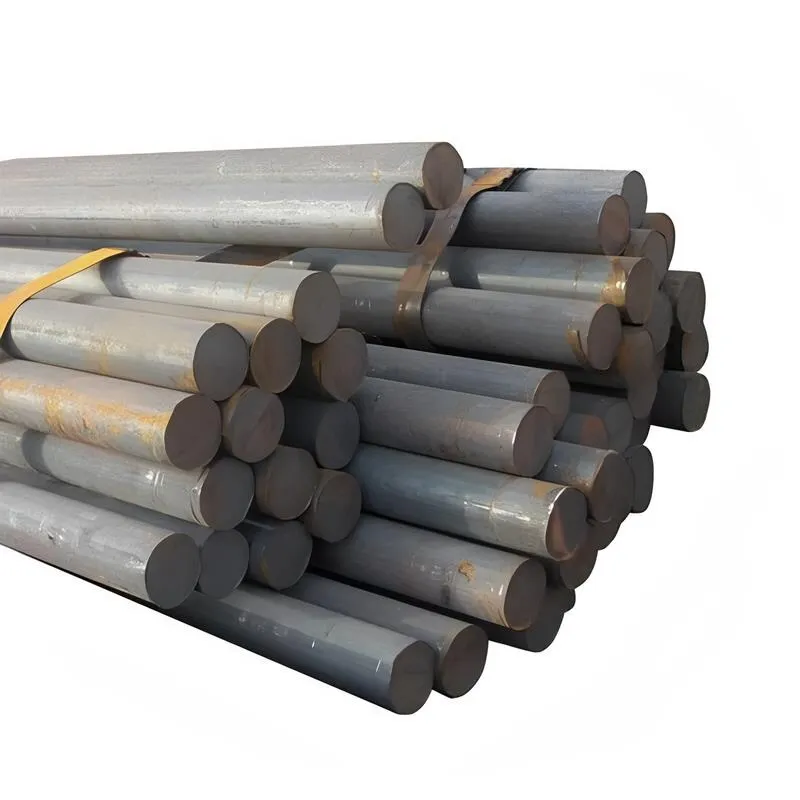
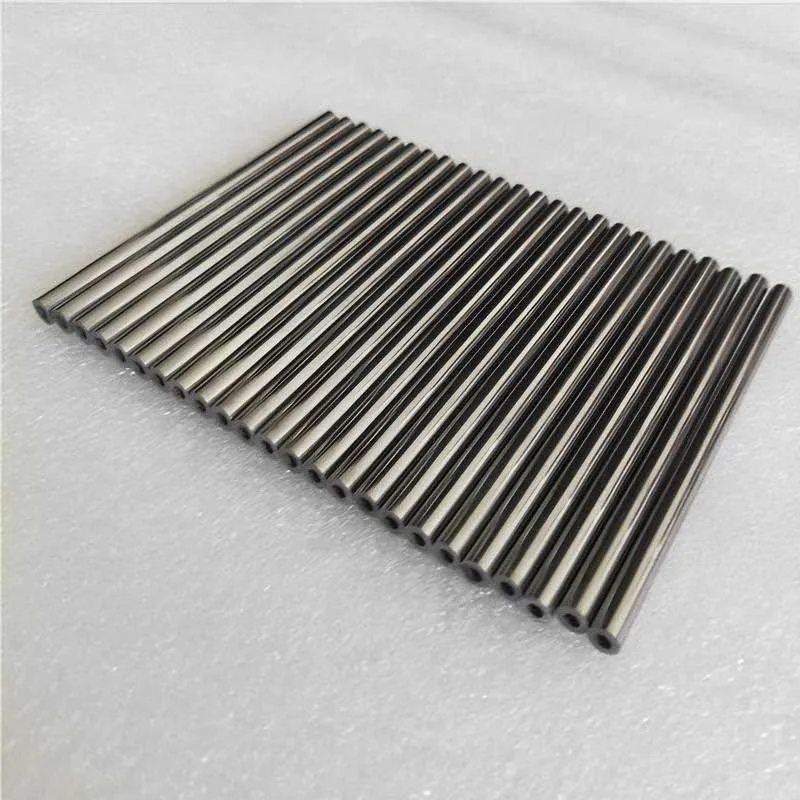
AISI 4615 Steel Seamless tube
Product Code : STI-AL-073-CU
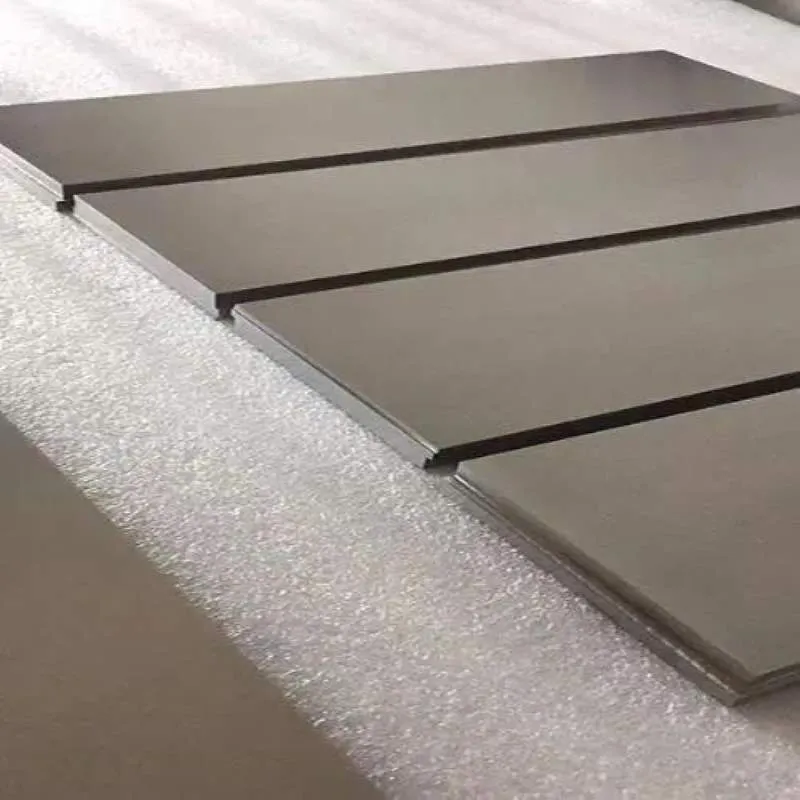
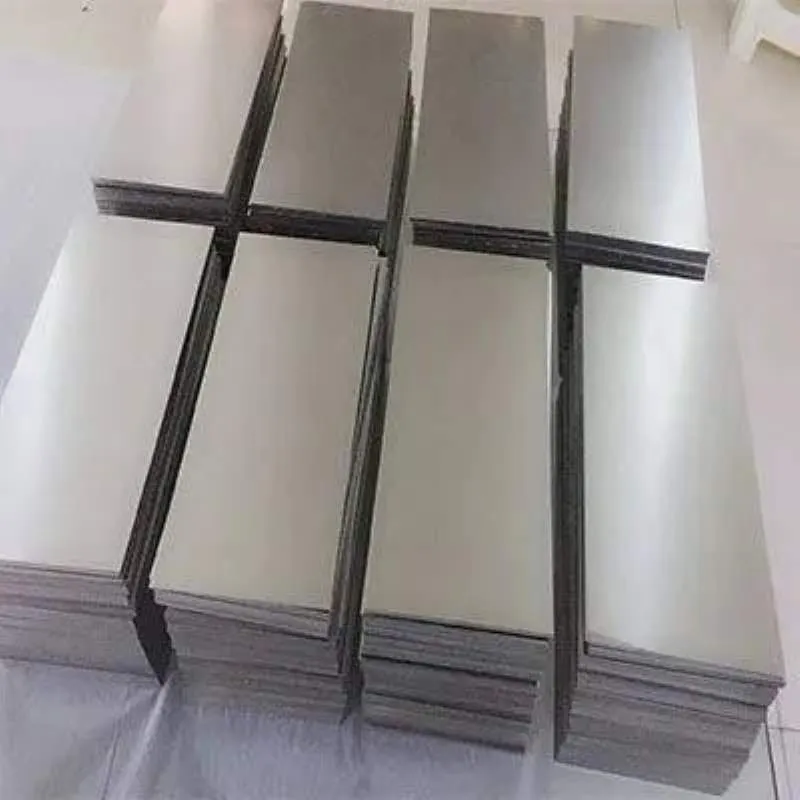
We provide AISI 4615 Steel Seamless tube is available in Bar (Round bar, Flat bar), Ribbon, Wire, Rods, Tube,Seamless Tube,Pipe, Ingots, Plate, Sheet, Strip and Forging Stock.,Purity, chemical composition, size, etc. can all be customized to meet specific requirements.
Please contact us if you need customized services. We will contact you with the price and availability in 24 hours.
AISI 4615 Steel Seamless tube Product Information
-:-
For detailed product information, please contact sales.
-:
AISI 4615 Steel Seamless tube Synonyms
-:-
For detailed product information, please contact sales.
-:
AISI 4615 Steel Product Information
-:-
For detailed product information, please contact sales.
-:
# **AISI 4615 Nickel-Molybdenum Alloy Steel**
## **Case-Hardening Steel with Excellent Core Toughness**
---
### **1. PRODUCT OVERVIEW**
**AISI 4615 Alloy Steel - Case Hardening Grade**
- **Material Classification:** Low-carbon nickel-molybdenum alloy steel
- **Primary Characteristic:** Designed for case hardening processes (carburizing, carbonitriding)
- **Key Advantage:** Exceptional core toughness combined with hard, wear-resistant surface
- **Typical Forms:** Bars, forgings, tubing, wire (available in various sizes and conditions)
- **Heat Treatment:** Typically supplied in annealed or normalized condition for machining, followed by case hardening
**Material Family Context:**
- **AISI 4xxx Series:** Molybdenum steels (first digit "4")
- **Second Digit "6":** Nickel content approximately 1.8%
- **Last Digits "15":** Nominal carbon content 0.15%
- **Similar Grades:** 4620 (higher nickel), 8615/8620 (chromium-nickel-molybdenum alternatives)
---
### **2. CHEMICAL COMPOSITION**
| Element | AISI 4615 Standard Range (%) | Typical Production Range (%) | Metallurgical Function |
|---------|-----------------------------|------------------------------|------------------------|
| **Carbon (C)** | 0.13-0.18 | 0.15-0.17 | Provides core strength, minimal for machinability |
| **Manganese (Mn)** | 0.45-0.65 | 0.50-0.60 | Enhances hardenability, controls sulfur |
| **Phosphorus (P)** | ≤ 0.035 | ≤ 0.020 | Residual impurity (controlled) |
| **Sulfur (S)** | ≤ 0.040 | 0.020-0.035 | Improves machinability (may be modified) |
| **Silicon (Si)** | 0.15-0.30 | 0.20-0.25 | Deoxidizer, strengthens ferrite |
| **Nickel (Ni)** | 1.65-2.00 | 1.70-1.90 | **Primary alloy:** Provides core toughness, hardenability |
| **Molybdenum (Mo)** | 0.20-0.30 | 0.22-0.27 | **Secondary alloy:** Refines grain, enhances hardenability |
| **Chromium (Cr)** | - | ≤ 0.20 | Trace residual |
| **Copper (Cu)** | - | ≤ 0.35 | Trace residual |
| **Iron (Fe)** | Balance | Balance | Matrix element |
**Key Composition Features:**
1. **Low Carbon:** Optimized for case hardening - allows deep case formation without excessive core brittleness
2. **Nickel Content:** Provides exceptional toughness and impact resistance in the core
3. **Molybdenum:** Improves hardenability and temper resistance, prevents grain growth
4. **Controlled Sulfur:** Often at higher end for improved machinability in annealed state
---
### **3. MATERIAL SPECIFICATIONS & STANDARDS**
| Standard System | Designation | Title / Description | Equivalent Grades |
|----------------|-------------|---------------------|-------------------|
| **UNS** | G46150 | Unified Numbering System | Primary identifier |
| **AISI/SAE** | 4615 | Standard designation | Original spec |
| **ASTM** | A322 | Grade 4615 alloy steel bars | Standard bars |
| **ASTM** | A29/A29M | Steel bars, carbon and alloy | General requirements |
| **AMS** | 6270 | Steel bars and forgings | Aerospace specification |
| **ISO** | 683-11 | Heat-treatable steels | 15NiCrMo13-6 type |
| **DIN** | 1.6523 | 15NiCr13 | German equivalent |
| **EN** | 1.5752 | 15NiCrMo13-6 | European standard |
| **JIS** | SNCM220 | Nickel-chromium-molybdenum steel | Japanese similar grade |
**International Cross-Reference:**
- **Europe:** Widely used as 1.5752 (15NiCrMo13-6)
- **Japan:** Similar to SNCM220 but with lower chromium
- **Aerospace:** AMS 6270 covers aerospace quality versions
- **Automotive:** Often specified in OEM standards for gearing applications
---
### **4. TYPICAL HEAT TREATMENT CYCLES**
#### **Standard Processing Sequence:**
1. **Supply Condition:** Annealed or normalized (HB 149-207)
2. **Machining:** Performed in soft condition
3. **Case Hardening:** Carburizing or carbonitriding
4. **Quenching:** Direct or reheated quench
5. **Tempering:** Low temperature (150-200°C)
6. **Optional:** Sub-zero treatment for retained austenite control
#### **Carburizing Parameters:**
- **Temperature:** 900-950°C (1650-1740°F)
- **Case Depth:** 0.5-2.0 mm (0.020-0.080") typical
- **Surface Carbon:** 0.70-0.90% after carburizing
- **Quench Medium:** Oil (fast quenching oil)
#### **Resulting Properties After Case Hardening:**
| Property | Case Region | Core Region |
|----------|-------------|------------|
| **Hardness** | 58-63 HRC | 30-40 HRC |
| **Microstructure** | High-carbon martensite + carbides | Low-carbon martensite/bainite |
| **Tensile Strength** | - | 850-1000 MPa |
| **Yield Strength** | - | 650-800 MPa |
| **Effective Case Depth** | To 550 HV (50 HRC) typically 0.5-1.5mm | - |
---
### **5. MECHANICAL PROPERTIES**
#### **In Annealed/Normalized Condition (for machining):**
| Property | Typical Range | Testing Standard | Notes |
|----------|---------------|------------------|-------|
| **Hardness** | 149-207 HB | ASTM E10 | Optimal for machining |
| **Tensile Strength** | 500-650 MPa | ASTM E8/E8M | As-annealed |
| **Yield Strength** | 350-450 MPa | ASTM E8/E8M | As-annealed |
| **Elongation** | 25-30% | ASTM E8/E8M | In 50mm |
| **Reduction of Area** | 50-60% | ASTM E8/E8M | Excellent ductility |
| **Machinability** | 70% (of B1112) | - | Good with proper tools |
#### **After Case Hardening & Tempering:**
| Property | Typical Value | Application Significance |
|----------|---------------|--------------------------|
| **Surface Hardness** | 58-63 HRC | Excellent wear resistance |
| **Core Hardness** | 30-40 HRC | Good strength with toughness |
| **Core Tensile Strength** | 850-1000 MPa | High load capacity |
| **Core Yield Strength** | 650-800 MPa | Good resistance to deformation |
| **Charpy Impact (core)** | 40-60 J | Excellent impact resistance |
| **Bending Fatigue Strength** | 500-600 MPa | Good fatigue performance |
#### **Hardenability Data (Jominy Test):**
| Distance from Quenched End | Hardness (HRC) | Notes |
|----------------------------|----------------|-------|
| 1.5 mm (1/16") | 35-40 | Good response to quenching |
| 10 mm (3/8") | 25-30 | Moderate hardenability |
| 20 mm (3/4") | 20-25 | Suitable for moderate sections |
| **Core hardenability limit:** | Approximately 25-40mm diameter for 50% martensite | |
---
### **6. PHYSICAL PROPERTIES**
| Property | Value | Conditions / Notes |
|----------|-------|-------------------|
| **Density** | 7.85 g/cm³ | At 20°C |
| **Melting Point** | 1480-1520°C | Approximate range |
| **Thermal Conductivity** | 42.5 W/m·K | At 100°C, annealed |
| **Specific Heat Capacity** | 460 J/kg·K | At 20°C |
| **Coefficient of Thermal Expansion** | 12.3 × 10⁻⁶/K | 20-100°C range |
| **Electrical Resistivity** | 0.22 μΩ·m | At 20°C |
| **Modulus of Elasticity** | 205 GPa | - |
| **Poisson's Ratio** | 0.29 | - |
| **Magnetic Properties** | Ferromagnetic | Below Curie temperature |
---
### **7. TYPICAL APPLICATIONS**
#### **Automotive Industry (Primary Market):**
- **Transmission Components:** Gears, pinions, synchronizer hubs
- **Steering Systems:** Steering gear components, pinions
- **Engine Components:** Camshafts, rocker arms, valve train parts
- **Drive Train:** Differential gears, drive pinions, spider gears
- **Fasteners:** High-strength bolts, studs (after heat treatment)
#### **Aerospace Components:**
- **Actuator Gears:** Flight control systems
- **Engine Accessory Drives:** Gearbox components
- **Landing Gear Parts:** Bushings, pins (case hardened)
- **Control System Components:** Lever arms, linkages
#### **Industrial Machinery:**
- **Gearboxes:** Industrial gear sets
- **Power Transmission:** Sprockets, chain wheels
- **Heavy Equipment:** Construction machinery gears
- **Agricultural Machinery:** Gearbox components, PTO shafts
#### **Special Applications:**
- **Oil Field Tools:** Tool joints, subs (for non-corrosive service)
- **Mining Equipment:** Gear components
- **Material Handling:** Conveyor system gears
- **Robotics:** Precision gear components
#### **Why Choose AISI 4615:**
1. **Superior Core Toughness:** Nickel content provides exceptional impact resistance
2. **Good Case Hardening Response:** Consistent case formation
3. **Machinability:** Good in annealed condition
4. **Weldability:** Better than many case-hardening steels
5. **Cost-Effective:** Compared to higher-alloy alternatives like 9310
---
### **8. PROCESSING CHARACTERISTICS**
#### **Machinability (Annealed Condition):**
- **Relative Rating:** 70% of B1112 free-cutting steel
- **Recommended Cutting Speed:** 40-60 m/min for turning
- **Feed Rate:** 0.15-0.30 mm/rev
- **Tool Materials:** High-speed steel or carbide
- **Chip Formation:** Continuous chips, good surface finish possible
#### **Forming and Forging:**
- **Hot Working Temperature:** 1150-900°C
- **Forging:** Performs well, requires annealing after forging
- **Cold Working:** Limited due to low carbon content
#### **Welding Characteristics:**
- **Weldability Rating:** Fair to Good (with precautions)
- **Recommended Methods:** GTAW (TIG), GMAW (MIG), SMAW with low-hydrogen electrodes
- **Preheat:** 150-200°C for thicker sections
- **Post-Weld Heat Treatment:** Recommended for stress relief
- **Note:** Welding after case hardening is generally not recommended
#### **Grinding:**
- **After Case Hardening:** Requires appropriate wheels (aluminum oxide or CBN)
- **Caution:** Avoid excessive heat to prevent tempering of hard case
---
### **9. CASE HARDENING PERFORMANCE**
#### **Carburizing Response:**
- **Case Depth Control:** Excellent, predictable growth
- **Case Hardness:** 58-63 HRC achievable
- **Case Microstructure:** Fine martensite with distributed carbides
- **Retained Austenite:** Typically 10-20% (can be reduced with deep freeze)
- **Distortion:** Moderate, predictable with proper fixturing
#### **Carbonitriding Capability:**
- **Alternative Process:** Can be carbonitrided for thinner cases
- **Benefits:** Lower temperature, less distortion, better fatigue properties
- **Typical Depth:** 0.1-0.5 mm
#### **Optimal Case Depth Guidelines:**
| Module (Gear) | Recommended Case Depth | Application |
|---------------|------------------------|-------------|
| < 1.5 mm | 0.1-0.3 mm | Small precision gears |
| 1.5-3.0 mm | 0.3-0.6 mm | Automotive transmission gears |
| 3.0-6.0 mm | 0.6-1.0 mm | Industrial gearbox gears |
| > 6.0 mm | 1.0-1.5 mm+ | Heavy machinery gears |
---
### **10. COMPARISON WITH SIMILAR GRADES**
| Grade | C% | Primary Alloys | Core Toughness | Case Hardness | Typical Applications |
|-------|----|----------------|----------------|---------------|----------------------|
| **AISI 4615** | 0.15 | 1.8Ni-0.25Mo | **Excellent** | 58-63 HRC | High-impact gears, automotive |
| **AISI 8620** | 0.20 | 0.5Ni-0.5Cr-0.2Mo | Very Good | 58-62 HRC | General purpose gears |
| **AISI 9310** | 0.10 | 3.3Ni-1.2Cr-0.1Mo | Exceptional | 58-63 HRC | Aerospace gears, critical parts |
| **AISI 4118** | 0.18 | 0.5Cr-0.1Mo | Good | 56-60 HRC | Cost-sensitive applications |
| **AISI 5120** | 0.20 | 0.8Cr | Moderate | 56-60 HRC | General machinery |
**Advantages of 4615 over 8620:**
- Better core toughness (higher nickel)
- Better impact resistance at low temperatures
- Better fatigue performance in bending applications
- Slightly better machinability in annealed state
**Disadvantages:**
- Higher cost (nickel content)
- Slightly lower case hardness potential than chromium-containing grades
---
### **11. QUALITY ASSURANCE**
#### **Standard Testing Requirements:**
1. **Chemical Analysis:** Full spectrographic analysis
2. **Hardenability Test:** Jominy test per ASTM A255 (for H-grade versions)
3. **Microcleanliness:** Per ASTM E45 (inclusion rating)
4. **Grain Size:** ASTM E112 (typically 5-8)
5. **Surface Quality:** Visual and dimensional inspection
#### **Special Requirements for Critical Applications:**
- **Magnetic Particle Inspection:** For surface defects
- **Ultrasonic Testing:** For internal quality
- **Macroetch Testing:** For segregation and forging quality
- **Charpy Impact Testing:** For toughness verification
#### **Certification Levels:**
- **Standard:** Chemical composition and hardness
- **Full Testing:** Includes mechanical properties, hardenability, microstructure
- **Aerospace Quality:** Additional NDT, tighter controls, full traceability
---
### **12. DESIGN GUIDELINES**
#### **Recommended Applications:**
- Gears subject to shock loading
- Components requiring high core toughness
- Parts needing good fatigue resistance
- Applications with bending stresses
- Components operating at low temperatures
#### **Design Considerations:**
1. **Section Size:** Optimal for sections up to 75mm diameter
2. **Case Depth:** Typically 10-20% of radius for bending applications
3. **Stress Concentrations:** Nickel content helps with notch sensitivity
4. **Temperature Limits:** Core maintains properties to approximately 200°C
#### **Material Selection Criteria for 4615:**
- **Choose when:** Impact resistance is critical
- **Consider when:** Fatigue loading involves bending stresses
- **Avoid when:** Only surface wear resistance is needed (consider through-hardening steels)
- **Ideal for:** Automotive transmission gears, aerospace actuation systems
---
### **13. ENVIRONMENTAL & ECONOMIC FACTORS**
#### **Cost Considerations:**
- **Material Cost:** Moderate to high (nickel content increases cost)
- **Processing Cost:** Standard for case hardening steels
- **Lifecycle Cost:** Excellent for high-reliability applications
- **Availability:** Readily available from steel service centers
#### **Sustainability Aspects:**
- **Recyclability:** 100% recyclable (typical for steels)
- **Production Energy:** Higher than plain carbon steels due to alloy content
- **Alternative Options:** 8620 for less demanding applications, 4118 for cost-sensitive uses
#### **Supply Chain Considerations:**
- **Lead Times:** Typically stock items for common sizes
- **Global Availability:** Widely produced in US, Europe, Japan
- **Quality Variations:** Ensure source has proper quality controls for nickel consistency
---
**APPLICATION SUMMARY:**
AISI 4615 is a premium case-hardening steel selected when exceptional core toughness is required alongside a hard, wear-resistant case. Its nickel-molybdenum composition provides superior impact resistance compared to more common case-hardening grades like 8620, making it ideal for highly stressed components subject to shock loading. While more expensive than chromium-based alternatives, its performance in demanding applications often justifies the additional cost.
**HEAT TREATMENT RECOMMENDATION:**
For optimal results with AISI 4615:
1. Machine in annealed condition (HB 149-207)
2. Carburize at 925°C to desired case depth
3. Quench in fast oil from 815-845°C
4. Temper at 150-200°C for 2 hours
5. Consider sub-zero treatment if retained austenite control is critical
---
**QUALITY STATEMENT:**
This material meets or exceeds the requirements of ASTM A322 for alloy steel bars. For aerospace applications, material conforming to AMS 6270 is available with additional quality controls and testing.
**DISCLAIMER:** The information provided represents typical properties and characteristics. Actual values may vary within standard specification ranges. Consultation with materials engineering professionals is recommended for critical applications. Always verify material properties through appropriate testing for specific applications.
-:-
For detailed product information, please contact sales.
-:
AISI 4615 Steel Specification
Dimensions
Size:
Diameter 20-1000 mm Length <4071 mm
Size:We can customized as required
Standard:
Per your request or drawing
We can customized as required
Properties(Theoretical)
Chemical Composition
-:-
For detailed product information, please contact sales.
-:
AISI 4615 Steel Properties
-:-
For detailed product information, please contact sales.
-:
Applications of AISI 4615 Steel Seamless tube
-:-
For detailed product information, please contact sales.
-:
Chemical Identifiers AISI 4615 Steel Seamless tube
-:-
For detailed product information, please contact sales.
-:
Packing of AISI 4615 Steel Seamless tube
-:-
For detailed product information, please contact sales.
-:
Standard Packing:
-:-
For detailed product information, please contact sales.
-:
Typical bulk packaging includes palletized plastic 5 gallon/25 kg. pails, fiber and Steel Seamless tube drums to 1 ton super sacks in full container (FCL) or truck load (T/L) quantities. Research and sample quantities and hygroscopic, oxidizing or other air sensitive materials may be packaged under argon or vacuum. Solutions are packaged in polypropylene, plastic or glass jars up to palletized 542 gallon liquid totes Special package is available on request. E FORUs’ is carefully handled to minimize damage during storage and transportation and to preserve the quality of our products in their original condition