AISI 50B50H Steel
Product Code : STI-AL-104-CU
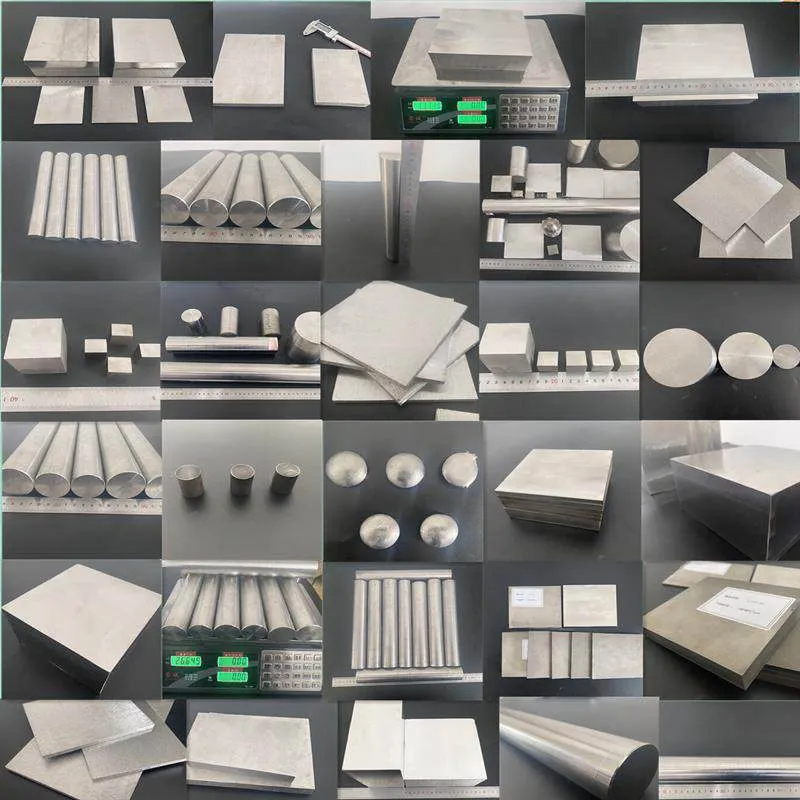
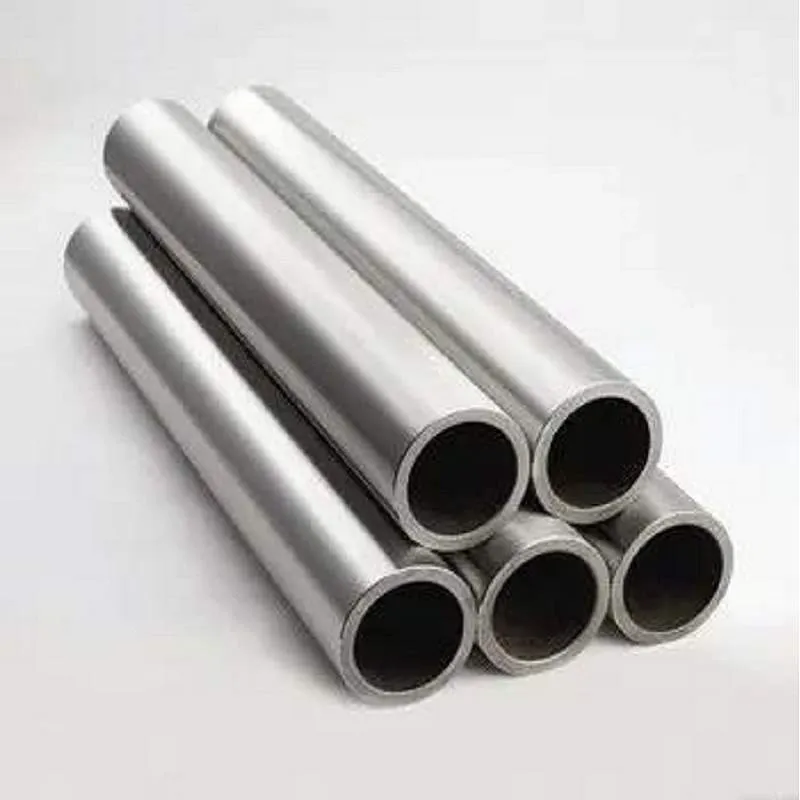
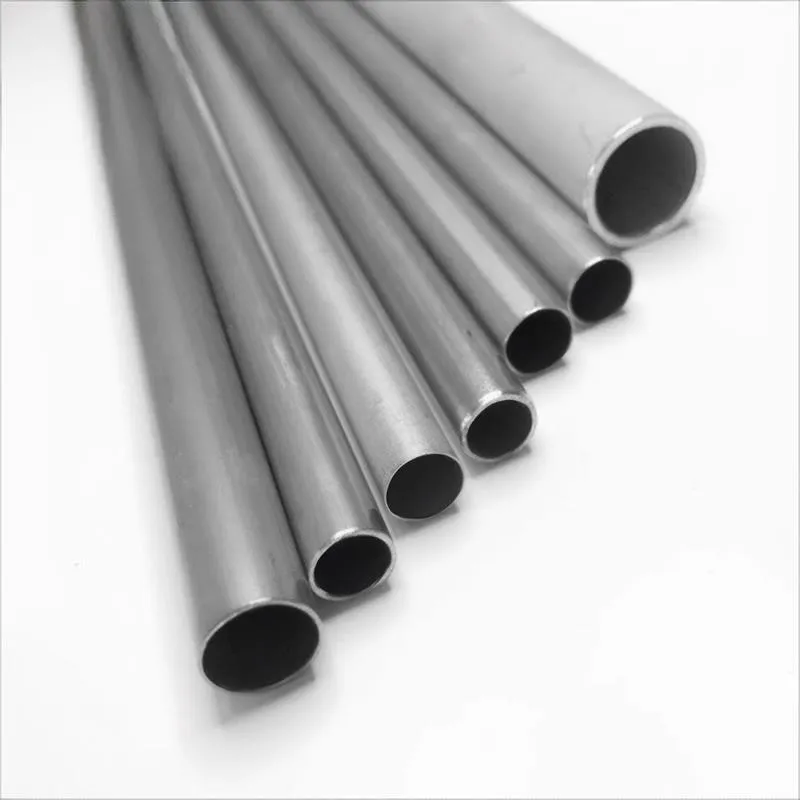
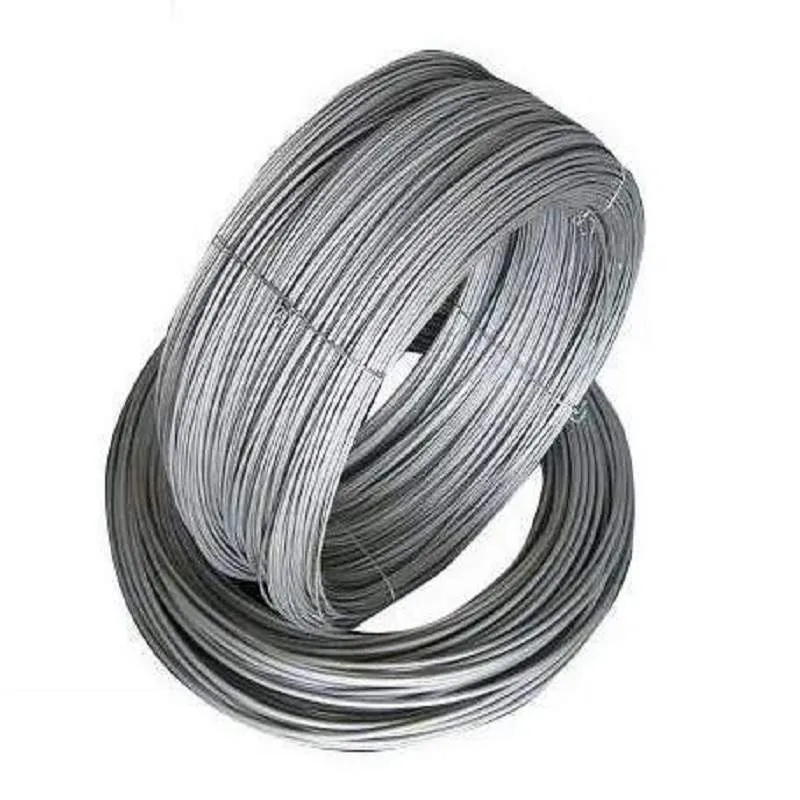
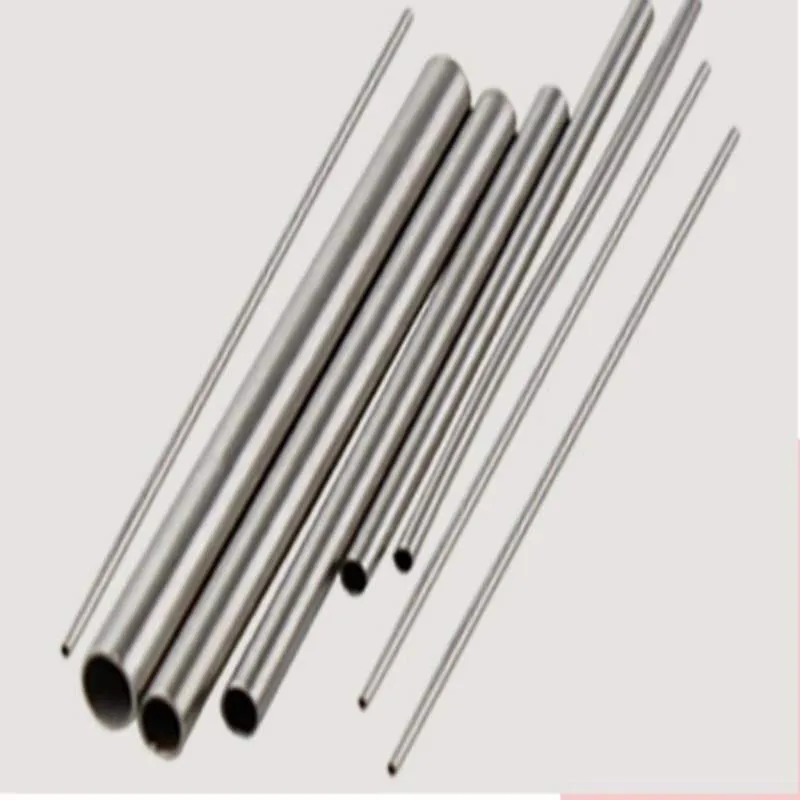
We provide AISI 50B50H Steel is available in Bar (Round bar, Flat bar), Ribbon, Wire, Rods, Tube,Seamless Tube,Pipe, Ingots, Plate, Sheet, Strip and Forging Stock.,Purity, chemical composition, size, etc. can all be customized to meet specific requirements.
Please contact us if you need customized services. We will contact you with the price and availability in 24 hours.
AISI 50B50H Steel Product Information
-:-
For detailed product information, please contact sales.
-:
AISI 50B50H Steel Synonyms
-:-
For detailed product information, please contact sales.
-:
AISI 50B50H Steel Product Information
-:-
For detailed product information, please contact sales.
-:
# **AISI 50B50H Boron Steel - Technical Data Sheet**
## **1. Product Overview**
AISI 50B50H is a medium-carbon boron-treated alloy steel designed for applications requiring **enhanced hardenability** with controlled hardenability bands (denoted by the "H" suffix). This steel combines excellent strength, wear resistance, and core toughness while offering superior **cost-effectiveness** compared to conventional alloy steels containing chromium, nickel, or molybdenum.
The "H" designation indicates this steel is produced to meet **specific hardenability requirements** as defined in SAE J1268, ensuring consistent through-hardening characteristics across different production batches and heat lots.
---
## **2. Chemical Composition**
| Element | Composition Range (%) | Notes |
|---------|----------------------|-------|
| **Carbon (C)** | 0.47 - 0.53 | Primary strengthening element; determines ultimate hardness potential |
| **Manganese (Mn)** | 0.75 - 1.00 | Enhances hardenability, strength, and hardenability response |
| **Phosphorus (P)** | ≤ 0.035 | Impurity; controlled to minimize brittleness |
| **Sulfur (S)** | 0.040 - 0.070 | Added for improved machinability (free-machining characteristic) |
| **Silicon (Si)** | 0.15 - 0.35 | Deoxidizer; provides solid solution strengthening |
| **Boron (B)** | 0.0005 - 0.003 | **Critical element**; significantly boosts hardenability at minimal addition |
| **Iron (Fe)** | Balance | Base metal |
**Key Feature:** The boron addition multiplies hardenability by **3-5 times** compared to equivalent boron-free grades, allowing smaller sections to through-harden in oil and larger sections to achieve satisfactory hardening in less severe quenches.
---
## **3. Physical & Mechanical Properties**
### **As-Supplied Condition (Annealed/Normalized):**
- **Hardness**: 170-210 BHN
- **Tensile Strength**: 550-650 MPa
- **Yield Strength**: 350-400 MPa
- **Elongation**: 22-28%
- **Reduction of Area**: 45-55%
- **Machinability**: 65-75% (relative to 1212 steel as 100%)
### **Heat Treated Properties:**
*Typical Quench & Temper Treatment:*
- **Austenitizing**: 830-850°C (1525-1560°F)
- **Quenching Medium**: Oil
- **Tempering Range**: 200-650°C (400-1200°F)
| Tempering Temperature | Hardness (HRC) | Tensile Strength | Yield Strength | Impact Toughness |
|----------------------|----------------|------------------|----------------|-------------------|
| 200°C (400°F) | 50-55 | 1650-1850 MPa | 1400-1600 MPa | 20-30 J |
| 400°C (750°F) | 40-45 | 1250-1400 MPa | 1100-1250 MPa | 40-50 J |
| 550°C (1020°F) | 30-35 | 900-1050 MPa | 750-900 MPa | 60-80 J |
### **Hardenability Bands (SAE J1268):**
| Distance from Quenched End (1/16 in.) | Minimum HRC | Maximum HRC |
|--------------------------------------|-------------|-------------|
| J1 (1.5 mm) | 55 | 62 |
| J5 (8 mm) | 50 | 58 |
| J10 (16 mm) | 40 | 52 |
| J20 (32 mm) | 30 | 45 |
---
## **4. Product Applications**
### **Primary Industries & Components:**
**Automotive Sector:**
- **Axle shafts** (front and rear)
- **Steering components**: Pitman arms, idler arms, steering knuckles
- **Drivetrain components**: Transmission shafts, output shafts
- **Fasteners**: High-strength bolts (Grade 10.9+), studs, wheel bolts
- **Suspension parts**: Torsion bars, stabilizer links
**Agricultural Equipment:**
- **Implement components**: Plow beams, cultivator shanks
- **Drive components**: PTO shafts, gear shafts
- **Wear parts**: Tillage tools, harrow teeth
**Industrial Applications:**
- **Hydraulic components**: Piston rods, cylinder barrels
- **Machine components**: Gears, spindles, camshafts
- **Forged parts**: Connecting rods, levers, yokes
- **Mining equipment**: Drill rods, cutter bits
**Construction Machinery:**
- **Excavator components**: Bucket teeth adapters, pivot pins
- **Loader parts**: Linkage arms, lift arms
---
## **5. International Standards & Equivalent Grades**
### **Primary Standards:**
| Standard | Designation | Specification |
|----------|-------------|---------------|
| **SAE/AISI** | **50B50H** | SAE J404, J412, J1268 |
| **ASTM** | - | A304 (H-Steel specification) |
| **UNS** | G50501 | Unified Numbering System |
### **International Equivalents:**
| Country/Region | Standard | Grade | Comparison Notes |
|----------------|----------|-------|------------------|
| **Europe (EN)** | EN 10083-3 | **1.5530H** | Direct equivalent |
| **Germany** | DIN 17211 | **50B50H** | Identical designation |
| **Japan** | JIS G4052 | **SB49H** | Similar hardenability |
| **China** | GB/T 5216 | **50MnBH** | Close equivalent |
| **International** | ISO 683-1 | **Type 1.5530** | Similar composition |
### **Processing Standards:**
- **Heat Treatment**: AMS 2759, ASTM A29
- **Forging**: ASTM A788
- **Machining**: ISO 683-18 (Free-cutting steels)
---
## **6. Manufacturing & Processing Guidelines**
### **Hot Working:**
- **Forging Temperature**: 1150-900°C (2100-1650°F)
- **Finishing Temperature**: ≥850°C (1560°F)
- **Post-forging**: Slow cooling or annealing to prevent cracking
### **Heat Treatment:**
1. **Annealing**: 650-700°C (1200-1290°F), furnace cool
2. **Normalizing**: 870-900°C (1600-1650°F), air cool
3. **Hardening**: 830-850°C oil quench
4. **Tempering**: Immediately after quenching to desired hardness
### **Machinability:**
- **Condition**: Best machined in annealed state
- **Cutting Speed**: 70-85% of plain carbon steel
- **Tool Material**: Carbide or high-speed steel with positive rake
---
## **7. Quality & Inspection**
### **Standard Tests:**
- Chemical analysis (ASTM A751)
- Hardenability test (Jominy end-quench, SAE J1268)
- Mechanical testing (ASTM A370)
- Macro/microstructure examination (ASTM E381)
- Non-destructive testing as required
### **Certification:**
- Mill test certificate 3.1 per EN 10204
- Hardenability band certification
- Traceability to heat/lot number
---
## **8. Advantages & Limitations**
### **Advantages:**
✅ **Superior hardenability** at low alloy cost
✅ **Consistent through-hardening** in larger sections
✅ **Excellent strength-to-weight ratio**
✅ **Good fatigue resistance** in hardened condition
✅ **Cost-effective** alternative to Cr-Mo/Ni-Cr steels
✅ **Good combination** of strength and toughness after tempering
### **Limitations:**
⚠️ **Not recommended** for welding without pre/post-heat treatment
⚠️ **Sulfur content** may affect transverse properties
⚠️ **Boron sensitivity** to overheating during heat treatment
⚠️ **Limited corrosion resistance** (requires coating for corrosive environments)
---
## **9. Technical Notes**
1. **Boron Effectiveness**: Boron improves hardenability most effectively when combined with adequate titanium or aluminum to protect it from forming nitrides/oxides.
2. **Section Size Considerations**:
- Fully hardenable in oil up to approximately 50 mm (2 inches) diameter
- For larger sections, consider water quenching or modified compositions
3. **Tempering Embrittlement**: Susceptible to temper embrittlement in the 250-400°C range; rapid cooling through this range is recommended.
4. **Surface Hardening**: Suitable for induction or flame hardening applications due to consistent hardenability.
---
## **10. Environmental & Safety**
- **Recyclability**: 100% recyclable as ferrous scrap
- **RoHS/REACH**: Compliant with current regulations
- **Processing Safety**: Standard steelworking precautions apply; proper ventilation during machining required due to sulfur content
---
**Revision**: 1.0
**Date**: October 2023
**Disclaimer**: This data is for informational purposes. Actual properties may vary based on manufacturer, processing, and specific heat treatment. Always consult technical data from your material supplier for critical applications.
-:-
For detailed product information, please contact sales.
-:
AISI 50B50H Steel Specification
Dimensions
Size:
Diameter 20-1000 mm Length <4102 mm
Size:We can customized as required
Standard:
Per your request or drawing
We can customized as required
Properties(Theoretical)
Chemical Composition
-:-
For detailed product information, please contact sales.
-:
AISI 50B50H Steel Properties
-:-
For detailed product information, please contact sales.
-:
Applications of AISI 50B50H Steel
-:-
For detailed product information, please contact sales.
-:
Chemical Identifiers AISI 50B50H Steel
-:-
For detailed product information, please contact sales.
-:
Packing of AISI 50B50H Steel
-:-
For detailed product information, please contact sales.
-:
Standard Packing:
-:-
For detailed product information, please contact sales.
-:
Typical bulk packaging includes palletized plastic 5 gallon/25 kg. pails, fiber and steel drums to 1 ton super sacks in full container (FCL) or truck load (T/L) quantities. Research and sample quantities and hygroscopic, oxidizing or other air sensitive materials may be packaged under argon or vacuum. Solutions are packaged in polypropylene, plastic or glass jars up to palletized 573 gallon liquid totes Special package is available on request. E FORUs’ is carefully handled to minimize damage during storage and transportation and to preserve the quality of our products in their original condition