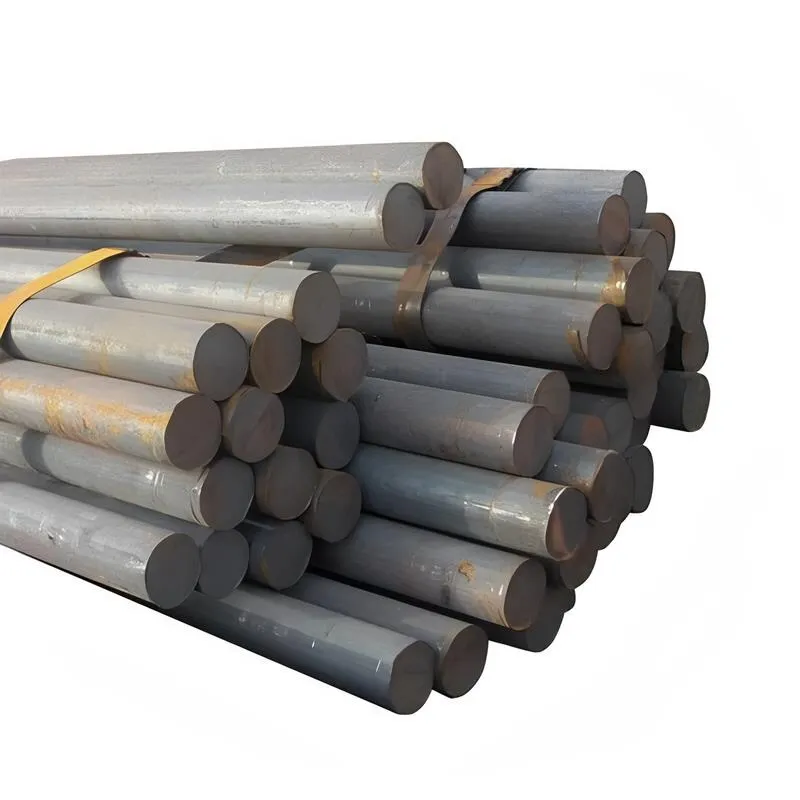
AISI 5115/SAE 5115 Low Alloy Steel, Case Hardened
Product Code : STI-AL-109-CU
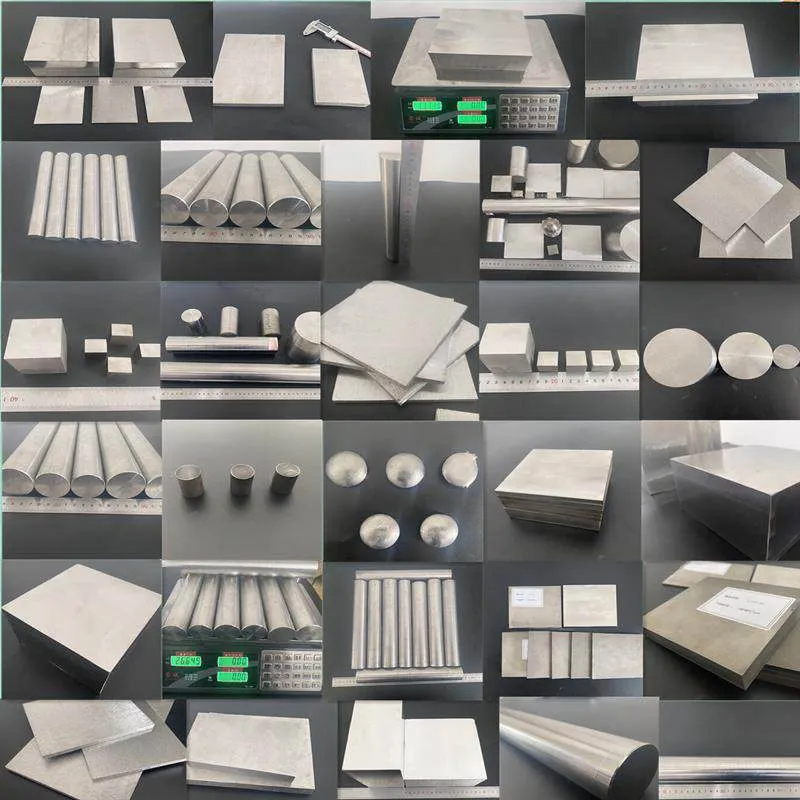
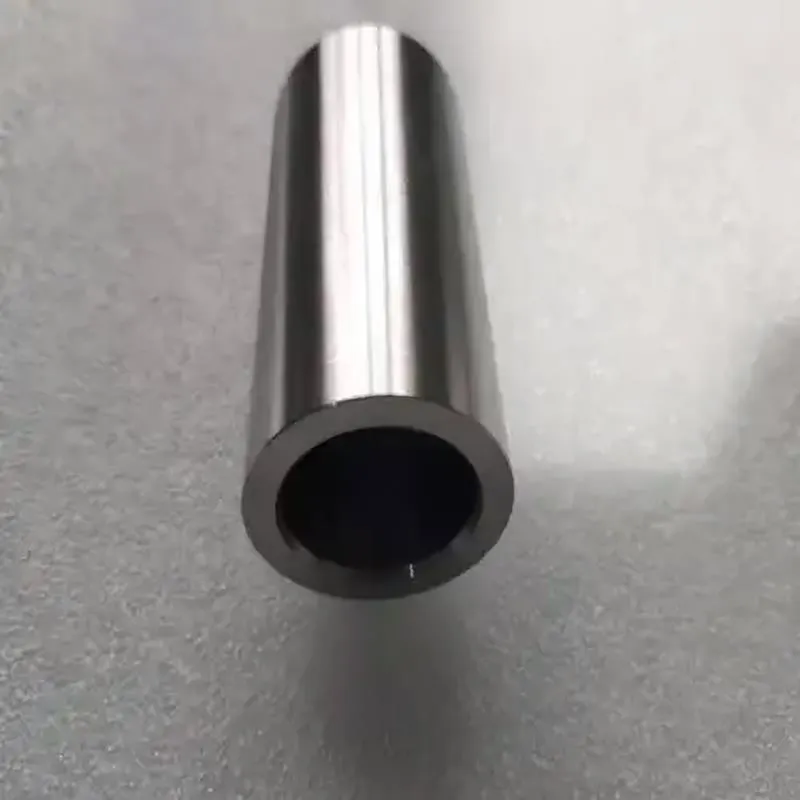
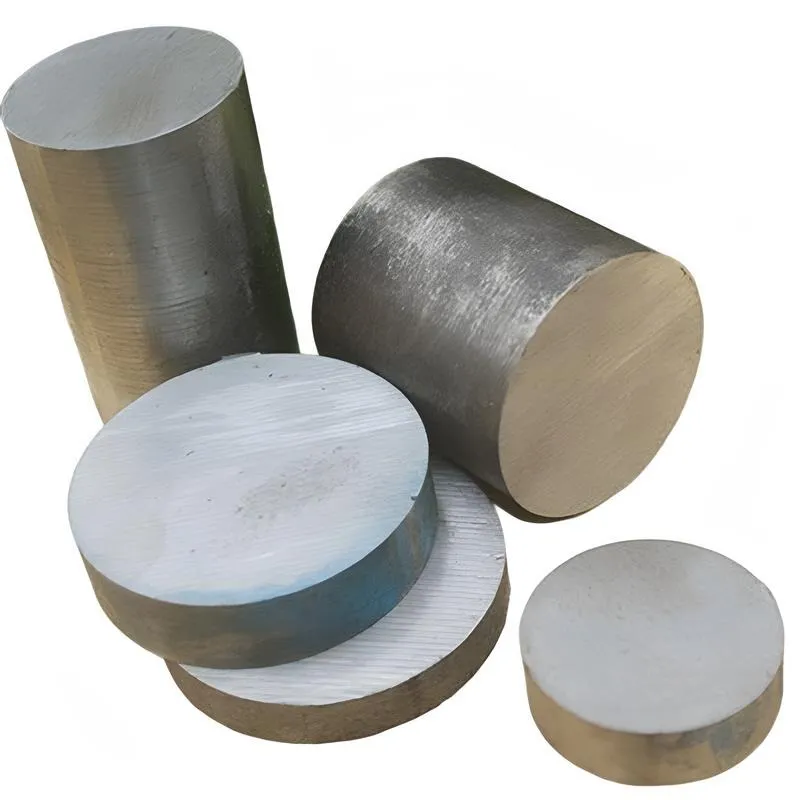
We provide AISI 5115/SAE 5115 Low Alloy Steel, Case Hardened is available in Bar (Round bar, Flat bar), Ribbon, Wire, Rods, Tube,Seamless Tube,Pipe, Ingots, Plate, Sheet, Strip and Forging Stock.,Purity, chemical composition, size, etc. can all be customized to meet specific requirements.
Please contact us if you need customized services. We will contact you with the price and availability in 24 hours.
AISI 5115/SAE 5115 Low Alloy Steel, Case Hardened Product Information
-:-
For detailed product information, please contact sales.
-:
AISI 5115/SAE 5115 Low Alloy Steel, Case Hardened Synonyms
-:-
For detailed product information, please contact sales.
-:
AISI 5115/SAE 5115 Low Alloy Steel, Case Hardened Product Information
-:-
For detailed product information, please contact sales.
-:
# **AISI 5115/SAE 5115 Case Hardened Steel - Technical Data Sheet**
## **1. Product Overview**
**AISI/SAE 5115 in Case Hardened Condition** is a low-carbon chromium alloy steel specifically engineered for **surface hardening processes** including carburizing, carbonitriding, and induction hardening. After case hardening treatment, this material develops an exceptionally hard, wear-resistant surface layer (typically 58-63 HRC) while maintaining a tough, ductile core (typically 25-40 HRC). This unique combination of properties makes it ideal for components subjected to high surface contact stresses, wear, and fatigue loading.
The steel contains 0.70-0.90% chromium which significantly enhances the hardenability of the case, allowing for deeper effective case depths and improved load-carrying capacity compared to carbon steels. The low core carbon content (0.13-0.18%) ensures excellent core toughness and impact resistance after heat treatment.
---
## **2. Chemical Composition (SAE J404/J412)**
| Element | Composition Range (%) | Role in Case Hardening |
|---------|----------------------|------------------------|
| **Carbon (C)** | 0.13 - 0.18 | Provides core strength; low enough for good core toughness, high enough to support case |
| **Manganese (Mn)** | 0.70 - 0.90 | Enhances hardenability, prevents grain growth during carburizing |
| **Phosphorus (P)** | ≤ 0.035 | Residual impurity; minimized to prevent embrittlement |
| **Sulfur (S)** | ≤ 0.040 | Residual; typically low for better transverse properties |
| **Silicon (Si)** | 0.15 - 0.35 | Deoxidizer; improves strength but can affect carburizing kinetics |
| **Chromium (Cr)** | 0.70 - 0.90 | **Primary alloying element**; forms carbides in case, improves case hardenability and wear resistance |
| **Iron (Fe)** | Balance | Base matrix |
**Designation Notes:**
- **SAE/AISI:** 5115
- **UNS:** G51150
- **Case Hardened Condition:** CH (Carburized & Hardened), CN (Carbonitrided), or specific treatment specified
---
## **3. Physical & Mechanical Properties (After Case Hardening)**
### **Typical Case Hardening Process Parameters:**
**Carburizing Process (Most Common):**
- **Carburizing Temperature:** 900-925°C (1650-1700°F)
- **Carbon Potential:** 0.80-1.00% C (atmosphere controlled)
- **Case Depth Range:** 0.25-2.0 mm (0.010-0.080") as specified
- **Quenching:** Direct oil quench from 815-845°C (1500-1550°F)
- **Tempering:** 150-200°C (300-400°F) for 1-2 hours
**Carbonitriding Alternative:**
- **Temperature:** 815-870°C (1500-1600°F)
- **Atmosphere:** Ammonia addition to carburizing gas
- **Benefits:** Lower distortion, better hardenability in light oils
### **Resultant Mechanical Properties:**
| Property | Case Region | Core Region | Notes |
|----------|-------------|-------------|-------|
| **Surface Hardness** | 58-63 HRC | - | Measured at surface |
| **Effective Case Depth** | 0.5-1.5 mm at 550 HV | - | Depends on cycle time |
| **Core Hardness** | - | 25-40 HRC | Function of section size |
| **Core Tensile Strength** | - | 850-1100 MPa | |
| **Core Yield Strength** | - | 650-950 MPa | |
| **Case Compressive Strength** | 2000-2400 MPa | - | Very high |
| **Fatigue Strength (Rotating Beam)** | - | 400-550 MPa | Significant improvement over through-hardened |
| **Impact Toughness (Charpy V)** | - | 40-80 J | Good energy absorption |
### **Case Microstructure & Characteristics:**
- **Surface Carbon Content:** 0.70-0.90%
- **Case Microstructure:** Fine martensite with dispersed alloy carbides
- **Retained Austenite:** Typically <15% (controlled by tempering)
- **Case Residual Stress:** High compressive stresses (300-500 MPa)
### **Physical Properties:**
- **Density:** 7.85 g/cm³
- **Modulus of Elasticity:** 205 GPa (core), 190-200 GPa (case)
- **Thermal Expansion:** 11.5-12.5 μm/m·°C (20-400°C)
- **Case Thermal Conductivity:** ~35 W/m·K at 100°C
---
## **4. Product Applications**
### **Automotive Components (Primary Market):**
- **Transmission Gears:** Synchronizer gears, drive gears, idler gears
- **Differential Components:** Spider gears, side gears, pinion gears
- **Engine Components:** Camshafts, rocker arms, valve lifters, tappets
- **Steering System:** Steering gear components, rack and pinion teeth
- **Drivetrain:** Constant velocity joint components, drive shafts
- **Fasteners:** High-strength bolts, wheel studs (after carbonitriding)
### **Industrial Machinery:**
- **Gearbox Components:** Small to medium-sized gears, pinions
- **Bearing Components:** Roller bearing races, needle bearing cages
- **Hydraulic Components:** Pump gears, valve parts, piston rods
- **Textile Machinery:** High-wear gears, cams, guides
- **Food Processing:** Wear components requiring cleanability
### **Agricultural Equipment:**
- **Transmission Gears** for tractors
- **Implement Drive Components**
- **Harvester Gear Systems**
### **Consumer & Specialty Products:**
- **Power Tool Components:** Gear train elements, drive shafts
- **Appliance Gears:** Timer gears, drive mechanisms
- **Bicycle Components:** Freewheel mechanisms, derailleur parts
- **Office Equipment:** Gear drives, cam mechanisms
---
## **5. International Standards & Equivalents**
### **Primary Standards:**
| Standard | Designation | Specification Document |
|----------|-------------|------------------------|
| **SAE/AISI** | **5115** | SAE J404, J412 |
| **ASTM** | - | A534 (Carburizing Steels) |
| **UNS** | **G51150** | Unified Numbering System |
### **Global Equivalent Grades:**
| Country/Region | Standard | Equivalent Grade | Notes |
|----------------|----------|-----------------|-------|
| **Germany** | DIN 17210 | **16Cr3** | Very close equivalent |
| **Europe (EN)** | EN 10084 | **16Cr4** | Designation 1.7016 |
| **Japan** | JIS G4105 | **SCr415** | Nearly identical |
| **China** | GB/T 5216 | **15Cr** | Similar properties |
| **International** | ISO 683-11 | **16Cr4** | Type 1.7016 |
| **France** | NF A35-552 | **16C3** | French standard |
### **Case Hardening Process Standards:**
- **AMS 2759/7:** Carburizing Aerospace Requirements
- **ISO 2639:** Determination of Effective Case Depth
- **ASTM E112:** Grain Size Determination
- **SAE J423:** Methods of Measuring Case Depth
---
## **6. Case Hardening Process Details**
### **Process Selection Guide:**
| Process | Typical Depth | Surface Hardness | Distortion | Applications |
|---------|---------------|------------------|------------|--------------|
| **Carburizing** | 0.5-2.0 mm | 58-63 HRC | Moderate | Gears, bearings, cams |
| **Carbonitriding** | 0.1-0.75 mm | 58-63 HRC | Low | Fasteners, small parts |
| **Induction Hardening** | 1-6 mm | 55-60 HRC | Very low | Shafts, gears (selective) |
### **Optimal Processing Parameters for 5115:**
**1. Pre-treatment:**
- Normalize at 900-925°C to refine grain structure
- Machine to final dimensions + grinding allowance (typically 0.1-0.2 mm/side)
**2. Carburizing Cycle:**
- Boost stage: 925°C at 0.90-1.00% C potential
- Diffuse stage: 900°C at 0.80-0.85% C potential
- Total cycle time: 2-8 hours depending on required case depth
**3. Quenching:**
- Temperature: 820-840°C
- Medium: Fast oil (ISO VG 68-100)
- Agitation: Moderate to strong
**4. Post-treatment:**
- Tempering: 180°C for 2 hours minimum
- Sub-zero treatment: Optional for dimensional stability
- Shot peening: For enhanced fatigue resistance
### **Distortion Control:**
- Use fixtures during quenching
- Symmetrical design where possible
- Uniform heating and cooling
- Stress relieve prior to carburizing
---
## **7. Performance Characteristics**
### **Wear Resistance:**
- **Abrasive Wear:** Excellent due to high surface hardness
- **Adhesive Wear:** Good with proper lubrication
- **Contact Fatigue:** Excellent (pitting resistance)
- **Scoring Resistance:** Good with appropriate surface finish
### **Fatigue Performance:**
- **Bending Fatigue:** 40-60% improvement over through-hardened steels
- **Contact Fatigue:** Excellent resistance to pitting and spalling
- **Torsional Fatigue:** Good performance with proper fillet design
### **Core Properties:**
- **Impact Toughness:** Good at low temperatures
- **Fracture Toughness:** Adequate for most applications
- **Strength/Ductility Balance:** Favorable for overload conditions
---
## **8. Quality Control & Inspection**
### **Standard Testing Methods:**
1. **Case Depth Measurement:**
- Microhardness traverse per ISO 2639
- Effective case depth at 550 HV (50 HRC equivalent)
2. **Surface Hardness:**
- Rockwell C scale (HRC) per ASTM E18
- Superficial hardness for thin cases
3. **Microstructure Evaluation:**
- Case: Martensite structure, carbide distribution
- Core: Tempered martensite or bainite
- Grain size: ASTM 5-8 typically
4. **Distortion Measurement:**
- Dimensional checks before/after treatment
- Runout, straightness, roundness
### **Common Defects & Prevention:**
| Defect | Cause | Prevention |
|--------|-------|------------|
| **Excessive Retained Austenite** | High carbon, inadequate quench | Proper tempering, sub-zero treatment |
| **Intergranular Oxidation** | High oxygen potential | Atmosphere control, reduced temperature |
| **Carbide Networks** | Excessive carbon potential | Controlled boost-diffuse cycles |
| **Soft Spots** | Poor cleaning, inadequate quench | Proper fixturing, adequate agitation |
| **Distortion** | Non-uniform heating/cooling | Fixturing, symmetrical design |
---
## **9. Design Guidelines**
### **Optimal Geometry:**
- **Section Transitions:** Gradual changes with generous fillets (R ≥ 0.3 × thickness)
- **Holes & Keyways:** Position away from highly stressed areas
- **Case Depth Ratio:** Typically 10-20% of section thickness
- **Minimum Wall Thickness:** 2 × case depth + core requirement
### **Material Selection Considerations:**
- **Choose 5115 when:**
- Good wear resistance with tough core is needed
- Component has complex geometry prone to distortion
- Cost-effectiveness is important
- Moderate loading conditions expected
- **Consider alternatives when:**
- Very heavy loads require deeper cases (consider 8620)
- Extreme impact resistance needed (consider 4320)
- Very thin cases sufficient (consider carbonitriding of 1018)
### **Finishing Operations:**
- **Grinding:** Performed after heat treatment
- **Honing:** For improved surface finish and geometry
- **Shot Peening:** For enhanced fatigue life
- **Coating:** Phosphate, black oxide, or plating as required
---
## **10. Comparison with Similar Case Hardening Steels**
| Grade | C Range | Cr Range | Case Depth Capability | Core Toughness | Relative Cost |
|-------|---------|----------|----------------------|----------------|---------------|
| **5115** | 0.13-0.18 | 0.70-0.90 | Medium | Good | 1.00 |
| **5120** | 0.17-0.22 | 0.70-0.90 | Medium | Good | 1.05 |
| **4118** | 0.18-0.23 | 0.40-0.60 | Shallow | Very Good | 0.95 |
| **8620** | 0.18-0.23 | 0.40-0.60 | Deep | Excellent | 1.20 |
| **4320** | 0.17-0.22 | 0.40-0.60 | Deep | Excellent | 1.30 |
| **1020** | 0.18-0.23 | - | Very Shallow | Excellent | 0.70 |
**Key Advantage of 5115:** Optimal balance of cost, case hardenability, and core properties for general purpose case hardened components.
---
## **11. Environmental & Processing Considerations**
### **Heat Treatment Environmental Impact:**
- Modern furnaces with atmosphere control reduce emissions
- Quench oils should meet environmental regulations
- Energy consumption optimized through batch processing
### **Safety Considerations:**
- Proper ventilation for furnace atmospheres
- Quench oil fire prevention systems
- Personal protective equipment for handling hot parts
### **Sustainability:**
- 100% recyclable as ferrous scrap
- Long service life reduces replacement frequency
- Energy efficient compared to through-hardening of alloy steels
---
**Technical Note:** The performance of case hardened 5115 components is highly dependent on proper process control during heat treatment. Consistent results require careful attention to temperature uniformity, atmosphere control, quenching parameters, and tempering practices.
**Revision:** 1.1
**Date:** October 2023
**Disclaimer:** This technical data is for informational purposes. Actual performance depends on specific processing parameters, component design, and service conditions. Always conduct application-specific testing and consult with heat treatment specialists for critical components. Case hardening results may vary between heat treaters based on equipment and process control capabilities.
-:-
For detailed product information, please contact sales.
-:
AISI 5115/SAE 5115 Low Alloy Steel, Case Hardened Specification
Dimensions
Size:
Diameter 20-1000 mm Length <4107 mm
Size:We can customized as required
Standard:
Per your request or drawing
We can customized as required
Properties(Theoretical)
Chemical Composition
-:-
For detailed product information, please contact sales.
-:
AISI 5115/SAE 5115 Low Alloy Steel, Case Hardened Properties
-:-
For detailed product information, please contact sales.
-:
Applications of AISI 5115/SAE 5115 Low Alloy Steel, Case Hardened
-:-
For detailed product information, please contact sales.
-:
Chemical Identifiers AISI 5115/SAE 5115 Low Alloy Steel, Case Hardened
-:-
For detailed product information, please contact sales.
-:
Packing of AISI 5115/SAE 5115 Low Alloy Steel, Case Hardened
-:-
For detailed product information, please contact sales.
-:
Standard Packing:
-:-
For detailed product information, please contact sales.
-:
Typical bulk packaging includes palletized plastic 5 gallon/25 kg. pails, fiber and steel drums to 1 ton super sacks in full container (FCL) or truck load (T/L) quantities. Research and sample quantities and hygroscopic, oxidizing or other air sensitive materials may be packaged under argon or vacuum. Solutions are packaged in polypropylene, plastic or glass jars up to palletized 578 gallon liquid totes Special package is available on request. E FORUs’ is carefully handled to minimize damage during storage and transportation and to preserve the quality of our products in their original condition