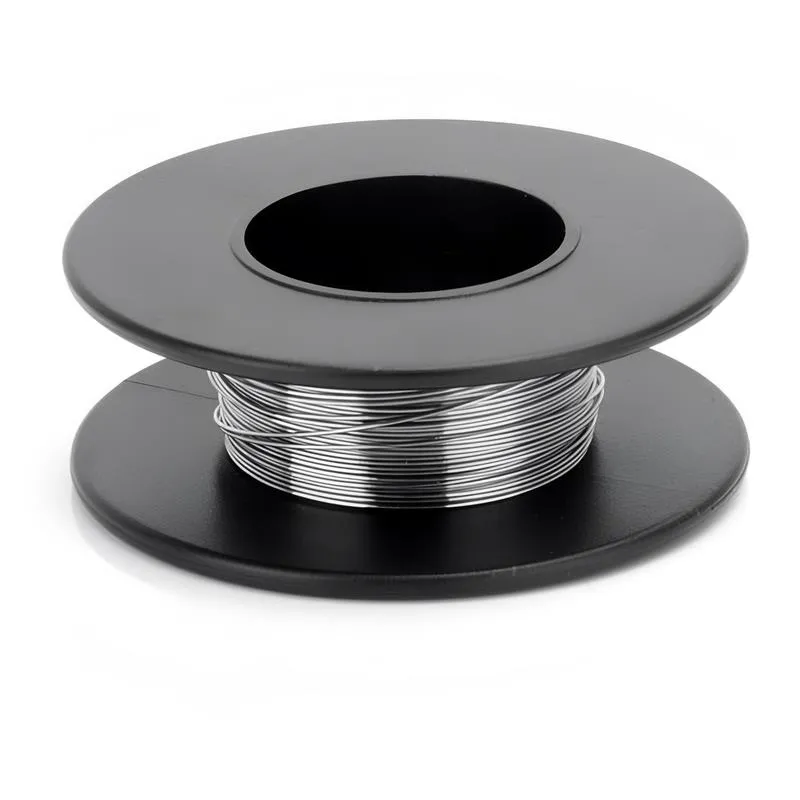
AK Steel ASTM A 1011, Class 2 Formable, Grade 50K Hot Rolled Carbon Steel, Medium/High Strength Low Alloy Steel (HSLA)
Product Code : STI-ASTM-449-CU
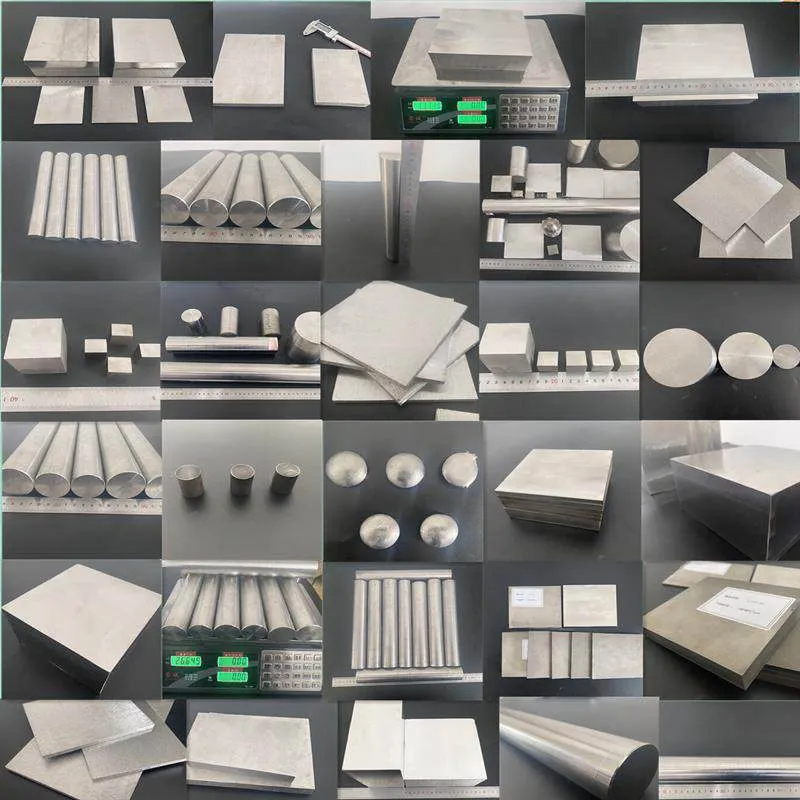
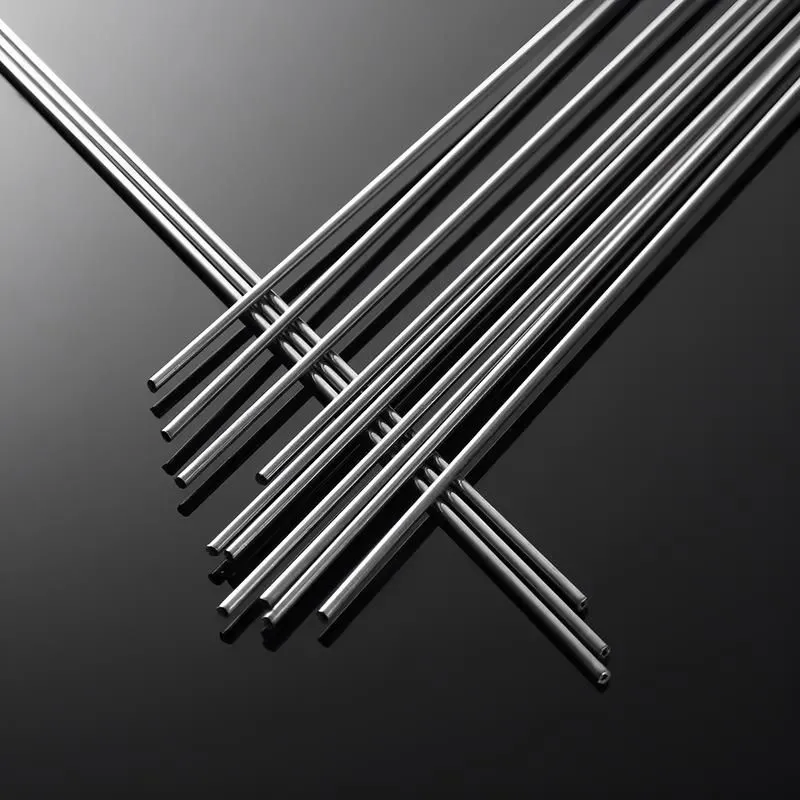
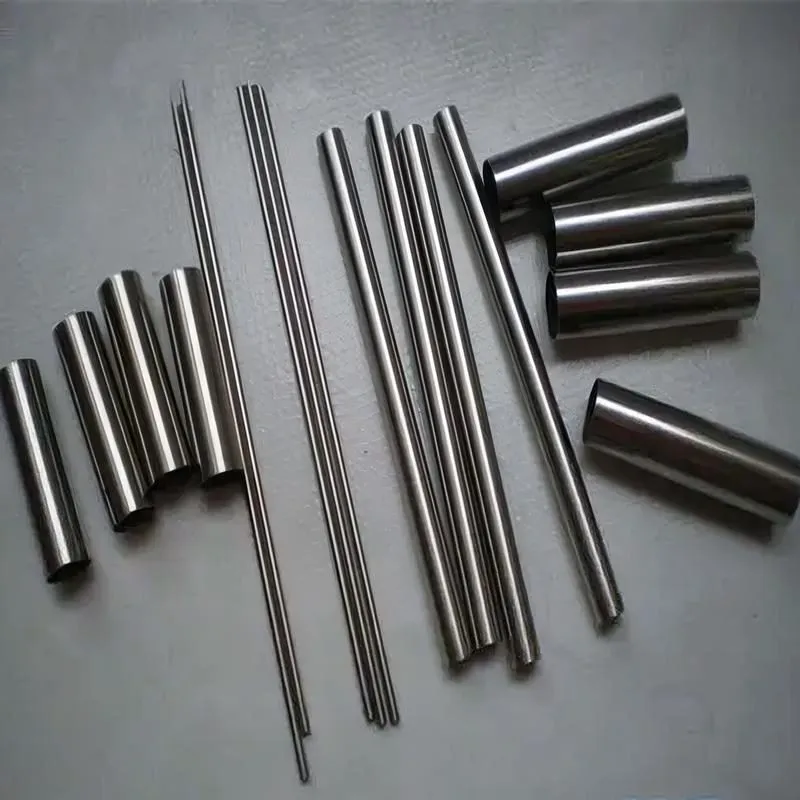
We provide AK Steel ASTM A 1011, Class 2 Formable, Grade 50K Hot Rolled Carbon Steel, Medium/High Strength Low Alloy Steel (HSLA) is available in Bar (Round bar, Flat bar), Ribbon, Wire, Rods, Tube,Seamless Tube,Pipe, Ingots, Plate, Sheet, Strip and Forging Stock.,Purity, chemical composition, size, etc. can all be customized to meet specific requirements.
Please contact us if you need customized services. We will contact you with the price and availability in 24 hours.
AK Steel ASTM A 1011, Class 2 Formable, Grade 50K Hot Rolled Carbon Steel, Medium/High Strength Low Alloy Steel (HSLA) Product Information
-:-
For detailed product information, please contact sales.
-:
AK Steel ASTM A 1011, Class 2 Formable, Grade 50K Hot Rolled Carbon Steel, Medium/High Strength Low Alloy Steel (HSLA) Synonyms
-:-
For detailed product information, please contact sales.
-:
AK Steel ASTM A 1011, Class 2 Formable, Grade 50K Hot Rolled Carbon Steel, Medium/High Strength Low Alloy Steel (HSLA) Product Information
-:-
For detailed product information, please contact sales.
-:
**Product Name:** AK Steel ASTM A1011, Class 2 Formable, Grade 50K Hot-Rolled High-Strength Low-Alloy Steel (HSLA)
---
### **1. Overview**
AK Steel's ASTM A1011 **Grade 50K, Class 2 Formable** is a widely specified, high-strength microalloyed steel that delivers a robust 50 ksi (345 MPa) minimum yield strength with standard structural-grade formability. As a "Class 2" material, it represents the baseline formability level within the specification, prioritizing consistent strength and structural performance over enhanced ductility. The "K" suffix confirms microalloying with Columbium (Niobium) and/or Vanadium, which provides grain refinement and precipitation strengthening. This grade serves as a primary choice for heavy structural components and fabrications where substantial load-bearing capacity and weight savings are required, and forming operations are limited to bending, rolling, or simple shaping.
---
### **2. International Standards**
This product is manufactured to meet the requirements of the following standard for high-strength steel sheet and strip:
* **ASTM A1011 / A1011M:** Standard Specification for Steel, Sheet and Strip, Hot-Rolled, Carbon, Structural, High-Strength Low-Alloy and High-Strength Low-Alloy with Improved Formability.
* **Grade:** 50K (Microalloyed HSLA Steel)
* **Formability Class:** **Class 2 (Structural).** This is the standard classification for structural HSLA grades, providing the typical balance of strength and ductility required for most structural fabrication. It implies higher tensile strength allowances and standard minimum elongation values compared to Class 1.
---
### **3. Chemical Composition (Typical, % by Weight)**
The chemistry is a balanced, low-carbon microalloyed system designed for reliable 50 ksi yield strength with good weldability.
| Element | Content (Typical / Maximum) | Role & Implication |
| :--- | :--- | :--- |
| **Carbon (C)** | 0.10% - 0.16% max | Kept low relative to its strength to ensure weldability. Primary strength derived from microalloying. |
| **Manganese (Mn)** | 1.15% - 1.50% | Major solid solution strengthener; essential for achieving strength and hardenability. |
| **Phosphorus (P)** | 0.035% max | Residual; kept low. |
| **Sulfur (S)** | 0.035% max | Residual; controlled for standard weldability. |
| **Silicon (Si)** | 0.10% - 0.40% | Deoxidizer and solid solution strengthener. |
| **Columbium (Cb/Nb)** | **0.01% - 0.05%** | Primary microalloy for grain refinement and precipitation strengthening. |
| **Vanadium (V)** | **0.02% - 0.08%** (often used with Nb) | Provides additional precipitation strengthening; common in 50K chemistry. |
| **Aluminum (Al), Total** | 0.010% min | Grain refiner. |
| **Key Characteristic:** | **Favorable Carbon Equivalent (CE).** Typically ~0.38-0.42. While higher than lower grades, it remains manageable for welding with proper procedures, a key advantage of the microalloyed "K" designation over carbon-strengthened steels of similar strength. | |
---
### **4. Physical & Mechanical Properties**
Properties are defined by the Class 2 "Structural" requirements, emphasizing reliable high strength.
| Property | Specification Minimum (ASTM A1011, Grade 50K, Class 2) | Typical Value / Description |
| :--- | :--- | :--- |
| **Yield Strength (min)** | 50 ksi (345 MPa) | |
| **Tensile Strength** | 65 ksi min (450 MPa) | Typically 65-80 ksi. **Class 2 allows for a higher tensile strength range than Class 1**, leading to a higher yield-to-tensile ratio. |
| **Yield-to-Tensile Ratio (Y/T)** | **Characteristically higher** | Typically 0.80 - 0.87. Indicates a strong, less ductile stress-strain curve, which is acceptable and expected for structural members but requires consideration during forming. |
| **Elongation in 2" (min)** | **Standard structural level** (e.g., 18-20% min) | Provides sufficient ductility for standard fabrication like bending and punching, but not for severe stretching or deep drawing. |
| **Modulus of Elasticity** | 29,000 ksi (200 GPa) | |
| **Notch Toughness** | **Good to Very Good.** The fine-grained microstructure from microalloying provides reliable impact resistance for structural applications. | Often suitable for environments with moderate dynamic loading. |
| **Surface Finish** | Standard hot-rolled mill finish. | |
---
### **5. Key Features & Advantages**
* **High Strength with Structural Reliability:** Provides a dependable 50 ksi minimum yield strength, enabling significant load capacity and weight reduction in frames, beams, and supports.
* **Good Weldability (for its strength):** The microalloyed, low-carbon approach offers much better weldability than traditional carbon-manganese steels at the 50 ksi level, reducing preheat requirements and cracking risk.
* **Cost-Effective High Strength:** Offers an optimal balance of performance and cost for applications requiring 50 ksi yield strength, making it one of the most common high-strength structural grades.
* **Excellent Toughness:** Provides superior resistance to brittle fracture compared to non-microalloyed steels of equivalent strength.
* **Proven Performance:** Extensive history of successful use in demanding structural applications across multiple industries.
---
### **6. Product Applications**
ASTM A1011 Grade 50K Class 2 is a workhorse material for heavy structural fabrications where strength is the primary driver.
* **Heavy Construction:** Building columns, beams, and primary structural members in commercial and industrial buildings.
* **Bridge & Infrastructure:** Girders, diaphragms, and cross-frames in bridge construction.
* **Mining & Construction Equipment:** Excavator frames, loader chassis, bulldozer components, and heavy-duty machine bases.
* **Transportation:** Main rails and crossmembers for heavy-duty trailers, truck frames, and railcar underframes.
* **Material Handling:** Structural components for heavy-duty racking systems, crane runways, and conveyor supports.
* **Agricultural Equipment:** Frames for large tractors, combines, and heavy implements.
---
### **7. Fabrication & Processing Notes**
* **Forming:** Suitable for **cold bending and roll-forming**, but requires more force and attention than lower-strength steels. **Minimum recommended bend radii are typically 3x to 4x material thickness.** Not recommended for severe drawing or complex stamping. **Significant springback** must be accounted for in tooling design.
* **Welding:** **Weldable with proper procedure.** Use low-hydrogen processes exclusively (SMAW with E7018, GMAW with ER70S-6, FCAW). **Preheating (150-250°F / 65-120°C) is commonly required** for thicknesses over 0.5" to prevent hydrogen-induced cracking. Interpass temperature control is important.
* **Cutting:** Plasma and laser cutting are ideal. Oxy-fuel cutting is acceptable but may require edge conditioning for welding due to the heat-affected zone.
* **Surface Preparation:** Mill scale removal via abrasive blasting is strongly recommended prior to welding or painting.
* **Material Selection Note:** For applications involving **more complex forming** (tighter bends, moderate drawing), **Grade 50K, Class 1 Formable** should be evaluated. Class 2 is the default choice for standard structural fabrication.
---
**Disclaimer:**
*This profile is a technical summary. AK Steel is now part of Cleveland-Cliffs Inc.*
For engineering and fabrication, always consult the latest **ASTM A1011** standard and the certified **Mill Test Report (MTR)** for the specific heat of material. The distinction between **Class 1 and Class 2 is critical for formability**. Ensure purchase orders specify "Grade 50K, Class 2" if standard structural formability is required. Procedure qualification for welding and forming is strongly recommended.
-:-
For detailed product information, please contact sales.
-:
AK Steel ASTM A 1011, Class 2 Formable, Grade 50K Hot Rolled Carbon Steel, Medium/High Strength Low Alloy Steel (HSLA) Specification
Dimensions
Size:
Diameter 20-1000 mm Length <4599 mm
Size:We can customized as required
Standard:
Per your request or drawing
We can customized as required
Properties(Theoretical)
Chemical Composition
-:-
For detailed product information, please contact sales.
-:
AK Steel ASTM A 1011, Class 2 Formable, Grade 50K Hot Rolled Carbon Steel, Medium/High Strength Low Alloy Steel (HSLA) Properties
-:-
For detailed product information, please contact sales.
-:
Applications of AK Steel ASTM A 1011, Class 2 Formable, Grade 50K Hot Rolled Carbon Steel, Medium/High Strength Low Alloy Steel (HSLA)
-:-
For detailed product information, please contact sales.
-:
Chemical Identifiers AK Steel ASTM A 1011, Class 2 Formable, Grade 50K Hot Rolled Carbon Steel, Medium/High Strength Low Alloy Steel (HSLA)
-:-
For detailed product information, please contact sales.
-:
Packing of AK Steel ASTM A 1011, Class 2 Formable, Grade 50K Hot Rolled Carbon Steel, Medium/High Strength Low Alloy Steel (HSLA)
-:-
For detailed product information, please contact sales.
-:
Standard Packing:
-:-
For detailed product information, please contact sales.
-:
Typical bulk packaging includes palletized plastic 5 gallon/25 kg. pails, fiber and steel drums to 1 ton super sacks in full container (FCL) or truck load (T/L) quantities. Research and sample quantities and hygroscopic, oxidizing or other air sensitive materials may be packaged under argon or vacuum. Solutions are packaged in polypropylene, plastic or glass jars up to palletized 1070 gallon liquid totes Special package is available on request. E FORUs’ is carefully handled to minimize damage during storage and transportation and to preserve the quality of our products in their original condition