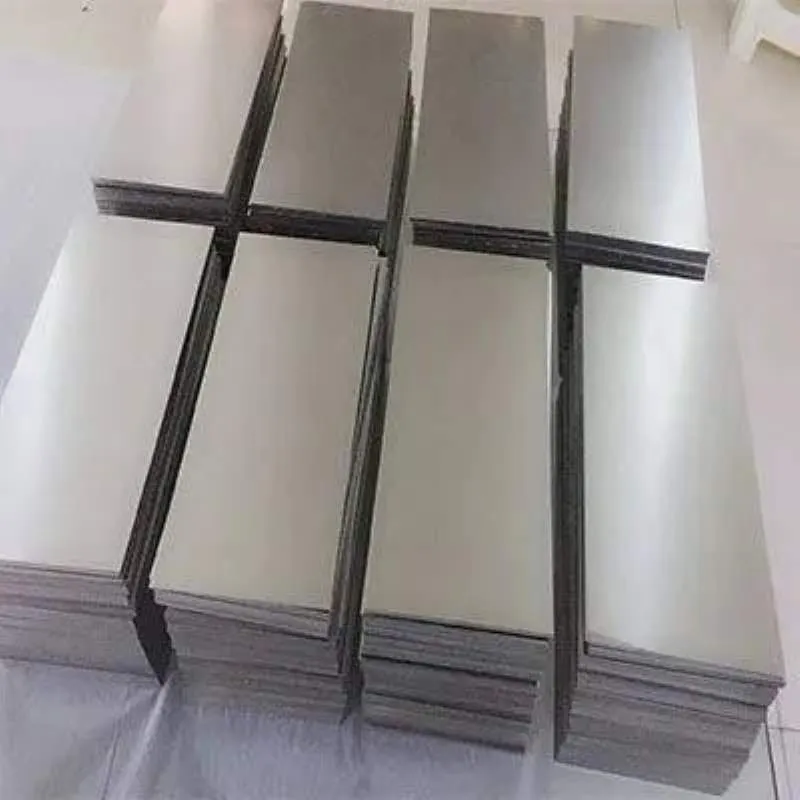
AK Steel ASTM A 607 Class 1 Formable, Grade 60K Hot Rolled Carbon Steel, Medium/High Strength Low Alloy (HSLA)
Product Code : STI-ASTM-418-CU
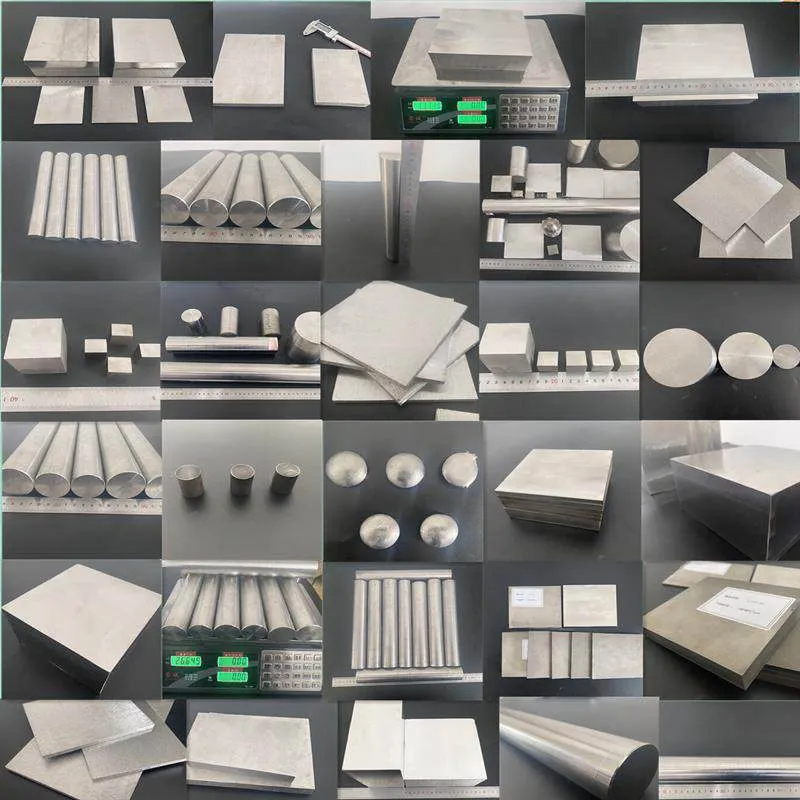
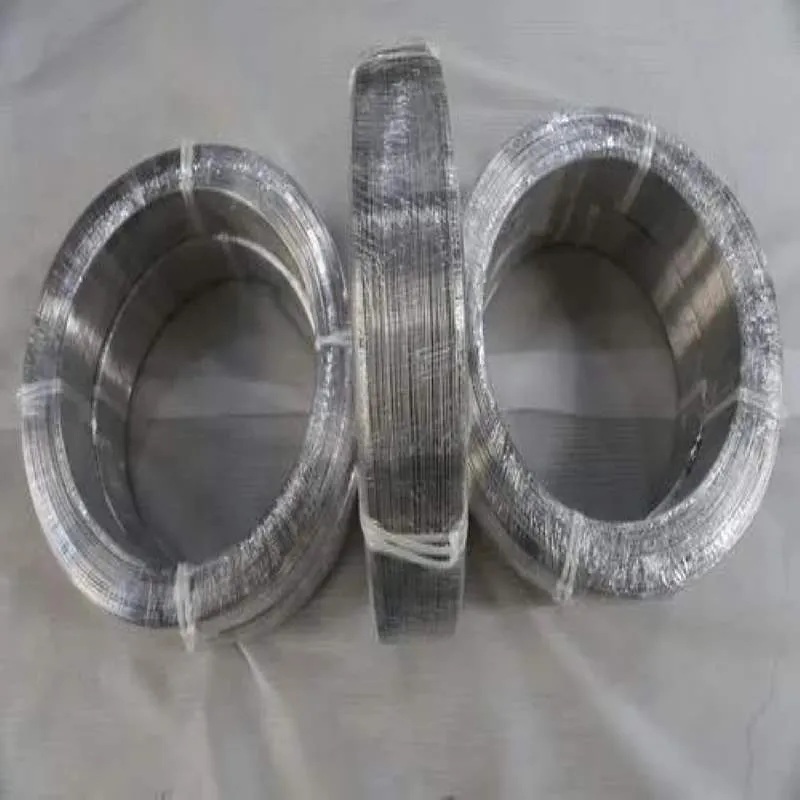
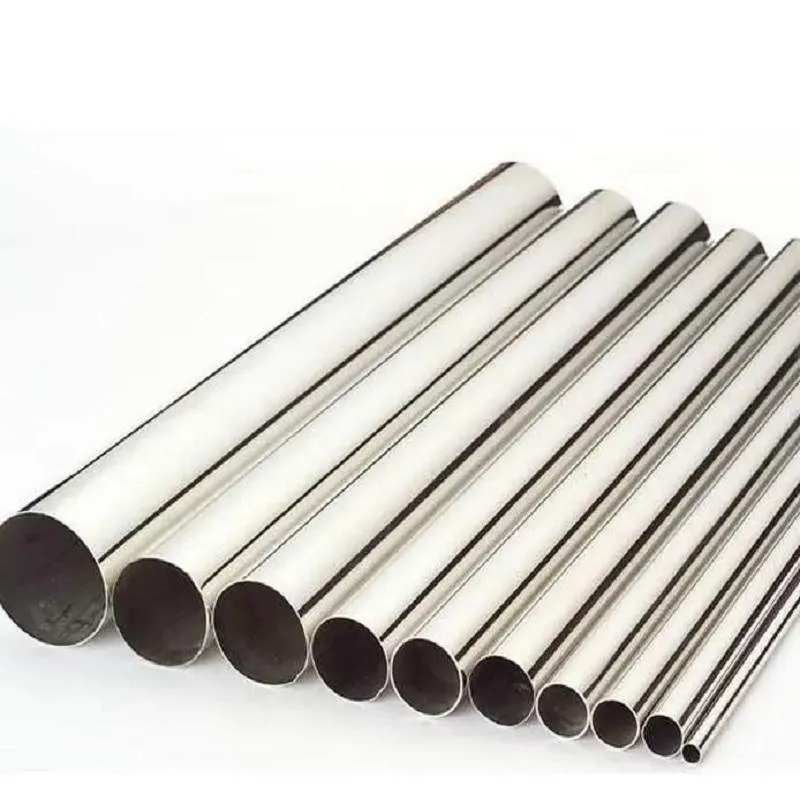
We provide AK Steel ASTM A 607 Class 1 Formable, Grade 60K Hot Rolled Carbon Steel, Medium/High Strength Low Alloy (HSLA) is available in Bar (Round bar, Flat bar), Ribbon, Wire, Rods, Tube,Seamless Tube,Pipe, Ingots, Plate, Sheet, Strip and Forging Stock.,Purity, chemical composition, size, etc. can all be customized to meet specific requirements.
Please contact us if you need customized services. We will contact you with the price and availability in 24 hours.
AK Steel ASTM A 607 Class 1 Formable, Grade 60K Hot Rolled Carbon Steel, Medium/High Strength Low Alloy (HSLA) Product Information
-:-
For detailed product information, please contact sales.
-:
AK Steel ASTM A 607 Class 1 Formable, Grade 60K Hot Rolled Carbon Steel, Medium/High Strength Low Alloy (HSLA) Synonyms
-:-
For detailed product information, please contact sales.
-:
AK Steel ASTM A 607 Class 1 Formable, Grade 60K Hot Rolled Carbon Steel, Medium/High Strength Low Alloy (HSLA) Product Information
-:-
For detailed product information, please contact sales.
-:
# **Product Introduction: AK Steel ASTM A607 Class 1 Formable, Grade 60K Hot-Rolled HSLA Steel**
**AK Steel ASTM A607 Class 1, Grade 60K** is an advanced **hot-rolled, high-strength low-alloy (HSLA) steel sheet and strip** engineered to deliver an exceptional combination of **60 ksi (415 MPa) minimum yield strength and superior formability**. As a premier member of the "**Formable**" (Class 1) family, this grade represents the pinnacle of metallurgical engineering for applications demanding **both ultra-high structural strength and excellent cold-forming characteristics**. The "**K**" designation indicates a **producer-determined strength range** (typically 60-75 ksi yield), with Grade 60K optimized for maximum fabricability at this elevated strength level. Its mechanical properties are achieved through sophisticated **thermomechanical controlled processing (TMCP) and microalloying with vanadium, niobium, titanium, and molybdenum** in an ultra-low-carbon base, making it an ideal solution for weight-critical, complex-formed structural components in the most demanding industries.
---
## **International Standard & Key Specifications**
* **Primary Standard:** **ASTM A607/A607M** - Standard Specification for Steel, Sheet and Strip, High-Strength, Low-Alloy, Columbium or Vanadium, or Both, Hot-Rolled and Cold-Rolled.
* **Class Distinction:** **Class 1 - Formable**. This classification guarantees superior ductility and forming characteristics essential for complex manufacturing operations at high strength levels.
* **Grade System:** **"K" Grades (Producer-Determined Strength)**. Grade 60K specifies a minimum yield strength of 60 ksi (415 MPa), with the actual range established by the producer to optimize the balance between strength and formability.
* **Related Standards:**
* **ASTM A1011/A1011M** - Specification for HSLAS (High-Strength Low-Alloy Steel).
* **SAE J1392** - Hot Rolled HSLA and Carbon Steel Sheet and Strip.
* **ISO 4952** - High yield strength steel sheets and strips.
* **Key Metallurgical Feature:** Utilizes advanced precipitation hardening and grain refinement through multi-component microalloying rather than high carbon content, enabling Class 1 formability at 60 ksi yield strength.
---
## **Chemical Composition (Weight %, typical)**
The chemistry features ultra-low carbon content with precise multi-element microalloy additions for strength optimization while maintaining excellent formability.
| Element | Composition (Typical for Class 1, Grade 60K) | Role in Performance |
| :--- | :--- | :--- |
| **Carbon (C)** | **0.05 - 0.08 max** | **Ultra-low.** Fundamental to achieving excellent weldability and formability while enabling strength through microalloying. |
| **Manganese (Mn)** | 1.20 - 1.70 | Provides solid solution strengthening; carefully balanced for optimal hardenability. |
| **Phosphorus (P)** | 0.020 max | Extremely tightly controlled impurity. |
| **Sulfur (S)** | **0.003 - 0.008 max** | **Exceptionally low.** Critical for preventing cracking during severe forming operations and ensuring excellent through-thickness properties. |
| **Silicon (Si)** | 0.10 - 0.30 | Deoxidizer and solid solution strengthener. |
| **Columbium (Cb/Nb)** | **0.04 - 0.10** | **Primary microalloy.** Provides powerful grain refinement and precipitation strengthening through Nb(C,N) precipitates. |
| **Vanadium (V)** | **0.08 - 0.15** | Complementary microalloy for additional precipitation strengthening via V(C,N). |
| **Titanium (Ti)** | **0.015 - 0.040** | Used for grain refinement and sulfide shape control; critical for improving formability. |
| **Molybdenum (Mo)** | **0.10 - 0.20** | Enhances hardenability and provides solid solution strengthening at this high strength level. |
| **Nickel (Ni)** | 0.10 - 0.30 (optional) | May be added to enhance toughness. |
| **Aluminum (Al)** | 0.015 - 0.060 | Grain refining deoxidizer. |
| **Carbon Equivalent (CE)** | **Typically ≤ 0.28** | **Exceptionally low,** enabling superior weldability with minimal preheat requirements. |
**Processing Note:** The specific combination of Cb, V, Ti, and Mo is proprietary to the steel producer and is optimized through advanced thermomechanical controlled processing (TMCP) with accelerated cooling to achieve the optimal fine-grained bainitic/ferritic microstructure for both strength and formability.
---
## **Typical Physical & Mechanical Properties (Hot-Rolled, Class 1, Grade 60K)**
| Property | Value / Description |
| :--- | :--- |
| **Tensile Strength** | 550 - 700 MPa (80,000 - 102,000 psi) |
| **Yield Strength (min)** | **415 MPa (60,000 psi)** (Producer's range: typically 60-70 ksi) |
| **Elongation in 2-in (50 mm) (min)** | **18% - 22%** |
| **Yield-to-Tensile Ratio** | Typically 0.75 - 0.82 |
| **Modulus of Elasticity** | ~200 GPa (29 x 10⁶ psi) |
| **Strain Hardening Exponent (n-value)** | 0.10 - 0.15 (favorable for stretch formability at this strength) |
| **Plastic Strain Ratio (r-value)** | 0.8 - 1.0 (indicates moderate deep drawability) |
| **Formability** | **Excellent for 60 ksi strength.** Suitable for **moderate bending, roll-forming, and complex stamping.** Minimum bend radius typically **2.0-2.5× material thickness.** |
| **Weldability** | **Excellent.** Can be welded using all common processes with minimal precautions due to extremely low carbon equivalent. Low-hydrogen practices recommended. |
| **Surface Quality** | High-quality surface finish suitable for exposed applications after painting. |
| **Impact Toughness** | Good; can be specified to meet Charpy V-notch requirements (e.g., 20 ft-lbf @ -40°F) if needed. |
---
## **Product Applications**
This material is specifically designed for the most demanding complex formed components where both ultra-high strength and excellent formability are critical for manufacturing and performance.
**Primary Industries and Products:**
1. **Automotive Structural & Safety Components:**
* **Ultra-high-strength automotive frames** and **subframes** for electric vehicles
* **Advanced crash management systems** and **bumper reinforcements**
* **Door intrusion beams** and **seat reinforcement structures**
* **Chassis components** requiring complex forming and high strength
2. **Heavy Transportation & Equipment:**
* **Heavy truck frame reinforcements** and **crossmembers**
* **Construction equipment cabs** and **operator protection structures**
* **Agricultural equipment frames** and **implement components**
* **Mining equipment structural parts**
3. **Industrial & Material Handling:**
* **Heavy-duty storage rack components**
* **Material handling equipment frames** and **brackets**
* **Industrial machinery guards** and **protective structures**
4. **Energy & Infrastructure:**
* **Wind turbine components** requiring high strength-to-weight ratio
* **Heavy construction equipment parts**
* **Transportation infrastructure components**
---
## **Advantages and Critical Fabrication Considerations**
* **Advantages:**
* **Exceptional Strength-Formability Balance:** Achieves 60 ksi yield strength while maintaining formability characteristics unprecedented for this strength level.
* **Superior Weldability:** Ultra-low carbon equivalent simplifies welding procedures and reduces fabrication complexity and cost.
* **Weight Reduction Potential:** Enables significant material savings through down-gauging while maintaining structural integrity.
* **Enhanced Safety Performance:** Good combination of strength and ductility improves energy absorption in impact scenarios.
* **Manufacturing Efficiency:** Allows complex part consolidation and reduced assembly requirements.
* **Critical Fabrication Considerations:**
* **Material Specification:** Ensure procurement specifies **"ASTM A607 Class 1, Grade 60K"** to guarantee both strength and formability properties.
* **Tooling Design:** Account for higher springback and greater forming forces compared to lower-strength steels. Progressive die design may require adjustments for springback compensation.
* **Forming Lubrication:** May require specialized lubricants for severe forming operations to prevent surface defects and tool wear.
* **Thermal Sensitivity:** Avoid prolonged exposure above 400°C (750°F) to prevent over-aging and potential strength reduction.
* **Edge Condition:** Proper edge preparation is important for forming operations to prevent crack initiation.
* **Quality Assurance:** Request comprehensive material test reports including tensile properties, elongation, chemical analysis, and surface quality verification.
* **Alternative Evaluation:** For less severe forming requirements, consider Class 2 grades; for more severe forming at lower strength, consider lower K-grades.
**In summary, AK Steel ASTM A607 Class 1, Grade 60K represents the pinnacle of HSLA steel technology, successfully bridging the demanding requirements of ultra-high structural strength and complex manufacturability. Its sophisticated microalloyed chemistry and advanced processing enable the production of weight-efficient, complex-formed components at 60 ksi yield strength, making it an essential material for advanced engineering applications where performance, safety, and manufacturing efficiency converge. Successful implementation requires careful attention to fabrication practices and tooling design to fully leverage its unique combination of properties.**
-:-
For detailed product information, please contact sales.
-:
AK Steel ASTM A 607 Class 1 Formable, Grade 60K Hot Rolled Carbon Steel, Medium/High Strength Low Alloy (HSLA) Specification
Dimensions
Size:
Diameter 20-1000 mm Length <4568 mm
Size:We can customized as required
Standard:
Per your request or drawing
We can customized as required
Properties(Theoretical)
Chemical Composition
-:-
For detailed product information, please contact sales.
-:
AK Steel ASTM A 607 Class 1 Formable, Grade 60K Hot Rolled Carbon Steel, Medium/High Strength Low Alloy (HSLA) Properties
-:-
For detailed product information, please contact sales.
-:
Applications of AK Steel ASTM A 607 Class 1 Formable, Grade 60K Hot Rolled Carbon Steel, Medium/High Strength Low Alloy (HSLA)
-:-
For detailed product information, please contact sales.
-:
Chemical Identifiers AK Steel ASTM A 607 Class 1 Formable, Grade 60K Hot Rolled Carbon Steel, Medium/High Strength Low Alloy (HSLA)
-:-
For detailed product information, please contact sales.
-:
Packing of AK Steel ASTM A 607 Class 1 Formable, Grade 60K Hot Rolled Carbon Steel, Medium/High Strength Low Alloy (HSLA)
-:-
For detailed product information, please contact sales.
-:
Standard Packing:
-:-
For detailed product information, please contact sales.
-:
Typical bulk packaging includes palletized plastic 5 gallon/25 kg. pails, fiber and steel drums to 1 ton super sacks in full container (FCL) or truck load (T/L) quantities. Research and sample quantities and hygroscopic, oxidizing or other air sensitive materials may be packaged under argon or vacuum. Solutions are packaged in polypropylene, plastic or glass jars up to palletized 1039 gallon liquid totes Special package is available on request. E FORUs’ is carefully handled to minimize damage during storage and transportation and to preserve the quality of our products in their original condition