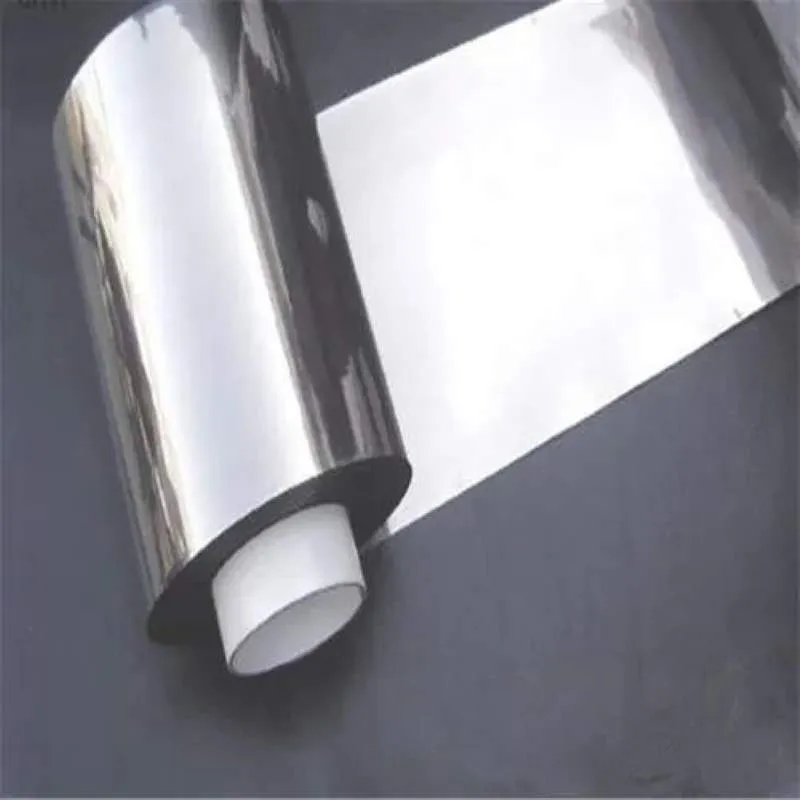
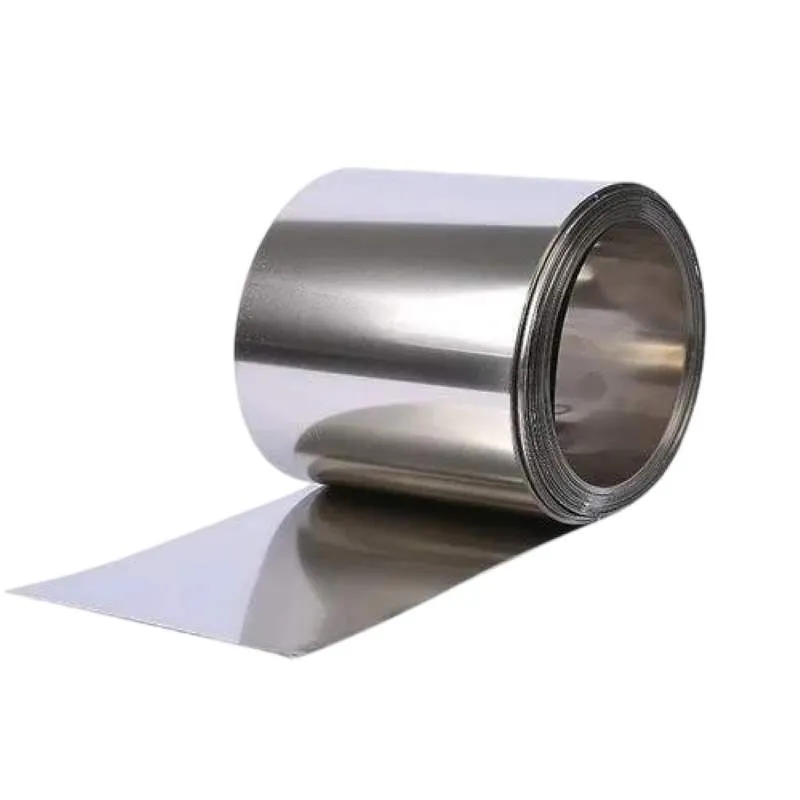
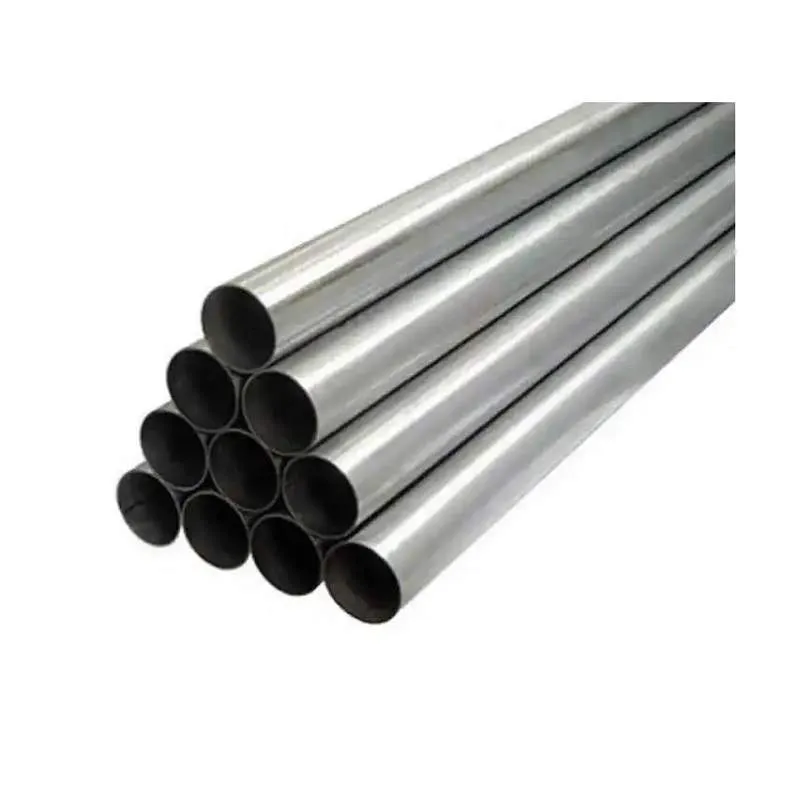
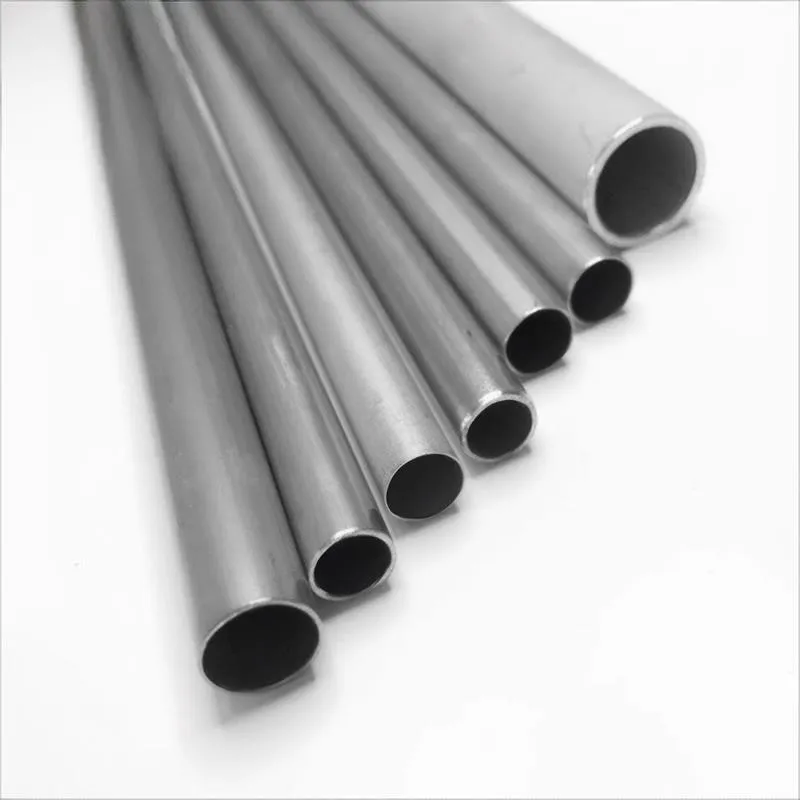
ASTM A202 Low Alloy Steel Foil/Strip, Grade B
Product Code : STI-ASTM-180-CU
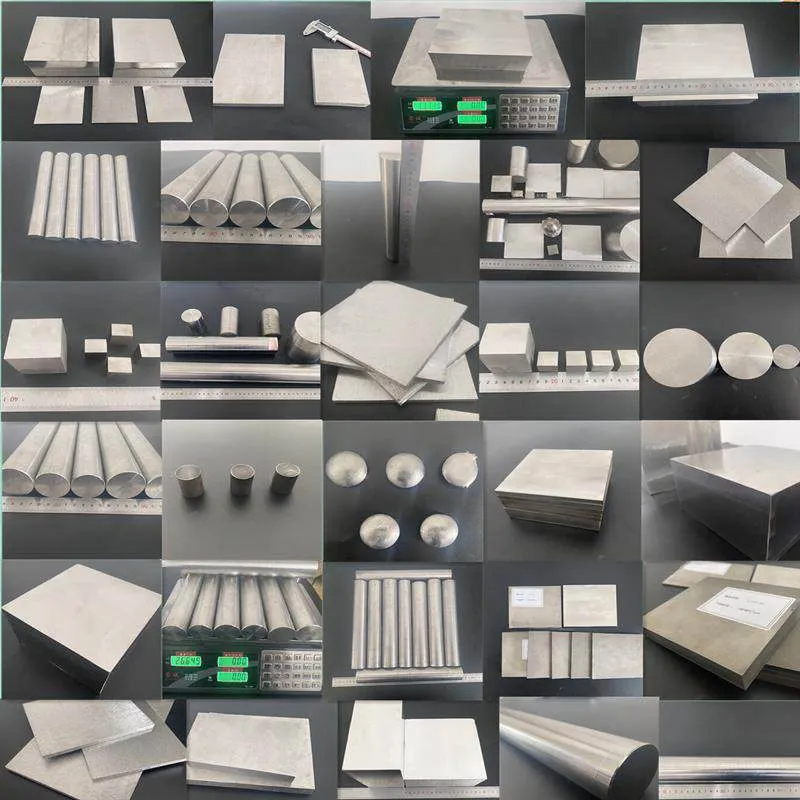
We provide ASTM A202 Low Alloy Steel Foil/Strip, Grade B is available in Bar (Round bar, Flat bar), Ribbon, Wire, Rods, Tube,Seamless Tube,Pipe, Ingots, Plate, Sheet, Strip and Forging Stock.,Purity, chemical composition, size, etc. can all be customized to meet specific requirements.
Please contact us if you need customized services. We will contact you with the price and availability in 24 hours.
ASTM A202 Low Alloy Steel Foil, Grade B Product Information
-:-
For detailed product information, please contact sales.
-:
ASTM A202 Low Alloy Steel Foil, Grade B Synonyms
-:-
For detailed product information, please contact sales.
-:
ASTM A202 Low Alloy Steel, Grade B Product Information
-:-
For detailed product information, please contact sales.
-:
### **Product Introduction: ASTM A202 Grade B Steel**
**ASTM A202 Grade B** is a high-strength chromium-manganese-silicon low-alloy steel plate designed for pressure vessel applications requiring superior mechanical properties at elevated temperatures. This grade offers enhanced strength and improved high-temperature performance compared to Grade A, making it suitable for critical pressure-containing components operating under more demanding service conditions.
---
#### **1. International Standards & Grades**
**Primary Standard:** **ASTM A202/A202M** - "Standard Specification for Pressure Vessel Plates, Alloy Steel, Chromium-Manganese-Silicon"
**Grade Classification:**
- **Grade B** - High-strength chromium-manganese-silicon alloy steel
- **Grade A** - Standard strength variant
**International Equivalents:**
- **EN 10028-2**: 13CrMo4-5
- **JIS G3115**: SCMV 4
- **GB/T 3077**: 20CrMo
- **ISO 9328-2**: 13CrMo4-5
---
#### **2. Chemical Composition**
The chemical composition requirements for ASTM A202 Grade B:
| Element | Composition (Maximum %) |
|---|---|
| Carbon (C) | 0.22 |
| Manganese (Mn) | 0.90-1.35 |
| Phosphorus (P) | 0.035 |
| Sulfur (S) | 0.040 |
| Silicon (Si) | 0.50-0.80 |
| Chromium (Cr) | 0.45-0.75 |
**Key Composition Features:**
- **Optimized Carbon Content**: Slightly higher than Grade A for increased strength
- **Chromium Enhancement**: Provides improved oxidation resistance
- **Silicon Strengthening**: Enhances high-temperature stability
- **Balanced Alloy System**: Cost-effective performance enhancement
---
#### **3. Physical & Mechanical Properties**
**Mechanical Properties (for thicknesses ≤ 50 mm):**
| Property | Value |
|---|---|
| **Tensile Strength** | 585-760 MPa (85-110 ksi) |
| **Yield Strength (min.)** | 345 MPa (50 ksi) |
| **Elongation in 2" (min.)** | 17% |
| **Elongation in 8" (min.)** | 19% |
**Elevated Temperature Properties:**
- **Maximum Service Temperature**: Up to 455°C (850°F)
- **Creep Strength**: Superior to Grade A
- **Oxidation Resistance**: Enhanced chromium content provides better protection
- **Thermal Stability**: Maintains properties at elevated temperatures
**Physical Properties:**
- **Density**: 7.86 g/cm³ (0.284 lb/in³)
- **Modulus of Elasticity**: 200 GPa (29,000 ksi)
- **Thermal Conductivity**: 48.0 W/m·K
- **Coefficient of Thermal Expansion**: 11.9 × 10⁻⁶/°C
- **Specific Heat Capacity**: 470 J/kg·K
---
#### **4. Product Applications**
**High-Temperature Pressure Vessels:**
- Boiler drums for higher pressure service
- Superheater headers
- High-pressure heat exchangers
- Process reactors for elevated temperature service
**Power Generation Equipment:**
- Intermediate pressure steam drums
- Power plant piping systems
- Turbine bypass systems
- High-temperature feedwater heaters
**Petrochemical Industry:**
- Catalytic cracker components
- Reformer vessels
- High-temperature separators
- Refinery heat exchange equipment
**Chemical Processing:**
- High-temperature reactors
- Process columns operating above 400°C
- Thermal fluid systems
- High-pressure synthesis vessels
**Industrial Applications:**
- Industrial heating systems
- Thermal oil heaters
- High-temperature storage vessels
- Process industry high-pressure equipment
---
#### **5. Fabrication Characteristics**
**Welding Performance:**
- **Good Weldability with Care**: Requires strict procedure control
- **Preheat Requirements**: 175-225°C (350-450°F) recommended
- **Post-Weld Heat Treatment**: Mandatory at 595-650°C (1100-1200°F)
- **Recommended Processes**: SMAW, GMAW, FCAW, SAW
- **Filler Metals**: E9018-B3, ER90S-B3 or equivalent
**Forming & Machining:**
- **Moderate Formability**: Hot forming preferred for complex shapes
- **Machinability**: Fair to poor (approximately 50% of B1112 steel)
- **Cutting Methods**: Plasma, laser, and waterjet cutting recommended
- **Tooling Requirements**: Carbide tools recommended for machining
**Heat Treatment:**
- Supplied in normalized and tempered condition
- Normalizing temperature: 900-940°C (1650-1725°F)
- Tempering temperature: 650-705°C (1200-1300°F)
- Microstructure: Typically bainitic structure
**Quality Assurance:**
- **Comprehensive Testing**: Tensile, chemical, and impact tests
- **Impact Testing**: Typically required for pressure vessel applications
- **Non-Destructive Testing**: UT, RT, MT as specified
- **Certification**: Full traceability and test reports
---
### **Technical Summary**
ASTM A202 Grade B represents an advanced low-alloy steel solution for pressure vessel applications requiring enhanced strength and improved high-temperature performance. With a minimum yield strength of 50 ksi (345 MPa), this grade offers approximately 15% higher strength than Grade A, providing significant advantages in weight reduction and design efficiency for high-pressure applications.
The chromium-manganese-silicon alloy system delivers reliable performance at temperatures up to 455°C (850°F), making Grade B suitable for more demanding service conditions than Grade A. The enhanced strength properties allow for thinner wall sections in pressure vessel design, resulting in material savings and improved heat transfer characteristics.
While requiring more careful fabrication control and mandatory post-weld heat treatment, ASTM A202 Grade B remains within the capabilities of qualified pressure vessel fabricators. The material's response to standard heat treatments and its consistent mechanical properties make it a reliable choice for critical applications in power generation, petrochemical processing, and high-temperature industrial equipment.
The proven service history and cost-effectiveness of ASTM A202 Grade B have established it as a preferred material for engineers designing pressure vessels and high-temperature components where the enhanced performance over carbon steels is required, but the premium cost of higher alloy steels is not justified by the service conditions.
-:-
For detailed product information, please contact sales.
-:
ASTM A202 Low Alloy Steel, Grade B Specification
Dimensions
Size:
Diameter 20-1000 mm Length <4330 mm
Size:We can customized as required
Standard:
Per your request or drawing
We can customized as required
Properties(Theoretical)
Chemical Composition
-:-
For detailed product information, please contact sales.
-:
ASTM A202 Low Alloy Steel, Grade B Properties
-:-
For detailed product information, please contact sales.
-:
Applications of ASTM A202 Low Alloy Steel Foil, Grade B
-:-
For detailed product information, please contact sales.
-:
Chemical Identifiers ASTM A202 Low Alloy Steel Foil, Grade B
-:-
For detailed product information, please contact sales.
-:
Packing of ASTM A202 Low Alloy Steel Foil/Strip, Grade B
-:-
For detailed product information, please contact sales.
-:
Standard Packing:
-:-
For detailed product information, please contact sales.
-:
Typical bulk packaging includes palletized plastic 5 gallon/25 kg. pails, fiber and Steel Foil/Strip drums to 1 ton super sacks in full container (FCL) or truck load (T/L) quantities. Research and sample quantities and hygroscopic, oxidizing or other air sensitive materials may be packaged under argon or vacuum. Solutions are packaged in polypropylene, plastic or glass jars up to palletized 801 gallon liquid totes Special package is available on request. E FORUs’ is carefully handled to minimize damage during storage and transportation and to preserve the quality of our products in their original condition