ASTM A213 T2 Alloy Steel, Chromium Molybdenum
Product Code : STI-ASTM-547-CU
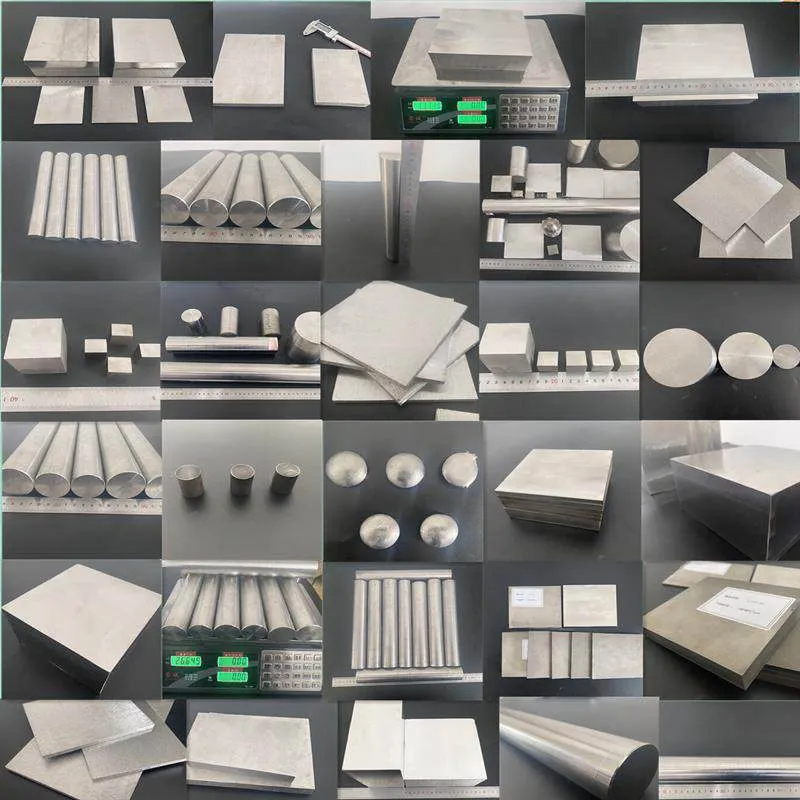
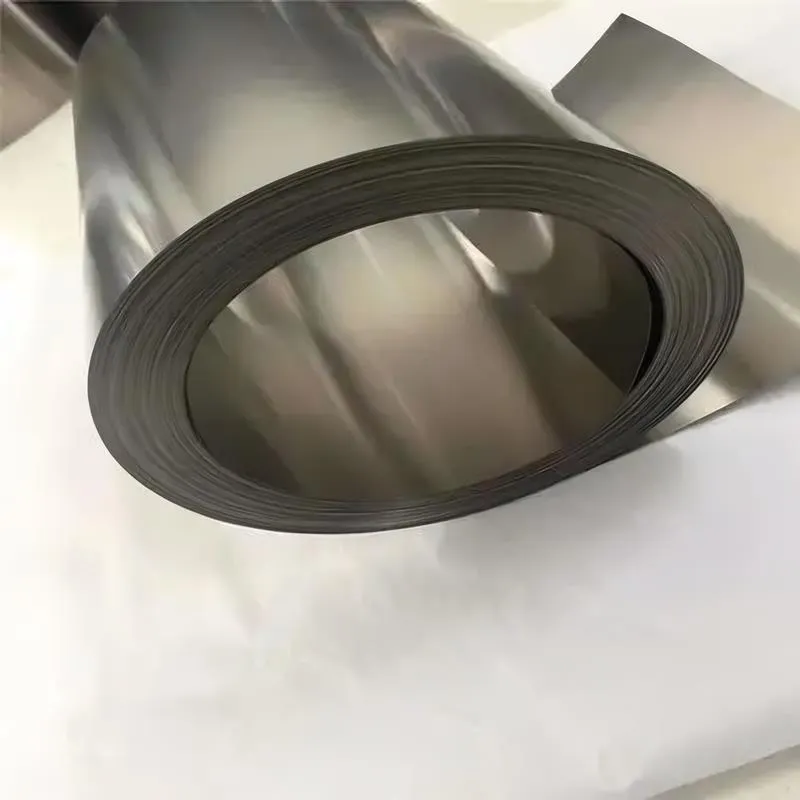
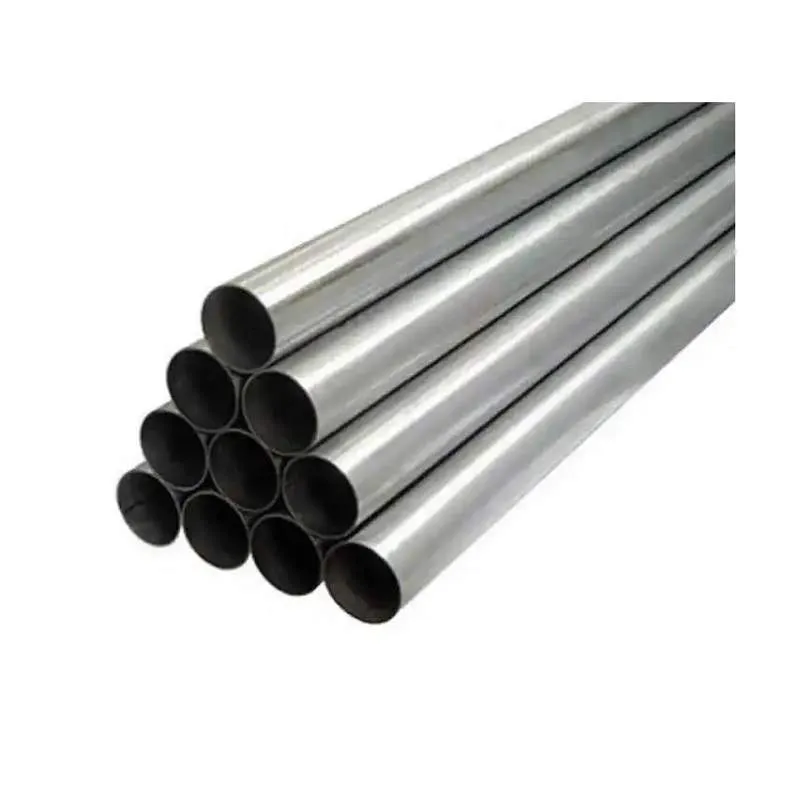
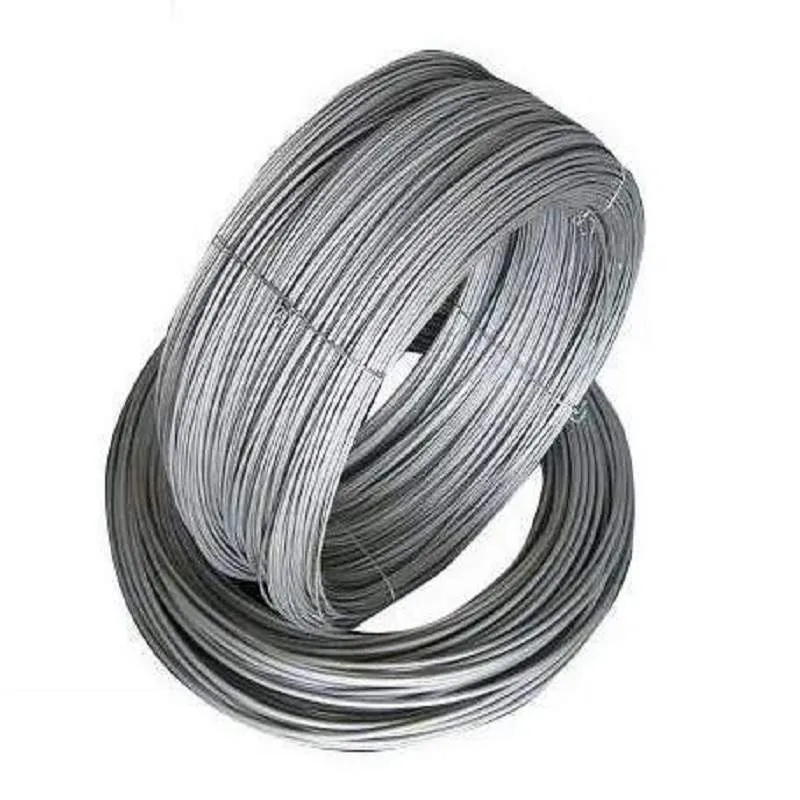
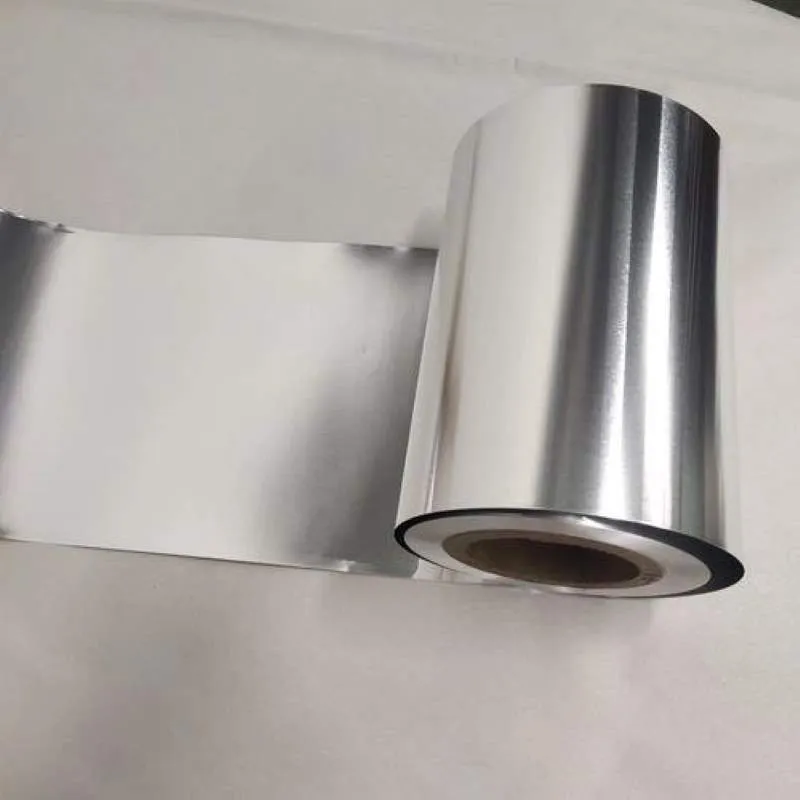
We provide ASTM A213 T2 Alloy Steel, Chromium Molybdenum is available in Bar (Round bar, Flat bar), Ribbon, Wire, Rods, Tube,Seamless Tube,Pipe, Ingots, Plate, Sheet, Strip and Forging Stock.,Purity, chemical composition, size, etc. can all be customized to meet specific requirements.
Please contact us if you need customized services. We will contact you with the price and availability in 24 hours.
ASTM A213 T2 Alloy Steel, Chromium Molybdenum Product Information
-:-
For detailed product information, please contact sales.
-:
ASTM A213 T2 Alloy Steel, Chromium Molybdenum Synonyms
-:-
For detailed product information, please contact sales.
-:
ASTM A213 T2 Alloy Steel, Chromium Molybdenum Product Information
-:-
For detailed product information, please contact sales.
-:
## **Product Datasheet: ASTM A213 / ASME SA-213 T2 Alloy Steel Tube**
**Product Overview**
ASTM A213 T2 is a **chromium-molybdenum (Cr-Mo) low-alloy steel** specifically designed for seamless tubes in high-temperature service, particularly in **superheaters, reheaters, and heat exchangers**. It represents the foundational grade in the T-series alloy tube family, offering a cost-effective balance of elevated temperature strength, oxidation resistance, and microstructural stability beyond that of plain carbon-molybdenum steels (like A209 T1). With a nominal composition of 0.5% chromium and 0.5% molybdenum, T2 provides improved resistance to oxidation (scaling) and creep deformation at temperatures up to approximately 1000°F (538°C), making it a standard choice for power generation and process industry tubing.
**Key International Standards**
* **Primary Standard:** **ASTM A213 / A213M** - Standard Specification for Seamless Ferritic and Austenitic Alloy-Steel Boiler, Superheater, and Heat-Exchanger Tubes.
* **Governing Specification:** This product conforms to all requirements for **Grade T2** within ASTM A213.
* **ASME Designation:** **SA-213 T2** - The mandatory ASME Boiler and Pressure Vessel Code (BPVC) designation for code-stamped equipment.
* **Heat Treatment:** Typically supplied in the **annealed, normalized and tempered, or full-annealed** condition to achieve optimal microstructure, ductility, and dimensional stability for bending and welding.
* **Related Standards:** Equivalent or closely related grades include **DIN 17175 13CrMo44**, **EN 10216-2 13CrMo4-5**, and **JIS G3462 STBA 20**.
**Chemical Composition (Weight % - ASTM A213 T2 Requirements)**
| Element | ASTM A213 T2 Requirement | Typical Range / Aim |
| :--- | :--- | :--- |
| **Carbon (C)** | 0.10 - 0.20% | 0.10 - 0.15% |
| **Manganese (Mn)** | 0.30 - 0.61% | 0.40 - 0.60% |
| **Phosphorus (P)** | 0.025% max | ≤ 0.020% |
| **Sulfur (S)** | 0.025% max | ≤ 0.015% |
| **Silicon (Si)** | 0.10 - 0.30% | 0.15 - 0.25% |
| **Chromium (Cr)** | **0.50 - 0.81%** | 0.50 - 0.80% |
| **Molybdenum (Mo)** | **0.44 - 0.65%** | 0.44 - 0.65% |
| **Carbon Equivalent (C.E. IIW)** | -- | Typically 0.35 - 0.45 |
**Physical & Mechanical Properties (Room Temperature)**
| Property | Requirement (ASTM A213 T2) | Typical Performance / Notes |
| :--- | :--- | :--- |
| **Tensile Strength** | 60 ksi (415 MPa) min | 65 - 80 ksi (448 - 552 MPa) |
| **Yield Strength (0.2% Offset)** | 30 ksi (205 MPa) min | 35 - 45 ksi (241 - 310 MPa) |
| **Elongation in 2" (Min)** | 30% | 30 - 35% |
| **Hardness (Approx., HB)** | -- | ~130-170 HB |
| **Maximum Recommended Metal Temperature** | -- | **Up to ~1000°F (538°C)** for prolonged service. The chromium provides better oxidation resistance than T1, while molybdenum ensures creep strength. |
| **Key Feature** | **Balanced Cr-Mo Alloy for Elevated Temperatures:** Provides a significant upgrade over plain carbon and C-Mo steels, offering a practical combination of **oxidation resistance (from Cr)** and **creep strength/microstructural stability (from Mo)** for a wide range of high-temperature, high-pressure tubing applications. |
**Product Applications**
ASTM A213 T2 tubes are a workhorse material in thermal energy systems and process heaters operating at elevated temperatures.
* **Superheater & Reheater Tubes:** Primary and secondary superheater sections in fossil fuel power plant boilers.
* **Heat Exchanger Tubes:** For high-temperature shell-and-tube exchangers in refinery catalytic reformers, hydrotreaters, and chemical processes.
* **Process Heater Tubes:** Convection and radiant section tubes in direct-fired heaters in petrochemical plants.
* **Boiler Tubes:** For high-pressure water-wall and generating sections in industrial boilers where temperatures exceed the capability of carbon steels.
* **Steam Piping:** For high-temperature steam lines and headers within its temperature range.
**Advantages & Fabrication Notes**
* **Good Weldability:** Readily weldable using common processes (GTAW, GMAW, SMAW). However, proper procedure is crucial:
* **Preheat:** Recommended at **300-400°F (149-204°C)** to prevent hydrogen-induced cracking.
* **Low-Hydrogen Practice:** Mandatory (e.g., E8018-B2 electrodes for SMAW).
* **Post-Weld Heat Treatment (PWHT):** **Required for most pressure equipment applications.** Typical PWHT range is **1100-1250°F (593-677°C)** to relieve stresses, temper the HAZ, and restore corrosion/creep resistance. **Slow cooling through the 1200-800°F (649-427°C) range is critical to prevent reheat cracking.**
* **Oxidation Resistance:** The ~0.5% chromium content forms a more stable and protective oxide layer (scale) than on carbon steels, reducing metal loss and oxide spalling.
* **Resistance to Graphitization & Creep:** The molybdenum content inhibits the detrimental breakdown of carbides (graphitization) and provides solid solution strengthening for improved creep resistance.
* **Formability:** Good hot formability. Cold bending is possible but may require subsequent stress relief. Tube bending is common, and the material is supplied in a condition suitable for this.
* **Code Compliance:** Fully recognized in the **ASME BPVC, Section I** and **Section VIII**, with published allowable stresses up to 1000°F (538°C).
**Disclaimer:**
This datasheet provides general information on **ASTM A213 T2 / SA-213 T2** alloy steel tubes. For procurement, specify the complete standard and grade (T2), along with required heat treatment, dimensions, and NDE (e.g., hydrostatic, eddy current). **Design must be based on ASME BPVC allowable stress values for the specific design temperature.** Welding procedure specifications (WPS) and PWHT cycles **must be qualified per ASME Section IX**. Special attention must be paid to the **cooling rate after PWHT** to avoid reheat cracking susceptibility inherent in Cr-Mo steels. Material selection and fabrication for pressure equipment must be overseen by qualified personnel. This material is not intended for low-temperature or severely corrosive service without proper evaluation.
-:-
For detailed product information, please contact sales.
-:
ASTM A213 T2 Alloy Steel, Chromium Molybdenum Specification
Dimensions
Size:
Diameter 20-1000 mm Length <4697 mm
Size:We can customized as required
Standard:
Per your request or drawing
We can customized as required
Properties(Theoretical)
Chemical Composition
-:-
For detailed product information, please contact sales.
-:
ASTM A213 T2 Alloy Steel, Chromium Molybdenum Properties
-:-
For detailed product information, please contact sales.
-:
Applications of ASTM A213 T2 Alloy Steel, Chromium Molybdenum
-:-
For detailed product information, please contact sales.
-:
Chemical Identifiers ASTM A213 T2 Alloy Steel, Chromium Molybdenum
-:-
For detailed product information, please contact sales.
-:
Packing of ASTM A213 T2 Alloy Steel, Chromium Molybdenum
-:-
For detailed product information, please contact sales.
-:
Standard Packing:
-:-
For detailed product information, please contact sales.
-:
Typical bulk packaging includes palletized plastic 5 gallon/25 kg. pails, fiber and steel drums to 1 ton super sacks in full container (FCL) or truck load (T/L) quantities. Research and sample quantities and hygroscopic, oxidizing or other air sensitive materials may be packaged under argon or vacuum. Solutions are packaged in polypropylene, plastic or glass jars up to palletized 1168 gallon liquid totes Special package is available on request. E FORUs’ is carefully handled to minimize damage during storage and transportation and to preserve the quality of our products in their original condition