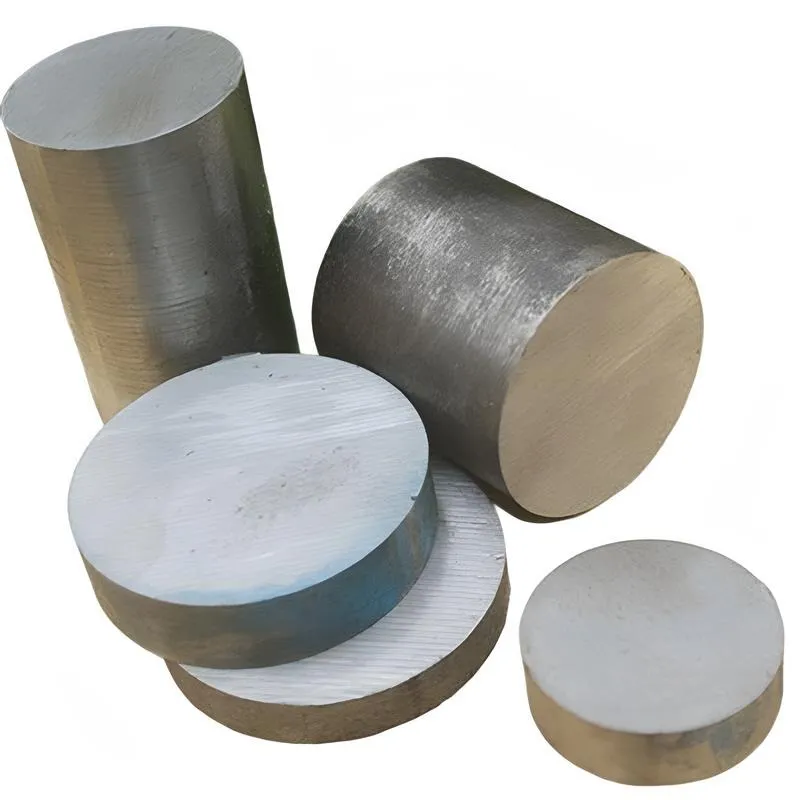
ASTM A440 Steel
Product Code : STI-ASTM-560-CU
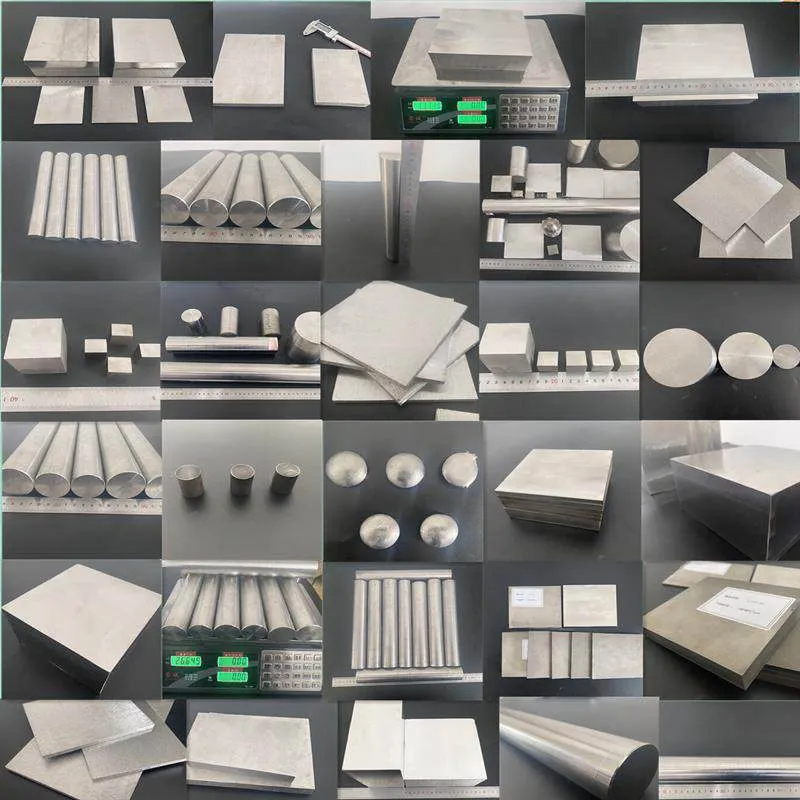
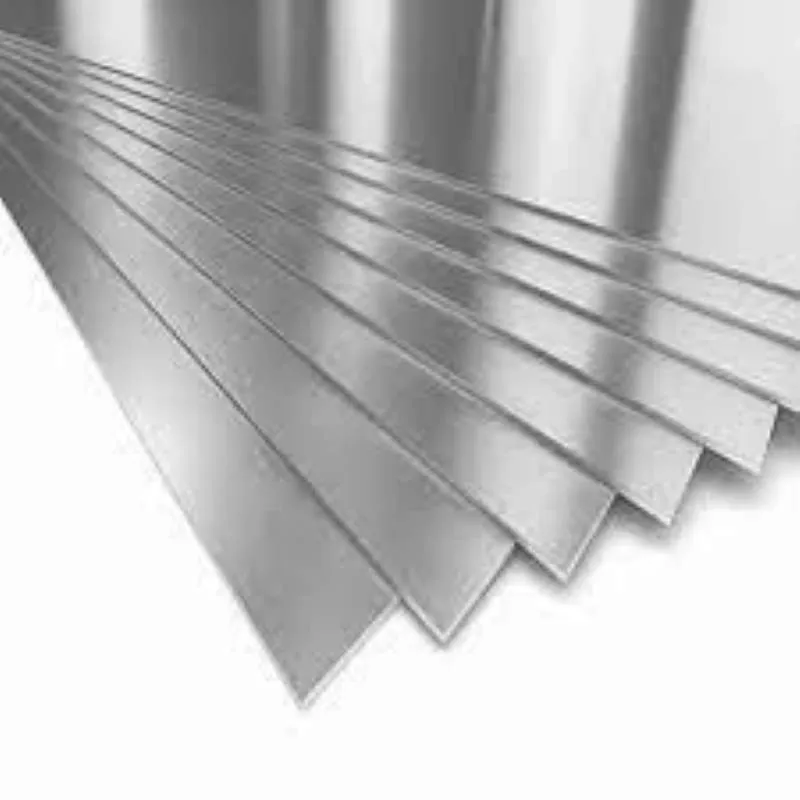
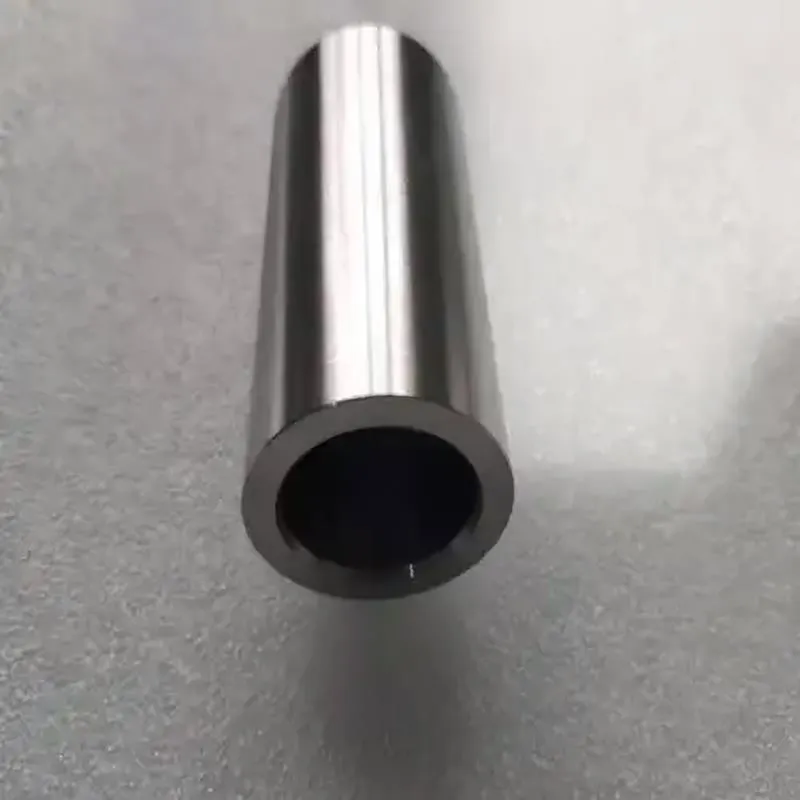
We provide ASTM A440 Steel, plate, bar, and shapes 19-38 mm thick is available in Bar (Round bar, Flat bar), Ribbon, Wire, Rods, Tube,Seamless Tube,Pipe, Ingots, Plate, Sheet, Strip and Forging Stock.,Purity, chemical composition, size, etc. can all be customized to meet specific requirements.
Please contact us if you need customized services. We will contact you with the price and availability in 24 hours.
ASTM A440 Steel, plate, bar, and shapes 19-38 mm thick Product Information
-:-
For detailed product information, please contact sales.
-:
ASTM A440 Steel, plate, bar, and shapes 19-38 mm thick Synonyms
-:-
For detailed product information, please contact sales.
-:
ASTM A440 Steel, plate, bar, and shapes 19-38 mm thick Product Information
-:-
For detailed product information, please contact sales.
-:
## **Product Datasheet: ASTM A440 Steel (Plate, Bar, and Shapes, 19-38 mm thick)**
**Product Overview**
ASTM A440 is a **high-strength structural steel** primarily supplied in the **as-rolled condition**, designed for applications requiring **higher yield strength than standard carbon steels like A36**. It is a historical grade that offered a guaranteed minimum yield strength of 345 MPa (50 ksi) in thicknesses up to 100 mm, with the 19-38 mm range representing a common mid-thickness section. Unlike modern weathering steels (A242, A588), A440 does **not** offer enhanced atmospheric corrosion resistance as a standard feature. Its primary advantage was providing greater load-bearing capacity without heat treatment, making it a cost-effective choice for heavy structural members where weight savings or higher stress design were priorities.
**Key International Standards**
* **Primary Standard:** **ASTM A440 / A440M** - Standard Specification for High-Strength Structural Steel.
* **Status:** **Historical / Largely Superseded.** ASTM A440 was officially discontinued in 1990 and replaced by **ASTM A572**. It remains specified in some older designs but is not produced to this designation by modern mills for new projects.
* **Modern Equivalent:** **ASTM A572 Grade 50** is the direct and universally available replacement, offering superior and more consistent properties through microalloying (Columbium/Vanadium).
* **Heat Treatment:** Typically supplied in the **as-rolled** condition.
* **Key Limitation:** While it could be produced to have atmospheric corrosion resistance (similar to A242/A588), this was **not a guaranteed requirement** of the base A440 specification. If corrosion resistance was needed, it had to be explicitly specified.
**Chemical Composition (Weight % - ASTM A440 Requirements, typical)**
Chemistry was based on carbon-manganese strengthening, often with higher sulfur and phosphorus than modern HSLA steels.
| Element | ASTM A440 Requirement (Typical, Max) | Note vs. Modern Grades |
| :--- | :--- | :--- |
| **Carbon (C)** | 0.28% (for shapes ≤ 100mm) | Higher than modern A572 Gr 50, affecting weldability. |
| **Manganese (Mn)** | 1.10% (for shapes ≤ 100mm) | Used for solid solution strengthening. |
| **Phosphorus (P)** | 0.04% | Higher than typical modern limits. |
| **Sulfur (S)** | 0.05% | Higher than typical modern limits; can affect toughness. |
| **Silicon (Si)** | 0.30% | For deoxidation. |
| **Copper (Cu)** | 0.20% min (when corrosion resistance specified) | **Optional.** A440 was not inherently a weathering steel. |
| **Carbon Equivalent (C.E. IIW)** | -- | Typically higher than A572 Gr 50 due to C content. |
**Physical & Mechanical Properties (For thickness 19-38 mm / 3/4" to 1-1/2")**
| Property | Requirement (ASTM A440) | Context & Comparison |
| :--- | :--- | :--- |
| **Yield Strength (Min)** | 345 MPa (50 ksi) | Same as A572 Gr 50. |
| **Tensile Strength** | 483 MPa (70 ksi) min | Minimum similar to A572 Gr 50. |
| **Elongation in 50mm (Min)** | 18% (for plates) | Ductility requirement. |
| **Yield-to-Tensile Ratio (Max)** | Not Specified | Modern A572 controls this for improved seismic performance. |
| **Charpy V-Notch Toughness** | **Not a standard requirement.** | A critical deficiency vs. modern codes. A572 can be specified with impact testing. |
| **Atmospheric Corrosion Resistance** | **Not Guaranteed.** Could be supplied with Cu ≥ 0.20% but performance not certified. | Major difference from A242/A588. |
| **Key Feature** | **Historical High-Strength Carbon Steel:** Provided a simple, as-rolled 50 ksi yield point but with less consistent properties, poorer weldability, and no guaranteed toughness compared to its modern microalloyed replacement (A572 Gr 50). |
**Product Applications (Historical & Replacement Context)**
A440 was historically used in structures where its limitations were acceptable or where design was based on older codes.
* **Building Construction:** Beams, columns, and heavy bracing in industrial and commercial buildings.
* **Bridge Components:** Girders and members in older bridge designs.
* **Transmission Towers and Heavy Support Structures.**
* **Crane Runways and Mining Equipment Structures.**
* **Modern Context:** For any new design or retrofit, **ASTM A572 Grade 50** is specified for these applications.
**Advantages & Fabrication Notes (From a Historical Perspective)**
* **Advantage (At the time):** Provided higher strength than A36 without the cost of heat treatment or extensive alloying.
* **Weldability Concerns:** The higher carbon content (up to 0.28%) and lack of microalloy grain refinement result in a higher carbon equivalent. This necessitates **strict low-hydrogen welding procedures, preheat, and controlled heat input** to avoid hydrogen-induced cracking and poor Heat-Affected Zone (HAZ) properties. It is less weldable than A572 Gr 50.
* **Toughness Variability:** Lack of standardized impact testing means fracture toughness could be variable, especially in thicker sections or at lower service temperatures. This is unacceptable for modern fracture-critical or dynamically loaded structures.
* **Formability:** Adequate for standard bending operations, but higher yield strength requires greater force.
* **Why It Was Superseded:** The development of **ASTM A572** using Columbium/Vanadium microalloying provided a superior product: more consistent properties, better weldability, finer grain size, and the ability to guarantee toughness—all at a competitive cost.
**Disclaimer:**
This datasheet describes the **historical ASTM A440** standard, which is **obsolete**. **It should not be specified for new projects.** For any procurement related to maintenance of existing structures containing A440, extreme caution is required.
1. **Material Identification:** Verify the actual material properties through testing, as they may not match modern expectations.
2. **Replacement Material:** For new components or repairs, specify **ASTM A572 Grade 50** (or A992 for shapes). A direct "or equal" substitution requires engineering review.
3. **Welding Repairs:** Welding on existing A440 requires a conservative approach: assume high carbon content, use low-hydrogen electrodes, apply significant preheat, and consider post-weld heat treatment for thick sections.
4. **Design Values:** Do not assume modern code allowances for A572 apply to existing A440 members without verification.
Consult with a structural engineer experienced in existing steel structures for any work involving this legacy material.
-:-
For detailed product information, please contact sales.
-:
ASTM A440 Steel, plate, bar, and shapes 19-38 mm thick Specification
Dimensions
Size:
Diameter 20-1000 mm Length <4710 mm
Size:We can customized as required
Standard:
Per your request or drawing
We can customized as required
Properties(Theoretical)
Chemical Composition
-:-
For detailed product information, please contact sales.
-:
ASTM A440 Steel, plate, bar, and shapes 19-38 mm thick Properties
-:-
For detailed product information, please contact sales.
-:
Applications of ASTM A440 Steel, plate, bar, and shapes 19-38 mm thick
-:-
For detailed product information, please contact sales.
-:
Chemical Identifiers ASTM A440 Steel, plate, bar, and shapes 19-38 mm thick
-:-
For detailed product information, please contact sales.
-:
Packing of ASTM A440 Steel, plate, bar, and shapes 19-38 mm thick
-:-
For detailed product information, please contact sales.
-:
Standard Packing:
-:-
For detailed product information, please contact sales.
-:
Typical bulk packaging includes palletized plastic 5 gallon/25 kg. pails, fiber and steel drums to 1 ton super sacks in full container (FCL) or truck load (T/L) quantities. Research and sample quantities and hygroscopic, oxidizing or other air sensitive materials may be packaged under argon or vacuum. Solutions are packaged in polypropylene, plastic or glass jars up to palletized 1181 gallon liquid totes Special package is available on request. E FORUs’ is carefully handled to minimize damage during storage and transportation and to preserve the quality of our products in their original condition