ASTM A542 Low Alloy Steel Wire, Grade B, Class 2
Product Code : STI-ASTM-293-CU
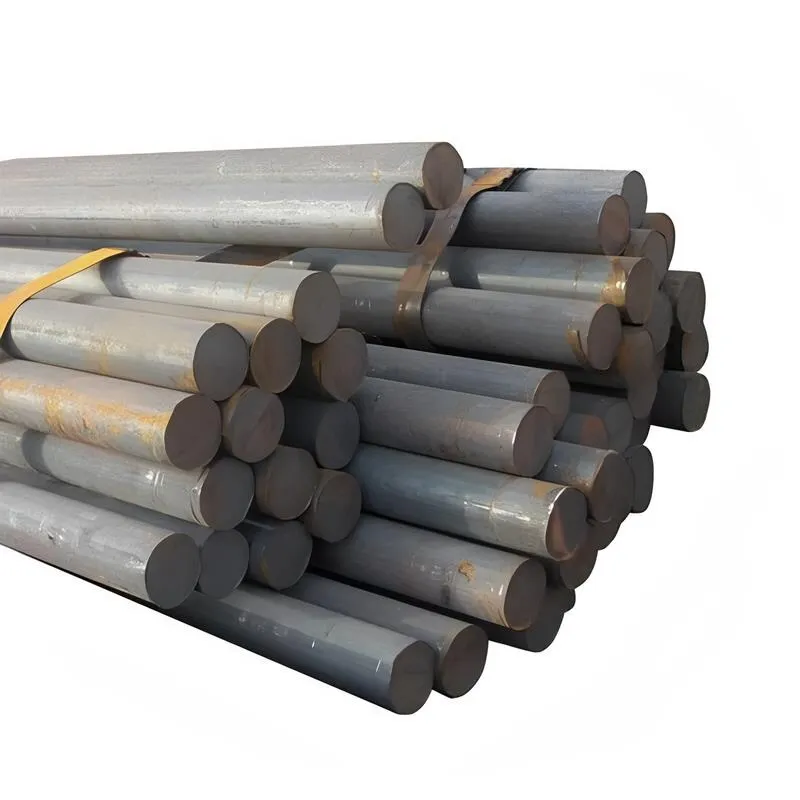
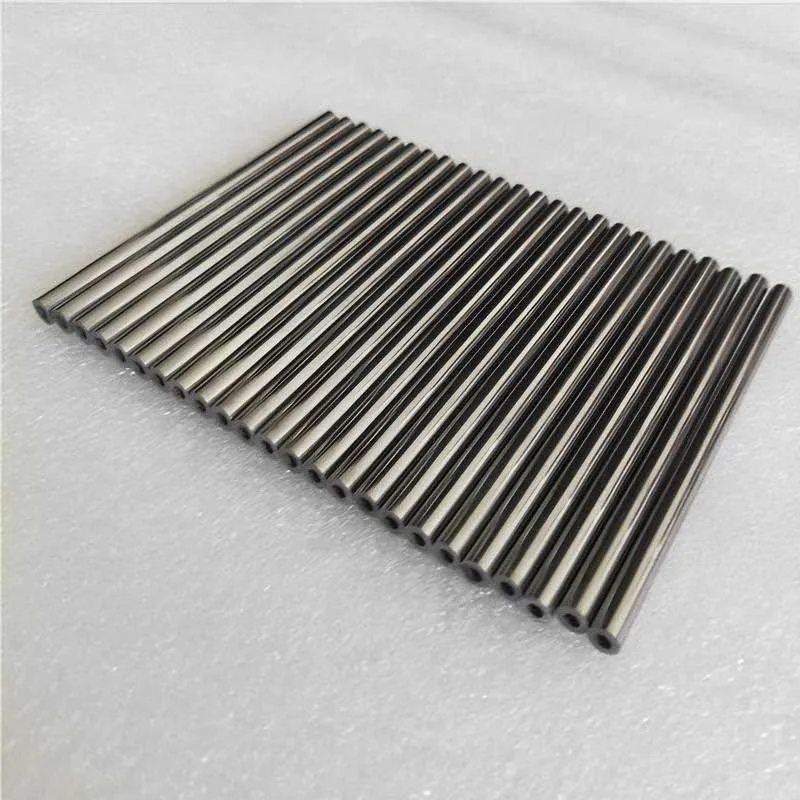
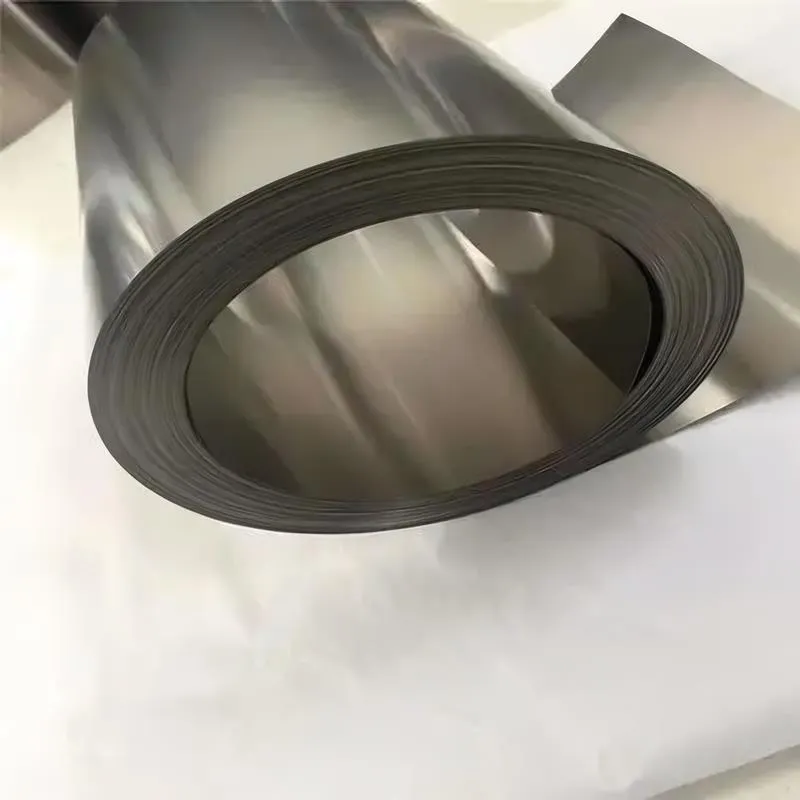
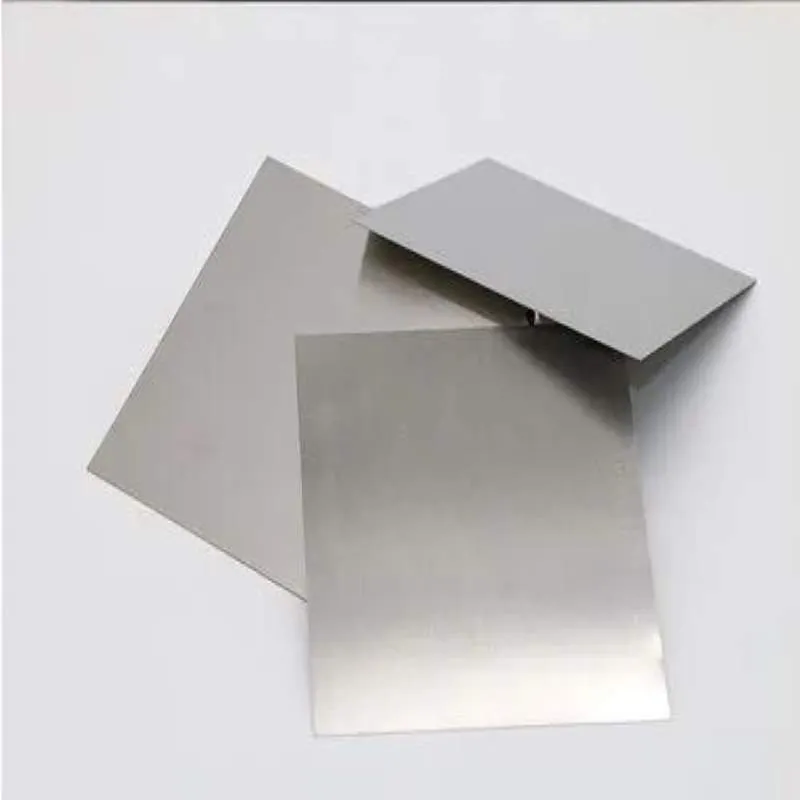
We provide ASTM A542 Low Alloy Steel Wire, Grade B, Class 2 is available in Bar (Round bar, Flat bar), Ribbon, Wire, Rods, Tube,Seamless Tube,Pipe, Ingots, Plate, Sheet, Strip and Forging Stock.,Purity, chemical composition, size, etc. can all be customized to meet specific requirements.
Please contact us if you need customized services. We will contact you with the price and availability in 24 hours.
ASTM A542 Low Alloy Steel Wire, Grade B, Class 2 Product Information
-:-
For detailed product information, please contact sales.
-:
ASTM A542 Low Alloy Steel Wire, Grade B, Class 2 Synonyms
-:-
For detailed product information, please contact sales.
-:
ASTM A542 Low Alloy Steel, Grade B, Class 2 Product Information
-:-
For detailed product information, please contact sales.
-:
### **ASTM A542 Grade B Class 2: High-Temperature 2.25Cr-1Mo Steel Plate**
#### **1. Overview**
ASTM A542 Grade B Class 2 is a **medium-strength quenched and tempered 2.25% chromium-1% molybdenum alloy steel plate** that provides an optimal balance of high-temperature strength, creep resistance, and hydrogen attack resistance. This intermediate class within the Grade B classification offers enhanced mechanical properties compared to Class 1, making it suitable for heavy-wall pressure vessels in refinery hydroprocessing units and high-temperature power generation equipment where both strength and long-term reliability are critical.
#### **2. Chemical Composition**
The chemical composition maintains precise control for consistent high-temperature performance:
| Element | Composition (%) |
|---------|-----------------|
| Carbon (C) | 0.15 max |
| Manganese (Mn) | 0.30 - 0.60 |
| Phosphorus (P) | 0.025 max |
| Sulfur (S) | 0.025 max |
| Silicon (Si) | 0.15 - 0.40 |
| Chromium (Cr) | 2.00 - 2.50 |
| Molybdenum (Mo) | 0.90 - 1.10 |
**Optimized Composition Features:**
- **Enhanced Chromium (2.00-2.50%)**: Provides superior oxidation and sulfidation resistance
- **Higher Molybdenum (0.90-1.10%)**: Improves high-temperature strength and carbide stability
- **Controlled Carbon (0.15% max)**: Ensures good weldability and toughness
- **Balanced Manganese Range**: Optimizes hardenability without compromising fabricability
#### **3. Physical & Mechanical Properties**
**Mechanical Properties (Quenched & Tempered Condition):**
| Property | Requirement |
|----------|-------------|
| **Tensile Strength** | 85 - 105 ksi (585 - 725 MPa) |
| **Yield Strength** | 55 ksi min (380 MPa min) |
| **Elongation in 2 inches** | 17% min |
| **Reduction of Area** | 40% min |
| **Charpy V-Notch Impact** | 35 ft-lb min at -50°F (-46°C) |
**Elevated Temperature Performance:**
- **Enhanced Creep Strength**: Superior long-term performance at temperatures up to 1200°F (650°C)
- **Excellent Hydrogen Resistance**: Meets API 941 Nelson Curve requirements for hydrogen service
- **Oxidation Resistance**: Maintains integrity in high-temperature oxidizing environments
- **Thermal Fatigue Resistance**: Good performance under thermal cycling conditions
**Physical Properties (Typical):**
- **Density**: 0.282 lb/in³ (7,810 kg/m³)
- **Modulus of Elasticity**: 29,300 ksi (202 GPa) at 70°F (21°C)
- **Thermal Expansion Coefficient**: 6.3 × 10⁻⁶/°F (11.3 × 10⁻⁶/°C) from 70-1000°F
- **Thermal Conductivity**: 24.5 W/m·K at 212°F (100°C)
#### **4. Product Applications**
Grade B Class 2 is specified for intermediate high-temperature, high-pressure applications:
**Petroleum Refining:**
- Heavy-wall hydrocracking reactors
- High-pressure hydrotreating vessels
- Hydrogen compression equipment
- Refinery conversion unit reactors
**Power Generation:**
- Intermediate pressure steam drums
- High-temperature boiler components
- Power plant piping systems
- Heat recovery steam generators
**Chemical Processing:**
- High-temperature chemical reactors
- Synthesis gas converters
- High-pressure process vessels
- Petrochemical reaction systems
#### **5. International Standards & Equivalents**
| Region/Country | Standard | Equivalent Grade | Notes |
|----------------|----------|------------------|-------|
| **International** | **ISO 9328-2** | 10CrMo9-10 | Similar chromium-molybdenum composition |
| **Europe** | **EN 10028-2** | 10CrMo9-10 | Comparable elevated temperature properties |
| **Japan** | **JIS G4109** | SCMV 4 | Chromium-molybdenum pressure vessel steel |
| **Germany** | **DIN 17155** | 10CrMo910 | Well-established equivalent grade |
**Grade B Class Comparison:**
| Parameter | Class 1 | Class 2 | Class 3 |
|-----------|---------|---------|---------|
| **Yield Strength Minimum** | 45 ksi | 55 ksi | 65 ksi |
| **Tensile Strength Range** | 75-95 ksi | 85-105 ksi | 95-115 ksi |
| **Application Focus** | Standard Strength | Intermediate Strength | High Strength |
#### **6. Fabrication & Quality Assurance**
**Welding and Fabrication Requirements:**
- **Pre-heat requirement**: 350-450°F (175-230°C) depending on thickness
- **Post-weld heat treatment**: Mandatory at 1275-1375°F (690-745°C)
- **Welding consumables**: Low-hydrogen electrodes with matching composition
- **Interpass temperature control**: 400-600°F (200-315°C) maximum
**Heat Treatment Protocol:**
- **Austenitizing temperature**: 1650-1750°F (900-955°C)
- **Quenching medium**: Water or accelerated cooling required
- **Tempering range**: 1275-1425°F (690-775°C)
- **Microstructural requirements**: Fully tempered bainitic structure mandatory
**Quality Control and Testing:**
- **Impact testing**: At specified temperature for each heat treatment charge
- **Tension tests**: From representative locations of each plate
- **Hardness verification**: Typically 200-240 HBW
- **Ultrasonic examination**: Per supplementary requirements when specified
---
**Technical Advantages:**
- **Enhanced strength** at intermediate temperature ranges
- **Superior resistance to hydrogen attack** in refinery service
- **Excellent thermal stability** during long-term exposure
- **Good fabricability** for heavy-wall construction
**Design and Application Considerations:**
- **ASME Section VIII Division 1** design rules applicable
- **Creep life assessment** recommended for temperatures above 800°F (425°C)
- **Hydrogen service evaluation** per API 941 requirements
- **Environmental degradation** factors must be considered
**Service Limitations and Guidelines:**
- **Maximum design temperature**: 1200°F (650°C) for continuous service
- **Minimum design temperature**: -50°F (-46°C) based on impact requirements
- **Hydrogen service limitations**: Per API 941 Nelson Curve requirements
- **Oxidation limits**: Based on service environment and temperature
**Disclaimer:** This technical information is for reference purposes. For high-temperature pressure vessel applications involving hydrogen service, consult the latest ASTM A542 specification and applicable ASME Code requirements. All design, material selection, and fabrication activities must be approved by qualified engineers and comply with API 941 recommendations and relevant regulatory standards.
-:-
For detailed product information, please contact sales.
-:
ASTM A542 Low Alloy Steel, Grade B, Class 2 Specification
Dimensions
Size:
Diameter 20-1000 mm Length <4443 mm
Size:We can customized as required
Standard:
Per your request or drawing
We can customized as required
Properties(Theoretical)
Chemical Composition
-:-
For detailed product information, please contact sales.
-:
ASTM A542 Low Alloy Steel, Grade B, Class 2 Properties
-:-
For detailed product information, please contact sales.
-:
Applications of ASTM A542 Low Alloy Steel Wire, Grade B, Class 2
-:-
For detailed product information, please contact sales.
-:
Chemical Identifiers ASTM A542 Low Alloy Steel Wire, Grade B, Class 2
-:-
For detailed product information, please contact sales.
-:
Packing of ASTM A542 Low Alloy Steel Wire, Grade B, Class 2
-:-
For detailed product information, please contact sales.
-:
Standard Packing:
-:-
For detailed product information, please contact sales.
-:
Typical bulk packaging includes palletized plastic 5 gallon/25 kg. pails, fiber and Steel Wire drums to 1 ton super sacks in full container (FCL) or truck load (T/L) quantities. Research and sample quantities and hygroscopic, oxidizing or other air sensitive materials may be packaged under argon or vacuum. Solutions are packaged in polypropylene, plastic or glass jars up to palletized 914 gallon liquid totes Special package is available on request. E FORUs’ is carefully handled to minimize damage during storage and transportation and to preserve the quality of our products in their original condition