ASTM A656 Steel, Grade 7
Product Code : STI-ASTM-360-CU
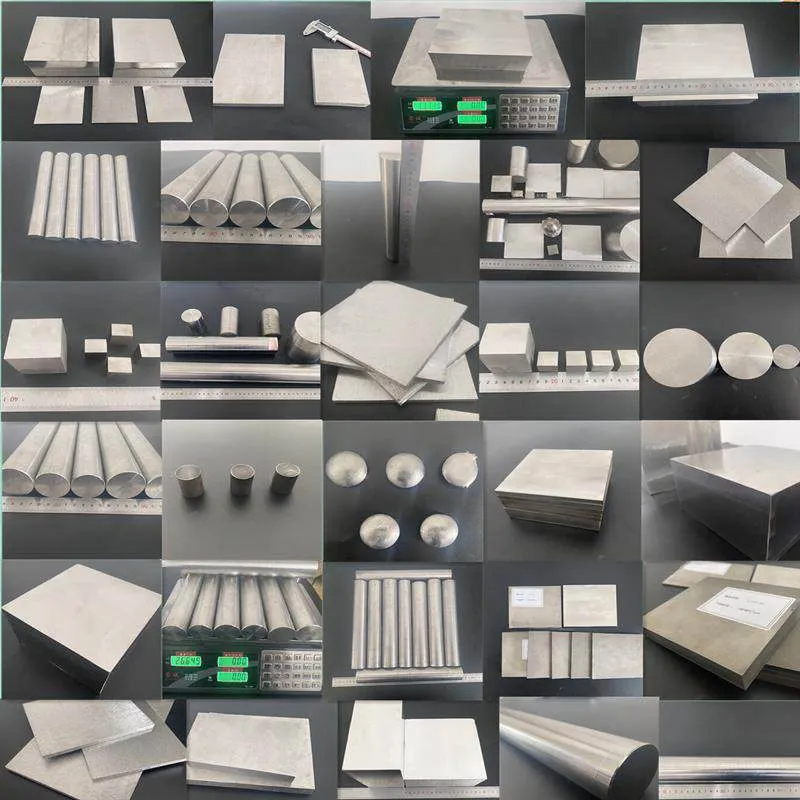
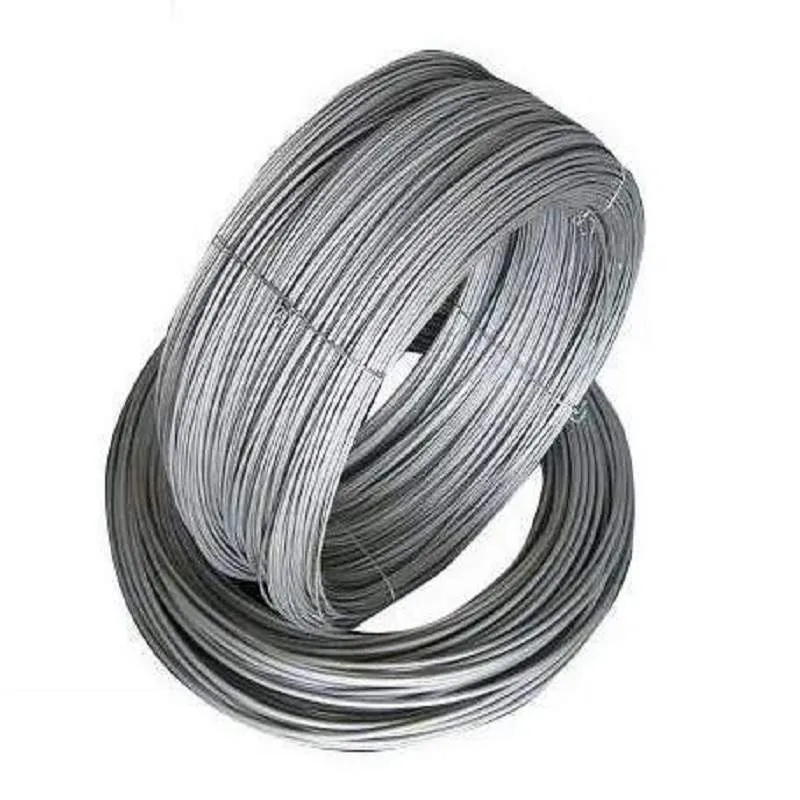
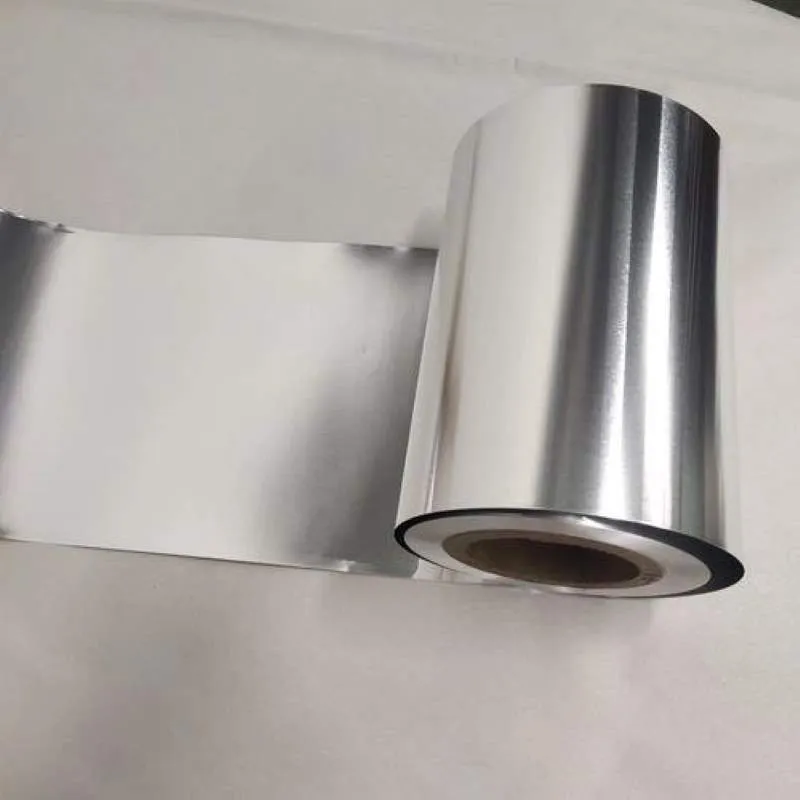
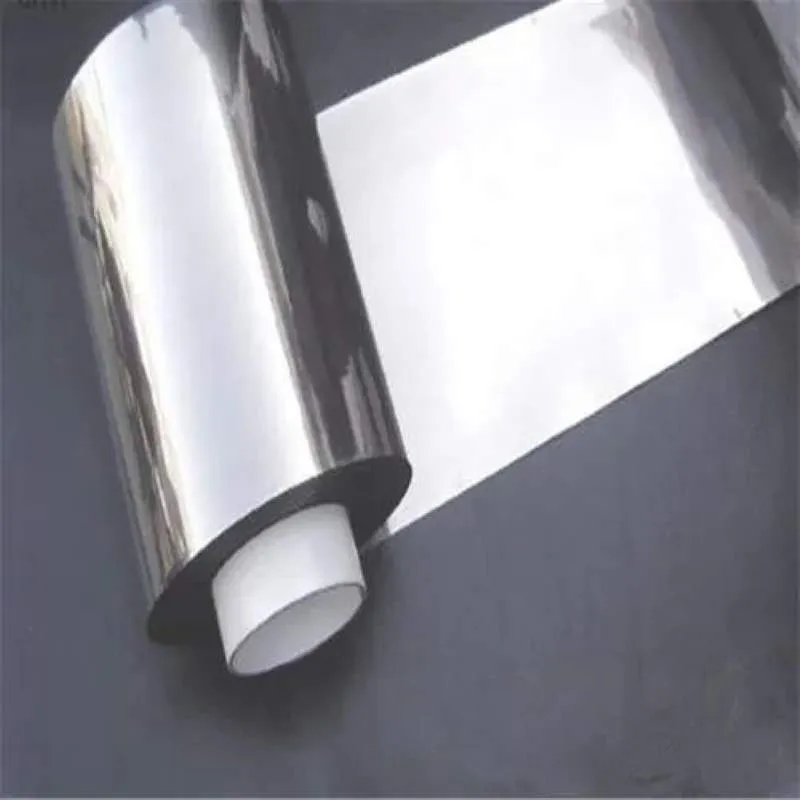
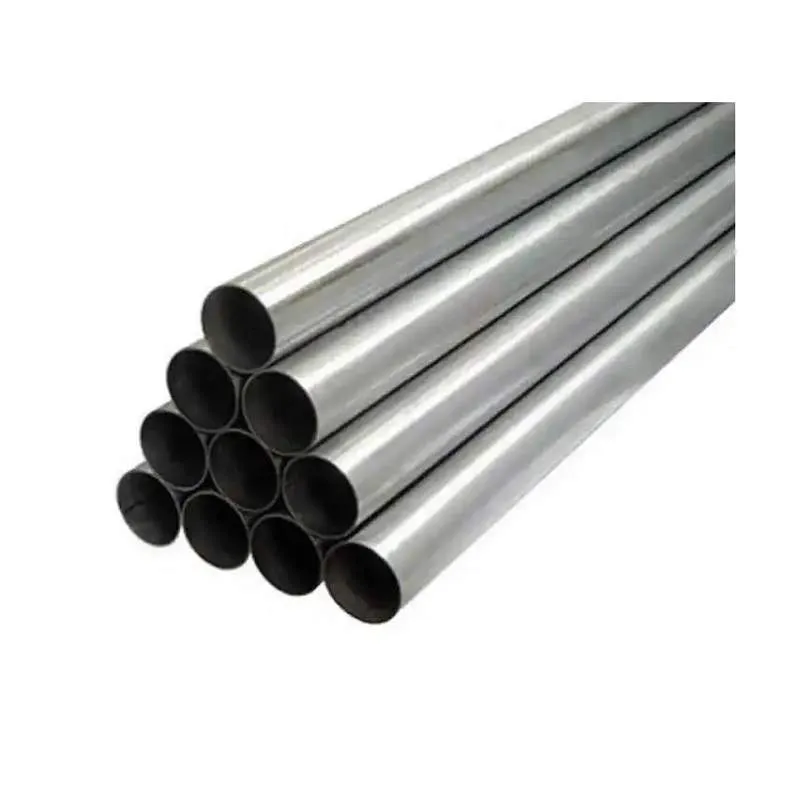
We provide ASTM A656 Steel, Grade 7 is available in Bar (Round bar, Flat bar), Ribbon, Wire, Rods, Tube,Seamless Tube,Pipe, Ingots, Plate, Sheet, Strip and Forging Stock.,Purity, chemical composition, size, etc. can all be customized to meet specific requirements.
Please contact us if you need customized services. We will contact you with the price and availability in 24 hours.
ASTM A656 Steel, Grade 7 Product Information
-:-
For detailed product information, please contact sales.
-:
ASTM A656 Steel, Grade 7 Synonyms
-:-
For detailed product information, please contact sales.
-:
ASTM A656 Steel, Grade 7 Product Information
-:-
For detailed product information, please contact sales.
-:
# **Product Introduction: ASTM A656/A656M High-Strength Low-Alloy Steel Plate, Grade 7**
## **1. Overview & International Standard**
**ASTM A656/A656M Grade 7** represents the highest commercially available strength level within the ASTM A656 series of **Thermomechanical Controlled Processed (TMCP)** high-strength low-alloy (HSLA) steels. Engineered for extreme structural efficiency, it provides an unparalleled strength-to-weight ratio in the as-rolled condition, targeting applications where minimizing mass is a critical design imperative.
**Primary Standard:** **ASTM A656/A656M** - *Standard Specification for Hot-Rolled Structural Steel, High-Strength Low-Alloy Plate with Improved Formability.* Grade 7 is the peak grade (typically Grades 1-7) in this specification.
**Key International Equivalents & References:**
* **EN 10149-2: S700MC** (The closest European equivalent for thermomechanically rolled high-strength steel).
* **ISO 4950:** High yield strength flat steel products.
* While there is no direct Japanese JIS equivalent, it falls within the performance scope of **JIS G 3136 SHY** series high-strength steels.
* It is recognized in advanced structural and heavy equipment design codes globally, often used under performance-based specifications.
**Core Manufacturing Process: Advanced Thermomechanical Controlled Processing (TMCP)**
Grade 7 properties are achieved through a sophisticated and tightly controlled rolling schedule combined with accelerated cooling (often Direct Quenching from rolling heat). This advanced process creates an ultra-fine, high-strength microstructure (typically a mix of fine ferrite and bainite). The result is **exceptional yield strength without the need for costly and distortive off-line quenching and tempering (Q&T)**, though it pushes the boundaries of formability and weldability compared to lower grades.
---
## **2. Chemical Composition (Weight %, Ladle Analysis)**
The chemistry is highly optimized to facilitate ultra-high strength via TMCP. It features very low carbon for weldability, balanced with precise microalloying and potential micro-additions of elements like Molybdenum (Mo).
| Element | Composition (%) - Grade 7 (Typical/Representative) |
| :--- | :--- |
| Carbon (C) | 0.12 - 0.18 |
| Manganese (Mn) | 1.80 - 2.20 |
| Phosphorus (P) | 0.020 max |
| Sulfur (S) | 0.008 max (often lower for improved toughness) |
| Silicon (Si) | 0.30 max |
| Niobium (Nb) / Columbium (Cb) | 0.05 - 0.10 |
| Vanadium (V) | 0.08 - 0.15 |
| Titanium (Ti) | 0.01 - 0.05 |
| Molybdenum (Mo) | 0.10 - 0.25 (often used to promote bainitic transformation) |
| Nitrogen (N) | 0.012 max |
| **Carbon Equivalent (CEv)** | **~0.50 - 0.55** (Calculated per IIW. **Note:** This is high, indicating significant welding precautions are required.) |
*Note:* The combination of **Molybdenum, Niobium, and Vanadium** is critical for achieving the 80+ ksi yield strength through intense grain refinement and precipitation hardening during TMCP. The low sulfur and controlled phosphorus enhance toughness. The **CEv is notably higher than lower grades**, directly reflecting the increased alloy content needed for strength.
---
## **3. Mechanical & Physical Properties**
### **A. Mandatory Mechanical Properties (as-rolled/advanced TMCP condition):**
| Property | Value - Grade 7 |
| :--- | :--- |
| **Minimum Yield Strength** | 80 ksi (550 MPa) |
| **Tensile Strength Range** | 85 - 100 ksi (585 - 690 MPa) |
| **Minimum Elongation in 2-in (50 mm)** | 16% |
| **Charpy V-Notch Impact Toughness** | **Purchaser-specified.** Due to its high strength, toughness is critical. Testing is commonly required at **0°F (-18°C) or -40°F (-40°C)**, with minimum average energy absorption often set at **20-30 ft-lbf (27-41 J)** to ensure adequate fracture resistance in service. |
### **B. Key Features & Advantages:**
* **Ultra-High Strength:** 80 ksi minimum yield strength enables maximum weight reduction, a key driver for fuel efficiency and payload optimization.
* **As-Rolled/TMCP Condition:** Eliminates the cost, time, energy, and potential distortion of off-line Q&T heat treatment.
* **Good Weldability (with appropriate procedures):** While its CEv is high, it remains weldable using strict low-hydrogen practices, making it a viable alternative to Q&T steels of similar strength which can be more susceptible to HAZ softening.
* **High Strength-to-Weight Ratio:** The primary advantage, allowing for lighter, more efficient structures and vehicles.
### **C. Typical Physical Properties:**
* **Density:** 0.284 lb/in³ (7,850 kg/m³)
* **Modulus of Elasticity:** 29 x 10⁶ psi (200 GPa) *Note: Modulus is not increased by higher strength.*
* **Coefficient of Thermal Expansion:** 6.5 x 10⁻⁶/°F (11.7 x 10⁻⁶/°C)
* **Poisson's Ratio:** 0.29
---
## **4. Product Forms & Availability**
* **Form:** Hot-rolled steel plates.
* **Thickness Range:** Typically available from about 0.25 inches (6 mm) up to approximately 1.0 inch (25 mm) in the full Grade 7 properties. Availability in thicker sections may be limited by the ability to achieve uniform cooling and properties.
* **Condition:** Supplied in the **as-rolled/advanced TMCP (or DQ) condition**. It is a mill heat-treated product; subsequent thermal processing is not permissible.
---
## **5. Primary Applications**
Grade 7 is used in the most weight-sensitive and high-stress components, where its premium cost is justified by performance gains.
* **Commercial Transportation:**
* **Critical chassis components** for ultra-lightweight, high-payload tractor-trailers and dump trucks.
* **Fifth wheels, suspension arms, and high-stress brackets** in heavy trucks.
* **Heavy Equipment & Mining:**
* **Boom and jib sections** for high-capacity mobile cranes, where length and weight are limiting factors.
* **Chassis and frame components** for large excavators, loaders, and mining haul trucks to increase structural capacity without adding weight.
* **Lifter bodies and lightweight buckets.**
* **Specialized Vehicles & Defense:**
* **Armored vehicle hulls and structural members** where ballistic protection and weight are balanced.
* **Components for logging, utility, and specialized service trucks.**
* **Material Handling & Infrastructure:**
* **High-capacity lifting beams, spreaders, and crane components.**
* **Members in movable bridges or other structures with strict weight limits.**
---
## **6. Fabrication Considerations (Critical)**
* **Welding:** Requires **strictly controlled procedures**. **Mandatory use of low-hydrogen processes and consumables** (e.g., AWS E11018-M or similar high-strength, high-toughness electrodes). **Preheat and interpass temperature control are essential** (typically in the range of 250-400°F / 120-200°C, depending on thickness). Post-weld heat treatment (PWHT) may be recommended for thick sections to relieve stresses and restore HAZ toughness.
* **Cutting:** Plasma, laser, and waterjet cutting are preferred. Oxy-fuel cutting requires careful procedure to avoid creating a hard, crack-sensitive heat-affected edge; preheating is strongly advised.
* **Forming:** **Cold forming is very limited** due to the high strength and reduced ductility. Hot forming may be required for complex shapes, with careful control of temperature to avoid compromising mechanical properties.
* **Machining:** Requires significant power, rigid setups, and premium tooling (carbide or ceramic). Low feeds/speeds and effective cooling are necessary.
---
## **Summary**
**ASTM A656 Grade 7** is the **pinnacle of as-rolled, TMCP steel technology**, offering an **80 ksi minimum yield strength** for **extreme lightweight design**. It provides a **compelling alternative to traditional Q&T steels** in many applications due to its **inherent weldability advantages and elimination of post-rolling heat treatment**. However, its successful implementation **demands rigorous fabrication protocols, particularly in welding and forming**. It is a specialist material chosen when the imperative for weight reduction outweighs the challenges and cost of fabrication, enabling breakthroughs in payload, efficiency, and performance for the most demanding mobile equipment and structures.
-:-
For detailed product information, please contact sales.
-:
ASTM A656 Steel, Grade 7 Specification
Dimensions
Size:
Diameter 20-1000 mm Length <4510 mm
Size:We can customized as required
Standard:
Per your request or drawing
We can customized as required
Properties(Theoretical)
Chemical Composition
-:-
For detailed product information, please contact sales.
-:
ASTM A656 Steel, Grade 7 Properties
-:-
For detailed product information, please contact sales.
-:
Applications of ASTM A656 Steel, Grade 7
-:-
For detailed product information, please contact sales.
-:
Chemical Identifiers ASTM A656 Steel, Grade 7
-:-
For detailed product information, please contact sales.
-:
Packing of ASTM A656 Steel, Grade 7
-:-
For detailed product information, please contact sales.
-:
Standard Packing:
-:-
For detailed product information, please contact sales.
-:
Typical bulk packaging includes palletized plastic 5 gallon/25 kg. pails, fiber and steel drums to 1 ton super sacks in full container (FCL) or truck load (T/L) quantities. Research and sample quantities and hygroscopic, oxidizing or other air sensitive materials may be packaged under argon or vacuum. Solutions are packaged in polypropylene, plastic or glass jars up to palletized 981 gallon liquid totes Special package is available on request. E FORUs’ is carefully handled to minimize damage during storage and transportation and to preserve the quality of our products in their original condition