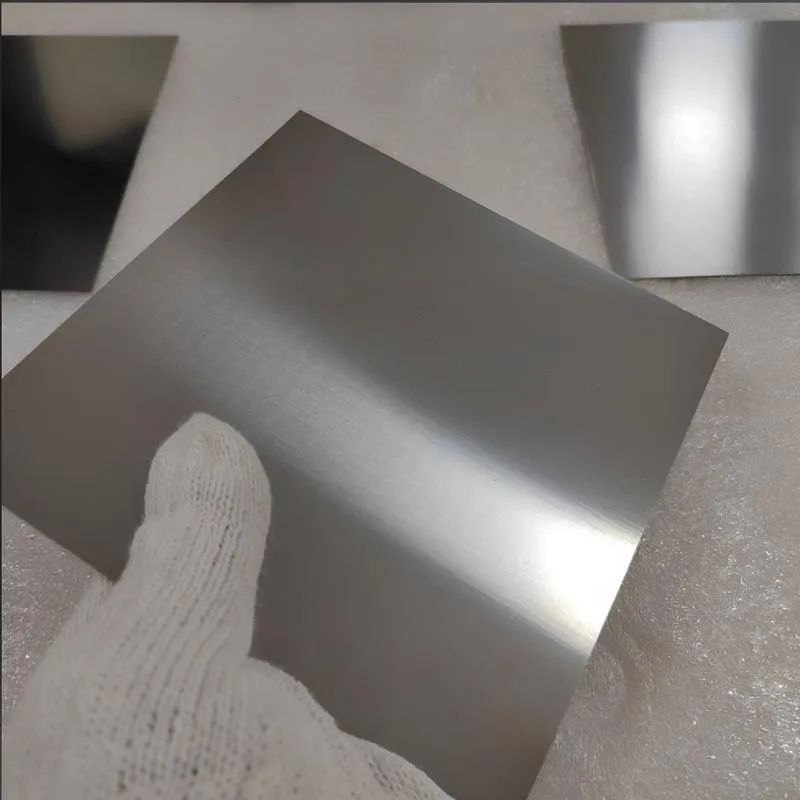
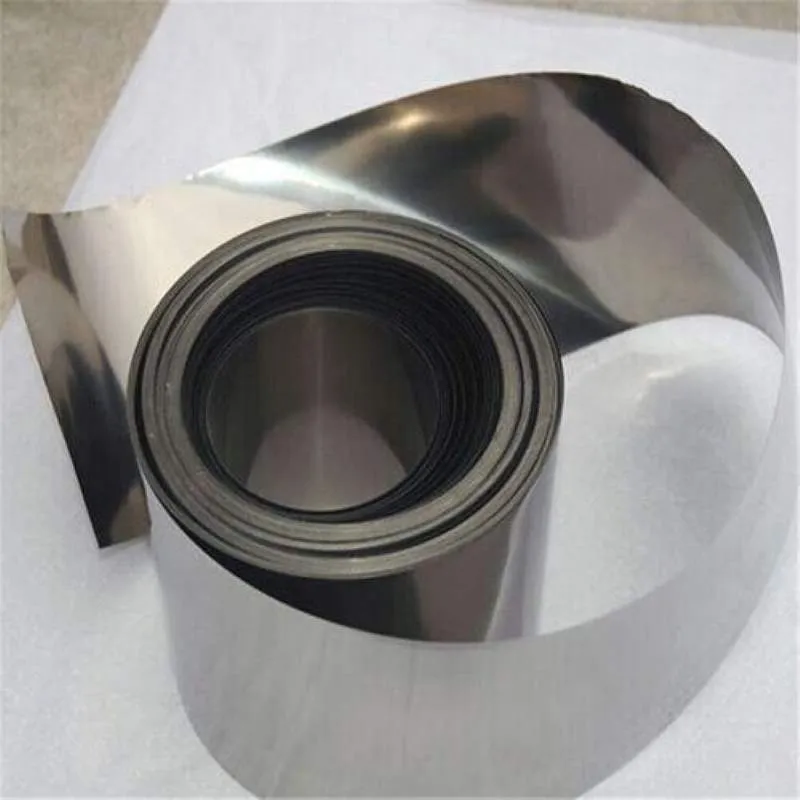
ASTM A662 Carbon Steel Sheet,Plate, Grade A
Product Code : STI-ASTM-361-CU
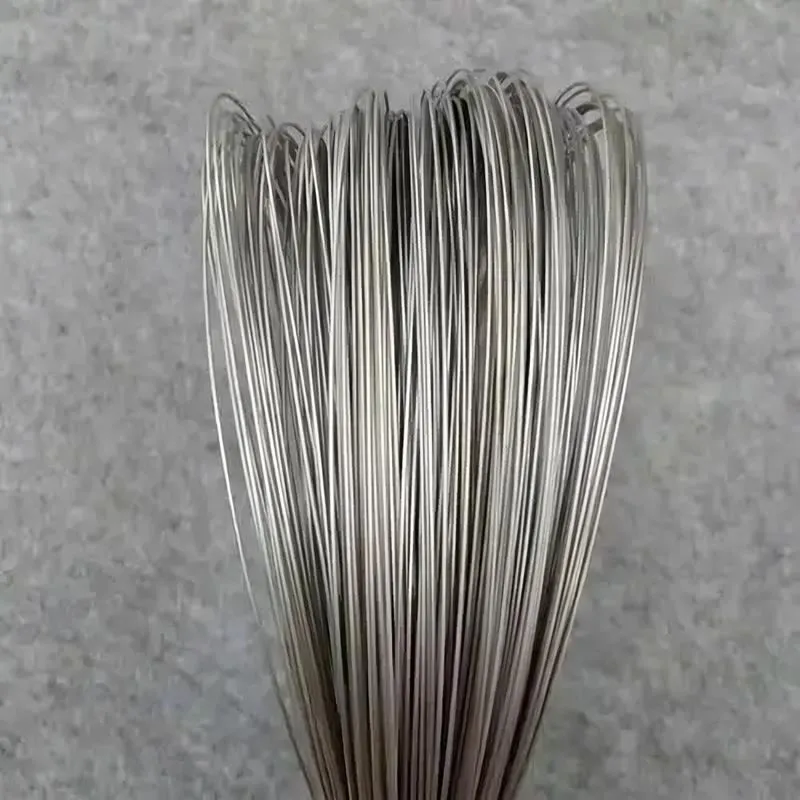
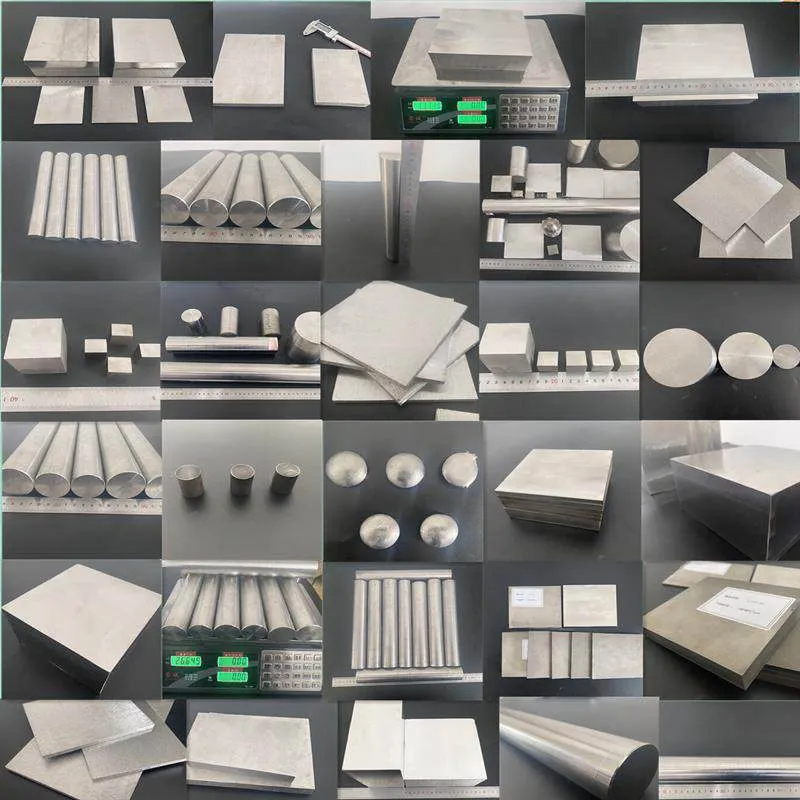
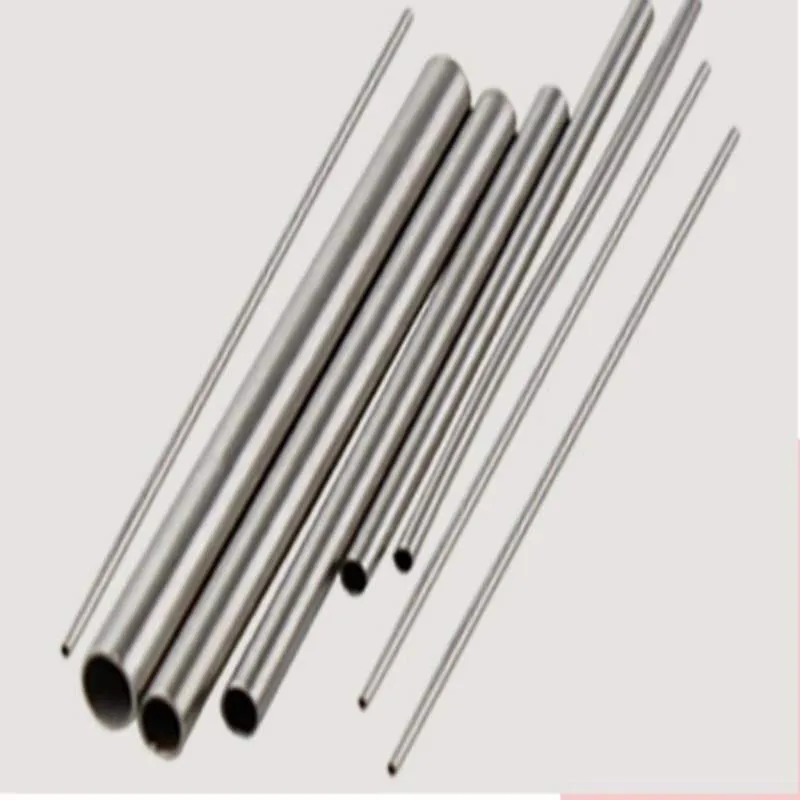
We provide ASTM A662 Carbon Steel Sheet/Plate, Grade A is available in Bar (Round bar, Flat bar), Ribbon, Wire, Rods, Tube,Seamless Tube,Pipe, Ingots, Plate, Sheet/Plate, Strip and Forging Stock.,Purity, chemical composition, size, etc. can all be customized to meet specific requirements.
Please contact us if you need customized services. We will contact you with the price and availability in 24 hours.
ASTM A662 Carbon Steel Sheet/Plate, Grade A Product Information
-:-
For detailed product information, please contact sales.
-:
ASTM A662 Carbon Steel Sheet/Plate, Grade A Synonyms
-:-
For detailed product information, please contact sales.
-:
ASTM A662 Carbon Steel, Grade A Product Information
-:-
For detailed product information, please contact sales.
-:
# **Product Introduction: ASTM A662/A662M Carbon-Manganese-Silicon Steel Plate, Grade A**
## **1. Overview & International Standard**
**ASTM A662/A662M Grade A** is a carbon-manganese-silicon steel plate designed specifically for **moderate and lower temperature service** in welded pressure vessels and other critical structures. Unlike high-strength low-alloy (HSLA) steels, it relies on a balanced carbon-manganese composition to achieve its properties and is supplied in the **normalized** heat treatment condition to ensure consistent microstructure and enhanced toughness, particularly at sub-zero temperatures.
**Primary Standard:** **ASTM A662/A662M** - *Standard Specification for Pressure Vessel Plates, Carbon-Manganese-Silicon Steel, for Moderate and Lower Temperature Service.* Grade A is one of several grades (A, B, C) defined by different mechanical property levels.
**Key International Equivalents & References:**
* **EN 10028-4: P275NL2 / P275NL1** (European standard for normalized fine grain pressure vessel steels for low-temperature service).
* **ISO 9328-2:** Steel flat products for pressure purposes.
* It is frequently adopted and approved for construction under the **ASME Boiler and Pressure Vessel Code, Section II** as **SA-662 Grade A**.
* **JIS G 3115: SMA 410 C** (Japanese standard for carbon steel plates for pressure vessels for intermediate and moderate temperature service).
**Core Manufacturing & Heat Treatment:**
Grade A plates are **normalized**. This involves heating the steel above its critical temperature (typically around 1650°F / 900°C) and air cooling. This process refines the grain structure, homogenizes the microstructure, and significantly improves toughness, especially impact resistance at lower service temperatures.
---
## **2. Chemical Composition (Weight %, Ladle Analysis)**
The composition is designed to provide good weldability and respond effectively to normalizing heat treatment. It is a relatively simple, lean alloy.
| Element | Composition (%) - Grade A |
| :--- | :--- |
| Carbon (C) | 0.17 - 0.22 |
| Manganese (Mn) | 0.70 - 1.00 |
| Phosphorus (P) | 0.025 max |
| Sulfur (S) | 0.025 max |
| Silicon (Si) | 0.15 - 0.40 |
| **Carbon Equivalent (CE IIW)** | **~0.35 - 0.42** (Calculated as C + Mn/6) |
*Note:* The balanced **carbon and manganese** provide solid strength and hardenability. The **silicon** acts primarily as a deoxidizer ("killed steel"), ensuring a sound internal structure. The carbon equivalent is moderate, indicating fair weldability, but preheating is still often required for thicker sections.
---
## **3. Mechanical & Physical Properties**
### **A. Mandatory Mechanical Properties (Normalized Condition):**
| Property | Value - Grade A |
| :--- | :--- |
| **Minimum Yield Strength (0.2% offset)** | 50 ksi (345 MPa) |
| **Tensile Strength** | 70 - 85 ksi (485 - 585 MPa) |
| **Minimum Elongation in 2-in (50 mm)** | 22% |
| **Charpy V-Notch Impact Toughness (Key Requirement)** | **Mandatory.** Specimen must meet minimum energy absorption at a specified low temperature. For **Grade A**, the standard test temperature is **-50°F (-46°C)**.
• **Minimum Average for 3 specimens:** 15 ft-lbf (20 J)
• **Minimum Single specimen:** 12 ft-lbf (16 J) |
### **B. Key Features & Advantages:**
* **Guaranteed Low-Temperature Toughness:** The normalized condition and specified chemistry ensure reliable impact resistance down to -50°F, making it suitable for refrigerated and低温service.
* **Good Weldability:** Its moderate carbon content and carbon equivalent allow for good weldability using common arc welding processes with standard precautions.
* **Cost-Effective for Service Range:** Provides a reliable, economical material solution for a wide range of moderate and低温pressure vessel applications where high-alloy steels are not necessary.
* **Established Performance:** Long history of safe and reliable use in coded pressure equipment.
### **C. Typical Physical Properties:**
* **Density:** 0.284 lb/in³ (7,850 kg/m³)
* **Modulus of Elasticity:** 29 x 10⁶ psi (200 GPa)
* **Coefficient of Thermal Expansion:** 6.5 x 10⁻⁶/°F (11.7 x 10⁻⁶/°C)
* **Thermal Conductivity:** ~45 W/m·K (approx., at room temperature)
* **Specific Heat:** ~450 J/kg·K
---
## **4. Product Forms & Availability**
* **Form:** Rolled steel plates.
* **Thickness Range:** Commonly available from about 0.25 inches (6 mm) up to 4 inches (100 mm) or more, as the normalizing process is effective across thick sections.
* **Condition:** Supplied in the **normalized heat treatment condition**. This is a mandatory requirement to achieve the specified mechanical properties, particularly the impact toughness.
---
## **5. Primary Applications**
ASTM A662 Grade A is predominantly used in the construction of pressure vessels and storage tanks for services where metal temperatures fall within its certified range.
* **Pressure Vessels for Petrochemical & Gas Industries:**
* Separators, scrubbers, and receivers operating at moderate to低温.
* Vessels in ammonia, urea, and methanol plants.
* **Low-Temperature Storage & Transportation:**
* Tanks for storing liquefied gases such as **ammonia (NH₃)**, propane, and butane.
* Transportation tanks (railcar, truck) for pressurized gases that are not deeply cryogenic (i.e., not LNG or LIN).
* **Power Generation:**
* Feedwater heaters, deaerators, and other vessels in power plants.
* **General Process Industry:**
* Various coded pressure vessels for food processing, pharmaceuticals, and chemical processing where operating temperatures may occasionally fall below ambient.
---
## **6. Fabrication Considerations**
* **Welding:** Standard welding processes (SMAW, GMAW, SAW) are applicable. Use of low-hydrogen electrodes and practices is strongly recommended. **Preheating** is required for thicker sections (typically > ¾ inch or 19 mm) to prevent hydrogen-induced cracking and to control cooling rates. Post-Weld Heat Treatment (PWHT/stress relieving) is often specified for finished vessels.
* **Forming:** Exhibits good hot-forming characteristics. Cold forming is possible but may require subsequent stress relief if deformation is severe.
* **Cutting:** Can be cut by all conventional methods (oxy-fuel, plasma, waterjet). For oxy-fuel cutting, preheating may be necessary on thicker plates to prevent cracking.
* **Machining:** Has good machinability typical of normalized carbon-manganese steels.
---
## **Summary**
**ASTM A662 Grade A** is a **standardized, normalized carbon-manganese steel** that provides a reliable and **cost-effective solution for moderate and lower temperature pressure vessel applications**. Its primary value lies in its **guaranteed Charpy impact toughness at -50°F**, a property ensured by the mandatory normalizing heat treatment. While not as strong as HSLA steels nor as tough as nickel-alloy steels for cryogenic service, it fills a vital niche in industrial equipment design, offering a proven balance of **adequate strength, good fabricability, and certified low-temperature performance** for a wide range of process and storage applications. It is a fundamental material in the toolkit of pressure vessel engineers.
-:-
For detailed product information, please contact sales.
-:
ASTM A662 Carbon Steel, Grade A Specification
Dimensions
Size:
Diameter 20-1000 mm Length <4511 mm
Size:We can customized as required
Standard:
Per your request or drawing
We can customized as required
Properties(Theoretical)
Chemical Composition
-:-
For detailed product information, please contact sales.
-:
ASTM A662 Carbon Steel, Grade A Properties
-:-
For detailed product information, please contact sales.
-:
Applications of ASTM A662 Carbon Steel Sheet,Plate, Grade A
-:-
For detailed product information, please contact sales.
-:
Chemical Identifiers ASTM A662 Carbon Steel Sheet,Plate, Grade A
-:-
For detailed product information, please contact sales.
-:
Packing of ASTM A662 Carbon Steel Sheet/Plate, Grade A
-:-
For detailed product information, please contact sales.
-:
Standard Packing:
-:-
For detailed product information, please contact sales.
-:
Typical bulk packaging includes palletized plastic 5 gallon/25 kg. pails, fiber and Steel Sheet/Plate drums to 1 ton super sacks in full container (FCL) or truck load (T/L) quantities. Research and sample quantities and hygroscopic, oxidizing or other air sensitive materials may be packaged under argon or vacuum. Solutions are packaged in polypropylene, plastic or glass jars up to palletized 982 gallon liquid totes Special package is available on request. E FORUs’ is carefully handled to minimize damage during storage and transportation and to preserve the quality of our products in their original condition