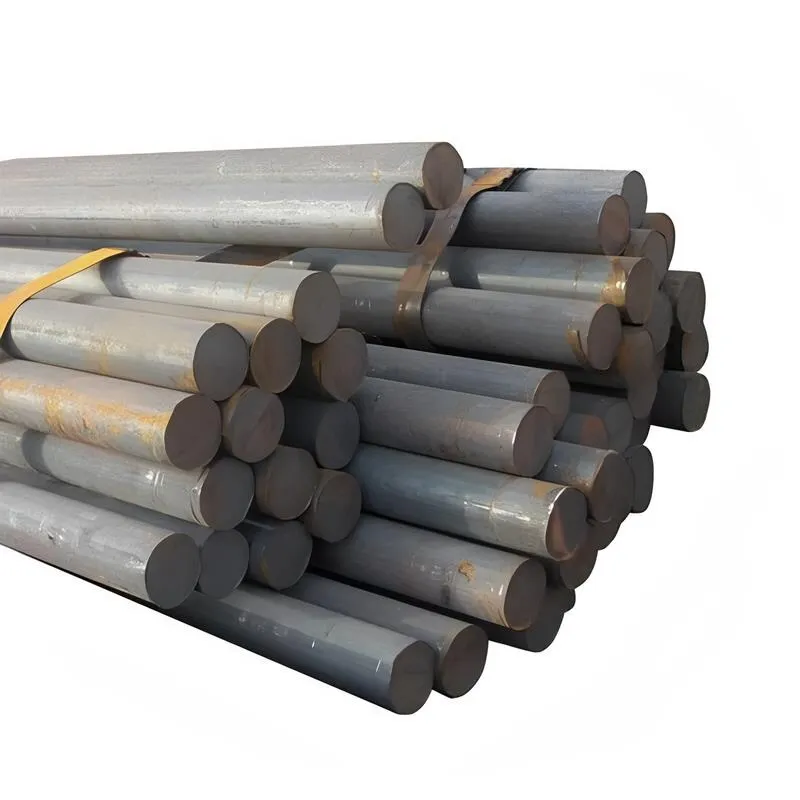
ASTM A699 Steel Rod/Bar, class 4
Product Code : STI-ASTM-164-CU
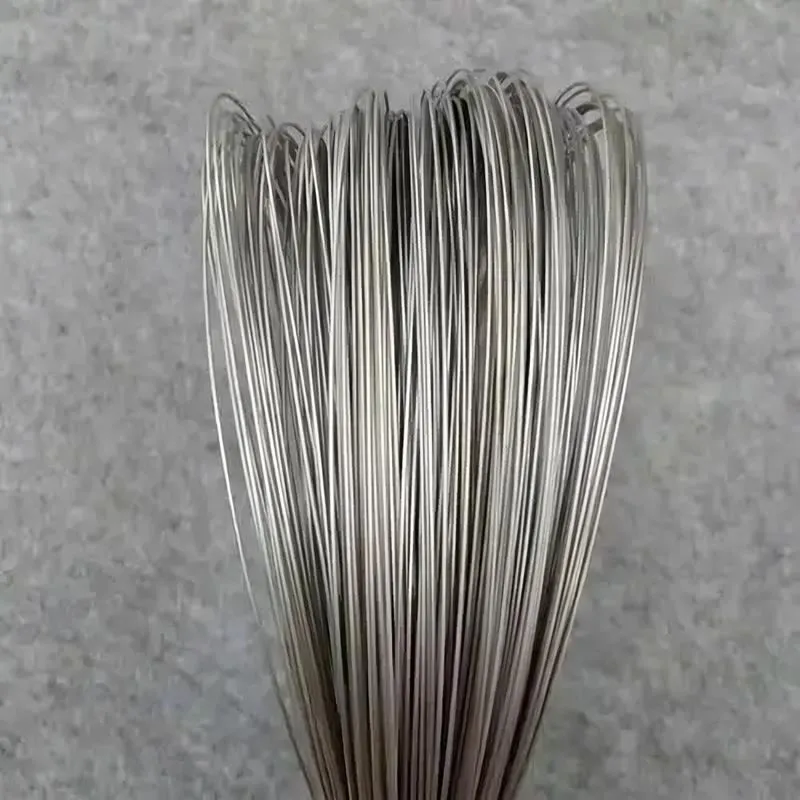
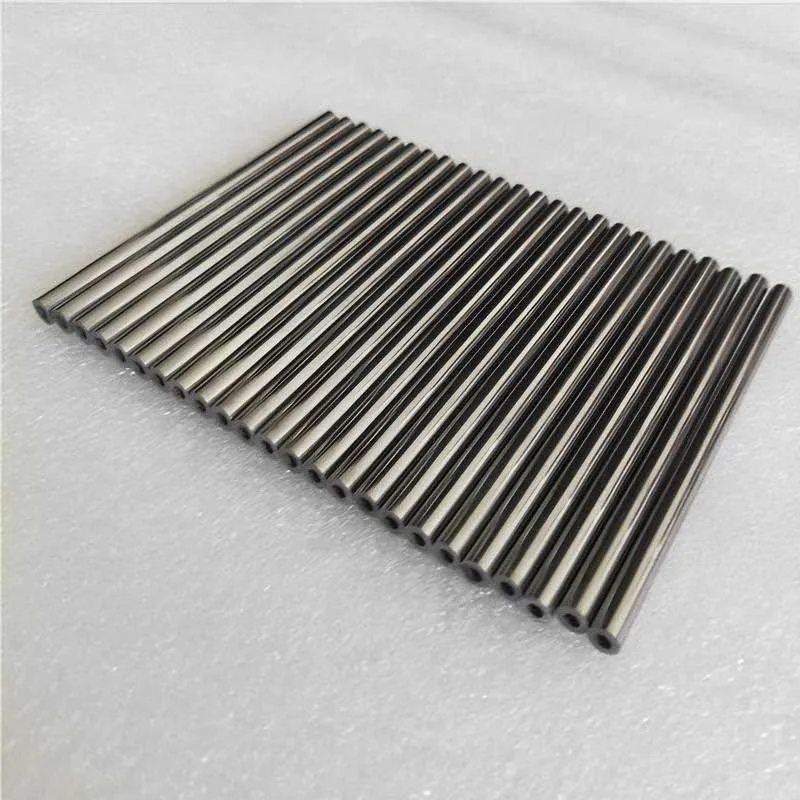
We provide ASTM A699 Steel Rod/Bar, class 4 is available in Bar (Round bar, Flat bar), Ribbon, Wire, Rod/Bars, Tube,Seamless Tube,Pipe, Ingots, Plate, Sheet, Strip and Forging Stock.,Purity, chemical composition, size, etc. can all be customized to meet specific requirements.
Please contact us if you need customized services. We will contact you with the price and availability in 24 hours.
ASTM A699 Steel Rod, class 4 Product Information
-:-
For detailed product information, please contact sales.
-:
ASTM A699 Steel Rod, class 4 Synonyms
-:-
For detailed product information, please contact sales.
-:
ASTM A699 Steel, class 4 Product Information
-:-
For detailed product information, please contact sales.
-:
### **Product Introduction: ASTM A699 Steel, Class 4**
**ASTM A699 Class 4** is a specialized carbon-manganese steel plate representing the highest quality tier within the A699 specification, designed for extreme low-temperature pressure vessel applications requiring unparalleled toughness and fracture resistance. This classification provides exceptional performance for cryogenic service conditions where conventional materials would be susceptible to brittle fracture.
---
#### **1. International Standards & Classification**
**Primary Standard:** **ASTM A699/A699M** - "Standard Specification for Steel Plates, Carbon, for Pressure Vessels, Improved Transition Properties"
**Classification:**
- **Class 4** - Exceptional impact properties for severe cryogenic service
- **Class 3** - Ultra-high impact properties
- **Class 2** - Enhanced impact properties
- **Class 1** - Standard impact properties
**International Equivalents:**
- **EN 10028-4**: 12Ni14
- **JIS G3127**: SLA 235A
- **GB/T 3531**: 09MnNiDR
- **ISO 9328-2**: P275NL3
---
#### **2. Chemical Composition**
The chemical composition requirements for ASTM A699 Class 4:
| Element | Composition (Maximum %) |
|---|---|
| Carbon (C) | 0.15 |
| Manganese (Mn) | 0.80-1.20 |
| Phosphorus (P) | 0.020 |
| Sulfur (S) | 0.015 |
| Silicon (Si) | 0.12-0.35 |
| Nickel (Ni) | 0.40-0.70 |
| Copper (Cu) | 0.30 (when specified) |
**Key Composition Features:**
- **Ultra-Low Carbon**: Maximum 0.15% for superior weldability and toughness
- **Nickel Addition**: Enhances low-temperature toughness significantly
- **Extra-Low Sulfur**: Maximum 0.015% for improved through-thickness properties
- **Enhanced Manganese**: Extended range for better hardenability control
---
#### **3. Physical & Mechanical Properties**
**Mechanical Properties (for thicknesses up to 2 inches/50 mm):**
| Property | Value |
|---|---|
| **Tensile Strength** | 460-560 MPa (67-81 ksi) |
| **Yield Strength (min.)** | 290 MPa (42 ksi) |
| **Elongation in 2" (min.)** | 28% |
| **Elongation in 8" (min.)** | 31% |
| **Reduction of Area (min.)** | 50% |
**Exceptional Impact Toughness Properties:**
- **Charpy V-Notch Test Temperature**: -150°F (-101°C)
- **Minimum Impact Energy**: 35 ft-lbf (47 J) average
- **Individual Minimum**: 30 ft-lbf (41 J)
- **Drop-Weight Test**: Nil-ductility transition temperature below -120°F (-84°C)
**Physical Properties:**
- **Density**: 7.86 g/cm³ (0.284 lb/in³)
- **Modulus of Elasticity**: 201 GPa (29,150 ksi)
- **Poisson's Ratio**: 0.29
- **Thermal Conductivity**: 48.5 W/m·K at 68°F (20°C)
- **Coefficient of Thermal Expansion**: 10.8 × 10⁻⁶/°C (-100°F to 68°F)
---
#### **4. Product Applications**
**Extreme Cryogenic Pressure Vessels:**
- Liquid hydrogen storage tanks (-423°F/-253°C)
- Liquid helium containment systems
- Space launch vehicle fuel tanks
- Advanced cryogenic research vessels
**Aerospace and Defense:**
- Rocket propulsion systems
- Satellite cryogenic cooling systems
- Military aerospace components
- Space exploration equipment
**Advanced Energy Systems:**
- Hydrogen fuel cell storage systems
- Nuclear fusion research equipment
- Advanced LNG liquefaction plants
- Cryogenic energy storage vessels
**Research and Scientific:**
- Particle physics detector systems
- Superconducting magnet containers
- Advanced laboratory cryostats
- Quantum computing equipment
**Specialized Industrial:**
- Semiconductor manufacturing chambers
- Pharmaceutical ultra-low temperature reactors
- Specialty chemical processing vessels
- Advanced materials production equipment
---
#### **5. Fabrication Characteristics**
**Welding Performance:**
- **Excellent Weldability**: With nickel-matched filler metals
- **Preheat Requirements**: 200-250°F (93-121°C) mandatory
- **Recommended Processes**: GTAW, GMAW with precise heat input control
- **Filler Metals**: ENiCrMo-3, ERNiCr-3 or equivalent nickel-alloyed wires
**Forming & Machining:**
- **Superior Cold Formability**: Even at extreme thicknesses
- **Bend Radius**: Minimum 0.5t for 90° bends
- **Machinability**: Good (approximately 70% of B1112 steel)
- **Surface Quality**: Premium finish for critical applications
**Heat Treatment:**
- Double normalized and tempered condition
- Strict intercritical temperature control
- Comprehensive PWHT protocols required
**Quality Assurance:**
- **Extended Charpy Testing**: -150°F (-101°C) with multiple locations
- **Fracture Mechanics Testing**: CTOD testing available
- **Advanced Ultrasonic Testing**: Automated UT with data recording
- **Metallurgical Analysis**: Full microstructural characterization
- **Certification Level**: Nuclear-grade documentation standards
---
### **Technical Summary**
ASTM A699 Class 4 represents the ultimate evolution in carbon-manganese steel plate technology for extreme cryogenic pressure vessel applications. With nickel-enhanced chemistry and the most rigorous manufacturing controls in the A699 series, this classification delivers unprecedented performance for liquid hydrogen storage, aerospace systems, and advanced research applications operating at temperatures as low as -423°F (-253°C).
The combination of ultra-low carbon, controlled nickel addition, and exceptionally tight impurity limits ensures exceptional fracture toughness and resistance to brittle fracture in the most severe service conditions. Class 4's enhanced strength properties, coupled with its certified ultra-low temperature impact values, establish it as the material of choice for next-generation cryogenic applications where conventional materials would fail.
The material's superior fabrication characteristics, combined with nuclear-grade quality assurance protocols, make ASTM A699 Class 4 the benchmark for critical cryogenic pressure vessels where absolute reliability, safety, and performance are mandatory requirements for success in extreme operating environments.
-:-
For detailed product information, please contact sales.
-:
ASTM A699 Steel, class 4 Specification
Dimensions
Size:
Diameter 20-1000 mm Length <4314 mm
Size:We can customized as required
Standard:
Per your request or drawing
We can customized as required
Properties(Theoretical)
Chemical Composition
-:-
For detailed product information, please contact sales.
-:
ASTM A699 Steel, class 4 Properties
-:-
For detailed product information, please contact sales.
-:
Applications of ASTM A699 Steel Rod, class 4
-:-
For detailed product information, please contact sales.
-:
Chemical Identifiers ASTM A699 Steel Rod, class 4
-:-
For detailed product information, please contact sales.
-:
Packing of ASTM A699 Steel Rod, class 4
-:-
For detailed product information, please contact sales.
-:
Standard Packing:
-:-
For detailed product information, please contact sales.
-:
Typical bulk packaging includes palletized plastic 5 gallon/25 kg. pails, fiber and Steel Rod drums to 1 ton super sacks in full container (FCL) or truck load (T/L) quantities. Research and sample quantities and hygroscopic, oxidizing or other air sensitive materials may be packaged under argon or vacuum. Solutions are packaged in polypropylene, plastic or glass jars up to palletized 785 gallon liquid totes Special package is available on request. E FORUs’ is carefully handled to minimize damage during storage and transportation and to preserve the quality of our products in their original condition