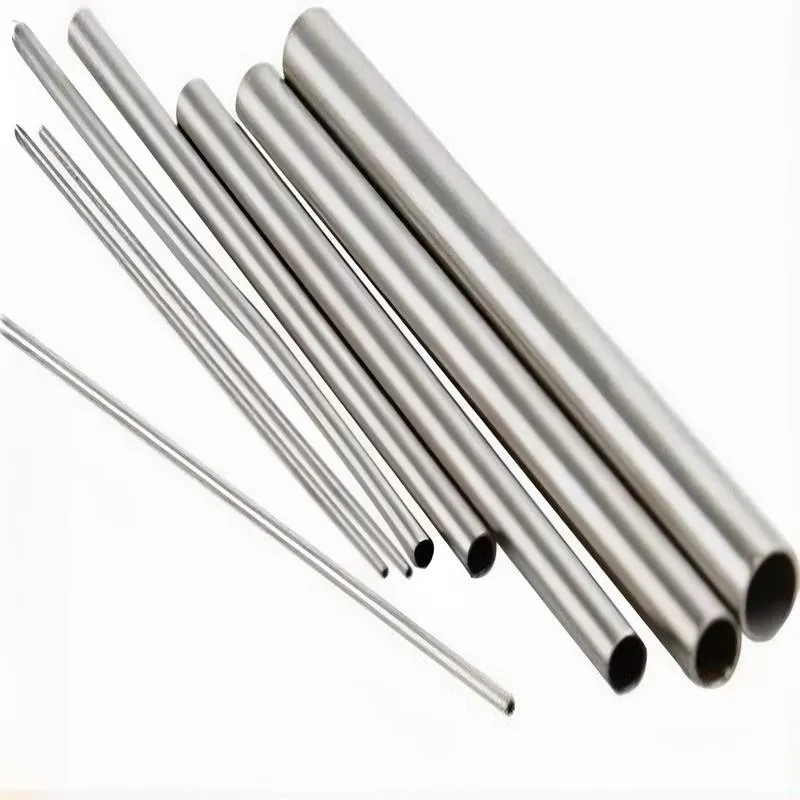
ASTM A735 Low Alloy Steel, Class 4
Product Code : STI-ASTM-376-CU
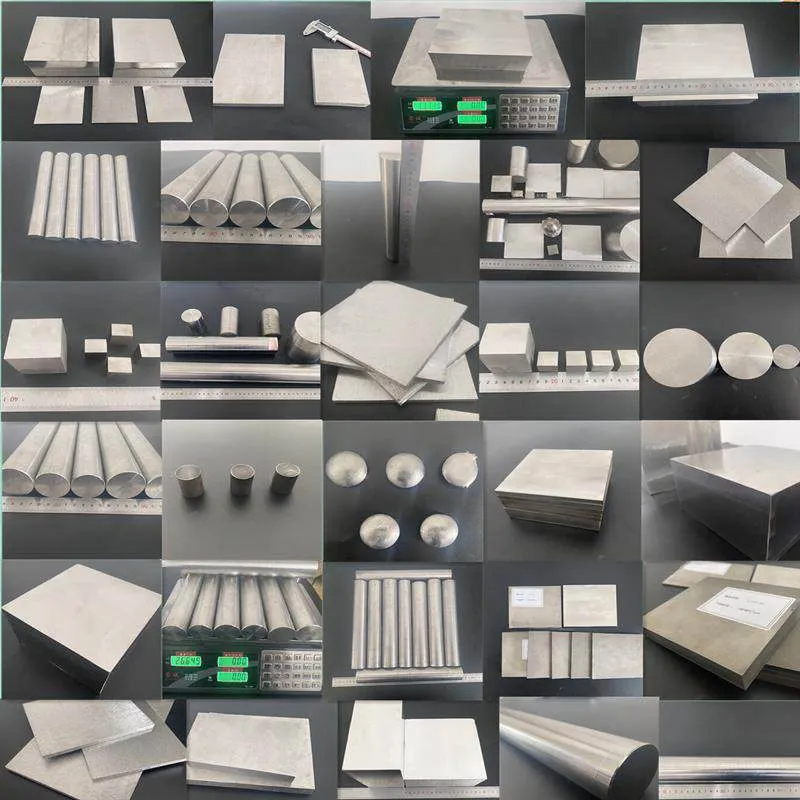
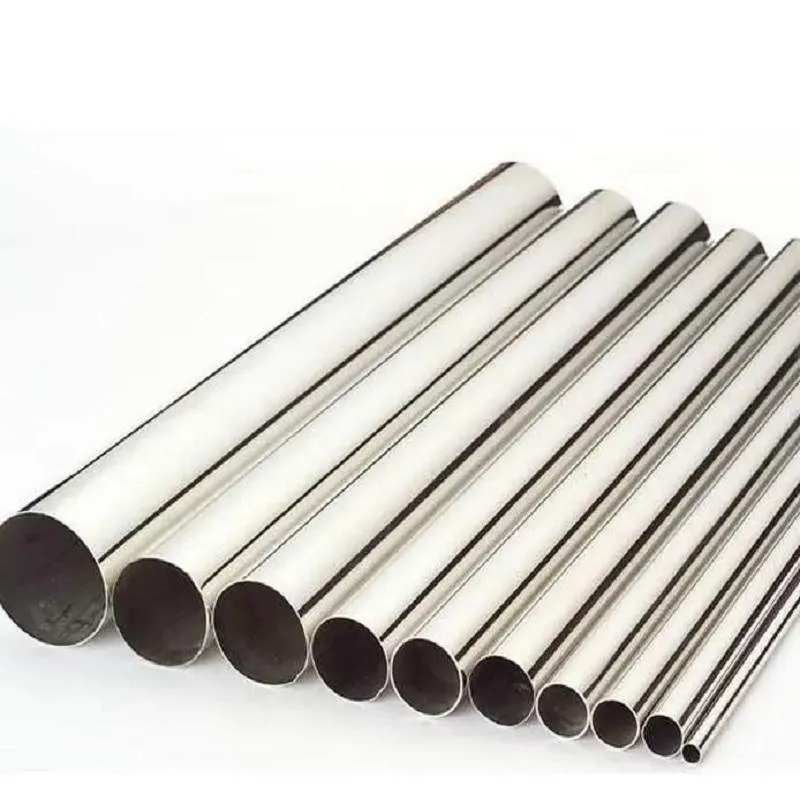
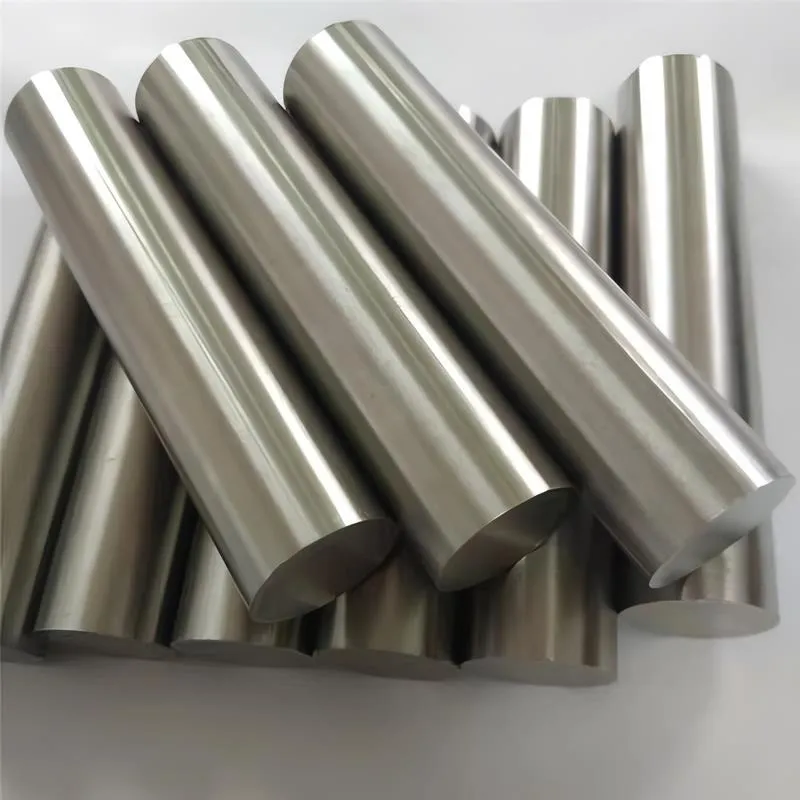
We provide ASTM A735 Low Alloy Steel, Class 4 is available in Bar (Round bar, Flat bar), Ribbon, Wire, Rods, Tube,Seamless Tube,Pipe, Ingots, Plate, Sheet, Strip and Forging Stock.,Purity, chemical composition, size, etc. can all be customized to meet specific requirements.
Please contact us if you need customized services. We will contact you with the price and availability in 24 hours.
ASTM A735 Low Alloy Steel, Class 4 Product Information
-:-
For detailed product information, please contact sales.
-:
ASTM A735 Low Alloy Steel, Class 4 Synonyms
-:-
For detailed product information, please contact sales.
-:
ASTM A735 Low Alloy Steel, Class 4 Product Information
-:-
For detailed product information, please contact sales.
-:
# **Product Introduction: ASTM A735/A735M Class 4 Low-Alloy Steel for High-Strength Cryogenic Applications**
**ASTM A735/A735M Class 4** is a premium **low-carbon, nickel-molybdenum alloy steel** engineered for the most demanding **cryogenic pressure vessel applications**. This grade offers a superior combination of **high strength, exceptional toughness at extremely low temperatures, and excellent weldability**, making it a top-tier choice for critical containment systems. Supplied in the **normalized and tempered (N&T) or quenched and tempered (Q&T) condition**, Class 4 is specifically designed to withstand the severe thermal and mechanical stresses encountered in advanced cryogenic infrastructure, such as large-scale **liquefied natural gas (LNG) storage** and transportation.
---
## **International Standard & Key Specifications**
* **Primary Standard:** **ASTM A735/A735M** - Standard Specification for Pressure Vessel Plates, Low-Carbon Manganese-Molybdenum-Columbium Alloy Steel, for Moderate and Lower Temperature Service, Normalized and Tempered.
* **Clarification:** The specification includes multiple classes based on alloy content and properties. **Class 4 is a high-nickel, high-strength variant** designed for service at temperatures down to **-200°F (-130°C) or lower**, often competing with 9% nickel steel in performance.
* **ASME Code Equivalent:** **SA-735/SA-735M** in ASME Boiler and Pressure Vessel Code, Section II, Part A. Mandatory for ASME-stamped cryogenic pressure equipment.
* **Governing Standard:** **ASTM A20/A20M** - Standard Specification for General Requirements for Steel Plates for Pressure Vessels.
* **Related Specifications:** Often evaluated against **ASTM A553 Type I (8% Ni)** for similar cryogenic applications.
---
## **Chemical Composition (Weight %, max unless range is specified)**
The composition is precisely controlled to achieve high hardenability for strength and a robust nickel-molybdenum matrix for low-temperature toughness.
| Element | Composition (%) | Role in Performance |
| :--- | :--- | :--- |
| **Carbon (C)** | 0.15 max | Very low to ensure outstanding weldability and maximize toughness. |
| **Manganese (Mn)** | 0.80 - 1.40 | Provides solid solution strengthening and aids hardenability. |
| **Phosphorus (P)** | 0.025 max | Kept at minimal levels for superior notch toughness. |
| **Sulfur (S)** | 0.025 max | Tightly controlled to prevent hot cracking and ensure weld integrity. |
| **Silicon (Si)** | 0.15 - 0.50 | Deoxidizer and solid solution strengthener. |
| **Nickel (Ni)** | **4.50 - 5.50** | **Primary alloying element.** Imparts exceptional cryogenic toughness by stabilizing the austenite phase and lowering the ductile-to-brittle transition temperature. |
| **Molybdenum (Mo)** | **0.20 - 0.35** | **Critical addition.** Enhances hardenability for high strength, improves toughness at cryogenic temperatures, and provides resistance to temper embrittlement. |
| **Columbium (Cb/Nb)** | 0.05 max (optional) | Grain refiner for improved toughness. |
| **Vanadium (V)** | 0.05 max (optional) | Grain refiner and precipitation strengthener. |
| **Aluminum (Al)** | 0.06 max | Grain refining deoxidizer. |
**Key Note:** The **Ni-Mo synergy** is the cornerstone of Class 4 performance, enabling high yield strength while maintaining ductility and fracture resistance in extreme cold.
---
## **Typical Physical & Mechanical Properties**
Properties are typically achieved through a quenched and tempered process for optimal performance, though normalized and tempered may be specified. Mechanical properties are superior to lower classes.
| Property | Value / Description |
| :--- | :--- |
| **Tensile Strength** | 690 - 860 MPa (100,000 - 125,000 psi) |
| **Yield Strength (min)** | **585 MPa (85,000 psi)** |
| **Elongation in 2-in (50 mm) (min)** | 20% |
| **Modulus of Elasticity** | ~200 GPa (29 x 10⁶ psi) |
| **Density** | ~7.85 g/cm³ (0.284 lb/in³) |
| **Charpy V-Notch Impact Toughness** | **Test Temperature:** **-200°F (-130°C)**. **Minimum Avg. for 3 Specimens:** **25 ft·lbf (34 J)**. This stringent requirement qualifies it for full cryogenic (LNG) service. |
| **Brinell Hardness (typical)** | 220 - 270 HBW |
| **Maximum Allowable Stress (ASME Sec. VIII Div. 1)** | Among the highest for ferritic alloy steels, allowing for highly efficient, thin-walled vessel designs. |
---
## **Product Applications**
ASTM A735 Class 4 is specified for the most critical cryogenic applications where failure is not an option, particularly in the burgeoning LNG and industrial gas sectors.
**Primary Industries and Equipment:**
1. **LNG Infrastructure:**
* **Primary and Secondary Containment Membranes** in onshore and offshore LNG storage tanks.
* **Cargo Containment Systems** for LNG carriers (membrane and spherical tank designs).
* **Process Vessels** within LNG liquefaction and regasification terminals.
2. **Ultra-Low Temperature Processing:**
* **Storage Tanks** for liquefied ethylene, ethane, and other light hydrocarbons.
* **Cold Boxes** and critical exchangers in air separation units (ASU) and petrochemical cracker plants.
3. **Industrial Gases & Energy:**
* **Large-Scale Storage Tanks** for liquid oxygen, nitrogen, and argon.
* **Vessels for Hydrogen Energy Storage and Transportation** (for liquid or cold compressed gas).
* **Components** in superconducting magnet systems and advanced research facilities.
---
## **Advantages and Critical Fabrication Considerations**
* **Advantages:**
* **Unmatched Cryogenic Performance:** Combines 85+ ksi yield strength with guaranteed toughness at -200°F, meeting the requirements for LNG and other severe cryogenic services.
* **High Design Efficiency:** High strength-to-weight ratio enables lighter, more cost-effective vessel designs with reduced material usage.
* **Good Weldability (Relative to Strength):** Despite its high strength, the very low carbon content makes it more weldable than many lower-strength, higher-carbon alloys.
* **Proven Reliability:** A well-established, code-approved material with a long history in critical cryogenic service.
* **Critical Fabrication & Welding Considerations:**
* **Stringent Welding Protocols:** **Mandatory use of ultra-low hydrogen processes and nickel-alloyed filler metals** (e.g., AWS A5.11 ENiCrMo-6, A5.14 ERNiCrMo-3/4). WPS qualification must include impact testing of weld and HAZ at the design temperature.
* **Strict Preheat & Interpass Control:** Preheat of **250°F - 400°F (120°C - 205°C)** is typically mandatory to prevent hydrogen cracking and control cooling rates.
* **Mandatory Post-Weld Heat Treatment (PWHT):** Required for all pressure vessel welds. Temperature must be carefully controlled (typically below 1150°F / 620°C) to avoid detrimental microstructural changes.
* **Thermal Cutting & Forming:** Hot forming requires subsequent re-normalizing and tempering. Cold forming should be limited. Preheating is required for thermal cutting.
* **Comprehensive NDT:** 100% radiographic (RT) and ultrasonic testing (UT) of all welds is standard. Advanced phased array UT (PAUT) is increasingly specified.
**In summary, ASTM A735 Class 4 is a high-performance, nickel-molybdenum alloy steel representing the pinnacle of ferritic materials for cryogenic pressure vessels. Its combination of ultra-high strength and exceptional toughness at temperatures as low as -200°F makes it a cornerstone material for the safe and efficient containment of liquefied gases in the global energy and industrial gas supply chains, demanding and justifying the highest levels of fabrication expertise and quality control.**
-:-
For detailed product information, please contact sales.
-:
ASTM A735 Low Alloy Steel, Class 4 Specification
Dimensions
Size:
Diameter 20-1000 mm Length <4526 mm
Size:We can customized as required
Standard:
Per your request or drawing
We can customized as required
Properties(Theoretical)
Chemical Composition
-:-
For detailed product information, please contact sales.
-:
ASTM A735 Low Alloy Steel, Class 4 Properties
-:-
For detailed product information, please contact sales.
-:
Applications of ASTM A735 Low Alloy Steel, Class 4
-:-
For detailed product information, please contact sales.
-:
Chemical Identifiers ASTM A735 Low Alloy Steel, Class 4
-:-
For detailed product information, please contact sales.
-:
Packing of ASTM A735 Low Alloy Steel, Class 4
-:-
For detailed product information, please contact sales.
-:
Standard Packing:
-:-
For detailed product information, please contact sales.
-:
Typical bulk packaging includes palletized plastic 5 gallon/25 kg. pails, fiber and steel drums to 1 ton super sacks in full container (FCL) or truck load (T/L) quantities. Research and sample quantities and hygroscopic, oxidizing or other air sensitive materials may be packaged under argon or vacuum. Solutions are packaged in polypropylene, plastic or glass jars up to palletized 997 gallon liquid totes Special package is available on request. E FORUs’ is carefully handled to minimize damage during storage and transportation and to preserve the quality of our products in their original condition