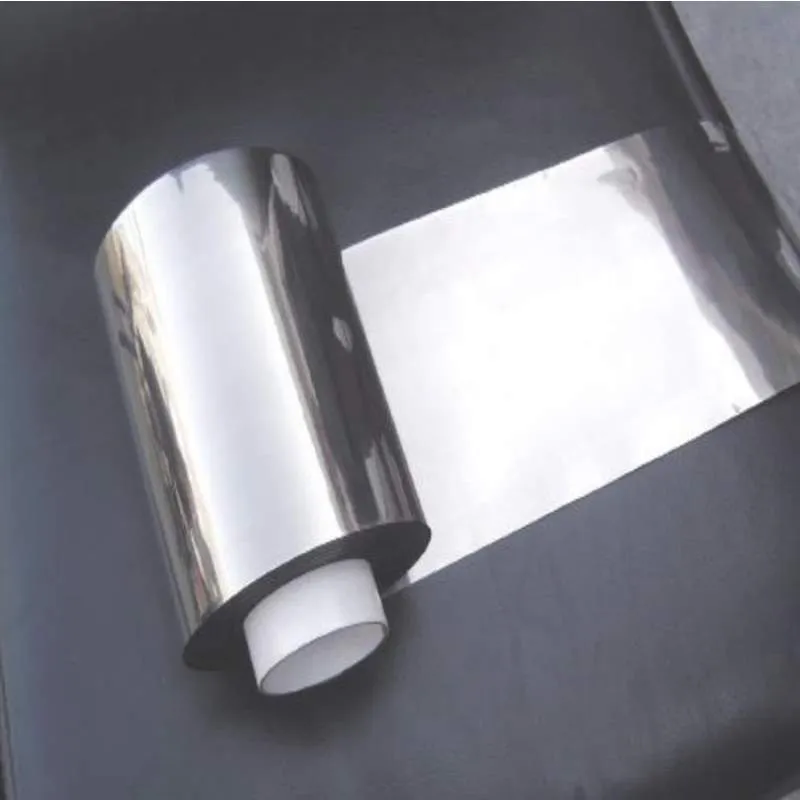
ASTM A738 Carbon Steel Capillary, Grade A
Product Code : STI-ASTM-384-CU
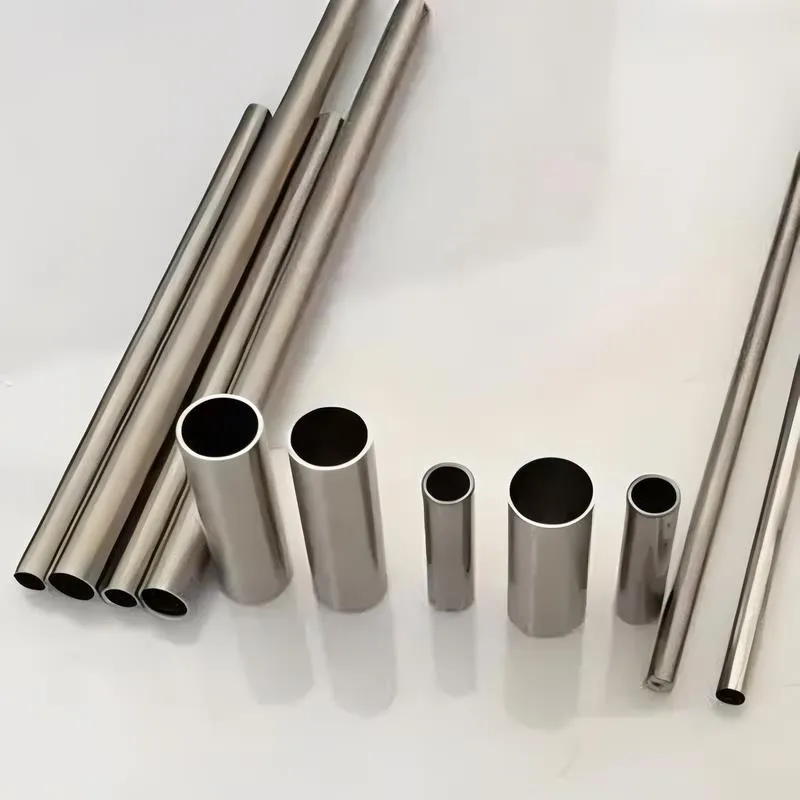
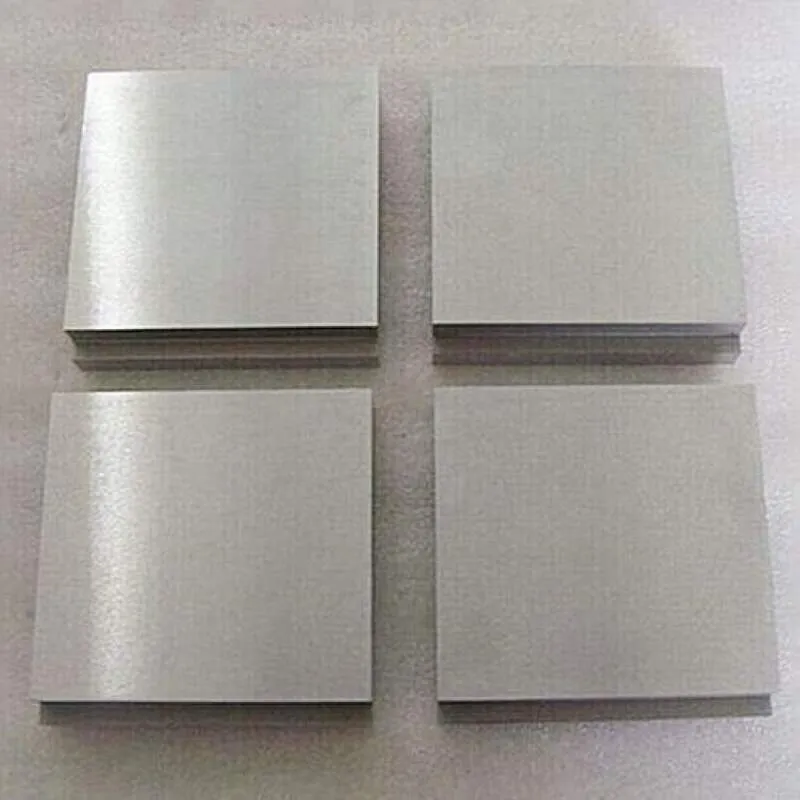
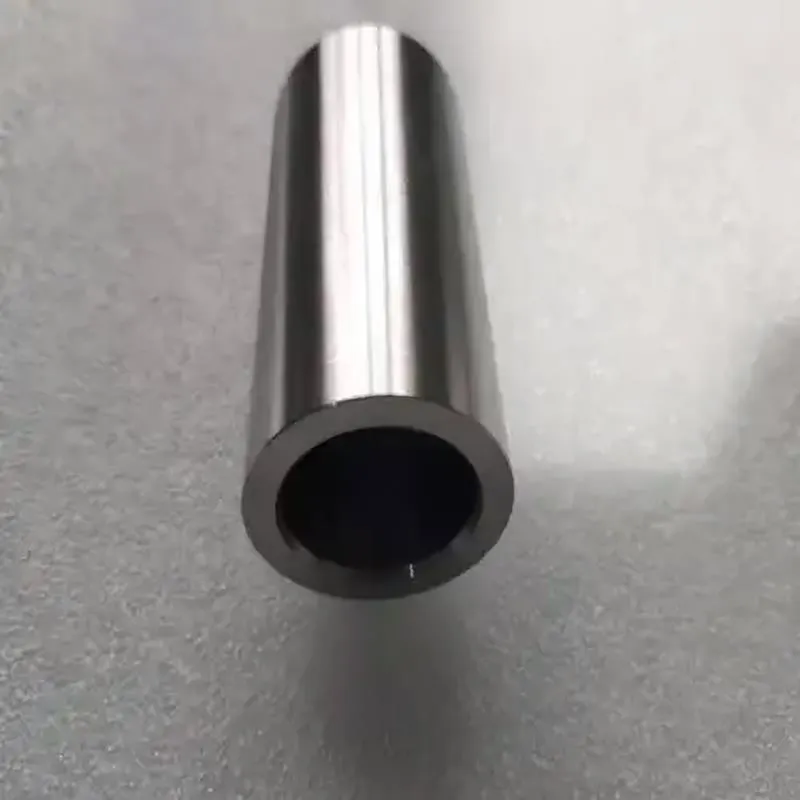
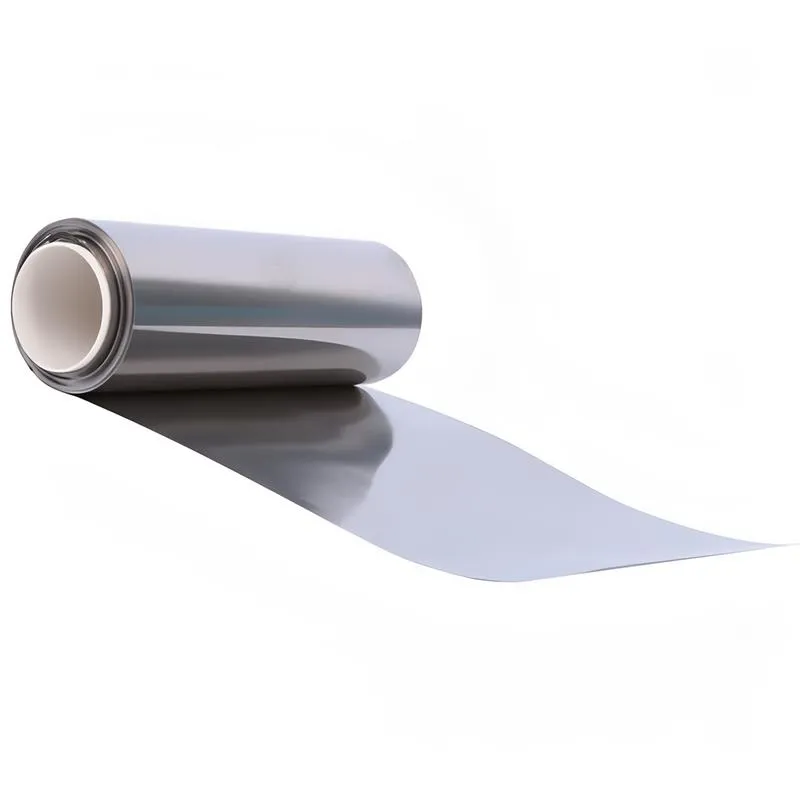
We provide ASTM A738 Carbon Steel Capillary, Grade A is available in Bar (Round bar, Flat bar), Ribbon, Wire, Rods, Tube,Seamless Tube,Pipe, Ingots, Plate, Sheet, Strip and Forging Stock.,Purity, chemical composition, size, etc. can all be customized to meet specific requirements.
Please contact us if you need customized services. We will contact you with the price and availability in 24 hours.
ASTM A738 Carbon Steel Capillary, Grade A Product Information
-:-
For detailed product information, please contact sales.
-:
ASTM A738 Carbon Steel Capillary, Grade A Synonyms
-:-
For detailed product information, please contact sales.
-:
ASTM A738 Carbon Steel, Grade A Product Information
-:-
For detailed product information, please contact sales.
-:
# **Product Introduction: ASTM A738 Grade A Carbon-Manganese-Silicon Steel for Pressure Vessels**
**ASTM A738 Grade A** is a **heat-treated carbon-manganese-silicon steel plate** specifically designed for **welded pressure vessels requiring a precise balance of strength and notch toughness at low temperatures**. This grade offers a **minimum yield strength of 50 ksi (345 MPa)** and is distinguished by its **mandatory heat treatment requirements and stringent impact toughness testing**. Unlike conventional carbon steels, A738 Grade A is supplied exclusively in the **normalized, normalized and tempered, or quenched and tempered condition**, ensuring refined grain structure and uniform mechanical properties essential for reliable performance in demanding service environments.
---
## **International Standard & Key Specifications**
* **Primary Standard:** **ASTM A738/A738M** - Standard Specification for Pressure Vessel Plates, Heat-Treated, Carbon-Manganese-Silicon Steel, for Moderate and Lower Temperature Service.
* **Key Distinction:** This specification **requires heat treatment** for all plates, distinguishing it from many other carbon steel pressure vessel specifications that may offer as-rolled products.
* **ASME Code Equivalent:** **SA-738/SA-738M** in ASME Boiler and Pressure Vessel Code, Section II, Part A. Mandatory for ASME-stamped pressure equipment.
* **Governing Standard:** **ASTM A20/A20M** - Standard Specification for General Requirements for Steel Plates for Pressure Vessels.
* **Impact Test Requirement:** A defining feature - all plates must be **Charpy V-notch impact tested**, with specific minimum energy values required at designated temperatures.
---
## **Chemical Composition (Weight %, max unless range is specified)**
The composition is controlled to achieve good hardenability for heat treatment while maintaining excellent weldability and toughness.
| Element | Composition (%) | Role in Performance |
| :--- | :--- | :--- |
| **Carbon (C)** | 0.24 max | Provides strength; controlled to balance weldability with hardenability for heat treatment. |
| **Manganese (Mn)** | 0.85 - 1.50 | Enhances strength and hardenability; improves response to heat treatment. |
| **Phosphorus (P)** | 0.035 max | Impurity, kept low for good notch toughness. |
| **Sulfur (S)** | 0.040 max | Impurity, controlled for optimal weldability and ductility. |
| **Silicon (Si)** | 0.15 - 0.40 | Deoxidizer and solid solution strengthener. |
| **Nickel (Ni)** | **0.40 max (optional)** | May be added by agreement to enhance low-temperature toughness. |
| **Copper (Cu)** | 0.35 max | Residual element, may be present. |
| **Vanadium (V)** | 0.05 max | May be present as a microalloying addition for grain refinement. |
| **Carbon Equivalent (CE)** | Typically ≤ 0.45 | Calculated per specification to ensure good weldability. |
**Note:** The optional addition of nickel (up to 0.40%) can significantly improve impact toughness, particularly for lower temperature applications.
---
## **Typical Physical & Mechanical Properties**
Properties are guaranteed after the specified heat treatment (normalized, normalized and tempered, or quenched and tempered).
| Property | Value / Description | Condition |
| :--- | :--- | :--- |
| **Tensile Strength** | 485 - 620 MPa (70,000 - 90,000 psi) | N, N&T, or Q&T |
| **Yield Strength (min)** | **345 MPa (50,000 psi)** | N, N&T, or Q&T |
| **Elongation in 2-in (50 mm) (min)** | 21% | N, N&T, or Q&T |
| **Modulus of Elasticity** | ~200 GPa (29 x 10⁶ psi) | -- |
| **Density** | ~7.85 g/cm³ (0.284 lb/in³) | -- |
| **Charpy V-Notch Impact Toughness** | **Test Temperature:** **-50°F (-45°C)**. **Minimum Avg. for 3 Specimens:** **20 ft·lbf (27 J)**. **Minimum Single Value:** 15 ft·lbf (20 J). | **Mandatory requirement** |
| **Brinell Hardness (typical)** | 170 - 220 HBW | Normalized condition |
---
## **Product Applications**
ASTM A738 Grade A is engineered for pressure vessel applications where reliable low-temperature toughness is essential, particularly in environments where thermal cycles or sudden temperature changes may occur.
**Primary Industries and Equipment:**
1. **Petrochemical & Gas Processing:**
* **Low-Temperature Separators** and **Scrubbers** in natural gas processing plants.
* **Ammonia Storage Vessels** and related equipment.
* **LPG (Liquefied Petroleum Gas) Storage Tanks** operating at moderate to low temperatures.
2. **Power Generation:**
* **Feedwater Heaters** and **Deaerators**.
* **Condenser Shells** and associated low-temperature pressure vessels.
* **Hydrogen Coolers** in turbine-generator systems.
3. **Industrial Refrigeration & Cryogenics:**
* **Vessels for Industrial Refrigeration Systems**.
* **Storage Tanks** for carbon dioxide and certain refrigerants.
* **Process Equipment** in food processing and chemical plants requiring low-temperature operation.
4. **General Pressure Vessel Fabrication:**
* **Custom Pressure Vessels** designed for service at or below ambient temperature.
* **Heat Exchangers** operating with cold process streams.
---
## **Advantages and Critical Fabrication Considerations**
* **Advantages:**
* **Guaranteed Low-Temperature Toughness:** Mandatory impact testing at -50°F ensures reliable performance in low-temperature service.
* **Consistent Properties:** Heat treatment provides uniform microstructure and mechanical properties throughout the plate thickness.
* **Good Weldability:** Moderate carbon content and controlled composition result in good weldability with proper procedures.
* **Versatile Heat Treatment Options:** Available in normalized, normalized and tempered, or quenched and tempered conditions to optimize properties for specific applications.
* **Critical Fabrication & Welding Considerations:**
* **Heat Treatment Stability:** Post-fabrication heat treatment must consider the original heat treatment of the plate to avoid degradation of properties.
* **Welding Requirements:** **Low-hydrogen welding practices are essential**. Preheat is typically required, especially for thicker sections and when welding in the quenched and tempered condition.
* **Impact Test Verification:** Welding Procedure Specifications (WPS) may require impact testing of weld metal and heat-affected zone to ensure toughness compatibility.
* **Post-Weld Heat Treatment (PWHT):** Often required for pressure vessel fabrication; parameters must be carefully controlled.
* **Thermal Cutting:** For quenched and tempered material, thermal cutting may require preheat to prevent localized hardening and cracking.
* **Thickness Limitations:** Mechanical properties, particularly toughness, may vary with plate thickness; design should consider the specific thickness being used.
**In summary, ASTM A738 Grade A is a heat-treated carbon steel plate that provides guaranteed strength and reliable notch toughness at temperatures down to -50°F. Its mandatory heat treatment and impact testing requirements make it a preferred choice for pressure vessels operating in low-temperature environments where fracture resistance is critical. The material offers engineers a cost-effective solution for applications requiring better low-temperature performance than conventional as-rolled carbon steels, while maintaining good fabricability for pressure vessel construction.**
-:-
For detailed product information, please contact sales.
-:
ASTM A738 Carbon Steel, Grade A Specification
Dimensions
Size:
Diameter 20-1000 mm Length <4534 mm
Size:We can customized as required
Standard:
Per your request or drawing
We can customized as required
Properties(Theoretical)
Chemical Composition
-:-
For detailed product information, please contact sales.
-:
ASTM A738 Carbon Steel, Grade A Properties
-:-
For detailed product information, please contact sales.
-:
Applications of ASTM A738 Carbon Steel Capillary, Grade A
-:-
For detailed product information, please contact sales.
-:
Chemical Identifiers ASTM A738 Carbon Steel Capillary, Grade A
-:-
For detailed product information, please contact sales.
-:
Packing of ASTM A738 Carbon Steel Capillary, Grade A
-:-
For detailed product information, please contact sales.
-:
Standard Packing:
-:-
For detailed product information, please contact sales.
-:
Typical bulk packaging includes palletized plastic 5 gallon/25 kg. pails, fiber and Steel Capillary drums to 1 ton super sacks in full container (FCL) or truck load (T/L) quantities. Research and sample quantities and hygroscopic, oxidizing or other air sensitive materials may be packaged under argon or vacuum. Solutions are packaged in polypropylene, plastic or glass jars up to palletized 1005 gallon liquid totes Special package is available on request. E FORUs’ is carefully handled to minimize damage during storage and transportation and to preserve the quality of our products in their original condition