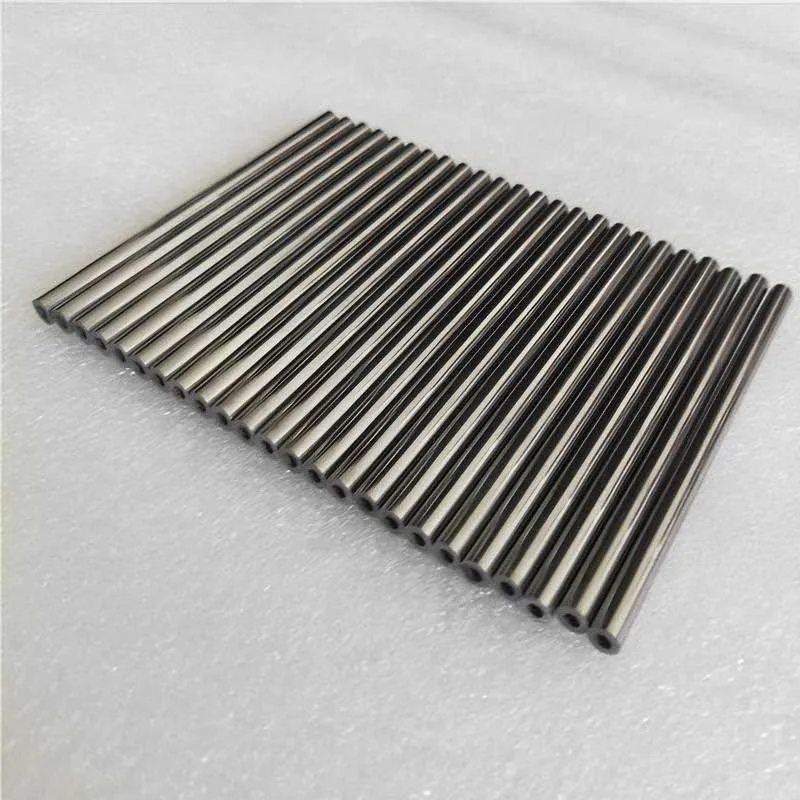
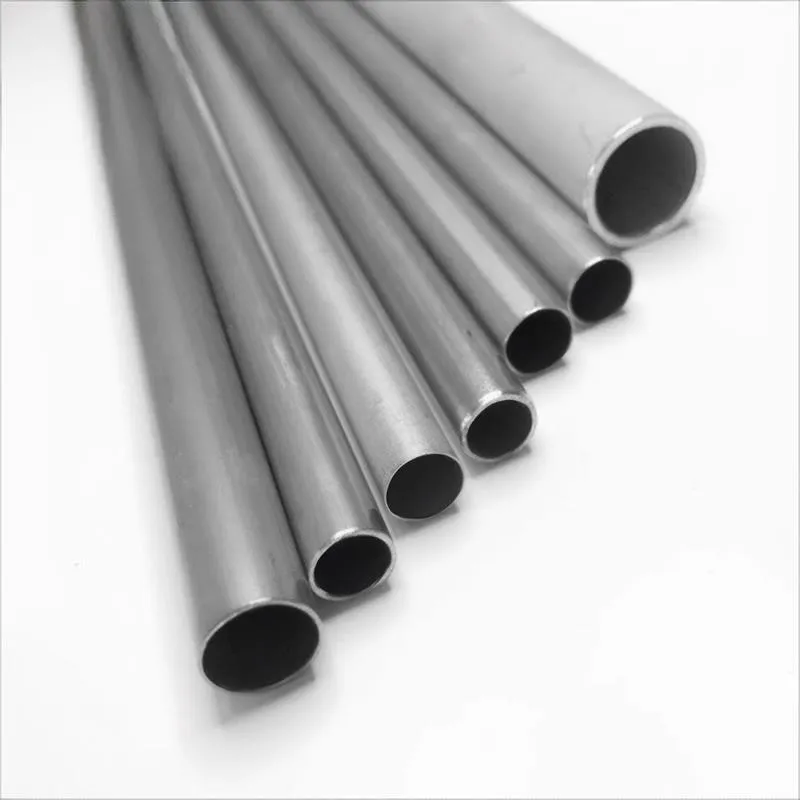
ASTM A808 HSLA Steel Seamless tube
Product Code : STI-ASTM-392-CU
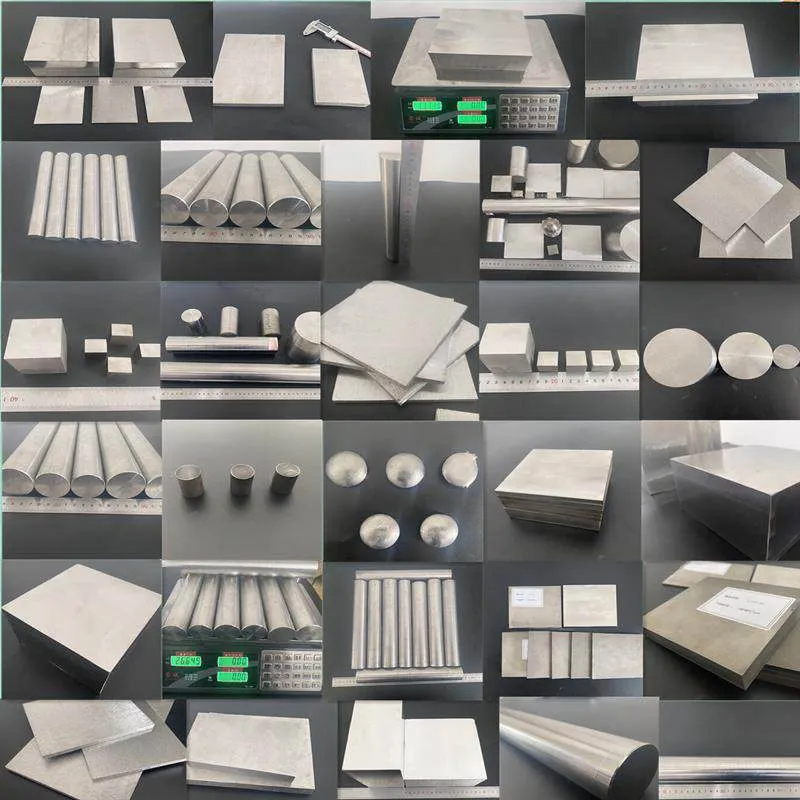
We provide ASTM A808 HSLA Steel Seamless tube, Thickness 50 - 65 mm (2 to 2.5 in.) is available in Bar (Round bar, Flat bar), Ribbon, Wire, Rods, Tube,Seamless Tube,Pipe, Ingots, Plate, Sheet, Strip and Forging Stock.,Purity, chemical composition, size, etc. can all be customized to meet specific requirements.
Please contact us if you need customized services. We will contact you with the price and availability in 24 hours.
ASTM A808 HSLA Steel Seamless tube, Thickness 50 - 65 mm (2 to 2.5 in.) Product Information
-:-
For detailed product information, please contact sales.
-:
ASTM A808 HSLA Steel Seamless tube, Thickness 50 - 65 mm (2 to 2.5 in.) Synonyms
-:-
For detailed product information, please contact sales.
-:
ASTM A808 HSLA Steel, Thickness 50 - 65 mm (2 to 2.5 in.) Product Information
-:-
For detailed product information, please contact sales.
-:
# **Product Introduction: ASTM A808 High-Strength Low-Alloy Steel (Thickness 50-65 mm / 2-2.5 in.)**
**ASTM A808** is a **high-strength, low-alloy (HSLA) structural steel** formulated for **welded construction applications requiring enhanced atmospheric corrosion resistance and superior weldability in heavy sections**. For plates in the **50-65 mm (2-2.5 in.) thickness range**, this specification ensures consistent mechanical properties through controlled chemistry and advanced thermomechanical processing. This thicker plate category is engineered for **primary load-bearing applications** where the combination of substantial cross-section, 50 ksi (345 MPa) minimum yield strength, and excellent fracture toughness in restrained weldments is paramount, all while providing approximately **twice the atmospheric corrosion resistance of plain carbon steel**.
---
## **International Standard & Key Specifications**
* **Primary Standard:** **ASTM A808/A808M** - Standard Specification for High-Strength Low-Alloy Steel Plates of Structural Quality with Low Carbon and Restricted Sulfur for Improved Weldability, Formability, and Toughness.
* **Key Differentiator:** The specification's **mandatory low carbon (≤0.15%) and restricted sulfur (≤0.030%)** are particularly critical in this thickness range to mitigate weld cracking risks and ensure good through-thickness (Z-direction) properties in heavy, highly restrained sections.
* **Governing Standards:**
* **ASTM A6/A6M** - General Requirements for Rolled Structural Steel.
* **ASTM A770** - Standard Specification for Through-Thickness Tension Testing (often invoked as a supplementary requirement for these thicknesses).
* **AWS D1.1/D1.5** - Structural Welding Code.
* **Processing:** Plates in this range are typically produced using **Accelerated Cooling (AcC)** or **Thermomechanical Controlled Processing (TMCP)** to achieve the required fine-grained microstructure and uniform through-thickness properties without the need for post-rolling heat treatment.
---
## **Chemical Composition (Weight %, max unless range is specified) - Grade 50**
The composition is tightly controlled, with particular attention to microalloying elements (V, Nb) to achieve strength and toughness at the plate's centerline.
| Element | Composition (%) | Role in Performance (50-65 mm) |
| :--- | :--- | :--- |
| **Carbon (C)** | 0.15 max | **Ultra-low** - The cornerstone of weldability; minimizes hardenability and cold cracking susceptibility in the deep, restrained heat-affected zones (HAZ) of thick plates. |
| **Manganese (Mn)** | 0.80 - 1.50 | Primary solid solution strengthener; balanced to ensure sufficient hardenability for transformation strengthening under accelerated cooling. |
| **Phosphorus (P)** | 0.04 max | Contributes to atmospheric corrosion resistance. |
| **Sulfur (S)** | **0.030 max** | **Stringently restricted** - Critical for minimizing susceptibility to **lamellar tearing** in thick-plate T, K, and corner joints. Directly enhances Z-direction ductility. |
| **Silicon (Si)** | 0.15 - 0.50 | Deoxidizer and solid solution strengthener. |
| **Copper (Cu)** | **0.20 - 0.60** | **Primary atmospheric corrosion-resisting element**. |
| **Nickel (Ni)** | **0.15 - 0.50** | Enhances mid-thickness toughness, lowers ductile-brittle transition temperature, and complements corrosion resistance. |
| **Chromium (Cr)** | **0.40 - 0.80** | Enhances atmospheric corrosion resistance. |
| **Vanadium (V)** | **0.03 - 0.12** | **Key microalloy**; provides precipitation strengthening in the slower-cooling mid-thickness region. Amount is optimized for thick plate processing. |
| **Niobium (Cb/Nb)** | **0.005 - 0.040** | Often used in conjunction with V for superior grain refinement and precipitation strengthening control in TMCP plates. |
| **Nitrogen (N)** | 0.015 max (when V is used) | Controlled to optimize V(C,N) precipitation. |
---
## **Typical Physical & Mechanical Properties (Thickness 50-65 mm / 2-2.5 in., Grade 50)**
Properties represent the guaranteed minimums at specified through-thickness locations, acknowledging the gradient effect in heavy plates.
| Property | Value / Description | Notes |
| :--- | :--- | :--- |
| **Tensile Strength** | 450 - 585 MPa (65,000 - 85,000 psi) | Tested at mid-thickness. |
| **Yield Strength (min)** | **345 MPa (50,000 psi)** | Tested at mid-thickness. |
| **Elongation in 2-in (50 mm) (min)** | 20% | |
| **Modulus of Elasticity** | ~200 GPa (29 x 10⁶ psi) | |
| **Density** | ~7.85 g/cm³ (0.284 lb/in³) | |
| **Charpy V-Notch Impact Toughness** | **Test Location:** **T/4 (quarter-thickness)**. **Test Temperature:** Typically **0°F (-18°C)** or lower per supplementary requirement. **Minimum Avg.:** **20 ft·lbf (27 J)**. | Toughness at the **T/2 (mid-thickness)** location is typically lower; the T/4 requirement ensures a safe margin. |
| **Through-Thickness Reduction of Area (Z%)** | **When specified per ASTM A770:** Minimum **25%** is common. | Supplementary Requirement S1. **Highly recommended** for critical, highly restrained connections. |
| **Atmospheric Corrosion Resistance** | Approximately **2 times** greater than plain carbon steel. | Serves as a backup to painting systems. |
---
## **Product Applications**
ASTM A808 in the 50-65 mm thickness range is specified for the most demanding primary structural elements where section modulus and load capacity require substantial plate thickness, and where weld integrity is non-negotiable.
**Primary Industries and Structures:**
1. **Heavy Civil & Bridge Construction:**
* **Main flange and web plates** for large **plate girder bridges**.
* **Gusset plates** and **connection nodes** in truss and arch bridges.
* **Pier diaphragms** and **heavy stiffeners**.
2. **High-Rise & Heavy Industrial Buildings:**
* **Built-up column sections** in skyscrapers and industrial facilities.
* **Moment-resisting connection elements** in seismic force-resisting systems.
* **Transfer girders** and **spandrel beams** carrying concentrated loads.
3. **Heavy Machinery & Offshore:**
* **Main frame components** for ultra-class mining shovels, draglines, and large cranes.
* **Leg chords** and **node joints** in offshore jack-up rigs (painted applications).
* **Press frames** and **base structures** for heavy manufacturing.
4. **Power & Heavy Infrastructure:**
* **Supporting structures** for boilers, reactors, and heavy vessels.
* **Runway beams** for extremely heavy-duty cranes.
---
## **Advantages and Critical Fabrication Considerations**
* **Advantages:**
* **Unmatched Weldability for its Thickness:** The low CE dramatically reduces preheat requirements and HAZ hardening, lowering fabrication cost and risk of hydrogen cracking.
* **Superior Resistance to Lamellar Tearing:** The very low sulfur content is the primary defense against this failure mode in thick, restrained welds.
* **Excellent Toughness Gradient:** Guaranteed impact properties at the T/4 location ensure robust fracture resistance.
* **Processing Benefits:** TMCP/AcC supply condition often provides better properties than normalized steel of similar thickness.
* **Critical Fabrication Considerations:**
* **Mandatory Z-Direction Testing:** For any **highly restrained joint** (e.g., moment connections, corner joints), specifying **Supplementary Requirement S1 (ASTM A770)** is considered **essential best practice**, not optional.
* **Welding Consumables:** Use **ultra-low hydrogen (ULH)** consumables. Even with the low CE, the absolute thickness creates significant restraint. Filler metal selection should consider notch toughness matching.
* **Joint Design:** **Butt joints are preferred over fillet welds** for transmitting primary stresses. Use **buttering** or **chamfering** techniques on edges of thick plates to reduce restraint.
* **Preheat & Interpass Temperature:** Must be applied uniformly through the thickness. Monitoring with temp sticks or probes on the plate's side (not just the surface) is crucial.
* **Stress Relieving/Post-Weld Heat Treatment (PWHT):** May be required for complex, highly restrained assemblies to reduce residual stresses, despite the steel's good inherent resistance to cracking.
* **Thermal Cutting:** **Preheat is mandatory** for flame cutting edges, especially those to be welded. Consider machining or controlled plasma cutting for critical weld preparations.
**In summary, ASTM A808 in the 50-65 mm thickness range is a premium, engineering-grade HSLA steel designed for the most challenging structural applications. It provides the rare combination of heavy-section capability, excellent weldability, and good fracture toughness, largely due to its ultra-low carbon and sulfur chemistry. Its successful use is a hallmark of sophisticated design and fabrication, requiring explicit attention to through-thickness properties and welding procedures tailored for thick plate construction.**
-:-
For detailed product information, please contact sales.
-:
ASTM A808 HSLA Steel, Thickness 50 - 65 mm (2 to 2.5 in.) Specification
Dimensions
Size:
Diameter 20-1000 mm Length <4542 mm
Size:We can customized as required
Standard:
Per your request or drawing
We can customized as required
Properties(Theoretical)
Chemical Composition
-:-
For detailed product information, please contact sales.
-:
ASTM A808 HSLA Steel, Thickness 50 - 65 mm (2 to 2.5 in.) Properties
-:-
For detailed product information, please contact sales.
-:
Applications of ASTM A808 HSLA Steel Seamless tube, Thickness 50 - 65 mm (2 to 2.5 in.)
-:-
For detailed product information, please contact sales.
-:
Chemical Identifiers ASTM A808 HSLA Steel Seamless tube, Thickness 50 - 65 mm (2 to 2.5 in.)
-:-
For detailed product information, please contact sales.
-:
Packing of ASTM A808 HSLA Steel Seamless tube, Thickness 50 - 65 mm (2 to 2.5 in.)
-:-
For detailed product information, please contact sales.
-:
Standard Packing:
-:-
For detailed product information, please contact sales.
-:
Typical bulk packaging includes palletized plastic 5 gallon/25 kg. pails, fiber and Steel Seamless tube drums to 1 ton super sacks in full container (FCL) or truck load (T/L) quantities. Research and sample quantities and hygroscopic, oxidizing or other air sensitive materials may be packaged under argon or vacuum. Solutions are packaged in polypropylene, plastic or glass jars up to palletized 1013 gallon liquid totes Special package is available on request. E FORUs’ is carefully handled to minimize damage during storage and transportation and to preserve the quality of our products in their original condition