Bethlehem Steel ASTM A633 Grade C, steel
Product Code : STI-ASTM-496-CU
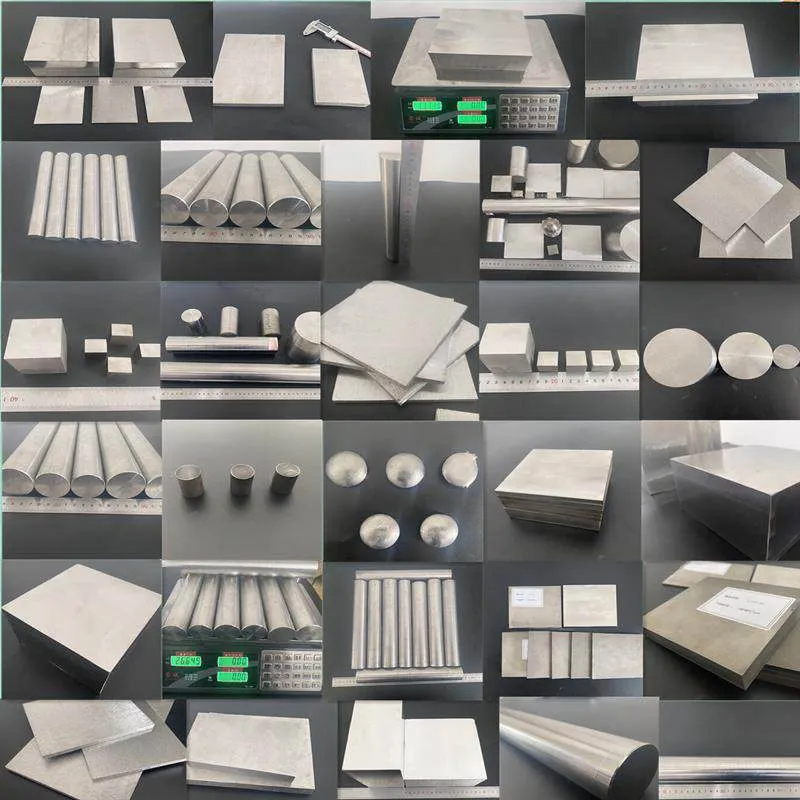
We provide Bethlehem Steel ASTM A633 Grade C 3/16 to 2-1/2 in. thick, steel plate is available in Bar (Round bar, Flat bar), Ribbon, Wire, Rods, Tube,Seamless Tube,Pipe, Ingots, Plate, Sheet, Strip and Forging Stock.,Purity, chemical composition, size, etc. can all be customized to meet specific requirements.
Please contact us if you need customized services. We will contact you with the price and availability in 24 hours.
Bethlehem Steel ASTM A633 Grade C 3/16 to 2-1/2 in. thick, steel plate Product Information
-:-
For detailed product information, please contact sales.
-:
Bethlehem Steel ASTM A633 Grade C 3/16 to 2-1/2 in. thick, steel plate Synonyms
-:-
For detailed product information, please contact sales.
-:
Bethlehem Steel ASTM A633 Grade C 3/16 to 2-1/2 in. thick, steel plate Product Information
-:-
For detailed product information, please contact sales.
-:
## **Product Specification: Bethlehem Steel ASTM A633 Grade C Normalized High-Strength Low-Alloy Steel Plate (3/16" to 2-1/2" Thick)**
**Product Overview**
Bethlehem Steel ASTM A633 Grade C is a premium normalized high-strength low-alloy (HSLA) structural steel plate engineered for applications demanding superior strength combined with exceptional low-temperature toughness. As the higher-strength variant within the A633 specification, Grade C provides a minimum yield strength of 55 ksi (380 MPa) alongside guaranteed impact properties, making it significantly more robust than standard structural grades while maintaining excellent weldability. Supplied exclusively in the normalized condition for thicknesses from 3/16 inch (4.8 mm) to 2-1/2 inches (63.5 mm), this steel offers an optimal balance for critical structures operating in demanding environments or subject to dynamic loading.
**International Standard Compliance**
* **Primary Standard:** **ASTM A633 / A633M** - Standard Specification for Normalized High-Strength Low-Alloy Structural Steel Plates
* **Grade Designation:** Grade C
* **International Equivalents:**
* **EN Standard:** EN 10025-3 S355N or S355NL (Normalized/Normalized rolled weldable fine grain structural steels)
* **ISO Standard:** ISO 630-2 E355B (Non-alloy quality structural steel)
* **JIS Standard:** G3106 SM490A, SM490B, or SM490C (Welded structure rolled steel)
* **Chinese Standard:** GB/T 1591 Q345D/E (Low alloy high strength structural steel)
* **Related Specifications:** ASME SA633 (for pressure vessel applications)
* **Certification:** Typically supplied with full traceability; suitable for CE marking for European markets
**Chemical Composition (Heat Analysis, Weight %)**
The composition is carefully balanced to achieve higher strength through micro-alloying while maintaining fine grain structure and excellent toughness after normalizing.
| Element | ASTM A633 Grade C Requirement | Typical Bethlehem Practice | Functional Purpose |
|---------|-------------------------------|----------------------------|-------------------|
| Carbon (C) | 0.22% max | 0.12-0.18% | Base strength element, optimized for weldability-toughness balance |
| Manganese (Mn) | 1.15-1.50% | 1.20-1.40% | Primary solid solution strengthener, improves hardenability |
| Phosphorus (P) | 0.035% max | 0.008-0.015% | Controlled impurity, minimized for toughness preservation |
| Sulfur (S) | 0.040% max | 0.005-0.012% | Controlled impurity, minimized for weldability and ductility |
| Silicon (Si) | 0.15-0.50% | 0.20-0.35% | Deoxidizer, contributes to strength through solid solution |
| Vanadium (V) | 0.05% max | 0.03-0.05% | Primary micro-alloying element for grain refinement and precipitation strengthening |
| Columbium (Cb/Nb) | 0.05% max | 0.02-0.04% | Alternative/additional grain refiner and precipitation strengthener |
| Nitrogen (N) | 0.015% max | 0.008-0.012% | Controlled to prevent strain aging and manage precipitation |
| Aluminum (Al) | 0.01-0.05% (when specified) | 0.020-0.040% | Grain refiner (essential for fine grain practice) |
| Copper (Cu) | 0.20% min (when specified) | 0.20-0.35% | Optional for enhanced atmospheric corrosion resistance |
| **Carbon Equivalent (CE IIW)** | **0.45 max** | **0.35-0.42** | CE = C + Mn/6 + (Cr+Mo+V)/5 + (Ni+Cu)/15 |
| **Pcm Parameter** | **Calculated** | **0.20-0.25** | Pcm = C + Si/30 + Mn/20 + Cu/20 + Ni/60 + Cr/20 + Mo/15 + V/10 + 5B |
*Note: A633 Grade C is typically produced with fine grain practice using aluminum killing, often with vanadium or columbium micro-alloying for enhanced strength.*
**Physical & Mechanical Properties**
**1. Standard Mechanical Properties (After Normalizing):**
- **Yield Strength (min):** 55 ksi (380 MPa)
- **Tensile Strength:** 70-90 ksi (485-620 MPa)
- **Yield-to-Tensile Ratio:** 0.70-0.78
- **Elongation in 2" (min):** 22%
- **Elongation in 8" (min):** 20%
- **Reduction of Area (typical):** 50-60%
**2. Impact Properties (Defining Characteristic):**
- **Charpy V-Notch Requirements:** Mandatory per purchaser specification
- **Standard Test Conditions:** Typically 20-25 ft-lb (27-34 J) at -50°F (-46°C) or higher energy at warmer temperatures
- **Available Test Temperatures:** +70°F (+21°C), 0°F (-18°C), -30°F (-34°C), -50°F (-46°C), -75°F (-59°C)
- **Typical Performance:** 40-60 ft-lb (54-81 J) at -30°F (-34°C); 25-40 ft-lb (34-54 J) at -50°F (-46°C)
- **Fracture Appearance Transition Temperature (FATT):** Typically below -60°F (-51°C)
**3. Physical Constants:**
- **Density:** 0.284 lb/in³ (7.85 g/cm³)
- **Modulus of Elasticity:** 29,000 ksi (200 GPa)
- **Shear Modulus:** 11,500 ksi (79 GPa)
- **Poisson's Ratio:** 0.29
- **Coefficient of Thermal Expansion:** 6.5 × 10⁻⁶/°F (11.7 × 10⁻⁶/°C) from 68-212°F
- **Thermal Conductivity:** 27.8 BTU·in/(hr·ft²·°F) at 212°F
- **Specific Heat:** 0.11 BTU/(lb·°F)
**4. Technological Properties:**
- **Weldability:** Very Good (AWS D1.1 Group II comparable)
- **Carbon Equivalent Range:** 0.35-0.42 (requires proper procedures for thicker sections)
- **Preheat Requirements:**
- ≤ ¾" thick: Generally not required for most conditions
- ¾" to 1½": 100-150°F (38-66°C) recommended
- >1½" to 2½": 150-250°F (66-121°C) recommended
- **Machinability:** 60% of B1112 (moderate; requires adequate power)
- **Formability:** Good; minimum bend radius of 2t for 90° bending
- **Flame Cutting:** Excellent with minimal preheat for thicknesses < 1"
**5. Microstructural Characteristics:**
- **Grain Size:** ASTM 6-9 (fine grain practice)
- **Microstructure:** Fine ferrite-pearlite with possible acicular ferrite or bainite
- **Inclusion Rating:** Typically ASTM E45 Method A, Plate I: A ≤ 1.5, B ≤ 1.0, C ≤ 0.5, D ≤ 0.5
**Product Applications**
**1. Critical Infrastructure:**
- Bridge components in extreme cold climates
- Offshore platform structural members
- Power plant structural supports (including nuclear Class 2/3 components)
- Seismic restraint systems for critical facilities
**2. Heavy Equipment & Transportation:**
- Mining equipment structural frames
- Excavator and crane boom sections
- Railroad car components for arctic service
- Heavy haul trailer structural members
**3. Energy & Industrial:**
- Wind turbine tower sections
- Pressure vessel supports (non-pressure parts)
- Industrial platform structures in cold environments
- Cryogenic storage facility structural components
**4. Specialized Applications:**
- Arctic research station structures
- Ice-breaking vessel components (non-hull)
- Military equipment for cold climates
- Ski resort infrastructure and lift supports
**5. Construction Engineering:**
- High-rise building moment frames in seismic zones
- Long-span roof structures
- Industrial building frames in cold regions
- Transmission towers in severe environments
**Normalizing Heat Treatment Process**
The normalized condition is critical for achieving the specified combination of strength and toughness:
1. **Austenitizing:** Heating to 1600-1700°F (870-925°C) for complete phase transformation
2. **Soaking:** Adequate time at temperature for uniform austenitization (typically 1 hour per inch of thickness minimum)
3. **Cooling:** Still-air cooling to room temperature
4. **Resulting Structure:** Fine, uniform microstructure with optimal toughness-strength balance
**Manufacturing & Processing Characteristics**
**1. Available Conditions:**
- **Normalized:** Standard and mandatory delivery condition
- **Normalized & Tempered:** Available for special applications requiring stress relief
- **As-Rolled:** Not permitted per specification
**2. Dimensional Tolerances:**
- **Thickness Tolerance:** Per ASTM A6/A6M for normalized plates
- **Width Range:** Up to 150 inches
- **Length Range:** Up to 600 inches
- **Flatness:** Commercial or structural quality as specified
**3. Quality Assurance:**
- **Mandatory Testing:** Tensile and Charpy impact tests per heat
- **Optional Testing:** Ultrasonic testing per ASTM A435/A435M or A577/A577M
- **Grain Size Verification:** Typically performed per ASTM E112
- **Documentation:** Full traceability with heat number, chemistry, and mechanical test reports
**4. Processing Recommendations:**
- **Cutting:** All thermal and mechanical cutting methods suitable
- **Forming:** Good cold forming characteristics with proper tooling
- **Welding:** Use low-hydrogen processes with matching strength filler metals
- **Heat Treatment:** Avoid temperatures above 1100°F (593°C) unless performing PWHT
**Comparative Advantages**
1. **Superior Strength-Toughness Combination:** Higher strength than Grade A with maintained excellent impact properties
2. **Excellent Low-Temperature Performance:** Specifically engineered for service down to -50°F (-46°C)
3. **Enhanced Weldability:** Favorable carbon equivalent despite higher strength level
4. **Property Uniformity:** Normalizing ensures consistent properties through thickness
5. **Code Acceptance:** Recognized by AISC, AWS, ASME, and international structural codes
6. **Proven Reliability:** Extensive history in demanding structural applications
**Technical Considerations**
1. **Thickness Limitation:** Standard properties guaranteed only to 2-1/2" thickness
2. **Heat Treatment Requirement:** Must be supplied in normalized condition
3. **Cost Factors:** Higher cost than as-rolled grades due to micro-alloying and heat treatment
4. **Fabrication Planning:** Requires consideration of normalizing effects on dimensional stability
**Design Benefits**
1. **Weight Reduction:** 55 ksi yield allows lighter designs compared to lower-strength steels
2. **Enhanced Safety Margin:** Verified low-temperature toughness reduces brittle fracture risk
3. **Design Efficiency:** Enables more efficient structural configurations
4. **Long-Term Performance:** Stable normalized structure resists property degradation
5. **Versatile Application:** Suitable for wide range of structural and mechanical applications
**Procurement Specifications**
When ordering A633 Grade C, specify:
- ASTM A633 Grade C
- Thickness, width, and length requirements
- Charpy test temperature and minimum energy values
- Additional testing requirements (UT, MT, PT, etc.)
- Heat treatment verification requirements
- Certification requirements (EN 10204 3.1 or 3.2)
- Marking, packaging, and shipping instructions
- Special surface preparation if required
**Economic Analysis**
1. **Initial Cost:** Premium of 20-40% over A36 steel
2. **Fabrication Cost:** Comparable to other HSLA steels with proper procedures
3. **Life-Cycle Cost:** Potentially lower due to reduced material weight and maintenance
4. **Project Value:** Enhanced safety and performance justify premium for critical applications
5. **Availability:** Readily available from major plate producers with normalizing capability
**Disclaimer**
This product information is based on ASTM specifications and historical industry data. Actual properties may vary by manufacturer and heat lot. For critical applications, always consult certified mill test reports and conduct appropriate engineering evaluations. Bethlehem Steel Corporation historical data is referenced for informational purposes; current producers may have different manufacturing practices while meeting ASTM A633 Grade C requirements. Always adhere to applicable codes and standards for design, fabrication, and installation. The normalized condition is essential to achieving specified properties; any deviation from normalized condition must be carefully evaluated.
-:-
For detailed product information, please contact sales.
-:
Bethlehem Steel ASTM A633 Grade C 3/16 to 2-1/2 in. thick, steel plate Specification
Dimensions
Size:
Diameter 20-1000 mm Length <4646 mm
Size:We can customized as required
Standard:
Per your request or drawing
We can customized as required
Properties(Theoretical)
Chemical Composition
-:-
For detailed product information, please contact sales.
-:
Bethlehem Steel ASTM A633 Grade C 3/16 to 2-1/2 in. thick, steel plate Properties
-:-
For detailed product information, please contact sales.
-:
Applications of Bethlehem Steel ASTM A633 Grade C 3/16 to 2-1/2 in. thick, steel plate
-:-
For detailed product information, please contact sales.
-:
Chemical Identifiers Bethlehem Steel ASTM A633 Grade C 3/16 to 2-1/2 in. thick, steel plate
-:-
For detailed product information, please contact sales.
-:
Packing of Bethlehem Steel ASTM A633 Grade C 3/16 to 2-1/2 in. thick, steel plate
-:-
For detailed product information, please contact sales.
-:
Standard Packing:
-:-
For detailed product information, please contact sales.
-:
Typical bulk packaging includes palletized plastic 5 gallon/25 kg. pails, fiber and steel drums to 1 ton super sacks in full container (FCL) or truck load (T/L) quantities. Research and sample quantities and hygroscopic, oxidizing or other air sensitive materials may be packaged under argon or vacuum. Solutions are packaged in polypropylene, plastic or glass jars up to palletized 1117 gallon liquid totes Special package is available on request. E FORUs’ is carefully handled to minimize damage during storage and transportation and to preserve the quality of our products in their original condition