105Cr6 High Carbon Bearing Steel
Product Code : STI-CSTI-466-CU
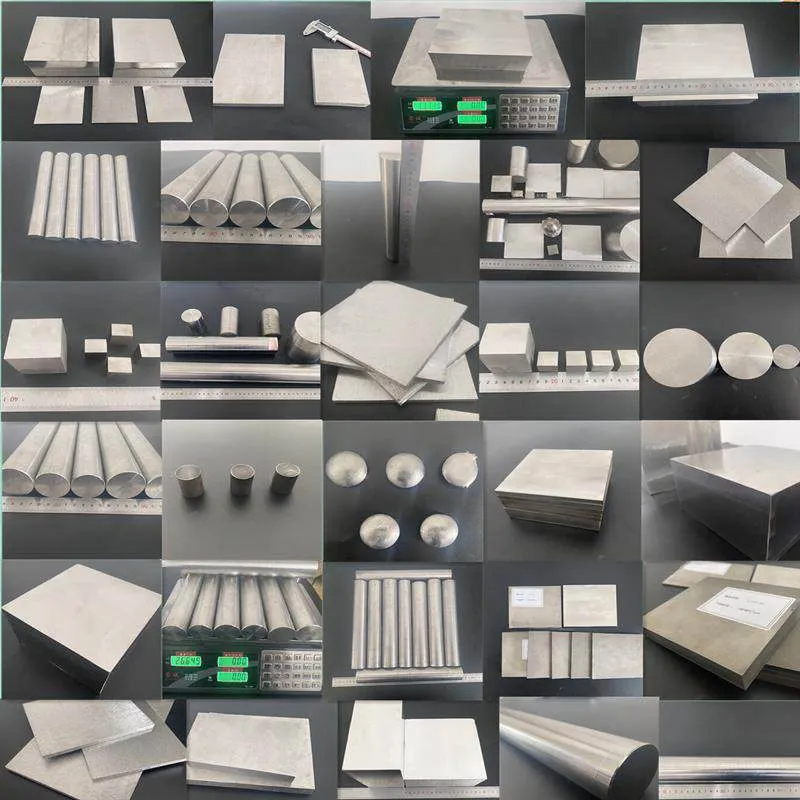
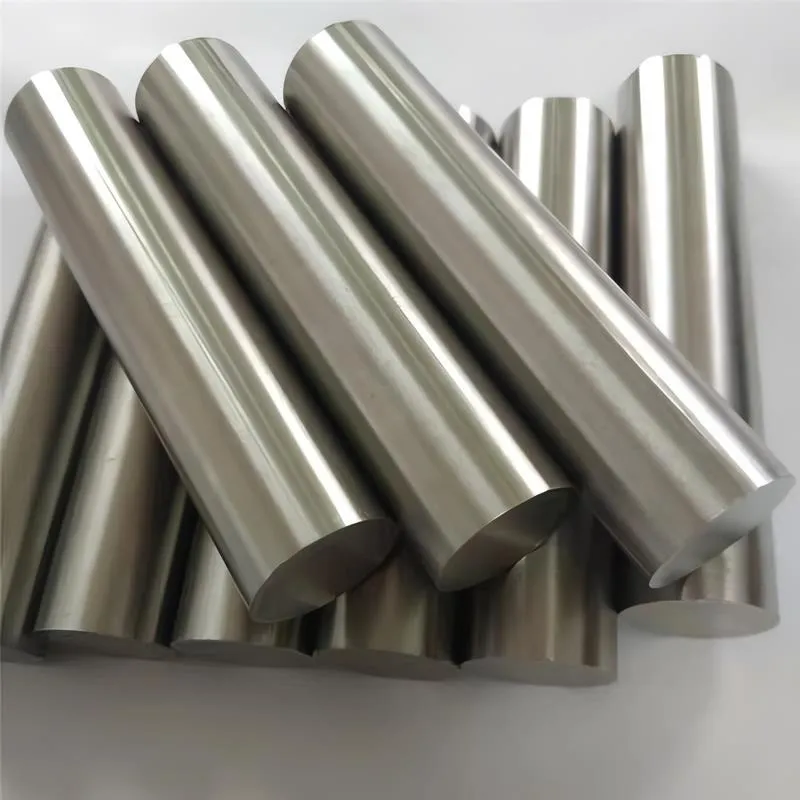
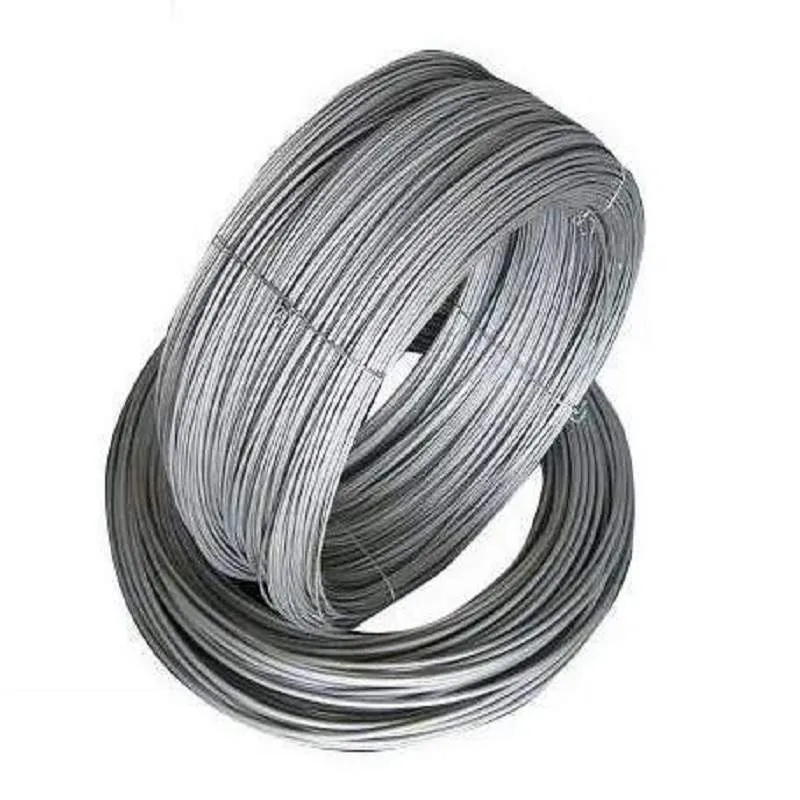
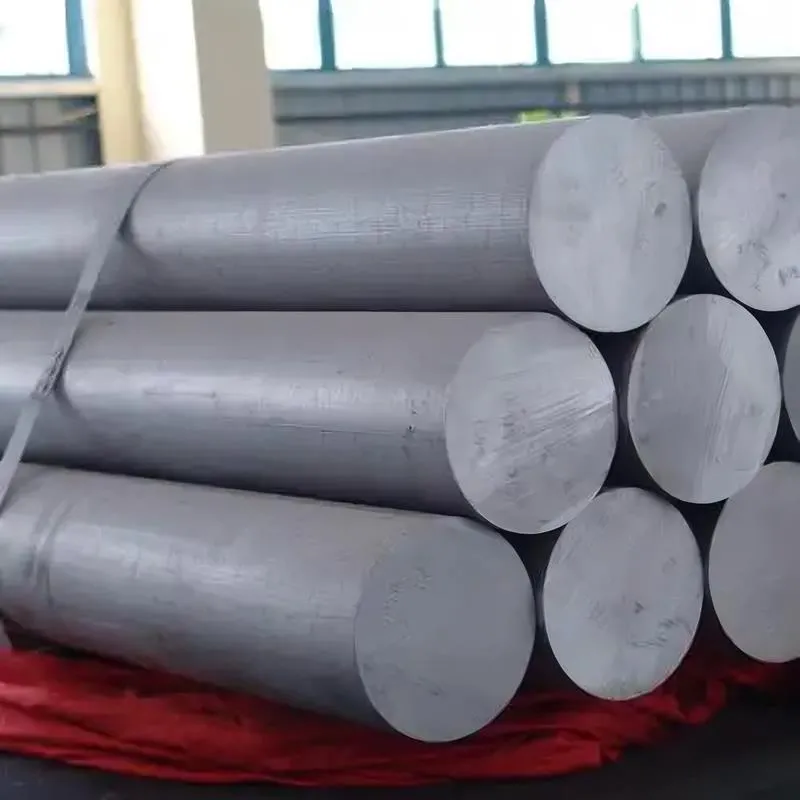
We provide 105Cr6 High Carbon Bearing Steel (Composition Spec) is available in Bar (Round bar, Flat bar), Ribbon, Wire, Rods, Tube,Seamless Tube,Pipe, Ingots, Plate, Sheet, Strip and Forging Stock.,Purity, chemical composition, size, etc. can all be customized to meet specific requirements.
Please contact us if you need customized services. We will contact you with the price and availability in 24 hours.
105Cr6 High Carbon Bearing Steel (Composition Spec) Product Information
-:-
For detailed product information, please contact sales.
-:
105Cr6 High Carbon Bearing Steel (Composition Spec) Synonyms
-:-
For detailed product information, please contact sales.
-:
105Cr6 High Carbon Bearing Steel (Composition Spec) Product Information
-:-
For detailed product information, please contact sales.
-:
### **Product Datasheet: 105Cr6 High Carbon Bearing Steel (Composition Specification)**
---
#### **1. Material Overview**
**105Cr6** is a **high-carbon, chromium alloy bearing steel** defined by the **European standard EN ISO 683-17**. This grade is part of a family of through-hardening bearing steels designed for rolling contact applications. With a nominal composition of **1.05% carbon and 1.50% chromium**, it offers a specific balance of properties, providing **excellent wear resistance and high hardness**, though its **hardenability is slightly lower than the more common 100Cr6 (1.00% C, 1.50% Cr)** due to its higher carbon and more specifically defined chromium range. It is a specialized grade used where its particular combination of high carbon and controlled chromium is required for specific performance characteristics.
#### **2. Key Material Concept: The European Chromium Bearing Steel Series**
The European standard EN ISO 683-17 defines several bearing steel grades with precise chemical boundaries. 105Cr6 occupies a specific niche:
- **Carbon Content:** At ~1.05%, it is at the **upper end of the carbon range** for standard bearing steels, promoting a high volume of hard carbides for maximum wear resistance and potential hardness.
- **Chromium Content:** Fixed at a narrower range (1.40-1.65%) compared to some older standards, ensuring consistent hardenability and carbide formation.
- **Positioning:** It is distinct from:
- **100Cr6 (1.00% C):** The most common European bearing steel (equivalent to AISI 52100/SUJ2).
- **102Cr6 (1.02% C):** Another variant with a specific carbon target.
- **105Cr6's higher carbon** aims for maximum carbide content and abrasion resistance in the hardened state, which can be beneficial for certain wear parts, though it may slightly reduce toughness compared to 100Cr6.
#### **3. International Standard & Cross-References**
- **Primary Standard:** **EN ISO 683-17:2014** - Heat-treatable steels, alloy steels and free-cutting steels - Part 17: Ball and roller bearing steels.
- **Material Designation:** **1.3505** (Old DIN/Werkstoff number).
- **ISO Standard:** **ISO 683-17:2014**, Type 5 (Through-hardening bearing steel, corresponds to 100Cr6 series, with 105Cr6 as a specific subtype).
- **AISI/SAE Equivalent:** No direct equivalent. The closest is **AISI 52100 (E52100)**, but 52100 has a wider Cr range (0.90-1.20%) and typically a slightly lower average carbon.
- **JIS Equivalent:** **SUJ2** is functionally similar, though SUJ2's Cr range (1.30-1.60%) is centered lower.
- **Chinese GB Equivalent:** **GCr15** is the closest equivalent in concept and common use.
#### **4. Chemical Composition (% by Weight, per EN ISO 683-17)**
| Element | Content Range (%) | Key Role |
| :--- | :--- | :--- |
| **Carbon (C)** | **1.00 – 1.10** | **High carbon content.** Primary source of hardness and carbide volume. Aims for maximum wear resistance. |
| **Silicon (Si)** | **0.15 – 0.35** | Deoxidizer. |
| **Manganese (Mn)** | **0.25 – 0.45** | Contributes to hardenability and solid solution strengthening. |
| **Phosphorus (P)** | **≤ 0.025** | Impurity; kept very low. |
| **Sulfur (S)** | **≤ 0.015** | **Very low.** Essential for high fatigue life and transverse properties. |
| **Chromium (Cr)** | **1.40 – 1.65** | **Defining alloy.** Provides hardenability and forms hard, wear-resistant (Fe,Cr)₃C carbides. The range is tighter than in some older specs. |
| **Nickel (Ni)** | **≤ 0.30** | Residual element; controlled. |
| **Copper (Cu)** | **≤ 0.30** | Residual element; controlled. |
| **Molybdenum (Mo)** | **≤ 0.10** | Residual element; controlled. |
#### **5. Typical Physical & Mechanical Properties**
**A. Physical Properties:**
- **Density:** ~7.83 g/cm³
- **Modulus of Elasticity:** ~210 GPa
- **Thermal Conductivity:** ~46 W/m·K
- **Coefficient of Thermal Expansion:** ~11.9 x 10⁻⁶/°C
**B. Mechanical Properties (After Standard Bearing Heat Treatment):**
- **Hardness:** **61 – 65 HRC** (after quenching and low-temperature tempering at 150-200°C). Can achieve the **upper end** of this range due to high carbon.
- **Retained Austenite:** Typically controlled to low levels (<5-8%) for dimensional stability.
- **Core Hardness in Sections:** Good, but the high carbon can slightly reduce hardenability compared to a steel with similar Cr but lower C (like 100Cr6), potentially limiting the maximum fully hardenable diameter.
- **Wear Resistance:** **Excellent.** The high carbon and chromium content provide a high volume of hard carbides.
- **Toughness:** Slightly lower than 100Cr6 at equivalent hardness due to higher carbon content and greater carbide volume.
#### **6. Processing & Fabrication Characteristics**
- **Hardenability:** **Good to Very Good.** The 1.5% Cr provides substantial depth of hardening. However, the high carbon can shift the TTT curve, requiring careful control of austenitizing temperature and time to avoid excessive retained austenite or grain growth. Suitable for through-hardening of moderate-sized components.
- **Machinability (Annealed):** **Fair to Poor.** The high carbon content and hardness in the annealed state make it more difficult to machine than lower-carbon steels. Requires appropriate tooling and speeds.
- **Grindability:** **Excellent.** Critical for finishing bearing raceways to high precision.
- **Weldability:** **Very Poor.** Not recommended. Extremely high risk of cracking.
- **Decarburization Sensitivity:** **Very High.** Must be processed in protective atmospheres or with adequate stock allowance for subsequent grinding.
#### **7. Primary Applications**
105Cr6 is used in demanding applications where its specific chemistry is specified or where maximum wear resistance is paramount:
- **High-Wear Bearing Components:** Bearings subjected to significant abrasive wear in addition to rolling contact fatigue.
- **Precision Wear Parts:** **Gauge blocks, measuring instruments, guide rails, and high-wear machine tool components** where extreme hardness and dimensional stability are required.
- **Specialty Bearing Applications:** Where the specific carbon/chromium balance of 105Cr6 is called out in European machine or automotive designs.
- **Ball and Roller Manufacturing:** For applications requiring the highest hardness.
- **Automotive Components:** Certain high-stress, wear-critical components beyond standard bearings, such as specialized cam followers or fuel injection parts.
#### **8. Available Forms & Quality**
- **Forms:** Hot-rolled or cold-drawn bars, wire rod, seamless tubes, and forgings.
- **Quality Levels:** Supplied per EN ISO 683-17 with specified **non-metallic inclusion ratings**. Common quality designations include:
- **Standard Quality**
- **Improved Quality (IQ)** – for higher demands.
- **Superior Quality (SQ)** or **Ultra-Clean** – for highest fatigue life applications (e.g., aerospace, high-speed spindles).
#### **9. Comparison with Key Bearing Steels**
| Grade | EN Designation | Nominal C% | Nominal Cr% | Key Characteristic |
| :--- | :--- | :--- | :--- | :--- |
| **105Cr6** | **1.3505** | **1.05** | **1.50** | **High carbon for max wear resistance.** |
| **100Cr6** | 1.3505 | 1.00 | 1.50 | **Most common European grade.** Optimal balance. |
| **102Cr6** | 1.3520 | 1.02 | 1.45 | Similar to 100Cr6 with specific carbon target. |
| **AISI 52100** | - | 1.00 | 1.45 | Global standard, wider Cr range. |
---
**Disclaimer:** 105Cr6 is a specific European grade. Its higher carbon content makes it slightly more susceptible to carbide network formation if not properly processed. When selecting between 100Cr6 and 105Cr6, consider the trade-off between **wear resistance (higher C)** and **toughness/hardenability (slightly better with 100Cr6)**. The grade must be specified with the required **quality level (e.g., 105Cr6 SQ)**. Final performance is critically dependent on heat treatment parameters and steel cleanliness. For most general bearing applications, **100Cr6 (or AISI 52100/SUJ2) is the default and more widely available choice.**
-:-
For detailed product information, please contact sales.
-:
105Cr6 High Carbon Bearing Steel (Composition Spec) Specification
Dimensions
Size:
Diameter 20-1000 mm Length <5198 mm
Size:We can customized as required
Standard:
Per your request or drawing
We can customized as required
Properties(Theoretical)
Chemical Composition
-:-
For detailed product information, please contact sales.
-:
105Cr6 High Carbon Bearing Steel (Composition Spec) Properties
-:-
For detailed product information, please contact sales.
-:
Applications of 105Cr6 High Carbon Bearing Steel (Composition Spec)
-:-
For detailed product information, please contact sales.
-:
Chemical Identifiers 105Cr6 High Carbon Bearing Steel (Composition Spec)
-:-
For detailed product information, please contact sales.
-:
Packing of 105Cr6 High Carbon Bearing Steel (Composition Spec)
-:-
For detailed product information, please contact sales.
-:
Standard Packing:
-:-
For detailed product information, please contact sales.
-:
Typical bulk packaging includes palletized plastic 5 gallon/25 kg. pails, fiber and steel drums to 1 ton super sacks in full container (FCL) or truck load (T/L) quantities. Research and sample quantities and hygroscopic, oxidizing or other air sensitive materials may be packaged under argon or vacuum. Solutions are packaged in polypropylene, plastic or glass jars up to palletized 1669 gallon liquid totes Special package is available on request. E FORUs’ is carefully handled to minimize damage during storage and transportation and to preserve the quality of our products in their original condition