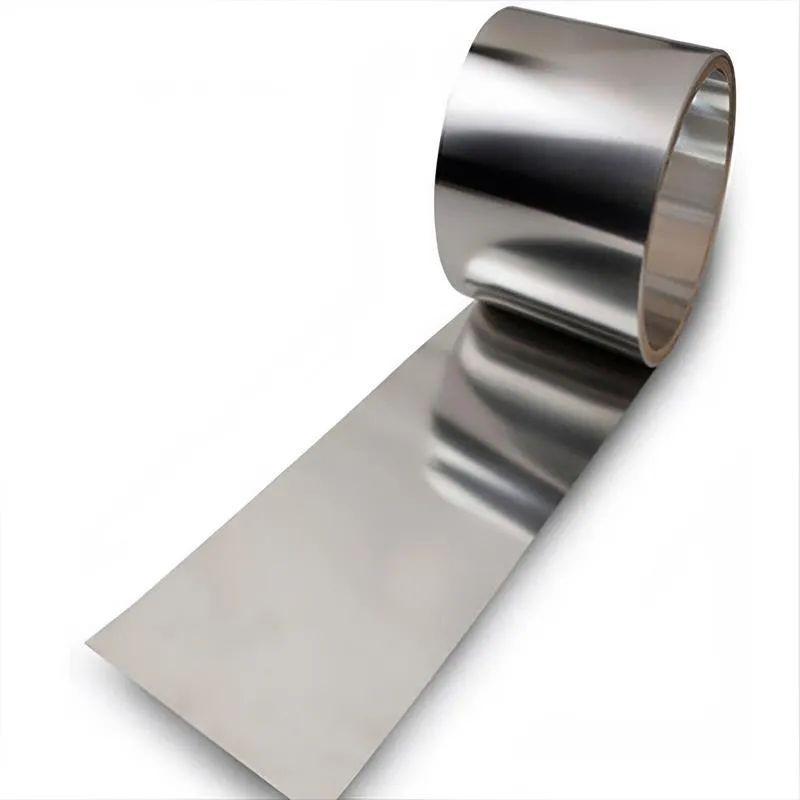
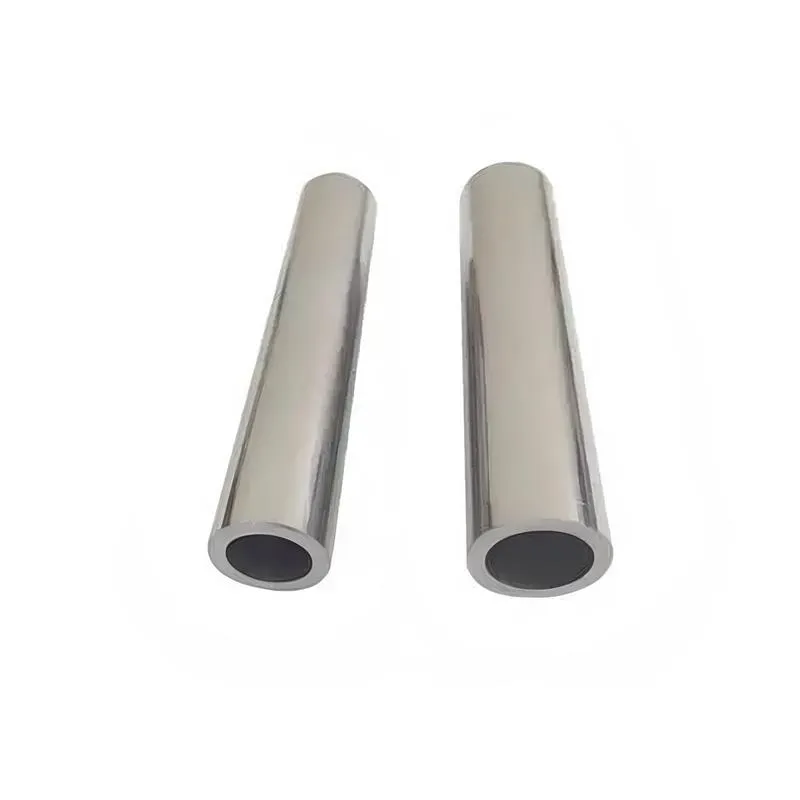
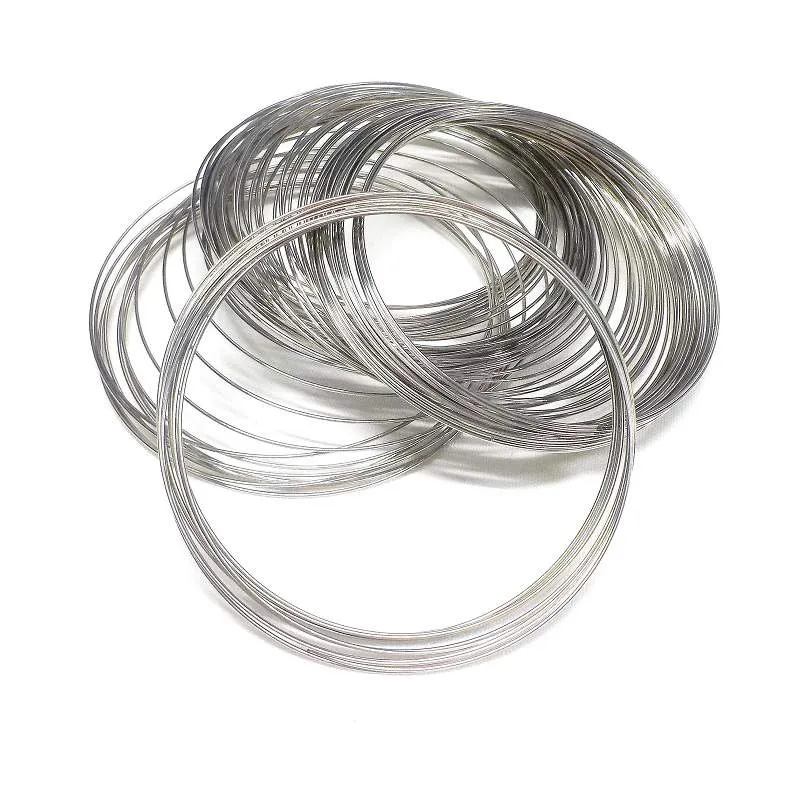
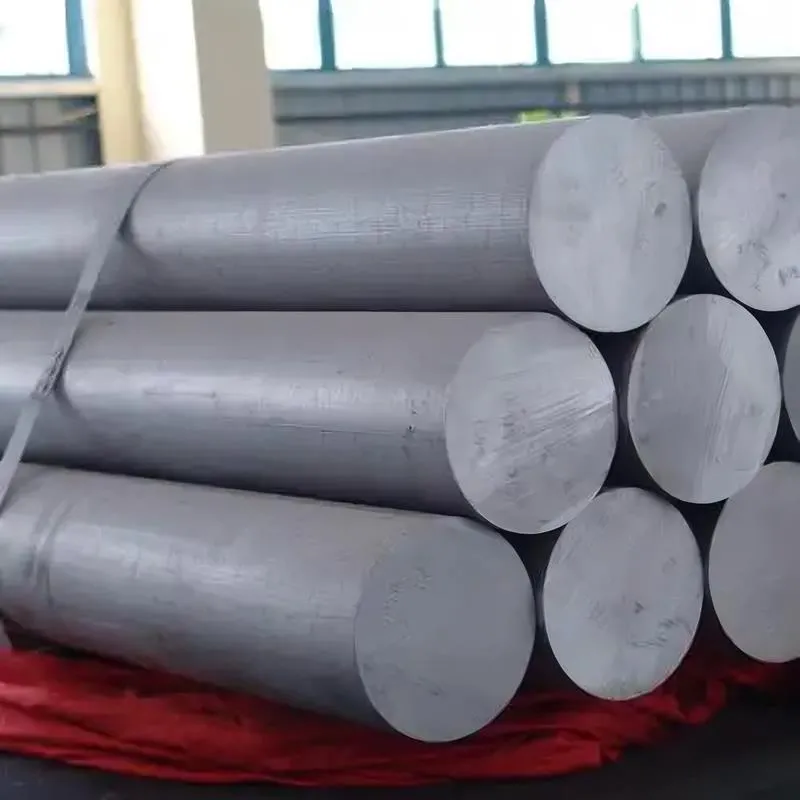
Latrobe,LSS™ D7 Tool Steel Foil/Strip (ASTM D7)
Product Code : STI-CSTI-625-CU
We provide Latrobe LSS™ D7 Tool Steel Foil/Strip (ASTM D7) is available in Bar (Round bar, Flat bar), Ribbon, Wire, Rods, Tube,Seamless Tube,Pipe, Ingots, Plate, Sheet, Strip and Forging Stock.,Purity, chemical composition, size, etc. can all be customized to meet specific requirements.
Please contact us if you need customized services. We will contact you with the price and availability in 24 hours.
Latrobe LSS™ D7 Tool Steel Foil (ASTM D7) Product Information
-:-
For detailed product information, please contact sales.
-:
Latrobe LSS™ D7 Tool Steel Foil (ASTM D7) Synonyms
-:-
For detailed product information, please contact sales.
-:
Latrobe LSS™ D7 Tool Steel (ASTM D7) Product Information
-:-
For detailed product information, please contact sales.
-:
# **Latrobe LSS™ D7 Tool Steel (ASTM D7)**
## **Product Overview**
Latrobe LSS™ D7 is a premium-grade, ultra-high-carbon, high-chromium **air-hardening** cold work tool steel, representing the pinnacle of wear resistance within the ASTM D-series. Characterized by its exceptionally high carbon and vanadium content, D7 is engineered to deliver **maximum abrasive wear resistance** under severe service conditions. It is specifically formulated for applications where wear is the absolute primary failure mechanism and where extreme hardness and carbide volume are required to combat the most challenging abrasive materials.
## **Key Features & Benefits**
* **Maximum Abrasive Wear Resistance:** The highest combined carbon and carbide-forming element (Cr, V) content in the D-series creates an extremely high volume of hard, primary carbides (MC and M₇C₃ types), providing unparalleled resistance to abrasive wear.
* **Exceptional High Hardness Capability:** Can achieve and maintain very high surface hardness (up to 66-68 HRC) with proper heat treatment, offering superior resistance to indentation and deformation.
* **Good Dimensional Stability:** As an air-hardening steel, it offers minimal distortion during heat treatment compared to oil-hardening grades, a critical factor for maintaining precision in complex tooling subjected to extreme wear.
* **Deep Hardenability:** Can be through-hardened in substantial cross-sections via air quenching, ensuring consistent wear properties from surface to core.
* **Optimized for Severe Service:** Uniquely suited for applications involving highly abrasive non-metallic or metallic materials that would rapidly degrade standard wear steels.
## **International Standard & Designations**
* **Primary Standard:** **ASTM A681-08 (R2019):** Standard Specification for Tool Steel Alloy.
* **Grade:** **D7**
* **Manufacturer's Designation:** **Latrobe LSS™ D7**
* **Unified Numbering System (UNS):** **T30407**
* **Common International Equivalents:**
* **ISO:** No direct equivalent; functionally aligns with the highest-wear class of high-Cr, high-C steels.
* **Germany (DIN/W-Nr.):** The closest conceptual equivalent is **1.2378** or a high-vanadium modification of **1.2379**.
* **Japan (JIS):** No direct JIS equivalent.
## **Chemical Composition (%, typical - ASTM D7)**
The defining feature is ultra-high carbon and significant vanadium.
| Carbon (C) | Chromium (Cr) | Vanadium (V) | Molybdenum (Mo) | Manganese (Mn) | Silicon (Si) | Iron (Fe) |
| :--- | :--- | :--- | :--- | :--- | :--- | :--- |
| 2.15 - 2.50 | 11.50 - 13.50 | 3.80 - 4.40 | 0.70 - 1.20 | 0.20 - 0.60 | 0.10 - 0.60 | Balance |
*Note:* The carbon content (>2.15%) and vanadium content (~4%) are exceptionally high, resulting in a massive volume of hard, wear-resistant vanadium carbides (VC) in addition to chromium carbides.
## **Physical & Mechanical Properties (Typical)**
| Property | Value / Description |
| :--- | :--- |
| **Density** | ~7.7 g/cm³ (0.278 lb/in³) |
| **Hardness (Annealed)** | 240-270 HB (Brinell) |
| **Hardness (Heat Treated)** | **64 - 68 HRC** (Typical achievable range, optimized for maximum wear resistance). |
| **Austenitizing Temperature** | 1025 - 1075°C (1875 - 1970°F) – **Higher than D2/D3 to dissolve vanadium carbides.** |
| **Quenching Medium** | Air (Still or Forced) |
| **Tempering Temperature** | 480 - 560°C (900 - 1040°F). **Triple tempering is strongly recommended and often essential.** Requires high tempering temperatures to achieve secondary hardening and transform retained austenite. |
| **Dimensional Change on Hardening** | Predictable, low expansion. |
| **Toughness** | **Low.** This is a wear-first material. Its very high hardness and carbide volume result in low impact resistance. Applications must be designed to minimize tensile stress and shock loading. |
| **Grindability** | Fair to difficult in the hardened state due to high vanadium carbide content. Requires sharp, premium abrasive wheels. |
## **Product Applications**
Latrobe LSS™ D7 is reserved for the most severe wear applications, often where other high-wear grades like D2 or A7 prove inadequate.
* **Blanking and Punching Dies:** For extremely abrasive materials such as fiberglass composites, graphite, carbon fiber, hardened steel preforms, abrasive rubber, and sand-filled resins.
* **Slitter Knives and Shear Blades:** For cutting advanced composites, hard plastics, and abrasive non-ferrous metals.
* **Wear Parts and Liners:** In machinery handling highly abrasive powders, minerals (e.g., silica, alumina), ceramics, or recycled materials.
* **Brick, Tile, and Ceramic Mold Liners and Wear plates.**
* **Cold Forming Rolls and Mandrels** for abrasive wires or strips.
* **Pulp and Paper Industry Knives** for processing recycled stock.
## **Processing & Heat Treatment Notes**
* **Machining:** **Difficult** in the annealed state due to extreme hardness from carbides. Requires rigid setups, slow speeds, heavy feeds, and premium tooling. Pre-hardened stock is often used.
* **Heat Treatment:** **Demanding and critical.** Requires very careful **preheating** (e.g., at 650°C/1200°F and 850°C/1560°F) to prevent cracking. The high austenitizing temperature is necessary to put vanadium into solution but increases the risk of grain growth and distortion. Must be performed in a controlled atmosphere or vacuum furnace. Air quench. **Immediate and multiple tempering cycles (3x) are absolutely mandatory** to achieve maximum secondary hardness, transform retained austenite, and ensure dimensional stability.
* **Grinding:** Use sharp CBN or premium aluminum oxide wheels with ample coolant. The high wear resistance of the workpiece material (the steel itself) requires careful grinding practices to avoid burns.
---
**Disclaimer**
*Latrobe LSS™ D7 is an extreme-performance tool steel requiring expert handling. Its low toughness and demanding heat treatment make it unsuitable for general-purpose use. The information provided is typical for D7-type steels. It is the end-user's critical responsibility to obtain and strictly follow the latest official technical data sheets and processing guidelines from Latrobe Specialty Steel. Proper application design, stress relief, and precise heat treatment are paramount for safe and successful implementation.*
-:-
For detailed product information, please contact sales.
-:
Latrobe LSS™ D7 Tool Steel (ASTM D7) Specification
Dimensions
Size:
Diameter 20-1000 mm Length <5357 mm
Size:We can customized as required
Standard:
Per your request or drawing
We can customized as required
Properties(Theoretical)
Chemical Composition
-:-
For detailed product information, please contact sales.
-:
Latrobe LSS™ D7 Tool Steel (ASTM D7) Properties
-:-
For detailed product information, please contact sales.
-:
Applications of Latrobe LSS™ D7 Tool Steel Foil (ASTM D7)
-:-
For detailed product information, please contact sales.
-:
Chemical Identifiers Latrobe LSS™ D7 Tool Steel Foil (ASTM D7)
-:-
For detailed product information, please contact sales.
-:
Packing of Latrobe LSS™ D7 Tool Steel Foil/Strip (ASTM D7)
-:-
For detailed product information, please contact sales.
-:
Standard Packing:
-:-
For detailed product information, please contact sales.
-:
Typical bulk packaging includes palletized plastic 5 gallon/25 kg. pails, fiber and Steel Foil/Strip drums to 1 ton super sacks in full container (FCL) or truck load (T/L) quantities. Research and sample quantities and hygroscopic, oxidizing or other air sensitive materials may be packaged under argon or vacuum. Solutions are packaged in polypropylene, plastic or glass jars up to palletized 1828 gallon liquid totes Special package is available on request. E FORUs’ is carefully handled to minimize damage during storage and transportation and to preserve the quality of our products in their original condition