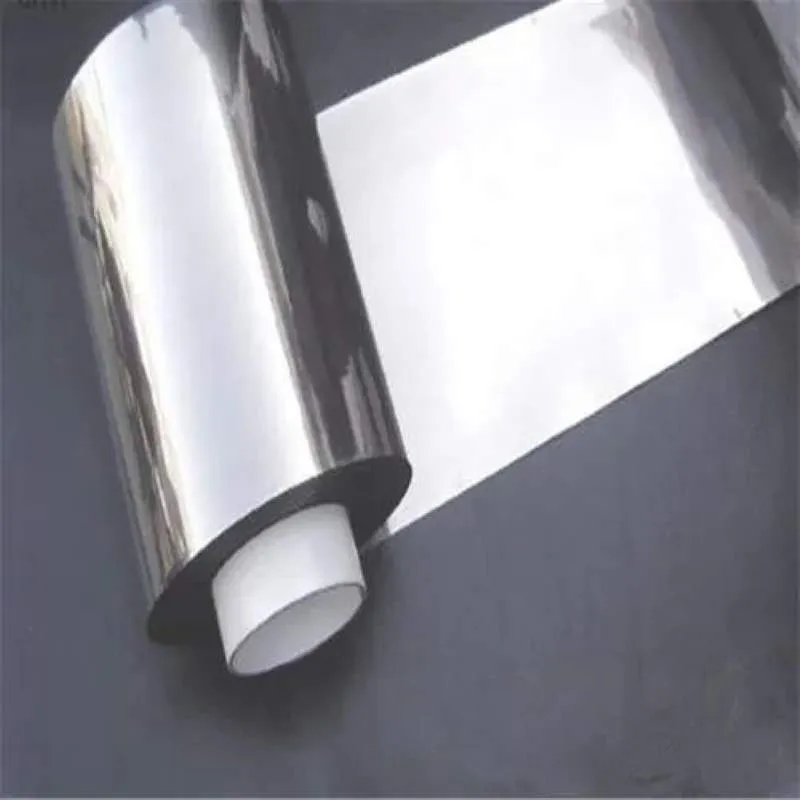
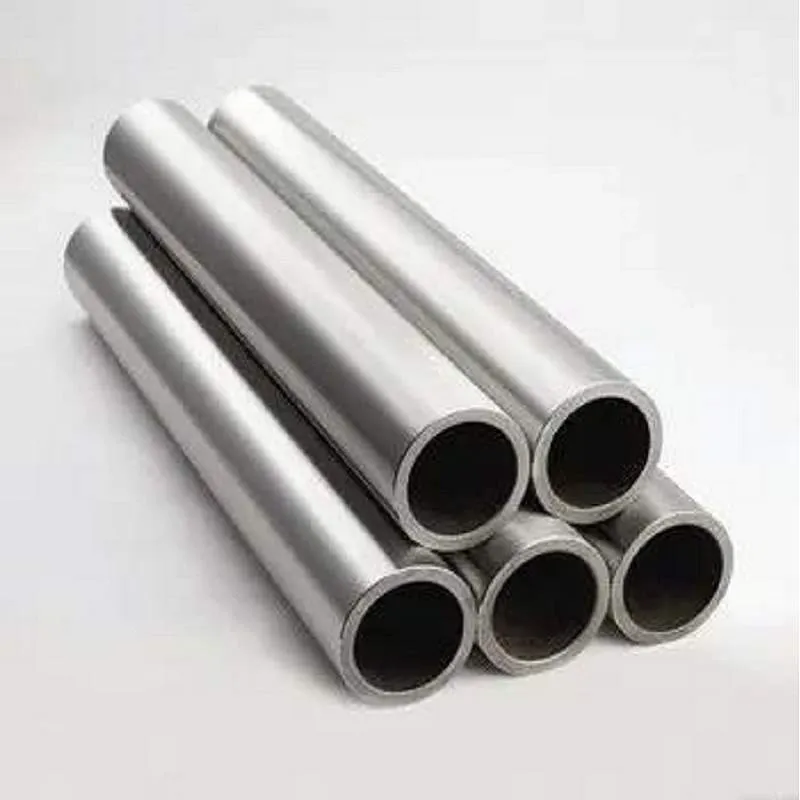
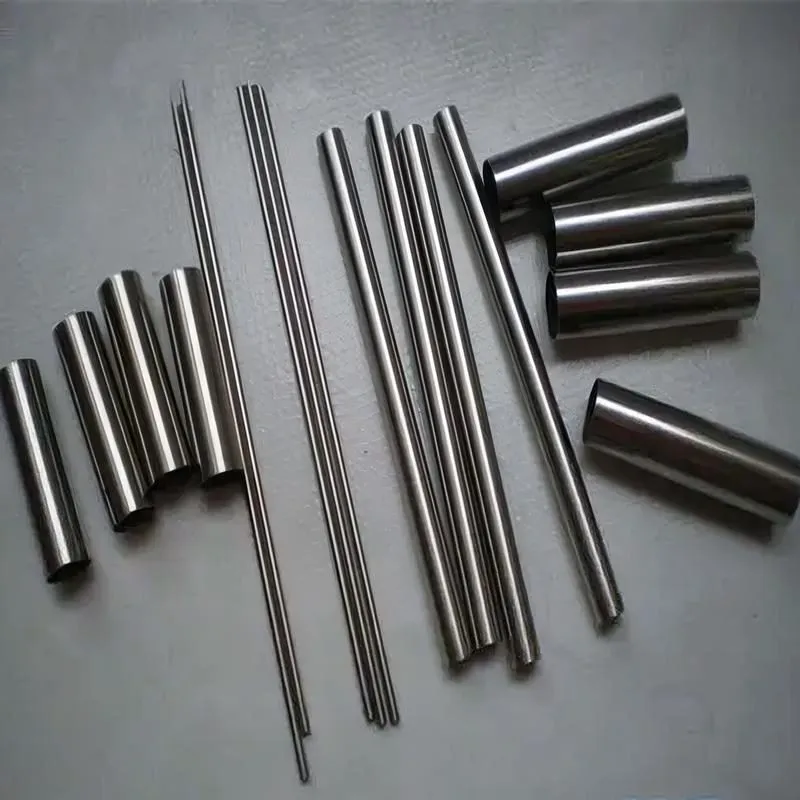
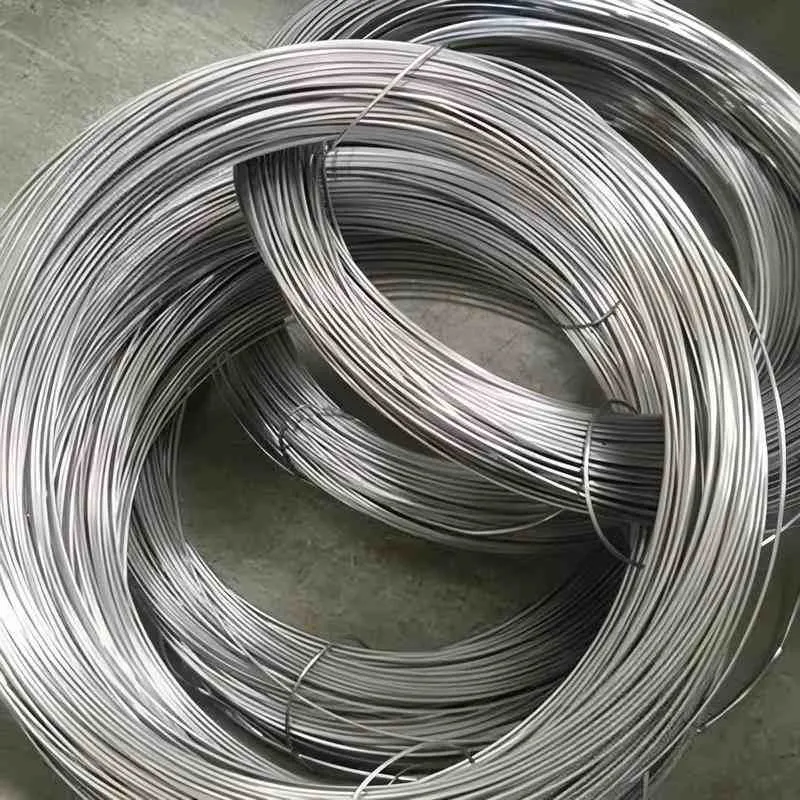
AISI 4147 Steel Foil/Strip
Product Code : STI-CSTI-1486-CU
We provide AISI 4147 Steel Foil/Strip is available in Bar (Round bar, Flat bar), Ribbon, Wire, Rods, Tube,Seamless Tube,Pipe, Ingots, Plate, Sheet, Strip and Forging Stock.,Purity, chemical composition, size, etc. can all be customized to meet specific requirements.
Please contact us if you need customized services. We will contact you with the price and availability in 24 hours.
AISI 4147 Steel Foil Product Information
-:-
For detailed product information, please contact sales.
-:
AISI 4147 Steel Foil Synonyms
-:-
For detailed product information, please contact sales.
-:
AISI 4147 Steel Product Information
-:-
For detailed product information, please contact sales.
-:
# **AISI 4147 Steel: Comprehensive Product Overview**
## **1. Introduction**
**AISI 4147 Steel** is a high-carbon, chromium-molybdenum (Cr-Mo) alloy steel that represents the upper carbon limit of the standard 41xx series. With a carbon content of 0.45-0.50%, it is engineered to achieve the **maximum attainable hardness, wear resistance, and strength** through quenching and tempering, while maintaining the characteristic toughness and hardenability provided by its chromium and molybdenum alloying. This grade is specifically designed for applications demanding extreme surface durability and load-bearing capacity, often in large cross-sections where through-hardening is critical.
## **2. Chemical Composition**
The composition of AISI 4147 is distinguished by its high carbon content, positioning it for maximum as-quenched hardness.
| Element | Composition Range (% by weight) | Metallurgical Function |
| :--- | :--- | :--- |
| **Carbon (C)** | **0.45 - 0.50** | **The defining characteristic.** Provides the highest possible hardness and tensile strength in the quenched and tempered condition within the 41xx family. Forms a high-carbon martensite matrix and abundant fine alloy carbides. |
| **Manganese (Mn)** | 0.75 - 1.00 | Essential for achieving deep hardenability, ensuring a fully martensitic structure even in substantial thicknesses upon oil quenching. |
| **Phosphorus (P)** | ≤ 0.035 | Residual impurity, minimized to preserve ductility and impact toughness at high strength levels. |
| **Sulfur (S)** | ≤ 0.040 | Residual impurity, kept low. |
| **Silicon (Si)** | 0.15 - 0.35 | Acts as a deoxidizer and provides solid solution strengthening. Enhances resistance to softening during tempering. |
| **Chromium (Cr)** | 0.80 - 1.10 | Contributes significantly to hardenability, promotes the formation of hard, wear-resistant chromium carbides, and improves tempering resistance. |
| **Molybdenum (Mo)** | 0.15 - 0.25 | A critical addition that increases hardenability depth, suppresses temper embrittlement, and enhances high-temperature strength and toughness. |
## **3. Typical Physical & Mechanical Properties**
*Properties are highly dependent on heat treatment. The following are representative for a quenched and tempered condition (e.g., oil quenched and tempered at 525°C/975°F).*
* **Physical Properties:**
* **Density:** 7.85 g/cm³ (0.284 lb/in³)
* **Melting Point:** ~1400°C (2550°F)
* **Modulus of Elasticity:** 205 GPa (29,700 ksi)
* **Poisson's Ratio:** 0.29
* **Thermal Conductivity:** ~40.0 W/m·K @ 100°C
* **Coefficient of Thermal Expansion:** 11.2 µm/m·°C (20-100°C)
* **Mechanical Properties (After Quenching & Tempering):**
* **Tensile Strength:** 1250 - 1550 MPa (181,000 - 225,000 psi)
* **Yield Strength (0.2% Offset):** 1100 - 1400 MPa (160,000 - 203,000 psi)
* **Elongation (in 50mm):** 10% - 14%
* **Reduction of Area:** 35% - 45%
* **Hardness (Typical Range):** 38 - 46 HRC (~370 - 440 HB)
* **Charpy V-Notch Impact:** 15 - 28 J (11 - 21 ft-lb) at room temperature. *(Note: Toughness is lower than lower-carbon 41xx grades at equivalent hardness due to higher carbon content.)*
* **Hardenability (Jominy DI):** Excellent. One of the highest in the 41xx series, capable of through-hardening very large diameters in oil.
## **4. Product Applications**
AISI 4147 is specified for the most severe service conditions where wear resistance, high compressive strength, and ability to withstand heavy rolling/sliding contact are paramount.
* **Heavy-Duty Gearing and Power Transmission:**
* **Large, heavily loaded gear wheels** for mining excavators, draglines, and ball mills.
* **Pinions and bull gears** in heavy industrial drives.
* **Oil & Gas Drilling Equipment:**
* **Extreme-service drill collars** and **stabilizers**.
* **Large-diameter tool joints** and **kelly bars**.
* **Forging, Extrusion, and Metalforming Tooling:**
* **Die blocks and inserts** for hot and cold forging.
* **Mandrels, cores, and plungers** for extrusion.
* **Crusher and Pulverizer Components:**
* **Crusher rolls, hammers, and breaker plates.**
* **Roller shells** for high-pressure grinding rolls (HPGR).
* **High-Strength Shafting and Axles:**
* **Heavy vehicle axles** and **drive shafts** under maximum torque loads.
* **Crankshafts** for large, slow-speed engines.
* **Wear Plates and Liners:**
* For chutes, hoppers, and conveyors handling highly abrasive materials.
## **5. International Standards & Equivalent Grades**
| Standard / Country | Designation | Note / Status |
| :--- | :--- | :--- |
| **AISI / SAE (USA)** | **4147** | The primary reference standard. |
| **ASTM (USA)** | A29 / A322 (Grade 4147) | Standard specification for alloy steel bars. |
| **UNS** | G41470 | Unified Numbering System. |
| **DIN (Germany)** | 42CrMo4 / 1.7225 | *Note: The DIN 42CrMo4 standard carbon range (0.38-0.45%) typically falls short for 4147. For exact equivalence, a higher-carbon variant like 50CrMo4 (1.7228) may be more appropriate.* |
| **EN (Europe)** | 1.7225 / 42CrMo4 | Same note as DIN applies. |
| **JIS (Japan)** | **SCM445** | The closest standard Japanese grade (0.42-0.48%C). SCM440 has lower carbon. |
| **GB (China)** | **45CrMo / 50CrMo** | **45CrMo** (0.42-0.50%C) is a close match. **50CrMo** (0.47-0.55%C) may be specified for the upper carbon range. |
| **ISO** | **ISO 683-18: Type 42CrMo4** | International standard; carbon range may not fully align. |
## **6. Heat Treatment Guidelines**
* **Annealing:** Heat to ~815°C (1500°F), slow furnace cool to ~480°C (900°F), then air cool. Produces a soft, spheroidized structure (~180-220 HB) optimal for machining.
* **Normalizing:** Heat to 870-900°C (1600-1650°F), air cool. Used to refine grain after forging.
* **Hardening (Quenching):**
* **Austenitizing Temperature:** 830-845°C (1525-1555°F). Precise control is critical to avoid excessive grain growth while ensuring carbide dissolution.
* **Quenching Medium:** **Oil quench** is standard and effective for very thick sections. Due to the high hardenability, it can through-harden sections beyond 150mm (6") in diameter. Water quenching is **not recommended** due to extreme risk of cracking.
* **Tempering:** **Mandatory and must be performed immediately after quenching.** For a balance of strength and toughness, temper between **480-600°C (900-1110°F)**. **Double tempering** is strongly recommended to transform retained austenite and maximize dimensional stability.
* **Stress Relieving:** After heavy machining in the annealed state, heat to 595-650°C (1100-1200°F) to relieve internal stresses.
## **7. Machinability & Weldability**
* **Machinability:** **Fair to Poor** in the annealed condition (~55% of a 1% carbon steel standard). The high carbon content increases abrasiveness and cutting forces. Use carbide tooling with positive rake angles and ample coolant.
* **Weldability:** **Very Poor.** The high carbon equivalent makes it extremely prone to hardening and cracking in the heat-affected zone (HAZ). Welding should be avoided. If absolutely necessary:
* **Preheat** to a minimum of 315°C (600°F).
* Use very low-hydrogen electrodes and strict procedures.
* **Post-weld heat treatment** (full re-austenitize, quench, and temper) is **essential** to restore properties.
## **8. Key Advantages & Design Considerations**
**Advantages:**
* Maximum hardness and wear resistance in the 41xx series.
* Exceptional hardenability for through-hardening of very large components.
* High compressive and tensile yield strength.
* Good resistance to contact fatigue (pitting and spalling).
**Design & Application Considerations:**
* **Lower Impact Toughness:** Has lower toughness than 4140/4142 at similar hardness levels. Components must be designed to minimize stress concentrators (sharp corners, notches).
* **Higher Notch Sensitivity:** More susceptible to brittle fracture initiation at notches.
* **Distortion & Cracking Risk:** Higher risk during quenching than lower-carbon grades due to greater martensitic transformation stresses. Symmetrical design and uniform sections are preferred.
* **Primary Use Case:** Best suited for components operating primarily under **compressive or rolling/sliding contact loads** rather than high-impact or shock loading.
## **9. Conclusion**
**AISI 4147 steel** is the **premium, ultra-high-strength workhorse** for applications where extreme wear resistance and load capacity are the primary design drivers. Its high carbon content pushes the boundaries of the 41xx series, offering unparalleled hardness and strength potential for large, through-hardened components. However, this capability comes with trade-offs: significantly reduced weldability, lower inherent toughness, and greater processing sensitivity. It is therefore a specialist material, ideally applied in controlled manufacturing environments for components that are machined prior to heat treatment and are not subject to weld repair. When the application demands the ultimate in hardness and strength from a through-hardening Cr-Mo steel, AISI 4147 is the definitive choice.
-:-
For detailed product information, please contact sales.
-:
AISI 4147 Steel Specification
Dimensions
Size:
Diameter 20-1000 mm Length <6218 mm
Size:We can customized as required
Standard:
Per your request or drawing
We can customized as required
Properties(Theoretical)
Chemical Composition
-:-
For detailed product information, please contact sales.
-:
AISI 4147 Steel Properties
-:-
For detailed product information, please contact sales.
-:
Applications of AISI 4147 Steel Foil
-:-
For detailed product information, please contact sales.
-:
Chemical Identifiers AISI 4147 Steel Foil
-:-
For detailed product information, please contact sales.
-:
Packing of AISI 4147 Steel Foil/Strip
-:-
For detailed product information, please contact sales.
-:
Standard Packing:
-:-
For detailed product information, please contact sales.
-:
Typical bulk packaging includes palletized plastic 5 gallon/25 kg. pails, fiber and Steel Foil/Strip drums to 1 ton super sacks in full container (FCL) or truck load (T/L) quantities. Research and sample quantities and hygroscopic, oxidizing or other air sensitive materials may be packaged under argon or vacuum. Solutions are packaged in polypropylene, plastic or glass jars up to palletized 2689 gallon liquid totes Special package is available on request. E FORUs’ is carefully handled to minimize damage during storage and transportation and to preserve the quality of our products in their original condition