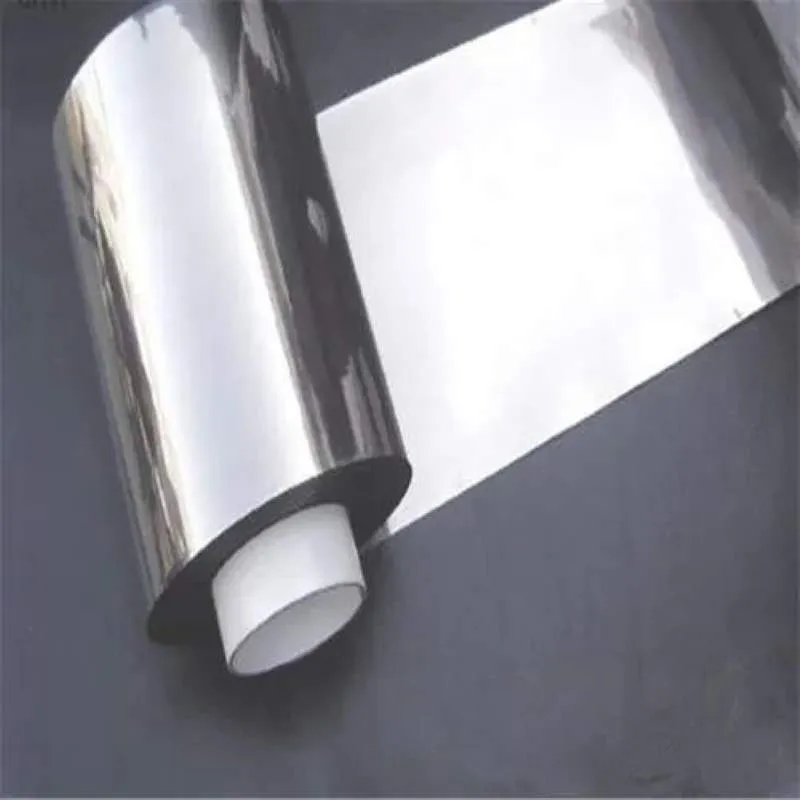
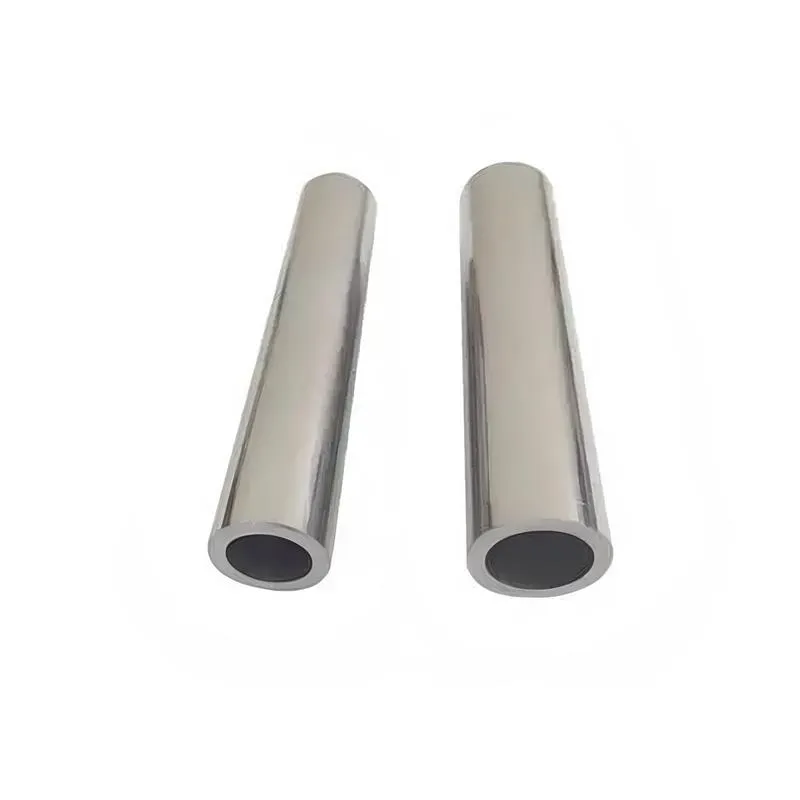
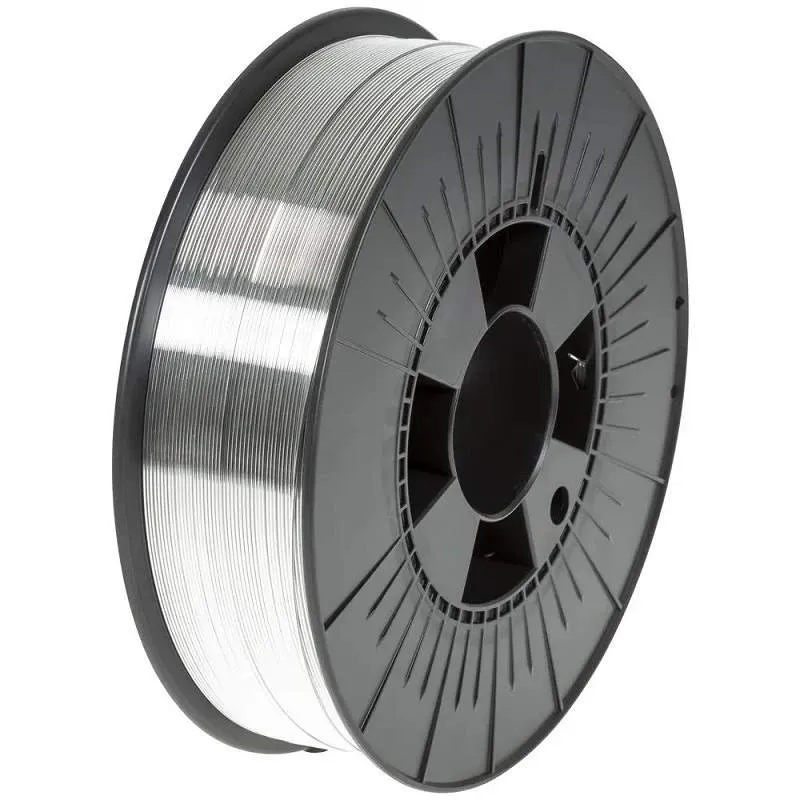
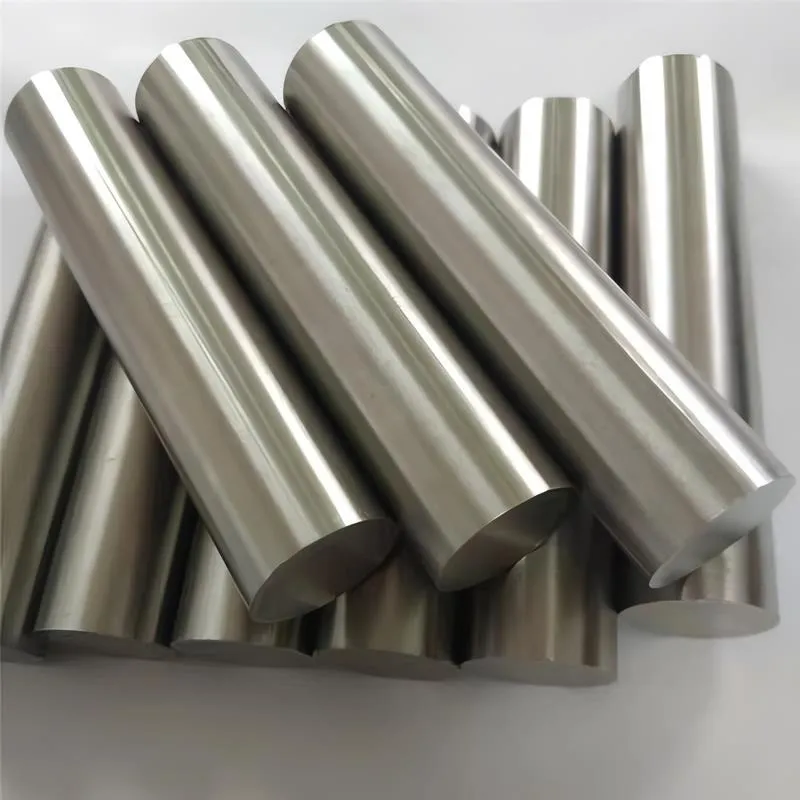
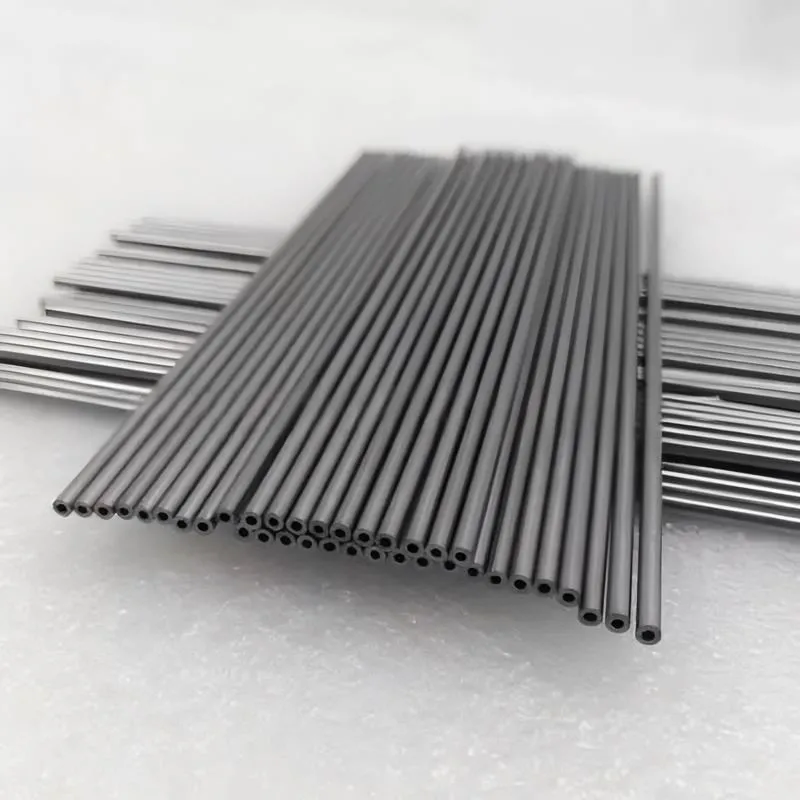
AISI 8642 Steel Foil/Strip
Product Code : STI-CSTI-1623-CU
We provide AISI 8642 Steel Foil/Strip, oil quenched 845°C (1550°F), 540°C (1000°F) temper, round is available in Bar (Round bar, Flat bar), Ribbon, Wire, Rods, Tube,Seamless Tube,Pipe, Ingots, Plate, Sheet, Strip and Forging Stock.,Purity, chemical composition, size, etc. can all be customized to meet specific requirements.
Please contact us if you need customized services. We will contact you with the price and availability in 24 hours.
AISI 8642 Steel Foil, oil quenched 845°C (1550°F), 540°C (1000°F) temper, round Product Information
-:-
For detailed product information, please contact sales.
-:
AISI 8642 Steel Foil, oil quenched 845°C (1550°F), 540°C (1000°F) temper, round Synonyms
-:-
For detailed product information, please contact sales.
-:
AISI 8642 Steel, oil quenched 845°C (1550°F), 540°C (1000°F) temper, round Product Information
-:-
For detailed product information, please contact sales.
-:
# **Technical Data Sheet: AISI 8642 Alloy Steel**
## **Oil Quenched & Tempered Condition**
---
### **1. Material Overview**
**Designation:** AISI 8642 / UNS G86420
**Heat Treatment:** Oil Quenched from 845°C (1550°F) + Tempered at 540°C (1000°F)
**Form:** Round Bar
**Material Classification:** Nickel-Chromium-Molybdenum (Ni-Cr-Mo) Medium-Carbon Alloy Steel
**Key Profile:** AISI 8642 is a versatile alloy steel with a carbon content intermediate between 8640 and 8645 grades. This specific heat treatment produces a tempered martensitic structure that achieves an excellent balance of high tensile strength, good toughness, and fatigue resistance. The 540°C tempering temperature represents the optimal processing condition for applications requiring both substantial load-bearing capacity and impact resistance.
---
### **2. Standards & Specifications**
**International Standards Compliance:**
- **UNS:** G86420
- **ASTM Standards:**
- **A322:** Standard Specification for Steel Bars, Alloy, Standard Grades
- **A331:** Alloy Steel Bars Subject to Mechanical Property Requirements
- **A519:** Seamless Carbon and Alloy Steel Mechanical Tubing
- **SAE/AISI:** SAE J404, J412 (Chemical Composition)
- **ISO Equivalent:** 683-11: Heat-treatable steels, alloy steels
- **EN (European):** Similar to 1.6546 (34CrNiMo6) with adjusted carbon content
- **DIN:** Approximately equivalent to 34CrNiMo6 with modifications
---
### **3. Chemical Composition**
**Standard Composition Ranges (Weight %):**
| Element | Standard Range | Typical Value | Metallurgical Function |
|---------|---------------|--------------|------------------------|
| **Carbon (C)** | 0.40 - 0.45% | 0.42% | Primary strength determinant, higher than 8640 for increased hardenability |
| **Manganese (Mn)** | 0.75 - 1.00% | 0.85% | Enhances hardenability, improves strength |
| **Silicon (Si)** | 0.15 - 0.30% | 0.25% | Deoxidizer, solid solution strengthener |
| **Nickel (Ni)** | 0.40 - 0.70% | 0.55% | Improves toughness and hardenability |
| **Chromium (Cr)** | 0.40 - 0.60% | 0.50% | Increases hardenability depth, improves wear resistance |
| **Molybdenum (Mo)** | 0.15 - 0.25% | 0.20% | Enhances hardenability, reduces temper embrittlement |
| **Phosphorus (P)** | ≤ 0.035% | 0.020% | Residual element (minimized) |
| **Sulfur (S)** | ≤ 0.040% | 0.025% | Residual element (standard grade) |
| **Iron (Fe)** | Balance | Balance | Matrix element |
**Key Differentiation from AISI 8640:**
The carbon content range of 0.40-0.45% provides approximately 5-10% greater hardenability and 3-5% higher achievable strength compared to AISI 8640 (0.38-0.43% C), while maintaining similar toughness characteristics.
---
### **4. Heat Treatment Process**
**Standard Processing Sequence:**
1. **Austenitizing:**
- Temperature: 845°C ± 15°C (1550°F ± 25°F)
- Soak Time: 30-45 minutes per inch of thickness
- Atmosphere: Neutral or protective to prevent decarburization
2. **Quenching:**
- Medium: Oil quench (fast quenching oil, ISO VG 46-68)
- Oil Temperature: 40-80°C (100-180°F)
- Agitation: Moderate to ensure uniform cooling
- Target Cooling Rate: >55°C/second (100°F/second) through transformation range
3. **Tempering:**
- Primary Temper: 540°C ± 15°C (1000°F ± 25°F)
- Time: 1-2 hours per inch of thickness
- Cooling: Air cooling to room temperature
- Optional Stress Relief: Additional temper at 600°C if required
**Microstructural Characteristics:**
- **As-Quenched:** Predominantly martensite with minimal retained austenite (<5%)
- **After Tempering:** Fine tempered martensite with uniform carbide precipitation
- **Prior Austenite Grain Size:** ASTM 7-8 (15-22 μm)
- **Carbide Distribution:** Fine, spherical M₃C and alloy carbides
---
### **5. Mechanical Properties**
**Property Ranges by Diameter:**
| Property | 25 mm (1") Diameter | 50 mm (2") Diameter | 75 mm (3") Diameter | Test Standard |
|----------|---------------------|---------------------|---------------------|---------------|
| **Tensile Strength** | 1080-1210 MPa | 1050-1180 MPa | 1020-1150 MPa | ASTM A370 |
| **Yield Strength (0.2%)** | 970-1100 MPa | 940-1070 MPa | 910-1040 MPa | ASTM A370 |
| **Elongation** | 13-17% | 14-18% | 15-19% | ASTM A370 |
| **Reduction of Area** | 43-53% | 45-55% | 47-57% | ASTM A370 |
| **Hardness** | 36-42 HRC | 35-41 HRC | 34-40 HRC | ASTM E18 |
| **Charpy V-Notch (20°C)** | 35-55 J | 37-57 J | 39-59 J | ASTM E23 |
| **Charpy V-Notch (-18°C/0°F)** | 22-40 J | 24-42 J | 26-44 J | ASTM E23 |
| **Fatigue Strength (10⁷ cycles)** | 520-620 MPa | 510-610 MPa | 500-600 MPa | ASTM E466 |
| **Fracture Toughness (K₁C)** | 55-75 MPa√m | 57-77 MPa√m | 59-79 MPa√m | ASTM E399 |
**Property Characteristics:**
- **Strength Advantage:** Approximately 3-5% higher than AISI 8640 at same tempering temperature
- **Hardenability:** Superior to AISI 8640, suitable for larger sections
- **Toughness Balance:** Maintains good impact resistance despite higher carbon content
- **Fatigue Performance:** Excellent fatigue strength-to-tensile strength ratio (~0.48-0.52)
---
### **6. Physical Properties**
| Property | Value | Units | Conditions |
|----------|-------|-------|------------|
| **Density** | 7.85 | g/cm³ | At 20°C |
| **Melting Range** | 1420-1465 | °C | Due to slightly higher carbon content |
| **Thermal Conductivity** | 42.0 | W/m·K | At 100°C |
| **Specific Heat Capacity** | 460 | J/kg·K | At 100°C |
| **Coefficient of Thermal Expansion** | 11.5 × 10⁻⁶ | /°C | 20-100°C range |
| **Modulus of Elasticity** | 205 | GPa | 29.7 × 10⁶ psi |
| **Shear Modulus** | 80 | GPa | 11.6 × 10⁶ psi |
| **Poisson's Ratio** | 0.29 | - | - |
| **Electrical Resistivity** | 0.23 | μΩ·m | At 20°C |
---
### **7. Hardenability Characteristics**
**Estimated Jominy Hardenability Curve:**
(Note: 8642 is less commonly specified than 8640, but exhibits greater hardenability)
| Distance from Quenched End | Estimated Hardness Range (HRC) |
|----------------------------|--------------------------------|
| 1.5 mm (1/16") | 46-58 |
| 3.0 mm (1/8") | 45-56 |
| 5.0 mm (3/16") | 43-53 |
| 9.5 mm (3/8") | 36-46 |
| 12.7 mm (1/2") | 33-43 |
| 19.0 mm (3/4") | 28-38 |
| 25.4 mm (1") | 24-34 |
**Section Size Capability:**
- **Fully Through-Hardenable:** Up to 75 mm (3") diameter
- **Partially Through-Hardenable:** 75-100 mm (3-4") diameter
- **Surface-Hardening Recommended:** Over 100 mm (4") diameter
---
### **8. Material Characteristics & Performance**
**Key Advantages:**
1. **Enhanced Strength:** Higher carbon content provides greater tensile and yield strength
2. **Improved Hardenability:** Better through-hardening capability than 8640
3. **Good Toughness Retention:** Maintains reasonable impact resistance despite higher strength
4. **Excellent Fatigue Resistance:** Well-suited for cyclic loading applications
5. **Wear Resistance:** Superior to lower carbon grades at equivalent hardness
6. **Cost-Effective Strength:** Provides strength boost without moving to more expensive alloys
**Limitations & Considerations:**
- **Toughness vs. 8640:** Slightly lower impact resistance than AISI 8640 at same temper
- **Weldability:** More challenging than lower carbon steels, requires strict procedures
- **Maximum Service Temperature:** ~400°C (750°F) for sustained loading
- **Corrosion Resistance:** Limited; requires protective measures in harsh environments
---
### **9. Applications**
**Heavy-Duty Automotive Components:**
- Heavy truck axle shafts and differential gears
- Commercial vehicle transmission shafts
- Large diesel engine crankshafts and connecting rods
- Off-road vehicle suspension components
- Heavy-duty steering linkage parts
**Industrial Machinery:**
- Large gearbox shafts and pinions
- Heavy-duty pump shafts for industrial applications
- Compressor crankshafts and connecting rods
- Mining equipment drive components
- Crane and hoist machinery shafts
**Oil & Gas Equipment:**
- Drill string tool joints and subs
- Pump shafts for mud pumps and injection pumps
- Valve stems for high-pressure service
- Wellhead equipment components
- Downhole tool bodies
**Construction Equipment:**
- Excavator swing mechanism components
- Bulldozer final drive shafts
- Crane boom foot pins and sheave shafts
- Pile driver components
- Concrete pump truck parts
**Power Transmission:**
- Large diameter drive shafts
- Coupling hubs and flanges
- Heavy-duty universal joint components
- Gear couplings for high-torque applications
- Splined shafts for heavy machinery
**Agricultural Machinery:**
- Tractor PTO shafts
- Combine harvester drive components
- Large baler drive shafts
- Irrigation pump shafts
- Tractor transmission gears
**General Manufacturing:**
- Large press components
- Die casting machine tie bars
- Rolling mill rolls (backup and intermediate)
- Large hydraulic cylinder rods
- Special tooling components requiring high strength
---
### **10. Machining & Processing Guidelines**
**Machining in Heat-Treated Condition:**
- **Machinability Rating:** 55% (compared to 100% for 1212 steel)
- **Recommended Tools:** Coated carbide or ceramic inserts
- **Cutting Speed:** 60-90 m/min for turning operations
- **Feed Rate:** 0.15-0.30 mm/rev for roughing, 0.08-0.15 mm/rev for finishing
- **Depth of Cut:** Up to 4 mm depending on setup rigidity
- **Coolant:** Essential for heat management and tool life
**Alternative Machining Strategy:**
- Machine in annealed condition (BHN 187-229)
- Perform heat treatment after machining
- Final grinding or hard machining as needed
**Heat Treatment Considerations:**
- **Preheating:** Recommended for sections >50 mm to minimize distortion
- **Quenching Control:** Critical to prevent cracking in higher carbon steel
- **Tempering:** Immediate tempering after quenching essential
- **Stress Relieving:** Beneficial for complex geometries
---
### **11. Welding Procedures**
**General Guidelines:**
- **Weldability Rating:** Fair (requires careful procedures)
- **Preheat Temperature:** 200-300°C (400-570°F) minimum
- **Interpass Temperature:** 200-300°C
- **Post-Weld Heat Treatment:** Mandatory - Temper at 595-650°C
- **Cooling Rate:** Controlled cooling to room temperature
**Recommended Processes & Materials:**
- **Processes:** GTAW (TIG) preferred, SMAW with low-hydrogen electrodes
- **Filler Metals:** AWS A5.28 ER80S-B2, A5.5 E8018-B2
- **Shielding Gas:** Argon or Ar/He mixtures for GTAW
- **Important:** Consider annealing before welding for critical applications
---
### **12. Quality Assurance & Testing**
**Standard Testing Protocol:**
1. **Chemical Analysis:** Spectrographic or combustion methods
2. **Mechanical Testing:** Tensile, impact, and hardness tests
3. **Hardness Survey:** Multiple points across diameter
4. **Non-Destructive Testing:** Ultrasonic or magnetic particle as specified
5. **Microstructural Examination:** Grain size and inclusion rating
**Enhanced Testing Options:**
- Fatigue testing at service conditions
- Fracture toughness evaluation
- Residual stress measurement
- Hydrogen content analysis
- Macroscopic examination
**Certification Requirements:**
- Mill Test Certificate to EN 10204 3.1 or 3.2
- Chemical analysis certificate
- Mechanical test reports
- Heat treatment records
- Non-destructive testing reports (if specified)
---
### **13. Comparative Analysis**
**Vs. AISI 8640 at Same Temper:**
- 3-5% higher tensile and yield strength
- 5-10% better hardenability
- Slightly lower impact toughness (10-15%)
- Similar fatigue and wear characteristics
- Better for larger sections or higher strength requirements
**Vs. AISI 8645:**
- Better toughness and ductility
- Easier to machine and process
- Lower maximum achievable hardness
- More forgiving in heat treatment
**Vs. AISI 4340:**
- Lower cost
- Adequate for many applications
- Slightly lower hardenability
- Different alloy balance (Ni-Cr-Mo vs Ni-Cr-Mo with higher Ni)
---
### **14. Technical Recommendations**
**Design Considerations:**
1. **Section Size:** Optimal for 25-75 mm diameter applications
2. **Loading Conditions:** Excellent for combined bending and torsion
3. **Stress Concentrations:** Use generous fillet radii (minimum R=3 mm)
4. **Surface Treatments:** Shot peening highly beneficial for fatigue life
5. **Corrosion Protection:** Essential for outdoor or harsh environments
**Procurement Specification Example:**
```
MATERIAL: AISI 8642 Alloy Steel Round Bar
HEAT TREATMENT: Oil Quenched 845°C, Tempered 540°C
SPECIFICATION: ASTM A322, Grade 8642
PROPERTIES: UTS: 1050-1210 MPa, YS: 940-1100 MPa
HARDNESS: 34-42 HRC (depending on diameter)
IMPACT: Charpy V-Notch ≥ 35 J at 20°C
CERTIFICATION: EN 10204 3.1 with full test reports
```
**Safety Factors Recommended:**
- Static loading: 2.0-2.5
- Fatigue loading: 1.8-2.2
- Impact loading: 3.0-4.0
- Elevated temperature: 2.5-3.0
---
### **15. Storage & Handling**
**General Guidelines:**
- **Storage Conditions:** Dry, covered storage
- **Surface Protection:** Apply rust preventive oil for storage >30 days
- **Handling:** Use appropriate equipment to prevent surface damage
- **Identification:** Maintain material identification throughout processing
- **Shelf Life:** 12 months with proper protection
**Special Considerations:**
- Larger diameters require horizontal storage on multiple supports
- Regular inspection for surface corrosion
- Reapplication of protective coatings as needed
- Proper lifting techniques to prevent bending
---
**Disclaimer:** This technical data sheet provides characteristic values for AISI 8642 steel oil quenched and tempered at 540°C. Actual properties may vary based on specific manufacturing processes, section size, and heat treatment parameters. For critical applications, conduct appropriate testing and validation. This information does not constitute a material specification or warranty. Consult with qualified materials engineers for application-specific recommendations.
---
**Document Control**
- **Document Number:** TDS-8642-540T
- **Revision:** 1.0
- **Effective Date:** March 2024
- **Prepared By:** Materials Engineering Department
- **Approved By:** Chief Metallurgist
- **Quality System:** ISO 9001:2015 Certified
-:-
For detailed product information, please contact sales.
-:
AISI 8642 Steel, oil quenched 845°C (1550°F), 540°C (1000°F) temper, round Specification
Dimensions
Size:
Diameter 20-1000 mm Length <6355 mm
Size:We can customized as required
Standard:
Per your request or drawing
We can customized as required
Properties(Theoretical)
Chemical Composition
-:-
For detailed product information, please contact sales.
-:
AISI 8642 Steel, oil quenched 845°C (1550°F), 540°C (1000°F) temper, round Properties
-:-
For detailed product information, please contact sales.
-:
Applications of AISI 8642 Steel Foil, oil quenched 845°C (1550°F), 540°C (1000°F) temper, round
-:-
For detailed product information, please contact sales.
-:
Chemical Identifiers AISI 8642 Steel Foil, oil quenched 845°C (1550°F), 540°C (1000°F) temper, round
-:-
For detailed product information, please contact sales.
-:
Packing of AISI 8642 Steel Foil/Strip, oil quenched 845°C (1550°F), 540°C (1000°F) temper, round
-:-
For detailed product information, please contact sales.
-:
Standard Packing:
-:-
For detailed product information, please contact sales.
-:
Typical bulk packaging includes palletized plastic 5 gallon/25 kg. pails, fiber and Steel Foil/Strip drums to 1 ton super sacks in full container (FCL) or truck load (T/L) quantities. Research and sample quantities and hygroscopic, oxidizing or other air sensitive materials may be packaged under argon or vacuum. Solutions are packaged in polypropylene, plastic or glass jars up to palletized 2826 gallon liquid totes Special package is available on request. E FORUs’ is carefully handled to minimize damage during storage and transportation and to preserve the quality of our products in their original condition