AISI 1015 Steel, annealed
Product Code : STI-CSTI-024-CU
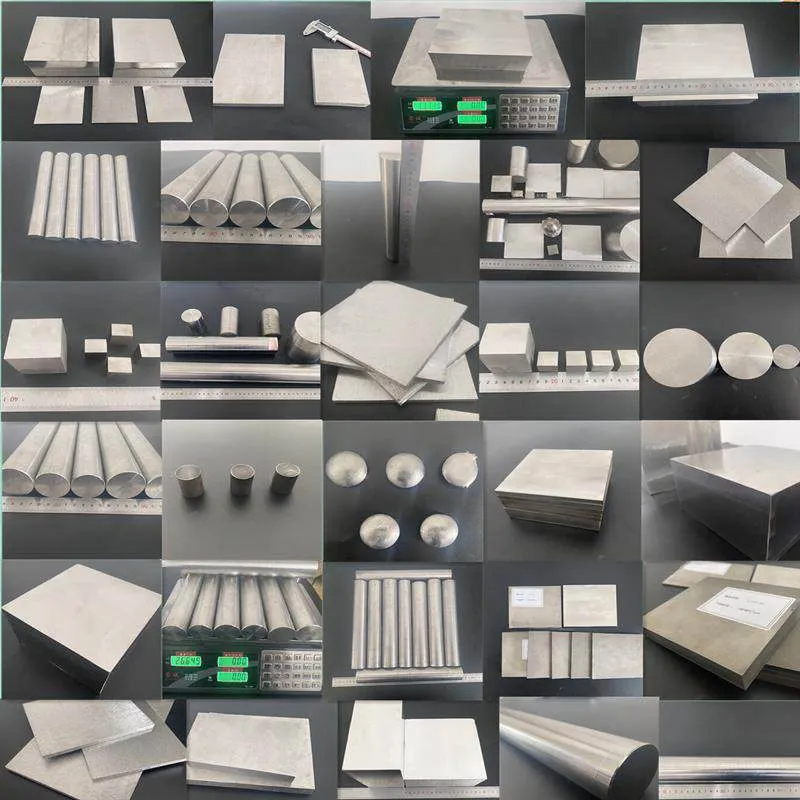
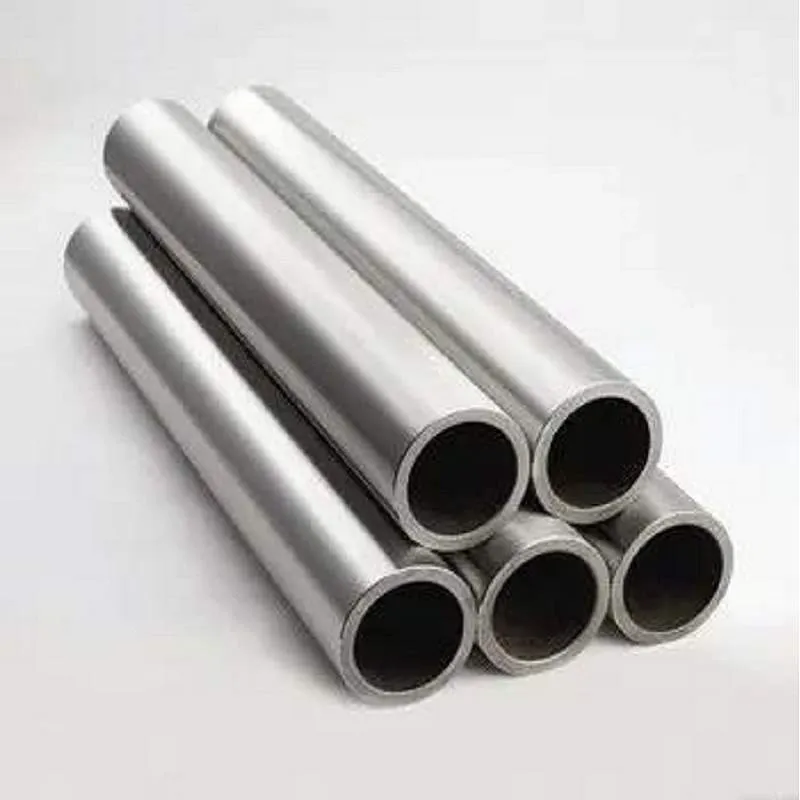
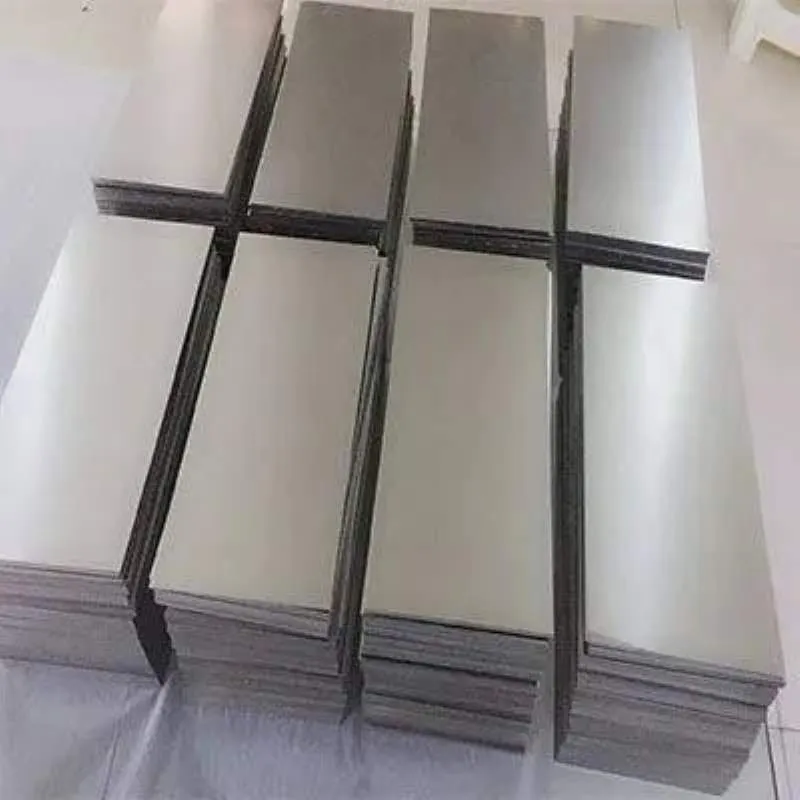
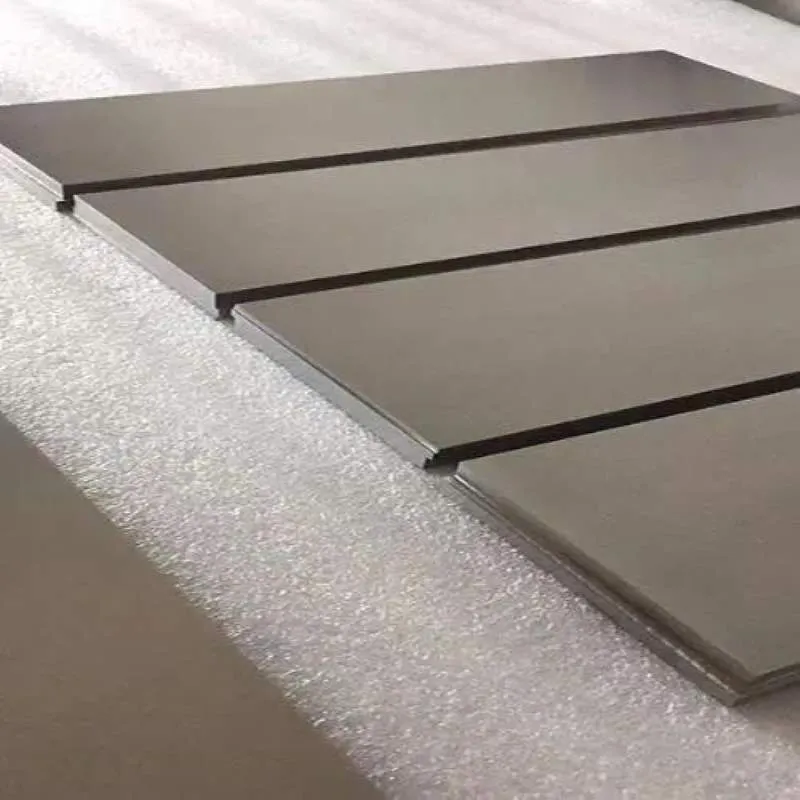
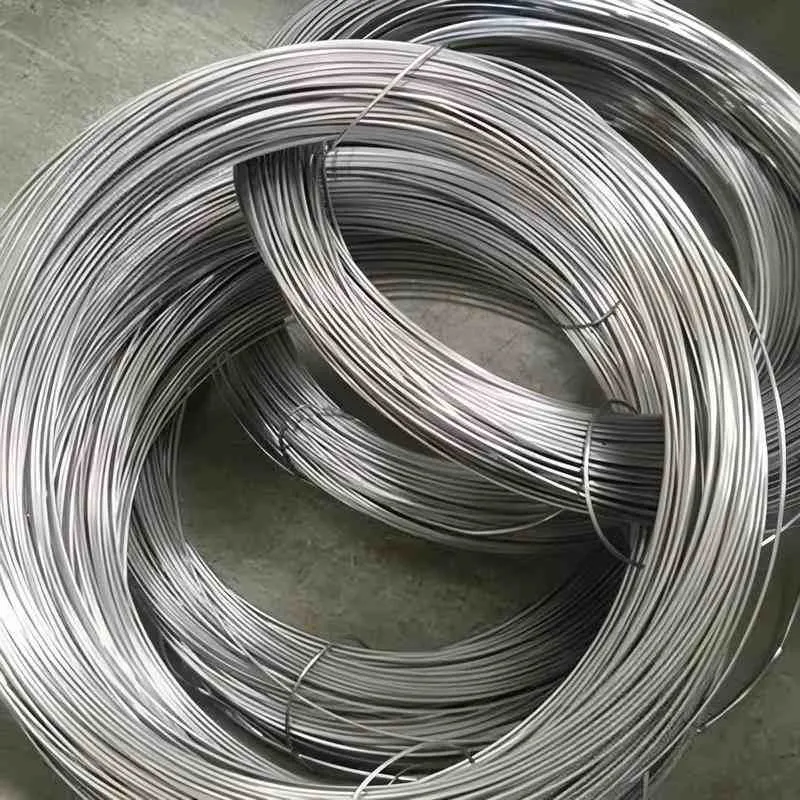
We provide AISI 1015 Steel, annealed at 870°C (1600°F) is available in Bar (Round bar, Flat bar), Ribbon, Wire, Rods, Tube,Seamless Tube,Pipe, Ingots, Plate, Sheet, Strip and Forging Stock.,Purity, chemical composition, size, etc. can all be customized to meet specific requirements.
Please contact us if you need customized services. We will contact you with the price and availability in 24 hours.
AISI 1015 Steel, annealed at 870°C (1600°F) Product Information
-:-
For detailed product information, please contact sales.
-:
AISI 1015 Steel, annealed at 870°C (1600°F) Synonyms
-:-
For detailed product information, please contact sales.
-:
AISI 1015 Steel, annealed at 870°C (1600°F) Product Information
-:-
For detailed product information, please contact sales.
-:
## **Product Specification: AISI 1015 Low Carbon Steel, Annealed Condition**
### **Product Designation**
* **Standard Name:** AISI 1015 / SAE 1015
* **UNS Number:** G10150
* **Condition:** **Annealed (Full Anneal)**
* **Annealing Temperature:** **870°C (1600°F)**
* **Key Feature:** The softest, most ductile, and most machinable state of AISI 1015, achieved by a full annealing cycle to maximize cold workability and relieve all internal stresses.
### **Overview**
AISI 1015 in the **annealed condition** represents the optimal state for maximum formability and machinability. The full annealing process involves heating the steel to approximately 870°C (1600°F)—within the austenitic phase region for this grade—holding for sufficient time to achieve uniformity, and then **slowly cooling in the furnace**. This slow cooling rate promotes the formation of the **softest possible microstructure: coarse ferrite and pearlite**. The primary goals are to eliminate work hardening, relieve all internal stresses, reduce hardness, maximize ductility, and produce a homogeneous structure ideal for severe cold forming or complex machining operations.
---
### **1. Chemical Composition (Typical % by Weight, AISI/SAE Standard)**
The chemistry is standard AISI 1015; the dramatic property changes are induced by the thermal cycle.
| Element | Content (%) | Role & Effect after Annealing |
| :--- | :--- | :--- |
| **Carbon (C)** | 0.13 - 0.18 | In the annealed state, the carbon forms coarse, globular or lamellar pearlite within a very soft ferrite matrix, minimizing hardness and maximizing ductility. |
| **Manganese (Mn)** | 0.30 - 0.60 | Has less influence on strength in this fully softened state but contributes to microstructure uniformity. |
| **Phosphorus (P)** | 0.040 max | Impurity; controlled. |
| **Sulfur (S)** | 0.050 max | Impurity; controlled. |
| **Iron (Fe)** | Balance | Forms the coarse, equiaxed ferrite grains. |
**Microstructure:** **Coarse, equiaxed ferrite grains with large, soft pearlite colonies (often spheroidized).** This is the softest stable microstructure for this steel composition.
---
### **2. Physical & Mechanical Properties (Annealed at 870°C / 1600°F)**
**A. Physical Properties**
* **Density:** 7.87 g/cm³
* **Elastic Modulus (E):** 200 GPa (29,000 ksi)
* **Poisson's Ratio:** 0.29
* **Thermal Conductivity:** ~59.5 W/m·K
**B. Mechanical Properties (Typical, After Full Annealing)**
*Properties represent the minimum strength and maximum ductility for this grade.*
* **Yield Strength (0.2% Offset):** **250 - 310 MPa (36 - 45 ksi)**
* **Tensile Strength:** **380 - 470 MPa (55 - 68 ksi)**
* **Elongation in 50 mm:** **30% - 40%** (Excellent ductility)
* **Reduction of Area:** **55% - 70%**
* **Hardness (Brinell):** **105 - 140 HB** (Rockwell B ~60-80)
* **Machinability:** **Good, but with caveats.** While soft and easy to cut, the material can be **gummy**, leading to built-up edge on tools, poor surface finish, and long, stringy chips. For optimal machining, a **spheroidize anneal** (a specialized type of annealing) or a cold-drawn (strain-hardened) condition is often preferred.
* **Cold Formability:** **Excellent.** This is the primary reason for annealing. The material can withstand severe bending, deep drawing, and cold forging without cracking.
* **Internal Stress:** Effectively zero. Ideal for parts requiring dimensional stability after aggressive machining.
---
### **3. Product Applications**
Annealed AISI 1015 is specified when the manufacturing process demands extreme softness and ductility above all else.
* **Severe Cold Forming & Deep Drawing:**
* Complex stamped parts, deep-drawn cups, shells, and housings that would crack in a harder condition.
* **Cold Forging & Extrusion:**
* Parts produced by cold forging or extrusion that require maximum metal flow without fracture.
* **Complex Machining of Soft Parts:**
* Components where the primary concern is minimizing cutting forces and tool wear during intricate machining, and where chip control is less critical.
* **Interstage Processing:**
* Used to soften material that has been heavily cold worked (e.g., after wire drawing or cold rolling) before the next forming operation.
* **Precursor to Re-hardening:**
* Serves as a uniform, stress-free starting condition before a full heat treatment cycle (e.g., carburizing) is applied, though normalized is often preferred for better grain control.
---
### **4. International Standards & Designations**
| Standard System | Designation | Notes / Key Comparison |
| :--- | :--- | :--- |
| **SAE / AISI (USA)** | **SAE 1015, Annealed** | Base grade with specified thermal treatment. |
| **UNS (USA)** | **G10150** | Unified Numbering System. |
| **ASTM (USA)** | **ASTM A29** (with supplementary requirement), **ASTM A519** (for seamless tube), or a specific customer heat treat specification. | Often invoked as a special requirement. |
| **DIN / EN (Germany/EU)** | **C15 (1.0401) +A** or **C15U (1.1140)** | The "+A" denotes annealed condition. **C15U** is an unalloyed quality steel typically supplied in a softened condition. |
| **JIS (Japan)** | **S15C-A** | The "-A" suffix explicitly indicates the annealed condition. |
| **GB (China)** | **15 (Annealed)** | Condition specified in ordering terms. |
| **ISO** | **ISO 683-1: Designation + A** | The letter "A" appended indicates annealed. |
---
### **Technical Rationale & Comparison with Normalized State**
* **Cooling Rate:** The **critical difference** between annealing and normalizing. Annealing uses **furnace cooling** (very slow), while normalizing uses **air cooling** (faster). Slower cooling produces a coarser, softer microstructure.
* **Vs. Normalized (925°C):** Annealed 1015 is **softer, more ductile, but less strong and less tough** than normalized 1015. Normalizing yields finer grains and better mechanical properties for most structural applications.
* **Vs. As-Rolled:** Annealing **drastically improves ductility and eliminates directionality** present in the as-rolled condition.
* **Purpose:** The 870°C anneal is not for enhancing service performance, but for **optimizing manufacturability**. It is a process-oriented condition.
### **Summary**
**AISI 1015 steel annealed at 870°C (1600°F) is the ultimate state for maximizing formability and minimizing hardness.** It is a **process-enabling condition** rather than a final service condition. This treatment is specified when the manufacturing operation—such as severe cold drawing, deep stamping, or complex machining of soft material—demands that the steel be in its most malleable and forgiving state. While it sacrifices tensile strength and toughness compared to the normalized or as-rolled conditions, it provides unparalleled workability. This makes it an essential intermediate step in multi-stage fabrication processes, ensuring successful forming before the part is potentially heat-treated to its final, stronger state.
-:-
For detailed product information, please contact sales.
-:
AISI 1015 Steel, annealed at 870°C (1600°F) Specification
Dimensions
Size:
Diameter 20-1000 mm Length <4756 mm
Size:We can customized as required
Standard:
Per your request or drawing
We can customized as required
Properties(Theoretical)
Chemical Composition
-:-
For detailed product information, please contact sales.
-:
AISI 1015 Steel, annealed at 870°C (1600°F) Properties
-:-
For detailed product information, please contact sales.
-:
Applications of AISI 1015 Steel, annealed at 870°C (1600°F)
-:-
For detailed product information, please contact sales.
-:
Chemical Identifiers AISI 1015 Steel, annealed at 870°C (1600°F)
-:-
For detailed product information, please contact sales.
-:
Packing of AISI 1015 Steel, annealed at 870°C (1600°F)
-:-
For detailed product information, please contact sales.
-:
Standard Packing:
-:-
For detailed product information, please contact sales.
-:
Typical bulk packaging includes palletized plastic 5 gallon/25 kg. pails, fiber and steel drums to 1 ton super sacks in full container (FCL) or truck load (T/L) quantities. Research and sample quantities and hygroscopic, oxidizing or other air sensitive materials may be packaged under argon or vacuum. Solutions are packaged in polypropylene, plastic or glass jars up to palletized 1227 gallon liquid totes Special package is available on request. E FORUs’ is carefully handled to minimize damage during storage and transportation and to preserve the quality of our products in their original condition