AISI 1020 Steel, normalized
Product Code : STI-CSTI-715-CU
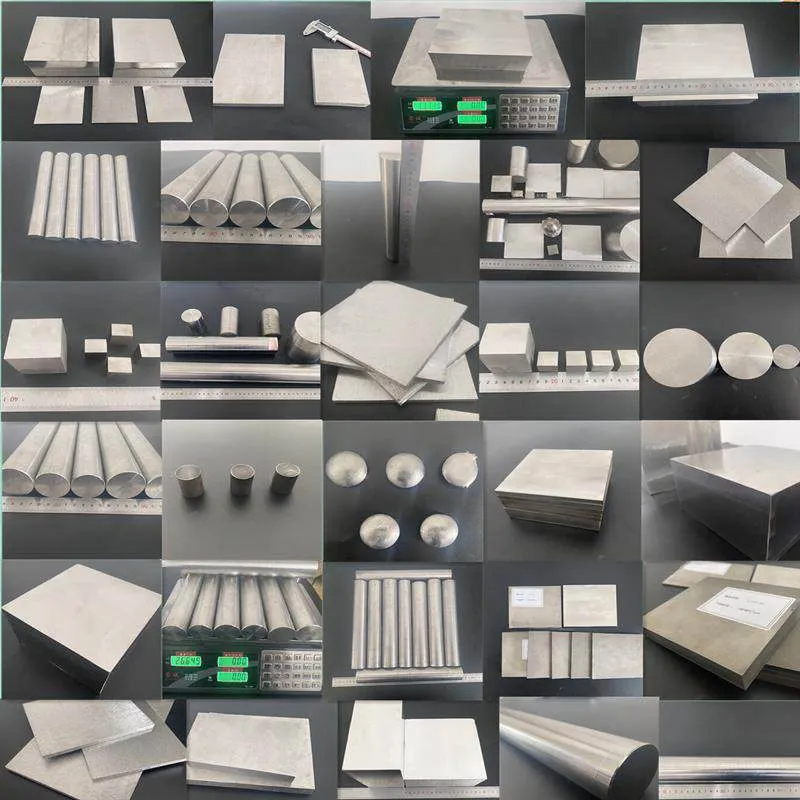
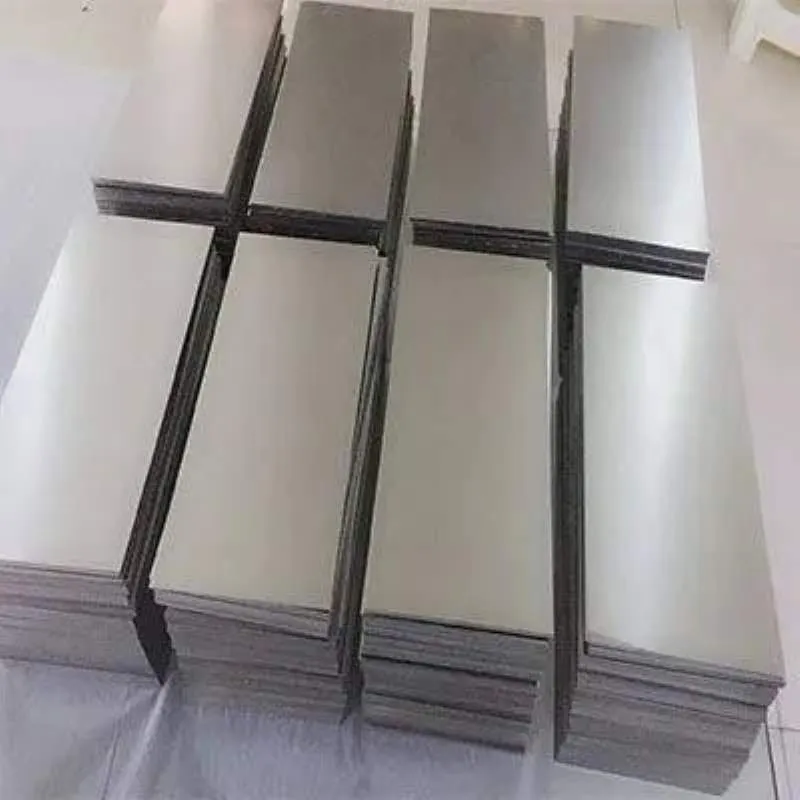
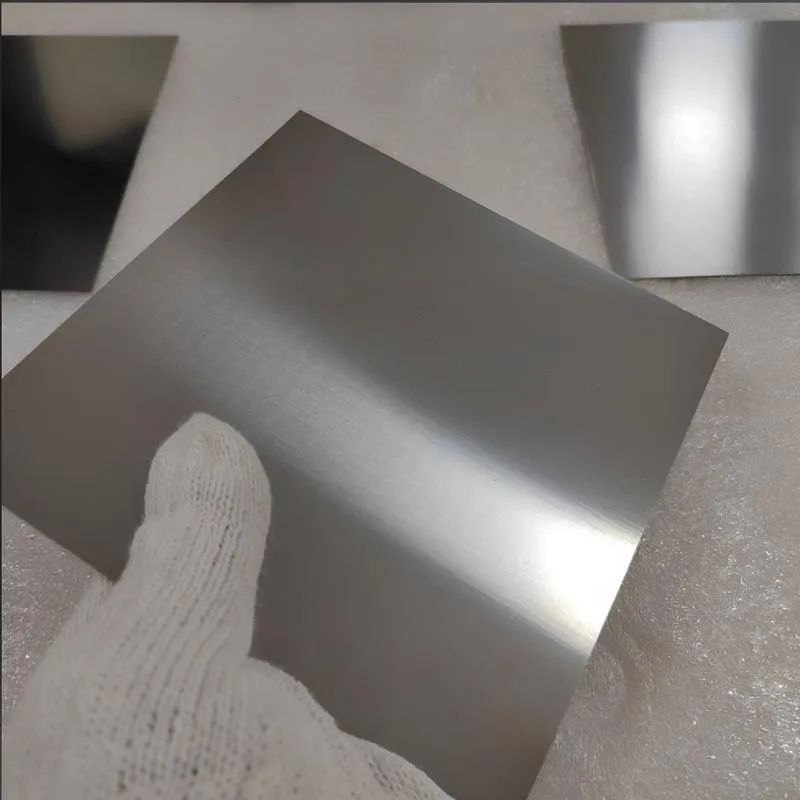
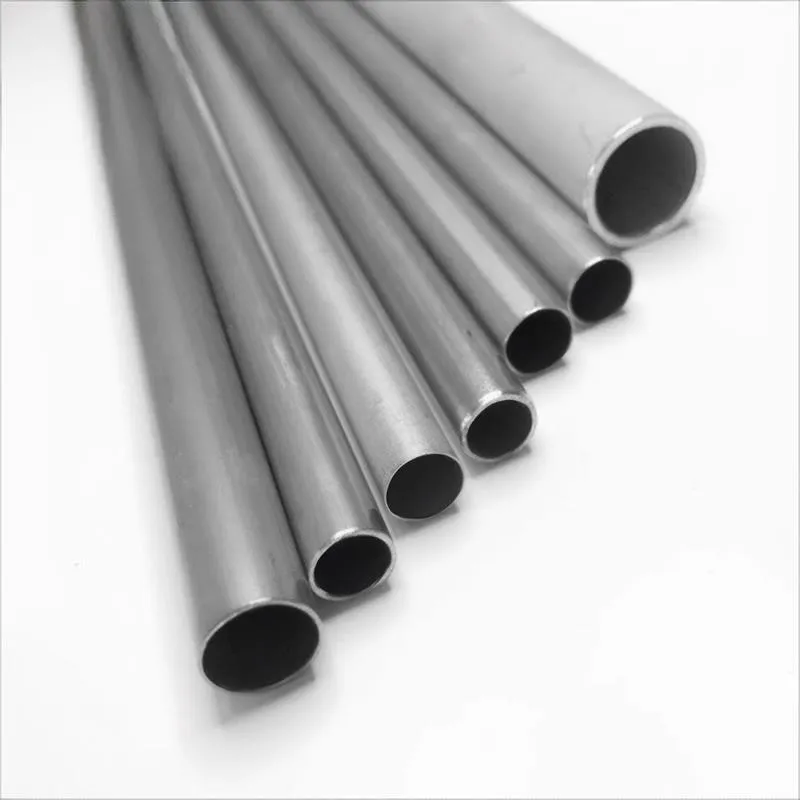
We provide AISI 1020 Steel, normalized at 870°C (1600°F) is available in Bar (Round bar, Flat bar), Ribbon, Wire, Rods, Tube,Seamless Tube,Pipe, Ingots, Plate, Sheet, Strip and Forging Stock.,Purity, chemical composition, size, etc. can all be customized to meet specific requirements.
Please contact us if you need customized services. We will contact you with the price and availability in 24 hours.
AISI 1020 Steel, normalized at 870°C (1600°F) Product Information
-:-
For detailed product information, please contact sales.
-:
AISI 1020 Steel, normalized at 870°C (1600°F) Synonyms
-:-
For detailed product information, please contact sales.
-:
AISI 1020 Steel, normalized at 870°C (1600°F) Product Information
-:-
For detailed product information, please contact sales.
-:
# **Product Specification: AISI 1020 Steel, Normalized at 870°C (1600°F)**
---
## **1. Product Overview**
AISI 1020 steel in the **Normalized** condition represents a standardized and optimized supply form of this fundamental low-carbon steel grade. The normalization process involves heating the steel uniformly to approximately **870°C (1600°F)** – above its upper critical temperature – followed by controlled cooling in still air. This critical heat treatment refines the grain structure, homogenizes the microstructure, and eliminates the inconsistencies inherent in the as-rolled or as-forged state. The result is a material with **more uniform, predictable, and improved mechanical properties** compared to as-rolled material, offering an excellent balance of strength, ductility, and machinability for precision components and demanding fabrications.
## **2. Key Features & Benefits of Normalization**
* **Grain Refinement & Homogenization:** Dissolves carbide networks and produces a fine, uniform ferrite-pearlite microstructure, eliminating the banding and coarse grains often found in as-rolled material.
* **Stress Relief:** Effectively removes internal stresses induced by previous rolling, forging, or welding operations, significantly reducing the risk of distortion during subsequent machining.
* **Enhanced & Predictable Properties:** Provides a consistent and reproducible combination of strength and toughness. Mechanical properties are more isotropic (similar in all directions).
* **Improved Machinability:** The uniform, fine-grained structure allows for smoother cutting, better chip breakage, more consistent tool life, and superior surface finish.
* **Optimal Preparation for Further Processing:** Creates an ideal, uniform starting condition for subsequent case hardening (e.g., carburizing) or other heat treatments.
## **3. Standard Chemical Composition (Weight %)**
| Element | AISI 1020 Specification | Typical Analysis |
| :--------------- | :---------------------- | :--------------- |
| **Carbon (C)** | 0.18 - 0.23 | 0.20 |
| **Manganese (Mn)**| 0.30 - 0.60 | 0.45 |
| **Phosphorus (P)**| ≤ 0.040 | 0.010 |
| **Sulfur (S)** | ≤ 0.050 | 0.025 |
| **Iron (Fe)** | Balance | Balance |
## **4. Typical Mechanical Properties (Normalized Condition)**
*Properties are representative for medium sections after normalization at 870°C (1600°F) and air cooling.*
| Property | Metric Value | Imperial Value |
| :--------------------------------- | :-------------------- | :-------------------- |
| **Tensile Strength** | 420 - 500 MPa | 61,000 - 72,500 psi |
| **Yield Strength (0.2% Offset)** | 350 - 385 MPa | 50,800 - 55,800 psi |
| **Elongation in 50 mm (2 in)** | 28% - 36% | 28% - 36% |
| **Reduction of Area** | 55% - 65% | 55% - 65% |
| **Hardness** | 110 - 135 HB | 110 - 135 HB |
| **Charpy Impact V-Notch** | 40 - 60 J | 30 - 44 ft-lbf |
| **Modulus of Elasticity** | 190 - 210 GPa | 27,500 - 30,500 ksi |
| **Machinability (Relative)** | **Very Good (~70%)** | (AISI 1212 = 100%) |
**Physical Properties:**
* Density: 7.87 g/cm³ (0.284 lb/in³)
* Melting Point: ~1520°C (2768°F)
## **5. Primary Applications**
This condition is specified for components requiring reliability, consistency, and good performance in manufacturing.
* **Precision Machined Components:** Shafts, gears (prior to case hardening), pins, bushings, and spindles where dimensional stability during machining is critical.
* **Forgings:** Normalizing is a standard post-forging treatment to refine the grain structure of forged AISI 1020 parts.
* **Weldments:** Used as a post-weld heat treatment (PWHT) for critical welded assemblies to relieve stresses and improve the properties of the heat-affected zone (HAZ).
* **Case-Hardening Stock:** The preferred and most common starting condition for parts destined for carburizing or carbonitriding, as it ensures uniform case depth and core properties.
* **General Engineering Parts:** Linkages, lever arms, fixtures, and machine components that require better performance than as-rolled steel.
* **Prototyping & Tooling:** Provides consistent behavior for testing and for non-marring tooling components.
## **6. Conforming International Standards**
Normalized AISI 1020 is recognized and supplied under standards that include or allow for heat-treated conditions.
* **AISI (USA):** AISI 1020 (Base Grade)
* **ASTM (USA):** **ASTM A29/A29M** (Standard Specification for Steel Bars, Carbon and Alloy, Hot-Wrought, General Requirements for) – can be supplied normalized as specified.
* **SAE (USA):** SAE J403, SAE J412 (Chemical), SAE J1268
* **UNS (USA):** UNS G10200
* **ISO (International):** ISO 683-18: Heat-treatable steels, alloy steels and free-cutting steels – Part 18: Bright steel products.
* **DIN (Germany):** 1.0402 / C22 (+N for normalized per EN 10083-2).
* **EN (Europe):** EN 10083-2: Steels for quenching and tempering – Part 2: Technical delivery conditions for non-alloy steels.
## **7. Fabrication & Processing Notes**
* **Machinability:** Offers excellent and consistent machinability in the normalized state. The homogeneous structure allows for high feed rates and good surface finishes.
* **Welding:** Can be readily welded. For critical components, it is advisable to normalize the entire assembly post-welding to restore uniform properties and relieve stresses.
* **Further Heat Treatment:** This is the **ideal condition for subsequent case hardening**. Carburizing at 900-930°C (1650-1700°F) followed by quenching will produce a hard, wear-resistant surface with a tough, fine-grained core.
* **Stability:** Exhibits excellent dimensional stability due to the stress-relieved state, making it suitable for precision-ground components.
## **8. Availability & Identification**
* **Forms:** Typically supplied as round, square, or flat bars; can also be plates or forgings.
* **Condition:** Supplied as **Normalized (N)**.
* **Microstructure:** Fine, equiaxed ferrite and pearlite.
* **Surface:** May be free of scale (if normalized in a controlled atmosphere) or have a light annealing oxide.
---
**Disclaimer:** The information provided is for reference purposes. While normalization standardizes properties, slight variations can occur based on section size and furnace characteristics. The stated properties are typical for medium sections (e.g., 25-50mm rounds). For guaranteed minimum properties, specific purchase specifications must be agreed upon with the supplier. It is the user's responsibility to validate the material's suitability for the intended application.
-:-
For detailed product information, please contact sales.
-:
AISI 1020 Steel, normalized at 870°C (1600°F) Specification
Dimensions
Size:
Diameter 20-1000 mm Length <5447 mm
Size:We can customized as required
Standard:
Per your request or drawing
We can customized as required
Properties(Theoretical)
Chemical Composition
-:-
For detailed product information, please contact sales.
-:
AISI 1020 Steel, normalized at 870°C (1600°F) Properties
-:-
For detailed product information, please contact sales.
-:
Applications of AISI 1020 Steel, normalized at 870°C (1600°F)
-:-
For detailed product information, please contact sales.
-:
Chemical Identifiers AISI 1020 Steel, normalized at 870°C (1600°F)
-:-
For detailed product information, please contact sales.
-:
Packing of AISI 1020 Steel, normalized at 870°C (1600°F)
-:-
For detailed product information, please contact sales.
-:
Standard Packing:
-:-
For detailed product information, please contact sales.
-:
Typical bulk packaging includes palletized plastic 5 gallon/25 kg. pails, fiber and steel drums to 1 ton super sacks in full container (FCL) or truck load (T/L) quantities. Research and sample quantities and hygroscopic, oxidizing or other air sensitive materials may be packaged under argon or vacuum. Solutions are packaged in polypropylene, plastic or glass jars up to palletized 1918 gallon liquid totes Special package is available on request. E FORUs’ is carefully handled to minimize damage during storage and transportation and to preserve the quality of our products in their original condition