AISI 1023 Steel, hot rolled
Product Code : STI-CSTI-048-CU
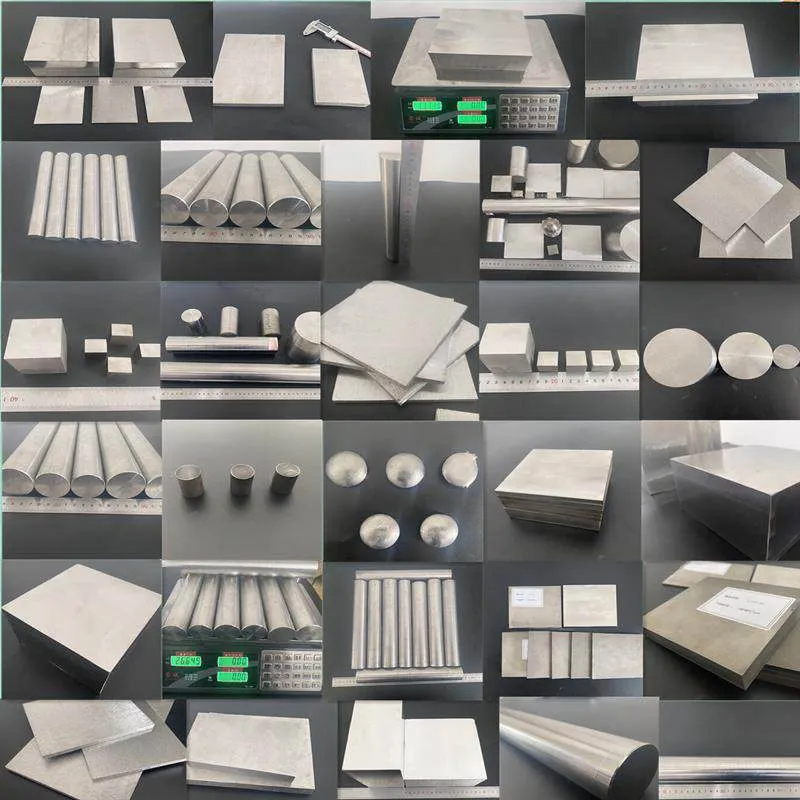
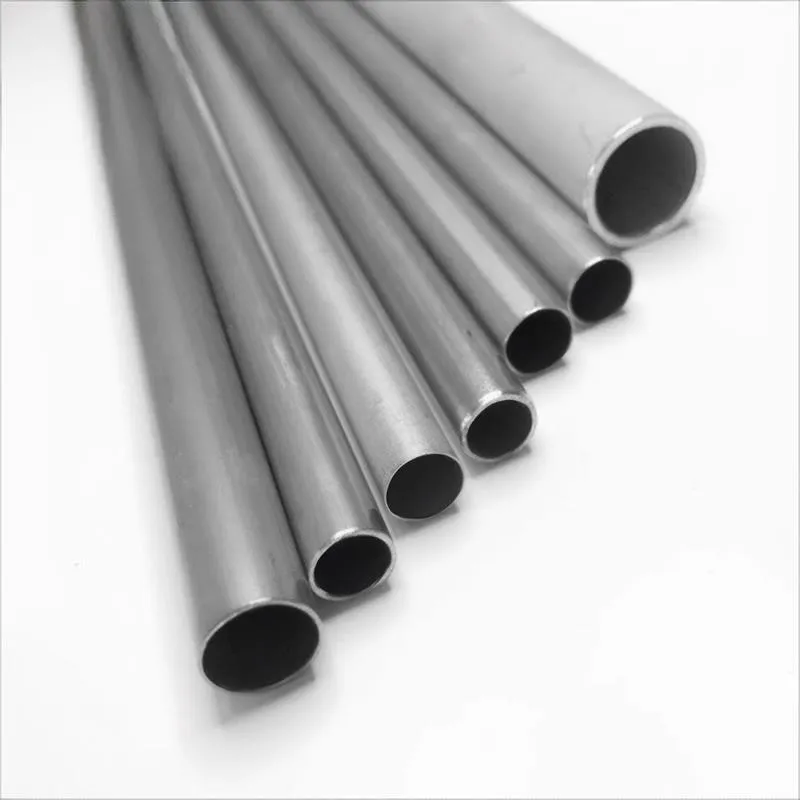
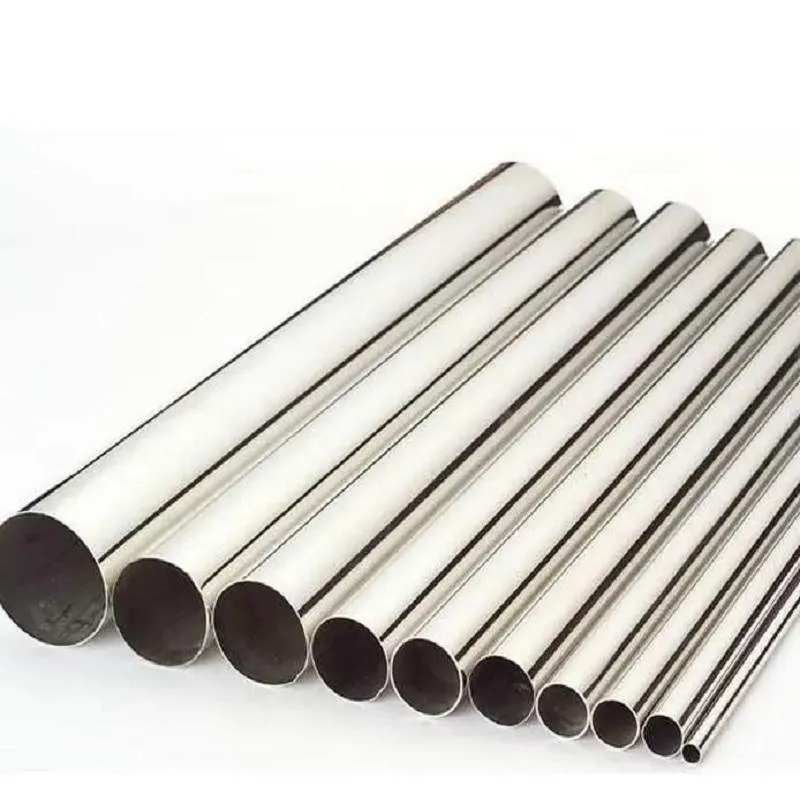
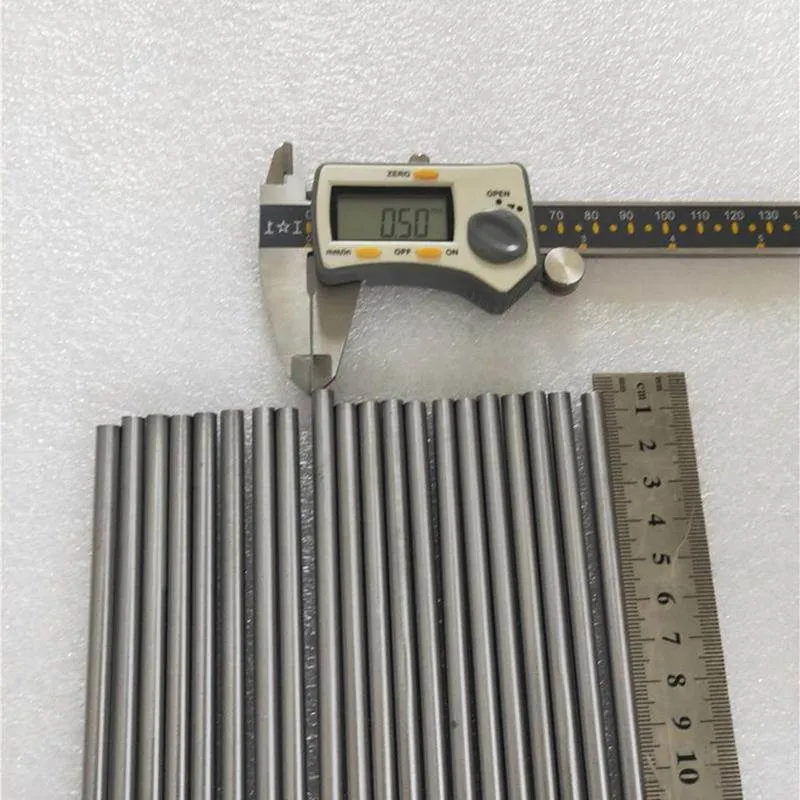
We provide AISI 1023 Steel, hot rolled, 19-32 mm (0.75-1.25 in) round is available in Bar (Round bar, Flat bar), Ribbon, Wire, Rods, Tube,Seamless Tube,Pipe, Ingots, Plate, Sheet, Strip and Forging Stock.,Purity, chemical composition, size, etc. can all be customized to meet specific requirements.
Please contact us if you need customized services. We will contact you with the price and availability in 24 hours.
AISI 1023 Steel, hot rolled, 19-32 mm (0.75-1.25 in) round Product Information
-:-
For detailed product information, please contact sales.
-:
AISI 1023 Steel, hot rolled, 19-32 mm (0.75-1.25 in) round Synonyms
-:-
For detailed product information, please contact sales.
-:
AISI 1023 Steel, hot rolled, 19-32 mm (0.75-1.25 in) round Product Information
-:-
For detailed product information, please contact sales.
-:
# AISI 1023 Steel - Hot Rolled Round Bar Technical Datasheet
## Product Range: 19-32 mm (0.75-1.25 in) Diameter
---
## 1. Product Overview
**AISI 1023** hot rolled round bar is a medium-carbon steel product supplied in the as-rolled condition, characterized by its balanced composition of carbon and manganese. Within the **19-32 mm (0.75-1.25 in) diameter range**, this material offers an excellent combination of strength, ductility, weldability, and machinability, making it one of the most versatile and widely used carbon steels for general engineering applications.
The hot rolling process involves heating steel above its recrystallization temperature (approximately 1100-1250°C) and mechanically working it through a series of rollers to achieve the desired round cross-section. This process produces a characteristic mill scale surface and imparts isotropic mechanical properties throughout the cross-section.
---
## 2. Chemical Composition (Weight %)
| Element | AISI/SAE 1023 Specification (%) | Typical Analysis for 19-32 mm Rounds (%) | Metallurgical Influence |
|---------|----------------------------------|------------------------------------------|--------------------------|
| Carbon (C) | 0.20 - 0.25 | 0.21 - 0.23 | Primary strengthening element; provides strength while maintaining formability |
| Manganese (Mn) | 0.30 - 0.60 | 0.40 - 0.55 | Enhances hardenability, strength, and deoxidizes the melt |
| Phosphorus (P) | ≤ 0.040 | 0.010 - 0.025 | Increases strength and hardness; excessive amounts reduce toughness |
| Sulfur (S) | ≤ 0.050 | 0.020 - 0.035 | Improves machinability; forms manganese sulfide inclusions |
| Silicon (Si) | 0.10 - 0.35 (typical) | 0.15 - 0.30 | Primary deoxidizer; solid solution strengthener |
| Iron (Fe) | Balance | Balance | Matrix element |
**Special Notes for 19-32 mm Hot Rolled Rounds:**
- **Carbon Control:** Typically maintained at **0.21-0.23%** to optimize the strength-formability balance for this section size
- **Manganese Content:** Often targeted at the **mid-to-upper range (0.45-0.55%)** to ensure adequate hardenability for the entire diameter range
- **Sulfur Content:** May be optimized toward the higher end of the range for improved machinability in automotive and machining applications
- **Residual Elements:** Copper, nickel, chromium typically <0.20% each unless specified otherwise
---
## 3. Physical Properties
| Property | Typical Value | Test Condition / Notes |
|----------|---------------|-------------------------|
| **Density** | 7.87 g/cm³ (0.284 lb/in³) | At 20°C; consistent across entire diameter range |
| **Melting Point** | 1500 - 1520°C (2732 - 2768°F) | Liquidus temperature |
| **Modulus of Elasticity (Young's Modulus)** | 200 GPa (29 × 10⁶ psi) | In tension; consistent up to ~200°C |
| **Shear Modulus** | 80 GPa (11.6 × 10⁶ psi) | For torsion calculations |
| **Poisson's Ratio** | 0.29 | - |
| **Thermal Conductivity** | 50.2 W/m·K | At 100°C; important for heat treatment considerations |
| **Specific Heat Capacity** | 486 J/kg·K | At 20°C |
| **Coefficient of Linear Thermal Expansion** | 11.5 × 10⁻⁶ /K | Over 20-100°C temperature range |
| **Electrical Resistivity** | 0.161 µΩ·m | At 20°C |
| **Magnetic Properties** | Ferromagnetic | Can be magnetized; Curie temperature ~770°C |
---
## 4. Mechanical Properties (As Hot Rolled)
### Properties by Specific Diameter:
| Mechanical Property | 19 mm (0.75") | 25 mm (1.0") | 32 mm (1.25") | Test Standard | Notes |
|---------------------|---------------|--------------|---------------|----------------|-------|
| **Tensile Strength** | 410-500 MPa (59-73 ksi) | 400-480 MPa (58-70 ksi) | 390-460 MPa (57-67 ksi) | ASTM A370 | Slight decrease with increasing diameter |
| **Yield Strength (0.2% offset)** | 290-370 MPa (42-54 ksi) | 280-350 MPa (41-51 ksi) | 270-330 MPa (39-48 ksi) | ASTM A370 | Conservative design values typically used |
| **Elongation (in 50 mm / 2")** | 25-30% | 25-30% | 25-30% | ASTM A370 | Good ductility maintained across range |
| **Reduction of Area** | 50-60% | 50-60% | 50-60% | ASTM A370 | Excellent formability indicator |
| **Hardness** | 137-174 HB | 131-163 HB | 121-149 HB | ASTM E10 | Brinell hardness typical; Rockwell B also used |
| **Charpy V-Notch Impact (at 20°C)** | 40-60 J (30-44 ft·lb) | 35-55 J (26-41 ft·lb) | 30-50 J (22-37 ft·lb) | ASTM A370 | Good toughness for general applications |
**Microstructural Characteristics:**
- **Typical Microstructure:** Ferrite-pearlite structure with grain size ASTM 7-9
- **Pearlite Content:** Approximately 25-35% depending on cooling rate
- **Grain Size:** Refined by controlled rolling and cooling practices
- **Inclusion Content:** Typically Type I and II manganese sulfides; rating 1.5-2.5 per ASTM E45
**Effect of Hot Rolling on Properties in 19-32 mm Range:**
1. **Isotropic Properties:** Equal strength in longitudinal and transverse directions
2. **Uniform Microstructure:** Consistent throughout cross-section due to controlled cooling
3. **Grain Refinement:** Hot working followed by air cooling produces fine, uniform grains
4. **Residual Stress:** Generally low (<10% of yield strength) compared to cold worked materials
---
## 5. Manufacturing Process & Product Characteristics
**Hot Rolling Process for 19-32 mm Rounds:**
```
Steelmaking → Continuous Casting → Reheating → Roughing Mill →
Intermediate Mill → Finishing Mill → Cooling Bed → Straightening →
Cutting → Inspection → Bundling → Shipping
```
**Key Process Parameters:**
- **Reheating Temperature:** 1150-1250°C (2100-2280°F)
- **Finishing Temperature:** 850-950°C (1560-1740°F) - above Ar₃ transformation temperature
- **Cooling Rate on Bed:** 1-10°C/second depending on diameter and ambient conditions
- **Scale Formation:** Typically 0.05-0.20 mm thick layer of Fe₃O₄ (magnetite)
**Product Characteristics for 19-32 mm Rounds:**
- **Surface Condition:** Characteristic blue-gray mill scale; surface roughness 250-500 µin RMS
- **Dimensional Tolerances:** Per ASTM A29, Table 3 (Hot Rolled Bars)
- Diameter tolerance: ±0.4 mm (±0.015 in) for commercial quality
- Out-of-roundness: ≤0.5% of nominal diameter
- Length tolerance: +25 mm / -0 mm (+1 in / -0 in) for standard lengths
- **Straightness:** Typically ≤3 mm per meter (0.12 in per 39 in)
- **Decarburization:** Usually <0.25 mm per side for standard rolling practice
- **Internal Soundness:** Generally sound; centerline segregation minimal in this size range
---
## 6. Primary Applications
### A. Automotive & Transportation Industry
- **Chassis Components:** Bracket mounts, reinforcement members, support structures
- **Suspension Parts:** Non-critical links, bushing sleeves, stabilizer bar links
- **Engine & Transmission Mounts:** Brackets and supporting structures
- **Fastener Stock:** Raw material for bolt and stud manufacturing (after further processing)
### B. Construction & Infrastructure
- **Structural Components:** Non-primary load bearing members in buildings
- **Bracing Systems:** Diagonal braces, cross-members, temporary supports
- **Anchor Bolts & Foundation Hardware:** For medium-duty anchoring applications
- **Formwork & Scaffolding:** Reusable structural components
### C. General Machinery & Equipment
- **Shafting:** Power transmission shafts for light to medium duty applications
- **Frame Components:** Machine bases, support frames, mounting plates
- **Agricultural Equipment:** Implement frames, linkage arms, tillage components
- **Material Handling:** Conveyor rollers, guide rails, support structures
### D. Further Processing Applications
- **Forging Stock:** Excellent starting material for hot forgings (automotive, industrial)
- **Machining Blanks:** Cost-effective raw material for turned, milled, or drilled components
- **Heat Treatment Feedstock:** Ideal for normalizing, annealing, or case hardening processes
- **Cold Drawing Feedstock:** Starting material for cold finished bars (requires scale removal first)
**Specific Component Examples (19-32 mm):**
- **25 mm rounds:** Commonly used for hydraulic cylinder rods (after machining/plating)
- **19 mm rounds:** Ideal for pivot pins, hinge pins, and general fastener stock
- **32 mm rounds:** Suitable for medium-duty axles, drive shafts, and spindle stock
---
## 7. Fabrication & Processing Characteristics
### Machinability (19-32 mm Diameter Range):
- **Machinability Rating:** 65-70% (relative to 1212 free-machining steel as 100%)
- **Recommended Cutting Conditions:**
- Turning: 30-45 m/min (100-150 SFM) with carbide tools
- Drilling: 20-30 m/min (65-100 SFM) with HSS drills
- Tapping: Use cutting oils and standard tap geometries
- **Chip Formation:** Produces continuous chips; chip breakers recommended
- **Surface Finish:** Achievable: 1.6-3.2 µin (63-125 µin) with proper tooling and conditions
- **Tool Life:** Good with appropriate speeds and feeds; scale may accelerate wear initially
### Welding Characteristics:
- **Weldability Rating:** Excellent (Carbon Equivalent ≈ 0.35-0.40)
- CE = C + Mn/6 + (Cr+Mo+V)/5 + (Ni+Cu)/15
- **Preheat Requirements:** Generally not required for sections <25 mm
- **Interpass Temperature:** Maximum 200°C (390°F) recommended
- **Recommended Welding Processes:**
- Shielded Metal Arc Welding (SMAW): E6013, E7018 electrodes
- Gas Metal Arc Welding (GMAW): ER70S-6 wire with Ar/CO₂ mix
- Flux-Cored Arc Welding (FCAW): E71T-1 classification
- **Post-Weld Heat Treatment:** Usually not required; stress relief at 550-650°C optional for thick sections
### Forming & Bending:
- **Cold Bending:** Minimum bend radius = 2 × diameter (for 90° bend)
- **Hot Bending:** Can be readily formed at 850-1000°C (1560-1830°F)
- **Forging Temperature Range:** 1150-900°C (2100-1650°F)
- **Punching & Shearing:** Good; shear strength ≈ 0.6 × tensile strength
---
## 8. Heat Treatment Response
**Heat Treatment Options for 19-32 mm Rounds:**
| Treatment | Parameters | Resulting Properties | Applications |
|-----------|------------|---------------------|--------------|
| **Annealing** | 870-900°C, furnace cool to 600°C, air cool | 140-170 HB; optimal machinability | Improving machinability or cold formability |
| **Normalizing** | 900-925°C, air cool | 150-180 HB; refined, uniform structure | General improvement of properties |
| **Stress Relieving** | 550-650°C, air cool | Relieves 70-90% of residual stresses | After welding or heavy machining |
| **Carburizing** | 900-925°C in carburizing atmosphere | Case: 55-62 HRC; Core: 25-35 HRC | Wear surfaces with tough core |
| **Induction Hardening** | 850-900°C, water/oil quench | Case: 50-58 HRC; adjustable depth | Localized hardening of bearing surfaces |
**Case Hardening Performance (19-32 mm Rounds):**
- **Effective Case Depth:** 0.5-1.5 mm typical (to 50 HRC)
- **Core Properties After Case Hardening:** 25-35 HRC, maintains good toughness
- **Distortion:** Minimal for this symmetrical section when uniformly heated
---
## 9. International Standards & Cross-References
| Country/Region | Standard Number | Grade Designation | Condition | Notes & Comparison |
|----------------|-----------------|-------------------|-----------|-------------------|
| **United States** | ASTM A29 | Grade 1023 | Hot rolled | Primary specification |
| **United States** | SAE J403 | 1023 | - | Chemical composition standard |
| **United States** | SAE J412 | 1023 | - | Material specification |
| **Europe** | EN 10083-2 | 1.1151 (C22E) | - | Similar but not identical (Mn range differs) |
| **Germany** | DIN 17200 | 1.1151 | - | C22E equivalent |
| **Japan** | JIS G4051 | S20C | Hot rolled | Similar, slightly lower carbon (0.18-0.23%) |
| **Japan** | JIS G4051 | S25C | - | Similar, slightly higher carbon (0.22-0.28%) |
| **International** | ISO 683-18 | Type 1.1 | - | Similar carbon steel classification |
| **United Kingdom** | BS 970 | 080M22 | - | Equivalent grade designation |
| **China** | GB/T 699 | 25# | - | Similar grade (approx. 0.22-0.29% C) |
| **India** | IS 5517 | C25 | - | Carbon steel with 0.20-0.30% C |
| **Canada** | CSA G40.21 | 300W | - | Similar mechanical properties |
**Procurement Specifications Example:**
```
MATERIAL: ASTM A29 Grade 1023, Hot Rolled
SHAPE: Round Bar
DIAMETER: 25 mm (specify exact diameter required)
TOLERANCE: ASTM A29 Table 3 Commercial Tolerance
LENGTH: 6000 mm (or specify required lengths)
CONDITION: As rolled
QUANTITY: [Specify weight or number of bars]
CERTIFICATION: Mill Test Certificate EN 10204 3.1
SPECIAL REQUIREMENTS: [Any additional testing or processing]
```
---
## 10. Quality Assurance & Testing
**Standard Testing Requirements:**
1. **Chemical Analysis:** Ladle analysis with optional product verification
2. **Tensile Testing:** Typically one test per heat or lot (ASTM A370)
3. **Bend Testing:** When specified for structural applications
4. **Hardness Testing:** Optional, usually Brinell method
5. **Visual Inspection:** Surface quality, straightness, dimensional checks
**Available Quality Grades:**
- **Commercial Quality (CQ):** Standard grade for general applications
- **Drawing Quality (DQ):** Improved uniformity for subsequent cold drawing
- **Forging Quality (FQ):** Enhanced internal soundness for hot forging
- **Special Bar Quality (SBQ):** Tighter chemistry control and improved properties
**Typical Certifications:**
- Mill Test Certificate (MTC) per EN 10204 2.2 or 3.1
- Chemical and Mechanical Property Reports
- Heat/Lot Traceability Documentation
- Compliance Certificates (RoHS, REACH where applicable)
**Common Defects to Monitor:**
- **Surface Defects:** Seams, laps, rolls, scale pits
- **Dimensional Issues:** Out-of-round, oversize/undersize, excessive taper
- **Internal Defects:** Centerline segregation, piping (rare in this size range)
- **Decarburization:** Excessive surface carbon loss (>0.5 mm)
---
## 11. Storage, Handling & Corrosion Protection
**Storage Recommendations:**
- **Environment:** Indoor storage preferred; if outdoors, elevated and covered
- **Support:** Adequate support every 1-1.5 meters to prevent bending
- **Stacking:** Neat piles with separators between layers
- **Identification:** Maintain heat numbers and material tags
**Corrosion Protection:**
- **Natural Mill Scale:** Provides some temporary protection (weeks to months)
- **Additional Protection:**
- Oil coating for short-term storage (3-6 months)
- VCI (Vapor Corrosion Inhibitor) paper for medium-term
- Paint or specialized coatings for long-term outdoor storage
- **Corrosion Rate:** Approximately 0.1-0.2 mm/year in industrial atmosphere
**Handling Guidelines:**
- Use appropriate lifting equipment (magnetic lifters, nylon slings)
- Avoid dropping or impact loading
- Protect threads or machined surfaces if applicable
- Implement first-in-first-out (FIFO) inventory management
---
## 12. Technical Design Considerations
### For 19-32 mm Structural Components:
- **Design Strength:** Typically use 0.6 × yield strength for static loads
- **Fatigue Strength:** Approximately 40-50% of tensile strength for polished surfaces
- **Stress Concentration:** Sensitive to notches and sharp transitions (Kt = 2-3 typical)
- **Buckling Considerations:** For compression members, consider slenderness ratio
### Allowable Loads (Conservative Estimates):
| Diameter | Axial Tension (kN) | Bending Moment (Nm) | Torsion (Nm) | Euler Buckling Load* (kN) |
|----------|-------------------|---------------------|--------------|--------------------------|
| 19 mm | 80-100 | 55-70 | 85-105 | 15-20 (L=1000mm) |
| 25 mm | 140-170 | 130-160 | 200-240 | 35-45 (L=1000mm) |
| 32 mm | 220-270 | 270-330 | 420-500 | 75-90 (L=1000mm) |
*Based on pinned ends and yield strength of 300 MPa
### Thermal Considerations:
- **Maximum Service Temperature:** 350-400°C (660-750°F) for continuous service
- **Creep Considerations:** Significant above 350°C for loaded applications
- **Thermal Stress:** Coefficient of expansion important for constrained assemblies
---
## 13. Economic Considerations
**Cost Factors for 19-32 mm Hot Rolled 1023:**
- **Base Price:** Typically the most economical form of 1023 steel
- **Relative Cost:** Approximately **70-80% of cold drawn equivalent**
- **Volume Pricing:** Significant discounts for quantities >10 tons
- **Market Factors:** Prices fluctuate with scrap prices, energy costs, and demand
**Value Analysis:**
- **Cost per Kilogram:** Lowest among processed forms of 1023
- **Processing Flexibility:** Can be used as-is or as feedstock for further processing
- **Availability:** Widely stocked at steel service centers in standard sizes
- **Lead Time:** Typically readily available from stock (1-5 days)
**Total Cost Considerations:**
- **Surface Preparation:** Additional cost for scale removal if needed
- **Machining Allowance:** Extra material may be needed for cleanup
- **Straightening:** Potential additional cost if tight straightness required
---
## 14. Comparison with Similar Grades
| Grade | Carbon Range | Mn Range | Typical Tensile (25mm) | Relative Cost | Best Application Match |
|-------|--------------|----------|------------------------|---------------|------------------------|
| **1023 Hot Rolled** | 0.20-0.25% | 0.30-0.60% | 400-480 MPa | 1.00 (baseline) | General purpose, balanced properties |
| 1020 Hot Rolled | 0.18-0.23% | 0.30-0.60% | 380-450 MPa | 0.95-0.98 | Better formability, slightly lower strength |
| 1025 Hot Rolled | 0.22-0.28% | 0.30-0.60% | 420-500 MPa | 1.02-1.05 | Higher strength needs |
| 1018 Hot Rolled | 0.15-0.20% | 0.60-0.90% | 370-440 MPa | 0.98-1.02 | Better case hardening response |
| 1045 Hot Rolled | 0.43-0.50% | 0.60-0.90% | 570-700 MPa | 1.15-1.25 | Higher strength, heat treatable |
---
## 15. Limitations & Special Considerations
1. **Surface Condition Limitations:**
- Mill scale must be removed for painting, plating, or precision machining
- Surface roughness may require additional finishing operations
2. **Dimensional Limitations:**
- Tolerances wider than cold finished products
- Straightness may not meet precision shafting requirements
3. **Property Limitations:**
- Not suitable for high-wear applications without surface hardening
- Limited high-temperature capability
- Moderate corrosion resistance (requires protection in corrosive environments)
4. **Processing Considerations:**
- Scale can accelerate tool wear during machining
- Decarburization may affect surface properties in heat-treated components
- Residual stresses from cutting operations may cause distortion
5. **Environmental Considerations:**
- Scale removal processes (pickling, blasting) have environmental impacts
- Proper disposal of scale and processing waste required
---
## 16. Sustainability & Environmental Aspects
**Environmental Profile:**
- **Recyclability:** 100% recyclable without property degradation
- **Recycled Content:** Typically 25-90% depending on manufacturing route
- **Energy Consumption:** Hot rolling is energy intensive (~15-20 GJ/ton)
- **Carbon Footprint:** Approximately 1.8-2.2 tons CO₂ per ton of steel
**Environmental Compliance:**
- **RoHS Compliant:** No restricted hazardous substances
- **REACH Compliant:** All constituents properly registered
- **Waste Classification:** Steel scrap is valuable recyclable material
**Sustainable Practices:**
- Many mills use electric arc furnaces with high recycled content
- Continuous casting minimizes material waste
- Heat recovery systems capture waste heat from rolling operations
- Water recycling systems minimize consumption
---
*Technical Disclaimer: This datasheet provides typical values and characteristics for hot rolled AISI 1023 round bars in the 19-32 mm diameter range. Actual properties may vary depending on manufacturer, specific rolling practice, cooling conditions, and testing methods. For critical applications:*
1. *Always consult the manufacturer's certified test reports*
2. *Conduct appropriate validation testing for your specific application*
3. *Consider all relevant factors including loading conditions, environment, and safety requirements*
4. *Comply with all applicable design codes, standards, and regulations*
*The information contained herein is intended for general guidance and should not replace professional engineering judgment or specific material testing.*
-:-
For detailed product information, please contact sales.
-:
AISI 1023 Steel, hot rolled, 19-32 mm (0.75-1.25 in) round Specification
Dimensions
Size:
Diameter 20-1000 mm Length <4780 mm
Size:We can customized as required
Standard:
Per your request or drawing
We can customized as required
Properties(Theoretical)
Chemical Composition
-:-
For detailed product information, please contact sales.
-:
AISI 1023 Steel, hot rolled, 19-32 mm (0.75-1.25 in) round Properties
-:-
For detailed product information, please contact sales.
-:
Applications of AISI 1023 Steel, hot rolled, 19-32 mm (0.75-1.25 in) round
-:-
For detailed product information, please contact sales.
-:
Chemical Identifiers AISI 1023 Steel, hot rolled, 19-32 mm (0.75-1.25 in) round
-:-
For detailed product information, please contact sales.
-:
Packing of AISI 1023 Steel, hot rolled, 19-32 mm (0.75-1.25 in) round
-:-
For detailed product information, please contact sales.
-:
Standard Packing:
-:-
For detailed product information, please contact sales.
-:
Typical bulk packaging includes palletized plastic 5 gallon/25 kg. pails, fiber and steel drums to 1 ton super sacks in full container (FCL) or truck load (T/L) quantities. Research and sample quantities and hygroscopic, oxidizing or other air sensitive materials may be packaged under argon or vacuum. Solutions are packaged in polypropylene, plastic or glass jars up to palletized 1251 gallon liquid totes Special package is available on request. E FORUs’ is carefully handled to minimize damage during storage and transportation and to preserve the quality of our products in their original condition