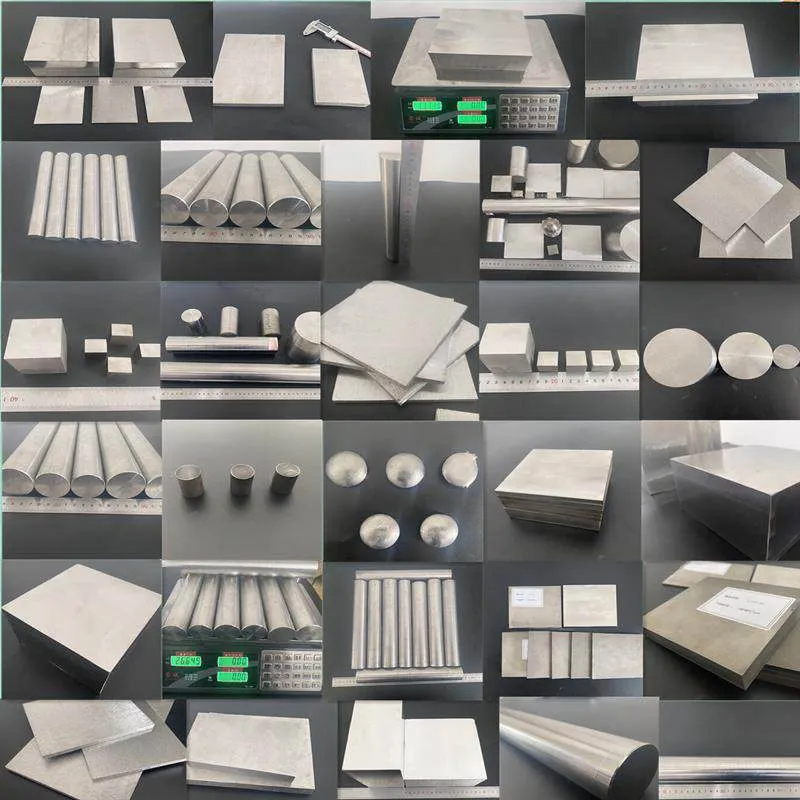
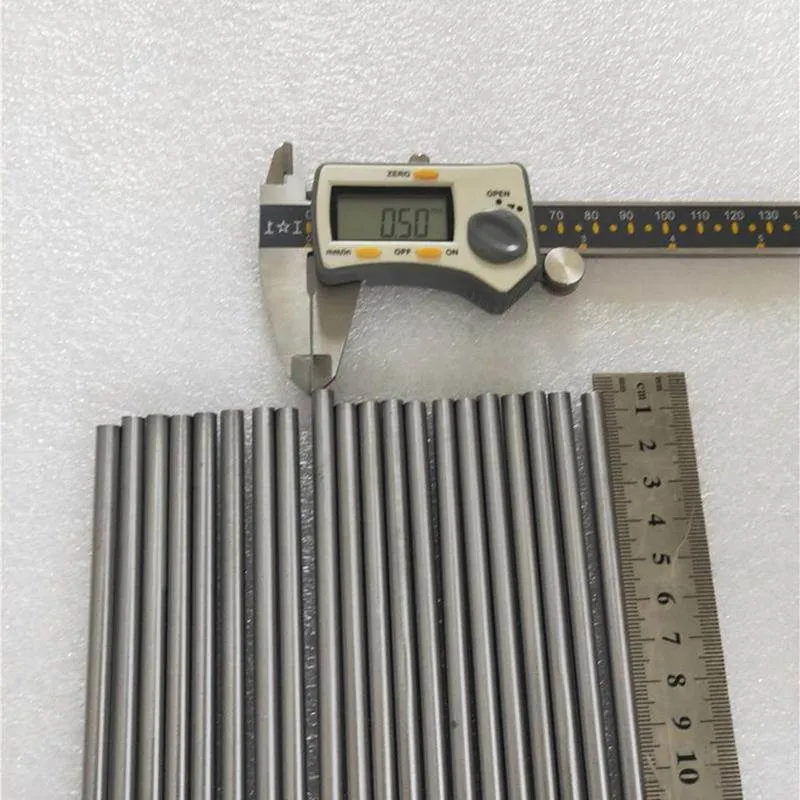
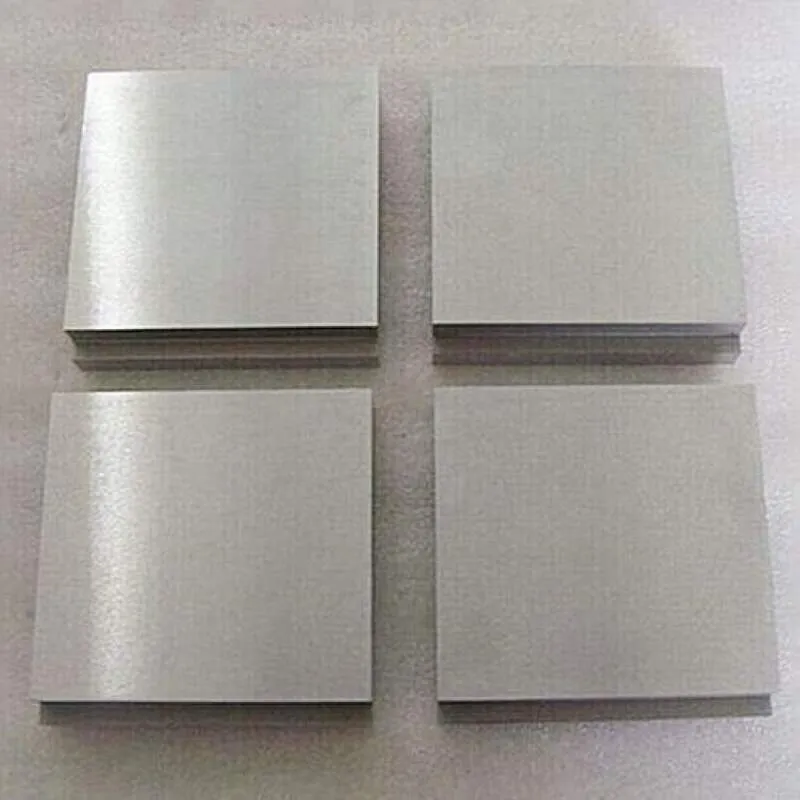
AISI 1025 Steel, as drawn
Product Code : STI-CSTI-050-CU
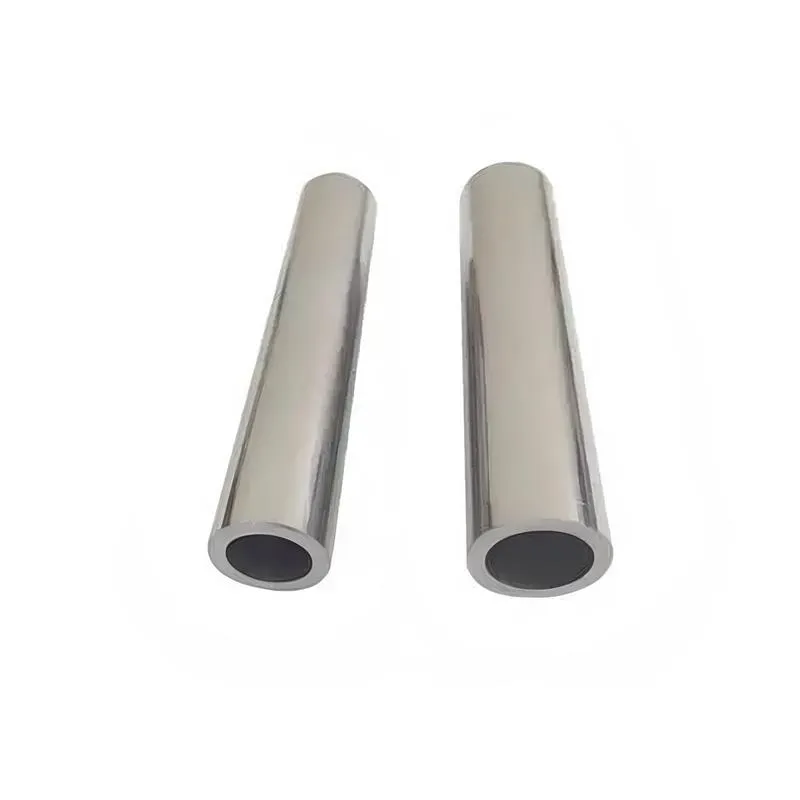
We provide AISI 1025 Steel, as drawn, 16-22 mm (0.625-0.875 in) round is available in Bar (Round bar, Flat bar), Ribbon, Wire, Rods, Tube,Seamless Tube,Pipe, Ingots, Plate, Sheet, Strip and Forging Stock.,Purity, chemical composition, size, etc. can all be customized to meet specific requirements.
AISI 1025 Steel, as drawn, 16-22 mm (0.625-0.875 in) round Product Information
-:-
For detailed product information, please contact sales.
-:
AISI 1025 Steel, as drawn, 16-22 mm (0.625-0.875 in) round Synonyms
-:-
For detailed product information, please contact sales.
-:
AISI 1025 Steel, as drawn, 16-22 mm (0.625-0.875 in) round Product Information
-:-
For detailed product information, please contact sales.
-:
# AISI 1025 Steel - As Drawn Round Bar Technical Datasheet
## Product Specification: 16-22 mm (0.625-0.875 in) Diameter
---
## 1. Product Overview
**AISI 1025 "As Drawn"** refers to a medium-carbon steel round bar that has undergone cold drawing but has **not** been subsequently stress relieved or heat treated. This specific **16-22 mm (0.625-0.875 in) diameter range** represents a critical size bracket for small to medium precision components where dimensional accuracy, surface finish, and enhanced mechanical properties are paramount, while maintaining cost-effectiveness compared to stress-relieved alternatives.
The "as drawn" condition preserves the full work-hardening effects of cold drawing, resulting in higher yield strength than stress-relieved material, though with increased residual stresses and directional properties. This size range is particularly favored for fastener manufacturing, precision pins, and small to medium shafts across multiple industries.
---
## 2. Chemical Composition (Weight %)
| Element | AISI/SAE 1025 Specification Range (%) | Typical Analysis for 16-22 mm As Drawn (%) | Metallurgical Influence |
|---------|---------------------------------------|--------------------------------------------|--------------------------|
| **Carbon (C)** | 0.22 - 0.28 | 0.23 - 0.26 | Controls strength, hardenability, and weldability characteristics |
| **Manganese (Mn)** | 0.30 - 0.60 | 0.40 - 0.52 | Enhances hardenability; optimized for uniform cold drawing response |
| **Phosphorus (P)** | ≤ 0.040 | 0.008 - 0.018 | Controlled impurity; minor strengthening effect |
| **Sulfur (S)** | ≤ 0.050 | 0.022 - 0.035 | Machinability enhancer; forms manganese sulfide inclusions |
| **Silicon (Si)** | 0.15 - 0.35 | 0.15 - 0.25 | Deoxidizer; provides solid solution strengthening |
| **Iron (Fe)** | Balance | Balance | Matrix element |
**Special Notes for 16-22 mm As Drawn Rounds:**
- **Carbon Control:** Maintained at **0.23-0.26%** to balance strength enhancement from cold work with minimal cracking risk
- **Manganese Optimization:** Slightly reduced range (0.40-0.52%) compared to larger diameters to prevent excessive directional properties
- **Sulfur Content:** Often toward the **higher specification limit** (0.030-0.035%) to enhance machinability for this commonly machined size range
- **Nitrogen Content:** Typically 50-80 ppm; affects strain aging behavior in as-drawn condition
- **Residual Elements:** Aluminum (0.020-0.050%) often present for grain size control during hot rolling prior to drawing
---
## 3. Physical Properties
| Property | Typical Value | Test Condition / Relevance for 16-22 mm Rounds |
|----------|---------------|------------------------------------------------|
| **Density** | 7.87 g/cm³ (0.284 lb/in³) | At 20°C; consistent across small diameter range |
| **Melting Point** | 1490 - 1520°C (2714 - 2768°F) | Liquidus temperature |
| **Modulus of Elasticity (E)** | 205-210 GPa (29.7-30.5 × 10⁶ psi) | Slightly increased due to cold work |
| **Shear Modulus (G)** | 80-82 GPa (11.6-11.9 × 10⁶ psi) | Affected by cold work anisotropy |
| **Poisson's Ratio (ν)** | 0.29-0.30 | Longitudinal vs. transverse strain relationship |
| **Thermal Conductivity** | 49.8 W/m·K | At 100°C; important for localized heat treatments |
| **Specific Heat Capacity** | 486 J/kg·K | At 20°C |
| **Coefficient of Thermal Expansion** | 11.4 × 10⁻⁶ /K | 20-100°C; affects precision assemblies |
| **Electrical Resistivity** | 0.162-0.168 µΩ·m | Increased 3-5% due to cold work dislocation density |
| **Magnetic Properties** | Ferromagnetic | Affected by cold work; increased coercivity |
---
## 4. Mechanical Properties (As Drawn Condition)
### Properties by Specific Diameter:
| Mechanical Property | 16 mm (0.625") | 19 mm (0.750") | 22 mm (0.875") | Test Standard | Notes |
|---------------------|----------------|----------------|----------------|----------------|-------|
| **Tensile Strength** | 560-650 MPa (81-94 ksi) | 540-630 MPa (78-91 ksi) | 530-620 MPa (77-90 ksi) | ASTM A370 | Peak strength at smallest diameter |
| **Yield Strength (0.2% offset)** | 480-580 MPa (70-84 ksi) | 460-560 MPa (67-81 ksi) | 450-550 MPa (65-80 ksi) | ASTM A370 | 50-70% higher than hot-rolled |
| **Elongation (in 50 mm)** | 10-16% | 12-18% | 14-20% | ASTM A370 | Increases with diameter due to lower cold work effect |
| **Reduction of Area** | 35-50% | 40-55% | 45-60% | ASTM A370 | Good ductility despite cold work |
| **Hardness** | 179-223 HB | 174-217 HB | 170-212 HB | ASTM E10 | Brinell; Rockwell B: 88-98 HRB |
| **Shear Strength** | 335-390 MPa (49-57 ksi) | 325-380 MPa (47-55 ksi) | 320-370 MPa (46-54 ksi) | Estimated | 0.58-0.62 × tensile strength |
### "As Drawn" Specific Characteristics (16-22 mm Range):
1. **Work Hardening Gradient:** Surface hardness ≈ **20-25% higher** than core due to greater deformation at periphery
2. **Residual Stress Pattern:**
- Surface: **Compressive** (100-200 MPa)
- Mid-radius: **Transition zone**
- Core: **Tensile** (50-150 MPa)
3. **Anisotropy Effects:**
- Longitudinal vs. transverse yield strength ratio: **1.15-1.25**
- Anisotropy coefficient (r-value): **0.9-1.1** (varies with drawing practice)
4. **Strain Aging Potential:** Will exhibit yield point elongation if aged at room temperature for extended periods
### Comparison with Stress-Relieved 1025 (Same Diameter Range):
| Property | As Drawn 1025 | Stress-Relieved 1025 | Difference |
|----------|---------------|----------------------|------------|
| Yield Strength | 480-580 MPa | 420-500 MPa | +12-18% higher |
| Residual Stress | High (100-200 MPa) | Low (<50 MPa) | Significant reduction |
| Machinability | Good | Better (reduced tool wear) | Improved with stress relief |
| Dimensional Stability | Potential for distortion | Excellent | Stress relief improves stability |
| Fatigue Strength (polished) | 240-280 MPa | 220-260 MPa | Slightly higher due to compressive surface stresses |
---
## 5. Manufacturing Process & Quality Characteristics
**Cold Drawing Process for 16-22 mm Rounds:**
```
Hot Rolled Bar (Annealed) → Shot Blasting → Acid Pickling →
Rinsing & Neutralizing → Phosphating (Bonderizing) →
Lubrication Application → Cold Drawing (1-2 passes) →
Straightening (Rotary or Gag Press) → Cut to Length →
Inspection → Packaging (No Stress Relief)
```
**Key Process Parameters for This Size Range:**
- **Area Reduction:** 15-25% typical per pass (higher than larger diameters)
- **Drawing Speed:** 25-70 m/min (optimized for diameter)
- **Die Angles:** 8-12° included angle for optimal material flow
- **Back Tension:** Controlled to minimize center bursting risk
- **Lubrication System:** High-pressure forced lubrication for consistent surface finish
**Quality Characteristics for 16-22 mm As Drawn Rounds:**
- **Surface Finish:** 20-45 µin RMS (bright, smooth finish - superior to hot rolled)
- **Dimensional Tolerances:** Per ASTM A108, Table 4 (Cold Finished Bars)
- Diameter tolerance: ±0.05-0.10 mm (±0.002-0.004 in) for precision grades
- Out-of-roundness: ≤0.3% of nominal diameter
- Length tolerance: +0/-1.0 mm for precision cut lengths
- **Straightness:** ≤1.0 mm per meter (0.04 in per 39 in) standard; ≤0.5 mm/m available
- **Decarburization:** Maximum 0.02-0.04 mm per side (tightly controlled for this size)
- **Internal Soundness:** Center porosity minimized by controlled reduction ratios
**Unique Considerations for As Drawn Condition:**
- **No Stress Relief:** Full preservation of cold work strengthening effects
- **Residual Stress State:** Asymmetric machining may cause distortion
- **Surface Integrity:** Excellent for plating or coating without additional finishing
- **Springback:** Higher than stress-relieved material in forming operations
---
## 6. Primary Applications
### A. Fastener & Joining Components (Most Common Application)
- **High-Strength Bolts:** M10-M20 diameter fasteners requiring good machinability
- **Studs & Pins:** Dowel pins, taper pins, clevis pins, retaining pins
- **Specialty Fasteners:** Shoulder bolts, stepped shafts, threaded rods
- **Cold Heading Applications:** Upset forgings for bolt heads, special formed parts
### B. Precision Mechanical Components
- **Shafts & Spindles:** Small motor shafts, gearbox shafts, spindle stocks
- **Pins & Bushings:** Hinge pins, pivot pins, bearing journals, bushing stock
- **Valve Components:** Valve stems, poppets, plungers (often plated after machining)
- **Hydraulic/Pneumatic:** Small piston rods, cylinder rods, guide rods
### C. Automotive & Transportation
- **Steering Components:** Tie rod ends, ball studs, rack and pinion components
- **Suspension Parts:** Strut rods, stabilizer links, suspension pins
- **Engine Components:** Push rods, rocker arms, small camshafts
- **Transmission:** Shift rods, selector forks, synchronizer components
### D. Consumer & Industrial Products
- **Hand Tools:** Allen keys, wrench blanks, screwdriver shafts
- **Sporting Goods:** Bicycle components, exercise machine shafts, golf club heads
- **Agricultural:** Small implement pins, linkage components, tillage parts
- **Electromechanical:** Small motor shafts, actuator components, encoder shafts
**Specific Diameter Applications:**
- **16 mm (0.625"):** Common for M14-M16 fasteners, small hydraulic rods, precision pins
- **19 mm (0.750"):** Ideal for M18-M20 fasteners, medium motor shafts, general shafting
- **22 mm (0.875"):** Suitable for M20-M22 fasteners, larger shafts, structural pins
---
## 7. Fabrication & Processing Characteristics
### Machinability (16-22 mm Diameter Range):
- **Machinability Rating:** 58-63% (relative to 1212 steel as 100%)
- **Cutting Forces:** 10-15% higher than stress-relieved material due to work hardening
- **Recommended Parameters:**
- Turning: 30-45 m/min (100-150 SFM) with sharp carbide tools
- Drilling: 20-30 m/min (65-100 SFM) with HSS drills, peck drilling recommended
- Tapping: 5-10 m/min (15-30 SFM) with coated taps, ample lubrication
- **Chip Formation:** Tendency for discontinuous chips due to work hardening
- **Tool Life:** 15-25% shorter than stress-relieved material; regular tool inspection recommended
- **Surface Finish:** Achievable: 0.8-2.0 µin Ra (32-79 µin) with proper parameters
### Welding Considerations:
- **Weldability Rating:** Fair to Good (Carbon Equivalent ≈ 0.40-0.45)
- **Preheat Requirements:** 150-200°C for all thicknesses due to high residual stresses
- **Special Considerations:**
- High risk of distortion due to residual stress relief during welding
- HAZ may exhibit unpredictable hardness variations
- Post-weld cracking risk increased compared to stress-relieved material
- **Recommended Processes:** GTAW with low heat input; avoid high-deposition processes
- **Post-Weld Treatment:** Stress relief at 550-600°C highly recommended
### Forming & Secondary Processing:
- **Cold Bending:** Limited; minimum bend radius = 3.0 × diameter
- **Thread Rolling:** Excellent; compressive surface stresses beneficial for thread fatigue
- **Cold Heading:** Good for moderate upset ratios (≤2.0:1)
- **Straightening:** Re-straightening may be needed after heavy machining
- **Plating/Coating:** Excellent surface for plating; residual stresses may affect hydrogen embrittlement susceptibility
---
## 8. Special Considerations for "As Drawn" Condition
**Key Advantages of As Drawn Condition:**
1. **Higher Strength:** Maximum utilization of cold work strengthening
2. **Compressive Surface Stresses:** Beneficial for fatigue applications
3. **Cost Savings:** Eliminates stress relief heat treatment cost
4. **Surface Quality:** Preserves bright finish from drawing process
**Potential Issues & Mitigations:**
1. **Distortion Risk:** Asymmetric material removal can cause warping
- *Mitigation:* Balance machining operations, consider stress relieving before heavy machining
2. **Anisotropic Properties:** Directional strength variations
- *Mitigation:* Design considering orientation, avoid complex multi-axial loading
3. **Strain Aging:** Properties change with time at room temperature
- *Mitigation:* Use material promptly or specify strain-aged properties if critical
4. **Machining Challenges:** Increased tool wear, potential for work hardening during machining
- *Mitigation:* Sharp tools, appropriate speeds/feeds, adequate cooling
---
## 9. Heat Treatment Options (If Required)
**Post-Drawing Heat Treatments Available:**
| Treatment | Parameters | Effect on As Drawn Material | Typical Applications |
|-----------|------------|-----------------------------|----------------------|
| **Stress Relieving** | 550-600°C, 1 hr, air cool | Reduces residual stresses 70-90%, minimal strength loss (5-10%) | Before precision machining of complex parts |
| **Annealing** | 840-870°C, furnace cool | Eliminates cold work, optimizes machinability, hardness 150-180 HB | When maximum formability needed |
| **Normalizing** | 870-900°C, air cool | Refines grain structure, improves uniformity, hardness 160-190 HB | General improvement of properties |
| **Carburizing** | 900-925°C, gas carburize, oil quench | Case: 58-63 HRC; Core: 25-35 HRC; distortion risk higher than stress-relieved material | Wear surfaces on drawn components |
| **Induction Hardening** | 850-900°C, quench | Localized hardening; careful control needed due to residual stresses | Bearing surfaces, wear areas |
**Special Note on Heat Treatment Distortion:**
As drawn material exhibits higher distortion during heat treatment compared to stress-relieved material due to:
- Residual stress relief during heating
- Non-uniform transformation due to work-hardened structure
- Anisotropic thermal expansion
---
## 10. International Standards & Cross-References
| Country/Region | Standard Number | Grade Designation | Condition Specification | Notes |
|----------------|-----------------|-------------------|-------------------------|-------|
| **United States** | ASTM A108 | Grade 1025 | Cold drawn, not stress relieved | Primary specification |
| **United States** | SAE J403 | 1025 | - | Chemical composition standard |
| **United States** | SAE J412 | 1025 | - | Material specification |
| **Europe** | EN 10083-2 | 1.1158 (C25E) | +C (cold formed) condition | Similar but typically stress relieved |
| **Germany** | DIN 17200 | 1.1158 | K (cold formed) condition | Typically includes stress relief |
| **Japan** | JIS G4051 | S25C | Cold finished | Often supplied stress relieved |
| **United Kingdom** | BS 970 | 080M25 | Condition U (as drawn) | Specific as-drawn designation available |
| **China** | GB/T 699 | 25# | Cold drawn | Usually implies as-drawn condition |
| **International** | ISO 683-18 | Type 1.4 | Condition +C | Cold formed designation |
**Important Procurement Distinction:**
When ordering 1025 in as-drawn condition for 16-22 mm rounds, specify clearly:
- "As Drawn" or "Not Stress Relieved"
- Condition designation per applicable standard
- Any special requirements for residual stress limits
**Typical Procurement Specification:**
```
MATERIAL: ASTM A108 Grade 1025, As Drawn (Not Stress Relieved)
CONDITION: Cold drawn, bright finish
DIAMETER: [Specify: 16, 17, 18, 19, 20, 21, or 22 mm]
TOLERANCE: ASTM A108 Table 4, Grade B (±0.08 mm)
STRAIGHTNESS: ≤1.0 mm per meter
SURFACE: Bright finish, free of scale and rust
CERTIFICATION: Mill Test Certificate 3.1 with as-drawn condition noted
```
---
## 11. Quality Assurance & Testing
**Standard Testing Requirements:**
1. **Chemical Analysis:** Per heat/lot (ASTM E415 or equivalent)
2. **Tensile Testing:** Typically 1 test per 5-10 tons (ASTM A370)
3. **Hardness Testing:** Often Brinell (ASTM E10) with optional Rockwell B
4. **Dimensional Verification:** 100% diameter, roundness check
5. **Surface Inspection:** Visual per ASTM A484
**Special Tests for As Drawn Material:**
- **Residual Stress Measurement:** X-ray diffraction available if specified
- **Straightness Verification:** Laser measurement for precision applications
- **Decarburization Check:** Microsection examination if critical
- **Ultrasonic Testing:** For internal defect detection (ASTM A388)
**Quality Documentation:**
- Mill Test Certificate noting "As Drawn" condition
- Chemical and mechanical property reports
- Heat/lot traceability documentation
- Dimensional inspection reports available on request
**Common Quality Issues Specific to As Drawn:**
- **Springback Variation:** Between heats due to different drawing practices
- **Residual Stress Inconsistency:** May vary along bar length
- **Surface Condition:** Minor drawing marks acceptable per ASTM A484
---
## 12. Storage, Handling & Shelf Life
**Storage Recommendations for As Drawn Material:**
- **Environment:** Indoors, dry (RH <50% ideal), away from temperature fluctuations
- **Support:** Continuous support or supports every 0.8-1.0 meters
- **Orientation:** Store horizontally to minimize creep or sag over time
- **Protection:** VCI paper or light oil coating recommended for >30 day storage
- **Segregation:** Keep separate from stress-relieved material to avoid mixing
**Handling Guidelines:**
- Use non-marring nylon slings or padded hooks
- Avoid impact loading which can cause permanent deformation
- Handle with care to prevent surface damage that could initiate cracking
- Use end caps on cut ends to prevent damage during handling
**Shelf Life Considerations:**
- **Strain Aging:** Properties may change over 3-12 months at room temperature
- **Corrosion:** Bright finish provides limited protection; monitor for rust
- **Relaxation:** Some stress relaxation may occur over extended periods
**Corrosion Protection:**
- **Initial Condition:** Bright finish provides 2-4 weeks protection in dry indoor storage
- **Extended Storage:** Oil coating or VCI packaging recommended
- **Outdoor Storage:** Not recommended without protective coating
- **Rust Removal:** Light surface rust can be cleaned without significant property loss
---
## 13. Technical Design Considerations
### Design Guidelines for As Drawn 1025 (16-22 mm):
1. **Fatigue Design:**
- Endurance limit: 230-270 MPa (polished, R=-1)
- Surface finish factor: 0.85-0.95 (cold drawn finish)
- Residual stress benefit: Compressive surface stresses improve fatigue life
2. **Stress Concentration:**
- Higher sensitivity than stress-relieved material
- Design Kf ≈ 1.5 × Kt for sharp notches
- Generous fillet radii recommended (r ≥ 0.1 × diameter)
3. **Allowable Stresses (Conservative):**
| Diameter | Axial Tension | Bending | Torsion |
|----------|---------------|---------|---------|
| 16 mm | 115-140 kN | 70-85 Nm | 110-135 Nm |
| 19 mm | 160-195 kN | 115-140 Nm | 180-220 Nm |
| 22 mm | 215-260 kN | 170-205 Nm | 265-320 Nm |
4. **Thermal Considerations:**
- Avoid temperatures >200°C in service
- Thermal cycling may cause distortion due to residual stress relief
- Differential expansion can be problematic in constrained assemblies
### Machining & Fabrication Design Tips:
1. **Symmetry:** Design symmetric components to minimize distortion
2. **Sequencing:** Plan machining sequence to balance material removal
3. **Allowances:** Include additional stock for potential straightening
4. **Stress Risers:** Avoid sharp corners, sudden section changes
5. **Inspection:** Plan for dimensional verification after machining
---
## 14. Economic & Procurement Considerations
**Cost Factors for 16-22 mm As Drawn 1025:**
- **Base Price:** Typically **5-15% lower** than stress-relieved equivalent
- **Volume Pricing:** Significant discounts for >2 ton quantities
- **Special Requirements:** Additional costs for:
- Tighter tolerances (±0.05 mm): +10-20%
- Special straightness (≤0.5 mm/m): +8-15%
- Testing/certification beyond standard: +3-10%
- **Regional Variations:** North America typically most competitive for this product
**Value Analysis Considerations:**
- **Lower Initial Cost:** Savings from eliminated stress relief process
- **Potential Higher Machining Costs:** May offset material savings
- **Reduced Lead Time:** Often more readily available than stress-relieved material
- **Inventory Flexibility:** Can be stress relieved later if needed
**Total Cost of Ownership Factors:**
- Higher potential for scrap due to machining distortion
- Possible need for intermediate stress relief for complex parts
- Tooling costs may be higher due to increased tool wear
- Inspection costs may increase due to dimensional verification needs
---
## 15. Limitations & Special Considerations
**Key Limitations of As Drawn Condition:**
1. **Dimensional Instability:** Risk of distortion during and after machining
2. **Anisotropic Properties:** Directional strength variations complicate design
3. **Welding Challenges:** Higher risk of distortion and cracking
4. **Strain Aging:** Properties change over time at room temperature
5. **Limited Formability:** Reduced compared to stress-relieved material
**Applications to Avoid:**
- Critical components with complex geometries
- Parts requiring extensive welding
- Components subjected to high temperatures (>200°C)
- Applications requiring isotropic properties
- Safety-critical components without thorough validation
**When to Choose As Drawn vs. Stress Relieved:**
```
Choose AS DRAWN when:
✓ Simple, symmetrical geometries
✓ Minimal machining required
✓ Cost sensitivity is high
✓ Compressive surface stresses beneficial
✓ Short lead time critical
Choose STRESS RELIEVED when:
✓ Complex geometries with asymmetric machining
✓ Extensive welding required
✓ Dimensional stability critical
✓ Isotropic properties needed
✓ Reduced machining costs important
```
---
## 16. Future Developments & Trends
**Industry Trends for As Drawn Products:**
1. **Process Optimization:** Advanced drawing practices to reduce residual stress variation
2. **Real-time Monitoring:** In-process measurement of drawing forces and temperatures
3. **Predictive Modeling:** Digital twins to predict distortion during subsequent machining
4. **Sustainability:** Reduced energy consumption by eliminating stress relief when possible
**Quality Improvement Initiatives:**
- Tighter control of drawing parameters for more consistent properties
- Advanced straightening technologies for improved dimensional accuracy
- Enhanced surface inspection methods
- Digital certification with full process traceability
**Market Developments:**
- Growing demand in cost-sensitive automotive applications
- Increased use in fastener industry for standard components
- Development of hybrid processes combining benefits of as-drawn and stress-relieved states
---
## 17. Technical Disclaimers & Notes
**Important Considerations for Users:**
1. **Variability:** Properties can vary significantly between manufacturers and even between heats
2. **Testing:** Always conduct validation testing for critical applications
3. **Consultation:** Engage with material suppliers early in design process
4. **Documentation:** Maintain complete material certifications for traceability
**Safety Factors Recommended:**
- Static loading: 2.0-2.5 minimum for general applications
- Fatigue loading: 3.0-4.0 minimum depending on consequence of failure
- Impact loading: 4.0-5.0 minimum for safety-critical applications
**Regulatory Compliance:**
- Typically complies with RoHS, REACH regulations
- Material certifications available for industry-specific requirements
- Country of origin documentation provided
---
*Final Note: This technical datasheet provides general information about AISI 1025 steel in as-drawn condition for 16-22 mm round bars. For specific applications, always consult with material engineers and conduct appropriate testing. The information herein should be used as guidance only and does not replace professional engineering judgment or specific material testing for critical applications.*
-:-
For detailed product information, please contact sales.
-:
AISI 1025 Steel, as drawn, 16-22 mm (0.625-0.875 in) round Specification
Dimensions
Size:
Diameter 20-1000 mm Length <4782 mm
Size:We can customized as required
Standard:
Per your request or drawing
We can customized as required
Properties(Theoretical)
Chemical Composition
-:-
For detailed product information, please contact sales.
-:
AISI 1025 Steel, as drawn, 16-22 mm (0.625-0.875 in) round Properties
-:-
For detailed product information, please contact sales.
-:
Applications of AISI 1025 Steel, as drawn, 16-22 mm (0.625-0.875 in) round
-:-
For detailed product information, please contact sales.
-:
Chemical Identifiers AISI 1025 Steel, as drawn, 16-22 mm (0.625-0.875 in) round
-:-
For detailed product information, please contact sales.
-:
Packing of AISI 1025 Steel, as drawn, 16-22 mm (0.625-0.875 in) round
-:-
For detailed product information, please contact sales.
-:
Standard Packing:
-:-
For detailed product information, please contact sales.
-:
Typical bulk packaging includes palletized plastic 5 gallon/25 kg. pails, fiber and steel drums to 1 ton super sacks in full container (FCL) or truck load (T/L) quantities. Research and sample quantities and hygroscopic, oxidizing or other air sensitive materials may be packaged under argon or vacuum. Solutions are packaged in polypropylene, plastic or glass jars up to palletized 1253 gallon liquid totes Special package is available on request. E FORUs’ is carefully handled to minimize damage during storage and transportation and to preserve the quality of our products in their original condition