AISI 1049 Steel, Hot Rolled,UNS G10490
Product Code : STI-CSTI-084-CU
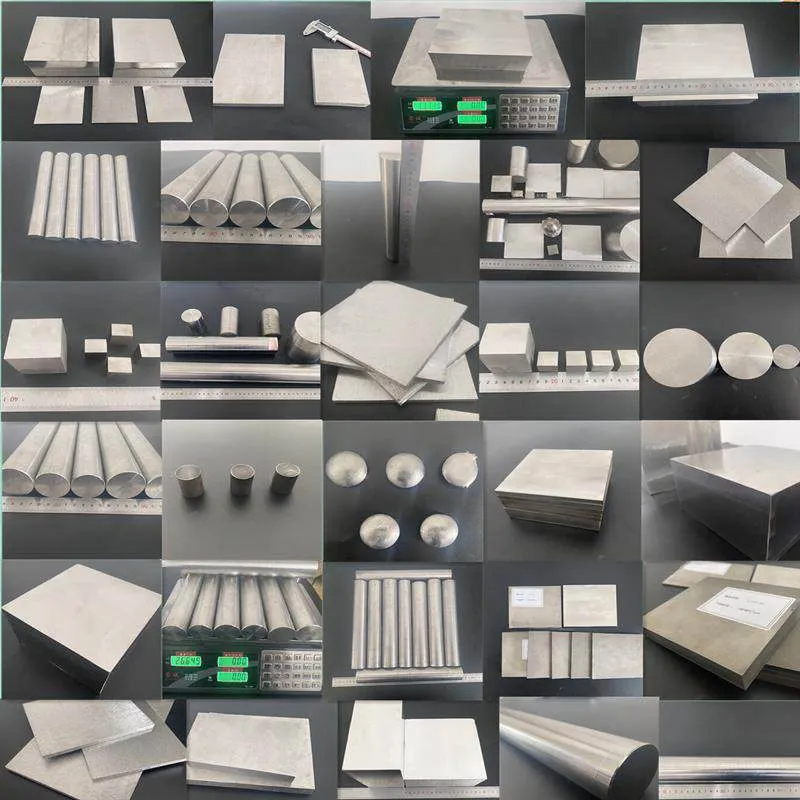
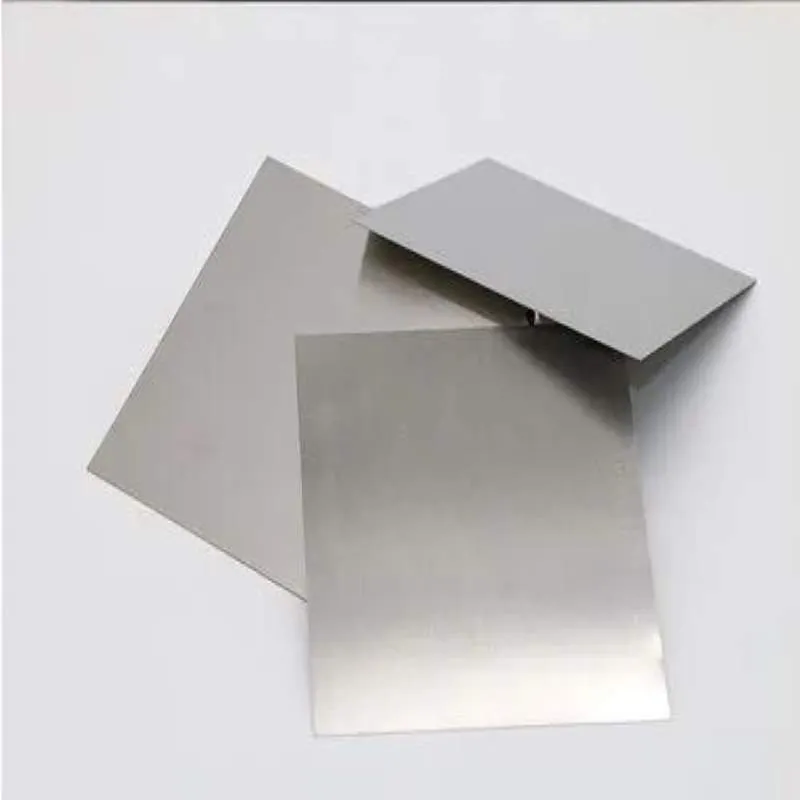
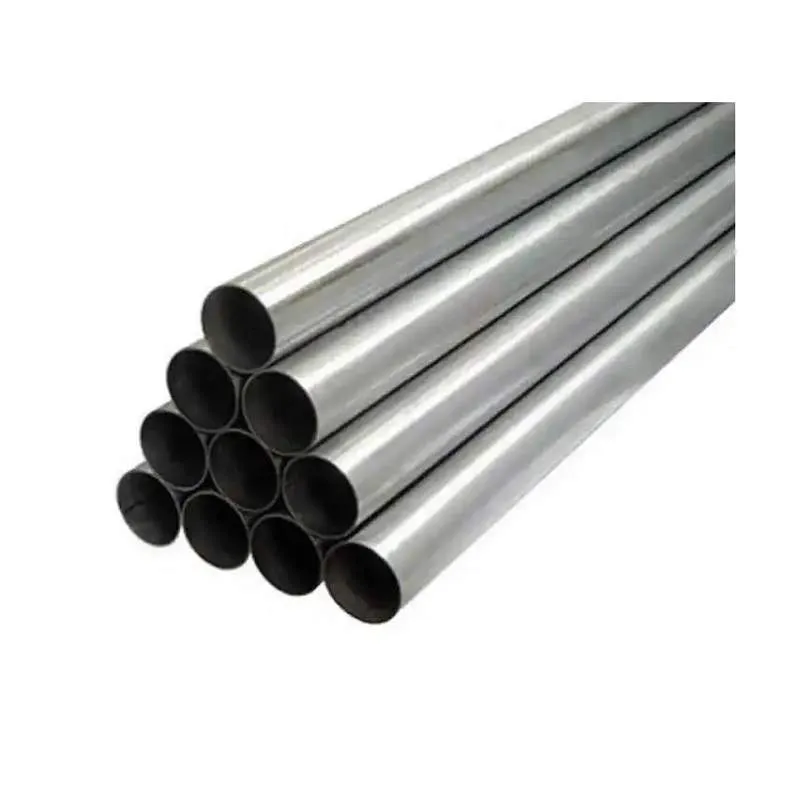
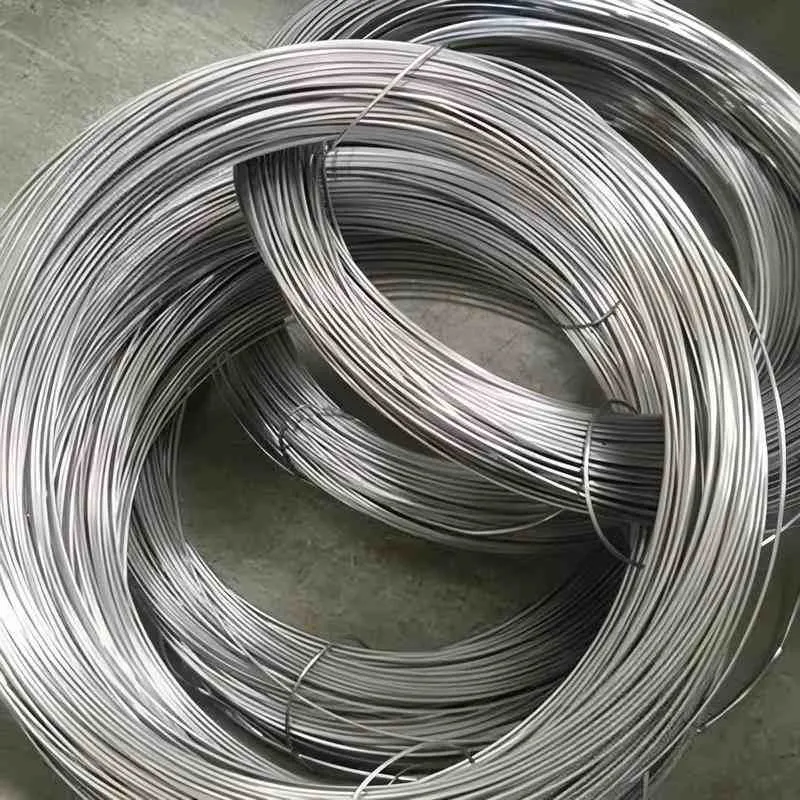
We provide AISI 1049 Steel, Hot Rolled Bar (UNS G10490) is available in Bar (Round bar, Flat bar), Ribbon, Wire, Rods, Tube,Seamless Tube,Pipe, Ingots, Plate, Sheet, Strip and Forging Stock.,Purity, chemical composition, size, etc. can all be customized to meet specific requirements.
Please contact us if you need customized services. We will contact you with the price and availability in 24 hours.
AISI 1049 Steel, Hot Rolled Bar (UNS G10490) Product Information
-:-
For detailed product information, please contact sales.
-:
AISI 1049 Steel, Hot Rolled Bar (UNS G10490) Synonyms
-:-
For detailed product information, please contact sales.
-:
AISI 1049 Steel, Hot Rolled Bar (UNS G10490) Product Information
-:-
For detailed product information, please contact sales.
-:
# **Technical Datasheet: AISI 1049 Hot Rolled Steel Bar (UNS G10490)**
---
## **1. Product Overview**
AISI 1049 (UNS G10490) is a medium-high carbon steel supplied in the hot-rolled condition, characterized by its carbon content at the upper range of the standard 10xx series. This grade offers excellent strength, good wear resistance, and favorable hardenability for general engineering applications. With its balanced composition and economical production method, AISI 1049 provides a cost-effective material solution for components requiring higher strength and durability than lower-carbon steels can provide.
---
## **2. Key Characteristics**
- **High Strength-to-Cost Ratio**: Provides superior mechanical properties at economical price
- **Excellent Hardenability**: Responds well to quenching and tempering treatments
- **Good Wear Resistance**: Higher carbon content provides inherent abrasion resistance
- **Hot Workable**: Excellent for forging and other hot forming operations
- **Machinable with Proper Treatment**: Can be effectively machined in annealed condition
- **Versatile Applications**: Suitable for both mechanical and structural components
---
## **3. Chemical Composition**
| Element | Composition Range (%) | Standard Reference |
|---------|----------------------|-------------------|
| **Carbon (C)** | 0.46 - 0.53 | SAE J403 / ASTM A29 |
| **Manganese (Mn)** | 0.60 - 0.90 | SAE J403 / ASTM A29 |
| **Phosphorus (P)** | ≤ 0.040 | SAE J403 / ASTM A29 |
| **Sulfur (S)** | ≤ 0.050 | SAE J403 / ASTM A29 |
| **Silicon (Si)** | 0.15 - 0.35 | SAE J403 / ASTM A29 |
| **Iron (Fe)** | Balance | - |
*Note: Carbon content is at the higher end of medium-carbon steels, approaching high-carbon classification.*
---
## **4. Typical Mechanical Properties (Hot-Rolled Condition)**
| Property | Value Range | Test Standard |
|----------|-------------|---------------|
| **Tensile Strength** | 640 - 790 MPa (93 - 115 ksi) | ASTM A370 |
| **Yield Strength (0.2% offset)** | 450 - 590 MPa (65 - 86 ksi) | ASTM A370 |
| **Elongation in 50 mm (2")** | 13% - 18% | ASTM A370 |
| **Reduction of Area** | 40% - 50% | ASTM A370 |
| **Brinell Hardness** | 187 - 241 HB | ASTM E10 |
| **Modulus of Elasticity** | 200 GPa (29,000 ksi) | ASTM E111 |
| **Shear Modulus** | 80 GPa (11,600 ksi) | - |
| **Poisson's Ratio** | 0.29 | - |
| **Machinability (Annealed)** | ~40% (relative to 1212 steel) | - |
---
## **5. Physical & Thermal Properties**
| Property | Value |
|----------|-------|
| **Density** | 7.87 g/cm³ (0.284 lb/in³) |
| **Melting Point** | 1460 - 1510°C (2660 - 2750°F) |
| **Thermal Conductivity** | 48.2 W/m·K (33.4 BTU·in/hr·ft²·°F) |
| **Specific Heat Capacity** | 486 J/kg·K (0.116 BTU/lb·°F) |
| **Coefficient of Thermal Expansion** | 11.3 µm/m·°C (6.3 µin/in·°F) 20-100°C |
| **Electrical Resistivity** | 0.230 µΩ·m |
---
## **6. International Standard Equivalents**
| Standard System | Designation | Comparable Specification |
|----------------|-------------|--------------------------|
| **UNS** | G10490 | Unified Numbering System |
| **SAE/AISI** | 1049 | SAE J403 |
| **ASTM** | Grade 1049 | ASTM A29 / ASTM A576 |
| **EN (Europe)** | 1.1194 (C50E) | EN 10083-2 |
| **ISO** | C50E | ISO 683-18 |
| **JIS (Japan)** | S50C | JIS G4051 |
| **GB (China)** | 50# (50钢) | GB/T 699 |
| **DIN (Germany)** | 1.1194, Ck50 | DIN 17200 |
---
## **7. Heat Treatment Response**
### **Standard Heat Treatment Parameters**
- **Normalizing**: 870-925°C (1600-1700°F), air cool
- **Annealing**: 790-815°C (1450-1500°F), slow furnace cool
- **Quenching**: 830-855°C (1525-1575°F), oil quench recommended
- **Tempering**: 425-650°C (800-1200°F) for desired properties
### **Typical Heat-Treated Properties**
| Condition | Tensile Strength | Hardness (HRC) | Elongation |
|-----------|------------------|----------------|------------|
| **Quenched & Tempered** | 950-1250 MPa | 32-48 | 10-16% |
| **Normalized** | 700-850 MPa | 20-28 | 15-20% |
| **Maximum As-Quenched** | - | 62-66 | - |
### **Hardenability Characteristics**
- Jominy distance to 50 HRC: 8-14 mm
- Maximum effective hardening depth: ~40 mm (1.6 in) diameter
- Ideal for oil quenching; water quenching possible for simple shapes
---
## **8. Primary Applications**
### **Automotive & Transportation Components**
- High-stress axle shafts and drive shafts
- Transmission gears and heavy-duty pinions
- Crankshafts and connecting rods
- Steering system heavy-duty components
- Suspension system high-load parts
- Heavy-duty fasteners and bolts
### **Industrial Machinery & Equipment**
- Heavy-duty shafts and spindles
- High-load gear blanks and sprockets
- Machine tool components requiring high strength
- Hydraulic cylinder rods for high-pressure systems
- Press and forging die components
- Roller and bearing components
### **Construction & Mining Equipment**
- Excavator pins and heavy-duty bushings
- Drill rods and mining tooling
- Wear plates and abrasion-resistant liners
- Heavy equipment drive and transmission shafts
- Crane and hoist critical components
- Earth-moving equipment parts
### **Agricultural Machinery**
- Tractor transmission gears and shafts
- Heavy-duty PTO shafts
- Implement drive components
- Plow shares and cultivator heavy parts
- Harvester and combine components
### **General Manufacturing & Forging**
- Forging stock for hand tools (hammers, wrenches)
- Die blocks and tooling components
- High-strength fasteners and studs
- Bearing races and high-load sleeves
- Valve bodies and stems for high-pressure systems
- Wear-resistant machine components
---
## **9. Fabrication & Processing Guidelines**
### **Machining Operations**
- **Optimal Condition**: Annealed or normalized for best results
- **Tooling**: Carbide tools with positive rake angles recommended
- **Cutting Speeds**: 20-35 m/min (65-115 ft/min)
- **Cutting Fluids**: Essential for tool life and surface finish
- **Mill Scale**: Must be removed before precision machining
- **Chip Control**: May produce continuous chips; chip breakers recommended
### **Welding Procedures**
- **Pre-heating**: 200-315°C (400-600°F) mandatory
- **Electrodes**: Low-hydrogen (E8018, E9018) required
- **Post-Weld Treatment**: 595-650°C (1100-1200°F) stress relief essential
- **Technique**: Controlled heat input, slow cooling
- **Limitations**: Not recommended for critical welded structures without complete re-heat treatment
### **Forming & Forging**
- **Hot Working Temperature**: 1150-1260°C (2100-2300°F)
- **Cold Forming**: Limited capability; annealing recommended first
- **Minimum Bend Radius**: 3-4 × thickness for cold bending
- **Forging Characteristics**: Excellent hot workability
- **Forging Reduction**: Minimum 3:1 reduction ratio recommended
### **Surface Preparation & Finishing**
- **Scale Removal**: Sandblasting, pickling, or machining required
- **Plating**: Suitable for hard chrome, nickel, or zinc plating
- **Painting**: Excellent adhesion with proper surface preparation
- **Surface Hardening**: Ideal for induction or flame hardening processes
---
## **10. Quality Assurance & Inspection**
### **Standard Testing Requirements**
- Chemical analysis per ASTM E415
- Tensile testing per ASTM A370
- Hardness testing per ASTM E10
- Dimensional verification per ASTM A29
- Visual surface inspection
### **Optional Testing Services**
- Ultrasonic testing for internal defects
- Magnetic particle inspection for surface flaws
- Microstructural examination per ASTM E112
- Charpy impact testing per ASTM A370
- Hardenability testing (Jominy) per ASTM A255
### **Certification & Documentation**
- Mill test reports with full traceability
- Chemical composition certification
- Mechanical property test results
- Heat treatment records (if applicable)
- Compliance certificates (ISO 9001, etc.)
---
## **11. Available Forms & Specifications**
### **Standard Product Range**
- **Rounds**: 10-200 mm (0.375-8 in) diameter
- **Squares**: 10-150 mm (0.375-6 in)
- **Hexagons**: 10-75 mm (0.375-3 in)
- **Flats**: Various thicknesses and widths
- **Special Sections**: Available upon request
### **Standard Conditions**
- As-rolled (black finish with mill scale)
- Rough turned (scalped)
- Peeled or turned
- Annealed or normalized (upon request)
### **Standard Lengths**
- Random mill lengths: 3-12 meters (10-40 feet)
- Cut-to-length: Available with additional processing
- Precision cut: ±1 mm tolerance available
---
## **12. Storage & Handling Recommendations**
### **Storage Conditions**
- Dry, covered storage preferred
- Temperature: Ambient, avoid extreme fluctuations
- Humidity: <60% relative humidity recommended
- Ventilation: Adequate air circulation
- Stacking: Level, supported stacking to prevent bending
### **Handling Procedures**
- Use appropriate lifting equipment
- Protect surfaces from mechanical damage
- Avoid dragging or dropping
- Use spreader bars for long lengths
- Follow standard material handling safety protocols
### **Inventory Management**
- First-in-first-out (FIFO) system recommended
- Regular inspection for corrosion
- Proper identification and segregation
- Documentation of inventory movements
---
## **13. Comparison with Similar Grades**
| Property | AISI 1045 | AISI 1049 | AISI 1050 | AISI 1055 |
|----------|-----------|-----------|-----------|-----------|
| **Carbon Range (%)** | 0.43-0.50 | 0.46-0.53 | 0.48-0.55 | 0.50-0.60 |
| **Typical Tensile (MPa)** | 625-775 | 640-790 | 650-800 | 660-820 |
| **Typical Yield (MPa)** | 430-570 | 450-590 | 460-600 | 470-620 |
| **Hardenability** | Good | Very Good | Excellent | Excellent |
| **Machinability** | Good | Fair | Fair | Poor |
| **Primary Application** | General purpose | High strength | Very high strength | Highest strength |
---
## **14. Safety & Environmental Considerations**
### **Material Safety**
- Standard steel handling precautions apply
- Use appropriate PPE during machining (safety glasses, gloves)
- Proper ventilation during welding and cutting operations
- Follow OSHA guidelines for metalworking
### **Environmental Compliance**
- Recyclable material
- Complies with RoHS and REACH regulations
- Standard steel industry environmental practices
- Proper disposal of machining fluids and waste
---
## **15. Technical Support & Additional Services**
### **Technical Assistance**
- Material selection guidance
- Heat treatment recommendations
- Fabrication process optimization
- Failure analysis and troubleshooting
### **Value-Added Services**
- Cutting to precise lengths
- Heat treatment processing
- Surface finishing
- Special packaging requirements
- Just-in-time delivery programs
---
## **16. Important Usage Notes**
1. **Heat Treatment Essential**: For optimal performance in demanding applications
2. **Welding Limitations**: Requires specialized procedures and post-treatment
3. **Machinability**: Best achieved in properly annealed condition
4. **Fatigue Considerations**: Surface finish critical for cyclic loading applications
5. **Corrosion Protection**: Requires coating or plating for corrosive environments
6. **Quality Verification**: Always review material certifications for critical applications
7. **Design Considerations**: Account for heat treatment distortions in tolerancing
---
## **17. Performance Data Summary**
### **Mechanical Property Summary**
- **Fatigue Strength**: 300-380 MPa at 10⁷ cycles (rotating bending)
- **Impact Toughness**: 12-20 J at room temperature (Charpy V-notch)
- **Fracture Toughness**: 40-60 MPa√m
- **Wear Resistance**: Good to excellent (depending on hardness)
- **Temperature Limits**: Useful to 400°C (750°F) maximum
### **Processing Characteristics Summary**
- **Forging Temperature**: 1150-900°C (2100-1650°F)
- **Annealing Temperature**: 790-815°C (1450-1500°F)
- **Normalizing Temperature**: 870-925°C (1600-1700°F)
- **Hardening Temperature**: 830-855°C (1525-1575°F)
- **Tempering Range**: 200-650°C (400-1200°F)
---
## **18. Revision History & References**
### **Document Revision**
- **Version**: 1.0
- **Date**: November 2023
- **Status**: Current
- **Previous Version**: N/A
### **Reference Standards**
- SAE J403: Chemical Composition of SAE Carbon Steels
- ASTM A29: Standard Specification for Steel Bars, Carbon and Alloy
- ASTM A576: Specification for Steel Bars, Carbon, Hot-Wrought
- EN 10083-2: Steels for quenching and tempering
- ISO 683-18: Heat-treatable steels, alloy steels and free-cutting steels
---
**Disclaimer**: This technical data sheet provides general information about AISI 1049 hot-rolled steel bars. Actual properties may vary based on manufacturer, rolling conditions, heat treatment, and specific production parameters. For engineering applications, consult official material specifications and conduct appropriate testing. Professional engineering judgment should be applied for safety-critical applications. Always verify material certification and conduct application-specific testing when required. The information contained herein is subject to change without notice and is provided for informational purposes only.
-:-
For detailed product information, please contact sales.
-:
AISI 1049 Steel, Hot Rolled Bar (UNS G10490) Specification
Dimensions
Size:
Diameter 20-1000 mm Length <4816 mm
Size:We can customized as required
Standard:
Per your request or drawing
We can customized as required
Properties(Theoretical)
Chemical Composition
-:-
For detailed product information, please contact sales.
-:
AISI 1049 Steel, Hot Rolled Bar (UNS G10490) Properties
-:-
For detailed product information, please contact sales.
-:
Applications of AISI 1049 Steel, Hot Rolled Bar (UNS G10490)
-:-
For detailed product information, please contact sales.
-:
Chemical Identifiers AISI 1049 Steel, Hot Rolled Bar (UNS G10490)
-:-
For detailed product information, please contact sales.
-:
Packing of AISI 1049 Steel, Hot Rolled Bar (UNS G10490)
-:-
For detailed product information, please contact sales.
-:
Standard Packing:
-:-
For detailed product information, please contact sales.
-:
Typical bulk packaging includes palletized plastic 5 gallon/25 kg. pails, fiber and steel drums to 1 ton super sacks in full container (FCL) or truck load (T/L) quantities. Research and sample quantities and hygroscopic, oxidizing or other air sensitive materials may be packaged under argon or vacuum. Solutions are packaged in polypropylene, plastic or glass jars up to palletized 1287 gallon liquid totes Special package is available on request. E FORUs’ is carefully handled to minimize damage during storage and transportation and to preserve the quality of our products in their original condition