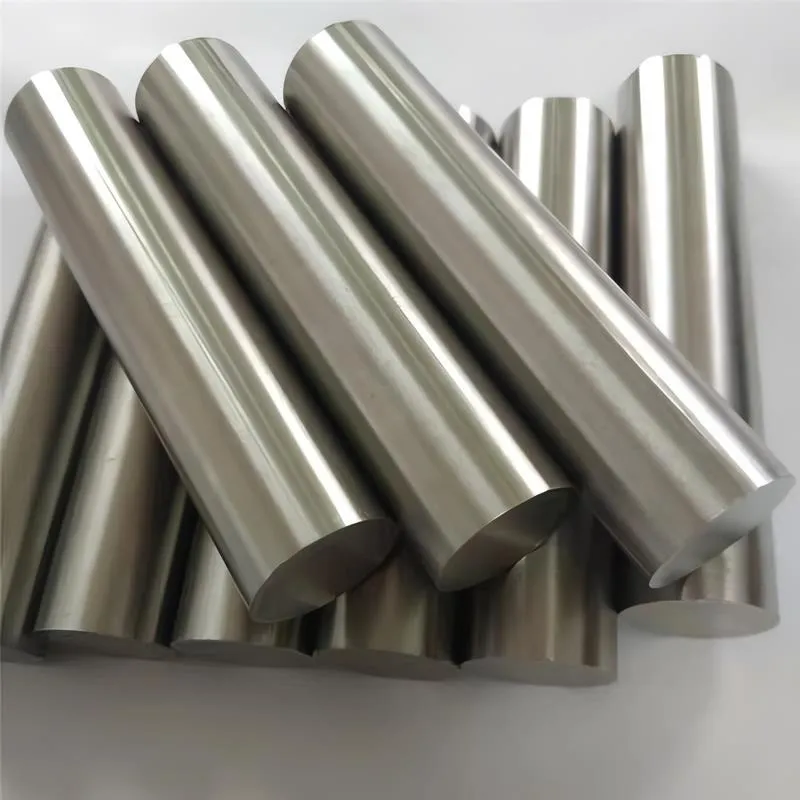
AISI 1053 Steel Rod/Bar,UNS G10530
Product Code : STI-CSTI-095-CU
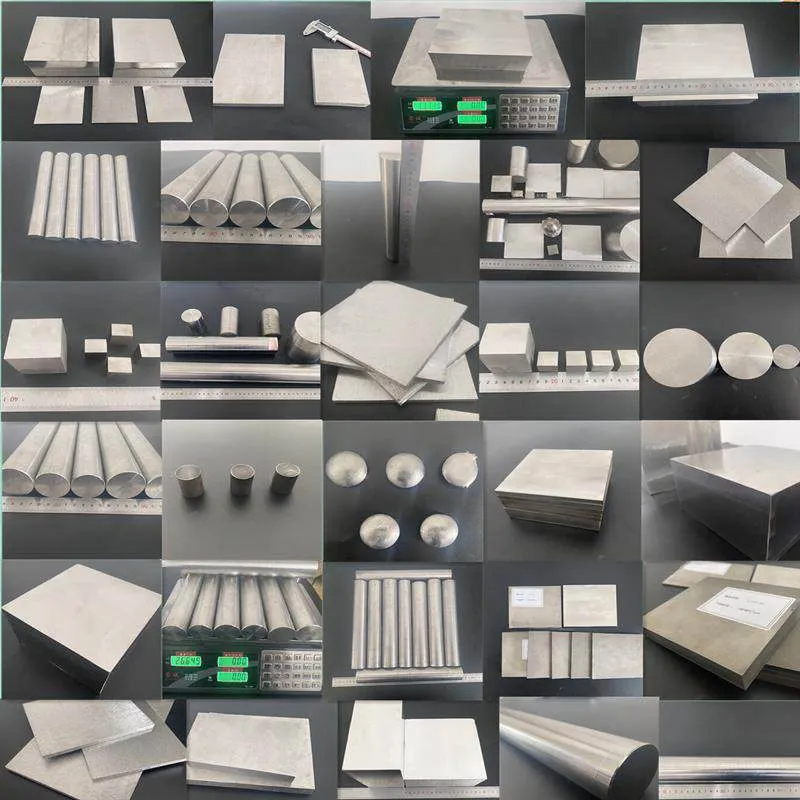
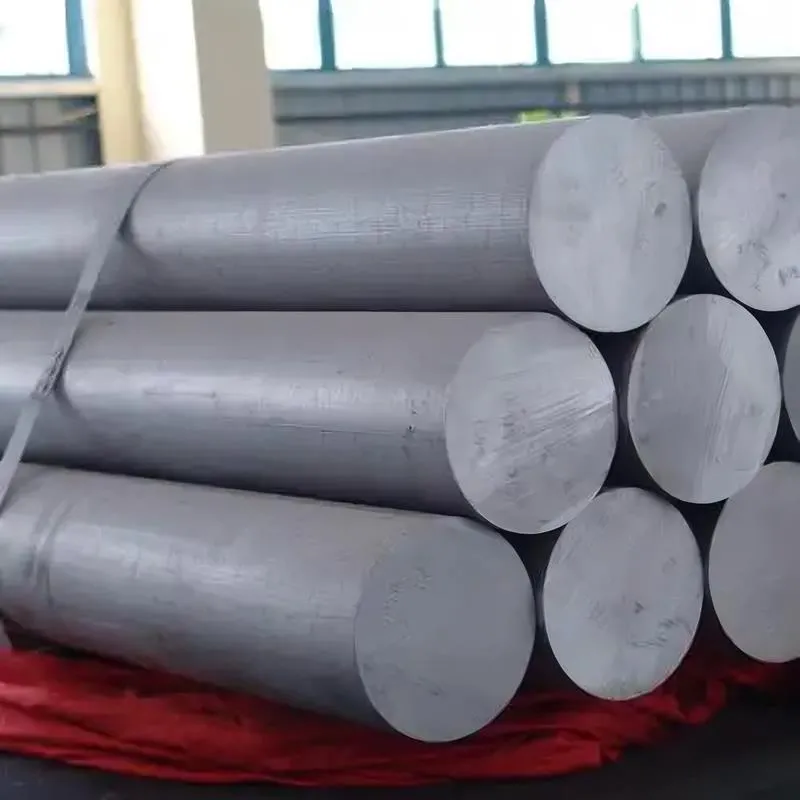
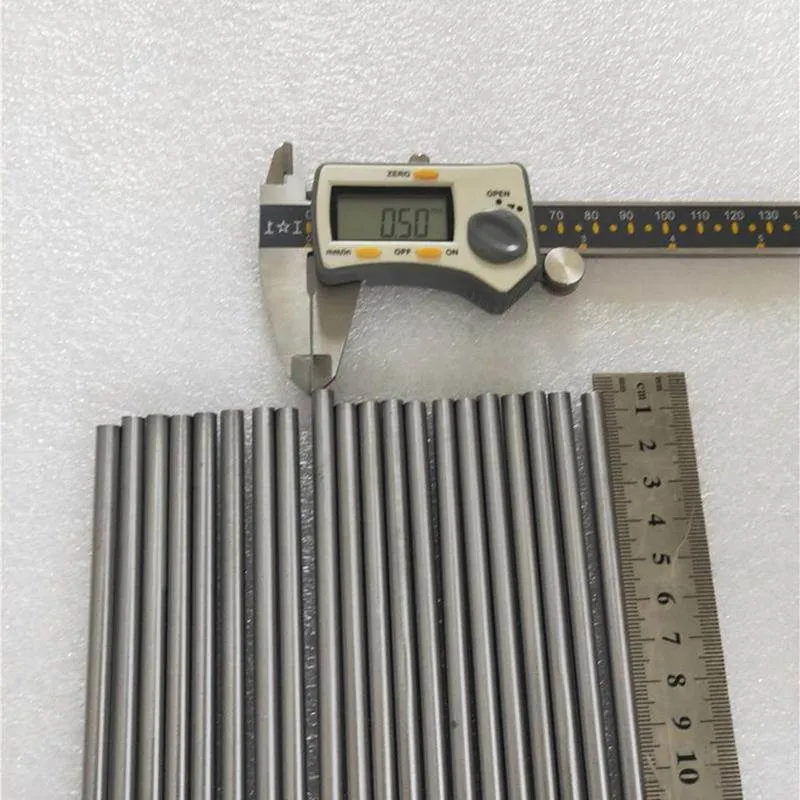
We provide AISI 1053 Steel Rod/Bar Composition Spec (UNS G10530) is available in Bar (Round bar, Flat bar), Ribbon, Wire, Rod/Bars, Tube,Seamless Tube,Pipe, Ingots, Plate, Sheet, Strip and Forging Stock.,Purity, chemical composition, size, etc. can all be customized to meet specific requirements.
Please contact us if you need customized services. We will contact you with the price and availability in 24 hours.
AISI 1053 Steel Rod Composition Spec (UNS G10530) Product Information
-:-
For detailed product information, please contact sales.
-:
AISI 1053 Steel Rod Composition Spec (UNS G10530) Synonyms
-:-
For detailed product information, please contact sales.
-:
AISI 1053 Steel Composition Spec (UNS G10530) Product Information
-:-
For detailed product information, please contact sales.
-:
# **Technical Datasheet: AISI 1053 Steel Composition Specification (UNS G10530)**
---
## **1. Material Overview**
AISI 1053 (UNS G10530) is a high-carbon, non-alloy steel defined primarily by its chemical composition specification. With a carbon content intermediate between AISI 1050 and AISI 1060 grades, it offers a balance of strength, hardness, and wear resistance characteristics. As a standard carbon steel, AISI 1053 is typically supplied in various processing conditions (hot-rolled, cold-drawn, annealed, or heat-treated) depending on end-use requirements. This grade is particularly valued for applications requiring good hardenability and wear resistance without the need for alloying elements.
---
## **2. Key Characteristics**
- **High Carbon Content**: Provides excellent hardness potential and wear resistance
- **Good Hardenability**: Suitable for through-hardening of moderate sections
- **Cost-Effective**: Non-alloy composition offers economical material solution
- **Versatile Processing**: Can be supplied in various conditions to suit application needs
- **Good Wear Resistance**: Ideal for components subject to abrasion and surface wear
- **Forging Capability**: Performs well in hot forging operations
- **Machinable in Annealed State**: Can be readily machined with proper tooling and conditions
---
## **3. Chemical Composition Specification**
### **Standard Composition Ranges**
| Element | Composition Range (%) | Standard Reference | Notes |
|---------|----------------------|-------------------|-------|
| **Carbon (C)** | 0.50 - 0.56 | SAE J403 / ASTM A29 | Primary strengthening element |
| **Manganese (Mn)** | 0.60 - 0.90 | SAE J403 / ASTM A29 | Enhances hardenability, strength |
| **Phosphorus (P)** | ≤ 0.040 | SAE J403 / ASTM A29 | Impurity, kept low for ductility |
| **Sulfur (S)** | ≤ 0.050 | SAE J403 / ASTM A29 | Impurity, affects hot workability |
| **Silicon (Si)** | 0.15 - 0.35 | SAE J403 / ASTM A29 | Deoxidizer, strengthens ferrite |
| **Iron (Fe)** | Balance | - | Base element |
### **Optional Composition Control**
- **Resulphurized Grade**: Available with 0.08-0.13% S for improved machinability (designated as 1153)
- **Controlled Manganese**: Can be specified up to 1.00% for improved hardenability
- **Restricted Phosphorus**: ≤ 0.030% for improved impact toughness
---
## **4. Hardenability Characteristics**
### **Jominy End-Quench Test Data (Typical)**
| Distance from Quenched End (mm) | Hardness (HRC) |
|---------------------------------|----------------|
| **1.5 (1/16")** | 64-66 |
| **3.0 (1/8")** | 60-63 |
| **5.0 (3/16")** | 55-59 |
| **10.0 (3/8")** | 45-50 |
| **15.0 (5/8")** | 35-42 |
| **20.0 (3/4")** | 30-37 |
### **Hardenability Interpretation**
- **Ideal Diameter (DI)**: Approximately 45-55 mm (1.8-2.2 in) for 50% martensite
- **Quenching Medium**: Water or oil depending on section size and desired properties
- **Maximum Hardness**: 65-67 HRC achievable in thin sections
- **Through-Hardening Capability**: Effective up to approximately 50 mm diameter
---
## **5. Typical Mechanical Properties**
### **Properties in Various Conditions**
| Condition | Tensile Strength (MPa) | Yield Strength (MPa) | Elongation (%) | Hardness (HB) |
|-----------|------------------------|----------------------|----------------|---------------|
| **Hot-Rolled** | 670 - 820 | 460 - 610 | 13-18 | 187-241 |
| **Cold-Drawn** | 750 - 900 | 650 - 800 | 10-15 | 229-285 |
| **Normalized** | 720 - 870 | 480 - 630 | 14-19 | 201-255 |
| **Annealed** | 580 - 730 | 330 - 480 | 18-25 | 156-207 |
| **Q&T (400°C temper)** | 1200-1400 | 1100-1300 | 10-15 | 38-44 HRC |
### **Additional Properties**
| Property | Value | Test Standard |
|----------|-------|---------------|
| **Modulus of Elasticity** | 200 GPa (29,000 ksi) | ASTM E111 |
| **Shear Modulus** | 80 GPa (11,600 ksi) | ASTM E143 |
| **Poisson's Ratio** | 0.29 | ASTM E132 |
| **Charpy Impact (20°C)** | 15-30 J (11-22 ft-lb) | ASTM A370 |
| **Fatigue Limit (10⁷ cycles)** | 300-380 MPa | Rotating bending |
| **Density** | 7.87 g/cm³ (0.284 lb/in³) | - |
---
## **6. Heat Treatment Guidelines**
### **Recommended Parameters**
| Process | Temperature Range | Cooling Method | Purpose |
|---------|------------------|----------------|---------|
| **Annealing** | 790-815°C (1450-1500°F) | Furnace cool | Maximum softness |
| **Normalizing** | 870-925°C (1600-1700°F) | Air cool | Grain refinement |
| **Spheroidizing** | 700-750°C (1290-1380°F) | Very slow cool | Best machinability |
| **Quenching** | 830-855°C (1525-1575°F) | Water/oil | Maximum hardness |
| **Tempering** | 200-650°C (400-1200°F) | Air cool | Desired properties |
### **Typical Heat Treatment Results**
| Treatment | Hardness (HRC) | Tensile Strength (MPa) | Applications |
|-----------|----------------|------------------------|-------------|
| **Water Quench + 200°C temper** | 55-58 | 1600-1800 | Cutting edges |
| **Oil Quench + 400°C temper** | 44-48 | 1300-1500 | High-strength parts |
| **Oil Quench + 600°C temper** | 32-36 | 900-1100 | General engineering |
---
## **7. Physical Properties**
| Property | Value | Conditions |
|----------|-------|------------|
| **Density** | 7.87 g/cm³ (0.284 lb/in³) | 20°C |
| **Melting Point** | 1460-1510°C (2660-2750°F) | - |
| **Thermal Conductivity** | 47.5 W/m·K (32.9 BTU·in/hr·ft²·°F) | 20°C |
| **Specific Heat Capacity** | 486 J/kg·K (0.116 BTU/lb·°F) | 20°C |
| **Coefficient of Thermal Expansion** | 11.3 µm/m·°C (6.3 µin/in·°F) | 20-100°C |
| **Electrical Resistivity** | 0.245 µΩ·m | 20°C |
| **Magnetic Properties** | Ferromagnetic | All temperatures |
---
## **8. International Standard Equivalents**
### **Direct Equivalents**
| Standard System | Designation | Specification |
|----------------|-------------|---------------|
| **UNS** | G10530 | Unified Numbering System |
| **SAE/AISI** | 1053 | SAE J403 |
| **ASTM** | Grade 1053 | ASTM A29 / A576 |
### **Similar/Approximate Equivalents**
| Standard System | Designation | Notes |
|----------------|-------------|-------|
| **EN (Europe)** | 1.1207 (C55E) | EN 10083-2, similar composition |
| **ISO** | C55E | ISO 683-18, Type C55E |
| **JIS (Japan)** | S55C | JIS G4051, similar properties |
| **GB (China)** | 55# (55钢) | GB/T 699, similar carbon range |
| **DIN (Germany)** | 1.1207, Ck55 | DIN 17200, similar characteristics |
### **Regional Availability Notes**
- **North America**: Commonly available as standard grade
- **Europe**: Often supplied as C55E or similar equivalent
- **Asia**: S55C (Japan) or 55# (China) commonly used
- **Special Note**: Exact equivalents may vary slightly in composition ranges
---
## **9. Processing & Fabrication Characteristics**
### **Machinability**
- **Relative Rating**: 30-35% (vs. 100% for 1212 steel)
- **Optimal Condition**: Annealed or spheroidized for best results
- **Tool Requirements**: Carbide or premium HSS tools recommended
- **Cutting Speeds**: 20-35 m/min (65-115 ft/min) for turning
- **Coolant**: Essential for tool life and surface finish
### **Forming & Forging**
- **Hot Working Temperature**: 1150-850°C (2100-1560°F)
- **Forging Practice**: Heat to 1150°C, finish above 850°C
- **Cold Forming**: Limited; anneal between operations if necessary
- **Bend Radius**: Minimum 3× thickness for cold bending
### **Welding**
- **Pre-heating**: 250-350°C (480-660°F) mandatory
- **Electrodes**: Low-hydrogen (E10018, E11018) required
- **Post-Weld Treatment**: Stress relief at 600-650°C recommended
- **Weldability Rating**: Poor - not recommended for critical structures
### **Heat Treatment Response**
- **Depth of Hardening**: Good for sections up to 50-60 mm
- **Distortion Tendency**: Moderate; proper fixturing required
- **Decarburization**: Protect during heating or allow for machining removal
- **Temper Embrittlement**: Not susceptible in standard tempering ranges
---
## **10. Primary Applications**
### **Automotive & Transportation**
- Heavy-duty axle shafts and drive shafts
- Transmission gears and pinions
- Suspension system components
- Steering linkage parts
- High-strength fasteners and studs
### **Industrial Machinery**
- Machine tool spindles and arbors
- Gear blanks for power transmission
- Shafts and rollers for heavy equipment
- Hydraulic cylinder rods
- Press and forging die components
### **Tool & Die Applications**
- Cutting tool blanks
- Die inserts and punches
- Mold components
- Tool holders and fixtures
- Shear blades and cutting edges
### **Agricultural & Construction**
- Tractor transmission components
- Implement drive shafts
- Excavator bucket teeth and adapters
- Plow shares and cultivator points
- Heavy equipment pins and bushings
### **General Engineering**
- High-strength bolts and fasteners
- Bearing races and rollers
- Valve components for high-pressure systems
- Wear plates and liners
- Custom machined components
---
## **11. Comparison with Similar Grades**
### **Carbon Steel Comparison**
| Grade | Carbon Range | Typical Yield (HR) | Hardness (HB) | Key Differences |
|-------|-------------|--------------------|---------------|-----------------|
| **AISI 1050** | 0.48-0.55% | 450-590 MPa | 179-235 | Slightly lower carbon |
| **AISI 1053** | 0.50-0.56% | 460-610 MPa | 187-241 | Intermediate grade |
| **AISI 1060** | 0.55-0.65% | 490-630 MPa | 201-255 | Higher carbon content |
| **AISI 1070** | 0.65-0.75% | 520-660 MPa | 217-269 | Spring steel grade |
### **Selection Guidelines**
| Application Requirement | Recommended Grade | Reasoning |
|------------------------|-------------------|-----------|
| Maximum wear resistance | 1060 or 1070 | Higher carbon content |
| Balance of properties | 1053 | Optimal carbon level |
| Better machinability | 1050 | Slightly lower carbon |
| Spring applications | 1070 | Higher carbon, better elasticity |
---
## **12. Quality Assurance & Testing**
### **Standard Testing Requirements**
- **Chemical Analysis**: Each heat/lot per ASTM E415
- **Tensile Testing**: Per lot per ASTM A370
- **Hardness Testing**: Brinell or Rockwell per ASTM E10/E18
- **Dimensional Inspection**: Per applicable product standard
- **Surface Quality**: Visual inspection for defects
### **Optional Testing**
- **Impact Testing**: Charpy V-notch at specified temperatures
- **Hardenability Testing**: Jominy end-quench test
- **Microstructural Analysis**: Grain size, phase distribution
- **Non-Destructive Testing**: UT, MT, PT as required
- **Fatigue Testing**: For dynamic applications
### **Certification Requirements**
- Mill Test Reports (MTRs) with full traceability
- Chemical composition certification
- Mechanical property test results
- Compliance with specified standards
- Heat treatment records (if applicable)
---
## **13. Economic Considerations**
### **Cost Factors**
- **Material Cost**: Moderate - standard carbon steel pricing
- **Processing Costs**: Additional for heat treatment or special processing
- **Availability**: Widely available in standard forms and sizes
- **Competitive Position**: Cost-effective alternative to alloy steels for many applications
### **Value Proposition**
- **Performance**: Excellent strength and wear resistance for carbon steel
- **Processability**: Can be machined, forged, and heat treated
- **Consistency**: Standard grade with predictable properties
- **Life Cycle**: Durable material with good service life
- **Total Cost**: Economical solution for many engineering applications
---
## **14. Environmental & Sustainability**
### **Environmental Compliance**
- **REACH**: Compliant with European regulations
- **RoHS**: Contains no restricted substances
- **Recyclability**: 100% recyclable as steel scrap
- **Carbon Footprint**: Lower than equivalent alloy steels
### **Sustainable Practices**
- **Material Efficiency**: Can be processed to near-net shape
- **Energy Efficiency**: Lower processing energy than some alternatives
- **Long Service Life**: Reduces replacement frequency
- **End-of-Life**: Fully recyclable in standard steel recycling streams
---
## **15. Technical Support & Resources**
### **Available Information**
- Complete chemical specification data
- Heat treatment guidelines and recommendations
- Fabrication and processing instructions
- Application case studies and examples
- Technical data sheets for various conditions
### **Engineering Support**
- Material selection assistance
- Heat treatment process optimization
- Fabrication guidance
- Troubleshooting and problem-solving
- Custom specification development
---
**Disclaimer**: This technical data sheet provides general information about AISI 1053 steel (UNS G10530). Actual properties may vary based on manufacturing process, heat treatment, section size, and specific processing conditions. For engineering applications, consult official material specifications and conduct appropriate testing. Professional engineering judgment should be applied for specific applications, particularly for safety-critical components.
---
**Revision**: 1.0
**Date**: November 2023
**Status**: Current Specification
**Contact**: Technical Services Department for specific requirements
-:-
For detailed product information, please contact sales.
-:
AISI 1053 Steel Composition Spec (UNS G10530) Specification
Dimensions
Size:
Diameter 20-1000 mm Length <4827 mm
Size:We can customized as required
Standard:
Per your request or drawing
We can customized as required
Properties(Theoretical)
Chemical Composition
-:-
For detailed product information, please contact sales.
-:
AISI 1053 Steel Composition Spec (UNS G10530) Properties
-:-
For detailed product information, please contact sales.
-:
Applications of AISI 1053 Steel Rod Composition Spec (UNS G10530)
-:-
For detailed product information, please contact sales.
-:
Chemical Identifiers AISI 1053 Steel Rod Composition Spec (UNS G10530)
-:-
For detailed product information, please contact sales.
-:
Packing of AISI 1053 Steel Rod Composition Spec (UNS G10530)
-:-
For detailed product information, please contact sales.
-:
Standard Packing:
-:-
For detailed product information, please contact sales.
-:
Typical bulk packaging includes palletized plastic 5 gallon/25 kg. pails, fiber and Steel Rod drums to 1 ton super sacks in full container (FCL) or truck load (T/L) quantities. Research and sample quantities and hygroscopic, oxidizing or other air sensitive materials may be packaged under argon or vacuum. Solutions are packaged in polypropylene, plastic or glass jars up to palletized 1298 gallon liquid totes Special package is available on request. E FORUs’ is carefully handled to minimize damage during storage and transportation and to preserve the quality of our products in their original condition