AISI 1069 Steel Tube,Pipe,UNS G10690
Product Code : STI-CSTI-130-CU
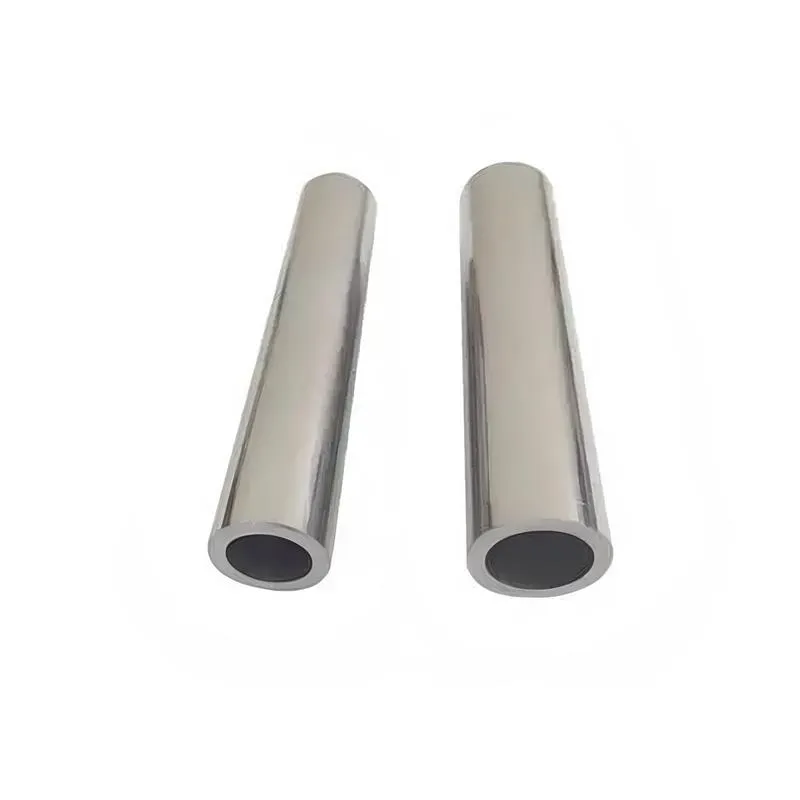
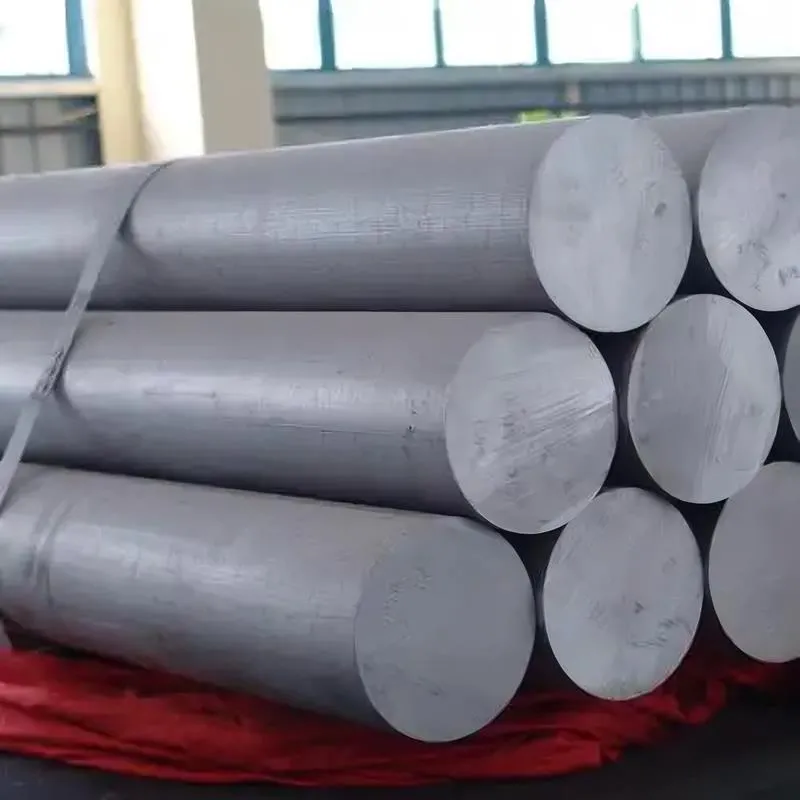
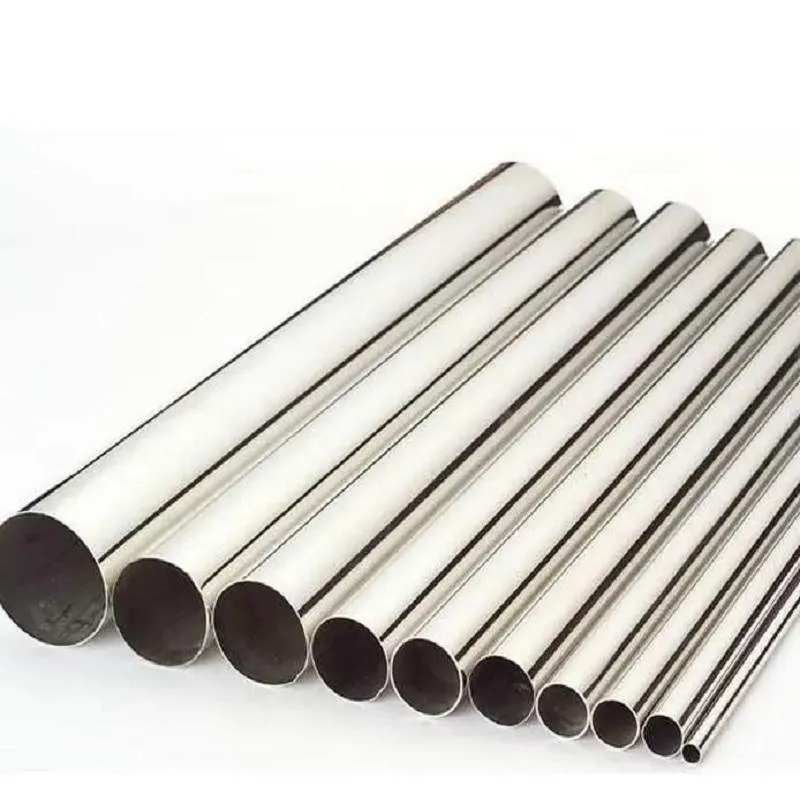
We provide AISI 1069 Steel Tube Composition Spec (UNS G10690) is available in Bar (Round bar, Flat bar), Ribbon, Wire, Rods, Tube,Seamless Tube,Pipe, Ingots, Plate, Sheet, Strip and Forging Stock.,Purity, chemical composition, size, etc. can all be customized to meet specific requirements.AISI 1069 Steel Pipe,UNS G10690
Please contact us if you need customized services. We will contact you with the price and availability in 24 hours.
AISI 1069 Steel Tube Composition Spec (UNS G10690) Product Information
-:-
For detailed product information, please contact sales.
-:
AISI 1069 Steel Tube Composition Spec (UNS G10690) Synonyms
-:-
For detailed product information, please contact sales.
-:
AISI 1069 Steel Composition Spec (UNS G10690) Product Information
-:-
For detailed product information, please contact sales.
-:
### **Product Data Sheet: AISI 1069 Steel / UNS G10690**
**1. Overview**
AISI 1069 (UNS G10690) is a very high-carbon, non-alloy, plain carbon steel. It sits at the upper end of the standard carbon steel series, characterized by an exceptionally high carbon content which imparts extreme potential hardness and wear resistance after proper heat treatment. In the as-rolled or annealed condition, it is relatively hard and brittle. Its primary use is in applications where maximum hardness and abrasion resistance are the paramount requirements, often at the expense of toughness and machinability. It is a specialized material, not as commonly used as mid-range carbon steels like 1045 or 1060.
---
**2. Chemical Composition (Standard Specification)**
The composition is defined by narrow limits, with carbon being the dominant element.
| Element | Content (%) (Typical & Specified) | Role & Impact |
| :--- | :--- | :--- |
| **Carbon (C)** | **0.65 - 0.75** | Primary element. Maximizes hardness, tensile strength, and wear resistance. Significantly reduces ductility, weldability, and machinability. |
| **Manganese (Mn)** | **0.60 - 0.90** | Increases hardenability (depth of hardening), refines grain structure. |
| **Phosphorus (P)** | **≤ 0.040** | Impurity. Harmful; increases brittleness (cold shortness). |
| **Sulfur (S)** | **≤ 0.050** | Impurity. Detrimental to ductility and impact strength, but can improve machinability (free-machining grades have higher S). |
| **Silicon (Si)** | **0.15 - 0.35** (Typical for grade) | Deoxidizer during steelmaking. Contributes to strength. |
| **Iron (Fe)** | **Balance** | Base metal. |
---
**3. Typical Physical & Mechanical Properties**
*Note: Properties vary greatly depending on condition (annealed, cold drawn, heat-treated).*
| Property | Condition: Annealed (Soft for Machining) | Condition: Quenched & Tempered (Hardened for Service) |
| :--- | :--- | :--- |
| **Density** | 7.85 g/cm³ (0.284 lb/in³) | Same |
| **Modulus of Elasticity** | 190-210 GPa (27.5-30.5 x 10⁶ psi) | Same |
| **Tensile Strength** | ~ 550 - 700 MPa (80 - 102 ksi) | **1100 - 1400+ MPa (160 - 200+ ksi)** |
| **Yield Strength** | ~ 310 - 415 MPa (45 - 60 ksi) | **1000 - 1300+ MPa (145 - 190+ ksi)** |
| **Elongation (in 50mm)** | ~ 10 - 15% | **Very Low (<5%)** |
| **Reduction in Area** | ~ 30 - 40% | **Very Low** |
| **Hardness** | **187 - 229 HB** (Brinell) / ~ 90-95 HRB | **55 - 65 HRC** (Rockwell C) [After quenching] |
| **Machinability** | **Poor (~45% of AISI 1212)**. Abrasive and hard on tools. Requires annealed state, sharp tools, low speeds. | **Not machinable** in hardened state; requires grinding. |
---
**4. Key Characteristics & Metallurgical Behavior**
* **Extreme Hardenability:** Capable of achieving the highest hardness levels among standard carbon steels. Full hardening requires vigilant control of quenching medium (often oil or severe water agitation to avoid cracking).
* **Low Toughness & Ductility:** Inherently brittle, especially in the hardened state. Not suitable for impact or shock-loading applications.
* **Poor Weldability:** Generally **not recommended** for welding. The high carbon content leads to high susceptibility to cracking in the Heat-Affected Zone (HAZ). If welding is absolutely necessary, it requires high preheat (300-400°C / 575-750°F), strict control of interpass temperature, post-weld stress relieving, and often the use of specialized low-hydrogen electrodes.
* **Application-Specific:** Used almost exclusively where its singular property of extreme hardness is needed.
---
**5. Primary Product Applications**
AISI 1069 is used for specialized components where wear is the primary failure mode.
* **Cutting & Shearing Tools:** Lower-cost industrial knife blades, scrapers, shearing blades for softer materials.
* **High-Strength Springs:** Very high-stress mechanical springs where extreme yield strength is required (e.g., heavy-duty clutch springs). **Note:** Often surpassed by superior alloy spring steels.
* **Wear Parts & Liners:** Plow shares, cultivator shovels, wear plates, and liners in abrasive environments.
* **Agricultural Tools:** High-wear components for tilling and harvesting equipment.
* **Cold Heading & Forming (Wire):** In the form of spheroidize-annealed wire, used to make very high-strength, hardened fasteners or pins (though more common in slightly lower carbon grades).
* **Ballistics:** Can be used in certain armor applications in a hardened state.
---
**6. Relevant International & Industry Standards**
AISI 1069 is covered under general carbon steel bar and wire specifications.
| Standard System | Standard Designation | Title / Scope |
| :--- | :--- | :--- |
| **UNS / AISI / SAE (USA)** | **UNS G10690, AISI 1069, SAE 1069** | Standard Grade Designation |
| **ASTM (USA)** | **ASTM A510** | Standard Specification for General Requirements for Wire Rods and Coarse Round Wire, Carbon Steel |
| **ASTM (USA)** | **ASTM A29/A29M** | Standard Specification for Steel Bars, Carbon and Alloy, Hot-Wrought and Cold-Finished |
| **AMS (Aerospace)** | *Typically not used in aerospace* | |
| **DIN (Germany)** | **1.0803 / C70** | Closest equivalent (C 0.67-0.75%). |
| **JIS (Japan)** | **SWRS72A-B, SWRH72A-B** | Similar high-carbon grades for wire rod. |
| **GB (China)** | **70#** | (GB/T 699) |
---
**Disclaimer:** This data sheet provides typical information. For critical applications, consult the specific material certification and conduct appropriate testing. The selection and heat treatment of AISI 1069 should be performed under the guidance of a qualified metallurgist due to its sensitivity to quench cracking and brittleness.
-:-
For detailed product information, please contact sales.
-:
AISI 1069 Steel Composition Spec (UNS G10690) Specification
Dimensions
Size:
Diameter 20-1000 mm Length <4862 mm
Size:We can customized as required
Standard:
Per your request or drawing
We can customized as required
Properties(Theoretical)
Chemical Composition
-:-
For detailed product information, please contact sales.
-:
AISI 1069 Steel Composition Spec (UNS G10690) Properties
-:-
For detailed product information, please contact sales.
-:
Applications of AISI 1069 Steel Tube Composition Spec (UNS G10690)
-:-
For detailed product information, please contact sales.
-:
Chemical Identifiers AISI 1069 Steel Tube Composition Spec (UNS G10690)
-:-
For detailed product information, please contact sales.
-:
Packing of AISI 1069 Steel Tube Composition Spec (UNS G10690)
-:-
For detailed product information, please contact sales.
-:
Standard Packing:
-:-
For detailed product information, please contact sales.
-:
Typical bulk packaging includes palletized plastic 5 gallon/25 kg. pails, fiber and Steel Tube drums to 1 ton super sacks in full container (FCL) or truck load (T/L) quantities. Research and sample quantities and hygroscopic, oxidizing or other air sensitive materials may be packaged under argon or vacuum. Solutions are packaged in polypropylene, plastic or glass jars up to palletized 1333 gallon liquid totes Special package is available on request. E FORUs’ is carefully handled to minimize damage during storage and transportation and to preserve the quality of our products in their original condition