AISI 1117 Steel, annealed
Product Code : STI-CSTI-197-CU
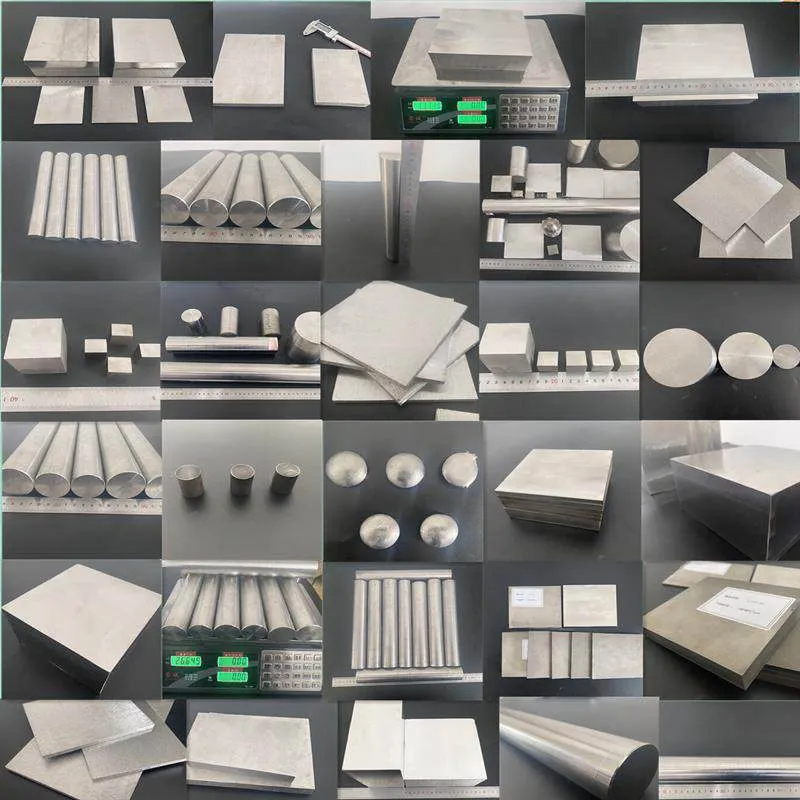
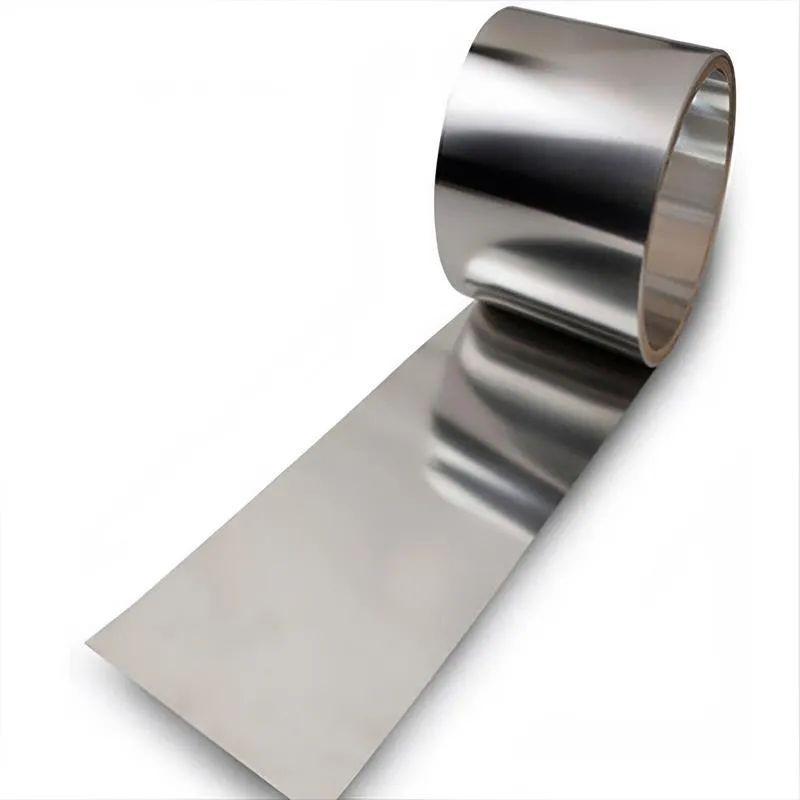
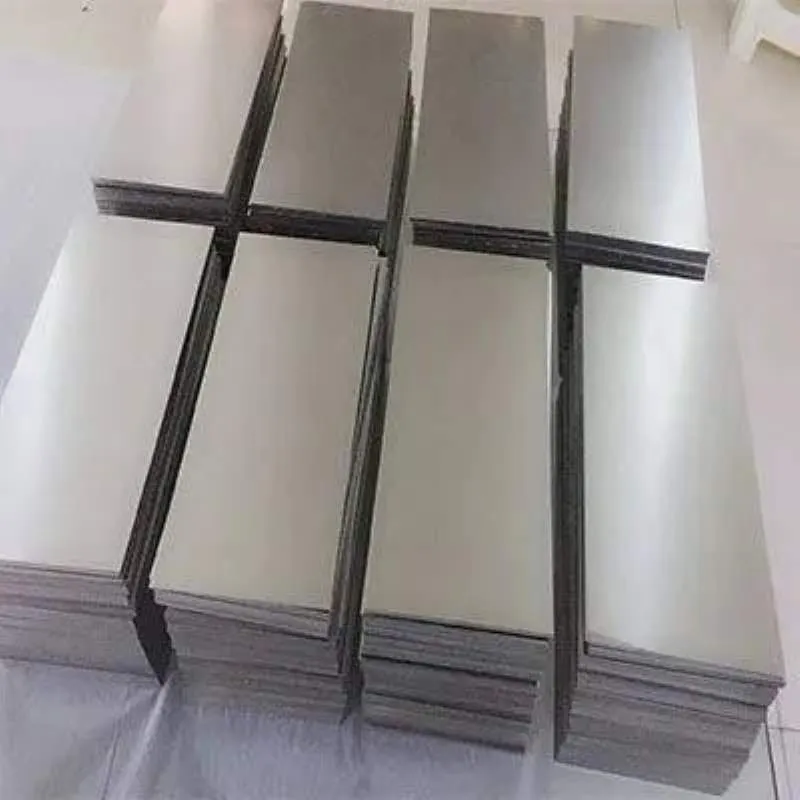
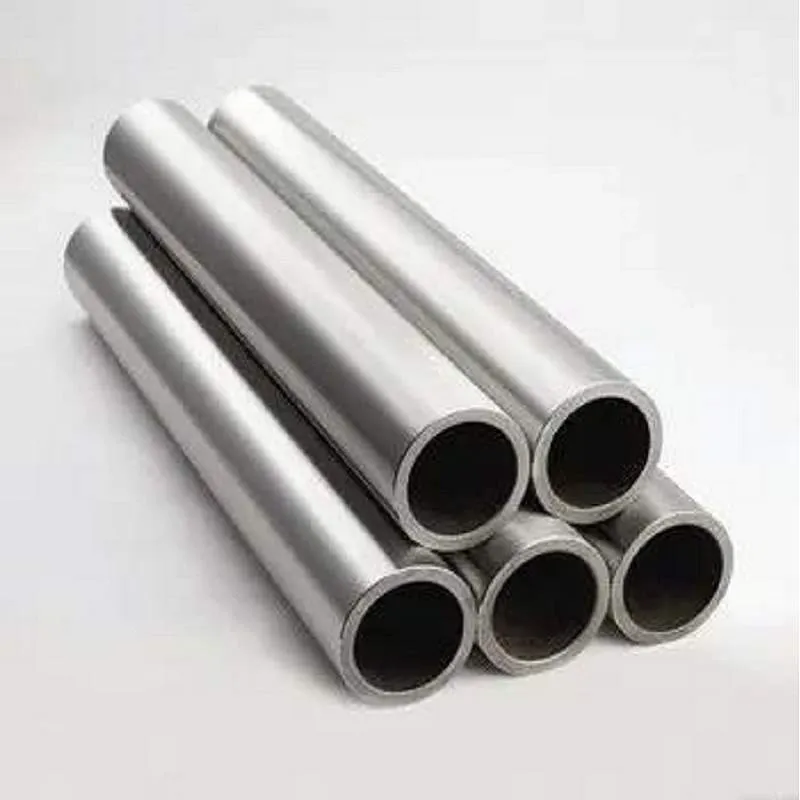
We provide AISI 1117 Steel, annealed at 855°C (1575°F) is available in Bar (Round bar, Flat bar), Ribbon, Wire, Rods, Tube,Seamless Tube,Pipe, Ingots, Plate, Sheet, Strip and Forging Stock.,Purity, chemical composition, size, etc. can all be customized to meet specific requirements.
Please contact us if you need customized services. We will contact you with the price and availability in 24 hours.
AISI 1117 Steel, annealed at 855°C (1575°F) Product Information
-:-
For detailed product information, please contact sales.
-:
AISI 1117 Steel, annealed at 855°C (1575°F) Synonyms
-:-
For detailed product information, please contact sales.
-:
AISI 1117 Steel, annealed at 855°C (1575°F) Product Information
-:-
For detailed product information, please contact sales.
-:
### **Product Data Sheet: AISI 1117 Steel - Annealed at 855°C (1575°F)**
#### **1. Overview: Optimized Softening for Maximum Machinability and Formability**
This datasheet describes **AISI 1117 free-machining steel in a fully annealed condition**, achieved by heating to 855°C (1575°F) followed by controlled slow cooling (typically furnace cooling). This specific annealing treatment is designed to produce the **softest, most ductile, and most machinable state** possible for this grade. The process aims to achieve a coarse, equilibrium microstructure that minimizes hardness and internal stress, while optimally distributing the manganese sulfide (MnS) inclusions. This condition is ideal for severe cold forming operations, complex machining, or as a stable core material prior to case hardening, offering maximum processing flexibility and dimensional stability.
**Heat Treatment Rationale:**
* **Heating to 855°C (1575°F):** This temperature is selected to be sufficiently above the Ac3 transformation point to ensure full austenitization, allowing for complete recrystallization and homogenization of the MnS inclusions.
* **Slow Cooling (Furnace Cooling):** The key to annealing. A very slow cooling rate (e.g., ≤ 25°C per hour through the critical range) allows maximum time for diffusion, promoting the formation of a coarse pearlitic-ferritic structure with large, soft carbides and maximum ductility.
---
#### **2. Chemical Composition (AISI/SAE Standard)**
| Element | Content (%) |
| :--- | :--- |
| **Carbon (C)** | 0.14 - 0.20 |
| **Manganese (Mn)** | **1.00 - 1.30** |
| **Phosphorus (P)** | ≤ 0.040 |
| **Sulfur (S)** | **0.08 - 0.13** |
| **Iron (Fe)** | Balance |
---
#### **3. Typical Physical & Mechanical Properties (Annealed Condition)**
| Property | Typical Value / Description |
| :--- | :--- |
| **Condition** | Full Anneal (Furnace Cooled from 855°C) |
| **Microstructure** | **Coarse Ferrite + Coarse Pearlite** with large, well-dispersed globular MnS inclusions. This is the softest, most stable microstructure for this composition. |
| **Hardness** | **121 - 149 HB** (Brinell) / **~68-78 HRB** |
| **Tensile Strength** | **400 - 495 MPa (58 - 72 ksi)** |
| **Yield Strength (0.2% Offset)** | **220 - 310 MPa (32 - 45 ksi)** |
| **Elongation (in 50 mm)** | **~ 32 - 40%** |
| **Reduction in Area** | **~ 55 - 65%** |
| **Machinability** | **Excellent (~145-165% of AISI 1212).** The soft matrix and well-dispersed MnS inclusions allow for very high material removal rates with excellent chip control, low cutting forces, and superior surface finish. This is near-optimal machinability for this steel. |
| **Cold Formability** | **Excellent.** This is the primary condition for severe cold forming operations (e.g., cold heading, extrusion, severe bending) as it maximizes ductility and minimizes the risk of cracking. |
| **Internal Stress** | **Extremely Low (Virtually Stress-Free).** The slow cooling minimizes thermal gradients and residual stresses, ensuring superb dimensional stability for precision machining. |
| **Hardenability Response** | **Very Low (for through-hardening).** Ideal as a **core material for case hardening (carburizing)**, providing a very tough and ductile substrate that is easy to machine prior to heat treatment. |
---
#### **4. Key Characteristics & Metallurgical Purpose**
* **Achievement of Minimum Hardness & Maximum Ductility:** The primary goal. This process drives the microstructure to its equilibrium state, resulting in the lowest possible strength and highest possible elongation for this chemistry.
* **Stress Relief and Homogenization:** Completely eliminates the banded, stressed structure from prior rolling or forging. The MnS inclusions are more uniformly distributed.
* **Foundation for Severe Cold Work:** This is the **mandatory starting condition** for processes like cold heading of bolts or complex cold extrusion, where material must flow extensively without failure.
* **Superior Machining Substrate:** The combination of a soft matrix and effective chip breakers makes this the preferred state for high-volume, high-speed machining where minimizing tool wear and cycle time is critical.
---
#### **5. Primary Applications for this Annealed Condition**
**1. As a Pre-Processing Condition (Most Common Use):**
* **Cold Heading & Extrusion Stock:** The standard feedstock for manufacturing **bolts, screws, rivets, and complex cold-formed parts**.
* **Precision Machining of Complex Parts:** For components requiring extensive milling, drilling, or turning where minimal tool wear and high dimensional stability are needed.
* **Core Material for Case Hardening:** Used for parts that are machined in the soft state and then carburized (e.g., some gears, shafts) where a very ductile core is specified.
**2. As a Final Condition (Less Common):**
* **Non-Critical, Ductile Components:** Parts where high formability or easy machining is the only requirement, and strength is not a concern.
---
#### **6. Relevant Standards & Specifications**
| Standard / Aspect | Relevance |
| :--- | :--- |
| **Base Material Standard** | **AISI 1117 / SAE J403 / UNS G11170** |
| **Heat Treatment Specification** | Specified as: "Annealed: Heat to 855°C (1575°F), furnace cool." |
| **ASTM A29/A29M** | For the base bar stock; annealing is a specified delivery condition. |
| **ASTM A510** | For wire rods, often supplied in annealed condition for subsequent drawing or forming. |
| **SAE J416** | Standard heat treatment practices. |
| **DIN / EN Equivalent** | **1.0715 / 11SMn30 (+A)** where +A denotes annealed condition. |
---
### **Critical Processing & Selection Considerations**
1. **Process Cost and Time:** Full annealing is a **time-consuming and energy-intensive** batch process due to the required slow cooling. It is justified when maximum softness or stability is required.
2. **Decarburization:** The prolonged time at high temperature will result in **significant surface decarburization**. For critical surfaces, an adequate machining allowance (0.5-1.5 mm) must be provided, or a controlled atmosphere furnace should be used.
3. **Cooling Rate is Critical:** True "furnace cooling" means cooling with the furnace shut off or with very low power. Faster cooling will result in higher hardness (closer to a normalized condition).
4. **Alternative:** For less severe forming, **normalizing** provides a good balance of properties with a faster, less expensive cycle.
**Summary:** **AISI 1117 annealed at 855°C represents the ultimate softened and stabilized condition for this versatile free-machining steel.** It delivers **minimum hardness, maximum ductility, excellent machinability, and near-zero internal stress**. This makes it the **indispensable starting material for severe cold forming processes** and the **preferred state for the most demanding high-speed machining applications**. Its value lies in enabling complex and efficient manufacturing operations that would be impossible or unreliable with harder, less ductile material conditions. For fastener manufacturers and shops producing intricate, high-tolerance parts, this annealed condition is a fundamental enabler of quality and productivity.
-:-
For detailed product information, please contact sales.
-:
AISI 1117 Steel, annealed at 855°C (1575°F) Specification
Dimensions
Size:
Diameter 20-1000 mm Length <4929 mm
Size:We can customized as required
Standard:
Per your request or drawing
We can customized as required
Properties(Theoretical)
Chemical Composition
-:-
For detailed product information, please contact sales.
-:
AISI 1117 Steel, annealed at 855°C (1575°F) Properties
-:-
For detailed product information, please contact sales.
-:
Applications of AISI 1117 Steel, annealed at 855°C (1575°F)
-:-
For detailed product information, please contact sales.
-:
Chemical Identifiers AISI 1117 Steel, annealed at 855°C (1575°F)
-:-
For detailed product information, please contact sales.
-:
Packing of AISI 1117 Steel, annealed at 855°C (1575°F)
-:-
For detailed product information, please contact sales.
-:
Standard Packing:
-:-
For detailed product information, please contact sales.
-:
Typical bulk packaging includes palletized plastic 5 gallon/25 kg. pails, fiber and steel drums to 1 ton super sacks in full container (FCL) or truck load (T/L) quantities. Research and sample quantities and hygroscopic, oxidizing or other air sensitive materials may be packaged under argon or vacuum. Solutions are packaged in polypropylene, plastic or glass jars up to palletized 1400 gallon liquid totes Special package is available on request. E FORUs’ is carefully handled to minimize damage during storage and transportation and to preserve the quality of our products in their original condition