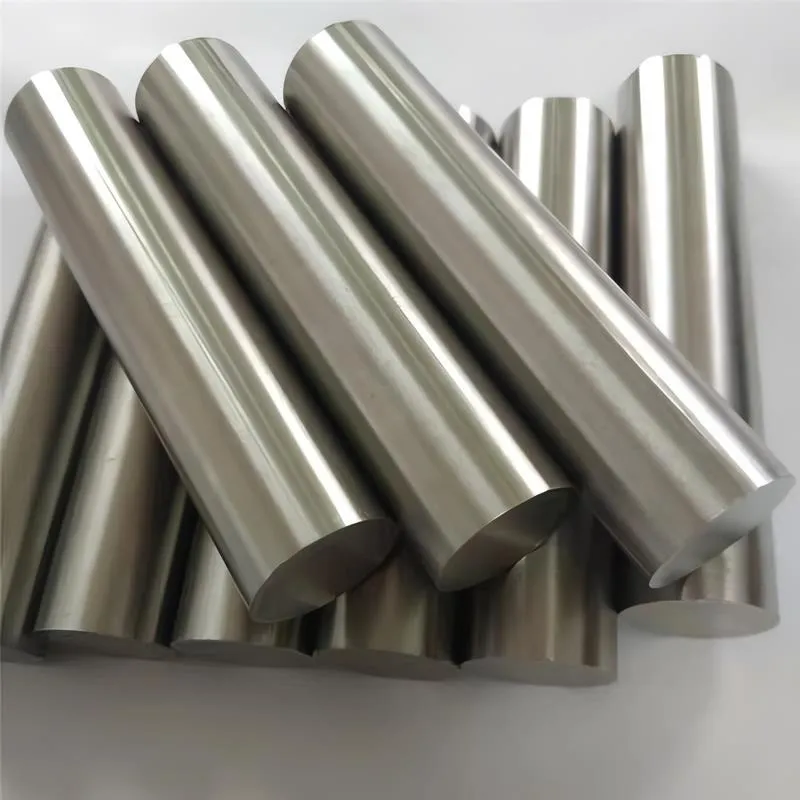
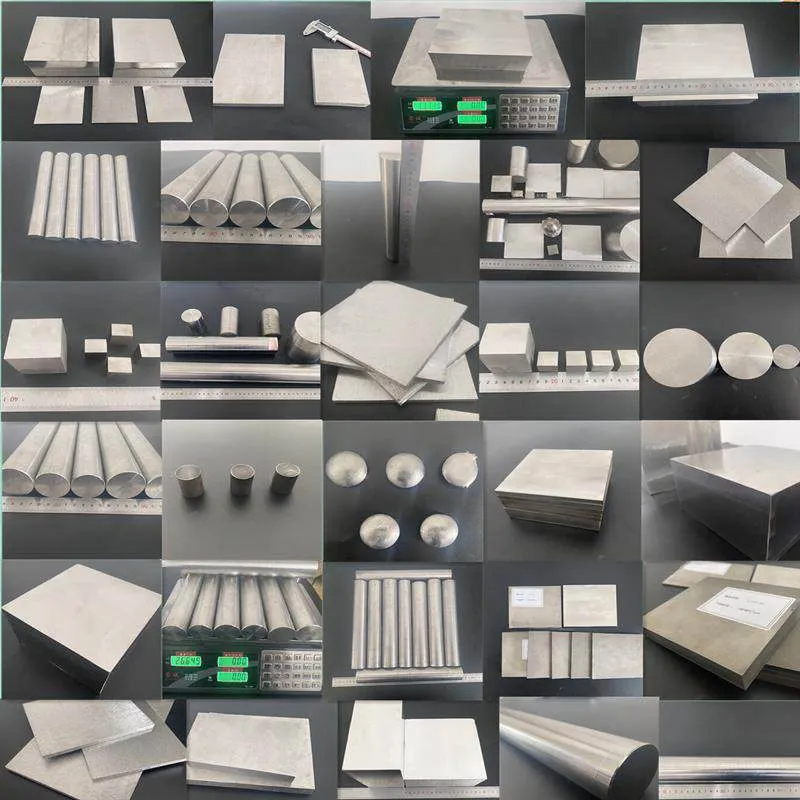
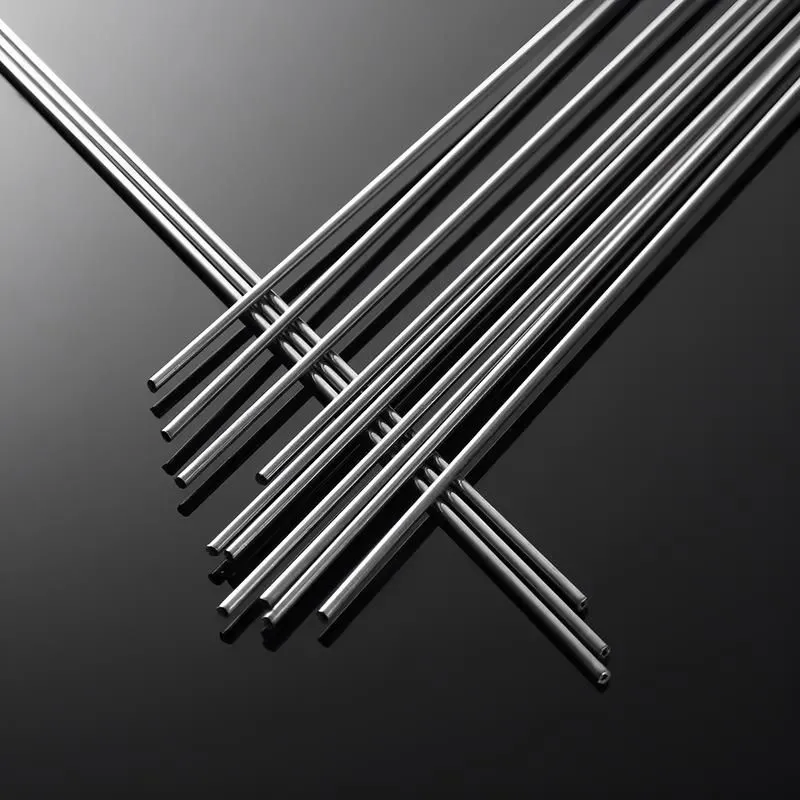
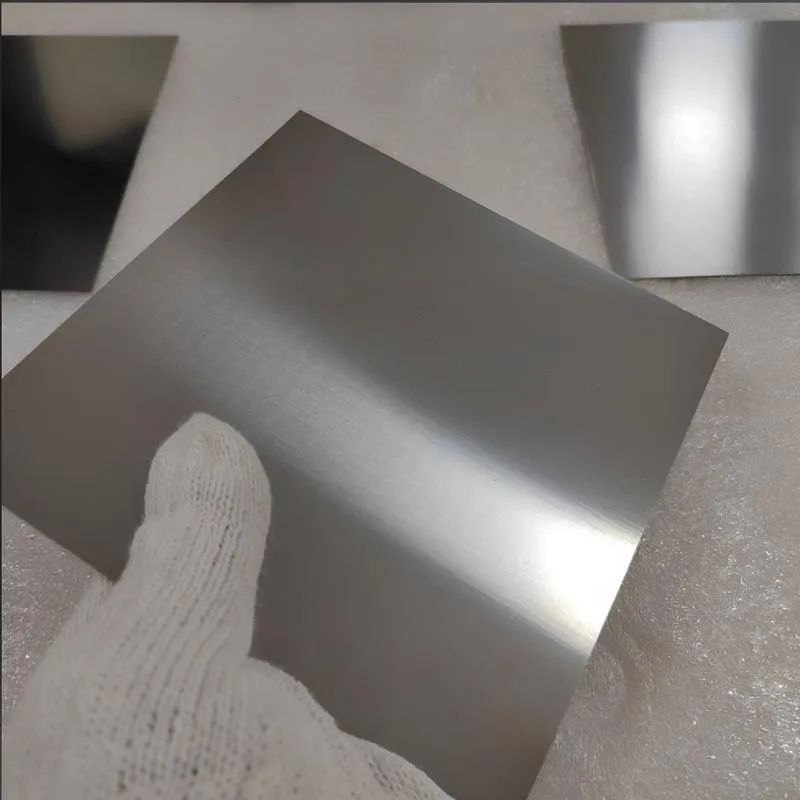
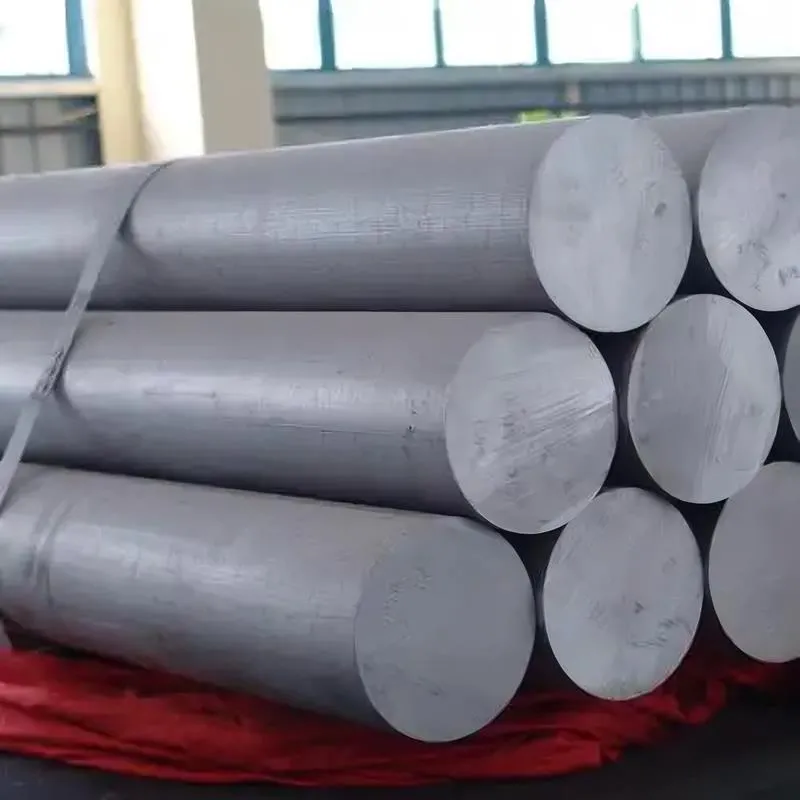
AISI 1139 Steel Rod/Bar,UNS G11390
Product Code : STI-CSTI-223-CU
We provide AISI 1139 Steel Rod/Bar Composition Spec (UNS G11390) is available in Bar (Round bar, Flat bar), Ribbon, Wire, Rod/Bars, Tube,Seamless Tube,Pipe, Ingots, Plate, Sheet, Strip and Forging Stock.,Purity, chemical composition, size, etc. can all be customized to meet specific requirements.
Please contact us if you need customized services. We will contact you with the price and availability in 24 hours.
AISI 1139 Steel Rod Composition Spec (UNS G11390) Product Information
-:-
For detailed product information, please contact sales.
-:
AISI 1139 Steel Rod Composition Spec (UNS G11390) Synonyms
-:-
For detailed product information, please contact sales.
-:
AISI 1139 Steel Composition Spec (UNS G11390) Product Information
-:-
For detailed product information, please contact sales.
-:
## **Product Data Sheet: AISI 1139 Steel (UNS G11390) - Composition Specification**
---
### **1. Product Overview**
**AISI 1139 (UNS G11390)** is a **high-sulfur, medium-carbon, free-machining steel** specifically engineered for applications where **exceptional machinability is the paramount requirement**. It represents the high-sulfur variant within the 11xx series, containing significantly more sulfur than standard grades like 1117 or 1132. This elevated sulfur content, typically ranging from 0.32% to 0.39%, creates an abundance of manganese sulfide (MnS) inclusions that act as powerful, internal chip breakers during machining operations.
This grade is designed as a **niche, high-productivity material** for manufacturing non-critical components on high-speed automatic screw machines and CNC lathes. Its primary identity is defined by its chemical composition, which prioritizes ease and speed of chip removal over other material properties such as weldability, transverse ductility, and forgeability.
**Key Characteristics of AISI 1139 (G11390):**
* **Superlative Machinability:** Possesses one of the highest machinability ratings among standard carbon steels due to its very high sulfur content, enabling maximum cutting speeds, superior surface finish, and minimal tool wear.
* **Limited Mechanical Properties:** The high sulfur content introduces significant anisotropy, resulting in poor ductility and impact toughness, especially in directions transverse to the rolling direction. It has lower tensile strength compared to lower-sulfur medium carbon steels.
* **Non-Weldable and Non-Hardenable:** The combination of high sulfur and medium carbon makes it completely unsuitable for welding (extreme hot cracking risk) and ineffective for conventional heat treatment like quenching and tempering or carburizing.
* **Economical for High-Volume Machining:** Its ability to drastically reduce machining cycle time and tooling costs can make it the most economical choice for specific high-volume production runs of non-structural parts.
---
### **2. Chemical Composition (Standard % by Weight) - UNS G11390**
The composition is strictly optimized for extreme machinability, with sulfur as the dominant defining element.
| Element | Content (%) | Specification Source (Typical) | Function & Implication |
| :--- | :--- | :--- | :--- |
| **Carbon (C)** | 0.35 - 0.43 | ASTM A108, SAE J403 | Provides basic strength but is too high for easy machining without the high sulfur; the MnS inclusions counteract the tool wear typically caused by this carbon level. |
| **Manganese (Mn)** | 1.35 - 1.65 | ASTM A108, SAE J403 | **Balances Sulfur.** Present in sufficient quantity to combine with all sulfur, forming MnS inclusions. Excess Mn increases hardenability slightly, but heat treatment is not recommended. |
| **Phosphorus (P)** | ≤ 0.040 | ASTM A108, SAE J403 | Residual element, kept low. |
| **Sulfur (S)** | **0.32 - 0.39** | **DEFINING ELEMENT.** ASTM A108, SAE J403 | **Extreme Machinability Agent.** This very high level creates a high volume fraction of MnS inclusions, providing outstanding chip-breaking action but severely compromising ductility, toughness, and weldability. |
| **Iron (Fe)** | Balance | | Base metal. |
---
### **3. Typical Physical & Mechanical Properties**
*Properties are highly dependent on the form (hot rolled vs. cold drawn) and size. Cold drawing improves strength and finish. Properties are highly anisotropic.*
| Property | Typical Value (Cold Drawn Condition) | Notes |
| :--- | :--- | :--- |
| **Tensile Strength** | 550 - 690 MPa (80,000 - 100,000 psi) | Moderate strength, heavily influenced by cold work. |
| **Yield Strength (0.2% Offset)** | 480 - 620 MPa (70,000 - 90,000 psi) | |
| **Elongation (in 50 mm)** | 10% - 18% (Longitudinal) | **Very low in transverse direction (often < 5%).** |
| **Reduction of Area** | 25% - 40% (Longitudinal) | **Very low in transverse direction.** |
| **Hardness** | 179 - 229 HB | |
| **Machinability Rating** | **~ 160-180%** (vs. AISI 1212 = 100%) | Excellent; among the best for a non-leaded steel. |
| **Impact Toughness** | **Very Low** | Especially poor in transverse orientation. |
---
### **4. International Standards & Cross-References**
AISI 1139 is covered under standard free-machining steel specifications.
| Standard System | Equivalent Designation | Applicable Specification / Form |
| :--- | :--- | :--- |
| **UNS (USA)** | **G11390** | Unified Numbering System |
| **ASTM (USA)** | AISI 1139 | **ASTM A108** (Cold-Finished Carbon Steel Bars) |
| **SAE (USA)** | SAE 1139 | SAE J403 |
| **AMS (Aerospace)** | - | *Not typically used in aerospace due to poor properties.* |
| **DIN (Germany)** | **1.0736** (44S20) | DIN EN 10277 | German "S" designation indicates high sulfur for machining. |
| **BS (UK)** | **226M44** | BS 970 | Similar high-sulfur, free-cutting grade. |
| **JIS (Japan)** | **SUM 43** | JIS G4804 | Very close equivalent in carbon and high sulfur range. |
---
### **5. Primary Applications**
AISI 1139 is used **exclusively for non-structural, non-welded, non-heat-treated components** where minimizing machining cost and time is the absolute priority.
* **High-Speed Screw Machine Products:** Nuts, bolts, studs, fittings, spacers, and bushings produced on multi-spindle automatics and Swiss-type lathes.
* **Electrical & Plumbing Fittings:** Connector bodies, coupling nuts, valve parts, and other plated or coated components.
* **Non-Critical Automotive Parts:** Door lock components, sensor housings, trim clips, and various interior brackets not subject to impact or stress.
* **Consumer Hardware & Appliance Parts:** Knobs, fasteners, decorative elements, and internal mechanism components.
* **General Free-Machining Components:** Any part requiring complex geometry and an excellent as-machined surface finish, with no subsequent service demands for strength, toughness, or weldability.
---
### **6. Critical Processing & Handling Notes**
* **Heat Treatment: NOT APPLICABLE.** The high sulfur content makes it **unsuitable for case hardening or through-hardening**. Attempts will result in poor surface integrity, embrittlement, and likely cracking.
* **Machining: EXCELLENT.** This is its sole purpose. It machines with very low cutting forces, produces small, easily evacuated chips, and yields an excellent surface finish. Use sharp tools and adequate coolant.
* **Weldability: EXTREMELY POOR / PROHIBITED.** The very high sulfur content guarantees severe hot cracking (solidification cracking). **Welding is strictly forbidden** for any application.
* **Hot Working: NOT SUITABLE.** Highly prone to hot shortness (cracking) during forging or hot forming due to the sulfur-rich grain boundaries.
* **Cold Forming: VERY POOR.** Exhibits extreme anisotropy and very low transverse ductility. Any bending, heading, or forming operation carries a high risk of cracking and is not recommended.
* **Health & Safety:** Standard industrial hygiene practices for machining metals apply. Ensure proper ventilation and chip management.
---
### **7. Comparison with Key Grades**
* **vs. AISI 1132:** 1139 has **much higher sulfur** (~0.35% vs. ~0.10%) and **slightly higher carbon**. This gives 1139 superior machinability but drastically worse ductility, toughness, and weldability. 1132 is a more balanced, general-purpose grade.
* **vs. 12L14:** 12L14 contains lead for even better chip control and machinability, plus higher phosphorus. 12L14 generally offers the best overall machinability. AISI 1139 is a high-sulfur, non-leaded alternative that trades some machinability for slightly higher strength due to its carbon content.
---
**Disclaimer: AISI 1139 (UNS G11390) is a highly specialized material with severe limitations. Its selection must be justified solely by machining economics for non-critical parts. Engineers must fully understand and design around its poor mechanical properties, anisotropy, and non-weldability. Always consult the supplier's certification and Safety Data Sheets (SDS) before use.**
-:-
For detailed product information, please contact sales.
-:
AISI 1139 Steel Composition Spec (UNS G11390) Specification
Dimensions
Size:
Diameter 20-1000 mm Length <4955 mm
Size:We can customized as required
Standard:
Per your request or drawing
We can customized as required
Properties(Theoretical)
Chemical Composition
-:-
For detailed product information, please contact sales.
-:
AISI 1139 Steel Composition Spec (UNS G11390) Properties
-:-
For detailed product information, please contact sales.
-:
Applications of AISI 1139 Steel Rod Composition Spec (UNS G11390)
-:-
For detailed product information, please contact sales.
-:
Chemical Identifiers AISI 1139 Steel Rod Composition Spec (UNS G11390)
-:-
For detailed product information, please contact sales.
-:
Packing of AISI 1139 Steel Rod Composition Spec (UNS G11390)
-:-
For detailed product information, please contact sales.
-:
Standard Packing:
-:-
For detailed product information, please contact sales.
-:
Typical bulk packaging includes palletized plastic 5 gallon/25 kg. pails, fiber and Steel Rod drums to 1 ton super sacks in full container (FCL) or truck load (T/L) quantities. Research and sample quantities and hygroscopic, oxidizing or other air sensitive materials may be packaged under argon or vacuum. Solutions are packaged in polypropylene, plastic or glass jars up to palletized 1426 gallon liquid totes Special package is available on request. E FORUs’ is carefully handled to minimize damage during storage and transportation and to preserve the quality of our products in their original condition