AISI 1340 Steel, annealed
Product Code : STI-CSTI-1433-CU
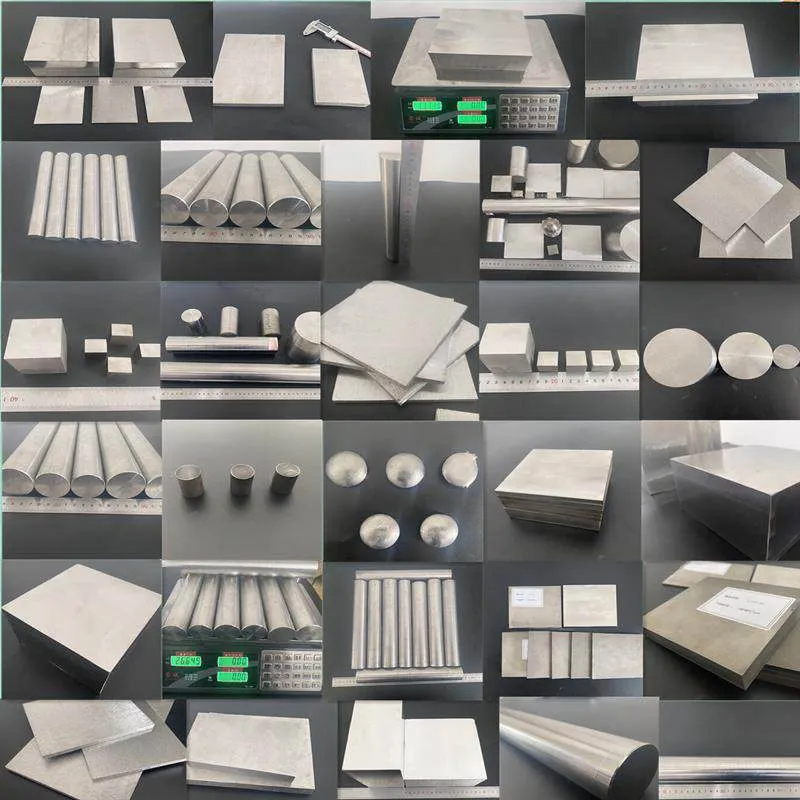
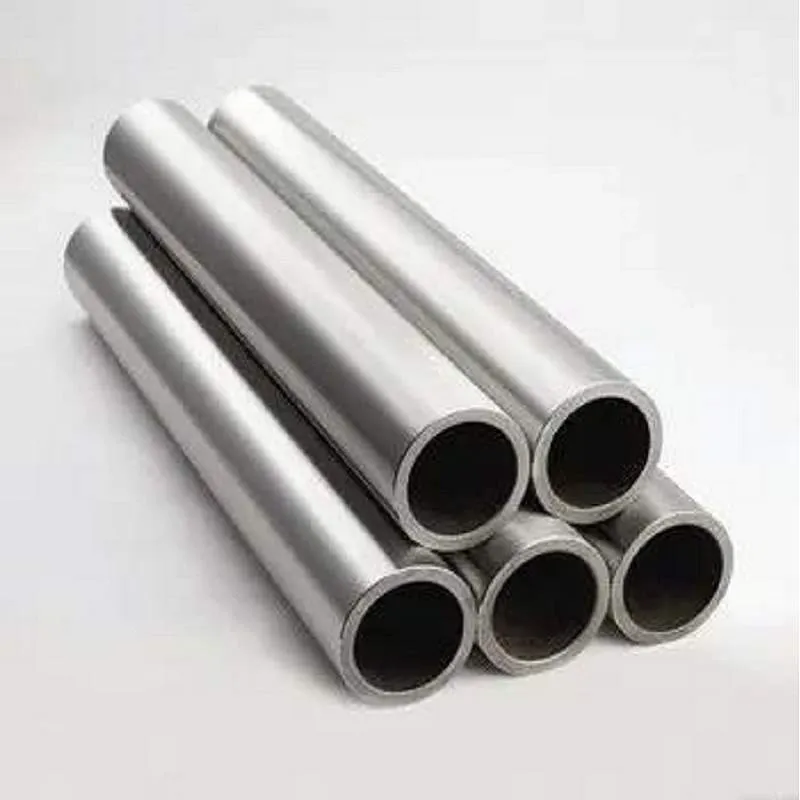
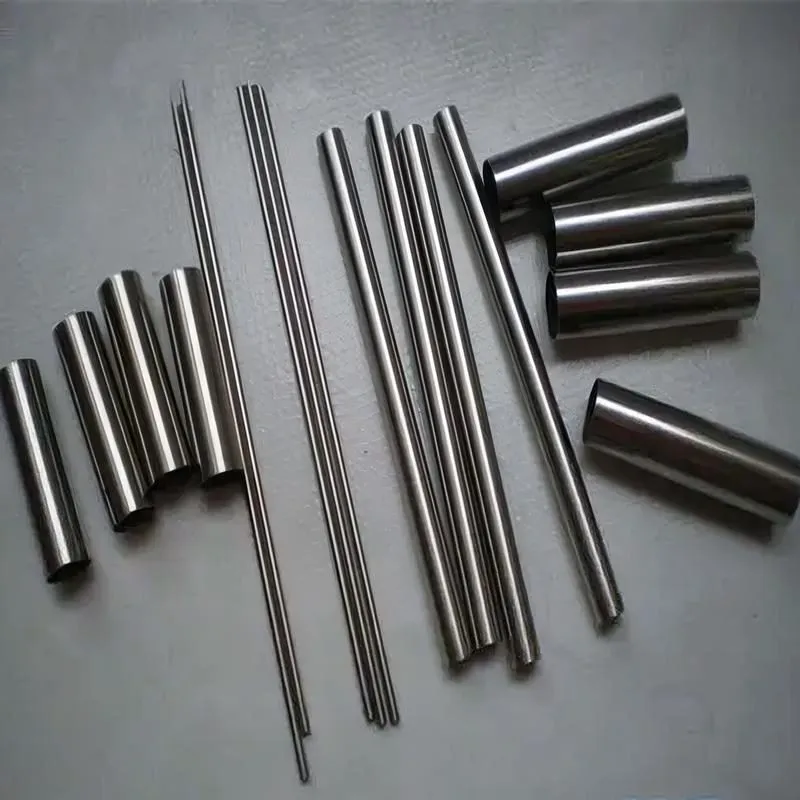
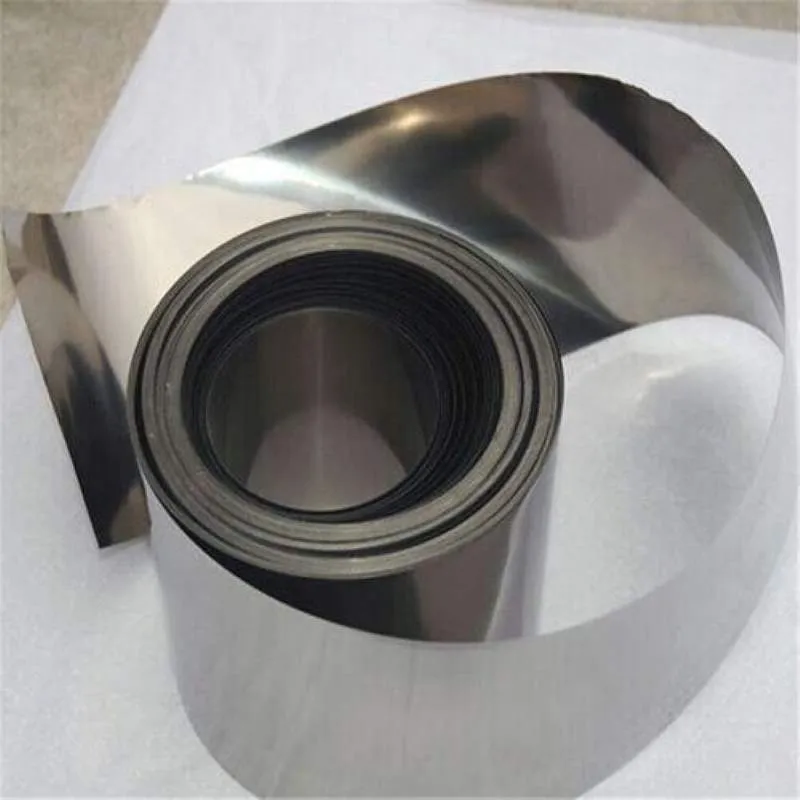
We provide AISI 1340 Steel, annealed at 800°C, furnace cooled 11°C/hour to 600°C, air cooled is available in Bar (Round bar, Flat bar), Ribbon, Wire, Rods, Tube,Seamless Tube,Pipe, Ingots, Plate, Sheet, Strip and Forging Stock.,Purity, chemical composition, size, etc. can all be customized to meet specific requirements.
Please contact us if you need customized services. We will contact you with the price and availability in 24 hours.
AISI 1340 Steel, annealed at 800°C, furnace cooled 11°C/hour to 600°C, air cooled Product Information
-:-
For detailed product information, please contact sales.
-:
AISI 1340 Steel, annealed at 800°C, furnace cooled 11°C/hour to 600°C, air cooled Synonyms
-:-
For detailed product information, please contact sales.
-:
AISI 1340 Steel, annealed at 800°C, furnace cooled 11°C/hour to 600°C, air cooled Product Information
-:-
For detailed product information, please contact sales.
-:
# **Product Technical Data Sheet: AISI 1340 Annealed Steel**
**Product Designation:** AISI 1340 / SAE 1340 Annealed Steel
**Heat Treatment:** Full Annealed at 800°C (1472°F), Furnace Cooled at 11°C/hour to 600°C, Air Cooled
**Condition:** Fully Softened with Optimal Machinability
**Microstructure:** Spheroidized Carbides in Ferrite Matrix
**Special Feature:** Controlled Slow Cooling for Maximum Softness and Microstructural Homogeneity
---
## **1. Overview**
AISI 1340 steel in this specific annealed condition represents the **ultimate optimization for machinability and formability** within the manganese steel series. The carefully controlled annealing cycle—heating to 800°C followed by an extremely slow furnace cooling at 11°C/hour (20°F/hour) to 600°C, then air cooling—produces a fully spheroidized microstructure with minimal residual stresses. This precise thermal treatment transforms the typical lamellar pearlite structure into uniformly dispersed spherical carbides in a soft ferrite matrix, achieving the **lowest possible hardness while maintaining dimensional stability**. This condition is particularly valuable for **complex machining operations, cold forming processes, and prototype development** where maximum material workability is essential and subsequent heat treatment is planned.
## **2. Chemical Composition (Weight %)**
*Per SAE J403 specifications for AISI 1340*
| Element | Content Range (%) | Target Value (%) | Role in Annealed Condition |
|---------|------------------|-----------------|----------------------------|
| **Carbon (C)** | 0.38 - 0.43 | 0.405 | Forms spheroidal cementite particles during slow cooling |
| **Manganese (Mn)** | 1.60 - 1.90 | 1.75 | Promotes carbide spheroidization, enhances hardenability potential |
| **Silicon (Si)** | 0.15 - 0.35 | 0.25 | Deoxidizer, slightly retards spheroidization |
| **Phosphorus (P)** | ≤ 0.035 | 0.020 | Residual element (controlled) |
| **Sulfur (S)** | 0.04 - 0.055 | 0.047 | Improves machinability through MnS formation |
| **Iron (Fe)** | Balance | Balance | Matrix element |
**Annealing-Specific Chemistry Effects:**
- **Carbon Level:** Optimal for complete spheroidization without excessive carbide volume
- **Manganese Content:** High enough to ensure hardenability for subsequent heat treatment but controlled for spheroidization
- **Slow Cooling Benefit:** Allows complete carbide spheroidization and carbon diffusion
## **3. Physical Properties (Annealed Condition)**
| Property | Value | Unit | Condition/Notes |
|----------|-------|------|-----------------|
| **Density** | 7.85 | g/cm³ | At 20°C |
| **Melting Range** | 1415 - 1480 | °C | Solidus to liquidus |
| **Modulus of Elasticity** | 190 - 200 | GPa | 27.6 - 29.0 × 10⁶ psi (slightly reduced due to soft structure) |
| **Shear Modulus** | 75 - 78 | GPa | 10.9 - 11.3 × 10⁶ psi |
| **Poisson's Ratio** | 0.29 | - | - |
| **Thermal Conductivity** | 46.0 - 48.0 | W/m·K | At 100°C (improved by spheroidized structure) |
| **Specific Heat Capacity** | 480 - 500 | J/kg·K | At 20°C |
| **Coefficient of Thermal Expansion** | 11.6 × 10⁻⁶ | /°C | 20-100°C range |
| **Electrical Resistivity** | 0.22 - 0.24 | μΩ·m | At 20°C |
| **Magnetic Properties** | Ferromagnetic | - | - |
## **4. Mechanical Properties (Annealed at 800°C with 11°C/hour Cooling)**
*Properties represent the softest achievable condition for AISI 1340*
| Property | Value Range | Typical | Test Standard | Notes |
|----------|-------------|---------|---------------|-------|
| **Tensile Strength** | 520 - 620 MPa | 570 MPa | ASTM E8/E8M | 75-90 ksi |
| **Yield Strength (0.2%)** | 310 - 410 MPa | 360 MPa | ASTM E8/E8M | 45-60 ksi |
| **Elongation (in 50mm)** | 26 - 34% | 30% | ASTM E8/E8M | Excellent ductility |
| **Reduction of Area** | 55 - 65% | 60% | ASTM E8/E8M | Superior formability |
| **Hardness** | **14 - 20 HRC** | **17 HRC** | ASTM E18 | Brinell: 140-190 HBW |
| **Impact Energy (Charpy V)** | 45 - 65 J | 55 J | ASTM E23 | At 20°C |
| **Fatigue Strength** | 230 - 280 MPa | 255 MPa | Rotating bending | 10⁷ cycles, R=-1 |
| **Machinability Rating** | **70 - 75%** | **72%** | vs. 1212 steel as 100% | Excellent for medium-carbon steel |
| **Endurance Ratio** | 0.44 - 0.48 | 0.46 | Fatigue/UTS | - |
**Property Benefits of Specific Annealing Cycle:**
- **Maximum Softness:** Achieves minimum hardness for this chemistry
- **Superior Consistency:** Uniform properties throughout cross-section
- **Minimal Residual Stress:** Slow cooling prevents stress buildup
- **Excellent Formability:** Ideal for cold bending and forming operations
## **5. Annealing Process Details**
### **Specific Thermal Cycle:**
1. **Heating:** Controlled heating to **800°C (1472°F)** at 50-100°C/hour
- *Note: Slightly above Ac₁ (~725°C) for partial austenitization*
2. **Soaking:** 2-3 hours per inch of thickness at temperature
- Extended time for complete carbide dissolution and homogenization
3. **Primary Cooling:** Furnace cooling at **11°C/hour (20°F/hour)** to 600°C
- Critical for complete spheroidization
- Total cooling time: ~18 hours from 800°C to 600°C
4. **Secondary Cooling:** Air cooling from 600°C to room temperature
- Safe cooling rate below pearlite transformation range
### **Microstructural Transformation:**
- **At 800°C:** Partial austenitization with cementite dissolution
- **During Slow Cooling:** Cementite precipitates as spherical particles
- **Final Structure:** Spheroidal carbides (0.5-2.0 μm) in ferrite matrix
- **Carbide Distribution:** Uniform throughout microstructure
- **Ferrite Grain Size:** ASTM 5-7 (coarse due to slow cooling)
- **Spheroidization Rating:** ≥90% spheroidized carbides
### **11°C/hour Cooling Rationale:**
- **Optimal Spheroidization:** Maximum rate for cementite spheroid formation
- **Stress Minimization:** Prevents thermal stress buildup
- **Carbon Diffusion:** Allows complete carbon redistribution
- **Process Control:** Reproducible industrial process
## **6. Key Characteristics & Advantages**
### **Annealing-Specific Advantages:**
1. **Exceptional Machinability:** Lowest hardness enables high-speed machining
2. **Superior Tool Life:** Typically 40-60% longer than normalized condition
3. **Excellent Chip Control:** Produces short, broken chips even in complex geometries
4. **Minimal Distortion:** Low residual stresses prevent machining distortion
5. **Good Surface Finish:** Often achieves Ra 0.8-1.6 μm without grinding
### **Comparison with Other Conditions:**
| Property | Normalized 1340 | **Annealed 1340 (800°C + 11°C/h)** | Quenched & Tempered 1340 |
|----------|-----------------|-----------------------------------|--------------------------|
| **Hardness (HRC)** | 20-26 | **14-20** | 25-45 |
| **Machinability (%)** | 60-65 | **70-75** | 45-60 |
| **Tensile (MPa)** | 650-780 | **520-620** | 850-1400 |
| **Tool Life** | Good | **Excellent** | Fair-Good |
| **Cold Formability** | Fair | **Excellent** | Poor |
| **Subsequent Hardening** | Good | **Excellent** | N/A |
### **Economic Benefits:**
- **Reduced Machining Costs:** Higher speeds, feeds, and longer tool life
- **Lower Power Consumption:** 20-30% less than harder conditions
- **Reduced Scrap Rate:** Better chip control and dimensional stability
- **Faster Production:** Shorter machining cycles for complex parts
## **7. Applications**
### **Primary Applications:**
**Complex Machined Components:**
- Intricate gear blanks requiring extensive machining
- Hydraulic valve bodies with complex internal passages
- Pump housings and manifolds
- Machine tool components with tight tolerances
**Cold Formed Parts:**
- Complex stamped components
- Cold forged parts requiring maximum formability
- Bent and formed structural elements
- Deep drawn components
**Prototype & Development:**
- Engineering prototypes for design validation
- Tooling tryouts and process development
- Pre-production samples
- Fixture and jig components
**Further Processing Stock:**
- Pre-conditioning for subsequent heat treatment
- Stock for cold drawing or extrusion
- Material for thread rolling or form tapping
- Blanks for specialized manufacturing processes
### **Industry-Specific Applications:**
**Automotive Manufacturing:**
- Transmission valve bodies
- Fuel system components
- Steering gear housings
- Engine accessory brackets
**Aerospace (Non-critical):**
- Cabin interior components
- Accessory mounting brackets
- Ground support equipment
- Non-structural fittings
**Industrial Equipment:**
- Complex hydraulic components
- Precision instrument parts
- Material handling components
- Packaging machinery parts
## **8. International Standards & Equivalents**
### **Material Standards:**
| Standard System | Designation | Specification |
|----------------|-------------|---------------|
| **AISI/SAE (USA)** | 1340 | SAE J403, J404 |
| **UNS (USA)** | G13400 | Unified Numbering System |
| **ASTM (USA)** | **A29/A29M** | General Requirements for Steel Bars |
| **ASTM (USA)** | A576 | Carbon Steel Bars, Hot-Wrought |
| **ISO** | **ISO 683-1** | 38Mn6 (similar) |
| **DIN (Germany)** | 1.1167 | 38Mn6 |
| **EN (Europe)** | **EN 10083-2** | 38Mn6 |
| **JIS (Japan)** | SMn438 | Japanese equivalent |
| **GB (China)** | 40Mn2 | Chinese standard |
### **Annealing Process Standards:**
- **AMS 2759:** Pyrometry Requirements for Heat Treatment
- **ASTM A255:** Standard Test Method for End-Quench Hardenability
- **ISO 4885:** Heat Treatment Vocabulary
- **ASTM E112:** Standard Test Methods for Determining Average Grain Size
## **9. Manufacturing & Processing Guidelines**
### **Machining Performance:**
- **Cutting Speeds:** 45-70 m/min (150-230 SFM) for turning operations
- **Feed Rates:** 0.20-0.40 mm/rev (0.008-0.016 in/rev)
- **Depth of Cut:** Up to 5mm for roughing, 0.5-1.5mm for finishing
- **Tool Materials:** Carbide or coated carbide recommended
- **Surface Finish:** Typically achieves Ra 0.8-1.6 μm with proper tooling
### **Recommended Machining Parameters:**
| Operation | Speed (m/min) | Feed (mm/rev) | Depth of Cut (mm) | Tool Recommendation |
|-----------|--------------|---------------|-------------------|---------------------|
| **Turning** | 50-70 | 0.25-0.35 | 2.0-5.0 | Carbide with chip breaker |
| **Milling** | 40-60 | 0.10-0.20/tooth | 1.5-4.0 | Carbide end mills |
| **Drilling** | 25-40 | 0.15-0.30/rev | Full diameter | HSS or carbide drills |
| **Tapping** | 12-20 | Pitch determined | - | HSS ground thread taps |
### **Subsequent Processing Options:**
**Direct to Finished Part:**
- Machine to final dimensions
- Often sufficient for non-load-bearing applications
- Suitable for components where softness is acceptable
**Heat Treatment After Machining:**
- **Normalizing:** 870-900°C for more uniform structure
- **Quenching & Tempering:** 830-850°C austenitize, oil quench, temper as required
- **Case Hardening:** Carburizing or nitriding for surface hardness
- **Induction Hardening:** For localized surface hardening
**Cold Working:**
- Cold forming and drawing
- Thread rolling and form tapping
- Requires annealing between severe operations
### **Welding Considerations:**
- **Preheat:** 150-200°C (300-400°F) recommended
- **Post-Weld Heat Treatment:** Stress relieve at 590-620°C (1100-1150°F)
- **Electrodes:** Low-hydrogen type required
- **Caution:** Annealed condition may result in HAZ softening
## **10. Quality Assurance & Testing**
### **Annealing-Specific Testing:**
1. **Hardness Verification:** Multiple point testing to ensure uniformity
2. **Microstructural Examination:** Spheroidization rating assessment
3. **Decarburization Check:** Maximum 0.3mm total depth allowed
4. **Surface Quality:** Visual inspection for annealing defects
5. **Dimensional Stability:** Verification of minimal distortion
### **Quality Parameters:**
| Parameter | Specification | Test Method | Acceptance Criteria |
|-----------|---------------|-------------|-------------------|
| **Hardness Uniformity** | ±5 HBW maximum | Multiple point Brinell | Entire cross-section |
| **Spheroidization** | ≥85% spheroidized | Microscopic examination | 100X magnification |
| **Grain Size** | ASTM 5-7 | ASTM E112 | Representative sample |
| **Surface Condition** | No excessive scaling | Visual inspection | Commercial standards |
### **Typical Tolerances (Annealed Condition):**
- **Hardness Range:** 140-190 HBW (guaranteed)
- **Straightness:** ≤1.0 mm per meter (may require straightening after annealing)
- **Surface Scale:** Light, easily removed by pickling or blasting
- **Decarburization:** ≤0.3mm total depth
### **Certification Requirements:**
- **Heat Treatment Record:** Complete time-temperature chart
- **Microstructural Report:** Spheroidization rating and grain size
- **Hardness Survey:** Multiple location verification
- **Chemical Analysis:** Verification of composition
---
**Technical Summary:**
AISI 1340 annealed at 800°C with controlled slow cooling at 11°C/hour represents the optimal condition for maximum machinability and formability. This specific thermal cycle produces a fully spheroidized microstructure that minimizes hardness while maintaining excellent dimensional stability. The result is a material ideally suited for complex machining operations, cold forming processes, and applications requiring extensive material removal. While sacrificing strength for workability, this condition provides unbeatable manufacturing economics for components that will be subsequently heat treated or used in non-structural applications.
**Application Selection Guidelines:**
```
Complex machining + subsequent HT → Choose annealed 1340
Direct use + some strength → Choose normalized 1340
High strength required → Choose quenched & tempered 1340
Cost-sensitive + simple shapes → Choose as-rolled 1340
```
**Industry Best Practices:**
1. **Verify Annealing Quality:** Check spheroidization and hardness before production
2. **Optimize Cutting Parameters:** Take full advantage of soft condition
3. **Plan for Scale Removal:** Include pickling or blasting in process planning
4. **Consider Final Properties:** Ensure annealed strength is sufficient for handling
**Technical Note on 11°C/hour Cooling Rate:**
This specific cooling rate is critical for:
1. **Complete Spheroidization:** Maximum cementite spheroid formation
2. **Stress Minimization:** Prevents residual stress accumulation
3. **Carbon Redistribution:** Allows complete diffusion for homogeneity
4. **Reproducibility:** Consistent results in production environment
**Economic Advantages:**
- **Reduced Machining Time:** 20-40% faster than normalized condition
- **Extended Tool Life:** 40-60% longer tool life
- **Lower Power Consumption:** Reduced energy costs
- **Minimal Scrap:** Better chip control reduces rework
- **Total Cost:** Often lowest for high-volume machined components
**Future Processing from Annealed State:**
- Direct machining to finished dimensions (most common)
- Heat treatment for improved mechanical properties
- Cold working for specific forms
- Surface treatments for enhanced performance
**Disclaimer:** This technical data sheet provides typical values for AISI 1340 annealed under the specified conditions. Actual properties may vary based on section size, furnace characteristics, and prior material condition. The softness of annealed material makes it susceptible to handling damage and surface marking. For applications requiring specific mechanical properties, verify material certification and conduct application-specific testing. Annealed 1340 is not suitable for structural applications without subsequent heat treatment. The excellent machinability comes at the expense of strength—ensure final application requirements are compatible with annealed properties.
-:-
For detailed product information, please contact sales.
-:
AISI 1340 Steel, annealed at 800°C, furnace cooled 11°C/hour to 600°C, air cooled Specification
Dimensions
Size:
Diameter 20-1000 mm Length <6165 mm
Size:We can customized as required
Standard:
Per your request or drawing
We can customized as required
Properties(Theoretical)
Chemical Composition
-:-
For detailed product information, please contact sales.
-:
AISI 1340 Steel, annealed at 800°C, furnace cooled 11°C/hour to 600°C, air cooled Properties
-:-
For detailed product information, please contact sales.
-:
Applications of AISI 1340 Steel, annealed at 800°C, furnace cooled 11°C/hour to 600°C, air cooled
-:-
For detailed product information, please contact sales.
-:
Chemical Identifiers AISI 1340 Steel, annealed at 800°C, furnace cooled 11°C/hour to 600°C, air cooled
-:-
For detailed product information, please contact sales.
-:
Packing of AISI 1340 Steel, annealed at 800°C, furnace cooled 11°C/hour to 600°C, air cooled
-:-
For detailed product information, please contact sales.
-:
Standard Packing:
-:-
For detailed product information, please contact sales.
-:
Typical bulk packaging includes palletized plastic 5 gallon/25 kg. pails, fiber and steel drums to 1 ton super sacks in full container (FCL) or truck load (T/L) quantities. Research and sample quantities and hygroscopic, oxidizing or other air sensitive materials may be packaged under argon or vacuum. Solutions are packaged in polypropylene, plastic or glass jars up to palletized 2636 gallon liquid totes Special package is available on request. E FORUs’ is carefully handled to minimize damage during storage and transportation and to preserve the quality of our products in their original condition