AISI 1513 Steel Capillary,UNS G15130
Product Code : STI-CSTI-299-CU
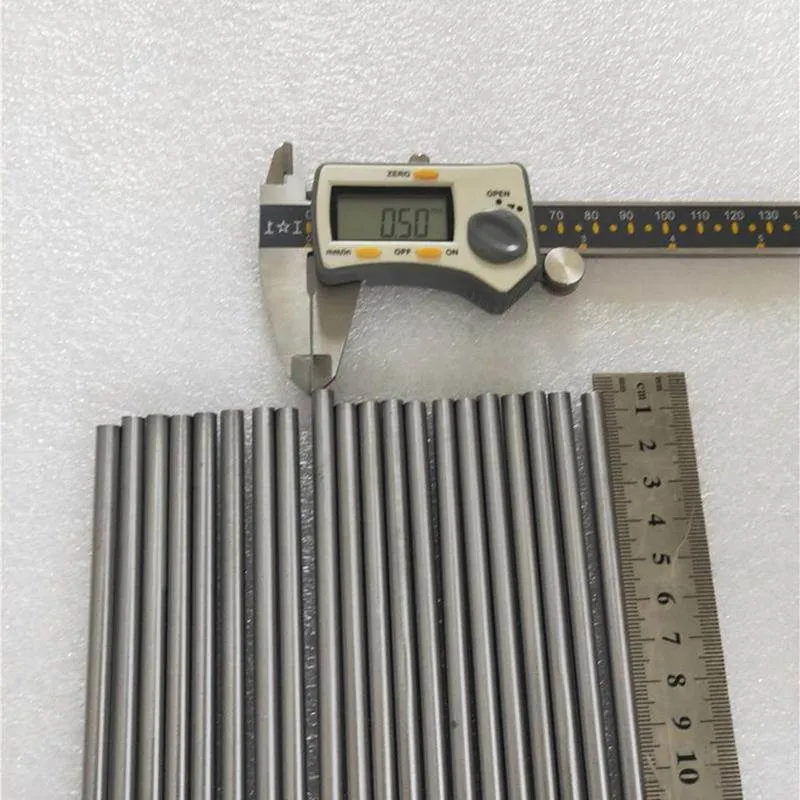
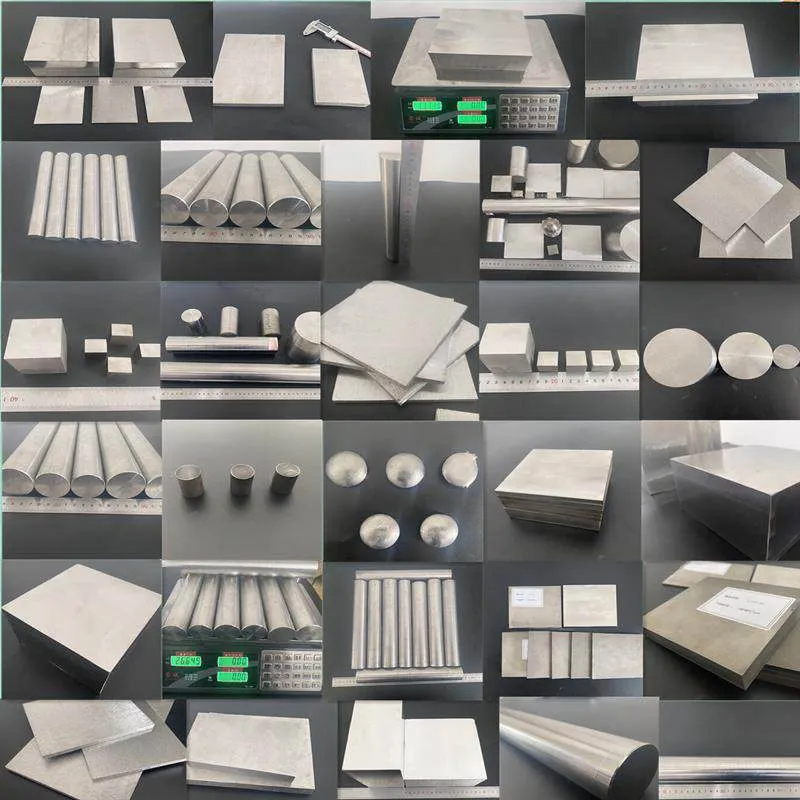
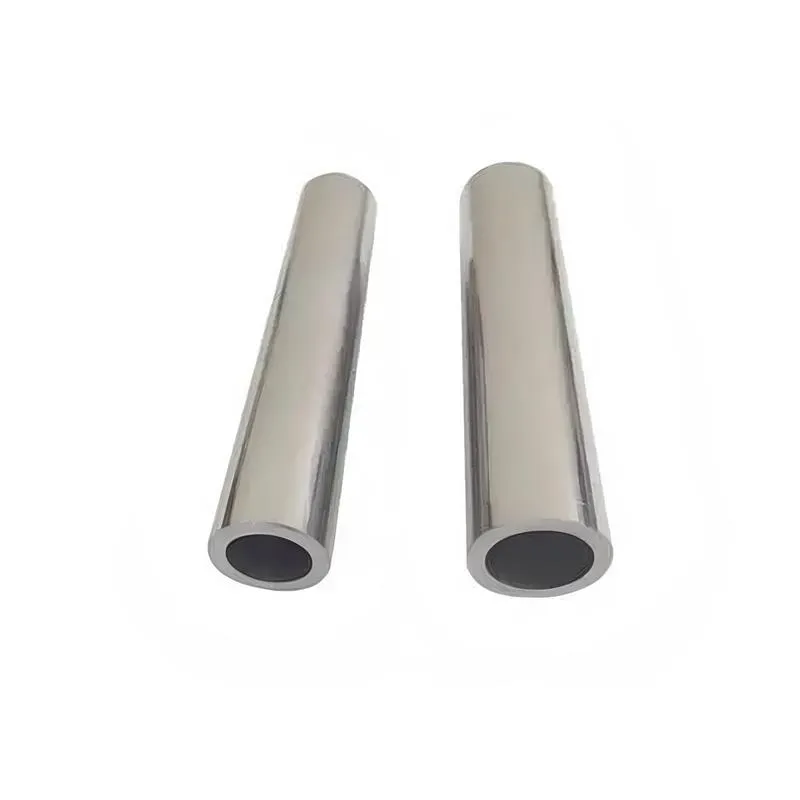
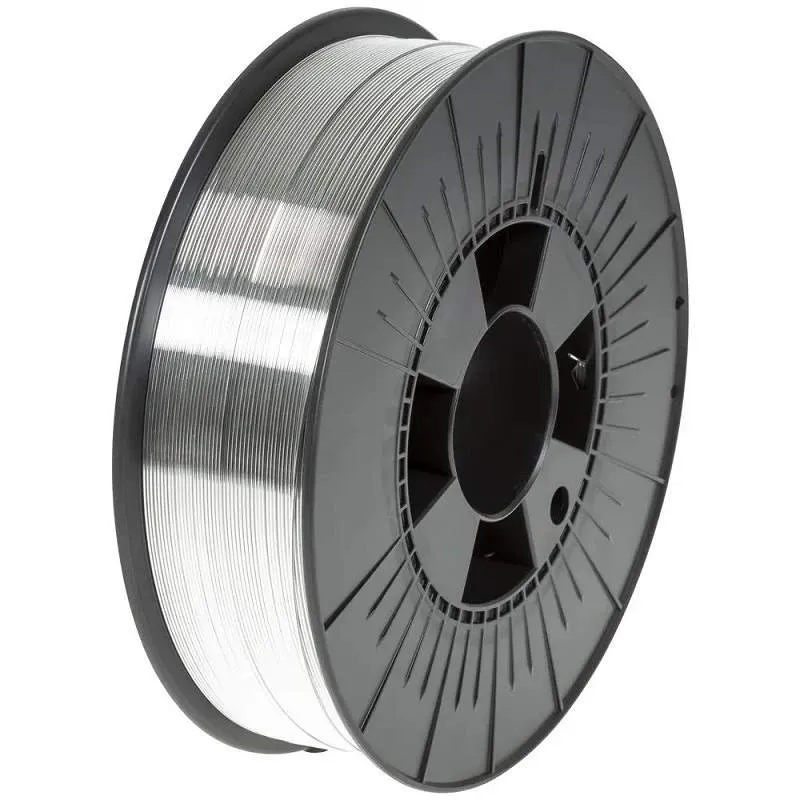
We provide AISI 1513 Steel Capillary Composition Spec (UNS G15130) is available in Bar (Round bar, Flat bar), Ribbon, Wire, Rods, Tube,Seamless Tube,Pipe, Ingots, Plate, Sheet, Strip and Forging Stock.,Purity, chemical composition, size, etc. can all be customized to meet specific requirements.
Please contact us if you need customized services. We will contact you with the price and availability in 24 hours.
AISI 1513 Steel Capillary Composition Spec (UNS G15130) Product Information
-:-
For detailed product information, please contact sales.
-:
AISI 1513 Steel Capillary Composition Spec (UNS G15130) Synonyms
-:-
For detailed product information, please contact sales.
-:
AISI 1513 Steel Composition Spec (UNS G15130) Product Information
-:-
For detailed product information, please contact sales.
-:
### **Product Introduction: AISI 1513 Steel Composition Specification (UNS G15130)**
**Overview**
AISI 1513 (UNS G15130) is a standardized **high-manganese, medium-carbon steel** specified primarily by its chemical composition. As part of the "15xx" series, its defining characteristic is a significantly elevated manganese content (typically 1.10-1.40%), which classifies it as a **manganese alloy steel**. This higher manganese content, combined with a controlled medium-carbon level, provides enhanced hardenability, strength, and wear resistance over plain carbon steels like 1030 or 1045. AISI 1513 is a versatile, general-purpose engineering steel commonly supplied in hot-rolled or cold-drawn conditions, often serving as a cost-effective material for components that require good toughness, forgeability, and a reliable response to heat treatment.
**Key Features & Characteristics**
* **Enhanced Hardenability & Strength:** The elevated manganese content significantly improves the steel's ability to be through-hardened (quenched and tempered), allowing for the development of uniform strength in larger cross-sections than is possible with plain carbon steels.
* **Good Toughness & Wear Resistance:** When properly heat treated, it offers a favorable balance of strength and impact resistance, along with good resistance to abrasion and surface wear.
* **Good Forgeability and Weldability (with precautions):** Suitable for hot forging and can be welded using appropriate procedures (preheat, low-hydrogen electrodes, post-weld heat treatment).
* **Economical Alloy Alternative:** Provides a more cost-effective solution than chromium or nickel-alloy steels for many applications where the primary requirement is improved hardenability and strength over standard carbon steel.
* **General Purpose Application:** Serves as a reliable workhorse steel for a wide range of stressed mechanical components.
---
### **1. Chemical Composition (Standard Conformance)**
| Element | Standard Range (%) | Key Function |
| :--- | :--- | :--- |
| **Carbon (C)** | 0.10 – 0.16 | Provides base strength and hardenability. The lower end of the medium-carbon range ensures good weldability and toughness while allowing for strengthening via heat treatment. |
| **Manganese (Mn)** | 1.10 – 1.40 | **Defining Alloying Element.** Substantially increases hardenability, allowing deeper and more uniform hardening. Also contributes to strength and solid solution strengthening. |
| **Phosphorus (P)** | ≤ 0.040 (max) | Residual element, kept low to maintain good toughness, especially in the transverse direction. |
| **Sulfur (S)** | ≤ 0.050 (max) | Residual element, kept low. **This is not a free-machining grade.** Ensures better ductility and weldability compared to resulfurized steels. |
| **Silicon (Si)** | 0.15 – 0.35 | Acts as a deoxidizer during steelmaking; contributes to strength. |
| **Iron (Fe)** | Balance | Base element. |
**Key International Standard Equivalents:**
* **UNS:** G15130
* **AISI/SAE:** 1513
* **ASTM:** A29 (Standard Specification for Steel Bars, Carbon and Alloy, Hot-Wrought and Cold-Finished)
* **AMS:** May be supplied to relevant AMS specifications for bar stock.
* **DIN (Germany):** ~1.1140 / C15 (but with much lower Mn; no direct equivalent)
* **EN (Europe):** No direct equivalent. Similar in concept to a higher manganese version of a C15 or C16 grade.
* **JIS (Japan):** No direct equivalent.
---
### **2. Typical Physical & Mechanical Properties (Condition Dependent)**
*Properties are highly dependent on the final processing condition (as-rolled, normalized, or heat treated).*
| Property / Condition | Hot-Rolled (As-Rolled) | Normalized | Quenched & Tempered (Example) |
| :--- | :--- | :--- | :--- |
| **Density** | 7.85 g/cm³ | 7.85 g/cm³ | 7.85 g/cm³ |
| **Tensile Strength** | 460 – 600 MPa | 500 – 650 MPa | 850 – 1100 MPa |
| **Yield Strength (0.2% Offset)** | 280 – 400 MPa | 320 – 450 MPa | 700 – 950 MPa |
| **Elongation (in 50mm)** | 22% – 30% | 20% – 28% | 12% – 18% |
| **Brinell Hardness (HB)** | 150 – 190 | 160 – 210 | 300 – 380 (HRC 32-40) |
| **Machinability (As-Rolled/Norm)** | Fair (~60% of 1212) | Fair to Good | Poor |
| **Hardenability** | Medium. Suitable for through-hardening of moderate sections. | | |
---
### **3. Product Applications**
AISI 1513 is selected for components requiring good hardenability, strength, and toughness, often as a more capable alternative to 1018 or 1030.
* **Forged Components:** Crankshafts, connecting rods, lever arms, and other parts where good hot workability and subsequent heat treatment are required.
* **Shafts and Axles:** General-purpose power transmission shafts, axle shafts, and spindles that benefit from through-hardening.
* **Gears and Sprockets:** Medium-duty gears and sprockets that are carburized or through-hardened.
* **High-Strength Fasteners:** Bolts, studs, and pins requiring better core properties than low-carbon steel fasteners.
* **Agricultural and Earth-Moving Equipment:** Pins, bushings, and linkage parts subject to impact and wear.
* **General Machinery Parts:** Any component requiring a combination of good machinability in the soft state, forgeability, and the ability to be heat treated to moderate/high strength levels.
---
### **4. Important Distinctions & Considerations**
* **Not a Free-Machining Steel:** Contains low sulfur. Machinability is lower than 11xx or 12xx series steels. Machining is typically performed in the normalized or annealed condition.
* **Heat Treatment is Common:** This grade is frequently specified with a required heat treatment (e.g., "1513, Q&T to HRC 28-34") for its final application. Normalization is also a common pre-machining condition.
* **Comparison to 10xx Series (e.g., 1030):** AISI 1513 offers significantly better hardenability and strength at similar carbon levels due to its higher manganese. It can achieve higher strength in thicker sections.
* **Comparison to 13xx Series (e.g., 1330):** Has lower carbon and slightly lower manganese than 1330, resulting in lower maximum achievable hardness but better weldability and toughness. 1513 is more akin to a higher-manganese version of 1026 or 1030.
* **Weldability:** Can be welded with proper procedures (preheat, low-hydrogen consumables, post-weld heat treatment for thick sections or high restraint). The carbon content is low enough to minimize cracking risk with proper technique.
* **"H" Grade Availability:** An **AISI 1513H** grade is available for applications requiring guaranteed hardenability bands, providing predictability for critical heat-treated parts.
---
**Disclaimer:** The information provided is for reference based on standard specifications. Actual properties and performance depend on manufacturing process, heat treatment parameters, and final part geometry. For critical applications, always consult the certified material test report and relevant engineering standards.
-:-
For detailed product information, please contact sales.
-:
AISI 1513 Steel Composition Spec (UNS G15130) Specification
Dimensions
Size:
Diameter 20-1000 mm Length <5031 mm
Size:We can customized as required
Standard:
Per your request or drawing
We can customized as required
Properties(Theoretical)
Chemical Composition
-:-
For detailed product information, please contact sales.
-:
AISI 1513 Steel Composition Spec (UNS G15130) Properties
-:-
For detailed product information, please contact sales.
-:
Applications of AISI 1513 Steel Capillary Composition Spec (UNS G15130)
-:-
For detailed product information, please contact sales.
-:
Chemical Identifiers AISI 1513 Steel Capillary Composition Spec (UNS G15130)
-:-
For detailed product information, please contact sales.
-:
Packing of AISI 1513 Steel Capillary Composition Spec (UNS G15130)
-:-
For detailed product information, please contact sales.
-:
Standard Packing:
-:-
For detailed product information, please contact sales.
-:
Typical bulk packaging includes palletized plastic 5 gallon/25 kg. pails, fiber and Steel Capillary drums to 1 ton super sacks in full container (FCL) or truck load (T/L) quantities. Research and sample quantities and hygroscopic, oxidizing or other air sensitive materials may be packaged under argon or vacuum. Solutions are packaged in polypropylene, plastic or glass jars up to palletized 1502 gallon liquid totes Special package is available on request. E FORUs’ is carefully handled to minimize damage during storage and transportation and to preserve the quality of our products in their original condition