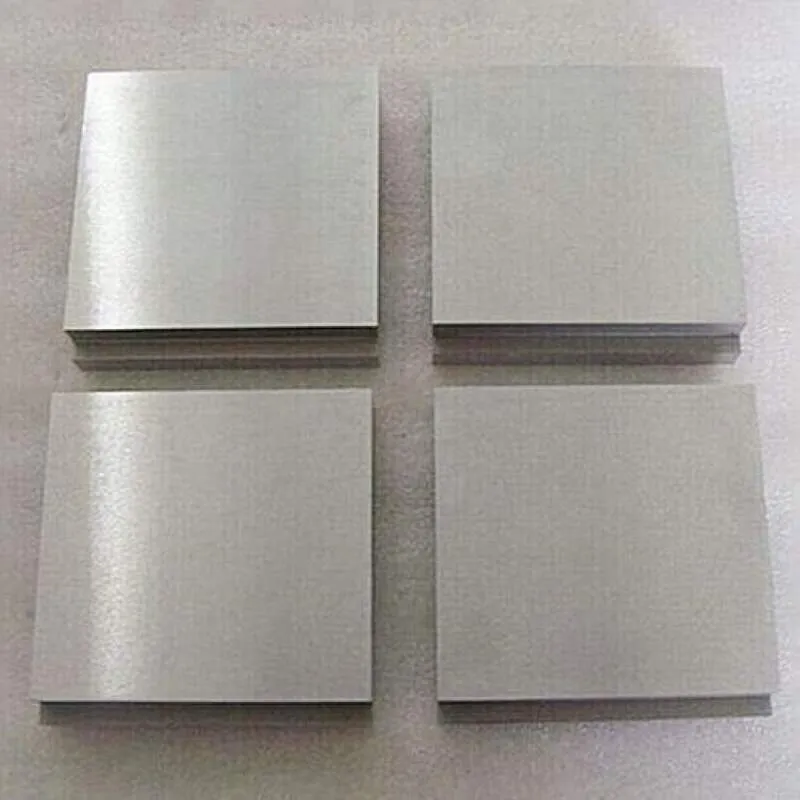
AISI 1551 Steel Rod/Bar,UNS G15510
Product Code : STI-CSTI-317-CU
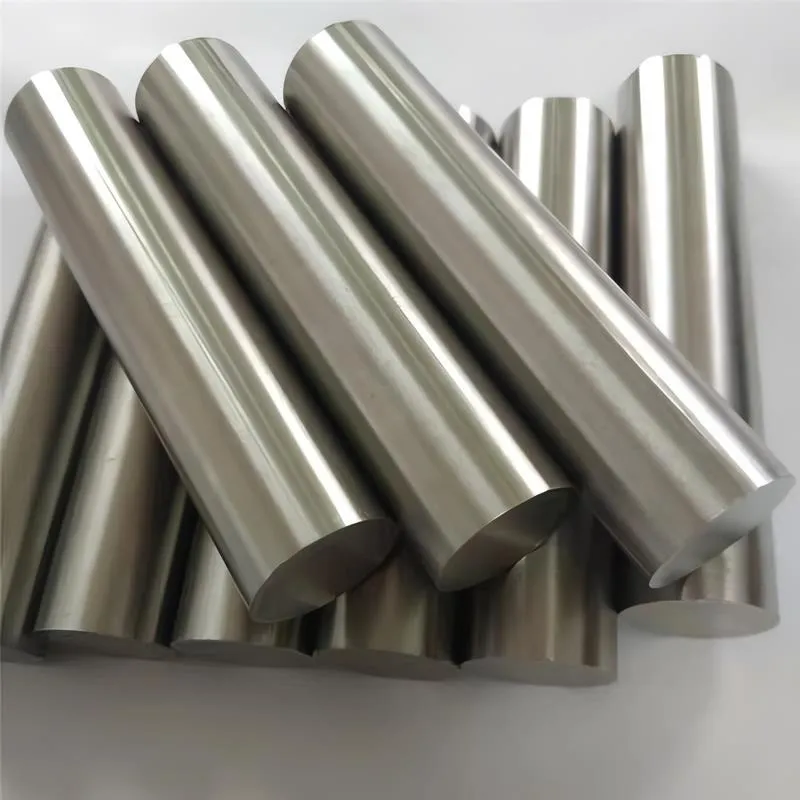
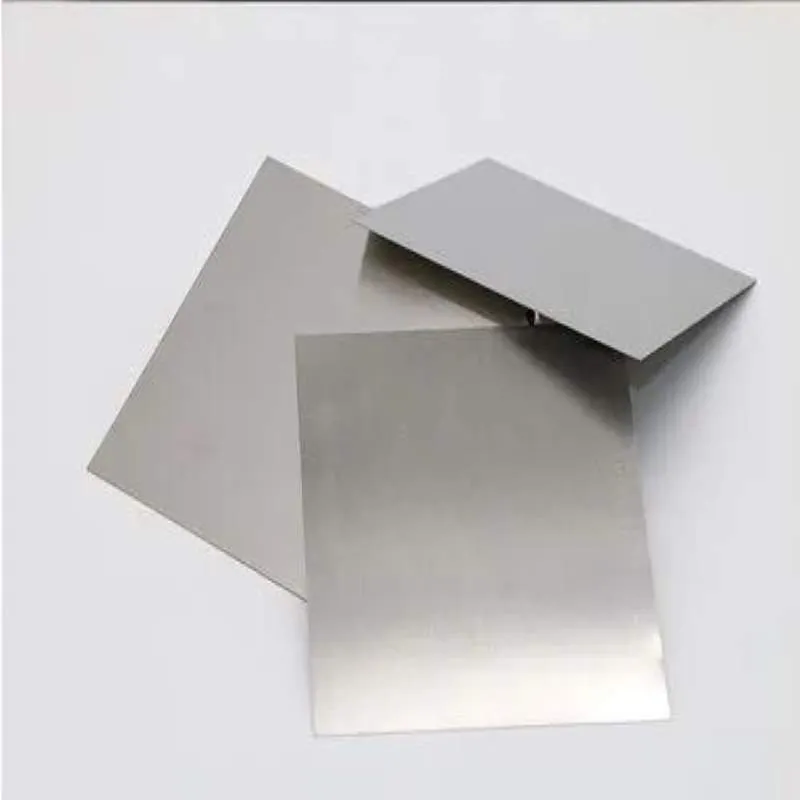
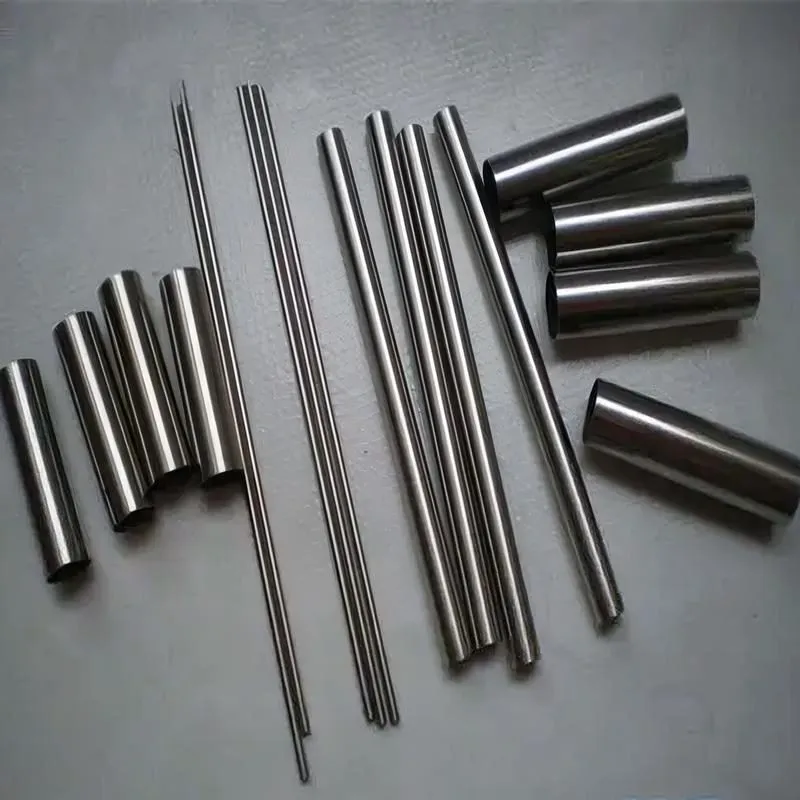
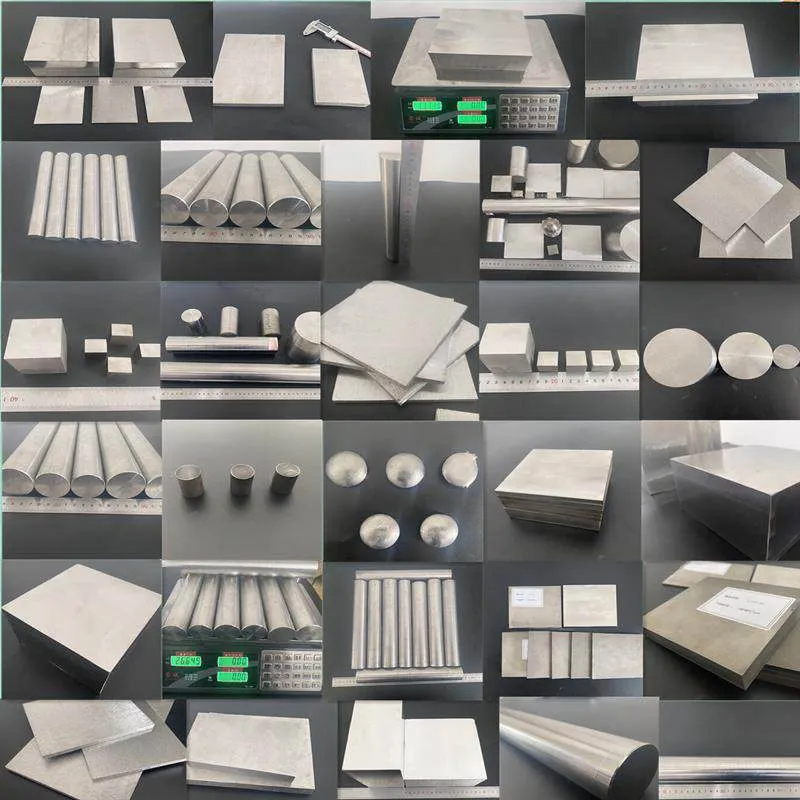
We provide AISI 1551 Steel Rod/Bar Composition Spec (UNS G15510) is available in Bar (Round bar, Flat bar), Ribbon, Wire, Rod/Bars, Tube,Seamless Tube,Pipe, Ingots, Plate, Sheet, Strip and Forging Stock.,Purity, chemical composition, size, etc. can all be customized to meet specific requirements.
Please contact us if you need customized services. We will contact you with the price and availability in 24 hours.
AISI 1551 Steel Rod Composition Spec (UNS G15510) Product Information
-:-
For detailed product information, please contact sales.
-:
AISI 1551 Steel Rod Composition Spec (UNS G15510) Synonyms
-:-
For detailed product information, please contact sales.
-:
AISI 1551 Steel Composition Spec (UNS G15510) Product Information
-:-
For detailed product information, please contact sales.
-:
### **Product Introduction: AISI 1551 Steel Composition Specification (UNS G15510)**
**Overview**
AISI 1551 (UNS G15510) is a standardized **high-carbon, high-manganese alloy steel** defined by its specific chemical composition. As a member of the "15xx" series of **manganese alloy steels**, it is characterized by a significantly elevated manganese content (1.10-1.40%) combined with a high carbon level, positioning it as a grade with excellent hardenability and high strength potential. This composition is engineered to provide superior performance over plain carbon steels of similar carbon content (e.g., 1051, 1055) by enabling deeper and more uniform hardening in substantial cross-sections. It serves as a versatile, cost-effective engineering steel for components demanding high strength, good wear resistance, and reliable response to heat treatment.
**Key Features & Characteristics**
* **Excellent Hardenability & High Strength Potential:** The high manganese content provides deep hardenability, allowing the steel to be effectively through-hardened (quenched and tempered) in larger cross-sections to achieve high tensile and yield strength with good core properties.
* **Good Wear Resistance:** In the properly heat-treated condition, it offers good resistance to abrasion and surface wear, making it suitable for components in sliding or rolling contact under load.
* **Good Toughness Balance:** When properly tempered, it can achieve a favorable balance of strength and impact resistance for many demanding applications, though inherent toughness is lower than lower-carbon alloy steels at equivalent hardness.
* **Good Forgeability:** Suitable for hot forging operations, with manganese aiding high-temperature workability.
* **Economic High-Strength Alternative:** Provides a more economical solution compared to chromium-molybdenum alloy steels (e.g., 4150, 6150) for many applications where ultra-deep hardening is not required, but high strength and hardenability are paramount.
---
### **1. Chemical Composition (Standard Conformance)**
| Element | Standard Range (%) | Key Function |
| :--- | :--- | :--- |
| **Carbon (C)** | 0.45 – 0.56 | **High carbon content.** Primary source of hardness, strength, and wear resistance. Enables the formation of high-carbon martensite upon quenching. |
| **Manganese (Mn)** | 1.10 – 1.40 | **Primary Alloying Element.** Significantly enhances hardenability, allowing for effective through-hardening of substantial sections. Contributes to strength and promotes a fine grain structure. |
| **Phosphorus (P)** | ≤ 0.040 (max) | Residual element, kept very low to maintain toughness. |
| **Sulfur (S)** | ≤ 0.050 (max) | Residual element, kept low. **This is not a free-machining steel.** |
| **Silicon (Si)** | 0.15 – 0.35 | Acts as a deoxidizer; contributes to strength. |
| **Iron (Fe)** | Balance | Base element. |
**Key International Standard Equivalents:**
* **UNS:** G15510
* **AISI/SAE:** 1551
* **ASTM:** A29 (Standard Specification for Steel Bars, Carbon and Alloy, Hot-Wrought and Cold-Finished)
* **ASTM:** A519 (for mechanical tubing)
* **DIN (Germany):** ~1.1213 / C55 (approximate, but with much lower Mn; no direct equivalent)
* **EN (Europe):** No direct equivalent. Similar in concept to a higher-manganese variant of 1.1203 (C55).
* **JIS (Japan):** No direct equivalent; similar to higher-carbon grades like S55C but with higher Mn.
---
### **2. Typical Physical & Mechanical Properties (Condition Dependent)**
*Properties are highly dependent on heat treatment. The as-rolled or normalized condition is for machining; quenching & tempering develops final service properties.*
| Property / Condition | Normalized/Hot-Rolled | Quenched & Tempered (Example) |
| :--- | :--- | :--- |
| **Density** | 7.85 g/cm³ | 7.85 g/cm³ |
| **Tensile Strength** | 650 – 800 MPa | 1050 – 1400+ MPa |
| **Yield Strength (0.2% Offset)** | 400 – 600 MPa | 850 – 1200+ MPa |
| **Elongation (in 50mm)** | 15% – 20% | 8% – 14% |
| **Reduction of Area** | 35% – 50% | 25% – 40% |
| **Brinell Hardness (HB)** | 200 – 250 | 350 – 450 (HRC 38-48) |
| **Machinability (Normalized)** | Poor (~35% of AISI 1212) | Very Poor |
| **Impact Toughness** | Moderate | Fair to Good (highly dependent on tempering temperature) |
| **Hardenability (Jominy)** | High. Suitable for through-hardening sections up to ~50-75mm (2-3 in) with oil quenching. | |
---
### **3. Product Applications**
AISI 1551 is selected for high-stress, wear-resistant components that benefit from its excellent hardenability and high strength.
* **High-Stress Shafts and Axles:** Drive shafts, axle shafts, crankshafts, and heavy-duty transmission shafts that are through-hardened.
* **Forged Components:** Connecting rods, lever arms, yoke arms, and other high-strength forged parts.
* **Wear-Resistant Parts:** Plow shares, scraper blades, bucket teeth, crusher rolls, and other earth-moving/mining components.
* **Gears and Sprockets:** Medium to heavy-duty gears, pinions, and sprockets that are through-hardened for wear resistance.
* **High-Strength Fasteners:** Large bolts, studs, and pins requiring very high tensile strength.
* **Tooling and Die Components:** Parts requiring high hardness and good hardenability, such as certain punches and dies.
---
### **4. Important Distinctions & Considerations**
* **Not a Free-Machining Steel:** Contains low sulfur. Machinability is poor. Machining is typically performed in the normalized or annealed state with robust tooling.
* **Heat Treatment is Standard:** This steel is almost always heat treated (quenched and tempered) to achieve its designed mechanical properties. Normalizing is a common pre-machining treatment.
* **Quenching & Tempering Sensitivity:** Due to its high carbon content, it is more susceptible to quench cracking than lower-carbon grades. **Proper quenchant selection (typically oil), controlled agitation, and immediate tempering are critical.**
* **Weldability:** **Poor.** Not recommended for general fabrication. If welding is unavoidable, it requires extensive preheating (300-400°C / 575-750°F), low-hydrogen electrodes, strict interpass temperature control, and a controlled post-weld heat treatment (PWHT) cycle.
* **Toughness Consideration:** While strong and hard, its toughness (especially impact toughness) is lower than that of alloy steels like 4140 or 4340 at similar hardness levels. It is best suited for applications involving high compressive or abrasive wear.
* **Comparison to 1050/1055:** Offers vastly superior hardenability and strength, allowing larger sections to be effectively heat treated.
* **Comparison to 1547/1548:** Has slightly lower manganese than 1547/1548 but a similar or slightly higher carbon range. Hardenability is slightly lower but still very high. Often interchangeable with 1547/1548 for many applications.
* **"H" Grade Availability:** **AISI 1551H** is available for applications requiring guaranteed hardenability bands (per SAE J1268), providing predictable heat treatment response for critical components.
---
**Disclaimer:** The information provided is based on standard industry specifications for reference. Actual properties and performance depend on specific manufacturing methods, heat treatment cycles, section size, and final part geometry. This is a high-performance steel requiring expertise in heat treatment. For engineering applications, always consult the certified material test report (CMTR) and relevant application standards.
-:-
For detailed product information, please contact sales.
-:
AISI 1551 Steel Composition Spec (UNS G15510) Specification
Dimensions
Size:
Diameter 20-1000 mm Length <5049 mm
Size:We can customized as required
Standard:
Per your request or drawing
We can customized as required
Properties(Theoretical)
Chemical Composition
-:-
For detailed product information, please contact sales.
-:
AISI 1551 Steel Composition Spec (UNS G15510) Properties
-:-
For detailed product information, please contact sales.
-:
Applications of AISI 1551 Steel Rod Composition Spec (UNS G15510)
-:-
For detailed product information, please contact sales.
-:
Chemical Identifiers AISI 1551 Steel Rod Composition Spec (UNS G15510)
-:-
For detailed product information, please contact sales.
-:
Packing of AISI 1551 Steel Rod Composition Spec (UNS G15510)
-:-
For detailed product information, please contact sales.
-:
Standard Packing:
-:-
For detailed product information, please contact sales.
-:
Typical bulk packaging includes palletized plastic 5 gallon/25 kg. pails, fiber and Steel Rod drums to 1 ton super sacks in full container (FCL) or truck load (T/L) quantities. Research and sample quantities and hygroscopic, oxidizing or other air sensitive materials may be packaged under argon or vacuum. Solutions are packaged in polypropylene, plastic or glass jars up to palletized 1520 gallon liquid totes Special package is available on request. E FORUs’ is carefully handled to minimize damage during storage and transportation and to preserve the quality of our products in their original condition