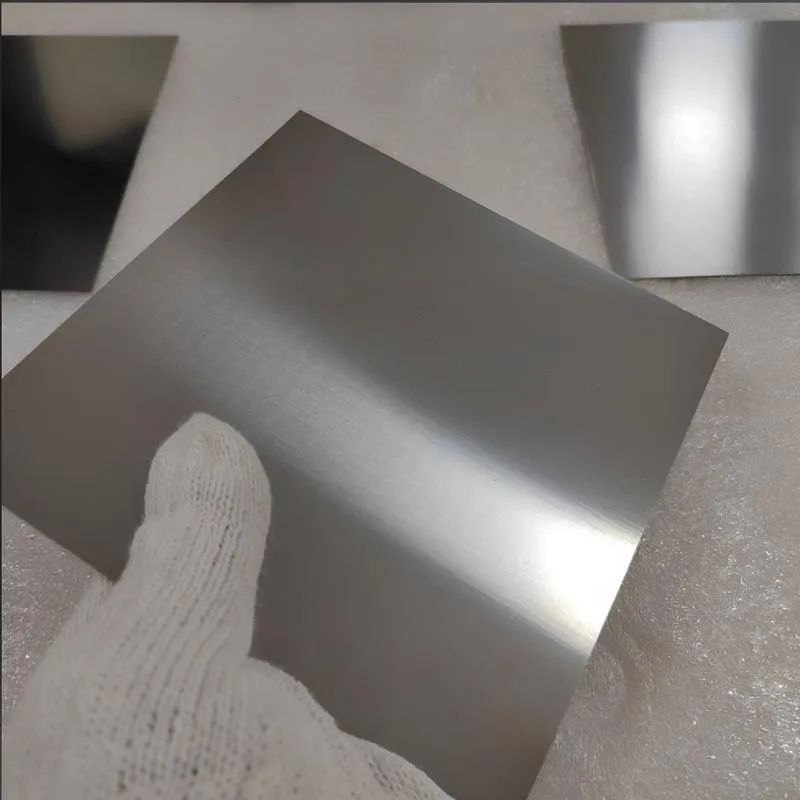
AISI 4023 Steel Rod/Bar
Product Code : STI-CSTI-823-CU
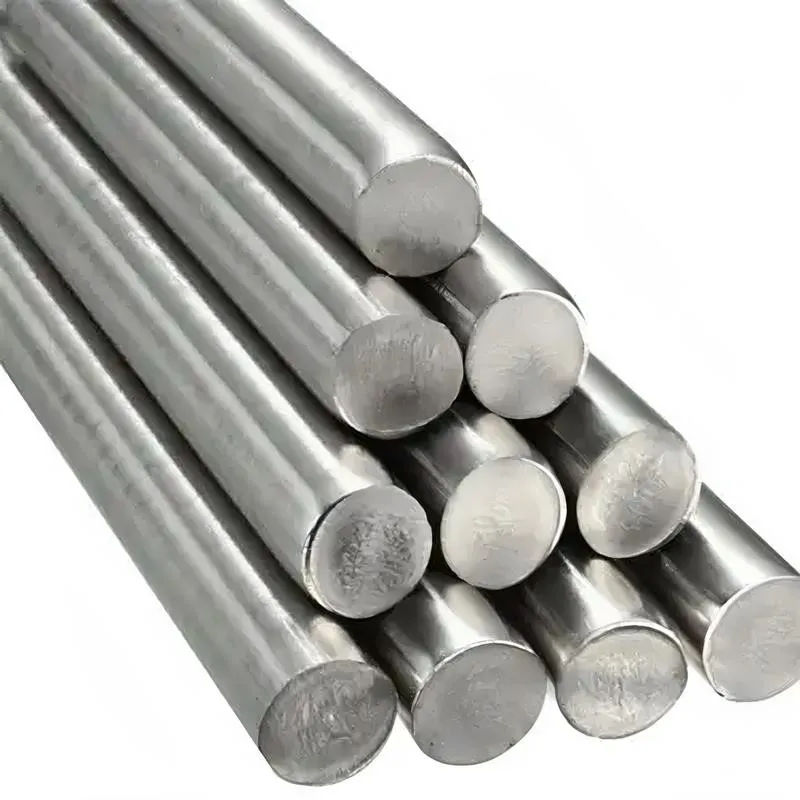
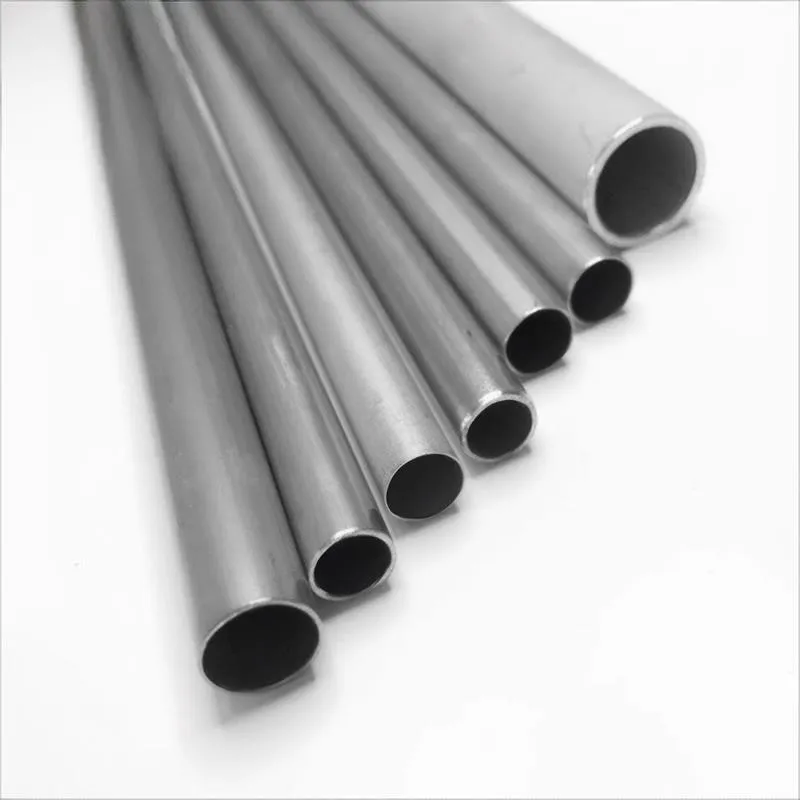
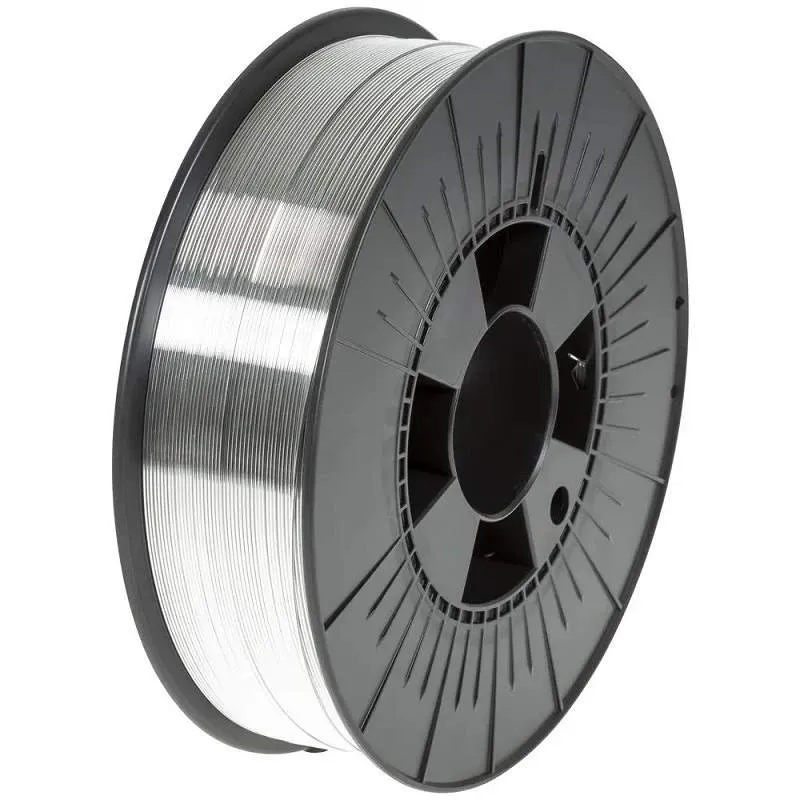
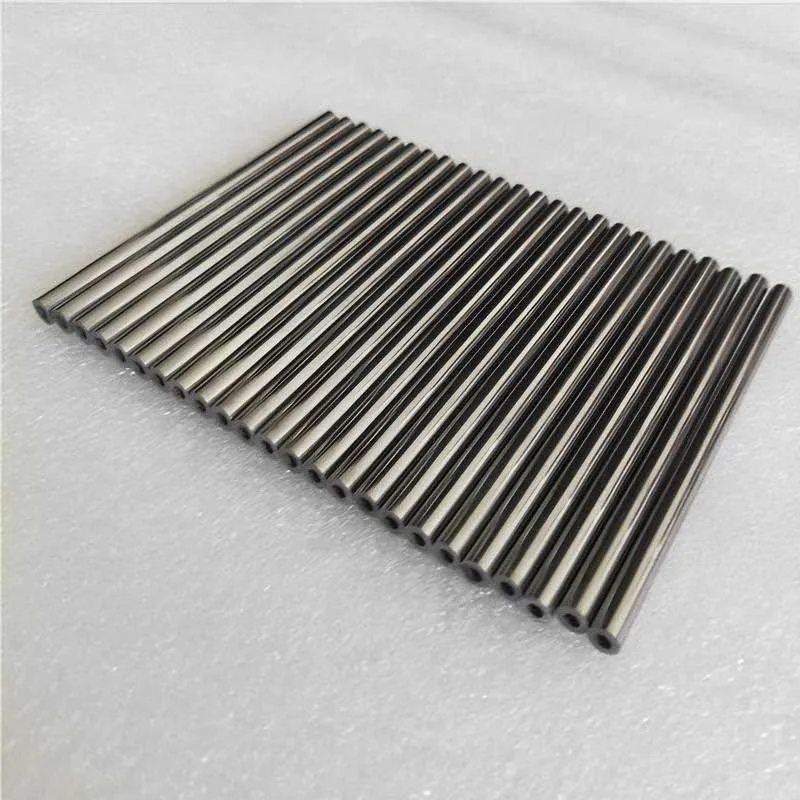
We provide AISI 4023 Steel Rod/Bar is available in Bar (Round bar, Flat bar), Ribbon, Wire, Rod/Bars, Tube,Seamless Tube,Pipe, Ingots, Plate, Sheet, Strip and Forging Stock.,Purity, chemical composition, size, etc. can all be customized to meet specific requirements.
Please contact us if you need customized services. We will contact you with the price and availability in 24 hours.
AISI 4023 Steel Rod Product Information
-:-
For detailed product information, please contact sales.
-:
AISI 4023 Steel Rod Synonyms
-:-
For detailed product information, please contact sales.
-:
AISI 4023 Steel Product Information
-:-
For detailed product information, please contact sales.
-:
# **Technical Data Sheet: AISI 4023 Alloy Steel**
## **1. MATERIAL OVERVIEW**
**AISI 4023** is a **molybdenum alloy steel** belonging to the 4000 series of alloy steels. This medium-carbon grade provides enhanced hardenability and strength characteristics compared to plain carbon steels, making it suitable for components requiring good wear resistance and moderate toughness. The combination of molybdenum with carefully controlled manganese content offers a cost-effective alternative to more highly alloyed steels for many applications, particularly in automotive and general engineering sectors where reliable performance and reasonable cost are both important considerations.
## **2. INTERNATIONAL STANDARD DESIGNATIONS**
| Standard System | Designation | Equivalent Standard | Notes |
|----------------|-------------|---------------------|-------|
| **UNS** | **G40230** | Unified Numbering System | Primary designation |
| **AISI/SAE** | **4023** | SAE J404, J412 | Standard SAE grade |
| **ASTM** | **A29/A29M** | Grade 4023 | Bar specification |
| **ASTM A519** | **4023** | Seamless Mechanical Tubing | Tubular products |
| **EN (Europe)** | **25Mo4** (Closest) | EN 10083-3 | European equivalent |
| **DIN (Germany)** | **25Mo4** | DIN 17200 | German standard |
| **JIS (Japan)** | **SCM420** (Similar) | JIS G4105 | Japanese chromium-molybdenum steel |
| **ISO** | **Type 25Mo4** | ISO 683-11 | International standard |
| **GB (China)** | **20Mo** | GB/T 3077 | Chinese equivalent |
## **3. CHEMICAL COMPOSITION SPECIFICATION**
### **Standard Composition Ranges (SAE J404)**
| Element | Minimum (%) | Maximum (%) | Typical (%) | Metallurgical Function |
|---------|-------------|-------------|-------------|------------------------|
| **Carbon (C)** | 0.20 | 0.25 | 0.23 | Primary strengthening element |
| **Manganese (Mn)** | 0.70 | 0.90 | 0.80 | Enhances hardenability, strength |
| **Phosphorus (P)** | - | 0.035 | 0.020 | Residual impurity (controlled) |
| **Sulfur (S)** | - | 0.040 | 0.025 | Residual impurity (controlled) |
| **Silicon (Si)** | 0.15 | 0.35 | 0.25 | Deoxidizer, solid solution strengthening |
| **Molybdenum (Mo)** | 0.20 | 0.30 | 0.25 | Primary alloying element, improves hardenability and tempering resistance |
| **Iron (Fe)** | Balance | Balance | Balance | Base metal |
### **Key Composition Characteristics**
- **Carbon Equivalent (CE)**: Approximately 0.40-0.45% (CE = C + Mn/6 + (Cr+Mo+V)/5)
- **Alloy Content**: Moderate molybdenum provides economical hardenability enhancement
- **Manganese-Molybdenum Synergy**: Balanced combination for cost-effective properties
- **Deoxidation**: Typically silicon-killed with possible aluminum treatment
- **Hardenability**: Medium level suitable for sections up to approximately 50mm diameter
## **4. PHYSICAL PROPERTIES**
| Property | Value Range | Typical | Unit | Conditions/Notes |
|----------|-------------|---------|------|------------------|
| **Density** | 7.84-7.86 | 7.85 | g/cm³ | At 20°C |
| **Melting Point** | 1500-1525 | 1515 | °C | Liquidus temperature |
| **Modulus of Elasticity** | 200-205 | 202 | GPa | 29,300 ksi |
| **Shear Modulus** | 78-82 | 80 | GPa | 11,600 ksi |
| **Poisson's Ratio** | 0.285-0.295 | 0.29 | - | Typical for steel |
| **Thermal Conductivity** | 47-50 | 48.5 | W/m·K | At 20°C |
| **Coefficient of Thermal Expansion** | 11.5-12.0 | 11.8 | μm/m·°C | 20-200°C range |
| **Specific Heat Capacity** | 470-485 | 475 | J/kg·K | At 20°C |
| **Electrical Resistivity** | 0.21-0.25 | 0.23 | μΩ·m | At 20°C |
| **Magnetic Properties** | Ferromagnetic | - | - | Below Curie point |
## **5. MECHANICAL PROPERTIES**
### **As-Hot Rolled Condition**
| Property | Minimum | Typical | Maximum | Unit |
|----------|---------|---------|---------|------|
| **Tensile Strength** | 580 | 630 | 680 | MPa |
| **Yield Strength (Rp0.2)** | 400 | 450 | 500 | MPa |
| **Elongation (A50mm)** | 20 | 23 | 26 | % |
| **Reduction of Area** | 45 | 50 | 55 | % |
| **Brinell Hardness** | 170 | 185 | 200 | HB |
| **Impact Energy (Charpy V)** | 40 | 55 | 70 | J @ 20°C |
### **Normalized Condition (900°C, air cooled)**
| Property | Value Range | Unit |
|----------|-------------|------|
| **Tensile Strength** | 600-680 | MPa |
| **Yield Strength** | 420-500 | MPa |
| **Elongation** | 21-25 | % |
| **Hardness** | 175-195 | HB |
### **Annealed Condition (Furnace cooled from 860°C)**
| Property | Value Range | Unit |
|----------|-------------|------|
| **Tensile Strength** | 540-610 | MPa |
| **Yield Strength** | 380-450 | MPa |
| **Elongation** | 23-27 | % |
| **Hardness** | 160-180 | HB |
### **Quenched & Tempered Properties**
| Tempering Temperature | Tensile Strength | Yield Strength | Hardness | Elongation |
|----------------------|-----------------|---------------|----------|------------|
| **205°C (400°F)** | 1050-1200 MPa | 900-1050 MPa | 32-36 HRC | 12-15% |
| **425°C (800°F)** | 850-1000 MPa | 700-850 MPa | 26-30 HRC | 15-18% |
| **540°C (1000°F)** | 700-850 MPa | 580-700 MPa | 22-26 HRC | 18-22% |
## **6. HEAT TREATMENT CHARACTERISTICS**
### **Critical Transformation Temperatures**
| Phase Transformation | Temperature Range | Typical |
|----------------------|------------------|---------|
| **Ac1 (Heating)** | 725-740°C | 732°C |
| **Ac3 (Heating)** | 820-845°C | 833°C |
| **Ar1 (Cooling)** | 670-690°C | 680°C |
| **Ar3 (Cooling)** | 760-785°C | 772°C |
### **Recommended Heat Treatment Cycles**
1. **Full Annealing**
- Temperature: 830-870°C (1525-1600°F)
- Soaking time: 1 hour per inch of thickness
- Cooling: Furnace cool to 600°C, then air cool
- Resulting hardness: 160-180 HB
2. **Normalizing**
- Temperature: 870-920°C (1600-1685°F)
- Soaking: 30 min per inch minimum
- Cooling: Still air
- Resulting hardness: 175-195 HB
3. **Hardening**
- Austenitizing: 830-860°C (1525-1580°F)
- Quenching medium: Oil (water for very thin sections <10mm)
- Agitation: Moderate
- As-quenched hardness: 45-50 HRC
4. **Tempering**
- Temperature range: 150-650°C (300-1200°F)
- Time: 1-2 hours per inch of thickness
- Cooling: Air cool (water quench from >375°C to avoid temper embrittlement)
### **Hardenability Data (Jominy End-Quench Test)**
| Distance from Quenched End (1/16") | Hardness Range (HRC) | Typical (HRC) |
|------------------------------------|----------------------|---------------|
| 1 | 42-47 | 45 |
| 2 | 40-45 | 43 |
| 4 | 34-39 | 36 |
| 8 | 28-33 | 30 |
| 12 | 24-28 | 26 |
| 16 | 21-25 | 23 |
| 20 | 19-23 | 21 |
| 24 | 18-22 | 20 |
**Ideal Quenching Diameter**: Approximately 30-50mm (1.2-2.0") for oil quenching to achieve 50% martensite at center
## **7. MANUFACTURING & PROCESSING PROPERTIES**
### **Machinability**
- **Machinability Rating**: 55% of B1112 steel (annealed condition)
- **Relative Machinability Index**: 0.60 (compared to 1.0 for 1212)
- **Tool Life**: Moderate with proper tool geometry and coolant
**Recommended Machining Parameters (Annealed Condition):**
- Cutting speed: 25-40 m/min (HSS tools)
- Feed rate: 0.15-0.25 mm/rev
- Depth of cut: Up to 3.5 mm for roughing
- Tool materials: Carbide (C2-C6 grades) or coated carbide
- Coolant: Soluble oil or sulfurized cutting oil
### **Forming & Fabrication**
| Process | Suitability | Recommended Conditions |
|---------|-------------|------------------------|
| **Cold Forming** | Fair | Annealed condition preferred |
| **Hot Forming** | Excellent | Temperature range: 1150-850°C |
| **Forging** | Very Good | Start: 1200°C, Finish: 850°C minimum |
| **Bending** | Good | Minimum bend radius: 2t (t=thickness) |
| **Stamping** | Fair | May require annealing between stages |
### **Welding Characteristics**
- **Weldability Rating**: Fair (with proper precautions)
- **Carbon Equivalent (IIW)**: 0.45-0.50% (CE = C + Mn/6)
- **Preheat Requirement**: 150-200°C for thickness >15mm
- **Interpass Temperature**: 150-250°C
- **Post-Weld Heat Treatment**: Recommended for thickness >25mm
**Recommended Welding Procedures:**
1. **Processes**: SMAW (Shielded Metal Arc), GMAW (MIG), GTAW (TIG)
2. **Electrodes/Filler**: E7018, E8018-C3 (low hydrogen types)
3. **Post-Weld Heat Treatment**: Stress relieve at 590-650°C for 1 hr/inch
4. **Precautions**: Avoid rapid cooling, control heat input
## **8. PRIMARY APPLICATIONS**
### **Automotive Components**
- **Transmission gears**: Synchronizers, shift forks
- **Shafts and axles**: Drive shafts, half-shafts (medium duty)
- **Steering components**: Tie rods, linkage parts
- **Suspension parts**: Control arms, bushings
- **Fasteners**: High-strength bolts, studs
- **Engine components**: Camshafts, crankshafts (medium duty)
### **Industrial Machinery**
- **Gears and pinions**: Industrial gearbox components
- **Shafts and spindles**: Machine tool components
- **Agricultural equipment**: Implement parts, drive components
- **Mining equipment**: Moderate-duty components
- **Material handling**: Conveyor rollers, shafts
- **Pump components**: Shafts, impellers (non-corrosive service)
### **General Engineering**
- **Bolts and fasteners**: Grade 8.8 and higher equivalents
- **Brackets and supports**: Structural components
- **Machine parts**: Various mechanical components
- **Tooling components**: Jigs, fixtures, dies (moderate wear)
- **Valve components**: Stems, bodies (moderate pressure/temperature)
### **Construction Equipment**
- **Excavator components**: Pins, bushings (medium duty)
- **Crane parts**: Moderate-stress components
- **Earth-moving equipment**: Wear parts, linkages
- **Heavy equipment**: Various mechanical components
## **9. COMPARATIVE ANALYSIS**
### **Comparison with Similar Grades**
| Grade | C Range (%) | Mo Range (%) | Key Differences | Best For |
|-------|-------------|--------------|-----------------|----------|
| **AISI 4023** | 0.20-0.25 | 0.20-0.30 | Balanced medium carbon Mo steel | General engineering |
| **AISI 4027** | 0.25-0.30 | 0.20-0.30 | Higher carbon, more strength | Higher strength applications |
| **AISI 4037** | 0.35-0.40 | 0.20-0.30 | Medium-high carbon | Balance of strength/toughness |
| **AISI 4047** | 0.45-0.50 | 0.20-0.30 | High carbon | Maximum wear resistance |
| **AISI 4140** | 0.38-0.43 | 0.15-0.25 | Chromium addition | Better hardenability, higher strength |
### **Advantages of AISI 4023**
1. **Good Strength**: Higher carbon provides better as-rolled and heat-treated strength
2. **Cost-Effective**: More economical than chromium-molybdenum steels
3. **Good Hardenability**: Suitable for moderate section sizes
4. **Machinability**: Reasonable in annealed condition
5. **Versatility**: Suitable for various heat treatments and applications
### **Limitations & Considerations**
1. **Moderate Toughness**: Lower than lower-carbon alloy steels
2. **Hardenability Limits**: Maximum effective hardening diameter ~50mm
3. **Weldability**: Requires precautions compared to lower carbon steels
4. **Corrosion Resistance**: Similar to carbon steels (requires protection)
5. **Fatigue Resistance**: Moderate compared to premium alloys
## **10. QUALITY STANDARDS & TESTING**
### **Applicable Standards**
- **Chemical Analysis**: ASTM A751, SAE J408
- **Tensile Testing**: ASTM A370, ISO 6892-1
- **Hardness Testing**: ASTM E10 (Brinell), E18 (Rockwell)
- **Impact Testing**: ASTM E23 (Charpy V-notch) - when specified
- **Microstructural Examination**: ASTM E112 (Grain size), E45 (Inclusions)
### **Standard Testing Requirements**
- Chemical composition per heat
- Tensile properties per lot (as-rolled or heat treated)
- Hardness testing (as required)
- Dimensional verification
- Surface quality inspection
### **Certification & Documentation**
- **Mill Test Certificate**: EN 10204 3.1 or 3.2 available
- **Heat number traceability**: Standard practice
- **Processing history**: As specified
- **Special test reports**: Available for additional requirements
## **11. ENVIRONMENTAL & SAFETY INFORMATION**
- **Material Classification**: Non-hazardous alloy steel
- **Recyclability**: 100% recyclable as ferrous scrap
- **Environmental Compliance**: RoHS and REACH compliant
- **Machining Safety**: Standard machine shop practices
- **Heat Treatment Safety**: Proper ventilation for quenching oils
- **Welding Safety**: Adequate fume extraction required
- **Disposal**: Non-hazardous industrial waste
## **12. AVAILABLE PRODUCT FORMS & SIZES**
### **Standard Product Forms**
- **Round Bars**: 5-250mm diameter (hot-rolled, cold-drawn)
- **Flat Bars**: 3-150mm thick, up to 600mm wide
- **Square Bars**: 10-150mm
- **Hexagonal Bars**: 10-100mm across flats
- **Wire/Rod**: 1-12mm diameter
- **Plates/Sheets**: 1-50mm thickness
- **Seamless Tubing**: ASTM A519 specification
- **Forging Stock**: Various sizes
### **Surface Conditions Available**
- Hot-rolled black
- Cold-drawn bright
- Turned and polished
- Centerless ground
- Peeled and polished
## **13. DESIGN & SELECTION CONSIDERATIONS**
### **When to Select AISI 4023**
1. **Medium Strength Requirements**: 600-1000 MPa tensile strength needed
2. **Wear Resistance Needed**: Components subject to surface wear
3. **Heat Treatment Planned**: Components to be hardened and tempered
4. **Cost Considerations**: Where premium alloys are not justified
5. **General Engineering**: Non-critical but demanding mechanical parts
### **Design Recommendations**
1. **Section Size**: Consider hardenability limitations (~50mm maximum for full hardening)
2. **Heat Treatment**: Specify clearly on drawings (condition, hardness)
3. **Stress Concentrations**: Use adequate fillet radii (minimum 1.5mm)
4. **Surface Finish**: Specify based on application requirements
5. **Corrosion Protection**: Specify coating/system if needed for exposed applications
### **Alternative Materials to Consider**
- **For higher strength**: AISI 4037, 4047, or 4140
- **For better toughness**: AISI 4027 or lower carbon alloy steels
- **For better hardenability**: AISI 4140 or 4340
- **For lower cost**: SAE 1045 (if hardenability not critical)
- **For better corrosion resistance**: Stainless steels or coated steels
## **14. TECHNICAL NOTES & BEST PRACTICES**
### **Heat Treatment Best Practices**
1. Use controlled atmosphere furnaces to prevent decarburization
2. For oil quenching, maintain oil temperature at 40-80°C
3. Temper immediately after quenching (within 2-4 hours)
4. Consider stress relieving after heavy machining for complex parts
5. For maximum toughness, use higher tempering temperatures (425-540°C)
### **Machining Recommendations**
1. Machine in annealed condition when possible (160-180 HB)
2. Use sharp tools with positive rake angles
3. Employ adequate coolant flow for chip removal and cooling
4. For hardened material, use carbide or ceramic tools
5. Consider stress relieving after heavy machining operations
### **Quality Control Tips**
1. Verify material certification matches specification
2. Conduct hardness tests on heat-treated lots
3. For critical applications, perform microstructural examination
4. Maintain proper heat treatment records
5. Implement statistical process control for high-volume production
## **15. ECONOMIC CONSIDERATIONS**
### **Cost Factors**
- **Material Cost**: Moderate (higher than carbon steels, lower than Cr-Mo steels)
- **Processing Cost**: Standard heat treatment costs apply
- **Machining Cost**: Moderate machinability affects machining costs
- **Tooling Cost**: Standard tooling suitable
### **Value Proposition**
AISI 4023 offers the best value when:
1. Medium strength (600-1000 MPa) is required
2. Heat treatment is beneficial for wear resistance
3. Component size is within hardenability limits
4. Cost must be controlled while maintaining alloy steel benefits
5. Good balance of strength and toughness needed
### **Market Availability**
- **Lead Time**: 2-8 weeks for standard forms
- **Minimum Orders**: Varies by form and size
- **Global Supply**: Widely available from multiple producers
- **Price Stability**: Generally follows steel market trends
---
**Technical Summary**:
AISI 4023 represents a practical, medium-carbon molybdenum alloy steel offering a good balance of strength, hardenability, and cost-effectiveness. Its primary advantages lie in providing better performance than plain carbon steels without the premium cost of chromium-molybdenum grades. This steel finds optimal application in components requiring moderate strength, good wear resistance, and reliable performance under typical engineering conditions.
**Key Advantages**:
1. Cost-effective alloy steel with molybdenum benefits
2. Good strength and wear resistance after heat treatment
3. Better hardenability than equivalent carbon steels
4. Reasonable machinability in annealed condition
5. Suitable for various heat treatment processes
**Limitations**:
1. Moderate toughness compared to lower carbon alloys
2. Limited hardenability for very thick sections
3. Standard corrosion resistance (requires protection)
4. Not suitable for extreme service conditions
**Disclaimer**: The information provided is based on standard specifications and typical material behavior. Actual properties may vary depending on manufacturing processes, heat treatment parameters, section size, and specific application conditions. Always consult certified material test reports for critical applications and conduct appropriate validation testing. The manufacturer/supplier should be consulted for specific grade availability and processing recommendations.
**References**:
- SAE J404: Chemical Compositions of SAE Alloy Steels
- ASTM A29/A29M: Standard Specification for Steel Bars, Carbon and Alloy
- ASTM A519: Standard Specification for Seamless Carbon and Alloy Steel Mechanical Tubing
- ISO 683-11: Heat-treatable steels, alloy steels and free-cutting steels
**Document Control**:
- Version: 1.2
- Issue Date: October 2023
- Supersedes: All previous versions
- Review Cycle: Annual review recommended
-:-
For detailed product information, please contact sales.
-:
AISI 4023 Steel Specification
Dimensions
Size:
Diameter 20-1000 mm Length <5555 mm
Size:We can customized as required
Standard:
Per your request or drawing
We can customized as required
Properties(Theoretical)
Chemical Composition
-:-
For detailed product information, please contact sales.
-:
AISI 4023 Steel Properties
-:-
For detailed product information, please contact sales.
-:
Applications of AISI 4023 Steel Rod
-:-
For detailed product information, please contact sales.
-:
Chemical Identifiers AISI 4023 Steel Rod
-:-
For detailed product information, please contact sales.
-:
Packing of AISI 4023 Steel Rod
-:-
For detailed product information, please contact sales.
-:
Standard Packing:
-:-
For detailed product information, please contact sales.
-:
Typical bulk packaging includes palletized plastic 5 gallon/25 kg. pails, fiber and Steel Rod drums to 1 ton super sacks in full container (FCL) or truck load (T/L) quantities. Research and sample quantities and hygroscopic, oxidizing or other air sensitive materials may be packaged under argon or vacuum. Solutions are packaged in polypropylene, plastic or glass jars up to palletized 2026 gallon liquid totes Special package is available on request. E FORUs’ is carefully handled to minimize damage during storage and transportation and to preserve the quality of our products in their original condition