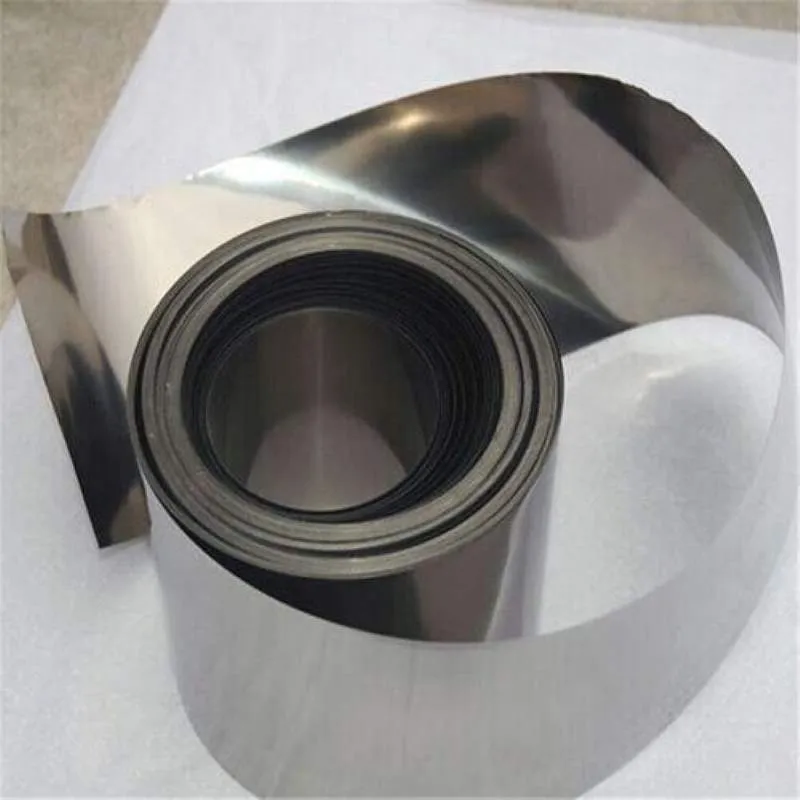
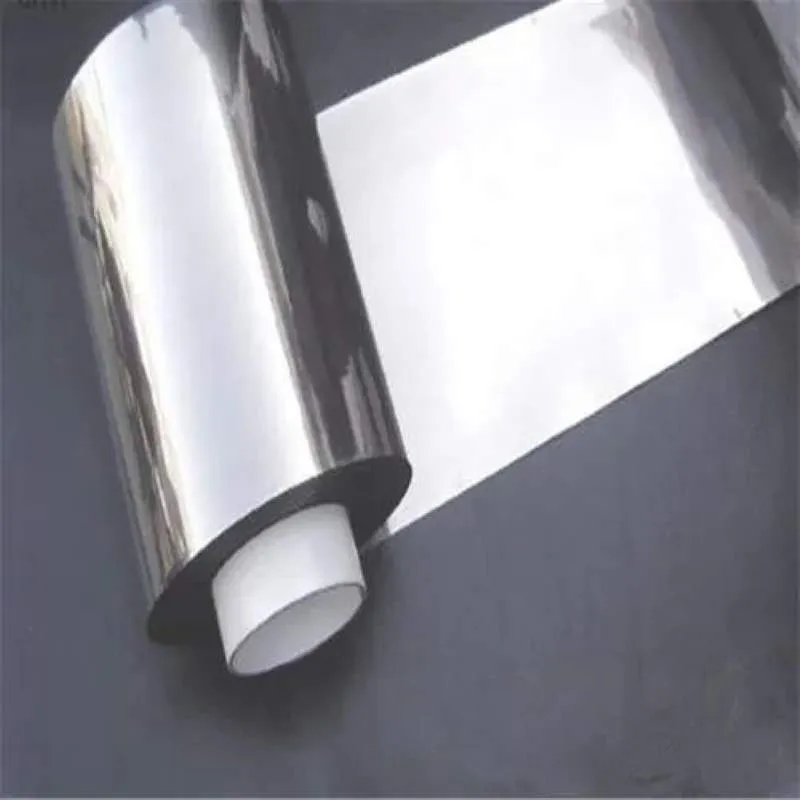
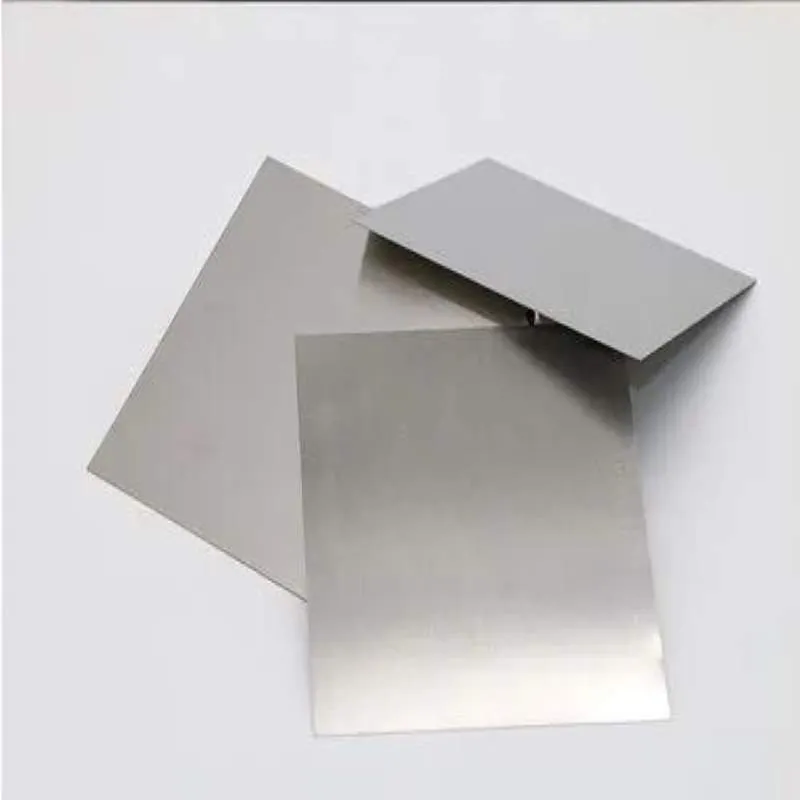
AISI 4037 Steel Foil/Strip
Product Code : STI-CSTI-1455-CU
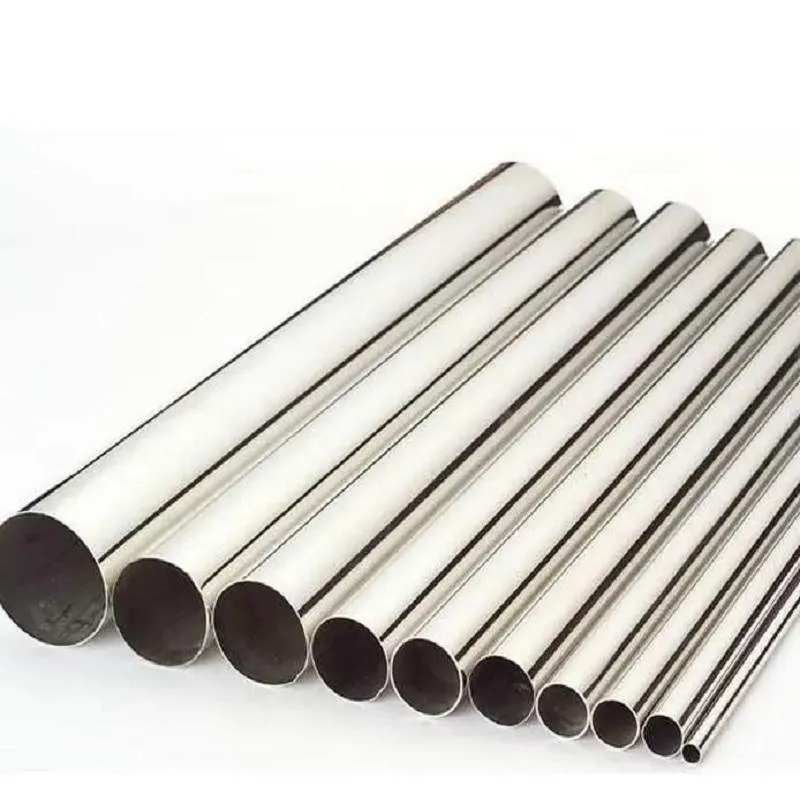
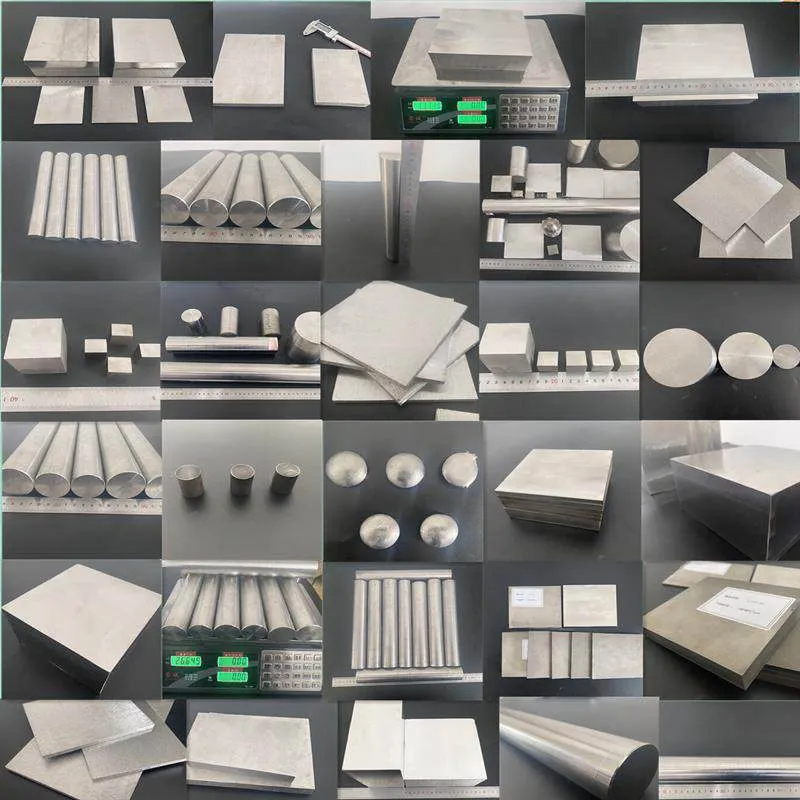
We provide AISI 4037 Steel Foil/Strip is available in Bar (Round bar, Flat bar), Ribbon, Wire, Rods, Tube,Seamless Tube,Pipe, Ingots, Plate, Sheet, Strip and Forging Stock.,Purity, chemical composition, size, etc. can all be customized to meet specific requirements.
AISI 4037 Steel Foil Product Information
-:-
For detailed product information, please contact sales.
-:
AISI 4037 Steel Foil Synonyms
-:-
For detailed product information, please contact sales.
-:
AISI 4037 Steel Product Information
-:-
For detailed product information, please contact sales.
-:
# **Product Datasheet: AISI 4037 Steel (UNS G40370)**
## **Product Overview**
AISI 4037 is a **medium-carbon chromium-molybdenum alloy steel** renowned for its excellent combination of strength, toughness, and hardenability. This versatile alloy steel contains molybdenum which enhances hardenability and provides good high-temperature strength while chromium contributes to wear resistance and hardenability. AISI 4037 offers superior mechanical properties compared to plain carbon steels and is widely used in applications requiring reliable performance under demanding conditions. Its balanced chemistry makes it suitable for various heat treatment processes including quenching and tempering, carburizing, and induction hardening.
## **Key Features & Benefits**
- **Excellent Hardenability**: Chromium and molybdenum provide deep and uniform hardening
- **Good Toughness**: Balanced alloy content ensures good impact resistance
- **High Strength Potential**: Can achieve tensile strengths up to 1400 MPa with proper heat treatment
- **Good Wear Resistance**: Suitable for components subjected to abrasive wear
- **Versatile Heat Treatment**: Responds well to various hardening processes
- **Good Fatigue Strength**: Suitable for dynamically loaded components
- **Weldability with Precautions**: Can be welded with proper procedures
- **Cost-Effective Performance**: Provides alloy steel properties at reasonable cost
---
## **1. Chemical Composition**
### **Standard Composition (AISI/SAE J404, ASTM A29)**
| Element | Composition Range (%) | Typical Analysis (%) | Primary Function & Metallurgical Effect |
|---------|----------------------|---------------------|----------------------------------------|
| **Carbon (C)** | 0.35 - 0.40 | 0.37 | Primary strengthening element; determines hardness and strength potential |
| **Manganese (Mn)** | 0.70 - 0.90 | 0.80 | Enhances hardenability; improves strength through solid solution strengthening |
| **Phosphorus (P)** | ≤ 0.035 | 0.020 | Residual element; kept low for optimal ductility and impact resistance |
| **Sulfur (S)** | ≤ 0.040 | 0.025 | Residual element; controlled for improved machinability |
| **Silicon (Si)** | 0.20 - 0.35 | 0.25 | Deoxidizer; strengthens ferrite matrix |
| **Chromium (Cr)** | 0.80 - 1.10 | 0.95 | Improves hardenability and wear resistance; forms carbides |
| **Molybdenum (Mo)** | 0.15 - 0.25 | 0.20 | Enhances hardenability and high-temperature strength; reduces temper embrittlement |
| **Iron (Fe)** | Balance | Balance | Base metal |
### **Special Chemistry Variants**
| Variant | Modified Composition | Purpose & Application |
|---------|---------------------|----------------------|
| **4037H** | Controlled hardenability bands | Consistent heat treatment response |
| **Modified 4037** | Increased Mo (0.25-0.35%) | Enhanced high-temperature properties |
| **Vacuum Degassed** | Lower gas content (O₂, N₂, H₂) | Improved fatigue properties |
| **Calcium Treated** | Ca: 0.001-0.005% | Improved machinability |
### **Critical Element Ratios & Calculations**
| Parameter | Formula/Value | Significance |
|-----------|--------------|--------------|
| **Carbon Equivalent (CEIIW)** | 0.70-0.80 | CE = C + Mn/6 + (Cr+Mo+V)/5 + (Ni+Cu)/15 |
| **Hardenability Factor** | High | Excellent for medium to large sections |
| **Ideal Critical Diameter (Dᵢ)** | ~3.0-3.5 inches (75-90mm) in oil | Through-hardening capability |
| **Alloy Cost Factor** | Medium | More economical than nickel-containing grades |
---
## **2. Physical Properties**
### **Basic Physical Properties**
| Property | Value | Conditions/Notes |
|----------|-------|------------------|
| **Density** | 7.85 g/cm³ | At 20°C (68°F) |
| **Melting Point** | 1480-1520°C | 2696-2768°F |
| **Specific Heat Capacity** | 475 J/kg·K | At 20°C |
| **Thermal Conductivity** | 46.5 W/m·K | At 100°C |
| **Coefficient of Thermal Expansion** | 11.5 ×10⁻⁶/°C | 20-100°C range |
| **Electrical Resistivity** | 0.23 μΩ·m | At 20°C |
| **Modulus of Elasticity (E)** | 205-210 GPa | 29.7-30.5 ×10⁶ psi |
| **Shear Modulus (G)** | 80-82 GPa | 11.6-11.9 ×10⁶ psi |
| **Poisson's Ratio (ν)** | 0.29 | - |
| **Magnetic Properties** | Ferromagnetic | Curie temperature: ~770°C |
### **Critical Transformation Temperatures**
| Temperature Point | Value | Metallurgical Significance |
|------------------|-------|---------------------------|
| **Ac₁ (Lower Critical)** | 735°C (1355°F) | Austenite formation begins |
| **Ac₃ (Upper Critical)** | 785°C (1445°F) | Complete austenitization |
| **Ms (Martensite Start)** | 330-350°C (626-662°F) | Martensite transformation begins |
| **Mf (Martensite Finish)** | 160-190°C (320-374°F) | Martensite transformation completes |
### **Recommended Heat Treatment Temperatures**
| Process | Temperature Range | Purpose & Expected Outcome |
|---------|------------------|----------------------------|
| **Full Annealing** | 830-850°C (1526-1562°F) | Maximum softness (179-229 HB) |
| **Normalizing** | 870-900°C (1598-1652°F) | Refined grain structure (217-269 HB) |
| **Austenitizing for Hardening** | 830-860°C (1526-1580°F) | For quenching operations |
| **Stress Relieving** | 550-650°C (1022-1202°F) | Dimensional stability |
| **Tempering Range** | 150-650°C (302-1202°F) | Desired hardness/toughness balance |
---
## **3. Mechanical Properties**
### **Typical Properties in Various Conditions**
| Condition | Hardness | Tensile Strength | Yield Strength | Elongation | Reduction of Area | Impact Energy |
|-----------|----------|-----------------|----------------|------------|------------------|---------------|
| **Annealed** | 179-229 HB | 585-760 MPa | 345-485 MPa | 22-28% | 50-60% | 35-55 J |
| **Normalized** | 217-269 HB | 690-895 MPa | 415-585 MPa | 18-24% | 45-55% | 30-50 J |
| **Q&T @ 540°C** | 302-363 HB | 1000-1240 MPa | 860-1070 MPa | 14-20% | 40-50% | 35-65 J |
| **Q&T @ 425°C** | 341-401 HB | 1170-1440 MPa | 1030-1240 MPa | 12-16% | 35-45% | 25-45 J |
| **Q&T @ 650°C** | 241-285 HB | 790-1000 MPa | 620-825 MPa | 16-22% | 45-55% | 50-80 J |
### **Hardenability Characteristics (Jominy Data - Typical)**
| Distance from quenched end | Hardness (HRC) | Tempered Hardness (540°C) |
|----------------------------|----------------|---------------------------|
| **1.5mm (1/16")** | 52-56 | 30-35 HRC |
| **3mm (1/8")** | 50-54 | 28-33 HRC |
| **6mm (1/4")** | 45-50 | 26-31 HRC |
| **10mm (3/8")** | 40-45 | 23-28 HRC |
| **15mm (5/8")** | 35-40 | 21-26 HRC |
| **20mm (3/4")** | 31-36 | 19-24 HRC |
| **30mm (1-3/16")** | 27-32 | 17-22 HRC |
### **Fatigue Properties (Rotating Bending, R=-1)**
| Condition | Surface Finish | Fatigue Limit (10⁷ cycles) | Ratio to Tensile Strength |
|-----------|---------------|----------------------------|---------------------------|
| **Polished** | 0.2-0.4 μm Ra | 480-580 MPa | 0.48-0.58 |
| **Ground** | 0.4-0.8 μm Ra | 430-520 MPa | 0.43-0.52 |
| **Machined** | 1.6-3.2 μm Ra | 380-460 MPa | 0.38-0.46 |
| **As-forged** | 6.3-12.5 μm Ra | 310-380 MPa | 0.31-0.38 |
### **High Temperature Properties**
| Temperature | Tensile Strength Retention | Yield Strength Retention | Creep Strength (1000h rupture) |
|-------------|----------------------------|--------------------------|--------------------------------|
| **200°C (392°F)** | 90-95% | 85-90% | >300 MPa |
| **400°C (752°F)** | 70-75% | 65-70% | 120-180 MPa |
| **500°C (932°F)** | 55-60% | 50-55% | 60-100 MPa |
| **600°C (1112°F)** | 35-40% | 30-35% | 30-50 MPa |
---
## **4. Heat Treatment Characteristics**
### **Through-Hardening Capability**
| Section Size | Oil Quench Result | Water Quench Result | Recommended Tempering |
|--------------|-------------------|---------------------|------------------------|
| **<25mm (1")** | Uniform 52-56 HRC | Uniform 55-59 HRC | 540-650°C for toughness |
| **25-50mm (1-2")** | Surface 52-56 HRC, Core 40-45 HRC | Uniform 52-56 HRC | 425-540°C for strength |
| **50-75mm (2-3")** | Surface 50-54 HRC, Core 35-40 HRC | Surface 52-56 HRC, Core 45-50 HRC | 540-650°C for core toughness |
| **75-100mm (3-4")** | Surface 48-52 HRC, Core 30-35 HRC | Surface 50-54 HRC, Core 40-45 HRC | 600-650°C for properties |
### **Tempering Response Characteristics**
| Tempering Temperature | Hardness Range | Tensile Strength | Impact Energy | Primary Applications |
|----------------------|---------------|-----------------|---------------|---------------------|
| **200°C (392°F)** | 48-52 HRC | 1550-1720 MPa | 20-35 J | High wear resistance |
| **400°C (752°F)** | 40-45 HRC | 1240-1450 MPa | 35-60 J | General engineering |
| **540°C (1004°F)** | 30-35 HRC | 1000-1240 MPa | 50-80 J | High toughness |
| **650°C (1202°F)** | 24-28 HRC | 790-970 MPa | 65-95 J | Maximum impact resistance |
### **Surface Hardening Methods**
| Method | Process Parameters | Case Depth | Surface Hardness | Applications |
|--------|-------------------|------------|------------------|-------------|
| **Induction Hardening** | 880-920°C, polymer quench | 1-6 mm | 55-60 HRC | Wear surfaces, shafts |
| **Flame Hardening** | 900-950°C, water quench | 2-8 mm | 53-58 HRC | Large components |
| **Carburizing** | 900-930°C, 4-12 hours | 0.5-2.0 mm | 58-63 HRC | Wear with core toughness |
| **Nitriding** | 500-550°C, 20-60 hours | 0.2-0.5 mm | 650-800 HV | High wear, fatigue resistance |
### **Annealing Processes**
| Type | Temperature | Soaking Time | Cooling | Resulting Hardness |
|------|------------|--------------|---------|-------------------|
| **Full Annealing** | 830-850°C | 1-2 hours/inch | Furnace cool to 600°C | 179-229 HB |
| **Process Annealing** | 650-700°C | 1 hour/inch | Air cool | 197-241 HB |
| **Spheroidize Annealing** | 740-760°C | 2-4 hours/inch | Very slow cool | 174-217 HB |
| **Stress Relief** | 550-650°C | 1 hour/inch | Air cool | Minimal change |
---
## **5. Product Specifications & International Standards**
### **Primary Specifications**
| Standard | Number | Title/Scope |
|----------|--------|-------------|
| **AISI/SAE** | SAE J404 | Chemical Compositions of SAE Alloy Steels |
| **ASTM** | ASTM A29/A29M | General Requirements for Steel Bars |
| **ASTM** | ASTM A322 | Standard Specification for Steel Bars, Alloy, Standard Grades |
| **ASTM** | ASTM A331 | Standard Specification for Steel Bars, Alloy, Cold-Finished |
| **UNS** | G40370 | Unified Numbering System |
| **AMS** | AMS 6320 (similar) | Bars, forgings, and tubing |
### **International Equivalents**
| Standard | Equivalent Designation | Notes |
|----------|------------------------|-------|
| **ISO** | ISO 683-11: 34CrMo4 | Similar composition and properties |
| **EN** | EN 10083-3: 1.7220 | 34CrMo4 grade |
| **DIN** | DIN 17200: 34CrMo4 | German standard |
| **JIS** | JIS G4105: SCM435 | Japanese equivalent |
| **GB** | GB/T 3077: 35CrMo | Chinese standard |
| **BS** | BS 970: 708A37 | British standard |
### **Product Forms Available**
| Form | Size Range | Standard Conditions | Typical Applications |
|------|------------|-------------------|---------------------|
| **Hot Rolled Bars** | 6-300mm diameter | As-rolled, annealed, normalized | General components, shafts |
| **Cold Finished Bars** | 3-150mm diameter | As-drawn, turned, ground | Precision components |
| **Forging Stock** | Custom sizes | As-rolled, conditioned | Heavy-duty forgings |
| **Wire Rod** | 5.5-13mm diameter | As-rolled, annealed | Cold heading, wire products |
| **Billets & Blooms** | Custom sizes | As-cast, conditioned | Forging, rerolling |
### **Quality Designations**
| Designation | Meaning | Typical Certification |
|-------------|---------|----------------------|
| **Commercial Quality** | Standard alloy steel | Chemical analysis |
| **Aircraft Quality** | Enhanced testing | Full mechanical properties |
| **Vacuum Degassed** | Low gas content | Gas analysis report |
| **H-Grade** | Hardenability controlled | Jominy test data |
---
## **6. Processing Characteristics**
### **Machinability in Various Conditions**
| Condition | Relative Machinability | Recommended Parameters | Tool Suggestions |
|-----------|------------------------|-----------------------|-----------------|
| **Annealed** | 60-65% | 35-50 m/min, 0.20-0.35 mm/rev | C2/C3 carbide, coated |
| **Normalized** | 55-60% | 30-45 m/min, 0.18-0.30 mm/rev | C5/C6 carbide, TiN coated |
| **As-rolled** | 50-55% | 25-40 m/min, 0.15-0.25 mm/rev | C6 carbide, positive rake |
| **Hardened** | 25-30% | 15-30 m/min, 0.08-0.15 mm/rev | CBN or ceramic inserts |
### **Hot Working Characteristics**
| Process | Temperature Range | Recommendations |
|---------|------------------|-----------------|
| **Forging** | 1150-850°C (2102-1562°F) | Excellent forgeability; finish above 850°C |
| **Hot Rolling** | 1200-850°C (2192-1562°F) | Standard processing range |
| **Hot Bending** | 950-750°C (1742-1382°F) | Good hot formability |
| **Hot Punching** | 1000-800°C (1832-1472°F) | Suitable with proper tooling |
### **Cold Working Limitations**
| Process | Suitability | Recommendations |
|---------|-------------|-----------------|
| **Cold Bending** | Fair | Minimum radius 4× thickness; anneal first |
| **Cold Heading** | Fair | Requires spheroidize annealing |
| **Roll Forming** | Good | Moderate reductions (≤15%) |
| **Thread Rolling** | Excellent | Annealed condition preferred |
| **Knurling** | Good | Moderate pressure |
### **Welding Characteristics**
**Weldability Rating**: **Fair** (Carbon Equivalent ≈ 0.70-0.80)
| Process | Preheat Temperature | Interpass Temperature | Post-Weld Treatment | Notes |
|---------|-------------------|----------------------|---------------------|-------|
| **SMAW** | 150-200°C | ≤250°C | Stress relief recommended | Low-hydrogen electrodes |
| **GTAW** | 100-150°C | ≤200°C | Optional stress relief | Filler matching recommended |
| **GMAW** | 100-150°C | ≤200°C | Optional stress relief | Short circuit transfer |
| **Resistance** | Not typically recommended | - | - | Possible with care |
**Filler Metals**:
- AWS E10018-D2
- AWS ER80S-D2
- Matching composition filler available
**Welding Precautions**:
- Use low-hydrogen processes
- Preheat for sections >12mm thickness
- Post-weld heat treatment recommended for critical applications
- Consider buttering layers for critical applications
---
## **7. Typical Applications**
### **Automotive Industry**
- **Transmission Components**: Gears, shafts, synchronizers
- **Engine Parts**: Crankshafts, camshafts, connecting rods
- **Steering Components**: Racks, pinions, steering shafts
- **Suspension Parts**: Axle shafts, torsion bars, stabilizer bars
### **Industrial Machinery**
- **Gear Manufacturing**: Industrial gears, pinions, sprockets
- **Machine Tool Components**: Spindles, arbors, lead screws
- **Power Transmission**: Shafts, couplings, universal joints
- **Hydraulic Components**: Pistons, cylinders, valve parts
### **Oil & Gas Industry**
- **Drilling Equipment**: Drill collars, tool joints, subs
- **Valve Components**: High-pressure valve bodies, stems
- **Pump Parts**: Shafts, impellers, wear rings
- **Downhole Tools**: Mandrels, sleeves, connectors
### **Aerospace & Defense**
- **Aircraft Components**: Landing gear parts, actuator components
- **Engine Parts**: Turbine shafts, compressor components
- **Defense Applications**: Firearm components, armored vehicle parts
- **Fasteners**: High-strength bolts, special fasteners
### **Tooling & Special Applications**
- **Molds & Dies**: Plastic injection molds, die casting dies
- **Forming Tools**: Press tools, forming dies, mandrels
- **Measuring Instruments**: Precision gauges, fixtures
- **Wear Parts**: Bushings, sleeves, wear plates
### **Specific Component Examples**
| Application | Recommended Heat Treatment | Key Properties Utilized |
|-------------|----------------------------|-------------------------|
| **Automotive Crankshaft** | Induction hardening + tempering | Surface hardness, core toughness, fatigue strength |
| **Industrial Gear** | Through-hardening + tempering | Wear resistance, core strength, impact resistance |
| **Hydraulic Piston Rod** | Nitriding or induction hardening | Surface hardness, corrosion resistance, fatigue strength |
| **Drill Collar** | Q&T to 900-1100 MPa | High strength, good toughness, fatigue resistance |
---
## **8. Quality Control & Testing**
### **Standard Testing Requirements**
| Test | Method Standard | Frequency | Acceptance Criteria |
|------|----------------|-----------|-------------------|
| **Chemical Analysis** | ASTM E415 | Each heat | Within specified ranges |
| **Tensile Test** | ASTM A370 | Per lot | Meet specified requirements |
| **Hardness Test** | ASTM E10/E18 | Per lot | Within specified range |
| **Impact Test** | ASTM A370 (Charpy) | As specified | Minimum energy at temperature |
| **Macroetch Test** | ASTM E381 | As specified | Soundness evaluation |
### **Optional Testing Services**
| Test | Standard Method | Typical Specification | Purpose |
|------|----------------|----------------------|---------|
| **Hardenability Test** | ASTM A255 | Jominy end-quench | Heat treatment response |
| **Microcleanliness** | ASTM E45 | Inclusion rating | Internal quality |
| **Grain Size** | ASTM E112 | ASTM 5-8 or finer | Microstructure control |
| **Fracture Toughness** | ASTM E399 | KIC or KCV values | Critical applications |
| **Fatigue Testing** | ASTM E466 | S-N curves | Dynamic loading applications |
### **Certifications & Documentation**
- **Mill Test Certificate**: EN 10204 3.1 standard
- **Chemical Analysis Report**: Full element analysis
- **Mechanical Test Report**: Complete mechanical properties
- **Heat Traceability**: Full traceability from melt to shipment
- **Special Certifications**: Nadcap, AS9100, etc. as required
- **Origin Certification**: Country of origin documentation
### **Statistical Quality Control**
| Parameter | Control Method | Frequency | Action Limits |
|-----------|---------------|-----------|---------------|
| **Chemistry** | Statistical process control | Continuous | ±2σ from target |
| **Hardness** | Sampling plan | Each lot | Within specified range |
| **Dimensions** | 100% check or sampling | As required | Within tolerance |
-| **Surface Quality** | Visual inspection | 100% | No harmful defects |
---
## **9. Comparison with Similar Grades**
### **Comparison within AISI 40xx Series**
| Grade | Chromium Range | Molybdenum Range | Key Difference | Best Application |
|-------|----------------|------------------|----------------|------------------|
| **AISI 4032** | 0.45-0.75% | 0.20-0.30% | Higher silicon, lower chromium | High-temperature applications |
| **AISI 4037** | 0.80-1.10% | 0.15-0.25% | Standard Cr-Mo grade | General purpose |
-| **AISI 4047** | 0.80-1.10% | 0.15-0.25% | Higher carbon | Higher strength requirements |
| **AISI 4137** | 0.80-1.10% | 0.15-0.25% | Lower carbon, similar Cr-Mo | Better weldability |
### **Comparison with Other Alloy Steels**
| Grade | Composition | Relative Cost | Advantage of 4037 |
|-------|-------------|---------------|-------------------|
| **AISI 4140** | 0.38-0.43C, 0.75-1.00Cr, 0.15-0.25Mo | Similar | Very similar properties |
| **AISI 4340** | Ni-Cr-Mo alloy | Higher | More economical, adequate for many applications |
| **AISI 8630** | Ni-Cr-Mo alloy | Similar | More economical, simpler heat treatment |
| **AISI 52100** | High-carbon chromium | Similar | Better toughness, more versatile |
### **Property Comparison**
| Grade | Toughness | Hardenability | Fatigue Strength | Machinability |
|-------|-----------|---------------|------------------|---------------|
| **4037** | Very Good | Very Good | Excellent | Good |
| **4140** | Very Good | Very Good | Excellent | Good |
| **4340** | Excellent | Excellent | Excellent | Fair |
| **1045** | Fair | Good | Good | Excellent |
### **Economic Analysis**
| Factor | 4037 | 4340 | 4140 | Cost-Benefit Analysis |
|--------|------|------|------|----------------------|
| **Material Cost** | Medium | High | Medium | Good value for properties |
| **Processing Cost** | Medium | Medium | Medium | Standard processes |
| **Heat Treatment** | Standard | Critical | Standard | Less sensitive than 4340 |
| **Performance** | Excellent | Superior | Excellent | Excellent balance |
| **Total Cost** | Competitive | Higher | Competitive | Best value for Cr-Mo properties |
---
## **10. Technical Guidelines & Best Practices**
### **Material Selection Guidelines**
1. **Application Requirements**: Select based on required strength, toughness, and fatigue resistance
2. **Section Size**: Ideal for 25-100mm diameter components requiring through-hardening
3. **Cost Considerations**: More economical than nickel-containing grades for many applications
4. **Processing Requirements**: Consider machinability and heat treatment needs
### **Heat Treatment Recommendations**
- **Normalizing**: Always normalize before hardening for best results
- **Quenching**: Oil quench recommended for most applications
- **Tempering**: Temper immediately after quenching (within 2-4 hours)
- **Surface Hardening**: Consider induction hardening for wear surfaces
### **Design Considerations**
- **Stress Concentrations**: Use generous fillet radii (minimum 3mm)
- **Surface Finish**: Critical for fatigue applications; specify appropriate finish
- **Heat Treatment Effects**: Allow for dimensional changes (typically 0.1-0.2%)
- **Testing Requirements**: Define necessary tests based on application criticality
### **Safety & Environmental**
- **Processing Safety**: Standard alloy steel handling precautions
- **Heat Treatment Safety**: Proper ventilation for oil quenching
- **Environmental Compliance**: Fully recyclable material
- **Waste Management**: Chips and scrap valuable as alloy steel scrap
### **Troubleshooting Common Issues**
| Problem | Possible Cause | Recommended Solution |
|---------|---------------|---------------------|
| **Quench Cracking** | Rapid cooling, sharp corners | Use oil quench, generous radii, proper tempering |
| **Insufficient Hardness** | Low quenching rate, improper austenitizing | Increase agitation, verify temperature |
| **Excessive Distortion** | Uneven heating, rapid cooling | Use controlled furnace, normalize before hardening |
| **Poor Machinability** | Incorrect condition, improper tools | Anneal before machining, use coated tools |
---
## **11. Limitations & Special Considerations**
### **Technical Limitations**
- **Maximum Service Temperature**: ~400°C (752°F) for extended periods
- **Corrosion Resistance**: Moderate - requires protection in corrosive environments
- **Cost**: Higher than carbon steels, competitive with other alloy steels
- **Availability**: Good from specialty steel suppliers
### **Processing Limitations**
- **Heat Treatment**: Requires proper control but less critical than higher-alloy grades
- **Welding**: Requires precautions but generally weldable
- **Cold Workability**: Limited without intermediate annealing
### **Special Considerations**
- **Alternative Grades**: Consider 4340 for higher strength/toughness requirements
- **Substitutes**: 4140 may be suitable alternative in many applications
- **Custom Processing**: Available for special requirements
- **Technical Support**: Available from material suppliers
---
## **12. Ordering Information**
### **Standard Specifications**
| Item | Specification | Notes |
|------|--------------|-------|
| **Grade** | AISI 4037 or UNS G40370 | Specify clearly |
| **Condition** | As required (annealed, normalized, etc.) | Based on intended use |
| **Size** | Complete dimensions | Diameter, length, tolerance |
| **Quantity** | Weight or pieces | Minimum orders may apply |
| **Testing** | Required tests | Specify on order |
| **Certification** | Required certification level | Based on application |
### **Special Requirements**
- **Hardenability Testing**: Request Jominy data if critical
- **Special Cleanliness**: Specify inclusion control
- **Grain Size Control**: Request if required
- **Traceability**: Request full documentation
- **Custom Processing**: Available at additional cost
### **Packaging & Shipping**
- **Standard Packaging**: Bundled, protected ends
- **Special Packaging**: Available upon request
- **Documentation**: Included with shipment
- **Marking**: Heat number, grade, size clearly marked
---
**Disclaimer**: The information provided in this datasheet is for general reference purposes. Actual properties may vary depending on specific manufacturing processes, heat treatment parameters, section size, and individual lot characteristics. For critical applications, conduct appropriate testing and consult with materials engineering professionals. Always refer to the latest edition of applicable standards and material specifications.
**Revision**: 1.0 | **Date**: October 2023 | **Classification**: Commercial Technical Data
-:-
For detailed product information, please contact sales.
-:
AISI 4037 Steel Specification
Dimensions
Size:
Diameter 20-1000 mm Length <6187 mm
Size:We can customized as required
Standard:
Per your request or drawing
We can customized as required
Properties(Theoretical)
Chemical Composition
-:-
For detailed product information, please contact sales.
-:
AISI 4037 Steel Properties
-:-
For detailed product information, please contact sales.
-:
Applications of AISI 4037 Steel Foil
-:-
For detailed product information, please contact sales.
-:
Chemical Identifiers AISI 4037 Steel Foil
-:-
For detailed product information, please contact sales.
-:
Packing of AISI 4037 Steel Foil/Strip
-:-
For detailed product information, please contact sales.
-:
Standard Packing:
-:-
For detailed product information, please contact sales.
-:
Typical bulk packaging includes palletized plastic 5 gallon/25 kg. pails, fiber and Steel Foil/Strip drums to 1 ton super sacks in full container (FCL) or truck load (T/L) quantities. Research and sample quantities and hygroscopic, oxidizing or other air sensitive materials may be packaged under argon or vacuum. Solutions are packaged in polypropylene, plastic or glass jars up to palletized 2658 gallon liquid totes Special package is available on request. E FORUs’ is carefully handled to minimize damage during storage and transportation and to preserve the quality of our products in their original condition