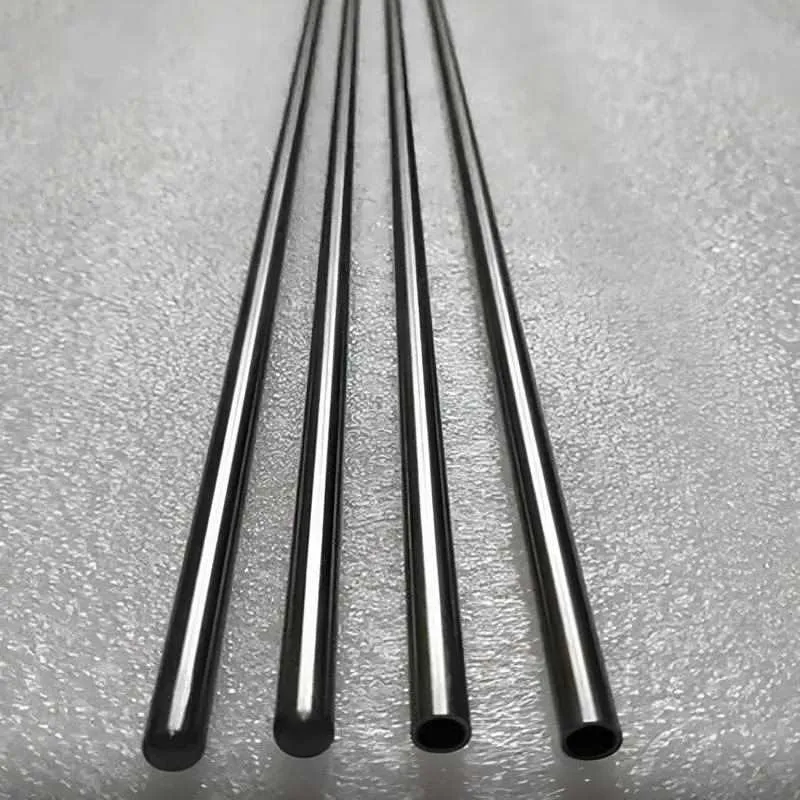
AISI 4118H Steel, single quenched
Product Code : STI-CSTI-849-CU
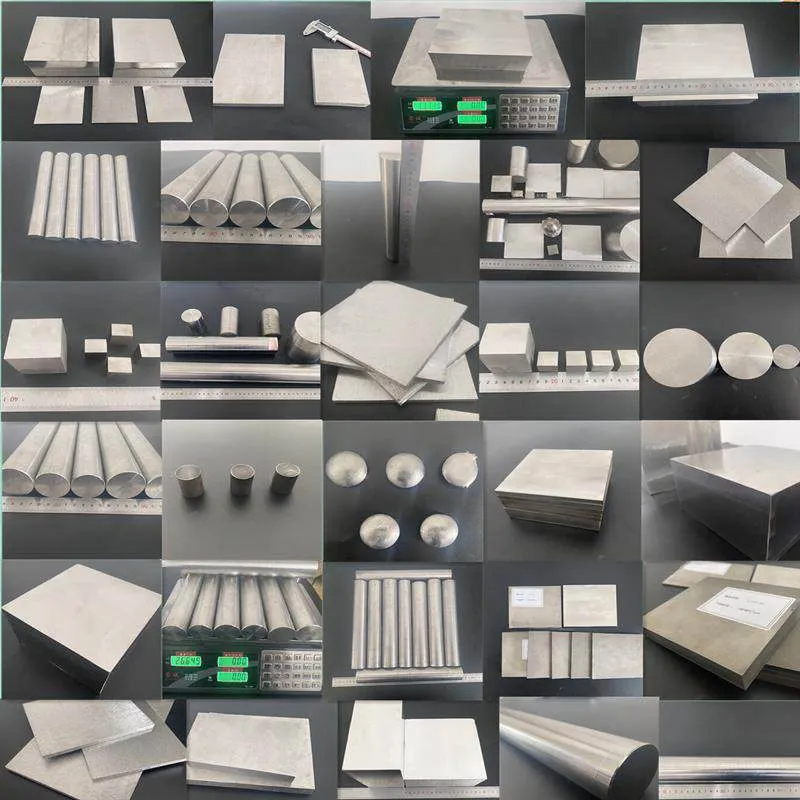
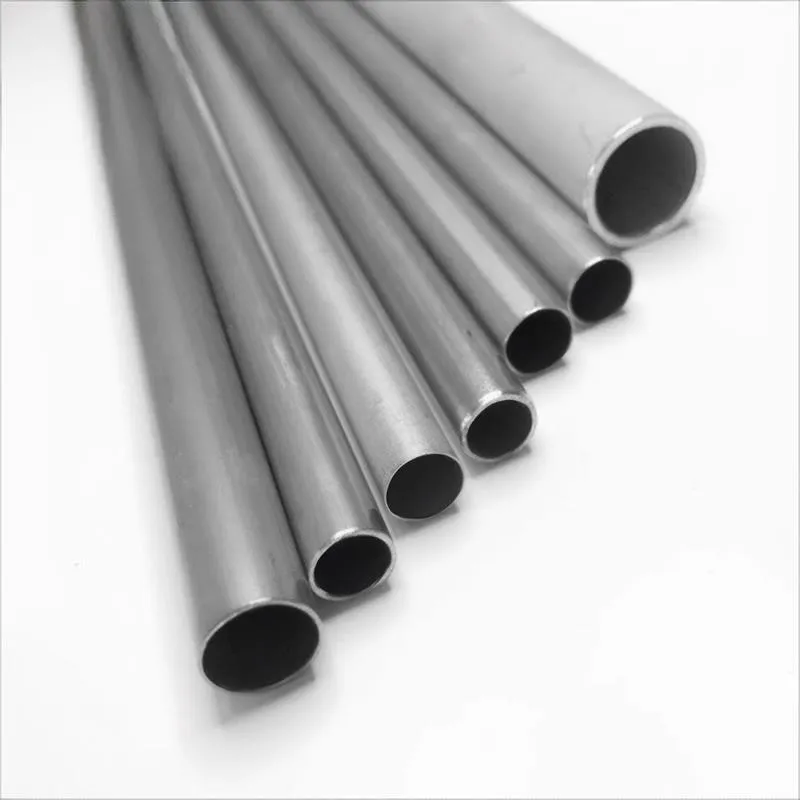
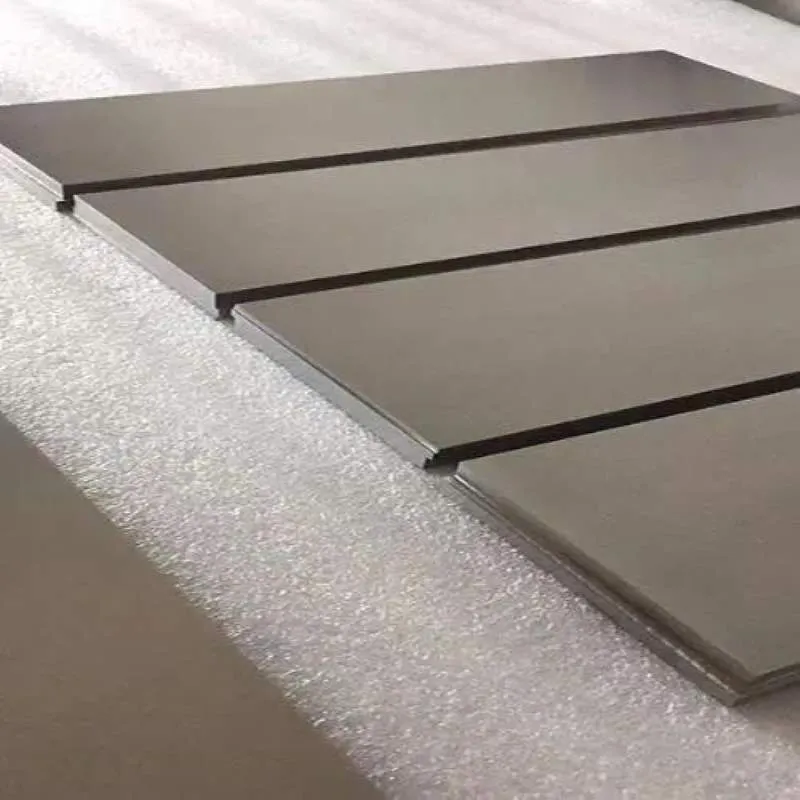
We provide AISI 4118H Steel, single quenched, 150°C (300°F) temper, 1.2 mm case depth is available in Bar (Round bar, Flat bar), Ribbon, Wire, Rods, Tube,Seamless Tube,Pipe, Ingots, Plate, Sheet, Strip and Forging Stock.,Purity, chemical composition, size, etc. can all be customized to meet specific requirements.
Please contact us if you need customized services. We will contact you with the price and availability in 24 hours.
AISI 4118H Steel, single quenched, 150°C (300°F) temper, 1.2 mm case depth Product Information
-:-
For detailed product information, please contact sales.
-:
AISI 4118H Steel, single quenched, 150°C (300°F) temper, 1.2 mm case depth Synonyms
-:-
For detailed product information, please contact sales.
-:
AISI 4118H Steel, single quenched, 150°C (300°F) temper, 1.2 mm case depth Product Information
-:-
For detailed product information, please contact sales.
-:
# **Product Technical Data Sheet: Single Quenched Carburized AISI 4118H Steel**
**Product Designation:** AISI 4118H / SAE 4118H Single Quench Carburized Steel
**Heat Treatment:** Carburized, Single Reheat Quench, 150°C (300°F) Temper
**Case Depth:** 1.2 mm (0.047 inch) Effective Case Depth (550 HV)
**Condition:** Case-Hardened with optimized surface-core transition
**Hardenability Classification:** H-Grade (Guaranteed Hardenability Band)
---
## **1. Overview**
AISI 4118H single quench carburized steel represents the **industry-standard heat treatment process** for components requiring a balanced combination of surface hardness, core strength, and dimensional control. The process involves carburizing to achieve a precise **1.2 mm effective case depth**, followed by controlled cooling, reaustenitizing at an optimal temperature, single oil quenching, and a **150°C (300°F) low-temperature temper**. This traditional method provides superior control over both case and core microstructure, particularly beneficial for the specified **1.2 mm case depth** which is ideal for medium-duty applications. The "H"-grade guarantee ensures consistent hardenability response across production batches, making this material-process combination highly reliable for precision components requiring predictable performance.
## **2. Chemical Composition (Weight %)**
*Base material composition per SAE J404 4118H requirements with controlled carbon gradient.*
| Element | Core Content (%) | Case Surface Content (%) | Metallurgical Role for 1.2mm Case |
|---------|------------------|--------------------------|-----------------------------------|
| **Carbon (C)** | 0.17 - 0.23 | **0.75 - 0.85** (optimized gradient) | Balanced for 1.2mm ECD without excessive carbides |
| **Manganese (Mn)** | 0.60 - 0.95 | 0.60 - 0.95 | Ensures adequate hardenability for case depth control |
| **Silicon (Si)** | 0.15 - 0.35 | 0.15 - 0.35 | Improves tempering resistance, surface oxidation control during carburizing |
| **Chromium (Cr)** | 0.35 - 0.65 | 0.35 - 0.65 | Enhances case hardenability for consistent 1.2mm depth |
| **Molybdenum (Mo)** | 0.08 - 0.15 | 0.08 - 0.15 | Provides grain size control during reaustenitizing |
| **Phosphorus (P)** | ≤ 0.030 | ≤ 0.030 | Tightly controlled for improved transverse properties |
| **Sulfur (S)** | ≤ 0.035 | ≤ 0.035 | Controlled for pre-carburizing machinability |
| **Iron (Fe)** | Balance | Balance | Matrix element |
**1.2mm Case Depth Chemistry Optimization:**
- **Surface Carbon:** Controlled to 0.75-0.85% to prevent brittle carbide networks at this moderate case depth
- **Carbon Gradient:** Designed for optimal stress distribution in 1.2mm case
- **Hardenability Elements:** Precisely balanced to achieve consistent 1.2mm ECD across component variations
## **3. Physical Properties**
| Property | Case Region (0-1.2mm) | Core Region | Unit | Technical Significance |
|----------|----------------------|-------------|------|------------------------|
| **Density** | ~7.84 | ~7.85 | g/cm³ | Slight reduction in case due to carbon |
| **Modulus of Elasticity** | 195 - 205 | 200 - 210 | GPa | Case slightly reduced due to retained austenite |
| **Thermal Conductivity** | 39 - 42 | 42 - 45 | W/m·K | Lower in high-carbon case |
| **Coefficient of Thermal Expansion** | 11.9 × 10⁻⁶ | 11.6 × 10⁻⁶ | /°C | 20-100°C range |
| **Electrical Resistivity** | 0.26 - 0.28 | 0.22 - 0.24 | μΩ·m | Higher in case due to carbon and alloying |
| **Magnetic Saturation** | Reduced | Normal | - | Case shows reduced permeability |
## **4. Mechanical & Metallurgical Properties**
### **Case Properties (0-1.2mm depth):**
- **Surface Hardness:** **58 - 62 HRC** (typical 59-61 HRC)
- **Effective Case Depth:** **1.2 mm** at 550 HV (0.047 inch)
- **Total Case Depth:** ~1.6 - 1.8 mm (to core hardness)
- **Case Carbon Content:** 0.75-0.85% at surface, controlled gradient
- **Case Microstructure:** Tempered martensite with **18-25% retained austenite**
- **Surface Residual Stress:** High compressive stresses (500-800 MPa)
### **Core Properties:**
- **Core Hardness:** **32 - 40 HRC**
- **Core Tensile Strength:** 900 - 1150 MPa (130 - 167 ksi)
- **Core Yield Strength:** 750 - 950 MPa (109 - 138 ksi)
- **Core Impact Toughness:** 35 - 50 J Charpy V-notch
### **Hardness Profile (Typical for 1.2mm ECD):**
| Depth from Surface | Hardness (HV) | Equivalent HRC | Microstructural Zone |
|-------------------|---------------|----------------|----------------------|
| **0.0 mm (Surface)** | 720 - 780 | 60 - 62 | High-carbon martensite |
| **0.3 mm** | 680 - 740 | 58 - 60 | Transition zone |
| **0.6 mm** | 620 - 680 | 56 - 59 | Mid-case |
| **0.9 mm** | 570 - 630 | 53 - 57 | Case-core transition |
| **1.2 mm (ECD)** | 550 | ~52 | Effective case limit |
| **1.5 mm** | 450 - 500 | 45 - 50 | Sub-case |
| **Core (>2.0 mm)** | 350 - 450 | 32 - 40 | Core material |
## **5. Single Quench Process Details**
### **Complete Process Sequence:**
1. **Carburizing:** 910-925°C for 6-10 hours to achieve 1.2mm ECD
- **Boost Phase:** Carbon potential 0.85-0.90%
- **Diffuse Phase:** Carbon potential 0.75-0.80%
2. **Slow Cooling/Annealing:** To facilitate possible intermediate machining
3. **Reaustenitizing:** 840-860°C for optimal grain refinement
4. **Oil Quenching:** Fast oil at 50-70°C with controlled agitation
5. **Tempering:** 150°C (300°F) for 2 hours minimum
### **Process Advantages for 1.2mm Case:**
- **Optimized Microstructure:** Reheat allows grain refinement in both case and core
- **Superior Dimensional Control:** Better than direct quench for precision components
- **Flexible Manufacturing:** Allows intermediate machining between carburizing and quenching
- **Consistent Case Properties:** H-grade ensures uniform case depth achievement
### **Critical Control Parameters:**
- **Case Depth Uniformity:** ±0.10 mm across component surfaces
- **Surface Carbon:** Precisely controlled to prevent excessive retained austenite
- **Quench Uniformity:** Critical for consistent properties in 1.2mm case
- **Tempering Consistency:** Ensures uniform stress relief
## **6. Performance Characteristics**
### **Technical Advantages:**
1. **Optimized Bending Fatigue:** Ideal case-core ratio for medium-load applications
2. **Excellent Wear Resistance:** 58-62 HRC surface withstands moderate to severe wear
3. **Good Impact Resistance:** Balanced core hardness provides shock absorption
4. **Predictable Dimensional Changes:** Single quench process allows accurate distortion prediction
5. **Consistent Quality:** H-grade material ensures batch-to-batch repeatability
### **1.2mm Case Depth Specific Benefits:**
- **Processing Efficiency:** Shorter carburizing time than deeper cases
- **Reduced Distortion:** Less thermal exposure minimizes dimensional changes
- **Optimal for Many Applications:** Sufficient for most industrial gear requirements
- **Cost-Effective:** Balanced performance at reasonable processing cost
## **7. Applications**
### **Target Applications for 1.2mm Case Depth:**
**Automotive Components:**
- Passenger car transmission gears
- Differential side gears and pinions
- Steering system components
- Engine timing gears
**Industrial Machinery:**
- Medium-duty gearbox components
- Power tool gears and shafts
- Conveyor system drive components
- Pump gears and impellers
**Agricultural Equipment:**
- Tractor PTO gears
- Implement drive components
- Harvesting equipment gears
**General Manufacturing:**
- Machine tool drive components
- Material handling equipment gears
- Robotic arm reduction gears
- Precision drive components
### **Component Size Recommendations:**
- **Optimal Diameter:** 15-60 mm
- **Tooth Module:** 1.5-4.0
- **Face Width:** Up to 50 mm
- **Application Load:** Medium to high contact stress
### **Why 1.2mm Case Depth is Industry Preferred:**
- **Technical Balance:** Adequate for most industrial contact stress requirements
- **Process Efficiency:** Reasonable carburizing time (6-10 hours)
- **Distortion Control:** Minimized compared to deeper cases
- **Cost Optimization:** Provides excellent performance at competitive cost
## **8. International Standards & Specifications**
### **Applicable Standards:**
| Standard System | Designation | Specific Application |
|----------------|-------------|---------------------|
| **SAE/AISI** | 4118H | Material specification (SAE J404, J1268) |
| **ISO** | ISO 2639 | Determination of effective case depth |
| **AGMA** | AGMA 2001-D04 | Gear material quality requirements |
| **DIN** | DIN 50190-3 | Hardness depth of heat-treated parts |
| **JIS** | JIS G 0557 | Measuring method for case depth of steel |
| **ASTM** | E1077 | Estimating the depth of decarburization |
### **Case Depth Measurement Standards:**
- **Effective Case Depth:** Depth where hardness = 550 HV (ISO 2639)
- **Total Case Depth:** Depth to core hardness (typically 25-50 HV above core)
- **Measurement Method:** Vickers microhardness with 500g load minimum
- **Reporting:** Includes hardness profile graph with at least 5 measurement points
## **9. Quality Assurance & Testing**
### **Required Testing Protocol:**
1. **Case Depth Verification:** Microhardness traverse minimum 3 representative locations
2. **Surface Hardness:** Multiple readings on Rockwell C scale
3. **Core Hardness:** Verification below case influence zone
4. **Microstructural Examination:** Case, transition zone, and core at 400X-1000X
5. **Retained Austenite Measurement:** Surface and at 0.3mm depth
### **Acceptance Criteria for 1.2mm ECD:**
| Quality Parameter | Acceptance Range | Test Method | Frequency |
|------------------|-----------------|-------------|-----------|
| **Effective Case Depth** | 1.2 ± 0.10 mm | Microhardness to 550 HV | 100% lots |
| **Surface Hardness** | 58-62 HRC | Rockwell C, 3+ locations | 100% lots |
| **Core Hardness** | 32-40 HRC | Below 2.0mm depth | Each heat |
| **Retained Austenite** | 18-25% | XRD or metallographic | Each process |
| **Case Carbon** | 0.75-0.85% | Spectroscopy | Each heat |
| **Microstructure** | Fine martensite, no networks | 1000X examination | Each lot |
### **Non-Destructive Evaluation:**
- **Magnetic Particle Inspection:** For surface discontinuities
- **Dimensional Verification:** Post-heat treatment critical dimensions
- **Gear Quality Testing:** AGMA or DIN quality number determination
## **10. Design & Manufacturing Guidelines**
### **Design Considerations for 1.2mm Case:**
- **Section Size Compatibility:** Optimal for components 15-60mm in critical dimension
- **Fillet Design:** Minimum radius = 1.5 × case depth (1.8mm minimum)
- **Stress Concentration Factors:** Account for case-core interface stresses
- **Load Distribution:** Design for optimal contact stress within case depth capability
### **Manufacturing Process Flow:**
1. **Material Selection:** Verify H-grade certification and hardenability data
2. **Rough Machining:** Leave 0.15-0.25mm stock on case-hardened surfaces
3. **Carburizing:** Precise control for 1.2mm ECD
4. **Optional Intermediate Machining:** If required for close-tolerance features
5. **Reaustenitizing & Quenching:** Temperature control critical for grain refinement
6. **Tempering:** 150°C for stress relief
7. **Finish Machining/Grinding:** Final dimensions and surface finish
8. **Final Inspection:** Comprehensive verification per specifications
### **Comparative Analysis: Single vs. Direct Quench for 1.2mm Case**
| Parameter | Single Quench | Direct Quench |
|-----------|--------------|--------------|
| **Dimensional Control** | Superior | Good |
| **Grain Refinement** | Excellent | Good |
| **Process Flexibility** | High (allows intermediate machining) | Limited |
| **Energy Consumption** | Higher | Lower |
| **Retained Austenite Control** | Better | More variable |
| **Distortion Prediction** | More predictable | Less predictable |
---
**Technical Rationale for 1.2mm Case Depth:**
The 1.2mm effective case depth represents an optimal balance for numerous industrial applications. It provides sufficient depth to withstand typical contact stresses in gears and bearings while minimizing processing time and distortion. This depth is particularly well-suited to single quench processing, which allows excellent control over the case-core transition zone critical for fatigue performance.
**Application-Specific Recommendations:**
1. **Gears:** For module 2-4 gears under moderate to high loading
2. **Bearings:** For medium-duty bearing races and rolling elements
3. **Shafts:** For wear surfaces on rotating shafts
4. **Tools:** For wear-resistant tooling components
**Process Optimization Guidelines:**
1. **Carburizing Parameters:** Typically 910°C for 8 hours with proper boost-diffuse cycle
2. **Quenching Medium:** Fast oil (ISO VG 68-100) for optimal hardness profile
3. **Fixturing:** Consider distortion patterns in rack design
4. **Quality Monitoring:** Implement SPC for critical case depth parameters
**Industry Validation:**
1.2mm case depth with single quench processing is widely validated in automotive and industrial applications. It represents a proven, reliable specification that balances performance requirements with manufacturing economics.
**Disclaimer:** This technical specification applies to properly processed material with controlled single quench parameters. Actual properties may vary based on component geometry, furnace characteristics, and quenching conditions. The H-grade guarantee ensures material consistency but does not eliminate the need for proper process control. Final validation through application-specific testing is recommended for critical components.
-:-
For detailed product information, please contact sales.
-:
AISI 4118H Steel, single quenched, 150°C (300°F) temper, 1.2 mm case depth Specification
Dimensions
Size:
Diameter 20-1000 mm Length <5581 mm
Size:We can customized as required
Standard:
Per your request or drawing
We can customized as required
Properties(Theoretical)
Chemical Composition
-:-
For detailed product information, please contact sales.
-:
AISI 4118H Steel, single quenched, 150°C (300°F) temper, 1.2 mm case depth Properties
-:-
For detailed product information, please contact sales.
-:
Applications of AISI 4118H Steel, single quenched, 150°C (300°F) temper, 1.2 mm case depth
-:-
For detailed product information, please contact sales.
-:
Chemical Identifiers AISI 4118H Steel, single quenched, 150°C (300°F) temper, 1.2 mm case depth
-:-
For detailed product information, please contact sales.
-:
Packing of AISI 4118H Steel, single quenched, 150°C (300°F) temper, 1.2 mm case depth
-:-
For detailed product information, please contact sales.
-:
Standard Packing:
-:-
For detailed product information, please contact sales.
-:
Typical bulk packaging includes palletized plastic 5 gallon/25 kg. pails, fiber and steel drums to 1 ton super sacks in full container (FCL) or truck load (T/L) quantities. Research and sample quantities and hygroscopic, oxidizing or other air sensitive materials may be packaged under argon or vacuum. Solutions are packaged in polypropylene, plastic or glass jars up to palletized 2052 gallon liquid totes Special package is available on request. E FORUs’ is carefully handled to minimize damage during storage and transportation and to preserve the quality of our products in their original condition