AISI 4130 Steel, normalized
Product Code : STI-CSTI-1462-CU
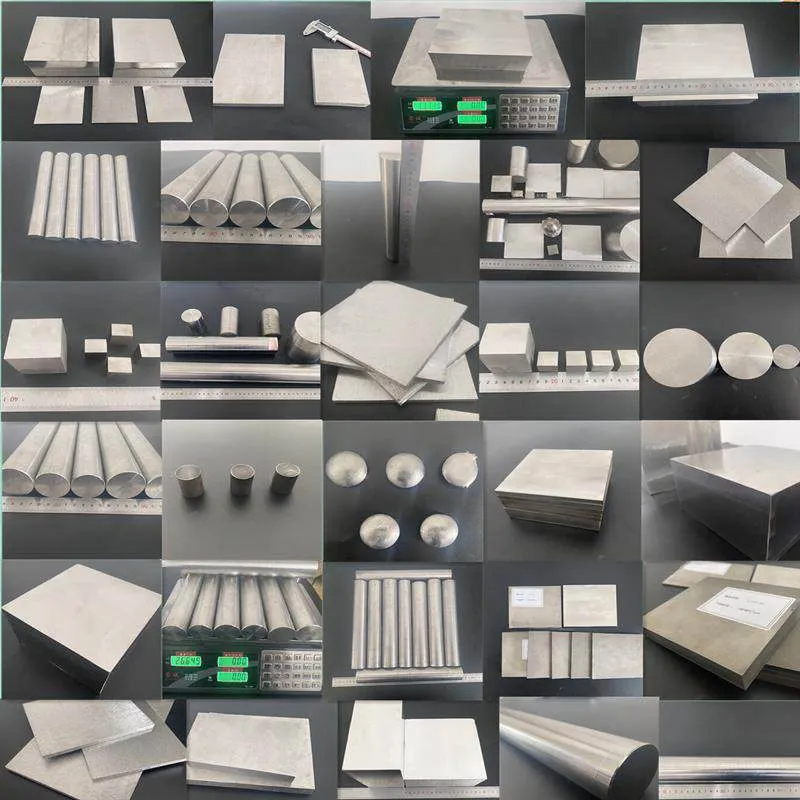
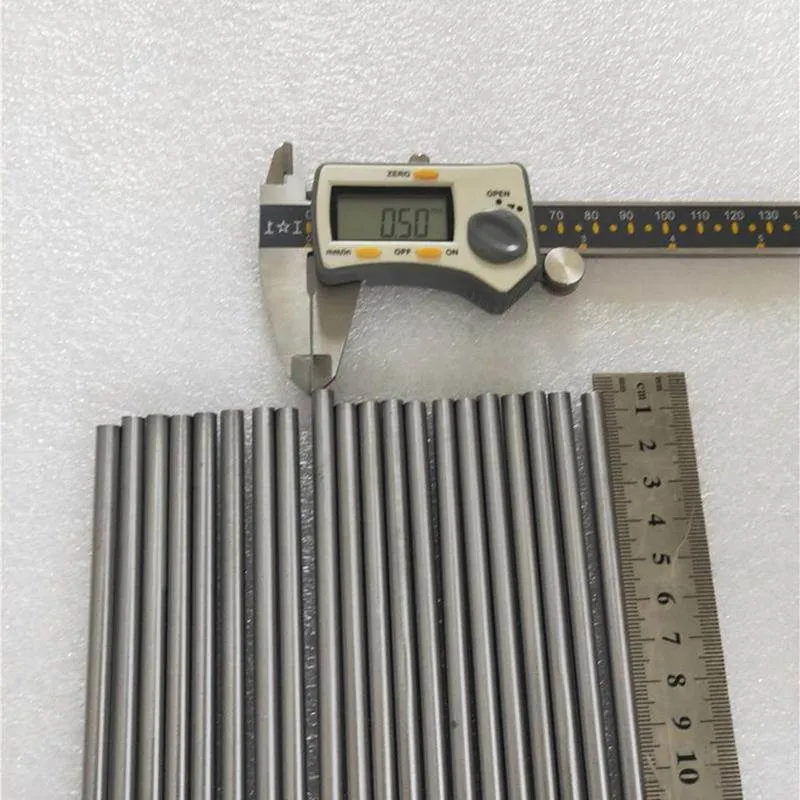
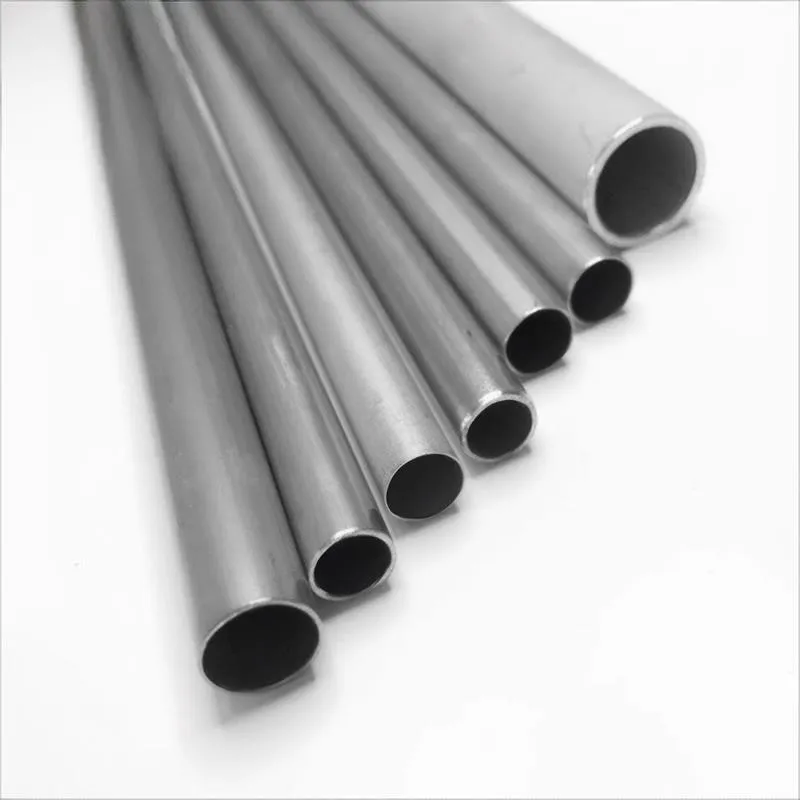
We provide AISI 4130 Steel, normalized at 870°C (1600°F), air cooled is available in Bar (Round bar, Flat bar), Ribbon, Wire, Rods, Tube,Seamless Tube,Pipe, Ingots, Plate, Sheet, Strip and Forging Stock.,Purity, chemical composition, size, etc. can all be customized to meet specific requirements.
Please contact us if you need customized services. We will contact you with the price and availability in 24 hours.
AISI 4130 Steel, normalized at 870°C (1600°F), air cooled Product Information
-:-
For detailed product information, please contact sales.
-:
AISI 4130 Steel, normalized at 870°C (1600°F), air cooled Synonyms
-:-
For detailed product information, please contact sales.
-:
AISI 4130 Steel, normalized at 870°C (1600°F), air cooled Product Information
-:-
For detailed product information, please contact sales.
-:
# **Product Technical Data: AISI 4130 Steel, Normalized Condition**
## **Product Overview**
**AISI 4130 Steel in the Normalized Condition** is a versatile chromium-molybdenum low-alloy steel that has undergone a specific heat treatment process to refine its microstructure and establish consistent mechanical properties. The normalization treatment at **870°C (1600°F) followed by air cooling** produces a uniform fine-grained structure of pearlite and ferrite, resulting in an optimal balance of strength, toughness, and machinability. This condition represents the **most common "as-supplied" state** for AISI 4130 and serves as an excellent baseline for further processing or as a final condition for many structural applications.
---
## **1. Chemical Composition**
The chemical composition of AISI 4130 remains unchanged by the normalization process and conforms to the following standard ranges:
| Element | Content Range (%) | Metallurgical Function |
|---------|-------------------|------------------------|
| **Carbon (C)** | 0.28 - 0.33 | Primary strengthening element; provides hardenability potential |
| **Manganese (Mn)** | 0.40 - 0.60 | Enhances hardenability and solid solution strengthening |
| **Phosphorus (P)** | ≤ 0.035 | Residual element (kept low for improved toughness) |
| **Sulfur (S)** | ≤ 0.040 | Residual element (affects machinability) |
| **Silicon (Si)** | 0.15 - 0.35 | Deoxidizer; increases strength through solid solution |
| **Chromium (Cr)** | 0.80 - 1.10 | Improves hardenability, corrosion/oxidation resistance |
| **Molybdenum (Mo)** | 0.15 - 0.25 | Enhances hardenability, high-temperature strength, reduces temper embrittlement |
**Special Variants:**
- **4130H**: Hardenability-controlled version with tighter composition ranges
- **Resulturized Grades**: Higher sulfur content (0.08-0.15%) for improved machinability
---
## **2. Normalization Process & Metallurgical Effects**
### **Heat Treatment Parameters:**
- **Austenitizing Temperature:** 870°C (1600°F) ± 15°C
- **Soaking Time:** Typically 1 hour per inch of thickness (minimum 30 minutes)
- **Cooling Method:** Still air cooling to ambient temperature
- **Microstructure Result:** Fine, uniform mixture of ferrite and pearlite
### **Metallurgical Objectives:**
1. **Grain Refinement:** Eliminates coarse structures from prior hot-working
2. **Homogenization:** Produces uniform microstructure throughout cross-section
3. **Stress Relief:** Reduces residual stresses from manufacturing processes
4. **Property Consistency:** Establishes reproducible mechanical properties
### **Comparative Advantages:**
- **vs. Annealed State:** Higher strength, better machinability (chip breaking)
- **vs. As-Rolled/Forged:** More uniform properties, refined grain structure
- **vs. Quenched & Tempered:** Lower strength but better machinability and dimensional stability
---
## **3. Physical & Mechanical Properties**
### **Physical Properties:**
| Property | Value | Conditions |
|----------|-------|------------|
| **Density** | 7.85 g/cm³ (0.284 lb/in³) | At 20°C |
| **Melting Point** | 1427-1510°C (2600-2750°F) | Approximate range |
| **Modulus of Elasticity** | 205 GPa (29.7 × 10⁶ psi) | Tensile, at 20°C |
| **Shear Modulus** | 80 GPa (11.6 × 10⁶ psi) | At 20°C |
| **Poisson's Ratio** | 0.29 | |
| **Thermal Conductivity** | 42.7 W/m·K | At 100°C |
| **Coefficient of Thermal Expansion** | 11.9 × 10⁻⁶/°C | 20-100°C range |
| **Specific Heat** | 473 J/kg·K | At 20°C |
### **Typical Mechanical Properties (Normalized Condition):**
| Property | Typical Value Range | Test Standard |
|----------|---------------------|---------------|
| **Hardness** | 187-217 HB | ASTM E10 |
| **Tensile Strength** | 670-830 MPa (97-120 ksi) | ASTM A370 |
| **Yield Strength (0.2% offset)** | 435-585 MPa (63-85 ksi) | ASTM A370 |
| **Elongation (in 50mm)** | 22-28% | ASTM A370 |
| **Reduction of Area** | 50-60% | ASTM A370 |
| **Charpy V-Notch Impact** | 54-81 J (40-60 ft-lb) | ASTM E23 |
| **Fatigue Strength** | 260-310 MPa (38-45 ksi) | 10⁷ cycles, R= -1 |
| **Machinability Rating** | 65% (compared to 1% C steel) | |
### **Property Variation with Section Size:**
| Section Thickness | Hardness (HB) | Tensile Strength (MPa) | Impact Toughness (J) |
|-------------------|---------------|------------------------|----------------------|
| **< 25 mm (1 in)** | 200-217 | 760-830 | 68-81 |
| **25-50 mm (1-2 in)** | 197-212 | 720-790 | 61-74 |
| **50-100 mm (2-4 in)** | 187-207 | 670-760 | 54-68 |
---
## **4. Manufacturing & Processing Characteristics**
### **Machinability:**
- **Condition:** Optimal in normalized state (better than annealed for chip control)
- **Speed/Feed:** Medium cutting speeds with moderate feeds
- **Tool Materials:** Carbide or high-speed steel with positive rake angles
- **Coolant:** Recommended for improved tool life and surface finish
### **Formability:**
- **Cold Bending:** Good (minimum bend radius = 1 × thickness for 90° bend)
- **Hot Working:** Excellent between 1150-900°C (2100-1650°F)
### **Weldability:**
- **Rating:** Good (Carbon Equivalent ≈ 0.50-0.60%)
- **Preheat:** Recommended for sections > 25 mm (100-150°C)
- **Processes:** SMAW, GTAW, GMAW, FCAW all suitable
- **Post-Weld Heat Treatment:** Often beneficial for stress relief
### **Response to Final Heat Treatment:**
This normalized condition provides an **ideal starting point** for:
- **Quenching & Tempering:** Achieve higher strength levels (up to 1100+ MPa)
- **Carburizing/Nitriding:** For surface-hardened components
- **Stress Relieving:** 595-650°C (1100-1200°F) for dimensional stability
---
## **5. Product Applications**
### **Aerospace & Defense:**
- Aircraft engine mounts and structural components
- Missile and rocket motor cases
- Helicopter rotor hubs and drive systems
- Landing gear components (prior to final heat treatment)
- **Specific Example:** Boeing 707/727 landing gear cylinders (normalized before machining)
### **Oil & Gas Industry:**
- Drill collars and tool joints
- Wellhead equipment components
- Valve bodies and fittings
- High-pressure piping systems
### **Automotive & Racing:**
- Roll cage tubing (often used in normalized state)
- Chassis components
- High-performance suspension parts
- **NASCAR/Motorsports:** Widely used for safety structures
### **Industrial Equipment:**
- High-strength fasteners and bolts
- Hydraulic cylinder barrels
- Machine tool frames and bases
- Crane and hoist components
### **Cycling & Sporting Goods:**
- High-performance bicycle frames
- Motorcycle frames and swingarms
- Racing wheelchair components
---
## **6. International Standards & Specifications**
### **Primary Material Standards:**
| Standard System | Designation | Title/Scope |
|-----------------|-------------|-------------|
| **SAE/AISI** | 4130 | Standard Chemical Composition |
| **AMS** | AMS 6350 | Sheet, Strip, and Plate |
| **AMS** | AMS-S-6758 | Forging and Forging Stock |
| **ASTM** | A29/A29M | Hot-Finished Alloy Steel Bars |
| **ASTM** | A519 | Seamless Carbon and Alloy Mechanical Tubing |
| **UNS** | G41300 | Unified Numbering System |
### **Global Equivalents:**
| Country/Region | Standard | Designation | Notes |
|----------------|----------|-------------|-------|
| **European Union** | EN 10083-3 | 25CrMo4 (1.7218) | Nearly identical |
| **Germany** | DIN 17200 | 25CrMo4 | |
| **United Kingdom** | BS 970 | 708A25 | |
| **Japan** | JIS G4105 | SCM430 | Slightly lower Cr |
| **China** | GB/T 3077 | 30CrMo | Similar composition |
| **International** | ISO 683-18 | 25CrMo4 | |
### **Industry-Specific Specifications:**
- **Aerospace:** NAS, BAC, BMS specifications often reference normalized 4130
- **Oil & Gas:** API specifications for downhole tools
- **Racing:** FIA, SFI, NHRA specifications for safety components
---
## **7. Quality Assurance & Testing**
### **Standard Testing:**
1. **Chemical Analysis:** Spectroscopic verification of composition
2. **Hardness Testing:** Brinell or Rockwell per ASTM E10/E18
3. **Tensile Testing:** ASTM A370 methods
4. **Impact Testing:** Charpy V-notch per ASTM E23
5. **Microstructure Examination:** Grain size assessment per ASTM E112
### **Optional/Nondestructive Testing:**
- **Ultrasonic Testing:** For internal quality assessment
- **Magnetic Particle/Liquid Penetrant:** Surface defect detection
- **Eddy Current:** For tubular products
---
## **8. Advantages of the Normalized Condition**
### **Technical Advantages:**
1. **Consistent Properties:** Uniform mechanical properties throughout cross-section
2. **Improved Machinability:** Better than annealed state for production machining
3. **Grain Structure:** Refined, uniform microstructure ideal for further processing
4. **Dimensional Stability:** Minimal distortion compared to quenched states
5. **Weldability:** Optimal condition for welding operations
### **Economic Advantages:**
- **Reduced Processing Costs:** Often supplied normalized by mill
- **Predictable Performance:** Lower scrap rates in manufacturing
- **Versatility:** Suitable for multiple fabrication methods
- **Availability:** Widely available in various product forms
---
## **9. Limitations & Considerations**
### **Technical Limitations:**
- **Strength Level:** Lower than quenched and tempered conditions
- **Size Limitations:** Properties vary with section size in normalized state
- **Not for High-Wear Applications:** Requires surface hardening for wear resistance
### **Processing Considerations:**
- **Cooling Rate Control:** Air cooling must be consistent for property uniformity
- **Decarburization:** Surface protection may be needed during heat treatment
- **Post-Weld Treatment:** Welded assemblies often require stress relief
---
## **10. Supply Forms & Typical Dimensions**
### **Available Product Forms:**
- **Round Bars:** 6-300 mm (0.25-12 in) diameter
- **Flat Bars:** Various thicknesses and widths
- **Sheets/Plates:** 0.5-50 mm (0.02-2 in) thickness
- **Seamless Tubing:** 6-250 mm (0.25-10 in) OD
- **Forgings:** Custom shapes and sizes
### **Surface Conditions:**
- Hot-rolled, descaled
- Cold-drawn, turned, or ground
- Peeled or polished (for precision applications)
---
**Note:** This technical data represents typical values for AISI 4130 in the normalized condition. Actual properties may vary based on specific manufacturing processes, chemical composition within the specified range, and section size. For critical applications, consult certified material test reports and conduct application-specific testing. Always follow relevant industry standards and safety guidelines when specifying, processing, or using this material.
**Revision:** This document is based on industry standards and technical literature current as of 2024. Specifications are subject to change by standards organizations.
-:-
For detailed product information, please contact sales.
-:
AISI 4130 Steel, normalized at 870°C (1600°F), air cooled Specification
Dimensions
Size:
Diameter 20-1000 mm Length <6194 mm
Size:We can customized as required
Standard:
Per your request or drawing
We can customized as required
Properties(Theoretical)
Chemical Composition
-:-
For detailed product information, please contact sales.
-:
AISI 4130 Steel, normalized at 870°C (1600°F), air cooled Properties
-:-
For detailed product information, please contact sales.
-:
Applications of AISI 4130 Steel, normalized at 870°C (1600°F), air cooled
-:-
For detailed product information, please contact sales.
-:
Chemical Identifiers AISI 4130 Steel, normalized at 870°C (1600°F), air cooled
-:-
For detailed product information, please contact sales.
-:
Packing of AISI 4130 Steel, normalized at 870°C (1600°F), air cooled
-:-
For detailed product information, please contact sales.
-:
Standard Packing:
-:-
For detailed product information, please contact sales.
-:
Typical bulk packaging includes palletized plastic 5 gallon/25 kg. pails, fiber and steel drums to 1 ton super sacks in full container (FCL) or truck load (T/L) quantities. Research and sample quantities and hygroscopic, oxidizing or other air sensitive materials may be packaged under argon or vacuum. Solutions are packaged in polypropylene, plastic or glass jars up to palletized 2665 gallon liquid totes Special package is available on request. E FORUs’ is carefully handled to minimize damage during storage and transportation and to preserve the quality of our products in their original condition