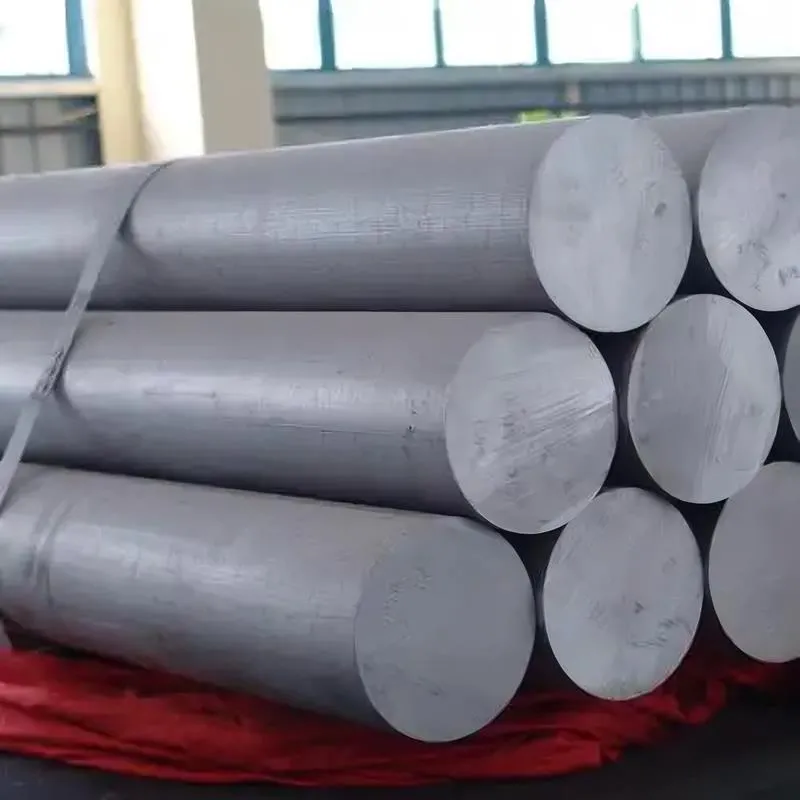
AISI 4130H Steel, normalized
Product Code : STI-CSTI-1468-CU
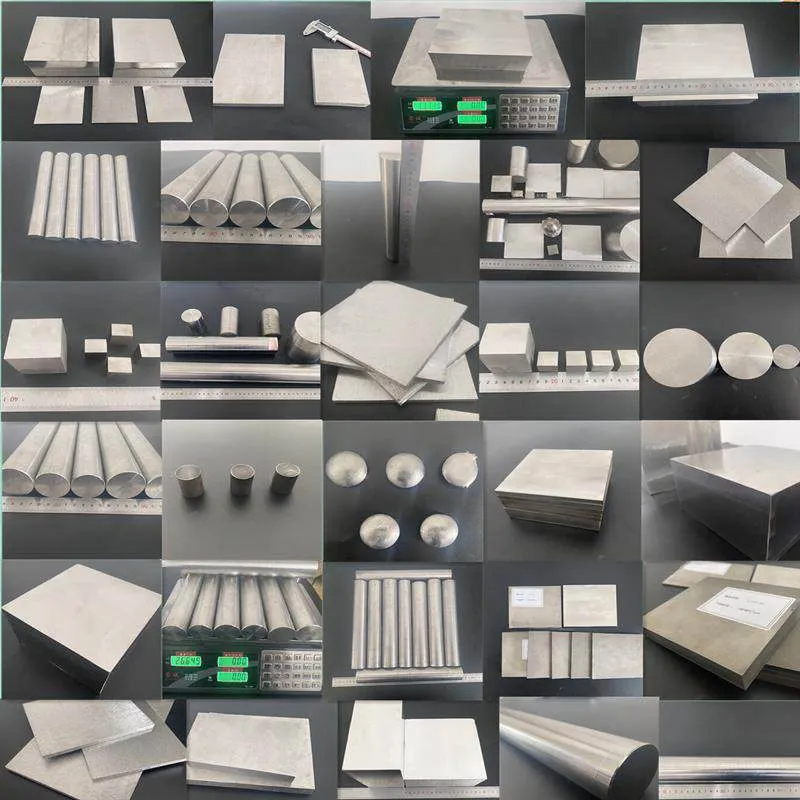
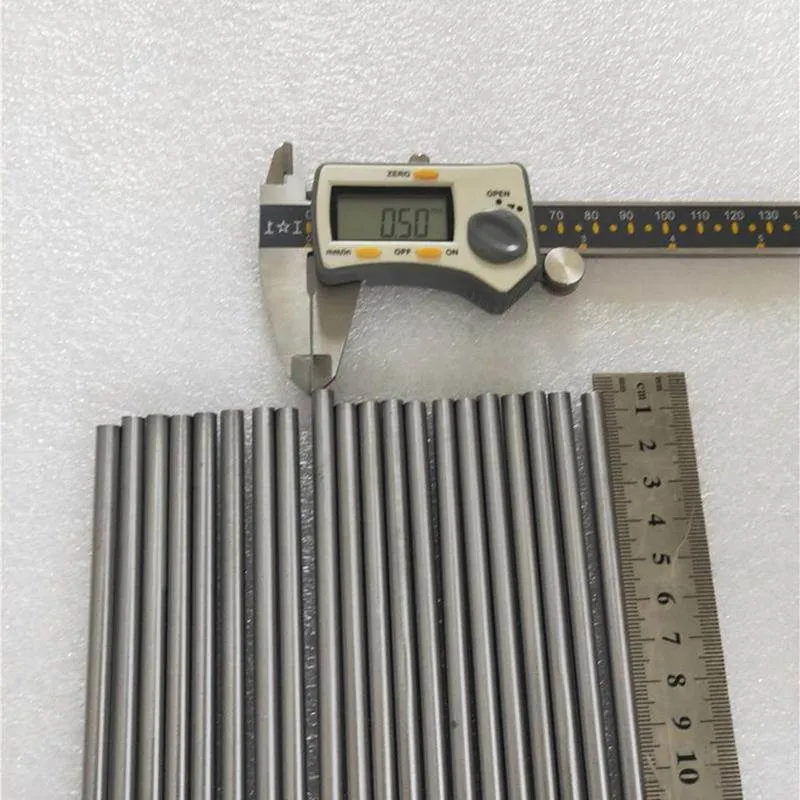
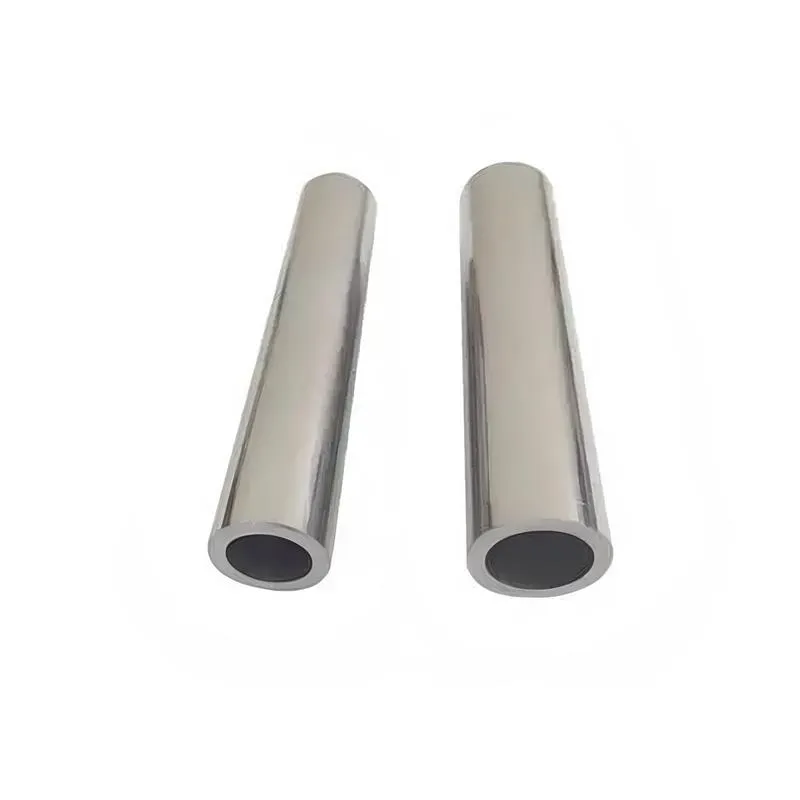
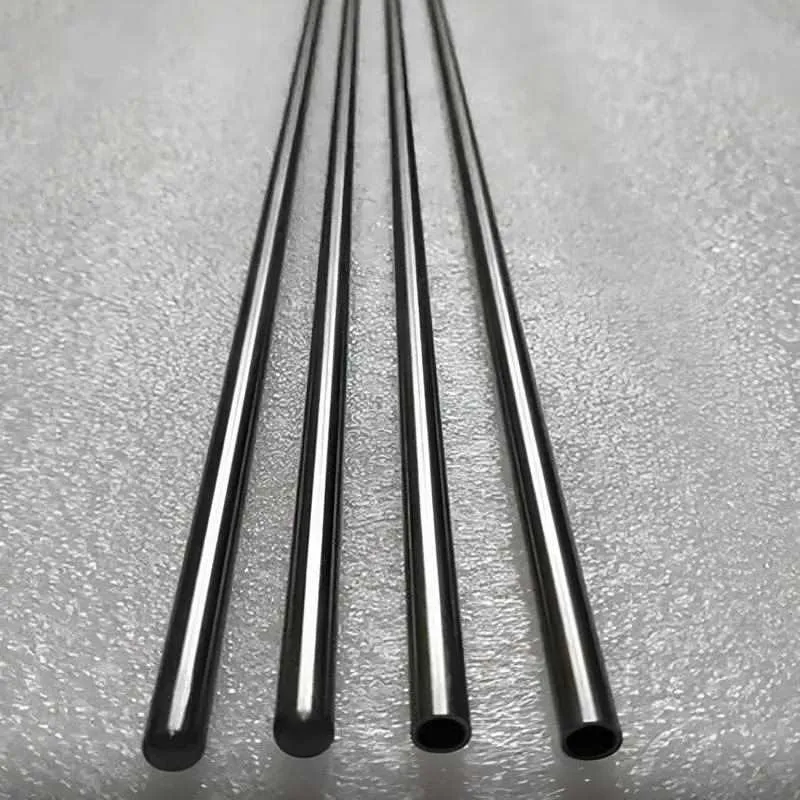
We provide AISI 4130H Steel, normalized at 870°C (1600°F) is available in Bar (Round bar, Flat bar), Ribbon, Wire, Rods, Tube,Seamless Tube,Pipe, Ingots, Plate, Sheet, Strip and Forging Stock.,Purity, chemical composition, size, etc. can all be customized to meet specific requirements.
Please contact us if you need customized services. We will contact you with the price and availability in 24 hours.
AISI 4130H Steel, normalized at 870°C (1600°F) Product Information
-:-
For detailed product information, please contact sales.
-:
AISI 4130H Steel, normalized at 870°C (1600°F) Synonyms
-:-
For detailed product information, please contact sales.
-:
AISI 4130H Steel, normalized at 870°C (1600°F) Product Information
-:-
For detailed product information, please contact sales.
-:
# **AISI 4130H Steel, Normalized Condition Technical Specification**
## **Product Overview**
**AISI 4130H** is a **hardenability-guaranteed** chromium-molybdenum alloy steel supplied in the normalized condition. The "H" designation indicates that the chemical composition is tightly controlled to ensure consistent and predictable hardenability characteristics according to SAE J1268 standards. When normalized at **870°C (1600°F)** and air-cooled, this material achieves an optimal balance of strength, toughness, and machinability, providing a reliable and uniform starting condition for further processing or direct application in engineering components.
---
## **1. Chemical Composition (H-Steel Controlled Ranges)**
The composition of 4130H is controlled within specific limits to guarantee hardenability bands:
| Element | Content Range (%) | H-Steel Significance |
|---------|-------------------|----------------------|
| **Carbon (C)** | 0.28 - 0.33 | Primary strengthening element; controlled for consistent response |
| **Manganese (Mn)** | 0.40 - 0.70 | Expanded range for hardenability adjustment per SAE J1268 |
| **Silicon (Si)** | 0.15 - 0.35 | Deoxidizer and solid solution strengthener |
| **Chromium (Cr)** | 0.80 - 1.10 | Enhances hardenability and corrosion resistance |
| **Molybdenum (Mo)** | 0.15 - 0.25 | Improves hardenability and reduces temper embrittlement |
| **Phosphorus (P)** | ≤ 0.025 | Tighter control than standard 4130 for improved toughness |
| **Sulfur (S)** | ≤ 0.025 | Tighter control for better transverse properties |
| **Boron (B)** | Optional (0.0005-0.003%) | Sometimes added to enhance hardenability economically |
**Critical H-Steel Feature:** The actual chemical composition for each heat is adjusted within these ranges to achieve a **certified Jominy hardenability band**, ensuring predictable performance in final heat treatment.
---
## **2. Normalizing Process & Microstructure**
### **Process Parameters:**
- **Normalizing Temperature:** 870°C (1600°F) ± 15°C
- **Soaking Time:** 1 hour per inch of thickness (minimum 30 minutes)
- **Cooling Method:** Still air cooling to ambient temperature
- **Atmosphere:** Air or protective atmosphere to minimize decarburization
### **Resulting Microstructure:**
- **Primary Structure:** Fine, uniform mixture of **ferrite and pearlite**
- **Grain Size:** ASTM 6-8 (fine-grained compared to annealed condition)
- **Carbide Distribution:** Fine, dispersed alloy carbides
- **Uniformity:** Excellent consistency across section due to H-steel composition control
### **Advantages of Normalized Condition for H-Steel:**
1. **Consistent Starting Point:** Uniform microstructure ensures predictable response to subsequent heat treatment
2. **Stress Relief:** Eliminates residual stresses from prior hot-working
3. **Grain Refinement:** Produces fine, uniform grain structure optimal for final properties
4. **Machinability:** Better chip control than annealed condition while maintaining good tool life
---
## **3. Physical Properties**
| Property | Value | Test Standard | Conditions |
|----------|-------|---------------|------------|
| **Density** | 7.85 g/cm³ (0.284 lb/in³) | ASTM E1268 | 20°C |
| **Melting Range** | 1427-1510°C (2600-2750°F) | - | - |
| **Modulus of Elasticity** | 205 GPa (29.7 × 10⁶ psi) | ASTM E111 | 20°C |
| **Shear Modulus** | 80 GPa (11.6 × 10⁶ psi) | ASTM E143 | 20°C |
| **Poisson's Ratio** | 0.29 | ASTM E132 | 20°C |
| **Thermal Conductivity** | 42.7 W/m·K | ASTM E1225 | 100°C |
| **Coefficient of Thermal Expansion** | 11.9 × 10⁻⁶/°C | ASTM E228 | 20-100°C |
| **Specific Heat Capacity** | 473 J/kg·K | ASTM E1269 | 20°C |
---
## **4. Mechanical Properties (Normalized Condition)**
### **Typical Room Temperature Properties:**
| Property | Value Range | Typical Value | Test Standard |
|----------|-------------|---------------|---------------|
| **Hardness, Brinell** | 187-217 HB | 200 HB | ASTM E10 |
| **Hardness, Rockwell** | 90-97 HRB | 93 HRB | ASTM E18 |
| **Tensile Strength** | 670-830 MPa (97-120 ksi) | 750 MPa | ASTM A370 |
| **Yield Strength (0.2%)** | 435-585 MPa (63-85 ksi) | 510 MPa | ASTM A370 |
| **Elongation (50mm)** | 22-28% | 25% | ASTM A370 |
| **Reduction of Area** | 50-60% | 55% | ASTM A370 |
| **Charpy V-Notch Impact @ 21°C** | 54-81 J (40-60 ft-lb) | 68 J | ASTM E23 |
### **Section Size Effect (Minimized in H-Steel):**
| Section Thickness | Hardness (HB) | Tensile Strength (MPa) | Note |
|-------------------|---------------|------------------------|------|
| **< 25 mm (1")** | 197-217 | 730-830 | Minimal variation |
| **25-50 mm (1-2")** | 192-212 | 700-800 | Better consistency than standard 4130 |
| **50-100 mm (2-4")** | 187-207 | 670-770 | H-steel advantage evident |
### **Hardenability Certification:**
- **Jominy Test Compliance:** SAE J1268
- **Band Guarantee:** Certified hardenability curve with each heat
- **Predictability:** Enables accurate prediction of final properties after quenching
---
## **5. Manufacturing Characteristics**
### **Machinability:**
- **Rating:** 65-70% of B1112 steel
- **Condition:** Optimal for production machining (better than annealed for chip control)
- **Tooling:** Carbide or HSS with positive rake angles
- **Feeds/Speeds:** Moderate with good coolant flow
- **Chip Formation:** Broken chips typical, better than annealed condition
### **Formability:**
- **Cold Bending:** Good (minimum radius = 1 × thickness)
- **Hot Working:** 1150-900°C (2100-1650°F) recommended
- **Forging:** Excellent forgeability in hot condition
### **Weldability:**
- **Rating:** Good (Carbon Equivalent ≈ 0.50-0.55%)
- **Preheat:** 150-200°C recommended for sections > 25 mm
- **Processes:** SMAW, GTAW, GMAW, FCAW all suitable
- **Filler Metals:** AWS ER80S-D2 or similar
- **Post-Weld Treatment:** Stress relief at 595-650°C recommended
### **Subsequent Heat Treatment Response:**
The normalized condition provides the **ideal pre-hardening state** for:
1. **Quenching & Tempering:** Predictable hardenability ensures consistent results
2. **Carburizing:** Uniform case depth development
3. **Induction Hardening:** Consistent response due to uniform starting structure
---
## **6. Product Applications**
### **Aerospace & Defense:**
- **Aircraft structural components** (frames, brackets, fittings)
- **Landing gear components** prior to final heat treatment
- **Engine mounts** and support structures
- **Missile and rocket components**
- **Helicopter rotor hubs** (machined in normalized state)
### **Oil & Gas Industry:**
- **Drill collar blanks** (API Spec 7-1 applications)
- **Tool joint pre-forms**
- **Wellhead equipment components**
- **High-pressure valve bodies**
- **Subsea connector parts**
### **Automotive & Racing:**
- **High-performance chassis components**
- **Suspension parts** in normalized state
- **Transmission gears** before carburizing
- **Racing crankshaft** forgings
- **NHRA/FIA compliant safety components**
### **Power Generation:**
- **Turbine blade roots** and attachments
- **Generator retaining ring** pre-forms
- **High-temperature bolting** material
- **Valve stems** and actuators
### **General Engineering:**
- **High-strength fasteners** and bolts
- **Hydraulic cylinder barrels**
- **Machine tool components**
- **Heavy equipment shafts** and gears
---
## **7. International Standards & Equivalents**
### **Primary Standards:**
| Standard System | Designation | Title/Scope |
|-----------------|-------------|-------------|
| **SAE/AISI** | 4130H | Hardenability-Guaranteed Steel |
| **SAE** | J1268 | Hardenability Bands for H-Steels |
| **ASTM** | A304 | Alloy Steel Bars, H-Grades |
| **AMS** | 6359 | Steel Bars, Alloy (Aerospace) |
| **UNS** | H41300 | Unified Numbering System |
### **Global Equivalent Grades:**
| Country/Region | Standard | Equivalent Designation | Notes |
|----------------|----------|----------------------|-------|
| **European Union** | EN 10083-3 | 25CrMo4+H (1.7218+H) | Close equivalent |
| **Germany** | DIN 17200 | 25CrMo4+H | |
| **Japan** | JIS G4052 | SCM430H | Hardenability guaranteed |
| **China** | GB/T 5216 | 30CrMoH | |
| **United Kingdom** | BS 970 | 708A25+H | |
| **France** | NF A35-552 | 25CD4+H | |
| **ISO** | 683-18 | 25CrMo4+H | International standard |
### **Industry Specifications:**
- **API Spec 7-1:** Drill Collar Specification (H-grade optional)
- **AMS 2759:** Pyrometry Requirements
- **ASTM A988:** Heat Treatment of Steel for Pressure Components
- **Nadcap:** Aerospace heat treatment accreditation
---
## **8. Quality Assurance & Testing**
### **Mandatory H-Steel Testing:**
1. **Full Chemical Analysis:** Spectrographic verification
2. **Jominy Hardenability Test:** Each heat tested per SAE J1268
3. **Hardenability Band Certification:** Documented compliance
4. **Mechanical Testing:** Tensile and hardness verification
### **Standard Quality Checks:**
- **Hardness Survey:** Multiple locations for uniformity
- **Microstructure Examination:** Grain size and phase analysis
- **Ultrasonic Testing:** Optional for critical applications
- **Dimensional Verification:** Per purchase specifications
### **Certification Documents:**
- **Material Test Report (MTR):** Chemical and mechanical properties
- **Hardenability Certificate:** Actual Jominy curve data
- **Heat Treatment Certificate:** Normalizing parameters
- **Mill Certificates:** Origin and processing history
---
## **9. Advantages vs. Standard 4130**
### **Technical Advantages:**
1. **Predictable Hardenability:** Certified Jominy bands ensure consistent heat treatment results
2. **Reduced Scrap Rates:** Fewer heat treatment failures in production
3. **Optimized Design:** Can design to tighter property margins
4. **Better Consistency:** Less lot-to-lot variation in mechanical properties
5. **Improved Traceability:** Complete certification package
### **Economic Benefits:**
- **Reduced Testing:** Less need for destructive testing in production
- **Lower Rejects:** Improved first-pass yield in heat treatment
- **Optimized Processes:** Can fine-tune heat treatment cycles
- **Total Cost:** Often lower despite material premium due to improved yield
### **Comparison Table:**
| Parameter | 4130H Normalized | Standard 4130 Normalized | Advantage |
|-----------|------------------|--------------------------|-----------|
| **Property Uniformity** | Excellent | Good | Better consistency |
| **Heat Treatment Yield** | >95% | 85-90% | Lower scrap |
| **Design Allowables** | Can use higher | Conservative margins | Weight savings |
| **Certification** | Full hardenability data | Standard MTR only | Better QA |
---
## **10. Design & Specification Guidelines**
### **When to Specify 4130H:**
- **Critical Safety Components:** Where failure is unacceptable
- **Production Manufacturing:** Large runs where consistency affects cost
- **Heat Treated Parts:** Where final properties must be predictable
- **Regulated Industries:** Aerospace, defense, nuclear applications
- **Cost-Sensitive Designs:** Where material optimization reduces total cost
### **Specification Example:**
```
MATERIAL: AISI 4130H per ASTM A304
CONDITION: Normalized at 870°C (1600°F), air cooled
HARDENABILITY BAND: [Specify, e.g., H1, H2, or Jominy limits]
CERTIFICATION: Full MTR with Jominy curve required
TESTING: Hardness 187-217 HB, tensile per ASTM A370
```
### **Design Considerations:**
- **Final Properties:** Design for properties after any final heat treatment
- **Distortion Allowance:** Include machining stock for heat treatment distortion
- **Testing Requirements:** Specify required certifications in purchase order
- **Supplier Qualification:** Ensure supplier understands H-steel requirements
---
## **11. Storage & Handling**
### **Best Practices:**
- **Storage:** Dry, covered environment
- **Identification:** Clear marking of heat numbers and H-band
- **Handling:** Use proper equipment to prevent surface damage
- **Protection:** Light oil coating for corrosion prevention
- **Segregation:** Keep different heats separated if traceability is critical
### **Shelf Life:**
- **Indefinite** with proper storage and corrosion protection
- **Re-testing:** May be required after extended storage for critical applications
- **Re-certification:** Consult with supplier for requirements
---
## **12. Technical Support Services**
### **Available from Reputable Suppliers:**
1. **Material Selection Assistance:** Choosing optimal hardenability band
2. **Heat Treatment Guidance:** Recommended cycles for final properties
3. **Failure Analysis:** Metallurgical investigation services
4. **Application Engineering:** Component design optimization
### **Testing Services:**
- **Hardenability Testing:** Full Jominy test capability
- **Mechanical Testing:** Complete lab facilities
- **Metallography:** Microstructure analysis
- **NDT Services:** UT, MT, PT, RT as required
---
## **13. Limitations & Considerations**
### **Technical Limitations:**
- **Maximum Service Temperature:** 400-450°C in normalized condition
- **Corrosion Resistance:** Moderate - may require protection in harsh environments
- **Wear Resistance:** Limited without surface hardening
- **Not for High-Hardness Applications:** Requires quenching for >30 HRC
### **Processing Considerations:**
- **Decarburization Risk:** Can occur during normalizing without atmosphere control
- **Distortion:** Possible during any subsequent heat treatment
- **Machining:** Harder than annealed condition - requires proper tooling
- **Welding:** HAZ properties will differ from base metal
---
## **14. Supply Information**
### **Available Forms:**
- **Round Bars:** 10-300 mm diameter
- **Flat Bars & Plates:** Various sizes
- **Forgings:** Custom shapes and sizes
- **Billets:** For subsequent processing
- **Tubing:** Seamless mechanical tubing
### **Lead Times & Quantities:**
- **Standard Delivery:** 8-12 weeks for certified material
- **Minimum Order:** Varies by supplier (typically 500-1000 kg)
- **Stock Items:** Some standard sizes may be available
- **Certification:** Allow additional time for full documentation
---
## **15. Safety & Environmental**
### **Material Safety:**
- **Non-hazardous** in solid form
- **Machining:** Standard metalworking precautions apply
- **Dust/Fumes:** Use appropriate ventilation and PPE
### **Environmental Compliance:**
- **Recyclable:** 100% as ferrous scrap
- **Processing Wastes:** Standard metalworking waste streams
- **Regulations:** Complies with major environmental regulations
---
## **16. Revision & Reference**
### **Document Information:**
- **Revision:** 2.1
- **Date:** October 2024
- **Based On:** SAE J1268, ASTM A304, industry standards
### **Reference Standards:**
- SAE J404: Chemical Compositions
- ASTM A29/A29M: Steel Bars Specification
- ASM Handbook Vol. 1 & 4
- Aerospace Metals Handbook
---
## **17. Disclaimer**
This technical specification provides typical data for AISI 4130H steel in the normalized condition. Actual properties are guaranteed only within the certified hardenability band for each specific heat of material. Important notes:
1. **Certification is Essential:** Always review certified test reports for specific material lots
2. **Testing Recommended:** Conduct application-specific testing for critical applications
3. **Professional Advice:** Consult with qualified metallurgical engineers
The information herein is provided without warranty of any kind. Specifications and standards are subject to change. For guaranteed properties, request and review certified test reports for your specific material.
**For critical applications, prototype testing and professional engineering review are strongly recommended.**
---
**End of Technical Specification**
-:-
For detailed product information, please contact sales.
-:
AISI 4130H Steel, normalized at 870°C (1600°F) Specification
Dimensions
Size:
Diameter 20-1000 mm Length <6200 mm
Size:We can customized as required
Standard:
Per your request or drawing
We can customized as required
Properties(Theoretical)
Chemical Composition
-:-
For detailed product information, please contact sales.
-:
AISI 4130H Steel, normalized at 870°C (1600°F) Properties
-:-
For detailed product information, please contact sales.
-:
Applications of AISI 4130H Steel, normalized at 870°C (1600°F)
-:-
For detailed product information, please contact sales.
-:
Chemical Identifiers AISI 4130H Steel, normalized at 870°C (1600°F)
-:-
For detailed product information, please contact sales.
-:
Packing of AISI 4130H Steel, normalized at 870°C (1600°F)
-:-
For detailed product information, please contact sales.
-:
Standard Packing:
-:-
For detailed product information, please contact sales.
-:
Typical bulk packaging includes palletized plastic 5 gallon/25 kg. pails, fiber and steel drums to 1 ton super sacks in full container (FCL) or truck load (T/L) quantities. Research and sample quantities and hygroscopic, oxidizing or other air sensitive materials may be packaged under argon or vacuum. Solutions are packaged in polypropylene, plastic or glass jars up to palletized 2671 gallon liquid totes Special package is available on request. E FORUs’ is carefully handled to minimize damage during storage and transportation and to preserve the quality of our products in their original condition