AISI 4140H Steel, normalized
Product Code : STI-CSTI-1490-CU
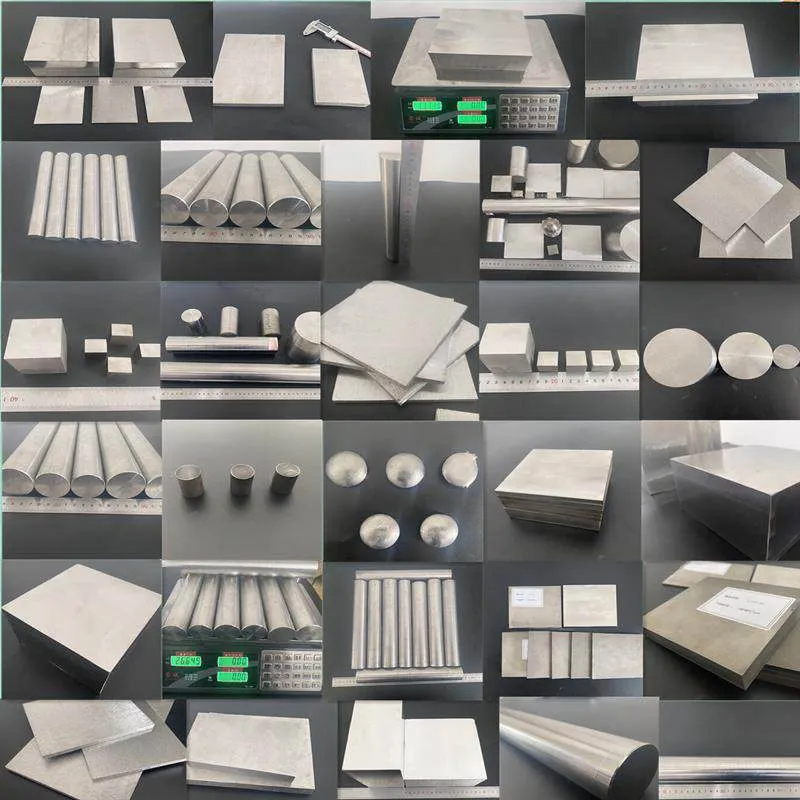
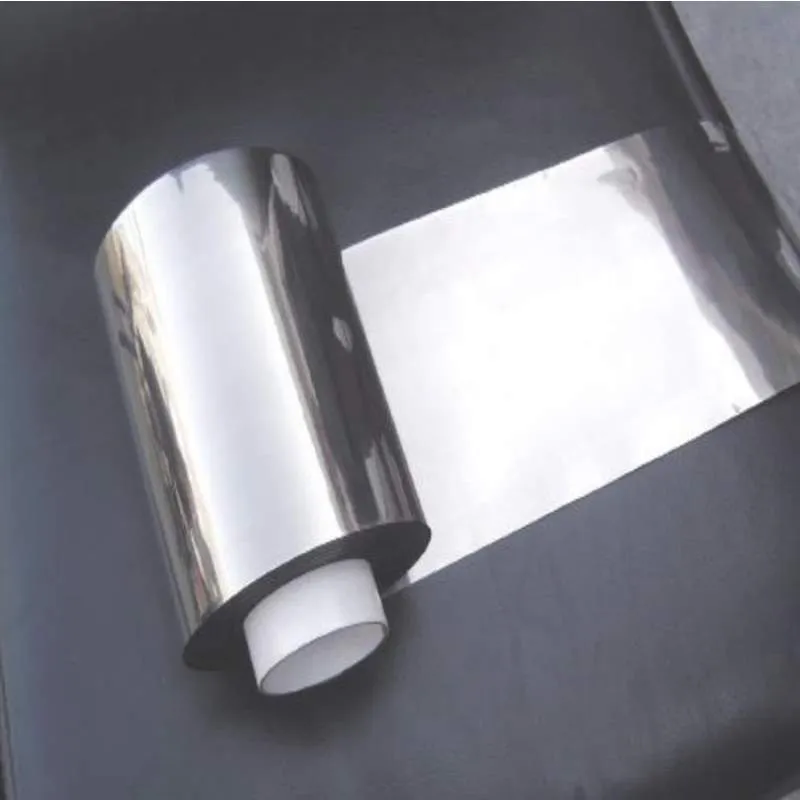
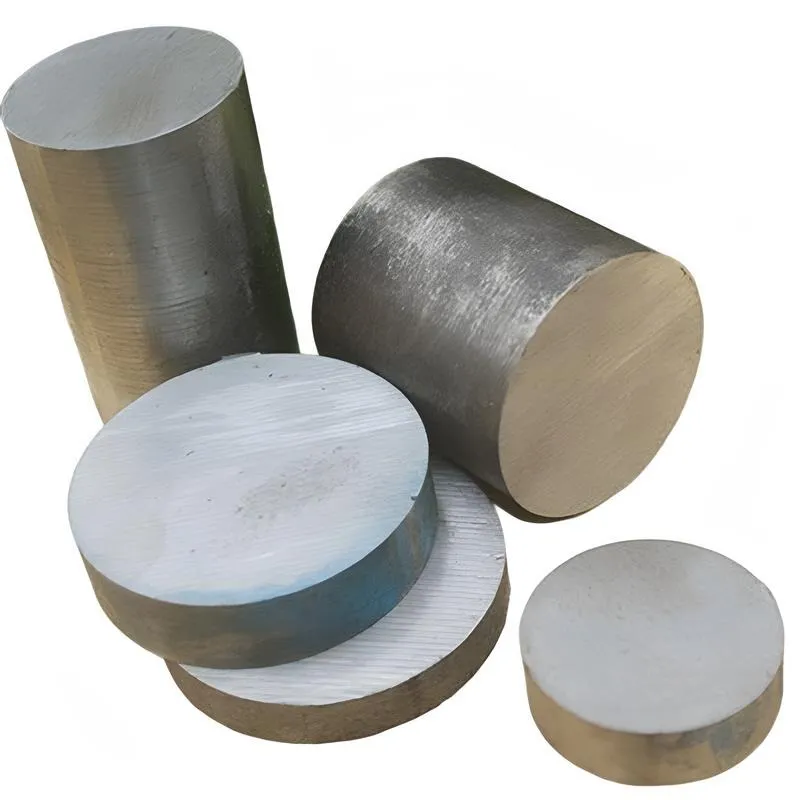
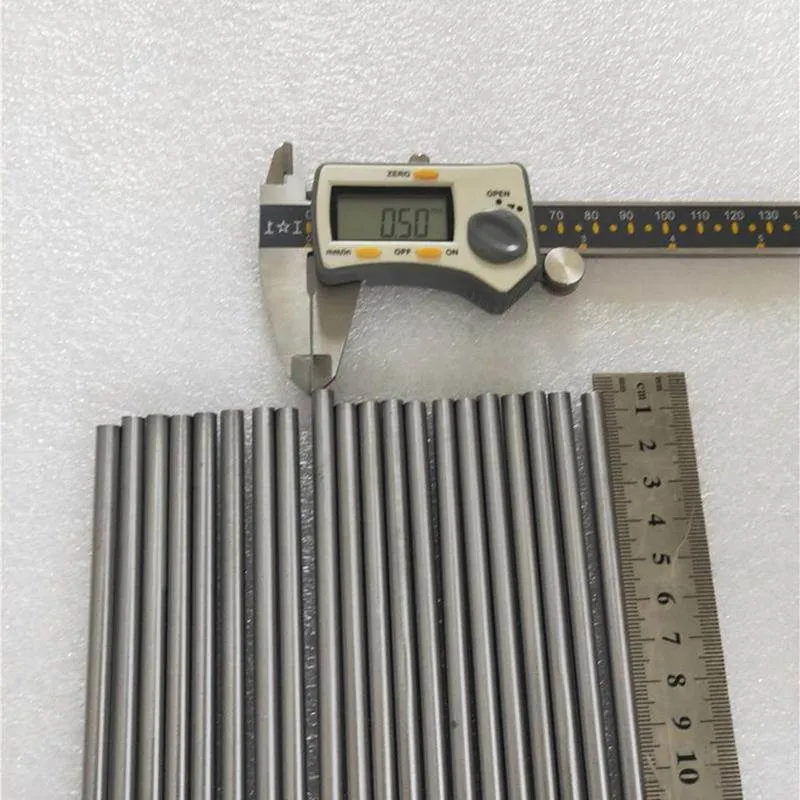
We provide AISI 4140H Steel, normalized at 870°C (1600°F), air cooled is available in Bar (Round bar, Flat bar), Ribbon, Wire, Rods, Tube,Seamless Tube,Pipe, Ingots, Plate, Sheet, Strip and Forging Stock.,Purity, chemical composition, size, etc. can all be customized to meet specific requirements.
Please contact us if you need customized services. We will contact you with the price and availability in 24 hours.
AISI 4140H Steel, normalized at 870°C (1600°F), air cooled Product Information
-:-
For detailed product information, please contact sales.
-:
AISI 4140H Steel, normalized at 870°C (1600°F), air cooled Synonyms
-:-
For detailed product information, please contact sales.
-:
AISI 4140H Steel, normalized at 870°C (1600°F), air cooled Product Information
-:-
For detailed product information, please contact sales.
-:
# **AISI 4140H Steel (Hardenability Grade, Normalized Condition) Product Specification**
## **1. PRODUCT IDENTIFICATION & PROCESS**
**Product:** AISI 4140H Alloy Steel - Hardenability Controlled Grade
**Material State:** Normalized Condition
**Normalizing Process:**
- **Heating:** 870°C (1600°F) - Full austenitization
- **Cooling:** Still air cooling to room temperature
**Metallurgical Significance:** Normalization refines the grain structure, homogenizes the microstructure, and relieves internal stresses from prior manufacturing processes (forging, hot rolling, or casting). For the "H" grade material, this process establishes a **consistent, fine-grained ferrite-pearlite microstructure** that serves as an ideal baseline for either direct application or subsequent machining and final heat treatment. The guaranteed hardenability ensures predictable transformation characteristics in further processing.
## **2. CHEMICAL COMPOSITION (Hardenability Controlled)**
The composition is engineered to meet both the base 4140 chemistry and the mandatory hardenability band requirements of SAE J1268.
| Element | Composition Range (% by weight) | Role in Normalized Condition & Hardenability |
| :--- | :--- | :--- |
| **Carbon (C)** | 0.38 - 0.43 | Forms fine pearlite colonies during air cooling, contributing to strength. Provides the foundation for hardenability potential. |
| **Manganese (Mn)** | 0.75 - 1.00 | **Primary hardenability adjuster.** Widened range allows precise Jominy curve positioning while maintaining normalized properties. Enhances pearlite fineness. |
| **Phosphorus (P)** | ≤ 0.030 | Tighter than standard 4140 for consistent impact properties. |
| **Sulfur (S)** | ≤ 0.030 | Controlled for improved transverse properties and consistency. |
| **Silicon (Si)** | 0.15 - 0.35 | Deoxidizer; provides solid solution strengthening in ferrite. |
| **Chromium (Cr)** | 0.80 - 1.10 | Refines pearlite spacing and promotes fine carbide formation during air cooling. Major hardenability contributor. |
| **Molybdenum (Mo)** | 0.15 - 0.25 | **Critical for hardenability control.** Enhances grain refinement during normalization and ensures consistent hardenability response. |
## **3. HARDENABILITY CERTIFICATION (Inherent Potential)**
The material carries certified hardenability data per SAE J1268, defining its predictable response to quenching even in the normalized state.
**Typical Hardenability Band for 4140H (SAE J1268 Reference):**
| Jominy Distance (1/16 in.) | Hardness Range, HRC (Min - Max) |
| :--- | :--- |
| **J1.5** | 50 - 58 |
| **J5** | 42 - 52 |
| **J10** | 34 - 44 |
| **J15** | 29 - 39 |
| **J20** | 26 - 36 |
*Application Note: This certification allows designers to predict the hardness at the center of a specific diameter after quenching. For a 50mm (2") diameter bar oil quenched from 845°C, the core hardness will be predictable within approximately 5 HRC points.*
## **4. PHYSICAL & MECHANICAL PROPERTIES (Normalized Condition)**
* **Physical Properties:**
* **Density:** 7.85 g/cm³ (0.284 lb/in³)
* **Melting Point:** ~1416°C (2580°F)
* **Modulus of Elasticity:** 190-205 GPa (28,000-29,700 ksi)
* **Thermal Conductivity:** ~42.6 W/m·K at 100°C
* **Coefficient of Thermal Expansion:** 11.2 µm/m·°C (20-100°C)
* **Microstructure:** Fine, uniform mixture of ferrite and pearlite (ASTM grain size 7-9).
* **Mechanical Properties (Typical for Normalized Condition):**
* **Tensile Strength:** 655 - 795 MPa (95,000 - 115,000 psi)
* **Yield Strength (0.2% Offset):** 415 - 655 MPa (60,000 - 95,000 psi)
* **Elongation (in 50mm):** 20% - 25%
* **Reduction of Area:** 45% - 55%
* **Hardness:** **200 - 250 HB** (Approx. 94-100 HRB)
* **Charpy V-Notch Impact (21°C):** 35 - 65 J (26 - 48 ft-lb)
* **Machinability Rating:** **Good (~70% of B1112 standard).** Better than as-forged, slightly harder than annealed.
* **Fatigue Strength:** ~300-350 MPa (for polished specimens)
## **5. PRODUCT APPLICATIONS (Normalized Condition)**
This condition is widely used as an **intermediate processing state** or for **final application** where the balance of strength, toughness, and machinability is optimal.
* **Forging & Casting Conditioning:** Standard post-forging treatment to refine coarse grain structure and homogenize properties before final machining and heat treatment.
* **Machining Pre-Treatment:** Excellent starting condition for parts requiring significant machining prior to final hardening, offering better strength than annealed material while maintaining good machinability.
* **Weldment Preparation & Post-Weld Treatment:** Normalizing complex weldments refines the heat-affected zone (HAZ) grain structure and relieves welding stresses, improving overall toughness.
* **Non-Critical Structural Components:**
- Gears, shafts, and pins where high impact resistance and moderate strength are sufficient
- Agricultural equipment components
- General machinery parts not requiring maximum hardness
* **Precision Component Blanks:** For parts that will be carburized or induction hardened only at specific wear surfaces.
## **6. INTERNATIONAL STANDARDS & EQUIVALENT GRADES**
| Standard / Country | Designation | Note / Status |
| :--- | :--- | :--- |
| **AISI / SAE (USA)** | **4140H** | Primary designation. Governed by SAE J1268. |
| **ASTM (USA)** | **A304 (Grade 4140H)** | Standard for alloy steel bars subject to hardenability requirements. |
| **UNS** | **H41400** | Unified Numbering System. |
| **DIN / EN (Germany/EU)** | **42CrMo4H (1.7225+H)** | The **"+H" suffix is essential** for the hardenability grade. |
| **JIS (Japan)** | **SCM440H** | Japanese hardenability-grade equivalent. |
| **GB (China)** | **42CrMoH** | Chinese hardenability-grade standard. |
| **ISO** | **ISO 683-18: Type 42CrMo4** | Can be supplied to hardenability requirements. |
## **7. PROCESSING & HEAT TREATMENT GUIDELINES**
**Normalization Process Details:**
1. Heat uniformly to **870°C ±10°C (1600°F ±20°F)**
2. Soak time: 30 minutes per inch of thickness (minimum 30 minutes)
3. Remove from furnace and cool in **still air** on racks to ensure uniform cooling
4. Avoid stacking while hot to prevent uneven cooling rates
**Subsequent Manufacturing Operations:**
- **Machining:** Performs well with carbide or HSS tooling. Recommended cutting speed: 60-90 m/min (200-300 SFM) for turning with carbide.
- **Stress Relieving:** After heavy machining, stress relieve at 595-650°C (1100-1200°F) to prevent distortion during final hardening.
- **Welding:** **Good weldability** in normalized condition. Recommended practice:
- Preheat: 150-200°C (300-400°F) for thick sections
- Use low-hydrogen electrodes
- Post-weld normalize or stress relieve for critical applications
- **Final Hardening:** Provides ideal, uniform microstructure for subsequent quenching. Responds more consistently than as-forged material.
## **8. QUALITY ASSURANCE & CERTIFICATION**
**Mandatory Documentation (Per Lot):**
1. **Hardenability Test Report** (Jominy curve per SAE J1268)
2. **Chemical Analysis Certificate** (ladle and check analysis)
3. **Mechanical Test Report** for normalized condition
4. **Grain Size Report** (ASTM E112, typically 7-9)
**Standard Testing:**
- Tensile testing per ASTM A370
- Hardness testing (Brinell preferred)
- Impact testing if specified
- Macro-etch examination for soundness
**Traceability:** Full traceability to melt with heat number identification maintained throughout processing.
## **9. COMPARATIVE ADVANTAGES**
**vs. Annealed Condition:**
- +20-30% higher yield strength
- Better fatigue resistance
- More consistent response to final heat treatment
- Slightly reduced machinability (but still very good)
**vs. As-Forged/Hot-Rolled Condition:**
- More uniform microstructure
- Consistent mechanical properties throughout cross-section
- Better machinability
- Reduced residual stresses
**Value of "H" Designation in Normalized State:**
- Predictable hardenability for future heat treatment
- Consistent properties across multiple production lots
- Reduced risk of soft spots or inadequate hardening in final parts
- Certified material traceability
## **10. DESIGN & SELECTION CONSIDERATIONS**
**Optimal Applications for Normalized 4140H:**
- Components requiring good balance of strength and toughness
- Parts that will undergo significant machining before final heat treatment
- Welded fabrications where post-weld normalization is required
- Applications where material consistency is critical across multiple production runs
**Limitations:**
- Not suitable for high-wear applications without surface hardening
- Lower hardness than quenched and tempered conditions
- Requires corrosion protection for outdoor/exposed service
**Cost-Benefit Analysis:**
- Higher initial cost than standard 4140 (due to hardenability testing and controls)
- Reduced risk of heat treatment failures in final components
- Lower overall manufacturing risk for critical applications
- Justified for safety-critical components or high-volume production
---
**CONCLUSION:** **AISI 4140H steel normalized at 870°C (1600°F) and air cooled** represents a **versatile, high-quality engineering material** that combines the benefits of a refined, homogeneous microstructure with the guaranteed hardenability performance of the "H" grade. This condition provides manufacturers with an optimal balance of machinability, strength, and toughness for intermediate processing, while ensuring predictable and consistent results in final heat treatment. The material is particularly valuable for applications where component reliability, lot-to-lot consistency, and predictable performance are essential. Whether used as a final condition for moderately stressed components or as a preparatory stage for high-strength parts, normalized 4140H offers engineers a reliable, certified material solution with reduced processing risk and enhanced performance predictability.
-:-
For detailed product information, please contact sales.
-:
AISI 4140H Steel, normalized at 870°C (1600°F), air cooled Specification
Dimensions
Size:
Diameter 20-1000 mm Length <6222 mm
Size:We can customized as required
Standard:
Per your request or drawing
We can customized as required
Properties(Theoretical)
Chemical Composition
-:-
For detailed product information, please contact sales.
-:
AISI 4140H Steel, normalized at 870°C (1600°F), air cooled Properties
-:-
For detailed product information, please contact sales.
-:
Applications of AISI 4140H Steel, normalized at 870°C (1600°F), air cooled
-:-
For detailed product information, please contact sales.
-:
Chemical Identifiers AISI 4140H Steel, normalized at 870°C (1600°F), air cooled
-:-
For detailed product information, please contact sales.
-:
Packing of AISI 4140H Steel, normalized at 870°C (1600°F), air cooled
-:-
For detailed product information, please contact sales.
-:
Standard Packing:
-:-
For detailed product information, please contact sales.
-:
Typical bulk packaging includes palletized plastic 5 gallon/25 kg. pails, fiber and steel drums to 1 ton super sacks in full container (FCL) or truck load (T/L) quantities. Research and sample quantities and hygroscopic, oxidizing or other air sensitive materials may be packaged under argon or vacuum. Solutions are packaged in polypropylene, plastic or glass jars up to palletized 2693 gallon liquid totes Special package is available on request. E FORUs’ is carefully handled to minimize damage during storage and transportation and to preserve the quality of our products in their original condition