AISI 4150H Steel, oil quenched
Product Code : STI-CSTI-1500-CU
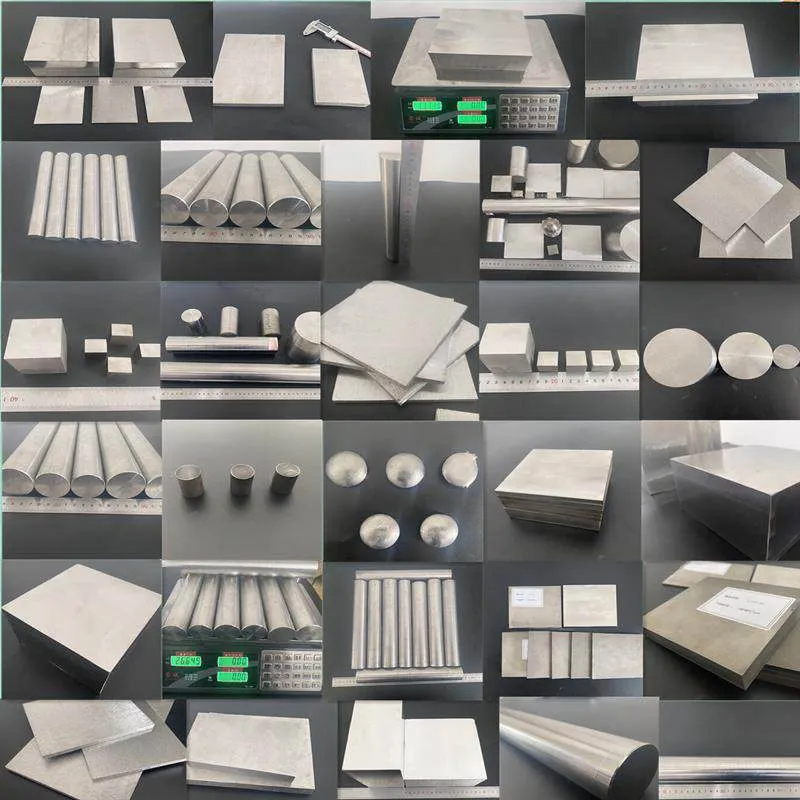
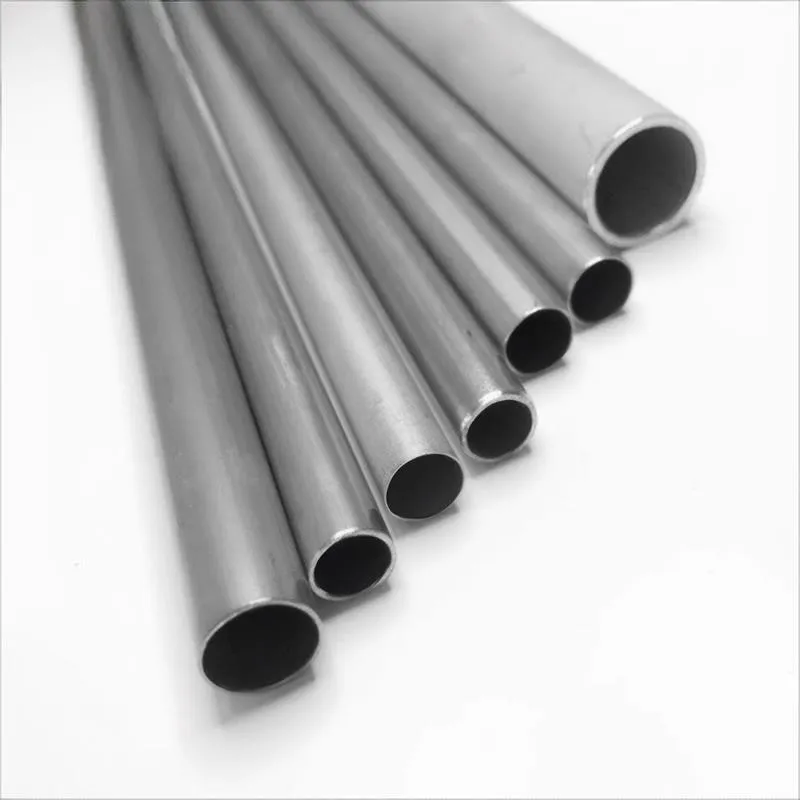
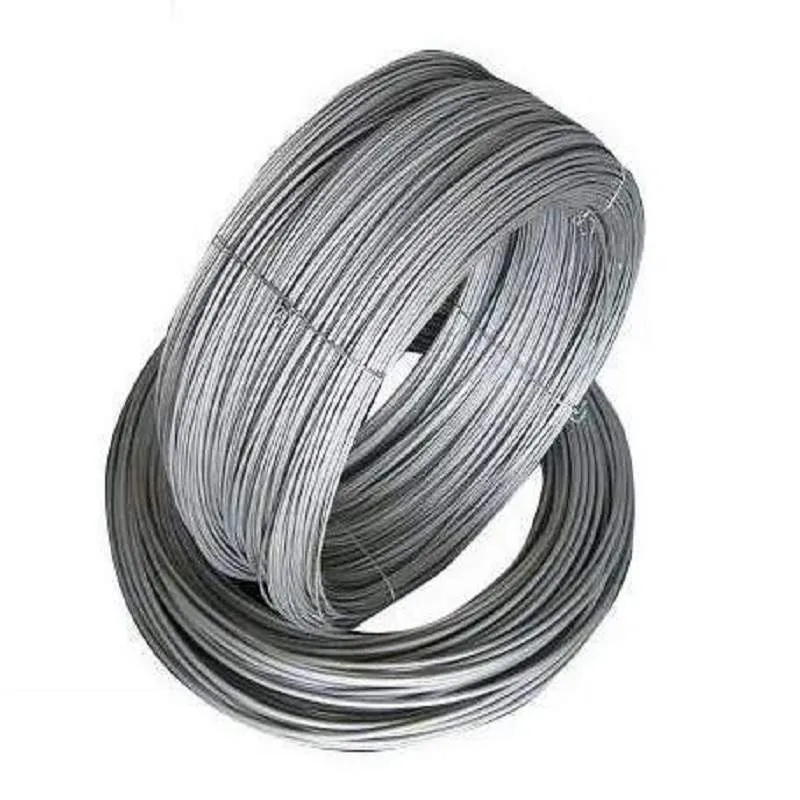
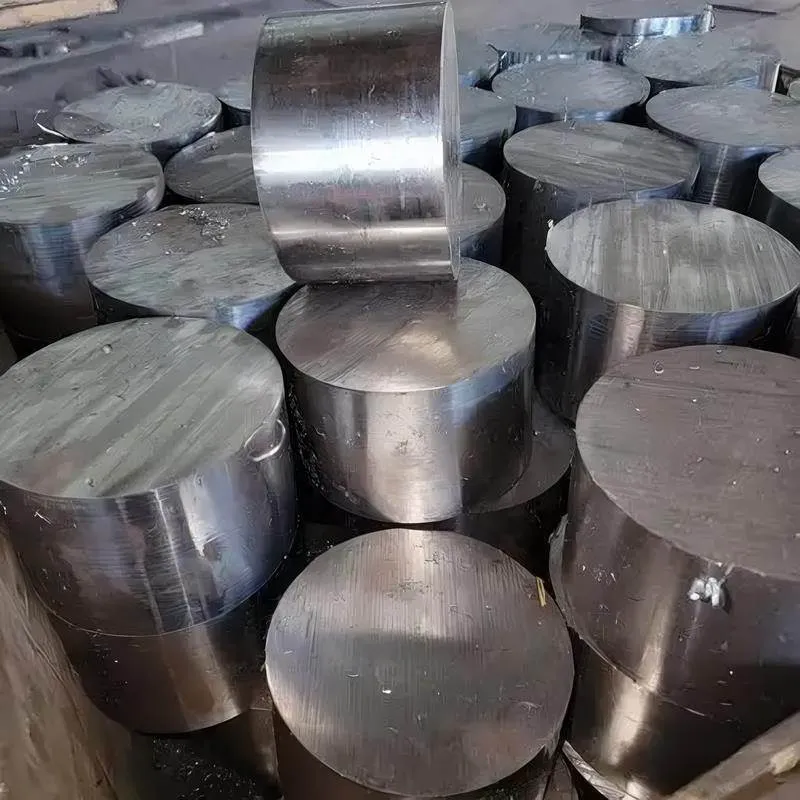
We provide AISI 4150H Steel, oil quenched 830°C (1525°F), 650°C (1200°F) temper is available in Bar (Round bar, Flat bar), Ribbon, Wire, Rods, Tube,Seamless Tube,Pipe, Ingots, Plate, Sheet, Strip and Forging Stock.,Purity, chemical composition, size, etc. can all be customized to meet specific requirements.
Please contact us if you need customized services. We will contact you with the price and availability in 24 hours.
AISI 4150H Steel, oil quenched 830°C (1525°F), 650°C (1200°F) temper Product Information
-:-
For detailed product information, please contact sales.
-:
AISI 4150H Steel, oil quenched 830°C (1525°F), 650°C (1200°F) temper Synonyms
-:-
For detailed product information, please contact sales.
-:
AISI 4150H Steel, oil quenched 830°C (1525°F), 650°C (1200°F) temper Product Information
-:-
For detailed product information, please contact sales.
-:
# **AISI 4150H Steel (High-Temperature Tempered High-Toughness Condition) Product Specification**
## **1. PRODUCT IDENTIFICATION & THERMAL PROCESS**
**Product:** AISI 4150H High-Carbon Chromium-Molybdenum Alloy Steel
**Material State:** Oil Quenched and High-Temperature Tempered - Hardenability Controlled Grade
**Specified Heat Treatment:**
- **Austenitizing:** 830°C (1525°F)
- **Quenching:** Oil quench (vigorous agitation)
- **Tempering:** 650°C (1200°F) → Air Cool
**Metallurgical Significance:** This specific heat treatment produces the **ultimate toughness condition** for AISI 4150H steel while retaining substantial strength. The combination of relatively low austenitizing temperature (830°C) and very high tempering temperature (650°C) yields an exceptional microstructure characterized by complete spheroidization of carbides within a ferritic matrix. The "H" designation guarantees consistent through-hardening prior to tempering, ensuring uniform transformation and properties throughout the cross-section. This condition represents the optimal trade-off between strength and toughness for applications requiring maximum resistance to impact and crack propagation.
## **2. CHEMICAL COMPOSITION (Hardenability Controlled)**
| Element | Composition Range (% by weight) | Metallurgical Role in This Condition |
| :--- | :--- | :--- |
| **Carbon (C)** | **0.48 - 0.53** | **Key element.** At 650°C tempering, forms completely spheroidized carbides (Fe₃C) that provide precipitation strengthening while maintaining excellent matrix ductility. Carbon content ensures sufficient initial hardness for effective tempering response. |
| **Manganese (Mn)** | 0.75 - 1.10 | Ensures complete martensitic transformation during quenching. Provides solid solution strengthening that persists even at 650°C tempering. |
| **Phosphorus (P)** | ≤ 0.030 | Extremely low to maximize toughness at this high tempering temperature. |
| **Sulfur (S)** | ≤ 0.030 | Tightly controlled to optimize transverse properties and fracture toughness. |
| **Silicon (Si)** | 0.15 - 0.35 | Provides solid solution strengthening; retards carbide coarsening at 650°C. |
| **Chromium (Cr)** | 0.80 - 1.10 | Forms stable alloy carbides (Cr₂₃C₆, Cr₇C₃) that resist coarsening at 650°C, providing secondary hardening and excellent tempering resistance. |
| **Molybdenum (Mo)** | **0.15 - 0.25** | **Critical for this application.** Forms fine Mo₂C carbides that provide exceptional precipitation strengthening at 650°C. Completely eliminates temper embrittlement risk in this temperature range. |
## **3. CERTIFIED HARDENABILITY (SAE J1268)**
The "H" grade provides guaranteed hardenability bands, ensuring consistent as-quenched microstructure prior to high-temperature tempering.
**Standard Hardenability Band for 4150H:**
| Jominy Distance (1/16 in.) | As-Quenched Hardness Range, HRC (Min - Max) |
| :--- | :--- |
| **J1.5** | 58 - 64 |
| **J10** | 42 - 52 |
| **J20** | 32 - 42 |
**Transformation Significance:** The guaranteed hardenability ensures that prior to 650°C tempering, the material achieves 100% martensitic transformation in the specified section size, providing a uniform starting structure for the spheroidization process. This consistency is crucial for achieving predictable final properties.
## **4. MICROSTRUCTURE & METALLURGY**
**Microstructural Features:**
- **Matrix:** Ferritic with fine spheroidized carbides (tempered at 650°C)
- **Carbide Morphology:** Fully spheroidized Fe₃C and alloy carbides (Mo₂C, Cr₂₃C₆)
- **Carbide Size:** 0.2-0.5 μm diameter, uniformly dispersed
- **Grain Size:** ASTM 8-10 (very fine, preserved by 830°C austenitizing)
- **Prior Austenite Grain:** Completely eliminated by high-temperature tempering
- **Tempering Stage:** Stage 4 (complete spheroidization and recovery)
**Transformation Sequence:**
1. **Austenitizing (830°C):** Complete dissolution of carbides, fine austenite grain
2. **Quenching:** 100% martensite formation (guaranteed by "H" grade)
3. **Tempering (650°C):** Complete martensite decomposition → ferrite + spheroidized carbides
## **5. MECHANICAL PROPERTIES (After Q&T at 650°C)**
*Properties are for sections up to 100mm (4") diameter*
| Property | Typical Range | Test Standard / Notes |
| :--- | :--- | :--- |
| **Ultimate Tensile Strength** | 850 - 1000 MPa (123,000 - 145,000 psi) | High for this tempering temperature |
| **Yield Strength (0.2% Offset)** | 700 - 850 MPa (102,000 - 123,000 psi) | Excellent yield ratio (~0.83) |
| **Elongation (in 50mm)** | **20% - 25%** | **Exceptional ductility** |
| **Reduction of Area** | **55% - 65%** | **Outstanding toughness indicator** |
| **Hardness** | **22 - 28 HRC** (235 - 285 HB) | Optimized for toughness applications |
| **Charpy V-Notch Impact (21°C)** | **80 - 120 J** (59 - 88 ft-lb) | **Exceptional impact resistance** |
| **Fracture Toughness (K₁C)** | **100 - 140 MPa√m** | Excellent crack resistance |
| **Fatigue Endurance Limit** | ~400 - 450 MPa | For polished specimens, R=-1 |
| **Shear Strength** | ~510 - 600 MPa | ~60% of UTS |
| **Modulus of Elasticity** | 205 GPa (29,700 ksi) | |
## **6. PHYSICAL PROPERTIES**
| Property | Value / Condition |
| :--- | :--- |
| **Density** | 7.85 g/cm³ |
| **Thermal Conductivity** | 42.0 W/m·K @ 100°C |
| **Coefficient of Thermal Expansion** | 11.2 µm/m·°C (20-100°C) |
| **Specific Heat Capacity** | 460 J/kg·K |
| **Electrical Resistivity** | 0.23 µΩ·m @ 20°C |
| **Magnetic Properties** | Fully ferromagnetic |
## **7. TARGET APPLICATIONS**
This condition is engineered for **critical components** requiring maximum toughness, impact resistance, and fracture toughness under demanding service conditions.
* **Oil & Gas Drilling & Completion:**
- **Drill collars** and **heavy-weight drill pipe** for severe service
- **Tool joints** and **kelly bars** subject to impact loading
- **Blow-out preventer components** requiring high fracture toughness
- **Wellhead equipment** for high-pressure, high-shock environments
* **Heavy Machinery & Mining:**
- **Crusher shafts** and **hammer mill components**
- **Excavator boom arms** and **bucket linkages**
- **Mining shovel dipper handles** and **rack bars**
- **Large gear blanks** for shock-loaded applications
* **Power Generation & Transmission:**
- **Turbine shafts** subject to sudden load changes
- **Generator rotors** for peaking power plants
- **Large connecting rods** for reciprocating engines
- **Couplings** and **universal joints** for heavy power transmission
* **Aerospace & Defense:**
- **Landing gear components** (after appropriate certification)
- **Helicopter rotor hubs** and **drive shafts**
- **Armored vehicle suspension components**
- **Weapon system mounts** and **recoil mechanisms**
* **Marine & Offshore:**
- **Propulsion shafting** for ice-class vessels
- **Offshore crane components** and **mooring systems**
- **Shipboard equipment** subject to shock loading
## **8. INTERNATIONAL STANDARDS & EQUIVALENT GRADES**
| Standard / Country | Designation | Equivalent Status | Notes for This Condition |
| :--- | :--- | :--- | :--- |
| **AISI/SAE** | **4150H** | Primary Standard | SAE J1268 governs hardenability |
| **ASTM** | **A304 Grade 4150H** | US Standard | For bars with hardenability requirements |
| **AMS** | May require special approval | Aerospace | For specific high-toughness applications |
| **DIN/EN** | **50CrMo4H (1.7228+H)** | **True equivalent** | 50CrMo4 (0.47-0.55%C) matches carbon range |
| **JIS** | **SCM445H** | Japanese H-grade | Specify high carbon range |
| **GB** | **50CrMoH / 55CrMoH** | Chinese H-grades | 50CrMoH preferred |
| **ISO** | **ISO 683-18 Type 50CrMo4** | International | Can specify hardenability |
## **9. FABRICATION & PROCESSING**
**Machinability (in Heat-Treated State):**
- **Condition:** Good (for this strength level)
- **Tooling:** Carbide or HSS with appropriate geometry
- **Cutting Speed:** 90-120 m/min (300-400 SFM) for turning with carbide
- **Feed Rate:** 0.25-0.40 mm/rev (0.010-0.016 in/rev)
- **Coolant:** Recommended for improved surface finish
**Welding Characteristics:**
- **Poor weldability** in heat-treated condition
- **If unavoidable:** Preheat to 300-350°C (575-660°F)
- **Electrodes:** Low-hydrogen only
- **Post-Weld:** Full re-heat treatment required (re-austenitize, quench, temper at 650°C)
- **Recommended:** Complete all welding before final heat treatment
**Grinding:**
- Excellent grindability
- Use conventional aluminum oxide wheels
- Standard grinding practices apply
**Forming & Straightening:**
- Good cold formability for moderate bends
- Hot working at 300-400°C for complex shapes
- Maximum cold strain: 2-3%
## **10. HEAT TREATMENT PROCESS DETAILS**
**Critical Parameters:**
- **Austenitizing:** 830°C ±10°C (1525°F ±20°F), soak 30-45 min/inch
- **Quenching:** Agitated oil at 50-70°C (120-160°F), quench delay <20 seconds
- **Tempering:** 650°C ±5°C (1200°F ±10°F), 2-3 hours/inch minimum
- **Cooling:** Air cool after tempering (no water quenching)
**Special Considerations for 650°C Tempering:**
1. **Double Tempering Recommended:** Temper at 650°C, cool to RT, re-temper at 625°C
2. **Cooling Rate Control:** Air cool only; avoid water quenching to prevent thermal stress
3. **Transformation Completion:** Ensure full 2+ hours/inch for complete spheroidization
4. **Temperature Uniformity:** ±5°C throughout load essential for consistency
**Optional Process Enhancement:**
- **Isothermal Transformation:** Hold at 650°C for extended time (4-6 hours/inch) for maximum toughness
- **Controlled Cooling:** Slow furnace cool from 650°C to 400°C (50°C/hour) for stress minimization
## **11. QUALITY ASSURANCE**
**Mandatory Testing:**
- Tensile testing per ASTM A370
- Hardness testing (Brinell scale preferred)
- Impact testing (Charpy V-notch at multiple temperatures)
- Microstructure examination (spheroidization verification)
**Non-Destructive Testing (Recommended):**
- Ultrasonic testing for internal defects
- Magnetic particle inspection for surface defects
- Fracture toughness testing for critical applications
**Certification Requirements:**
- Full traceability to melt
- Hardenability test report (Jominy curve)
- Heat treatment charts with complete temperature records
- Mechanical test reports from prolongations
- Microstructure report with spheroidization percentage
## **12. PERFORMANCE CHARACTERISTICS**
**Key Advantages:**
1. **Exceptional Toughness:** Outstanding Charpy impact values (80-120 J)
2. **Excellent Fracture Toughness:** High resistance to crack initiation and propagation
3. **Good Fatigue Resistance:** Suitable for highly cyclic loading
4. **Wear Resistance:** Adequate for many industrial applications
5. **Dimensional Stability:** Excellent after high-temperature tempering
**Design Considerations:**
- **Notch Sensitivity:** Low; can tolerate sharper transitions than harder conditions
- **Corrosion Resistance:** Poor; requires protective coatings
- **Maximum Service Temperature:** ~450°C continuous (excellent for a quenched and tempered steel)
- **Weldability:** Poor in heat-treated state
**Section Size Limitations:**
- **Full hardening in oil:** Up to 125mm (5") diameter
- **Recommended maximum:** 100mm (4") for optimal toughness
- **Minimum:** 20mm (0.8") to avoid excessive cooling rate variations
## **13. COMPARATIVE ANALYSIS**
**vs. 4150H Tempered at 540°C:**
- -10-12 HRC lower hardness
- +50-100% higher impact toughness
- Better ductility and fracture toughness
- Lower residual stresses
- Better dimensional stability
- Superior performance under impact/shock loading
**vs. 4140H at Same Tempering Temperature (650°C):**
- +10-15% higher tensile and yield strength
- Similar impact toughness values
- Better wear resistance
- Deeper hardenability
- Higher cost but better value for toughness-critical applications
**Optimal Application Range:**
- Components subject to severe impact or shock loading
- Parts requiring maximum fracture toughness
- Applications with stress concentrations or notch-like features
- Environments with potential for overload or accidental impact
- Safety-critical components where brittle fracture must be avoided
## **14. DESIGN & APPLICATION GUIDELINES**
**Optimal Design Practices:**
- Can accommodate moderate stress concentrations
- Suitable for complex geometries with varying sections
- Excellent for welded assemblies (when welded before heat treatment)
- Ideal for components requiring both strength and machinability in final state
**Service Conditions:**
- **Maximum continuous temperature:** 400°C (750°F)
- **Minimum service temperature:** -40°C (-40°F) without embrittlement concerns
- **Environment:** Must be corrosion protected for outdoor/exposed service
- **Loading:** Excellent for impact, shock, and fatigue loading
**Safety Factors:**
- **Static loading:** 2.5-3.0 minimum
- **Dynamic loading:** 3.5-4.0 minimum
- **Fatigue loading:** Based on actual S-N data; conservative approach recommended
**Maintenance & Repair:**
- Can be repaired by welding with proper pre/post heat treatment
- Machinable in final condition for modification or repair
- Good resistance to damage propagation from nicks or scratches
---
**TECHNICAL SUMMARY:** **AISI 4150H steel, oil quenched from 830°C and tempered at 650°C (1200°F),** represents a **premium high-toughness engineering material** that achieves an exceptional balance between substantial strength and outstanding fracture resistance. This condition leverages the high carbon content of 4150H (0.48-0.53% C) not for maximum hardness, but for creating a fine dispersion of spheroidized carbides that provide precipitation strengthening while maintaining exceptional matrix ductility. The "H" grade certification ensures consistent through-hardening prior to tempering, guaranteeing uniform properties in large cross-sections. This specific heat treatment is ideal for components that must withstand severe impact, shock loading, or operate in environments where crack propagation resistance is critical. With tensile strength approaching 1000 MPa combined with Charpy impact values of 80-120 J, this condition offers a property combination rarely found in through-hardening alloy steels. For applications where component reliability under extreme conditions is paramount—such as in energy exploration, heavy mining, defense, and critical power transmission—this 4150H treatment provides an engineered solution that maximizes toughness without sacrificing necessary strength.
-:-
For detailed product information, please contact sales.
-:
AISI 4150H Steel, oil quenched 830°C (1525°F), 650°C (1200°F) temper Specification
Dimensions
Size:
Diameter 20-1000 mm Length <6232 mm
Size:We can customized as required
Standard:
Per your request or drawing
We can customized as required
Properties(Theoretical)
Chemical Composition
-:-
For detailed product information, please contact sales.
-:
AISI 4150H Steel, oil quenched 830°C (1525°F), 650°C (1200°F) temper Properties
-:-
For detailed product information, please contact sales.
-:
Applications of AISI 4150H Steel, oil quenched 830°C (1525°F), 650°C (1200°F) temper
-:-
For detailed product information, please contact sales.
-:
Chemical Identifiers AISI 4150H Steel, oil quenched 830°C (1525°F), 650°C (1200°F) temper
-:-
For detailed product information, please contact sales.
-:
Packing of AISI 4150H Steel, oil quenched 830°C (1525°F), 650°C (1200°F) temper
-:-
For detailed product information, please contact sales.
-:
Standard Packing:
-:-
For detailed product information, please contact sales.
-:
Typical bulk packaging includes palletized plastic 5 gallon/25 kg. pails, fiber and steel drums to 1 ton super sacks in full container (FCL) or truck load (T/L) quantities. Research and sample quantities and hygroscopic, oxidizing or other air sensitive materials may be packaged under argon or vacuum. Solutions are packaged in polypropylene, plastic or glass jars up to palletized 2703 gallon liquid totes Special package is available on request. E FORUs’ is carefully handled to minimize damage during storage and transportation and to preserve the quality of our products in their original condition