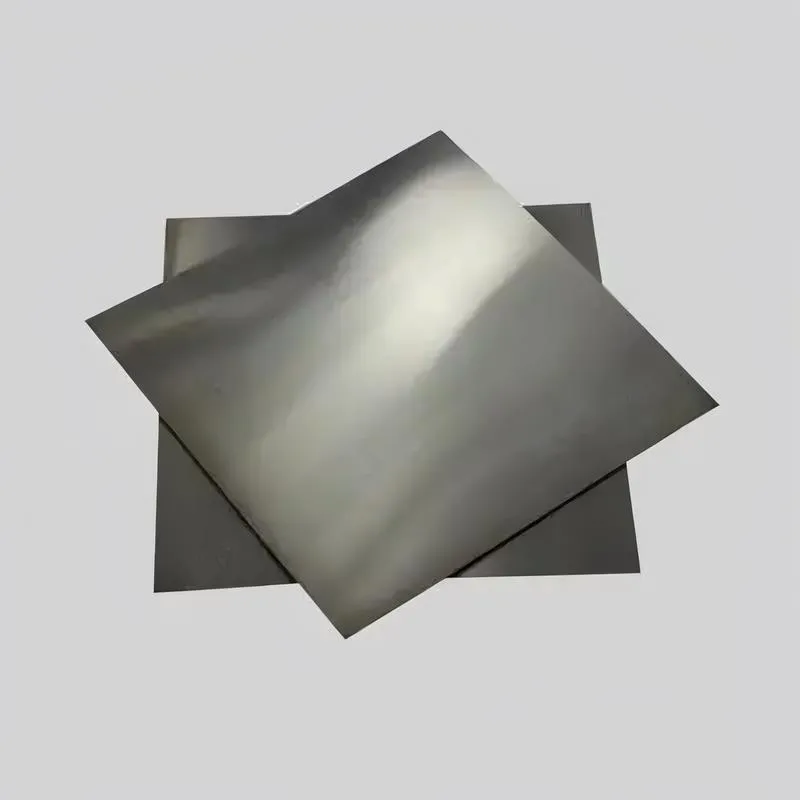
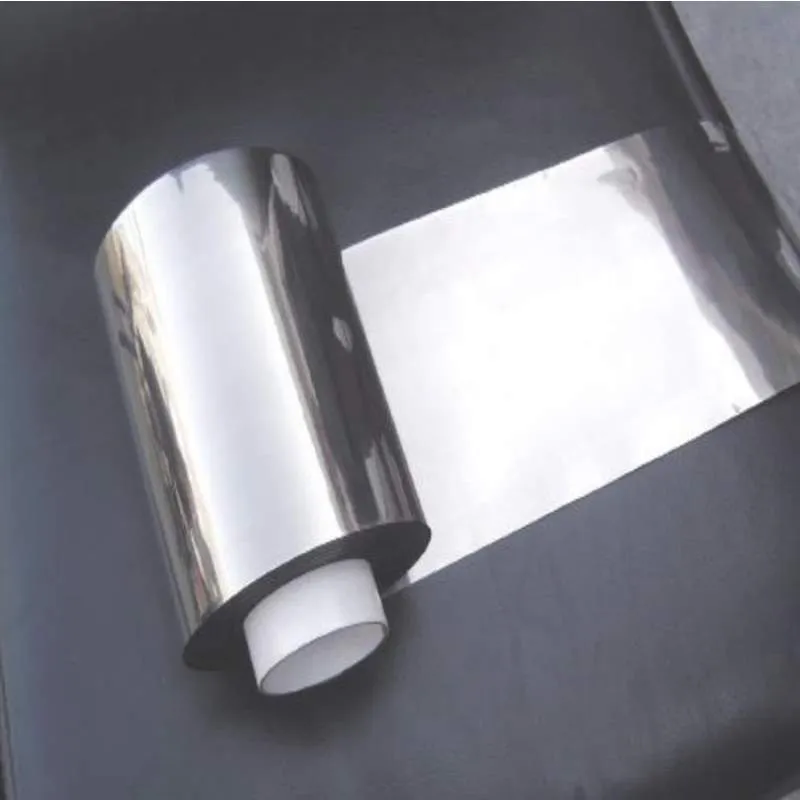
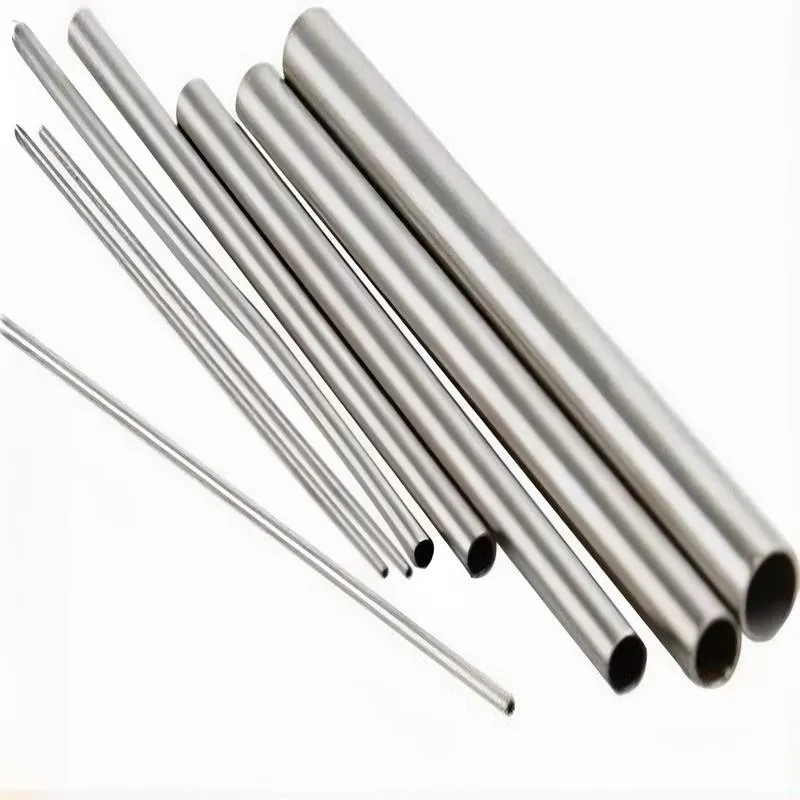
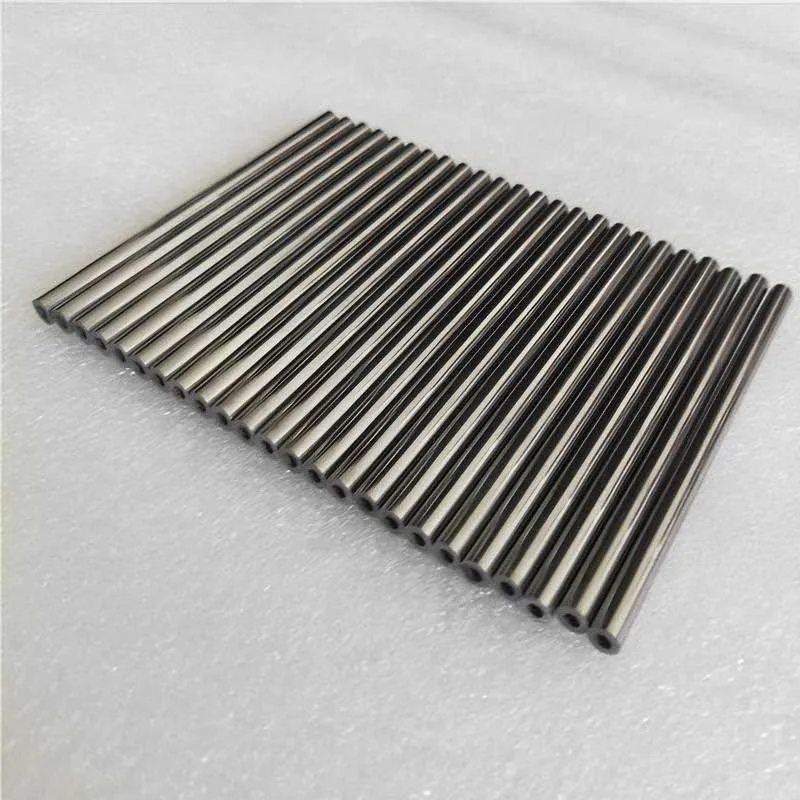
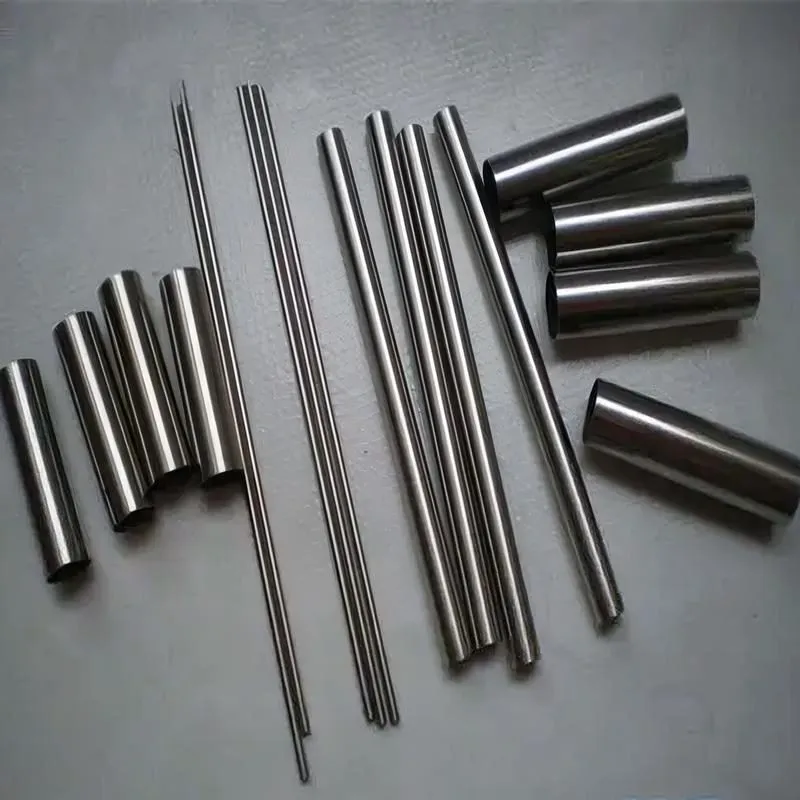
AISI 4161 Steel Foil/Strip
Product Code : STI-CSTI-414-CU
We provide AISI 4161 Steel Foil/Strip is available in Bar (Round bar, Flat bar), Ribbon, Wire, Rods, Tube,Seamless Tube,Pipe, Ingots, Plate, Sheet, Strip and Forging Stock.,Purity, chemical composition, size, etc. can all be customized to meet specific requirements.
Please contact us if you need customized services. We will contact you with the price and availability in 24 hours.
AISI 4161 Steel Foil Product Information
-:-
For detailed product information, please contact sales.
-:
AISI 4161 Steel Foil Synonyms
-:-
For detailed product information, please contact sales.
-:
AISI 4161 Steel Product Information
-:-
For detailed product information, please contact sales.
-:
### **Product Datasheet: AISI 4161 Alloy Steel**
**1. Material Overview**
AISI 4161 is a **chromium-molybdenum-nickel (Cr-Mo-Ni) alloy steel** belonging to the **"41xx" series with a higher carbon content**. The "41" indicates a chromium-molybdenum base, while the "61" suffix specifies a nominal carbon content of approximately **0.61%**. This composition places it in the category of **very high-strength, deep-hardening alloy steels**, designed primarily for heavy-duty applications requiring exceptional strength, toughness, and fatigue resistance in large cross-sections after quenching and tempering heat treatment. It is less common than standard grades like 4140 or 4340 but serves a specific role where higher carbon content is needed for maximum hardness and strength.
**2. Key Material Concept**
AISI 4161 leverages a synergistic alloying system:
* **Carbon (C ~0.61%):** Provides the fundamental capacity for high hardness and strength.
* **Chromium (Cr ~0.70%):** Increases hardenability, improves wear and corrosion resistance slightly, and contributes to high-temperature strength.
* **Molybdenum (Mo ~0.25%):** A potent hardenability enhancer, it also promotes grain refinement, increases tensile strength at elevated temperatures, and helps resist temper embrittlement.
* **Nickel (Ni ~1.80%):** Primarily added to dramatically improve **toughness and impact resistance**, especially at low temperatures. It allows the steel to achieve very high strength without becoming brittle.
This combination makes AISI 4161 capable of being heat-treated to extremely high strength levels (ultimate tensile strengths often exceeding 200 ksi / 1380 MPa) while maintaining a usable degree of ductility and fracture toughness, particularly in large, heavy sections.
**3. International Standard & Cross-References**
This steel grade is recognized under several international and industry specifications:
* **Primary Standard:** **SAE J404** (Chemical Compositions of SAE Alloy Steels) / **AISI 4161**
* **UNS Designation:** **G41610**
* **ASTM Standards:** Typically covered under general alloy steel bar specifications such as **ASTM A322** (Standard Specification for Steel Bars, Alloy, Standard Grades) and **ASTM A29/A29M**.
* **AMS (Aerospace Material Specification):** Not a common aerospace grade; more typical for heavy industrial use.
* **European Approximate Equivalent:** There is no direct equivalent. The closest European grades in terms of performance (high-strength Cr-Mo-Ni steel) might be **1.6563 (34CrNiMo6)** or **1.6523 (30NiCrMo2)**, but their carbon content is lower.
* **Japanese Approximate Equivalent:** **SNC815** or **SNCM622** (JIS G4105) are similar Cr-Ni-Mo steels, but with differing composition ranges.
**4. Chemical Composition (% by Weight, per SAE J404)**
The following composition defines the AISI 4161 / UNS G41610 grade:
| Element | Content Range (%) | Key Role |
| :--- | :--- | :--- |
| **Carbon (C)** | **0.56 – 0.64** | Primary hardening element for maximum strength and hardness. |
| **Manganese (Mn)** | **0.75 – 1.00** | Enhances hardenability and strength. |
| **Phosphorus (P)** | **≤ 0.035** | Impurity; kept low. |
| **Sulfur (S)** | **≤ 0.040** | Impurity; kept low. |
| **Silicon (Si)** | **0.15 – 0.30** | Deoxidizer, strengthens ferrite. |
| **Chromium (Cr)** | **0.60 – 0.80** | Increases hardenability, wear/oxidation resistance. |
| **Nickel (Ni)** | **1.65 – 2.00** | Crucial for enhancing toughness and impact strength. |
| **Molybdenum (Mo)** | **0.20 – 0.30** | Powerful hardenability agent, refines grain, resists tempering effects. |
| **Iron (Fe)** | **Balance** | Base metal. |
**5. Typical Physical & Mechanical Properties**
*Properties are highly dependent on section size and the specific quench & temper heat treatment. Values below are for a medium-sized section (e.g., 25-50mm round) properly heat-treated.*
**A. Physical Properties:**
* **Density:** 7.85 g/cm³ (0.284 lb/in³)
* **Melting Point:** ~ 1420 – 1460°C (2590 – 2660°F)
* **Modulus of Elasticity:** 190 – 210 GPa (28 – 30 x 10⁶ psi)
* **Poisson’s Ratio:** 0.27 – 0.30
* **Thermal Conductivity:** ~ 42 W/m·K (at 20°C)
**B. Mechanical Properties (Heat-Treated - Example Condition):**
* **Heat Treatment:** Austenitize at 830-850°C (1525-1560°F), oil quench, and temper at a medium temperature (e.g., 425-540°C / 800-1000°F).
* **Tensile Strength:** 1380 – 1650 MPa (200 – 240 ksi)
* **Yield Strength (0.2% Offset):** 1240 – 1520 MPa (180 – 220 ksi)
* **Elongation:** 10% – 14%
* **Reduction in Area:** 40% – 50%
* **Hardness:** 40 – 48 HRC (Varies greatly with tempering temperature)
* **Impact Energy (Charpy V-notch):** 20 – 40 J (15 – 30 ft·lb) at room temperature.
**6. Processing & Fabrication Characteristics**
* **Hardenability:** **Excellent (High H-Band).** The combination of Cr, Mo, Ni, and high C allows for through-hardening of very large sections (several inches thick) with oil quenching.
* **Machinability (Annealed State):** **Fair to Poor.** The high alloy content and potential hardness in the annealed state make it more difficult to machine than low-alloy steels. Requires robust tools and proper speeds/feeds. Pre-hardened condition is very difficult to machine.
* **Weldability:** **Poor.** The high carbon equivalent makes it highly prone to cracking. Welding is **not recommended** for critical applications. If absolutely necessary, it requires stringent procedures: high preheat (300-400°C / 575-750°F), low-hydrogen electrodes, controlled interpass temperature, and mandatory post-weld heat treatment (PWHT).
* **Forging Temperature:** 1100 – 900°C (2010 – 1650°F). Forge with care, do not forge below 900°C.
* **Heat Treatment:** Requires careful control to avoid distortion and cracking due to high hardenability. Stress relieving after rough machining is common.
**7. Primary Applications**
AISI 4161 is used for the most demanding, high-stress structural components, often in large sizes:
* **Extremely High-Strength Axles & Shafts:** Heavy-duty truck axles, high-performance drive shafts, torsion bars, and marine propeller shafts.
* **Large Gears & Pinions:** Critical gears in heavy mining equipment, locomotives, and steel mill drives where high tooth strength and resistance to pitting are required.
* **Oil & Gas Industry Components:** Large drill collar subs, heavy-duty tool joints, and other high-strength downhole and surface equipment.
* **Forged Press & Machinery Parts:** Backing rolls, connecting rods, crankshafts, and other large forgings for heavy presses and industrial machinery.
* **Defense/Aerospace (Limited):** Certain high-stressed landing gear components or armored vehicle parts (though more specialized alloys are often preferred).
**8. Available Forms**
* **Most Common:** Hot-rolled or forged rounds, squares, and billets. Often supplied in the annealed or normalized & tempered condition for machining.
* **Other Forms:** Limited availability in flats or as semi-finished forgings from specialty steel mills.
**Disclaimer:** This datasheet provides characteristic information for initial material selection. **AISI 4161 is a specialty grade.** For engineering and design, consultation with a metallurgist and the material supplier is essential. Final mechanical properties are dictated by the exact heat treatment cycle and part geometry. Always refer to certified material test reports (CMTRs) for procurement.
-:-
For detailed product information, please contact sales.
-:
AISI 4161 Steel Specification
Dimensions
Size:
Diameter 20-1000 mm Length <5146 mm
Size:We can customized as required
Standard:
Per your request or drawing
We can customized as required
Properties(Theoretical)
Chemical Composition
-:-
For detailed product information, please contact sales.
-:
AISI 4161 Steel Properties
-:-
For detailed product information, please contact sales.
-:
Applications of AISI 4161 Steel Foil
-:-
For detailed product information, please contact sales.
-:
Chemical Identifiers AISI 4161 Steel Foil
-:-
For detailed product information, please contact sales.
-:
Packing of AISI 4161 Steel Foil/Strip
-:-
For detailed product information, please contact sales.
-:
Standard Packing:
-:-
For detailed product information, please contact sales.
-:
Typical bulk packaging includes palletized plastic 5 gallon/25 kg. pails, fiber and Steel Foil/Strip drums to 1 ton super sacks in full container (FCL) or truck load (T/L) quantities. Research and sample quantities and hygroscopic, oxidizing or other air sensitive materials may be packaged under argon or vacuum. Solutions are packaged in polypropylene, plastic or glass jars up to palletized 1617 gallon liquid totes Special package is available on request. E FORUs’ is carefully handled to minimize damage during storage and transportation and to preserve the quality of our products in their original condition