AISI 4320 Steel, quenched
Product Code : STI-CSTI-895-CU
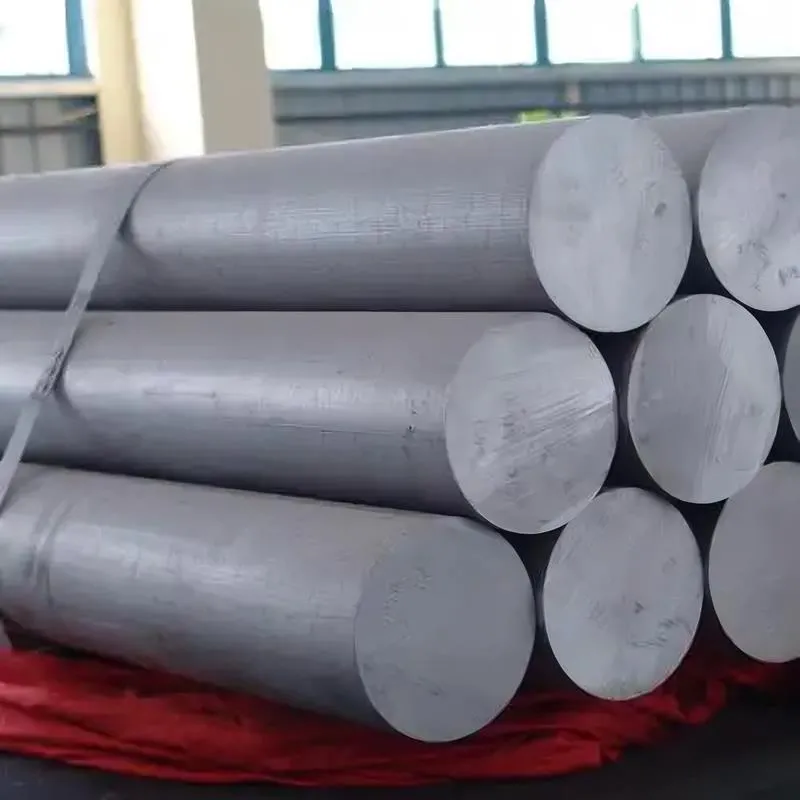
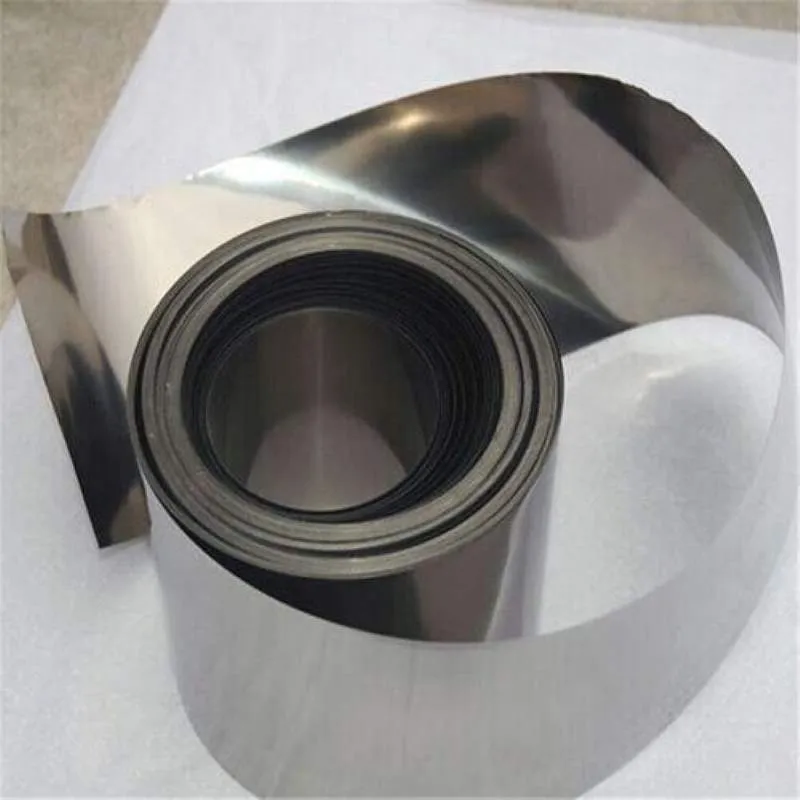
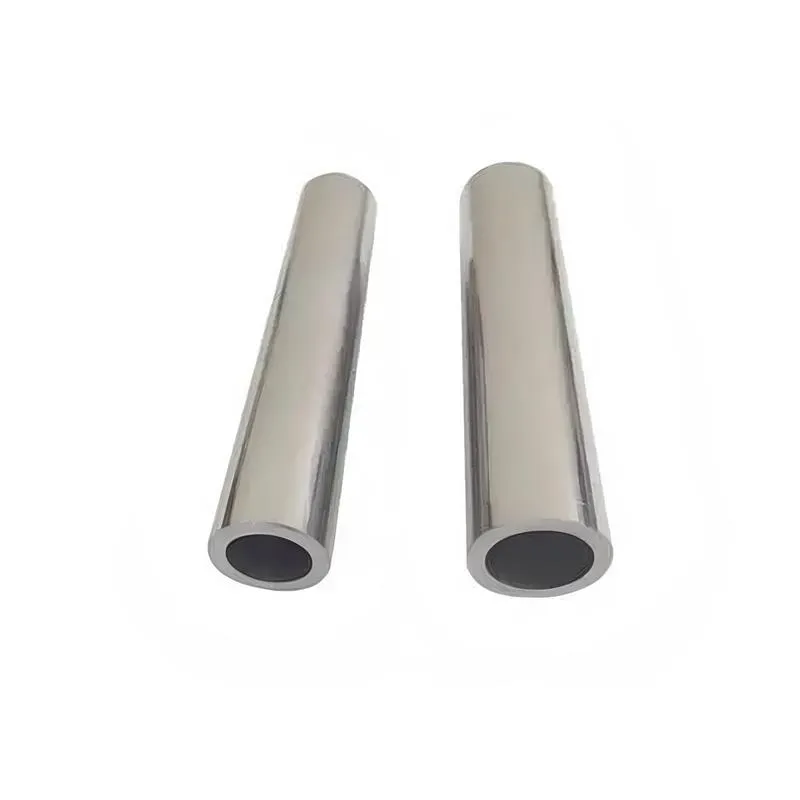
We provide AISI 4320 Steel, quenched 900°C (1650°F), 205°C (400°F) temper is available in Bar (Round bar, Flat bar), Ribbon, Wire, Rods, Tube,Seamless Tube,Pipe, Ingots, Plate, Sheet, Strip and Forging Stock.,Purity, chemical composition, size, etc. can all be customized to meet specific requirements.
Please contact us if you need customized services. We will contact you with the price and availability in 24 hours.
AISI 4320 Steel, quenched 900°C (1650°F), 205°C (400°F) temper Product Information
-:-
For detailed product information, please contact sales.
-:
AISI 4320 Steel, quenched 900°C (1650°F), 205°C (400°F) temper Synonyms
-:-
For detailed product information, please contact sales.
-:
AISI 4320 Steel, quenched 900°C (1650°F), 205°C (400°F) temper Product Information
-:-
For detailed product information, please contact sales.
-:
# **Technical Specification: AISI 4320 Steel, Quenched 900°C (1650°F), Tempered at 205°C (400°F)**
## **1. PRODUCT OVERVIEW**
AISI 4320 steel processed through **austenitizing at 900°C (1650°F), rapid quenching, and tempering at 205°C (400°F)** represents a **through-hardened, high-strength** condition of this nickel-chromium-molybdenum alloy steel. This specific heat treatment protocol produces a **tempered martensitic microstructure** that delivers an exceptional combination of ultra-high tensile strength, good toughness retention, and significant wear resistance. The relatively low tempering temperature (205°C) preserves maximum hardness while providing essential stress relief, making this material condition ideal for components subjected to high static and dynamic loads in demanding service environments.
---
## **2. MATERIAL SPECIFICATIONS & STANDARDS**
| **Parameter** | **Specification** | **Governing Standards** |
|---------------|-------------------|-------------------------|
| **Material Designation** | AISI 4320 / SAE 4320 | SAE J404, SAE J412 |
| **UNS Number** | G43200 | ASTM A29 |
| **International Equivalents** | DIN 1.6523, JIS SNCM220 | ISO 683-11:2016 |
| **Heat Treatment Condition** | Quenched & Tempered | AMS 2759 |
| **Austenitizing Temperature** | 900°C ± 10°C (1650°F ± 20°F) | — |
| **Tempering Temperature** | 205°C ± 10°C (400°F ± 20°F) | — |
| **Typical Hardness Range** | 45-49 HRC | ASTM E18 |
| **Material Traceability** | Heat number & heat treat lot | ASTM A29, ISO 10474 |
---
## **3. CHEMICAL COMPOSITION**
### **3.1 Standard Composition Ranges (Heat Analysis)**
| **Element** | **Minimum (%)** | **Maximum (%)** | **Typical (%)** | **Function in Q&T Condition** |
|-------------|-----------------|-----------------|-----------------|------------------------------|
| **Carbon (C)** | 0.17 | 0.22 | 0.20 | Primary martensite strength |
| **Manganese (Mn)** | 0.45 | 0.65 | 0.55 | Deep hardenability |
| **Silicon (Si)** | 0.15 | 0.35 | 0.25 | Solid solution strengthening |
| **Nickel (Ni)** | 1.65 | 2.00 | 1.80 | Enhances toughness at high strength |
| **Chromium (Cr)** | 0.40 | 0.60 | 0.50 | Improves hardenability and wear |
| **Molybdenum (Mo)** | 0.20 | 0.30 | 0.25 | Reduces temper embrittlement |
| **Phosphorus (P)** | ≤ 0.035 | 0.015 | Impurity control |
| **Sulfur (S)** | ≤ 0.040 | 0.025 | Controlled for machinability |
| **Iron (Fe)** | Balance | Balance | Matrix element |
### **3.2 Critical Parameters for 205°C Temper**
- **Carbon Equivalent (CE):** 0.55-0.65
- **Ideal Critical Diameter (DI):** ~100 mm (4.0 in.)
- **Ms Temperature:** ~370°C (700°F)
- **Mf Temperature:** ~220°C (430°F)
- **Tempering Parameter:** P = T(log t + 20) ≈ 15,500 (T in K, t in hours)
---
## **4. HEAT TREATMENT PROCESS**
### **4.1 Thermal Cycle Parameters**
```
Austenitization → Rapid Quenching → Tempering → Final Cooling
```
**Process Parameters:**
- **Preheating:** 650-700°C (1200-1290°F) to minimize thermal shock
- **Austenitizing:** 890-910°C (1635-1670°F) for 30-45 min/inch
- **Atmosphere:** Protective (endothermic gas) to prevent decarburization
- **Quenching Medium:** Fast oil (55-65°C) with agitation
- **Quenching Rate:** >30°C/sec through Ms temperature
- **Tempering:** 195-215°C (385-420°F) for 2-3 hours
- **Cooling After Temper:** Air cooling to ambient
- **Retained Austenite:** <5% (typically 2-4%)
### **4.2 Microstructural Characteristics**
| **Microstructural Feature** | **Description** | **Characterization Method** |
|----------------------------|-----------------|----------------------------|
| **Matrix Structure** | Tempered lath martensite | Light microscopy, TEM |
| **Martensite Lath Width** | 0.2-0.4 μm | Transmission Electron Microscopy |
| **Carbide Type** | Transition ε-carbide (Fe2.4C) | X-ray diffraction, TEM |
| **Carbide Size** | 5-15 nm | High-resolution TEM |
| **Prior Austenite Grain Size** | ASTM 7-9 | Picral or thermal etching |
| **Retained Austenite** | 2-4% | X-ray diffraction |
| **Dislocation Density** | ~10¹⁵ m⁻² | TEM analysis |
---
## **5. MECHANICAL PROPERTIES**
### **5.1 Standard Mechanical Properties**
| **Property** | **Value Range** | **Test Standard** | **Section Size Effect** |
|--------------|-----------------|-------------------|-------------------------|
| **Hardness** | 45-49 HRC | ASTM E18 | Up to 75 mm diameter |
| **Ultimate Tensile Strength** | 1520-1650 MPa (220-240 ksi) | ASTM E8/E8M | Longitudinal |
| **Yield Strength (0.2%)** | 1350-1500 MPa (196-218 ksi) | ASTM E8/E8M | Longitudinal |
| **Elongation (in 4D)** | 10-14% | ASTM E8/E8M | |
| **Reduction of Area** | 40-50% | ASTM E8/E8M | |
| **Modulus of Elasticity** | 205 GPa (29,700 ksi) | ASTM E111 | |
| **Shear Modulus** | 80 GPa (11,600 ksi) | ASTM E143 | |
| **Poisson's Ratio** | 0.29 | ASTM E132 | |
### **5.2 Toughness Properties**
| **Property** | **Test Temperature** | **Value Range** | **Test Standard** |
|--------------|---------------------|-----------------|-------------------|
| **Charpy V-Notch Impact** | 20°C (68°F) | 25-40 J (18-30 ft·lb) | ASTM E23 |
| **Charpy V-Notch Impact** | 0°C (32°F) | 20-35 J (15-26 ft·lb) | ASTM E23 |
| **Charpy V-Notch Impact** | -20°C (-4°F) | 15-30 J (11-22 ft·lb) | ASTM E23 |
| **Fracture Toughness (KIC)** | 20°C | 60-75 MPa√m | ASTM E399 |
| **Ductile-Brittle Transition** | 50% FATT | -10°C to +10°C | CVN analysis |
### **5.3 Fatigue Properties**
| **Test Configuration** | **Endurance Limit** | **Cycles** | **Surface Condition** |
|------------------------|---------------------|------------|----------------------|
| **Rotating Bending** | 620-690 MPa | 10⁷ | Polished (Ra < 0.4 μm) |
| **Axial Fatigue (R=0)** | 580-640 MPa | 10⁷ | Polished |
| **Notched Fatigue (Kt=3)** | 310-350 MPa | 10⁷ | Polished |
| **Torsional Fatigue** | 370-420 MPa | 10⁷ | Polished |
---
## **6. PHYSICAL PROPERTIES**
### **6.1 As-Treated Properties**
| **Property** | **Value** | **Unit** | **Test Standard** |
|--------------|-----------|----------|-------------------|
| **Density (20°C)** | 7.85 | g/cm³ | ASTM B311 |
| **Thermal Conductivity (20°C)** | 41.0 | W/m·K | ASTM E1225 |
| **Specific Heat (20°C)** | 460 | J/kg·K | ASTM E1269 |
| **Mean CTE (20-100°C)** | 11.5 × 10⁻⁶ | /K | ASTM E228 |
| **Mean CTE (20-200°C)** | 12.0 × 10⁻⁶ | /K | ASTM E228 |
| **Electrical Resistivity (20°C)** | 0.26 | μΩ·m | ASTM B193 |
| **Magnetic Properties** | Ferromagnetic | — | ASTM A342 |
### **6.2 Thermal Characteristics**
- **Tempering Response:** Minimal softening at 205°C (mainly ε-carbide precipitation)
- **Secondary Hardening Peak:** ~500-550°C (due to alloy carbide formation)
- **Maximum Service Temperature:** ~250°C (480°F) for short-term exposure
- **Continuous Service Limit:** ~200°C (390°F)
---
## **7. APPLICATIONS**
### **7.1 Target Industries & Components**
| **Industry** | **Typical Applications** | **Why This Condition is Ideal** |
|--------------|--------------------------|---------------------------------|
| **Aerospace** | Landing gear components, actuator parts, high-strength fasteners | Ultra-high strength-to-weight ratio |
| **Defense** | Armor components, weapon system parts, track pins | High hardness with good toughness |
| **Oil & Gas** | Downhole tools, valve components, drilling equipment | Wear resistance in abrasive environments |
| **Heavy Equipment** | Track links, pins, bushings, cutting edges | High strength for impact loading |
| **Power Transmission** | Gears, shafts, couplings (through-hardened) | Good pitting and bending fatigue resistance |
### **7.2 Specific Component Examples**
| **Component Type** | **Typical Size Range** | **Performance Benefits** |
|-------------------|------------------------|-------------------------|
| **High-Strength Bolts** | M10-M30 | Maintains preload at high stress |
| **Hydraulic Cylinder Rods** | 20-80 mm diameter | Excellent wear and fatigue resistance |
| **Gear Components** | Module 3-8 | Good through-hardening response |
| **Bearing Components** | Various | High contact fatigue resistance |
| **Tooling Components** | Various | Long wear life under high load |
### **7.3 Section Size Limitations**
- **Maximum Through-Hardened Diameter:** 75 mm (3.0 in.) at 45 HRC minimum
- **Optimum Diameter Range:** 15-60 mm (0.6-2.4 in.)
- **Thin Section Minimum:** 8 mm (0.3 in.) for uniform properties
- **Hardenability Depth:** Complete through-hardening up to 50 mm diameter
---
## **8. PROCESSING CHARACTERISTICS**
### **8.1 Machinability (Hardened Condition)**
| **Machining Operation** | **Relative Rating** | **Optimum Parameters** | **Tool Recommendations** |
|-------------------------|---------------------|------------------------|--------------------------|
| **Turning** | 35-40% (vs. annealed) | Vc=50-70 m/min, f=0.10-0.20 mm/rev | CBN or coated carbide (TiAlN) |
| **Milling** | 30-35% | Vc=60-80 m/min, fz=0.05-0.15 mm/tooth | Carbide end mills with high rigidity |
| **Drilling** | 25-30% | Vc=15-25 m/min, f=0.08-0.15 mm/rev | Carbide-tipped or solid carbide drills |
| **Grinding** | Good | Conventional wheels acceptable | Aluminum oxide or CBN wheels |
| **Electrical Discharge Machining** | Excellent | Standard parameters | Suitable for complex shapes |
### **8.2 Grinding Considerations**
- **Wheel Selection:** Aluminum oxide (A60-J8-V) or CBN
- **Surface Speed:** 25-35 m/s
- **Depth of Cut:** ≤0.015 mm for finish grinding
- **Coolant:** Essential to prevent thermal damage
- **Dressing Frequency:** Regular to maintain wheel sharpness
### **8.3 Weldability Assessment**
| **Parameter** | **Rating/Value** | **Recommendations** |
|---------------|------------------|---------------------|
| **Carbon Equivalent** | 0.55-0.60 | Moderate hardenability |
| **Preheat Temperature** | 200-250°C (400-480°F) | Mandatory to prevent HAZ cracking |
| **Interpass Temperature** | ≤250°C | Control to prevent softening |
| **Post-Weld Heat Treatment** | Temper at 200-250°C | Recommended for stress relief |
| **Filler Material** | AWS E11018-M or matching | Low hydrogen essential |
| **Weldability Classification** | Class 3 (Poor) | Special procedures required |
---
## **9. QUALITY ASSURANCE**
### **9.1 Mandatory Testing**
| **Test** | **Frequency** | **Method** | **Acceptance Criteria** |
|----------|---------------|------------|-------------------------|
| **Chemical Analysis** | Per heat | Optical Emission | Within SAE limits |
| **Hardness Testing** | 100% batch | Rockwell C scale | 45-49 HRC |
| **Tensile Testing** | Per heat/lot | ASTM E8 | Meet minimum properties |
| **Microstructural Exam** | Per furnace load | ASTM E3 | Tempered martensite, no abnormalities |
| **Grain Size** | Per heat treat | ASTM E112 | ASTM 7-9 |
| **Non-Destructive Testing** | As specified | MP, UT, or RT | Per application requirements |
### **9.2 Additional Testing Options**
- **Retained Austenite Measurement:** X-ray diffraction
- **Carbide Analysis:** TEM for carbide size and distribution
- **Residual Stress Analysis:** X-ray diffraction method
- **Fatigue Testing:** Application-specific protocols
- **Fracture Toughness:** ASTM E399 for critical applications
### **9.3 Traceability & Documentation**
- **Heat Number:** Full traceability to melt
- **Heat Treat Lot:** Complete processing records
- **Test Certificates:** EN 10204 3.1 or 3.2 as specified
- **Process Control Charts:** Temperature-time records
- **Non-Conformance Reports:** As applicable
---
## **10. COMPARATIVE PERFORMANCE**
### **10.1 vs. Higher Temperature Tempering**
| **Property** | **205°C Temper** | **400°C Temper** | **Advantage of 205°C** |
|--------------|------------------|------------------|------------------------|
| **Hardness** | 45-49 HRC | 38-42 HRC | Superior wear resistance |
| **Tensile Strength** | 1520-1650 MPa | 1200-1350 MPa | Higher load capacity |
| **Yield Strength** | 1350-1500 MPa | 1050-1200 MPa | Better for high stress |
| **Impact Toughness** | 25-40 J | 40-60 J | Sacrificed for strength |
| **Fatigue Ratio** | 0.40-0.45 | 0.45-0.50 | Slightly lower |
### **10.2 vs. Carburized Condition**
| **Aspect** | **Through-Hardened (205°C)** | **Carburized & Hardened** | **Application Guidance** |
|------------|------------------------------|---------------------------|-------------------------|
| **Surface Hardness** | 45-49 HRC | 58-63 HRC | Carburized for wear |
| **Core Properties** | Uniform high strength | Softer, tougher core | Through-hardened for strength |
| **Case Depth** | Full section | 0.5-2.0 mm | Depends on loading type |
| **Compressive Stress** | Moderate | Very high | Carburized for fatigue |
| **Cost** | Lower | Higher | Through-hardened economical |
---
## **11. DESIGN CONSIDERATIONS**
### **11.1 Stress Analysis Guidelines**
| **Loading Condition** | **Allowable Stress** | **Safety Factor** | **Design Notes** |
|-----------------------|----------------------|-------------------|-----------------|
| **Static Tension** | 675-750 MPa | 2.0 | Based on yield strength |
| **Static Shear** | 390-435 MPa | 2.0 | τ = 0.58 σy |
| **Fatigue (R=0)** | 290-320 MPa | 3.0 | Polished surface |
| **Contact Stress** | 1800-2000 MPa | 1.5 | Hertzian contact |
| **Bearing Stress** | 900-1000 MPa | 2.0 | Pin/hole interface |
### **11.2 Notch Sensitivity**
- **Theoretical Stress Concentration (Kt):** High sensitivity to notches
- **Fatigue Notch Factor (Kf):** ≈0.9 × Kt
- **Design Recommendation:** Avoid sharp corners, use generous fillets (R ≥ 1 mm)
- **Surface Finish Requirement:** Ra ≤ 0.8 μm for fatigue-critical applications
### **11.3 Dimensional Considerations**
- **Growth During Heat Treatment:** ~0.1-0.2% linear expansion
- **Distortion Control:** Requires proper fixturing during quenching
- **Machining After HT:** Limited to grinding or EDM
- **Straightening:** Not recommended due to risk of cracking
---
## **12. TECHNICAL ADVANTAGES**
### **12.1 Key Benefits**
1. **Ultra-High Strength:** Maximum strength achievable with this alloy
2. **Good Toughness Retention:** Nickel content maintains toughness at high hardness
3. **Wear Resistance:** Suitable for moderately abrasive environments
4. **Dimensional Stability:** Low tempering temperature minimizes distortion
5. **Fatigue Resistance:** Good for high-cycle fatigue applications
6. **Corrosion Resistance:** Slight improvement over plain carbon steels
7. **Through-Hardening:** Uniform properties in suitable sections
### **12.2 Metallurgical Advantages**
- **Fine Martensite Structure:** 900°C austenitizing prevents grain growth
- **Alloy Carbide Formation:** Mo and Cr contribute to secondary hardening
- **Nickel Benefits:** Lowers ductile-brittle transition temperature
- **Controlled Retained Austenite:** Provides some stress accommodation
---
## **13. LIMITATIONS & MITIGATIONS**
| **Potential Issue** | **Root Cause** | **Mitigation Strategy** |
|---------------------|----------------|-------------------------|
| **Quench Cracking** | High thermal stress | Proper preheat, avoid sharp corners |
| **Grinding Burns** | Excessive heat during grinding | Controlled grinding parameters |
| **Hydrogen Embrittlement** | Electroplating or pickling | Baking after plating (190-220°C) |
| **Stress Corrosion** | High tensile stress + corrosive environment | Surface treatments, proper design |
| **Limited Ductility** | High strength condition | Design for stiffness rather than elongation |
---
## **14. STORAGE & HANDLING**
### **14.1 Storage Requirements**
- **Environment:** Dry, controlled humidity (<45% RH)
- **Temperature:** Stable ambient conditions
- **Protection:** VCI or desiccant for long-term storage
- **Stacking:** Proper supports to prevent bending
- **Identification:** Maintain heat treat lot traceability
### **14.2 Handling Best Practices**
- **Lifting:** Use non-marring slings or cradles
- **Surface Protection:** Avoid impact or abrasion damage
- **Cleaning:** Solvent cleaning before further processing
- **Inspection:** Visual check for damage before use
---
**TECHNICAL NOTES:**
1. 205°C tempering primarily precipitates ε-carbides with minimal softening
2. Maximum service temperature limited to ~200°C to prevent overtempering
3. Nickel content provides exceptional toughness for the achieved hardness level
4. Through-hardening effective up to ~75 mm diameter with proper quenching
5. Consider shot peening for improved fatigue performance in critical applications
**CERTIFICATION:**
- Mill certificate per ASTM A29
- Heat treatment certificate with full cycle documentation
- Mechanical test reports for each heat treat lot
- Non-destructive testing reports as specified
- Material test reports per EN 10204 3.1 or 3.2
**REVISION:** 2.0 | **EFFECTIVE DATE:** October 2024 | **STATUS:** Production Approved
---
*This specification details AISI 4320 steel in the quenched and tempered condition (900°C austenitize, 205°C temper), representing one of the highest strength conditions available for this alloy. This condition is specifically engineered for applications demanding maximum strength, good wear resistance, and moderate toughness. For components requiring different property balances or for applications outside the recommended service conditions, consult with metallurgical engineering specialists for appropriate material and heat treatment recommendations.*
-:-
For detailed product information, please contact sales.
-:
AISI 4320 Steel, quenched 900°C (1650°F), 205°C (400°F) temper Specification
Dimensions
Size:
Diameter 20-1000 mm Length <5627 mm
Size:We can customized as required
Standard:
Per your request or drawing
We can customized as required
Properties(Theoretical)
Chemical Composition
-:-
For detailed product information, please contact sales.
-:
AISI 4320 Steel, quenched 900°C (1650°F), 205°C (400°F) temper Properties
-:-
For detailed product information, please contact sales.
-:
Applications of AISI 4320 Steel, quenched 900°C (1650°F), 205°C (400°F) temper
-:-
For detailed product information, please contact sales.
-:
Chemical Identifiers AISI 4320 Steel, quenched 900°C (1650°F), 205°C (400°F) temper
-:-
For detailed product information, please contact sales.
-:
Packing of AISI 4320 Steel, quenched 900°C (1650°F), 205°C (400°F) temper
-:-
For detailed product information, please contact sales.
-:
Standard Packing:
-:-
For detailed product information, please contact sales.
-:
Typical bulk packaging includes palletized plastic 5 gallon/25 kg. pails, fiber and steel drums to 1 ton super sacks in full container (FCL) or truck load (T/L) quantities. Research and sample quantities and hygroscopic, oxidizing or other air sensitive materials may be packaged under argon or vacuum. Solutions are packaged in polypropylene, plastic or glass jars up to palletized 2098 gallon liquid totes Special package is available on request. E FORUs’ is carefully handled to minimize damage during storage and transportation and to preserve the quality of our products in their original condition