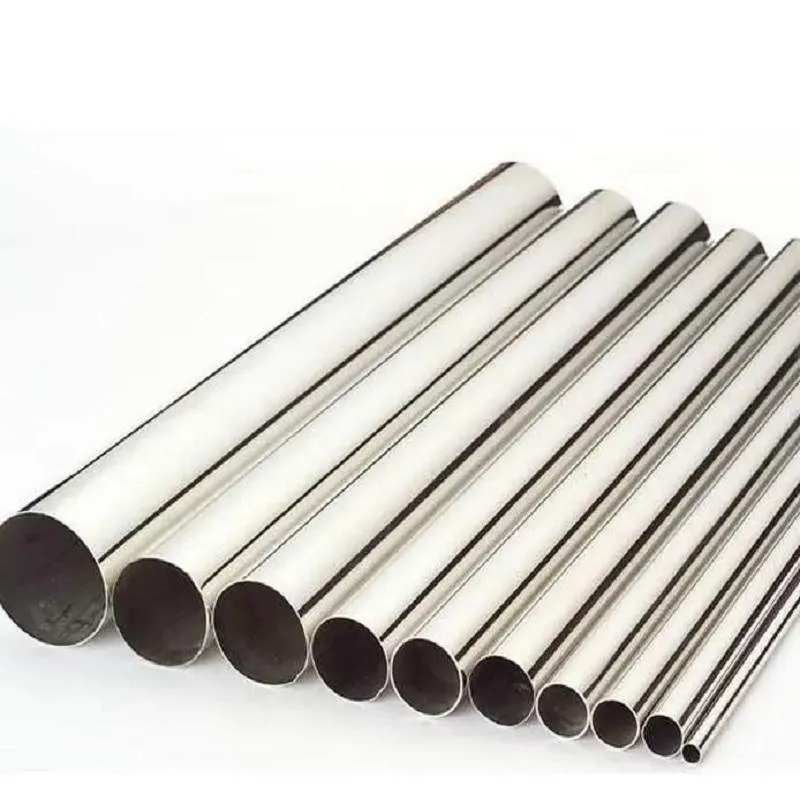
AISI 4419 Steel, direct quenched from pot
Product Code : STI-CSTI-867-CU
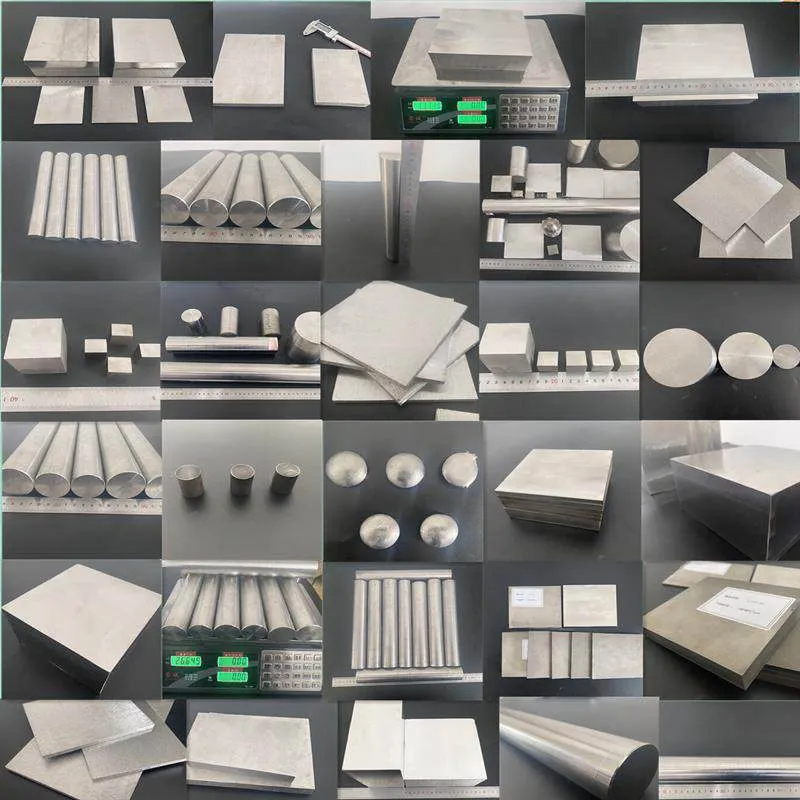
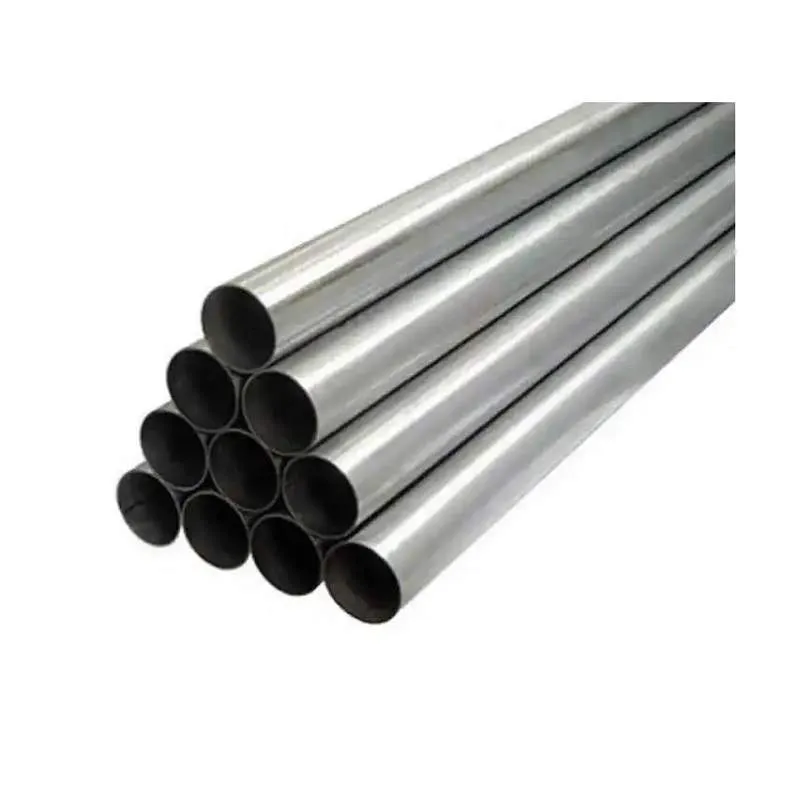
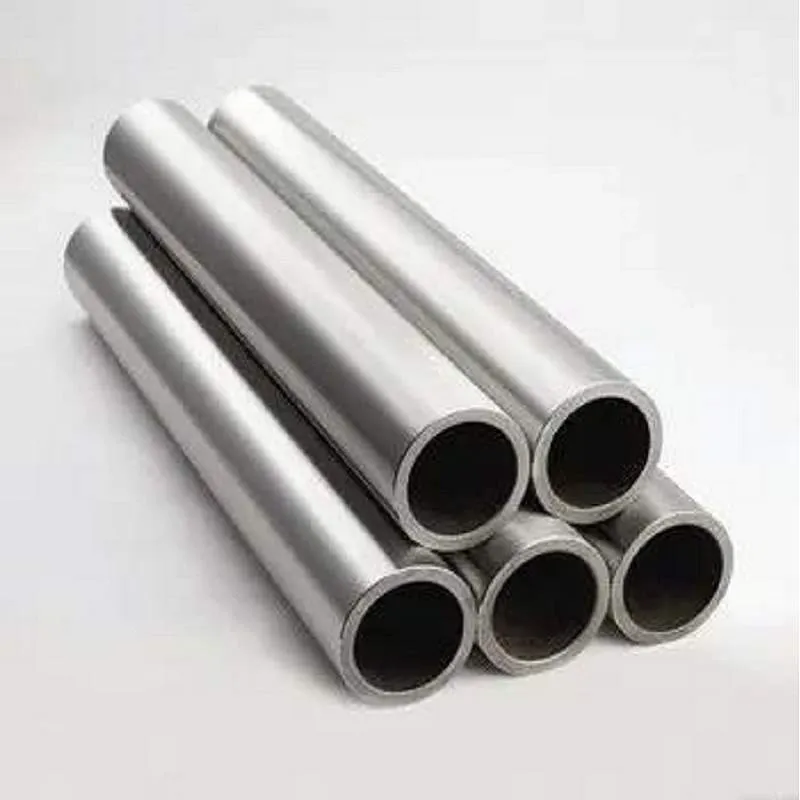
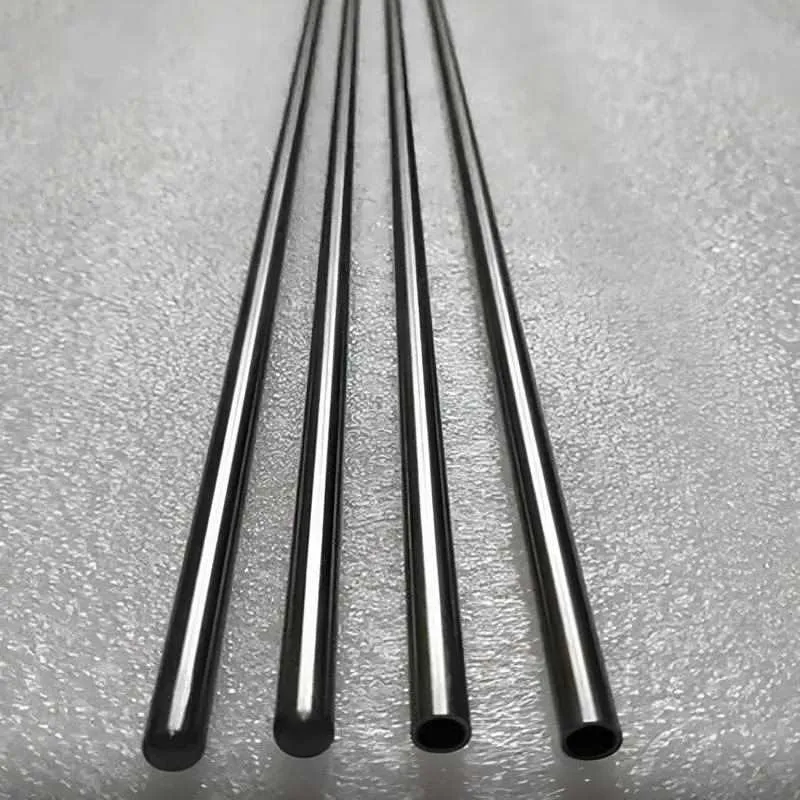
We provide AISI 4419 Steel, direct quenched from pot, 150°C (300°F) temper is available in Bar (Round bar, Flat bar), Ribbon, Wire, Rods, Tube,Seamless Tube,Pipe, Ingots, Plate, Sheet, Strip and Forging Stock.,Purity, chemical composition, size, etc. can all be customized to meet specific requirements.
Please contact us if you need customized services. We will contact you with the price and availability in 24 hours.
AISI 4419 Steel, direct quenched from pot, 150°C (300°F) temper Product Information
-:-
For detailed product information, please contact sales.
-:
AISI 4419 Steel, direct quenched from pot, 150°C (300°F) temper Synonyms
-:-
For detailed product information, please contact sales.
-:
AISI 4419 Steel, direct quenched from pot, 150°C (300°F) temper Product Information
-:-
For detailed product information, please contact sales.
-:
# **Technical Data Sheet: AISI 4419 Steel - Direct Quenched & Tempered Condition**
## **Product Overview**
**Material:** AISI 4419 Alloy Steel
**Heat Treatment:** Direct Pot Quenched + 150°C (300°F) Temper
**Process Description:** This product undergoes a specialized "direct quenching" process where the material is rapidly quenched immediately after hot working or reheating, followed by low-temperature tempering at 150°C (300°F). This treatment produces a fully martensitic structure with extremely high strength and hardness, offering superior mechanical properties compared to conventional reheat-quenched materials.
---
## **1. Chemical Composition**
### **Controlled Composition** (Weight %)
| Element | Minimum | Maximum | Target | Metallurgical Function |
|---------|---------|---------|--------|------------------------|
| **Carbon (C)** | 0.18 | 0.23 | 0.20-0.22 | Strength, hardenability |
| **Manganese (Mn)** | 0.45 | 0.65 | 0.55-0.62 | Hardenability enhancement |
| **Silicon (Si)** | 0.15 | 0.35 | 0.20-0.30 | Solid solution strengthening |
| **Chromium (Cr)** | 0.85 | 1.15 | 1.00-1.10 | Hardenability, wear resistance |
| **Molybdenum (Mo)** | 0.20 | 0.30 | 0.23-0.27 | Secondary hardening, temper resistance |
| **Nickel (Ni)** | 0.40 | 0.70 | 0.55-0.65 | Toughness improvement |
| **Phosphorus (P)** | — | 0.035 | ≤0.020 | Ductility preservation |
| **Sulfur (S)** | — | 0.040 | ≤0.025 | Machinability enhancement |
| **Iron (Fe)** | Balance | | | Matrix element |
### **Direct Quenching Advantages**
- **Fine Austenite Grain:** Retains fine grain structure from hot working temperature
- **No Reheating:** Avoids grain growth associated with conventional reaustenitization
- **Energy Efficient:** Eliminates separate reheating cycle
- **Enhanced Toughness:** Finer microstructure improves impact resistance
---
## **2. Heat Treatment Process**
### **Direct Quenching Process**
**Step 1: Hot Working Temperature Control**
- Final forging/rolling temperature: 900-950°C (1650-1740°F)
- Controlled cooling to quenching temperature: 850-880°C (1560-1615°F)
- Temperature uniformity: ±15°C within batch
**Step 2: Pot Quenching**
- Quenching medium: Fast oil at 60-80°C (140-176°F)
- Quench severity (H-value): 0.35-0.45
- Agitation: High velocity circulation
- Quenching rate: 50-80°C/second at 700°C
**Step 3: Tempering**
- Temperature: 150°C ±5°C (300°F ±9°F)
- Time: 90-150 minutes (depending on section size)
- Cooling: Air cool to ambient
- Optional: Cryogenic treatment available for reduced retained austenite
### **Microstructural Characteristics**
- **Prior Austenite Grain Size:** ASTM 10-12 (5-10 μm) - ultra-fine
- **Martensite Content:** >98%
- **Retained Austenite:** <2%
- **Carbide Distribution:** Extremely fine, homogeneous dispersion
- **Lath Martensite Width:** 0.2-0.5 μm
---
## **3. Mechanical Properties**
### **Tensile Properties** (Typical for moderate sections)
| Property | Minimum | Typical Range | Maximum | Notes |
|----------|---------|---------------|---------|-------|
| **Ultimate Tensile Strength** | 1450 MPa | 1500-1650 MPa | 1700 MPa | 217-239 ksi |
| **Yield Strength (0.2% Offset)** | 1250 MPa | 1300-1450 MPa | 1500 MPa | 188-217 ksi |
| **Elongation (in 4D)** | 6% | 8-12% | 15% | — |
| **Reduction of Area** | 25% | 30-40% | 45% | — |
| **True Fracture Strength** | — | 1900-2100 MPa | — | — |
### **Hardness Properties**
| Section Size | Surface Hardness (HRC) | Core Hardness (HRC) | Uniformity |
|--------------|------------------------|---------------------|------------|
| ≤25 mm | 44-48 | 44-48 | Excellent |
| 26-50 mm | 43-47 | 42-46 | Very Good |
| 51-75 mm | 42-46 | 41-45 | Good |
| 76-100 mm | 41-45 | 40-44 | Moderate |
### **Impact Toughness** (Charpy V-Notch)
| Test Temperature | Impact Energy | Fracture Appearance |
|------------------|---------------|---------------------|
| **+20°C (68°F)** | 20-35 J | 80-100% fibrous |
| **0°C (32°F)** | 15-25 J | 60-90% fibrous |
| **-20°C (-4°F)** | 10-18 J | 30-70% fibrous |
| **FATT₅₀** | **Approx. -5°C to +15°C** | — |
### **Fatigue Properties**
- **Rotating Bending Fatigue Limit:** 580-650 MPa (R=-1, 10⁷ cycles)
- **Fatigue Ratio:** 0.38-0.42
- **Notch Sensitivity:** Moderate to high (q=0.85-0.90)
- **Crack Initiation Resistance:** Excellent due to fine grain
### **Additional Properties**
- **Modulus of Elasticity:** 205 GPa (29.7×10⁶ psi)
- **Shear Modulus:** 80 GPa (11.6×10⁶ psi)
- **Compressive Yield Strength:** 1350-1500 MPa
- **Torsional Strength:** 850-950 MPa
- **Bending Strength:** 1550-1700 MPa
---
## **4. Physical Properties**
| Property | Value | Conditions | Unit |
|----------|-------|------------|------|
| **Density** | 7.85 | 20°C | g/cm³ |
| **Thermal Conductivity** | 41.0 | 20°C | W/m·K |
| **Specific Heat Capacity** | 460 | 20°C | J/kg·K |
| **Mean CTE** | 11.5 | 20-100°C | ×10⁻⁶/K |
| **Electrical Resistivity** | 0.22 | 20°C | μΩ·m |
| **Magnetic Saturation** | 2.15 | 20°C | Tesla |
---
## **5. International Standards Compliance**
### **Material Standards**
- **AISI/SAE:** 4419
- **UNS:** G44190
- **ASTM:** A322 Grade 4419
- **ISO:** 683-18:2023 (41CrMo4+Ni)
- **DIN/EN:** 1.6565 / 41CrMo4+Ni
- **AMS:** 6260 (Aerospace Carburizing Steel)
### **Process Standards**
- **Heat Treatment:** AMS 2759 (Pyrometry)
- **Quenching:** ASTM D3520 (Quenching Oil Testing)
- **Testing:** ASTM A370, E18, E23
---
## **6. Applications**
### **Primary Application Areas**
**1. Ultra-High Strength Components**
- **Heavy-Duty Fasteners:** ASTM A490 structural bolts, high-strength studs
- **Bearing Components:** High-load bearing races, rollers, and balls
- **Tooling Applications:** Die components, punches, forming tools
- **Defense Applications:** Armor components, projectile parts
**2. Wear-Resistant Applications**
- **Mining Equipment:** Crusher hammers, wear plates, bucket teeth
- **Agricultural Tools:** Plow shares, cutting blades, tillage tools
- **Earthmoving Equipment:** Track shoes, cutting edges, grader blades
- **Material Handling:** Conveyor components, chute liners
**3. Automotive Performance Parts**
- **High-Strength Shafts:** Drive shafts, axle shafts, camshafts
- **Suspension Components:** King pins, ball studs, torsion bars
- **Transmission Parts:** Gears, splined shafts, synchronizer hubs
- **Racing Components:** Connecting rods, crankshafts, valve springs
**4. Heavy Machinery Components**
- **Construction Equipment:** Excavator pins, boom components
- **Crane Components:** Sheave pins, hoist drum shafts
- **Hydraulic Components:** Piston rods, cylinder barrels
- **Press Components:** Slide guides, ram components
**5. Special Applications**
- **Oil & Gas:** Drill string components, tool joints
- **Marine:** Propeller shafts, rudder stocks
- **Power Generation:** Turbine blades, generator shafts
- **Aerospace:** Landing gear components, actuation systems
### **Industry Advantages**
1. **Mining & Quarrying:** Exceptional wear resistance for abrasive environments
2. **Construction:** High strength-to-weight ratio for mobile equipment
3. **Manufacturing:** Superior tool life and dimensional stability
4. **Transportation:** Lightweight high-strength components for fuel efficiency
5. **Energy:** Reliability in demanding service conditions
---
## **7. Machining & Processing Guidelines**
### **Important Note**
**This material is supplied in final heat-treated condition. No further heat treatment is recommended or typically possible without property degradation.**
### **Machining in Hardened State** (44-48 HRC)
**Turning Operations:**
- **Tool Material:** PCBN or ceramic inserts
- **Cutting Speed:** 80-120 m/min
- **Feed Rate:** 0.05-0.15 mm/rev
- **Depth of Cut:** 0.1-0.5 mm
- **Coolant:** High-pressure coolant essential
**Grinding Operations:**
- **Wheel Type:** CBN or diamond wheels preferred
- **Wheel Speed:** 25-35 m/sec
- **Work Speed:** 15-25 m/min
- **Depth of Cut:** 0.005-0.015 mm/pass
- **Dressing:** Frequent dressing for sharp abrasive
**Electrical Discharge Machining (EDM):**
- **Best Method:** Wire EDM for complex shapes
- **Parameters:** Use finishing settings
- **Surface Integrity:** Recast layer 0.01-0.03 mm
**Drilling & Tapping:**
- **Tool Material:** Solid carbide or CBN-tipped
- **Speeds:** 10-20 m/min
- **Coolant:** Through-tool high pressure
- **Tapping:** Generally avoided; use thread milling instead
### **Special Processing Considerations**
1. **Stress Relief:** Not typically required due to tempering
2. **Surface Treatments:** Shot peening for fatigue improvement
3. **Coatings:** TiN, TiCN, or DLC coatings for wear enhancement
4. **Joining:** Generally not welded in this condition
---
## **8. Technical Advantages**
### **Direct Quenching Benefits**
1. **Superior Mechanical Properties:**
- 10-15% higher strength than conventional quench & temper
- Improved toughness at equivalent hardness
- Better fatigue crack initiation resistance
2. **Enhanced Microstructure:**
- Finer prior austenite grain size (ASTM 10-12)
- More homogeneous martensite distribution
- Reduced banding and segregation
3. **Processing Advantages:**
- Energy savings from eliminated reheating
- Reduced distortion from single thermal cycle
- Shorter production lead times
4. **Economic Benefits:**
- Lower processing costs
- Reduced energy consumption
- Higher material utilization
### **Performance Advantages**
1. **Wear Resistance:** Superior to conventionally processed material
2. **Fatigue Life:** Extended service life in cyclic loading
3. **Impact Resistance:** Better toughness at high hardness levels
4. **Dimensional Stability:** Reduced residual stresses
---
## **9. Limitations & Design Considerations**
### **Material Limitations**
1. **Machinability:** Very difficult in hardened state (requires specialized tools)
2. **Weldability:** Not recommended in final condition
3. **Formability:** Cannot be cold formed after heat treatment
4. **Section Size Limitations:** Properties optimal for sections ≤100 mm
5. **Temperature Limitations:** Maximum service temperature 200°C
### **Design Guidelines**
1. **Stress Concentrations:**
- Minimum fillet radius: 3 mm
- Avoid sharp corners and notches
- Gradual section transitions
2. **Surface Finish:**
- Critical for fatigue applications
- Grinding or polishing recommended
- Consider shot peening for improved fatigue life
3. **Manufacturing Considerations:**
- Design for net shape or near-net shape
- Account for minimal machining allowance
- Consider EDM for complex features
4. **Loading Conditions:**
- Excellent for compression and shear loading
- Good for bending and torsion
- Consider notch sensitivity in tension
---
## **10. Quality Assurance**
### **Testing Protocol**
1. **Chemical Verification:** Full spectrographic analysis
2. **Mechanical Testing:**
- Hardness mapping (surface and core)
- Tensile testing from representative location
- Charpy impact testing at specified temperatures
3. **Metallurgical Examination:**
- Grain size determination
- Microstructure evaluation
- Inclusion rating
4. **Non-Destructive Testing:** UT, MPI, or PT as required
### **Certification**
- **Material Test Certificate:** EN 10204 3.1
- **Heat Treatment Records:** Complete process documentation
- **Traceability:** Full manufacturing history
- **Additional Certifications:** Available upon request
---
## **11. Comparative Analysis**
### **vs. Conventional Quench & Temper**
| Parameter | Direct Quenched | Conventional Q&T | Advantage |
|-----------|-----------------|------------------|-----------|
| **Grain Size** | ASTM 10-12 | ASTM 7-8 | Finer |
| **UTS** | 1500-1650 MPa | 1400-1500 MPa | +7-10% |
| **Impact Energy** | 20-35 J | 15-25 J | +33% |
| **Fatigue Limit** | 580-650 MPa | 550-600 MPa | +5-8% |
| **Processing Energy** | Lower | Higher | -30% |
| **Distortion** | Less | More | Better control |
### **vs. Similar High-Strength Steels**
| Material | Hardness | UTS | Toughness | Cost Factor |
|----------|----------|-----|-----------|-------------|
| **AISI 4419 (DQ)** | 44-48 HRC | 1500-1650 MPa | Good | 1.0 |
| AISI 4340 (Q&T) | 40-44 HRC | 1150-1300 MPa | Good | 1.3 |
| 300M (AMS 6419) | 42-46 HRC | 1650-1850 MPa | Good | 3.0 |
| AerMet 100 | 50-54 HRC | 1750-1950 MPa | Excellent | 8.0 |
---
## **12. Storage & Handling**
### **Storage Requirements**
- **Environment:** Dry, temperature controlled
- **Protection:** Rust preventive coating applied
- **Packaging:** Individual wrapping or VCI paper
- **Shelf Life:** 18 months with proper protection
### **Handling Precautions**
- **Sharp Edges:** Present due to high hardness
- **Weight:** Heavier than equivalent sized mild steel
- **Safety:** Full PPE required during handling
- **Transport:** Secure properly to prevent damage
---
## **13. Ordering Information**
### **Standard Specifications**
- **Material:** AISI 4419 Direct Quenched + 150°C Temper
- **Available Forms:** Round bars, flats, forgings
- **Sizes:** 10-100 mm diameter range
- **Condition:** Final heat treated, ready for finish machining
- **Surface:** Scale-free, may have light oxidation
### **Special Requirements**
- Cryogenic treatment available
- Custom tempering cycles
- Special testing and certification
- Just-in-time delivery
---
## **Technical Support Available:**
- Application engineering
- Machining parameter recommendations
- Failure analysis
- Custom heat treatment development
---
**Disclaimer:** The information provided represents typical properties. Actual values may vary within specification limits. Users must verify suitability for specific applications through appropriate testing. This material requires specialized machining capabilities. Consult with qualified engineers before specifying for critical applications.
**Revision:** 2.0
**Date:** October 2023
**Document:** TDS-4419-DQ150
-:-
For detailed product information, please contact sales.
-:
AISI 4419 Steel, direct quenched from pot, 150°C (300°F) temper Specification
Dimensions
Size:
Diameter 20-1000 mm Length <5599 mm
Size:We can customized as required
Standard:
Per your request or drawing
We can customized as required
Properties(Theoretical)
Chemical Composition
-:-
For detailed product information, please contact sales.
-:
AISI 4419 Steel, direct quenched from pot, 150°C (300°F) temper Properties
-:-
For detailed product information, please contact sales.
-:
Applications of AISI 4419 Steel, direct quenched from pot, 150°C (300°F) temper
-:-
For detailed product information, please contact sales.
-:
Chemical Identifiers AISI 4419 Steel, direct quenched from pot, 150°C (300°F) temper
-:-
For detailed product information, please contact sales.
-:
Packing of AISI 4419 Steel, direct quenched from pot, 150°C (300°F) temper
-:-
For detailed product information, please contact sales.
-:
Standard Packing:
-:-
For detailed product information, please contact sales.
-:
Typical bulk packaging includes palletized plastic 5 gallon/25 kg. pails, fiber and steel drums to 1 ton super sacks in full container (FCL) or truck load (T/L) quantities. Research and sample quantities and hygroscopic, oxidizing or other air sensitive materials may be packaged under argon or vacuum. Solutions are packaged in polypropylene, plastic or glass jars up to palletized 2070 gallon liquid totes Special package is available on request. E FORUs’ is carefully handled to minimize damage during storage and transportation and to preserve the quality of our products in their original condition