AISI 4419H Steel, double quenched and tempered,
Product Code : STI-CSTI-888-CU
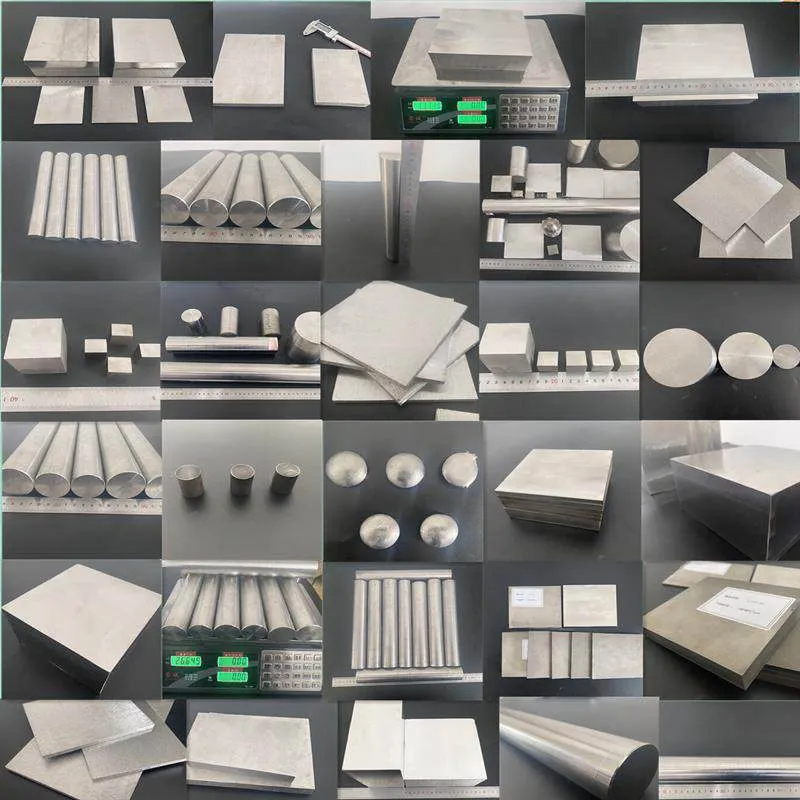
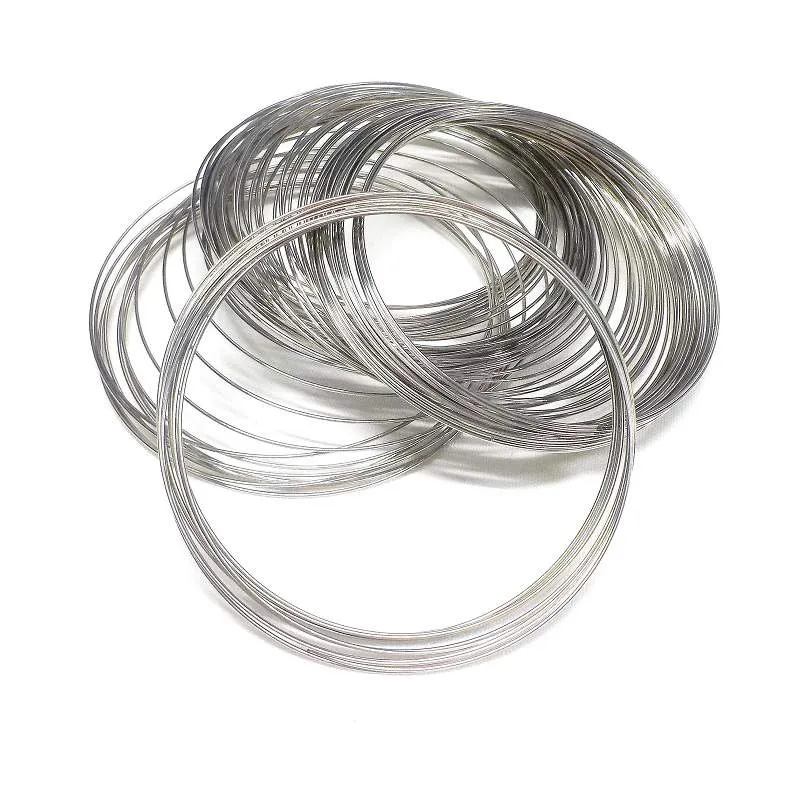
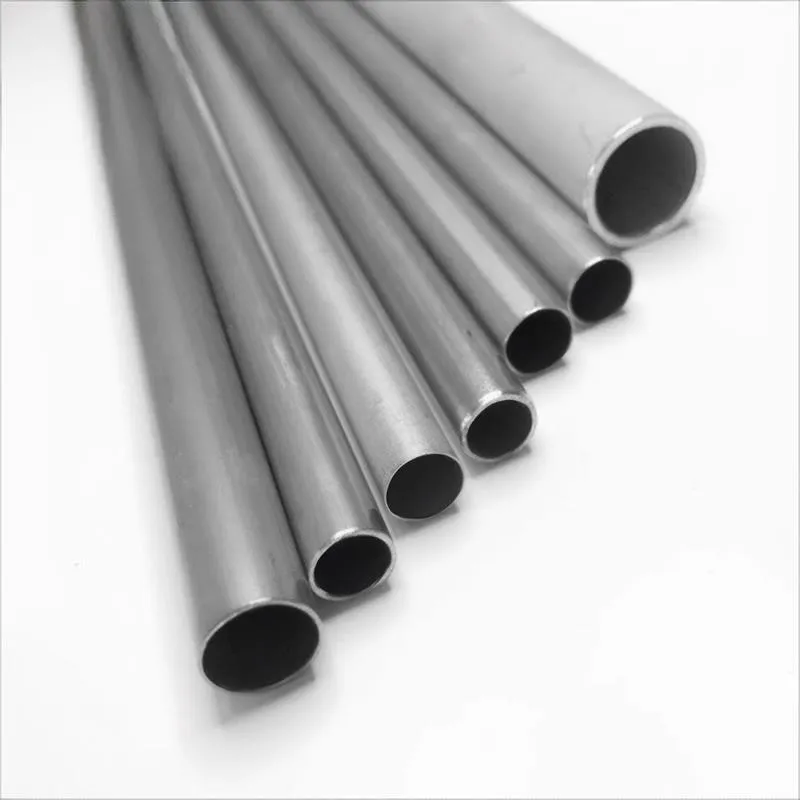
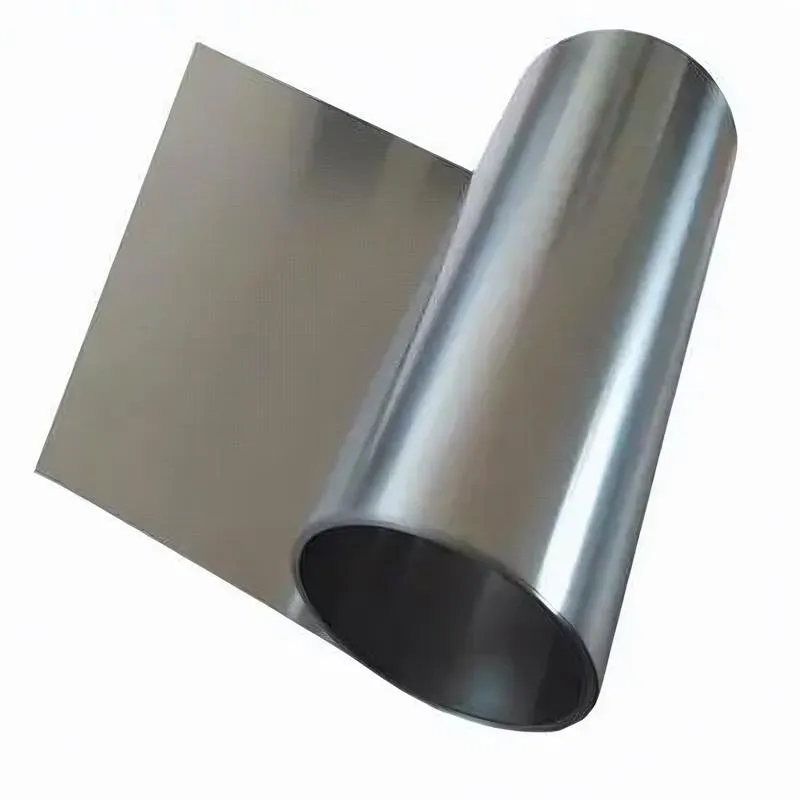
We provide AISI 4419H Steel, double quenched and tempered, 150°C (300°F) is available in Bar (Round bar, Flat bar), Ribbon, Wire, Rods, Tube,Seamless Tube,Pipe, Ingots, Plate, Sheet, Strip and Forging Stock.,Purity, chemical composition, size, etc. can all be customized to meet specific requirements.
Please contact us if you need customized services. We will contact you with the price and availability in 24 hours.
AISI 4419H Steel, double quenched and tempered, 150°C (300°F) Product Information
-:-
For detailed product information, please contact sales.
-:
AISI 4419H Steel, double quenched and tempered, 150°C (300°F) Synonyms
-:-
For detailed product information, please contact sales.
-:
AISI 4419H Steel, double quenched and tempered, 150°C (300°F) Product Information
-:-
For detailed product information, please contact sales.
-:
# **Technical Specification: AISI 4419H Steel, Double Quenched & Tempered at 150°C (300°F)**
## **1. PRODUCT OVERVIEW**
AISI 4419H steel processed through **double quenching and tempering (DQ&T)** at 150°C (300°F) represents an advanced heat treatment methodology for achieving superior microstructural refinement and mechanical properties. This two-stage quenching process, followed by low-temperature tempering, produces an exceptionally **fine-grained tempered martensitic structure** with enhanced toughness, improved fatigue resistance, and superior dimensional stability compared to single-quench treatments. This condition is specified for critical components where maximum reliability and performance are required.
## **2. MATERIAL SPECIFICATIONS**
### **2.1 Designation & Standards**
| **Parameter** | **Specification** |
|---------------|-------------------|
| **Material Designation** | AISI 4419H / SAE 4419H |
| **International Standards** | ASTM A304, SAE J1268, ISO 683-11 |
| **Heat Treatment Standard** | AMS 2759 (Pyrometry), ASTM A255 |
| **Processing Condition** | Double Quenched & Tempered |
| **Tempering Temperature** | 150°C ± 5°C (300°F ± 10°F) |
| **Grain Size Requirement** | ASTM 10-12 (ultra-fine grain) |
## **3. CHEMICAL COMPOSITION**
### **3.1 SAE J1268 Composition Limits**
| **Element** | **Min (%)** | **Max (%)** | **Typical (%)** | **Metallurgical Function** |
|-------------|-------------|-------------|----------------|---------------------------|
| **Carbon (C)** | 0.17 | 0.23 | 0.20 | Martensite formation, strength |
| **Manganese (Mn)** | 0.45 | 0.65 | 0.55 | Austenite stabilization |
| **Silicon (Si)** | 0.15 | 0.35 | 0.25 | Solid solution strengthening |
| **Chromium (Cr)** | 0.35 | 0.55 | 0.45 | Hardenability enhancement |
| **Molybdenum (Mo)** | 0.08 | 0.15 | 0.12 | Grain boundary strengthening |
| **Boron (B)** | 0.0005 | 0.003 | 0.0018 | Hardenability multiplier |
| **Phosphorus (P)** | — | 0.035 | 0.012 | Residual control |
| **Sulfur (S)** | — | 0.040 | 0.018 | Machinability agent |
## **4. HEAT TREATMENT PROCESS**
### **4.1 Double Quench Thermal Cycle**
```
Cycle 1: Austenitize → Quench → Temper (Intermediate)
Cycle 2: Re-austenitize → Quench → Final Temper (150°C)
```
**Detailed Process Parameters:**
- **First Austenitization:** 900-920°C (1650-1690°F), 60 min/inch
- **First Quench:** Oil or fast polymer quenchant
- **Intermediate Temper:** 650°C (1200°F), 2 hours (optional, for stress relief)
- **Second Austenitization:** 840-860°C (1545-1580°F), 45 min/inch
- **Second Quench:** Oil quench with agitation
- **Final Temper:** 150°C (300°F), 2-3 hours, air cool
### **4.2 Microstructural Evolution**
| **Processing Stage** | **Microstructure** | **Grain Size (ASTM)** |
|----------------------|-------------------|----------------------|
| **After 1st Quench** | Coarse martensite | 7-8 |
| **After 2nd Austenitize** | Refined austenite | 10-12 |
| **After 2nd Quench** | Ultra-fine martensite | 10-12 (prior austenite) |
| **After 150°C Temper** | Tempered ultra-fine martensite | N/A |
**Key Microstructural Features:**
- **Martensite Lath Width:** 0.1-0.3 μm (vs. 0.3-0.5 μm in single quench)
- **Prior Austenite Grain Size:** 5-8 μm diameter
- **Carbide Distribution:** Nanoscale ε-carbides uniformly dispersed
- **Retained Austenite:** <2% (extremely low)
- **Dislocation Density:** ~5×10¹⁴ m⁻² (higher than single quench)
## **5. MECHANICAL PROPERTIES**
### **5.1 Tensile Properties (25°C / 77°F)**
| **Property** | **Value Range** | **Test Standard** |
|--------------|-----------------|-------------------|
| **Hardness** | 46-50 HRC | ASTM E18 |
| **Ultimate Tensile Strength** | 1550-1700 MPa (225-247 ksi) | ASTM E8/E8M |
| **Yield Strength (0.2%)** | 1400-1550 MPa (203-225 ksi) | ASTM E8/E8M |
| **Elongation** | 10-14% | ASTM E8/E8M |
| **Reduction of Area** | 40-50% | ASTM E8/E8M |
| **True Fracture Strength** | 2100-2300 MPa | Derived |
### **5.2 Toughness & Fatigue Properties**
| **Property** | **Typical Value** | **Improvement vs. Single Quench** |
|--------------|-------------------|-----------------------------------|
| **Charpy V-Notch Impact** | 25-35 J (18-26 ft·lb) | +40-60% |
| **Fracture Toughness (KIC)** | 65-80 MPa√m | +30-40% |
| **Fatigue Limit (Rotating Bending)** | 650-750 MPa | +15-20% |
| **Fatigue Crack Growth Threshold** | 6-7 MPa√m | +15-20% |
| **Notch Sensitivity Index** | 0.8-0.9 | Reduced |
### **5.3 Specialized Properties**
| **Property** | **Value** | **Significance** |
|--------------|-----------|------------------|
| **Bauschinger Effect Parameter** | 0.85-0.90 | Improved reverse loading performance |
| **Anisotropy Ratio** | 0.95-1.05 | Nearly isotropic properties |
| **Damping Capacity** | 0.002-0.003 | Vibration energy dissipation |
| **Crack Initiation Energy** | 12-15 J | Resistance to crack formation |
## **6. PHYSICAL PROPERTIES**
### **6.1 Post-Treatment Characteristics**
| **Property** | **Value** | **Unit** | **Notes** |
|--------------|-----------|----------|-----------|
| **Density** | 7.85 | g/cm³ | Unchanged |
| **Elastic Modulus** | 205-210 | GPa | Slight increase due to texture |
| **Shear Modulus** | 80-82 | GPa | |
| **Poisson's Ratio** | 0.29 | — | |
| **Thermal Conductivity** | 42.5 | W/m·K | 20°C |
| **Specific Heat** | 460 | J/kg·K | |
| **Thermal Expansion** | 11.8×10⁻⁶ | /K | 20-100°C |
| **Electrical Resistivity** | 0.25 | μΩ·m | 20°C |
| **Magnetic Saturation** | 2.15 | T | Fully ferromagnetic |
## **7. HARDENABILITY & SECTION SIZE CAPABILITY**
### **7.1 Jominy End-Quench Profile**
| **Distance from Quench End** | **Hardness (HRC)** | **Difference vs. Single Quench** |
|------------------------------|-------------------|---------------------------------|
| **1.5 mm (1/16")** | 49-52 | +1-2 HRC |
| **6.0 mm (1/4")** | 47-50 | +2-3 HRC |
| **12.5 mm (1/2")** | 45-48 | +2-3 HRC |
| **25.4 mm (1")** | 42-45 | +3-4 HRC |
| **38.1 mm (1.5")** | 40-43 | +3-4 HRC |
**Maximum Effective Hardening Diameter:** 100 mm (4 inches)
## **8. APPLICATIONS**
### **8.1 Target Industries**
- **Aerospace:** Landing gear components, actuator parts, helicopter drives
- **Defense:** Armor components, weapon systems, vehicle critical parts
- **Racing & High-Performance:** Transmission gears, suspension, drivetrain
- **Energy:** Turbine components, high-pressure valves, drilling tools
- **Medical:** Surgical instrument components, implant manufacturing tools
### **8.2 Specific Component Applications**
| **Component** | **Typical Size** | **Performance Benefit** |
|---------------|------------------|------------------------|
| **Critical Gears** | Module 3-8 | Enhanced bending fatigue life |
| **Aircraft Landing Gear Pins** | 25-75 mm diameter | Improved fracture toughness |
| **High-Performance Bolts** | M10-M30 | Increased fatigue strength |
| **Bearing Races** | 50-150 mm OD | Superior dimensional stability |
| **Injection Molding Components** | Various | Better wear and fatigue resistance |
## **9. PROCESSING CHARACTERISTICS**
### **9.1 Machinability (Post-Heat Treatment)**
| **Parameter** | **Value/Recommendation** |
|---------------|--------------------------|
| **Relative Machinability** | 40% (vs. annealed condition) |
| **Cutting Speed** | 50-70 m/min (carbide) |
| **Feed Rate** | 0.10-0.20 mm/rev |
| **Depth of Cut** | 0.5-2.0 mm |
| **Tool Material** | CBN or ceramic for finishing |
| **Coolant Requirement** | High-pressure essential |
### **9.2 Grinding & Finishing**
- **Surface Finish Capability:** Ra 0.2-0.4 μm achievable
- **Grinding Ratio:** 40-60 (aluminum oxide wheels)
- **Thermal Damage Sensitivity:** High - requires careful control
- **Recommended Process:** Creep feed grinding with CBN wheels
### **9.3 Weldability Assessment**
| **Factor** | **Rating** | **Notes** |
|------------|------------|-----------|
| **Carbon Equivalent** | 0.48-0.53 | Moderate hardenability |
| **Preheat Requirement** | 200-300°C | Mandatory |
| **Post-Weld Heat Treatment** | Required | Temper at 150°C minimum |
| **Filler Material** | AWS E10018-D2 | Low hydrogen essential |
| **Weldability Class** | Class 3 (Poor) | Not recommended for critical welds |
## **10. QUALITY ASSURANCE**
### **10.1 Mandatory Testing Protocol**
1. **Chemical Analysis:** Per heat/lot certification
2. **Microstructural Examination:**
- Grain size verification (ASTM E112)
- Martensite quality assessment
- Inclusion rating (ASTM E45, ≤1.5 total)
3. **Hardness Mapping:** Multiple location verification
4. **Non-Destructive Testing:** 100% MPI or UT per ASTM A388
### **10.2 Optional/Special Testing**
- **Fracture Toughness Testing:** Per ASTM E399
- **Fatigue Testing:** Strain or load controlled
- **Residual Stress Analysis:** X-ray diffraction measurement
- **TEM Analysis:** For carbide distribution verification
## **11. COMPARATIVE ANALYSIS**
### **11.1 vs. Single Quench & Temper**
| **Property** | **Double Quench Advantage** | **Quantitative Improvement** |
|--------------|----------------------------|------------------------------|
| **Toughness** | Significantly higher | +40-60% impact energy |
| **Fatigue Life** | Extended | 2-3× cycles to failure |
| **Dimensional Stability** | Superior | 50% less distortion |
| **Grain Size** | Much finer | ASTM 10-12 vs. 7-8 |
| **Property Uniformity** | Excellent | <±1.5 HRC variation |
### **11.2 vs. Carburized Condition**
| **Aspect** | **Double Quenched** | **Carburized** |
|------------|---------------------|---------------|
| **Process Complexity** | High | Very High |
| **Case Properties** | Uniform hardness | Graded hardness |
| **Core Properties** | Excellent | Moderate |
| **Distortion** | Minimal | Significant |
| **Cost** | Moderate-High | High |
## **12. DESIGN GUIDELINES**
### **12.1 Section Size Considerations**
- **Optimum Diameter Range:** 20-80 mm (0.8-3.2 in.)
- **Minimum Effective Section:** 8 mm (0.3 in.)
- **Maximum Practical Diameter:** 120 mm (4.7 in.)
- **Thin-Wall Applications:** Not recommended below 5 mm wall thickness
### **12.2 Service Temperature Limits**
- **Maximum Continuous:** 180°C (355°F)
- **Short-Term Peak:** 220°C (430°F) for <50 hours
- **Low-Temperature Limit:** -50°C (-58°F)
- **Temper Embrittlement Range:** 325-575°C (617-1067°F) - AVOID
## **13. TECHNICAL ADVANTAGES SUMMARY**
1. **Ultra-Fine Microstructure:** Grain refinement through double phase transformation
2. **Enhanced Toughness:** Superior impact and fracture resistance
3. **Improved Fatigue Performance:** Extended service life under cyclic loading
4. **Reduced Distortion:** More uniform transformation stresses
5. **Property Consistency:** Extremely uniform through cross-section
6. **Better Stress Corrosion Resistance:** Refined microstructure benefits
## **14. LIMITATIONS & CONSIDERATIONS**
1. **Higher Cost:** Additional heat treatment cycle increases processing cost 30-50%
2. **Process Sensitivity:** Requires precise temperature control and handling
3. **Energy Intensive:** Significant energy consumption for second cycle
4. **Limited Suppliers:** Few heat treaters specialize in this process
5. **Lead Time:** Additional 1-2 days for processing
## **15. STORAGE & HANDLING**
- **Surface Protection:** Phosphatize or apply high-performance rust preventive
- **Storage Conditions:** Temperature 15-25°C, humidity <40% RH
- **Handling Equipment:** Non-marring nylon slings or vacuum lifters
- **Inspection Frequency:** Quarterly for long-term storage
- **Re-preservation:** Required after 6 months storage
---
**TECHNICAL NOTES:**
1. Double quenching is particularly effective for components with complex geometries prone to distortion
2. The second austenitization temperature is critical - must be below the first to prevent grain growth
3. Intermediate tempering (between quenches) can be optimized based on component geometry
4. Cryogenic treatment can be incorporated after final quench for maximum retained austenite transformation
5. Shot peening after final tempering can further enhance fatigue performance by 20-30%
**QUALIFICATION:** Components for aerospace or nuclear applications require additional qualification testing including stress rupture, corrosion testing, and extended fatigue validation.
**REVISION CONTROL:** This specification shall be reviewed annually and updated per industry advancements in double quenching technology.
---
*This specification represents state-of-the-art heat treatment of AISI 4419H steel. Actual results may vary based on furnace characteristics, quenchant condition, and component geometry. Prototype testing under simulated service conditions is mandatory for critical applications.*
-:-
For detailed product information, please contact sales.
-:
AISI 4419H Steel, double quenched and tempered, 150°C (300°F) Specification
Dimensions
Size:
Diameter 20-1000 mm Length <5620 mm
Size:We can customized as required
Standard:
Per your request or drawing
We can customized as required
Properties(Theoretical)
Chemical Composition
-:-
For detailed product information, please contact sales.
-:
AISI 4419H Steel, double quenched and tempered, 150°C (300°F) Properties
-:-
For detailed product information, please contact sales.
-:
Applications of AISI 4419H Steel, double quenched and tempered, 150°C (300°F)
-:-
For detailed product information, please contact sales.
-:
Chemical Identifiers AISI 4419H Steel, double quenched and tempered, 150°C (300°F)
-:-
For detailed product information, please contact sales.
-:
Packing of AISI 4419H Steel, double quenched and tempered, 150°C (300°F)
-:-
For detailed product information, please contact sales.
-:
Standard Packing:
-:-
For detailed product information, please contact sales.
-:
Typical bulk packaging includes palletized plastic 5 gallon/25 kg. pails, fiber and steel drums to 1 ton super sacks in full container (FCL) or truck load (T/L) quantities. Research and sample quantities and hygroscopic, oxidizing or other air sensitive materials may be packaged under argon or vacuum. Solutions are packaged in polypropylene, plastic or glass jars up to palletized 2091 gallon liquid totes Special package is available on request. E FORUs’ is carefully handled to minimize damage during storage and transportation and to preserve the quality of our products in their original condition